











![Why Are Antibiotics And Vaccines Failing Us? [4K] | The Battle Against Superbugs | Spark](https://i.ytimg.com/vi/OfCNfmvWEio/maxresdefault.jpg)




Antibiotic resistance arises through two primary mechanisms: innate resistance (natural physiological barriers preventing antibiotic interaction) and acquired resistance (gain of new genes via horizontal gene transfer through transformation, transduction, or conjugation), with mobile genetic elements like plasmids, transposons, and integrons facilitating rapid spread of resistance genes across bacterial populations and environments worldwide.
Antibiotic Resistance Mechanisms & Gene Spread | Microbiology Lecture
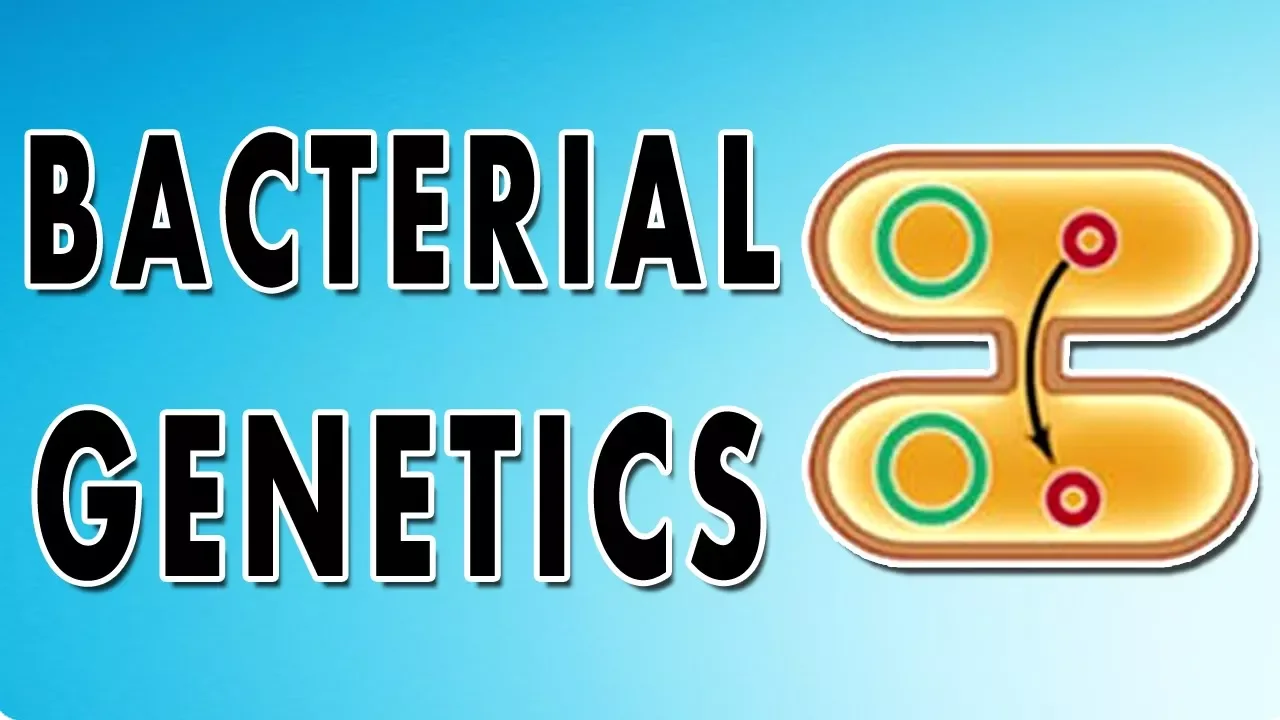
Added:Basic bacterial genetics, including the structural differences between chromosomal DNA and extrachromosomal DNA (plasmids).
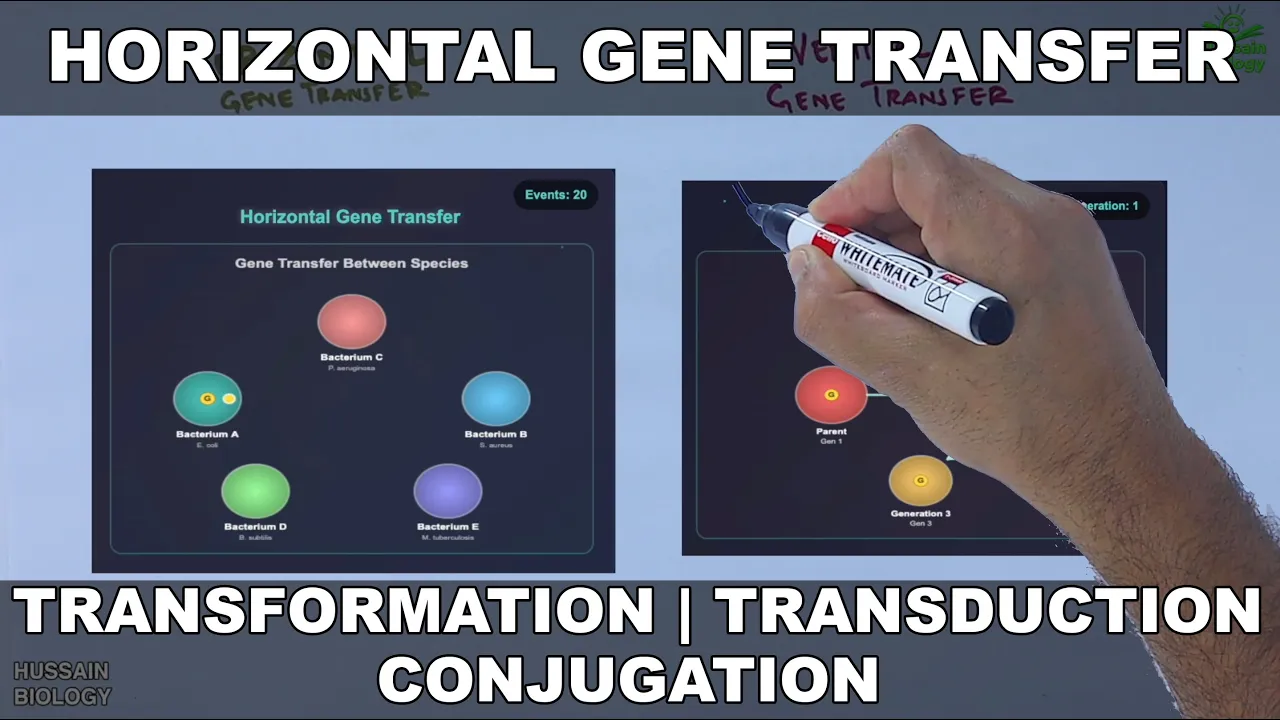
The fundamental mechanisms of horizontal gene transfer (HGT) in bacteria, specifically conjugation, transformation, and transduction.
The Central Dogma of molecular biology (DNA to RNA to protein) to understand how resistance genes are transcribed and translated.
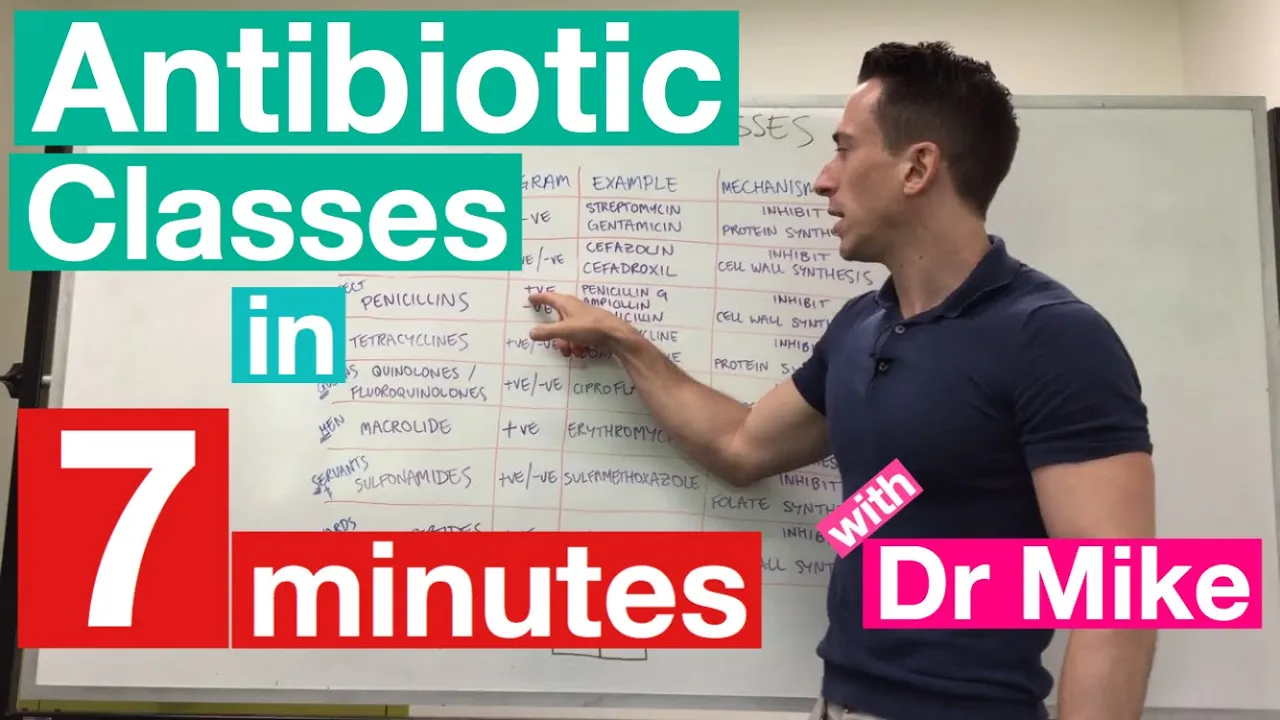
General classes of antibiotics (e.g., beta-lactams, aminoglycosides) and their primary target sites within bacterial cells.
The clinical impact of multidrug-resistant (MDR) 'superbugs' such as MRSA, VRE, and CRE in hospital and community settings.
Advanced molecular diagnostic techniques used to detect resistance genes, such as PCR, microarrays, and whole-genome sequencing (WGS).
Alternative antimicrobial therapies designed to combat resistant strains, including bacteriophage therapy, efflux pump inhibitors, and CRISPR-based tools.
The principles of Antibiotic Stewardship and global public health policies aimed at monitoring and mitigating the spread of drug resistance.
38.9K views486likes22:38Original Release: 2017-04-26
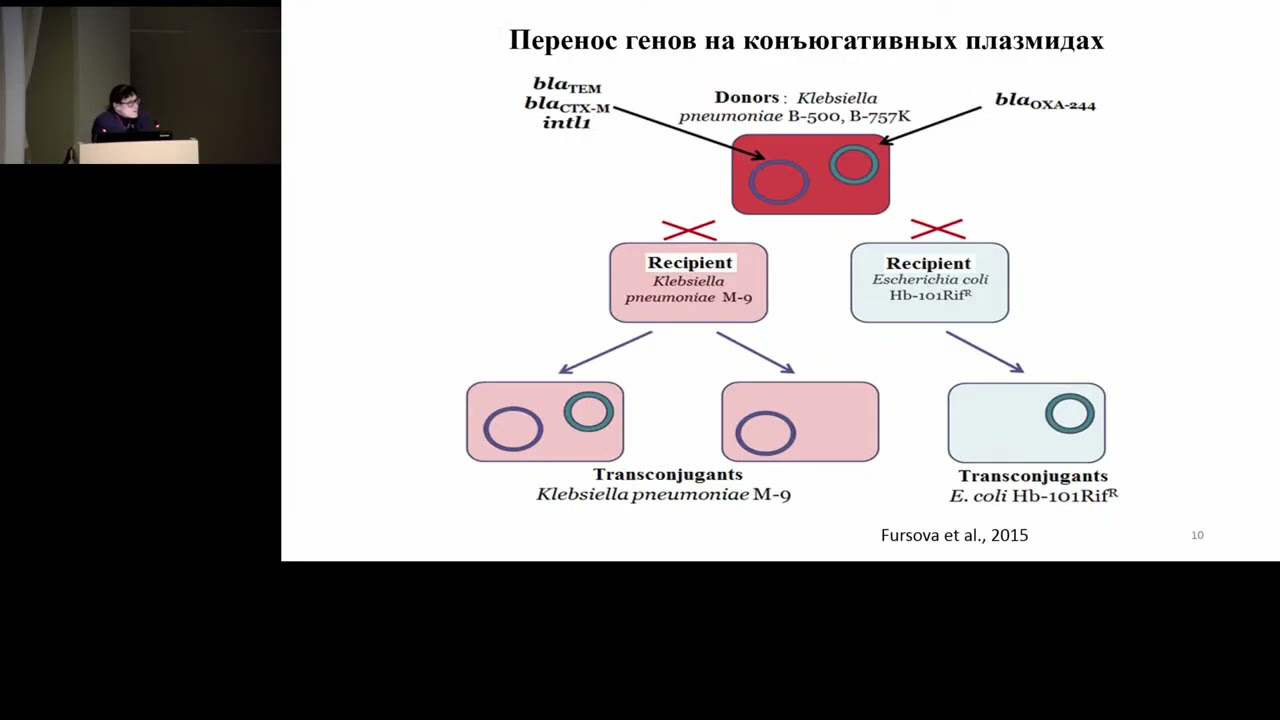
[Music] hello my name is Marilyn Roberts I'm a professor at the University of Washington in Washington State USA today I'm going to talk to you about basic mechanisms of antibiotic resistance and chain spread in a very important topic in today is public health antibiotics have been one of the most important discoveries of the 20th century they have transformed human and animal medicine and have saved countless numbers of lives however youth overuse and abuse of antibiotics at both human in agricultural levels have created resistant organisms as well as multi resistant bacteria often called superbugs these organisms are no longer susceptible to therapy the concern is that as more and more antibiotic resistant bacteria develop we're entering a post-antibiotic era where practices used prior to the introduction of antibiotics their opee will be required these include things like removing infected organs or amputation antibiotics are primarily used against bacterial diseases and are the least toxic though all the anti infective agent antiviral anti-parasitic and anti-fungal agents are often more toxic because they work on specific pathways that are very similar to the host antibiotics work on specific pathways needed for bacterial growth penicillin was introduced in 1945 and by 1950s antibiotics were widely used for treatment of variety of diseases there are over thirty different antibiotics that are currently used for human and animal medicine and agricultural use of antibiotics occurred about the same time as human use antibiotics are used to prevent and treat disease both in humans and in agriculture however in North America and other locations antibiotics are used in low dose which are below therapeutic levels as growth promoters that is it was thought that using these antibiotics in feed helps the animals to increase their conversion of food into muscle this practice is no longer used in the EU and there is considerable discussion that can hope that this practice will be phased out in North America in many countries 50 to 70 percent of all antibiotics use in a year is because of agricultural use rather than human use for example in the country of Chile tenfold higher amounts of quinolones are used for agriculture and aquaculture than they are for human use antibiotic resistant genes and antibiotic resistant bacteria transfer between man animals and the environment antibiotics and anti-seizure correctly on the pathways which produce DNA RNA protein cell walls and other pathways needed for survival and growth antibiotics are broken into two groups and back to your static antibiotics inhibit bacterial growth without killing in vitro if you remove the drug the bacteria are able to grow in contrast bacterial final drugs kill the organism in the laboratory and if you remove the drug the bacteria are not able to regrow however in vivo antibiotics work in concert with the human immune system or the animal immune system antibiotics cannot cure infections without the immune system of the host antibiotic resistant bacteria clinical importance is a product of antibiotic use by man over the last 60 years penicillin resistant staph aureus was isolated within a year of the introduction of penicillin therapy today there are some multi drug-resistant pathogens that have few or narrow available therapies three of these are staff with staph aureus intercom five species and strep pneumonia all of these are gram positive bacteria in addition the parasite plasmodium which causes malaria has very few therapies left in some parts of the world today there are very few new antibiotics available for clinical use those that are coming down the pipeline are usually modifications of existing antibiotics the problem with this is that bacteria that are already distant to the first generation drugs find it easier and faster to become resistant to second and third generation junk drugs in 2001 the US had a anthrax scare where people somebody was putting anthrax in the mail Nature responded to this by saying the simplest way to enhance of that to your bio weapon is to make it resistant to antibiotics have the anthrax in censoring mail been resistant virtually everybody who was exposed would have died today there's technology available so that most agents that are have bio weapon potential could be be made antibiotic resistance however man is not the only perpetrator of resistance for bio weapons nature can also make resistant pathogens for example isolates of your semi intestines have been identified there are multi direct resistance including resistance to doxycycline which is the therapy of choice therefore bio weapons can be man-made to become resistant that also can be selected in nature to become resistant there are two types of antibiotic resistance acquired resistance is when some members of the species have acquired the ability to grow in the presence of high levels of antibiotics and if you compare strains from the 1900s and today the 1900 strains are in fact septa Boudreau while the recent rains have become resistant usually the resistance is due to acquisition of new genes which produce new proteins in contrast other strains and organisms are natively resistant which means they're physiologically resistant due to the fact that they lack the target for the antibiotic to interact with the target has been modified they have prevent the target antibiotic from entering the cell and they can't interact with the internal structure or they increasingly export the drug so that the drug cannot interact and prevent growth of the organism in this case all members of the species are resistant whether they were isolated in the 1990s whether they were like isolated in the 1800s or they were isolated today bacteria viruses fungi geese parasites and human cancer cells will all develop resistance to therapies over time due to mutations which alter or delete targets that are interacting with the antibiotic but bacteria also acquire resistance by transformation transduction and conjugation this allows the bacterium bacterial population to quickly become resistant and multidrug-resistant they also can acquire heavy-metal resistance resistance to disinfectants and or acquired new virulence genes which can actually make them better pathogen there are two types of bacterial resistance fastview to mutational required both can happen the same bacteria hosts at the same time but acquired resistance usually confers high-level resistance versus mutational which is usually moderate level acquired resistant usually occurs quickly with a single event usually to have clinically important resistance mutations have to be multiple acquired resistance as new genes and new proteins wears mutational changes existing structures acquired resistance is usually associated mobile elements which can quickly spread from strain to stream and for species to species and even from one micro environment to another Invitational transfer is usually due to replication and transfers to daughter cells this is limited to very closely related strains and its clinical importance can vary by the organism in the drug that we're talking about with acquired it's awesome linked to a number of different other genes it's a single amount and can be transferred quickly from strains of strain and for species diseases in most cases clinical resistance that is important to have been due to acquired resistance versus mutational resistance low doses of antibiotics such as those used as growth promoters can increase the rate of development and carriage of drug resistant bacteria and man animals and the environment conjugation is the most common way antibiotic resistant genes move from strain to strain from species to species and from one environment to another once the resistant gene has been introduced or developed in a bacteria it can spread across the world into a variety of different microbial environments from animals to man to the environment and back again there's a variety of ways bacteria can acquire resistant genes 3 have been well described transformation was first identified back in the 1930s here bacteria acquired naked DNA and integrate them into their chromosome creating mosaic genes with increased resistance today over 80 species have been identified that are naturally transformable of course in the laboratory we can make other organisms transformable but it's not clear whether these are able to pick up DNA under natural conditions transduction uses stage to transport DNA from the host to a second host what happens is the host DNA is packaged instead of the phage DNA and when it inject sin to the next host host DNA is delivered the last is conjugation and it is from cell to cell mediated gene transfer where the recipient and the donor both have to be viable transformation occurs only between closely related strains and species transduction occurs only among very closely related strains in contrast conjugation has a much broader host range there are conjugation elements that have narrows host range which only can occur within species or there are broad host range elements which can have great host ranges spanning both gram-positive and gram-negative and in some cases even into eukaryotic organisms this is partially why conjugation that plays such an important role for gene exchange when it comes to spread of antibiotic resistant genes plasmids and bacteria are usually usually small circles those linear bacteria on food suits transposons and conjugate transposes are also found and integrins are found now it turns out that you carry our organisms also have these kinds of elements however bacteria are the only organisms that have utilized these different elements to transfer antibiotic resistant genes therefore plasmids found in yeast do not are not associated with antibiotic resistant genes similar transposons and integrins in higher organisms do not appear to be associated with antibiotic resistance gene development plasmids are generally circular they can replicate either independently or to become integrated into chromosomes the replicate with the chromosome transposons and conjugated transposons are found on plasmas in the chromosome both plasmids and conjugated transposons carry the genetic material in firm ation to allow them to to transfer from one cell to another or from one place on the cell to another integrins are found on plasmids and in chromosome and have the ability to acquire new genes in a fashion similar to stamp collecting in fact super integrins have been found where 5200 genes are lined up in single structure genetic elements allow gene exchange to occur within bacteria ecosystems and it allows the bacteria within that ecosystem to become resistant either by acquiring finger or most multiple genetic elements and James in one event once a drug-resistant gene appears in the bacteria even if it's not on an element that is thought to be mobile at least by laboratory standards it can be transferred to other organisms and around the world into different ecosystems into humans animals and the environment and we've even found these genes in obligate intercellular species which have to grow with himself this is a picture of some of the genes that confer resistance some genes produce pumps that pump the drug out a lot of other genes produce enzymes which inactivate the antibiotic some genes produce enzymes which alter targets such as the cell wall or particular structures such as the ribosome there's a variety of different mechanisms which are beyond the scope of this particular talk why are resistant genes important newer antibiotics can be much more costly and may not be available therapy can be longer hospital stays can be increased and in in extreme cases there's no therapy available either because the cost of the antibiotic or because the antibiotic does not exist in the country or does not exist in the world generally antibiotic resistant bacteria are not better pathogens but there are exceptions for example the 2012 German outbreak Ecoline zero 104 h4 was actually a multi drug-resistant bacteria that have a number of added virulence factors so it in fact was a better pathogen than many other related organisms where antibiotic resistant genes are found and where these bacteria are found are pretty pervasive farm animals fish fruit vegetables processed food pet food farm animals food man pets in their environment all can have antibiotic resistant bacteria and all can have antibiotic resistant chains agriculture and aquaculture environments water air and now soil recreational waters beaches and parks we find antibiotic resistant genes and bacteria in sewage treatment plants even in the effluent that is expelled into the environment and in fact we now believe that the effluent from sewage treatment plants may be an important source of antibiotic resistance contamination into the environment which may ultimately come back into the food and back into man antibiotic resistant bacteria and antibiotic resistant genes have been found in the Arctic and the Antarctic and in virtually every one animal that has been look down there are some examples which demonstrate that antibiotic resistant genes transferred from man to animals and for man to animals in the environment one of the best examples is vancomycin-resistant enterococci or BRE in the EU Ava parson was used as a growth promoter back in the 80s and what happened was intercom I became the Inca mice in resistance and the animals they then spread to people as well as the environment and then ultimately came in to the community in contrast in the u.s.
ava parson was never used but vancomycin was used symphony in the hospital environment so the re developed first in the hospital environment in North America and has now spread into the environment and the community versa strains such as st 398 ancestrally is a humanized limb it went into pigs where it picked up the net chain and developed the ability to transfer from pig - Pig but also back to people so this strain went from human to pigs to pig in the back to people Mirza is known to be able to spread from man to their paths and back again so animals may end up with human commercial strains and that's the treat animals that are pet animals often carry versa from human sources whereas if they treat animals from livestock animals they will usually pick up Mirza from the livestock and have livestock types of versa many years ago bacterial resistance due to a rock plasmid developed in man in Hamas influenza which is unique to only humans but it's now been transferred to animal species which are only unique to animals so clearly bacteria that are unique to animals and you need to people have an intermediary which can transfer from human to in that intermediary and then to animals in some cases bacterial resistance first developed in the environment and then spread to animals Emile so it's very clear it doesn't matter where the antibiotic resistance occurs it will spread to humans animals and the environment given time animatics in food even though antibiotics are not usually treat used to treat diarrheal diseases such as one57 shigga talks of producing a coin Salmonella Shigella these bacteria are normally drug resistant and often multi-drive Nations in fact bad Salmonella that will multi drug resistant resistant isolates to be identified in the 1950s in Japan they were resistant to tetracycline chloramphenicol and ampicillin today they're still resistant to these three classes of drugs and a variety of other what makes it more important is that was shown back in the 1950s that these organisms can transfer their genetic gene to patient's normal flora so increasing the number for drug resistance can occur similarly things like necessary amount of saito Janine's Vibrio and your Cydia are often carriers of antibiotic resistant genes which can transfer these genes to the normal gut flora or to other parts of the microbiome there's a closed temporal relationship between use of drugs for food production and ultimate drug resistance for example fluoroquinolone therapy in poultry was identified with increase in fluoroquinolone resistant kampl the Campylobacter disease in patients in the u.s. banned in immigrants it's thought that a lot of the camp about disease was due to the ingestion of camp affected contaminated poultry multidrug-resistant Salmonella DT 104 was disseminated across here in the u.s. in both humans and man when they looked at the resistant genes they found that the foreign pentacle gene and the tetracycline gene originally came from Vibrio species probably from aquaculture farms in the Far East so that the disease that was occurring in the US and Europe the antibiotic resistant genes actually came from aquaculture waterborne bacteria from the Far East and made their way into salmonella GT 104 the constancies and major outbreaks in humans and animals in Europe and the US some rate use of antibiotics selects for bacterial resistance men can spread my horizontal gene transfer to other bacterial ecosystems around the world they can spread from waters borne systems to land systems for animals to them from land to animals and from an announced environment antibiotic practices that any one country impacts the world's burn of drug-resistant bacteria and the genes changes in antibiotic usage around the world is needed not only for humans but agriculture aquaculture to prevent as reaching a post-antibiotic era where most treatable infections will no longer be treatable and [Music]
Up Next

6:34
Antibiotic Resistance in Clouds and Rain: Bacterial Gene Spread
@SciShow
342.9K views•2023-07-14
50:12
Bacterial Communication: Quorum Sensing and Biofilm Formation Explained
@JHUAAP
12.6K views•2011-06-28

5:35
Enteric Nervous System Explained: The Gut's Brain | Neurobiology Lecture
@alumniu6029
438 views•2018-09-12
7:08
Bacteriophages: Earth's Deadliest Killers and Future Antibiotics
@kurzgesagt
34.6M views•2018-05-13
Related Study Plans & Knowledge Roadmaps
Structured learning paths in Biology
biology
RNAi: Biogenesis, RISC & Gene Silencing
01Molecular Biology Foundations: DNA to Protein
02Introduction to RNA Interference (RNAi)
03Molecular Biogenesis of miRNA and siRNA
+ 2 more learning modules
10h5 modules
Explore Roadmap
biology
Mycorrhizae: Signaling, Biophysics & Ecology
01Foundations of Mycorrhizal Symbiosis
02Molecular Signaling and Root Colonization
03Biophysics and Bioenergetics of Nutrient Exchange
+ 1 more learning modules
11h4 modules
Explore Roadmap
biology
Circadian Clocks: TTFL, SCN & Periphery
01Foundations of Molecular Biology & Gene Expression
02Introduction to Chronobiology and Actograms
03The Core TTFL: Molecular Architecture of the Clock
+ 3 more learning modules
14h6 modules
Explore Roadmap
biology
Population Genetics: Math, Drift & Selection
01Genetic & Probability Foundations
02The Hardy-Weinberg Principle and Baseline Models
03Mathematical Modeling of Natural Selection
+ 3 more learning modules
18h6 modules
Explore Roadmap