























Bacteria can hitchhike on clouds to spread antibiotic resistance genes globally; research at France's Puy de Dôme volcano found antibiotic resistance genes in cloud water samples, with estimates suggesting 2.2 septillion resistance gene copies precipitate back to Earth annually, enabling resistant bacteria to travel from locations like Finland, Algeria, Greenland, and the Atlantic Ocean.
Antibiotic Resistance in Clouds and Rain: Bacterial Gene Spread
Added:Fundamentals of bacterial genetics, specifically horizontal gene transfer (conjugation, transformation, and transduction).
The biochemical mechanisms of antibiotic resistance and how selective pressure accelerates its spread in microbial communities.
The basic mechanics of the hydrological cycle and atmospheric transport, including how aerosols are formed and carried by winds.
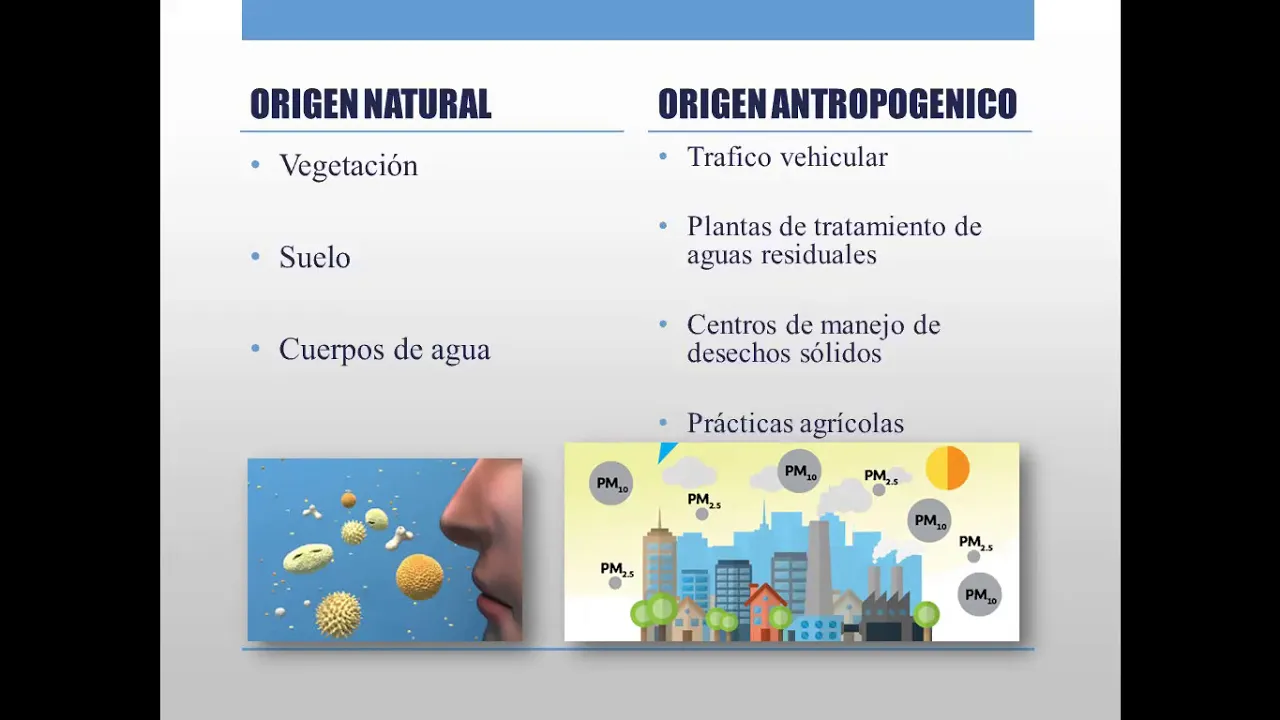
The concept of bioaerosols, representing airborne biological particles like bacteria, fungi, and viruses suspended in the atmosphere.
The 'One Health' epidemiological framework, which connects human, animal, and environmental health in tracking antibiotic resistance.
Advanced atmospheric microbiology, studying how extreme conditions in the troposphere (UV radiation, low temperature, pH) select for specific bacterial traits.
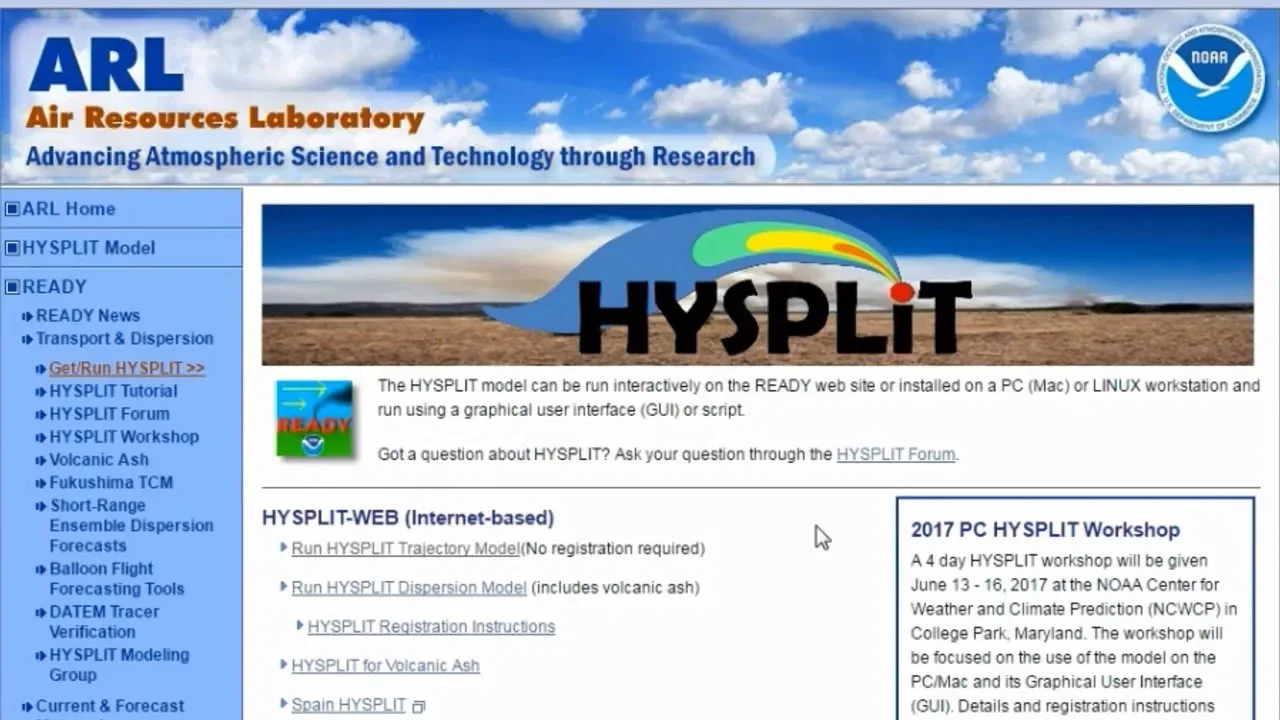
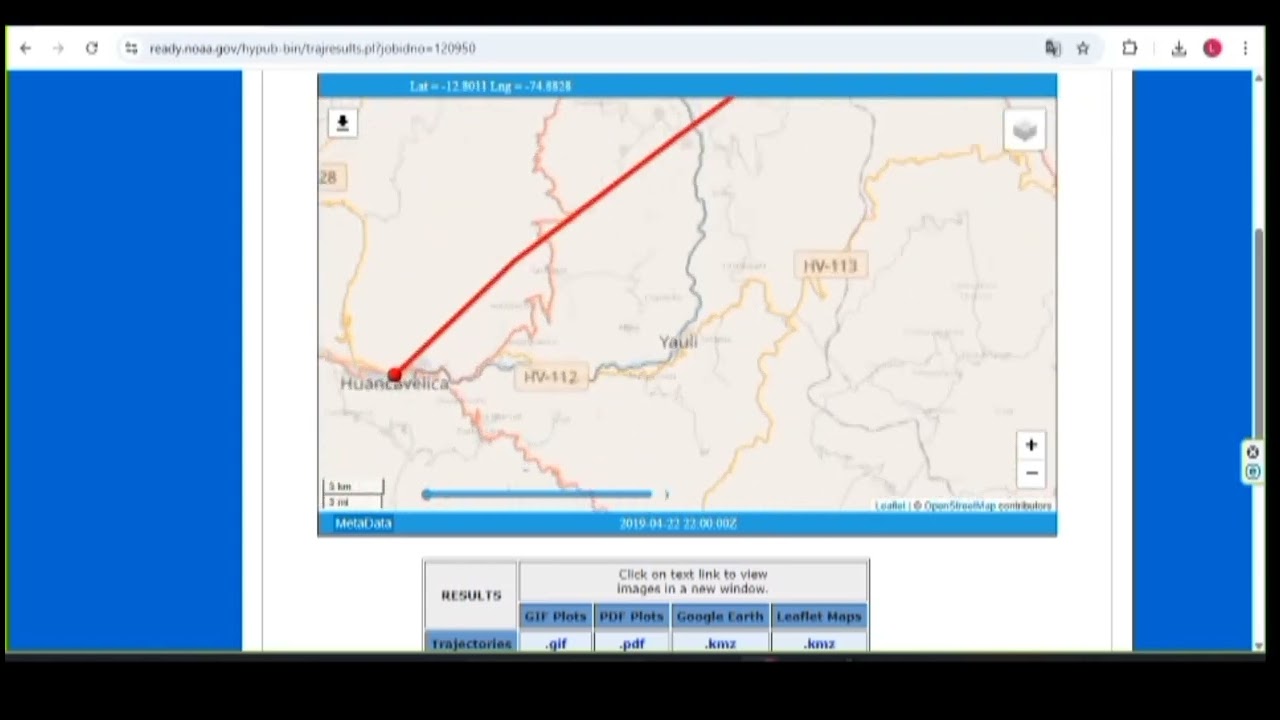
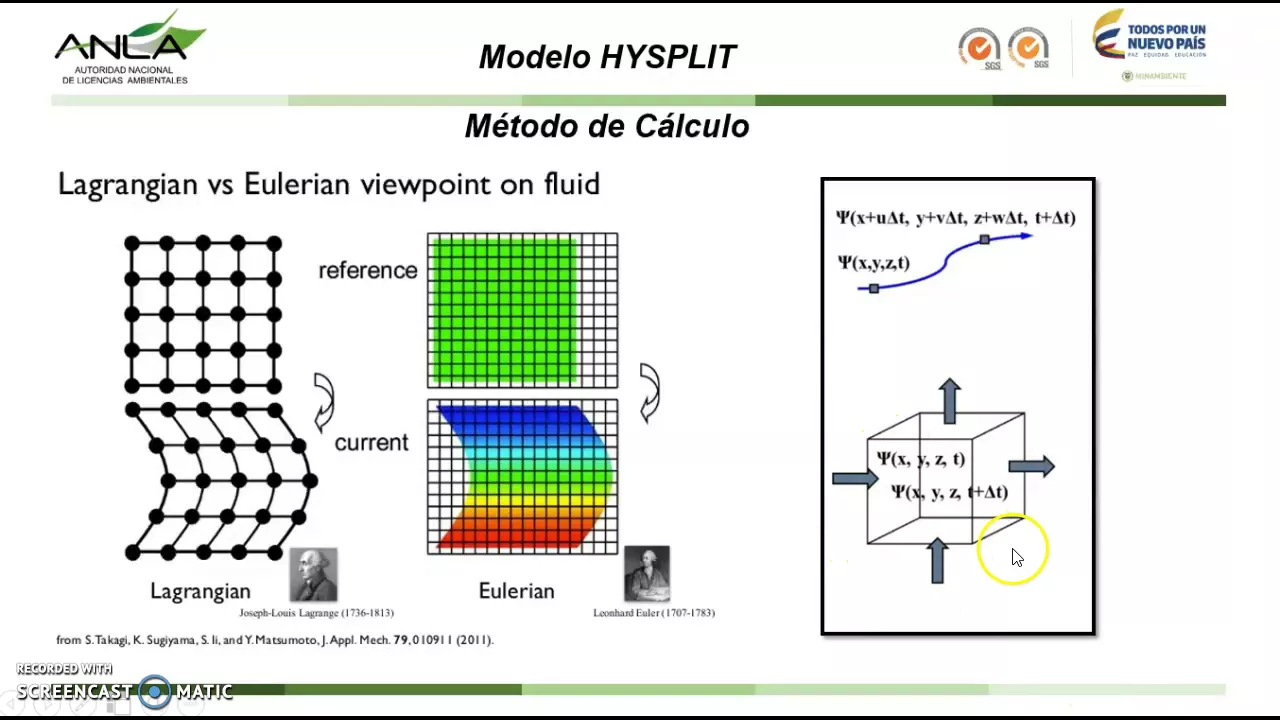
Global atmospheric modeling tools (like HYSPLIT) used to track and predict the transboundary trajectory of airborne pathogens.
International biosecurity policies and environmental monitoring standards designed to mitigate global health risks from airborne microbial dispersion.
342.9K views17.6Klikes6:34Original Release: 2023-07-14
Bacteria are, of course, everywhere.
On earth, at least.
They’re found all over the land, air, and sea and in the guts of almost every animal.
Some of those bacteria help us survive.
Some of them aren’t doing anything for or against us.
And some of them are downright harmful.
But you may have heard that bacteria, wherever they live, have this nasty habit of evolving resistance to the antibiotics we use to kill them.
And recently, scientists have started to uncover something that might seem even more unnerving.
Bacteria may be able to spread that resistance by hitchhiking around the world using clouds.
[♪ INTRO] Before we talk about clouds, let’s take a step back.
How does antibiotic resistance spread more generally?
Well, let’s use quinolones as an example.
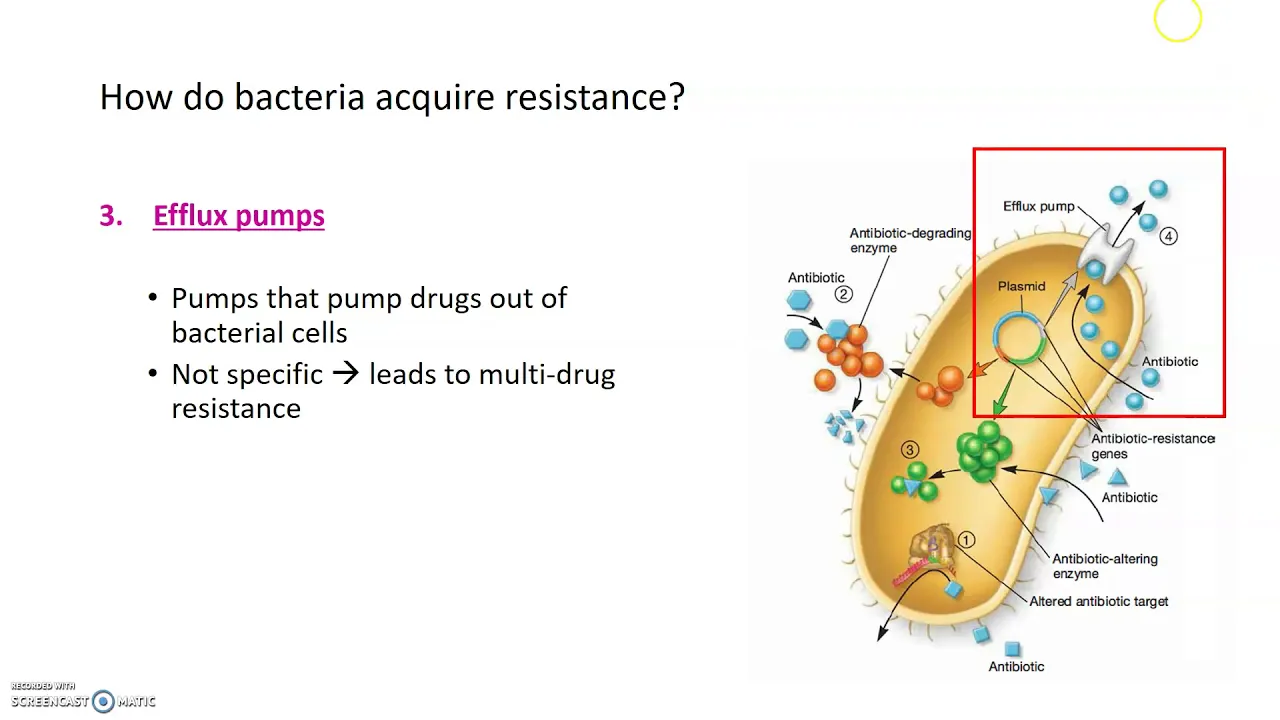
It’s a class of antibiotics that interrupts a bacterium’s ability to copy its own DNA.
And if you can’t copy your DNA, you can’t replicate.
Your bloodline ends with you.
So upon exposure to that antibiotic, a lot of bacteria are going to die.
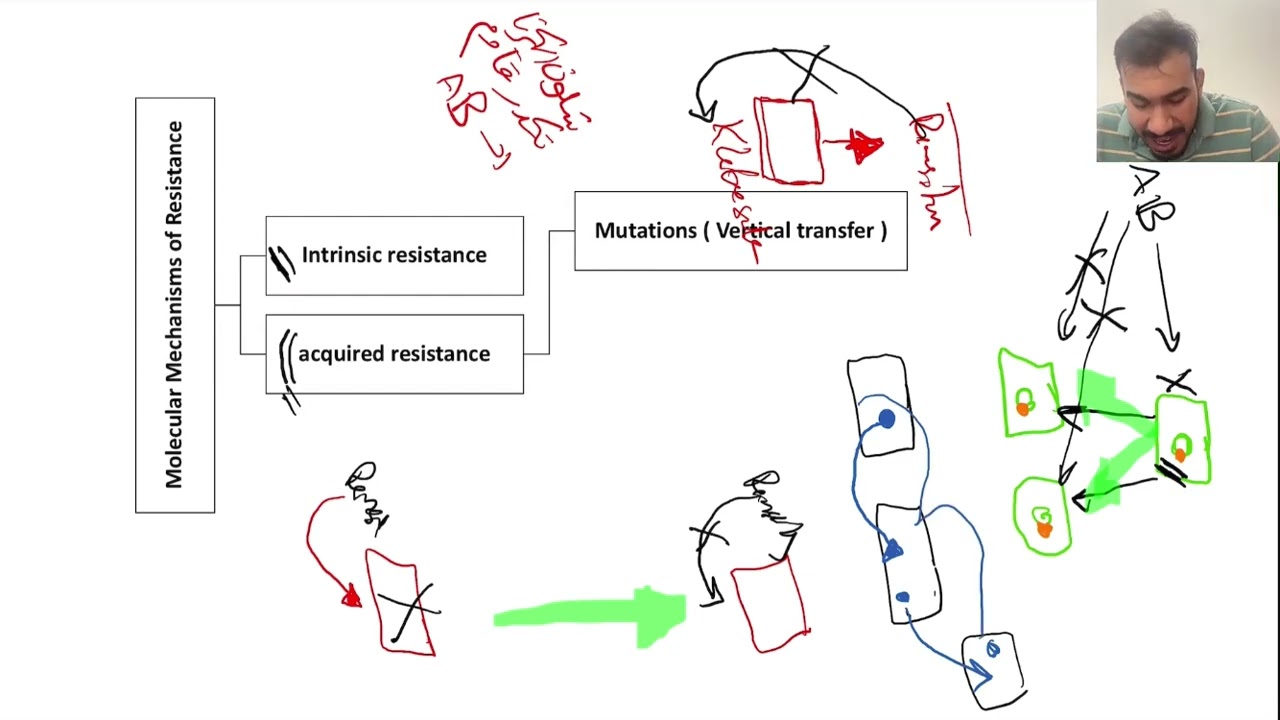
But with the right mutations, some might survive.
Maybe one bacterium has a genetic mutation that just so happens to prevent the quinolone molecule from sticking where it needs to.
Or maybe the mutation stops the bacterium from taking up the antibiotic in the first place.
Whatever that superpower actually is, it’s written into the bacterium’s DNA in an antibiotic resistance gene.
And after it survives its antibiotic encounter, it can keep doing what bacteria do, including reproducing over and over, creating an entire population of antibiotic resistant bacteria.
But that’s not the only way that antibiotic resistance spreads.
Good genes are a hot commodity in microbial communities, and bacteria are not stingy about sharing with their neighbors.
Most bacterial DNA is stored in large, circular molecules with all of the other instructions about how to be bacteria, but antibiotic resistance genes can also be found in little rings of DNA called plasmids.
A plasmid is a pre-packaged, ready-to-ship version of DNA.
And bacteria can share plasmids a few different ways.
Some plasmids can be shared directly through what’s called conjugation.
This is the closest we might get to the birds and the bees with bacteria, where one bacterium extends a little tube called a conjugal bridge, connecting it to another bacterium, and transfers that plasmid DNA.
But bacteria can also pick up plasmids in the environment left behind by dead bacteria, like loot.
That’s called transformation.
And then finally there’s transduction.
Genes can be transferred indirectly from one bacteria to another by way of a viral infection.
The virus picks up a bit of bacterial DNA from one victim, and then deposits the genetic info into the next.
So wherever there are antibiotic resistant bacteria, there is also a chance for them to share their skills.
And when there are antibiotics in the environment, you tend to find more bacteria that participate in that sharing, one way or another.
Since the chemicals we use as antibiotics often end up outside our hospitals, homes, and farms, all sorts of bacteria just minding their tiny little businesses can build up resistance without us even knowing it.
Which can be very bad news for us.
The World Health Organization has identified antibiotic resistance as “one of the biggest threats to global health, food security, and development today.” So it’s important that we understand how antibiotic resistance can move around the world.
Including via cloud.
Turns out, it’s not too hard to get bacteria into the atmosphere.
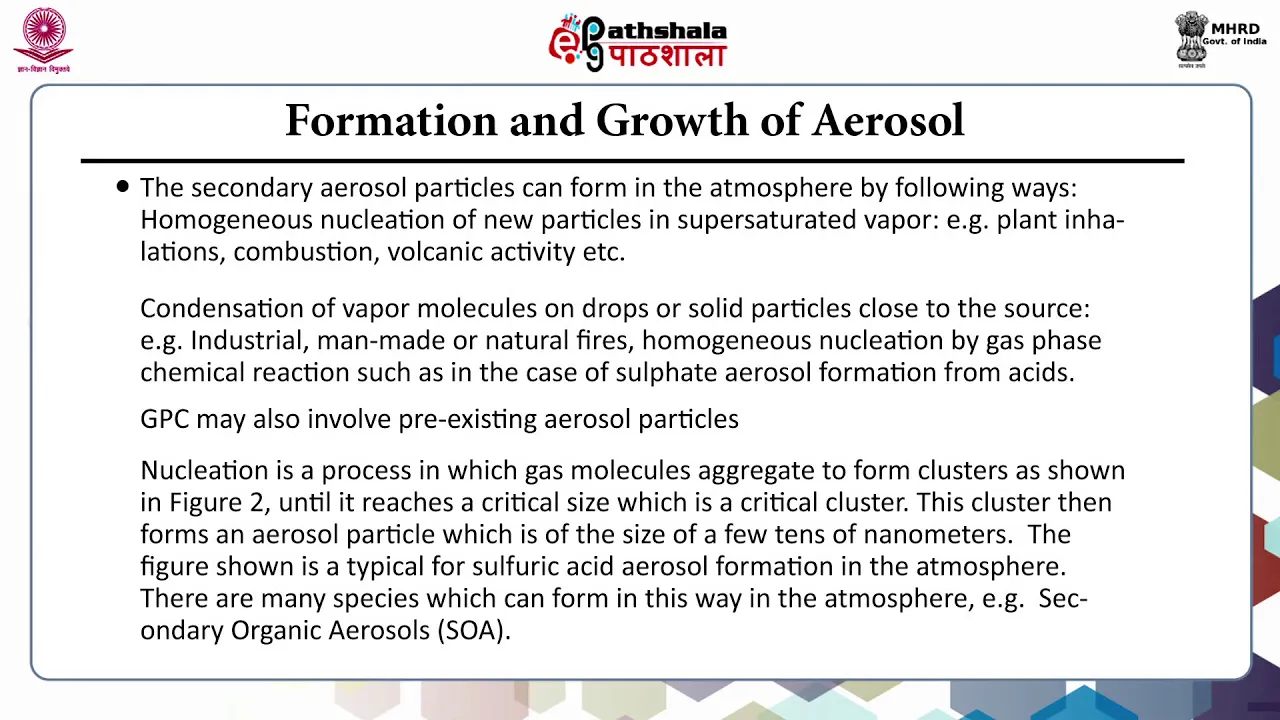
A simple breeze, or human activity like construction, is enough to lift them up and suspend them in the air.
And when those microbes get high enough, they can get incorporated into clouds.
And since clouds can travel over entire continents in a matter of days, the bacteria they carry can hitchhike for a really long time.
Which brings us to the Puy de Dôme, a dormant volcano in central France.
Between 2019 and 2021, a group of researchers went to the 1,500-meter-high summit to collect samples of clouds, and the bacteria swimming inside.
First, the team counted up individual bacterial cells in their cloud samples.
The clouds varied widely in how many microbes they contained, with one milliliter of cloud water holding anywhere from 330 to over 30,000 bacteria.
Less than half of those were probably alive and kicking, but since DNA can spread through the environment by those plasmid loot drops, it’s important to count them all.
Then, they analyzed the bacterial DNA, hunting for 33 known antibiotic resistance genes.
After sampling just 12 clouds, they found 29 of them.
One of the most common genes they found provides resistance to those quinolones I mentioned earlier.
And it turns out that a lot of those genes also make bacteria better at surviving stressful environments more generally.
like the cold, wet, wasteland you find inside a cloud.
In other words, these genes could be making clouds downright reasonable transportation system for even more antibiotic resistance genes.
And yeah boy is that transportation international.
The bacteria the team collected was carried by clouds hailing from such places as Finland, northern Algeria, eastern Greenland, and the middle of the Atlantic!
The researchers estimated that globally, roughly 2.2 septillion, that’s a trillion trillion copies of antibiotic resistance genes get rained, snowed, or otherwise precipitated back to Earth’s surface each year.
Which doesn’t sound great.
But now that we know just how legitimate clouds are as a way for antibiotic resistant bacteria to spread their genetic knowledge, we shouldn’t be surprised when they manage to get past our land-based defenses.
And while scrubbing the world’s clouds of bacteria might be an impossible task, future research can show us where these bacteria are coming from, especially related to human activity.
And that should help us develop better ways to stop antibiotic resistance before it takes to the skies.
Hearing about all this cloud bacteria might make you want to put some of that cloud water under a microscope to see what’s in there.
That sounds like fun to me.
But maybe you don’t have your own microscope.
It’s okay.
Nobody’s perfect.
And I’ve got some great news for you.
Our sibling channel, Journey to the Microcosmos, has a microscope you can order today!
Here’s a video of me doing one of those unboxing videos, showing how to get it working.
If you’d like a microscope to call your own, head over to microcosmos.store.
You’re gonna have a blast looking at all the tiny stuff living right under our noses.
Thanks for watching!
[♪ OUTRO]
Up Next
60:54
Kirby-Bauer Antibiotic Sensitivity Test: Disk Diffusion Method
@dr.juliewells3703
50.2K views•2021-04-05

50:12
Bacterial Communication: Quorum Sensing and Biofilm Formation Explained
@JHUAAP
12.6K views•2011-06-28

6:06
Blue Whales Rely on Wind to Locate Food in Coastal Upwellings
@SciShow
90.8K views•2022-12-19

7:08
Bacteriophages: Earth's Deadliest Killers and Future Antibiotics
@kurzgesagt
34.6M views•2018-05-13
Related Study Plans & Knowledge Roadmaps
Structured learning paths in Biology
biology
RNAi: Biogenesis, RISC & Gene Silencing
01Molecular Biology Foundations: DNA to Protein
02Introduction to RNA Interference (RNAi)
03Molecular Biogenesis of miRNA and siRNA
+ 2 more learning modules
10h5 modules
Explore Roadmap
biology
Mycorrhizae: Signaling, Biophysics & Ecology
01Foundations of Mycorrhizal Symbiosis
02Molecular Signaling and Root Colonization
03Biophysics and Bioenergetics of Nutrient Exchange
+ 1 more learning modules
11h4 modules
Explore Roadmap
biology
Circadian Clocks: TTFL, SCN & Periphery
01Foundations of Molecular Biology & Gene Expression
02Introduction to Chronobiology and Actograms
03The Core TTFL: Molecular Architecture of the Clock
+ 3 more learning modules
14h6 modules
Explore Roadmap
biology
Population Genetics: Math, Drift & Selection
01Genetic & Probability Foundations
02The Hardy-Weinberg Principle and Baseline Models
03Mathematical Modeling of Natural Selection
+ 3 more learning modules
18h6 modules
Explore Roadmap