


![DOM CASMURRO - CAPITU TRAIU BENTINHO? [Pablo Jamilk]](https://i.ytimg.com/vi_webp/pzFMizvD9xE/maxresdefault.webp)










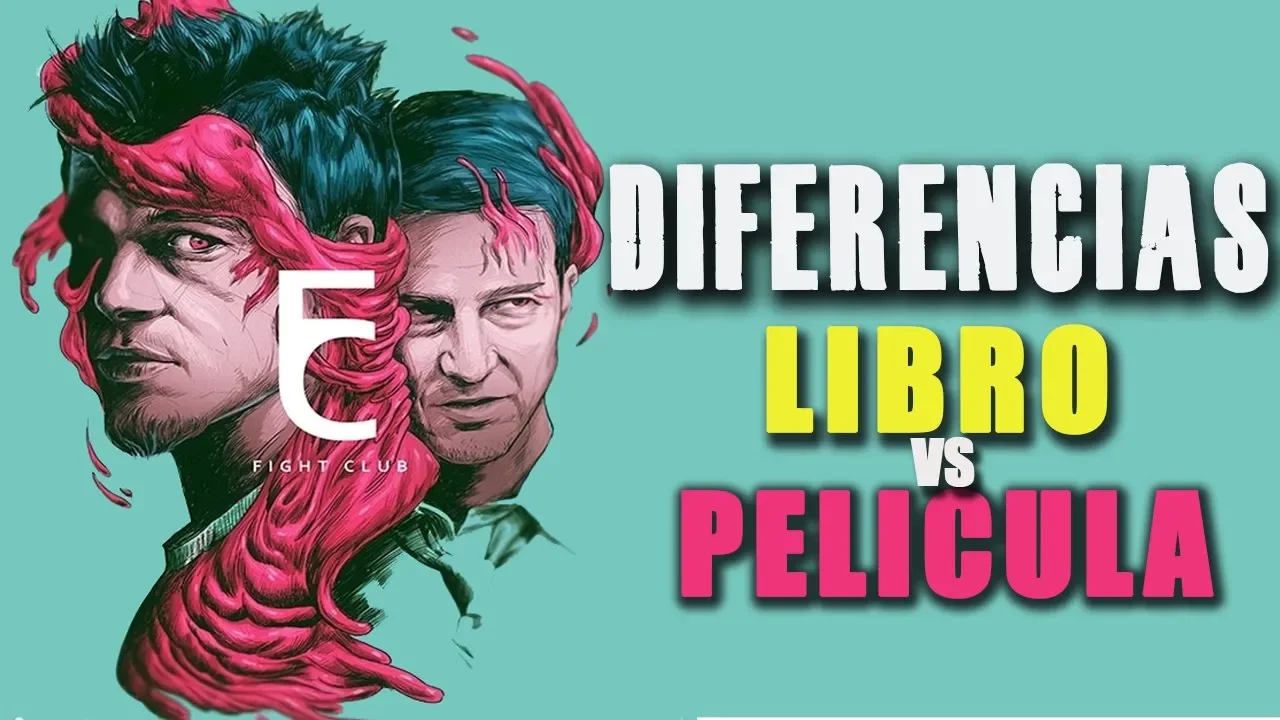









In David Fincher's 1999 film Fight Club, the protagonist's split personality (the narrator and Tyler Durden) serves as a powerful metaphor for societal alienation and rebellion against consumer culture, with subtle visual and narrative clues throughout the film—including Tyler's bruises on a driver's face, identical briefcases, and the recurring yin-yang motif—that foreshadow the twist while exploring themes of identity, ownership, and the destructive potential of countercultural movements.
Fight Club (1999) Film Analysis: Hidden Details & Ending Explained
Added:The literary and cinematic concept of the 'Unreliable Narrator' and how it shapes audience perception.
Basic Freudian psychoanalytic theory, specifically the division of the psyche into Id, Ego, and Superego, alongside an understanding of Dissociative Identity Disorder (DID).
The sociological and cultural landscape of the late-1990s, focusing on post-industrial consumerism, corporate alienation, and the perceived crisis of modern masculinity.
Fundamental film language and techniques, particularly David Fincher's signature use of dark mise-en-scène, subliminal editing, and CGI-enhanced tracking shots.
Applying advanced critical theories (such as Marxist critique of commodity fetishism and Feminist analysis of toxic masculinity) to the film's narrative.
Exploring the literary movement of 'Transgressive Fiction' by comparing Chuck Palahniuk's original novel with Fincher's cinematic adaptation.
Examining the philosophical concepts of Existentialism and Friedrich Nietzsche's active vs. passive nihilism as represented by Project Mayhem.
Conducting a comparative analysis of contemporary psychological thrillers with fractured narrative structures, such as 'Memento', 'American Psycho', and 'Shutter Island'.
1M views24.2Klikes48:55Original Release: 2025-01-04
okay so did you know that F Club has a massive clue about the twist in the middle of the movie after leaving the club a car pulls up and then the driver gets out and says no worry Mr deran Airport parking long term after you Mr deran the driver looks directly at the narrator and yet still calls a Mr dden as we know the narrator is in fact Tyler so it hints at the movie's big reveal due to the bruises on the driver's face it's also likely the pair of me before so pretty much spells out he knows who he is and it's such a great way to basically show us the twist welcome to the heavy spoilers show I'm your host Paul and this video we're breaking down the movie we don't talk about Fight Club is an absolute classic and it's definitely a film that gets better over time though its style and twist have often been copied I don't think anyone has ever reached this level this was finer firing on all cylinders and it still stands as one of his best but why does it work so well and why is it still relevant all these decades later well throughout this video that's what we'll be going through and we'll discuss all the hidden details things you might have missed and also the true meaning it's a movie I've broken down before but it's one I've always wanted to go back to so we're going to be breaking the first two rules and talking about Fight Club so with that out of the way thank you for clicking this now let's get into fight club you do not talk about Fight Club at it's cool fight club's about tearing down corporate and Commercial structures this is scene right from the off when you first put in the Blu-ray starting up the disc will bring up the menu for never been cased which stays on screen for about 10 seconds Drew Barrymore gets a further reference in the film as we see here on the cover of movie line first time I put this in it completely got me and I thought the company had burned the wrong disc however this soon glitches out and gives us inside the narrator's apartment this is where he lists the things that he owns and it begins the idea that he wants to destroy them so having this fun easy popcorn flick Kickstarter menu is is a great way to TI to its themes it's also brilliantly playing into the idea you aren't allowed to talk about Fight Club if you have the disc and then press play you'll get a copyright disclaimer most people don't bother to read them and they of course appear on a lot of releases however pausing it here reveals a message from Tyler he pretty much berates the viewer for wasting their life reading pointless stuff like this it says just by spending seconds doing this we're inching quicker towards death and not really making the most of our existence which welcome to the heavy spoiler show after this we then hit the Tuttle sequence in the introduction now we can hear a classical piece which is then cut out to play the theme of the movie this again highlights a tearing down of the foundations of a classical message in order to push a more contemporary one at this point we then cut to the narrator with this taking place at the end of the film he then explains the events that led to this point in which we learn about Tyler the focus then kind of switches to that and we never actually learn the narrator's name however people have assumed it was Jack because of these lines I am Jack's raging B duct I am Jack's complete lack of surprise these appear throughout the movie however this is actually the narrator calling back to a paper he found in the house I am Jack's medulla ablong without me Jack not regulate his heart rate blood pressure or breathing due to the sequel stories though we know he's called Sebastian written by Chuck Palin Fight Club 2 was released in 2015 Fight Club 3 dropped three years after that and I hope we'll get some sequel films too however for this breakdown I will slowely be focused on the movie though I might address him as Sebastian from time to time being called the narrator though has its own reasons which help aid the character this guy is so unremarkable that it's almost like he doesn't even deserve a name either way Chu came up with the concept for the bck after being beaten up on a camping trip Upon returning to work he realized nobody acknowledged it instead they just asked surface level questions with him saying it was stuff like how was your weekend not too bad I got smashed like the like button according to Chuck though he realized they didn't ask what had happened upon seeing him because that would be a more personal question he said they simply didn't care enough which also fascinated him constructing the theory of societal blocking he thought people's interactions were often pretty basic we were all sticking to these norms and going through the motions of how we thought that people acted with this in mind he crafted the work though he has said the film improved his story when crafting it he also didn't have the twist in mind at first Chuck admitted that it was only when he was 2/3 of the way through that the Dual identity idea struck him noticing there was very little differences between the two he tied things up by making them the same with an adaptation though you obviously have the benefit of hindsight Finch laid a lot of Clues throughout and this can be seen right from the off the title sequence itself takes place in the narrator's brain which suggests everything's going down here though the events of the film or real per se the opening conversation is happening in his mind Fincher really worked on his title sequence is which is something we saw in seven designed to show his fear impulse and action it's supposed to show why he created Tyler in the first place however however finet didn't have it easy with the studio thinking it was too elaborate he had to budget it himself away from the film they said if they like it they then fund it and after seeing the rough cup they went ahead and let him do it according to inbb trivia the brain was mapped through renderings by medical illustrator Katherine Jones with it then being worked on by digital domain the nrer then says the opening line of the movie people are always asking me if I know Tyler Duran this is a great little meta joke as they're of course one in the same the reveal only comes at the end of the movie though so this line you know it makes the audience curious the narrator is also on his knees with Tyler's gun in his mouth you can read into the subtext there but it shows who's really in control throughout the film The narrator is a passive character that doesn't really have any agency it's Tyler who does just about everything but that all changes at the end that builds off the back of this moment in the opening so it's a great way to Kickstart the movie the narrator then explains the layout of the explosives and ends it by saying I know this because Tyler knows this which is obviously because they share a brain now if you're paying attention you'll also catch Tyler sliced into the movie this gives away that he's not really there and is merely emerging in Sebastian's mind in the end he materializes more but we have these little Clips which we've slowed down for the video watching in the cinema way you can't rewind stuff I can imagine that people didn't catch these we're going to be getting into all the clues in just a bit but firstly just a quick word from our sponsors a huge shout outs to our partners at Aro video who sell a ton of 4K Blu-rays on some really classic titles they've got movies like The Great Escape Silence of the Lambs Candyman Robocop and a lot more for 10% off click my link in the description and use the code heavy spoilers that's 10% off in my link in the description with the code heavy spoilers you deserve it m treat yourself now finer of course came from commercials and this is how he established his career over the years he gained a wealth of knowledge with adverts and deconstructed this in the movie he's sterzing and subverting everything to spin it on its head thinking back to the '90s pit was also one of the most famous men on Earth men wanted to be him and women wanted to be with him and it's a big altering of expectations similar to this the idea of Corporations now being part of every aspect of society is smartly put into the movie starbu cups appear constantly throughout the film and they pop up at several major points Planet Starbucks though you might initially think it's just some set dressing the sheer amount of them goes far beyond that it's believ this highlights how corporations infiltrate our lives and then just become part of the status quo they're in every facet of existence but never truly at the Forefront instead they operate in the background and a part of the pieces that keep us enslaved although Starbucks didn't mind their cups being used in the movie they did retract it from the destruction of a coffee shop that was originally supposed to be a Starbucks but the globe ends up hitting the fictional grafic coffee gratifi either way F Club very much carries the idea that we must rebel against the system which was an idea shared by The Matrix just like the Matrix corporate control surrounds our characters even if they're completely unaware of it however fight Club is in a front of this at least initially most of the members lose their individuality and Tyler even ends up franchising so F Club itself becomes like the corporations it's trying to destroy this somewhat reflects the narrator's father whose Sebastian theorized had families all over the country sh franchises this standing up to Authority initially seems like Rebellion but in the end it's just forming new structures however order to Rebel they need to revolt and this idea of breaking rules is well seen in the rules in the film we learn that the first two rules of Fight Club are that you don't talk about Fight Club these two are exactly the same much like how our two main characters are not only do they not really talk but they're also shrouded in secrecy however in order for Fight Club to grow it requires that people break the rules rules thus its entire growth structure is based around people doing this it gets them used to breaking the rules and also seeing how this can help one to grow now one rule that does get broken that we know for definite revolves around meat Love's Bob we're told that you're not allowed to wear a shirt but he actually had to on one for practical reasons the actor was made to wear a fat suit in order to give him realistic titties so the t-shirt covered this up and helped to mask the seams and girdle however the creative team were a bit worried about Fox pushing back on the nipples so they built two fat suit Su one with and one without all scenes were filmed twice but in the end they obviously kept the one with the Batman and Robin suit after the opening we then transition to Sebastian being shoved at Bob's nipples we then cut to a sign about remaining men together and this entire film deals with men we learn that Bob used to be a bodybuilder which is typically thought of as being manly and strong however he had an issue with the steroids and developed testicular cancer and since having his balls removed he's grown boobs thus he's now seen as being less than a man the movie itself tles the idea of old masculinity such as Savage men that want to fight one another taking back the more sensitive person that they've been told to be this is shown through Bob who has breasts and the hugging scene which is a big moment for the narrator taight is very much about embracing one's male Primal side but whether this is the right path to take or not depends on your perception of society and the world around us whilst Tyler wants people to break free of the trappings of society he also ends up creating Project Mayhem this is a group of men with no individual IDE identity though they're Breaking Free from the order of society they all just end up following orders we even learn that the punishment for exposing this is castration and this actually has a lot of depth to it this shows that Tyler wants men who don't fall in line to fall in line or become less than men it brings things full circle from the testicular cancer meeting where we learn Bob's lost his balls now he's part of a group that threatened to take them from other men and I feel like the narrator subconscious picked this out as a punishment because he knew how cruel it was Bob even indulges in this even though he knows how destructive it can be tops heck Bob man this balls her eyes cold everyone has to fall in line though and they' become part of a cult this is most nobly seen in Bob's death when the group all chant in unison name is Roberton his name isert is all over with his name is Roberton how about the fact that the Nar ascends Beyond this and decides to reject these ideas by killing Tyler shows that he no longer embrace races these ideologies he has gone on to become a better man in destroying the Dark Side of himself anyway the story then jokes about again and we hear about how the norator can't sleep the story is told to us frantically and almost like the ramblings of a mad man saying he couldn't sleep that's when we cut of the Starbucks shot and I did wonder if they were linked copy of course keeps you awake and if everyone's drinking it like that then you're probably going to be up all night watching 2hour breakdowns of Return of the King on heavy spoilers and also hitting the thumbs up which I know you did good boy [Music] we then get a shut as we pull out the trash can and can see several corporate products like Crispy Cream what you might not know though is that this shot was actually the most complex in the entire movie the single frame of this took eight hours to render and was one of the first shots that they worked on it almost didn't make the cut either and they managed to get it in the movie just before it was scheduled to be sent out cuz every second took so long to render it was like come on man we need it before put the movie out we then get the Ikea catalog which I think has a specific meaning to it all of the items are cheap and disposable and on the whole they're completely mass-produced so everything becomes part of the zist and those individualities lost the Nora also finds kinship with these objects even though they don't really mean anything so it's sort of like how he gets an attachment to Tyler and in the end both are as Hollow as each other which I say as a sit in front of two Ikea bookcases we then have them go to the doctors and get another clue about the characters if I wake up in strange places I have no idea how I got there he later become Tyler in these blackouts and it lays the groundwork for his condition totally can't die from insomnia he's then told to go visit the support groups putting on a name badge we can see this says Cornelius this is another the character from The Planet of the Apes the nor uses fictional names at all the groups with them calling himself rert and later on Travis the first of these is a nud to Robert Deniro's character in the king of comedy with the letter being a nut to his character in Taxi Driver letting go he Embraces the group and then finally sleeps the groups themselves include a number of things but we also see see a card asking if he's schizophrenic even today people still use that term when describing split personality so again it's another clue and going back then yeah it just makes sense they would have used that term instead hallucinating being in a nice cave with a penguin we can see is his cold breath comes out this was actually the asset used in Titanic when Leo was holding on to the raft which could have fit two people maybe he was a hallucination that Rose needed to lead her out of her life everything's fake club either way it's at this point that M enters hating her for being someone he sees for faking conditions to go to these groups it's also playing on the self-hate he develops with Tyler now Helen and bonamar actually told the makeup artist to apply her makeup with the left hand because she didn't want it to seem like she cared for her appearance she doesn't look bad I think the further away you are the better she based her on an old Judy Garland and finer would even call her Judy onset the narrator is very much angered by this woman invading a space he thinks should belong to men thus you could see his invention of Tyler as a way to handle being a mascul by Club is a man only club and th its invention could be seen as being due to how he perceives Mara here Mara's phone number is also 5550 0134 which also just happens to be Teddy's a momento anyway they now playing podcasted a brilliant analysis of the film and they brought up what they think's happening they talked about her in the book they discuss how she has a thing for items people once loved and then tossed away for example she buys a wedding dress from a thrift store and also picks up Christmas trees in January in the film it's a bridesmaid's dress which which she compares to how condoms are used passionately and then tossed away now this could be why she's attracted to Sebastian and in the book we learn about his family his dad ended up leaving when he was young and his mother really fell apart I don't know my dad I mean I know him but he left when I was like 6 years old something they don't Hammer home in the film though is that Tyler and Mara represent his parents the narrator is waiting for this strong masculine figure to come along and pull him out his life m is also a bit of a wreck and potentially she's also being thrown away as well I could definitely see it where we have her once being loved and then thrown out so she feels a kinship with those objects agreeing to share the groups we then watch as they walk into a laundr mat I love how Mara steals jeans from the machines and then goes and sells them at a thrift store now we also learn about what Sebastian does for a living Sebastian's part of the corporate world and he works in a recall assessment for a car manufacturer what's scary is that this is a real position and people are tasked with weighing up all the pros and cons of safety you have companies trying to figure out whether the price of a recall is going to cost more than a wrongful death lawsuit Sebastian's the one who works this out and in a way he has power over life and death however he's someone who's always in the background and never really noticed or acknowledged growing up the character was a bit of a rebel which is something I think we all did at one point in our teens however he's now sunken in the wage slave corporate catalog lifestyle and has become the very thing that he would have rebelled against when he was younger so Tyler is a representation of that which is seen right from his introduction could you wake up as a different person we see this as he rides past Tyler so he's symbolizing what the figure represents talking about hotels and travel we then get a welcome video If you pause this Frame and look closely to the right you'll see Pitts playing one of the staff later on we see this job in action and it's possible that he met this guy or saw the video out on his travels meeting him on an airplane we can see their sat right at the exit door this is given attention in the film as they talk about the safety of air travel however the exit is really just a represent ation of Tyler he's giving him the chance to exit his life and he's the one who pulls him out of it this comes after he's just had a dream in which the plane was about to crash symbolically this could highlight his death and then he reawakens as a new person it's an idea of rebirth and Tyler rushes in a new chapter in his life in the book The Nora takes a vacation and then falls asleep on the beach waking up to find its a nudist one he finds Tyler standing above him I think it just works better here with the Frantic nature and it's a real tonal shift in the movie now what I love about this is that though there's nihilism throughout the film there's also dark humor they wrer jokes about life insurance paying out more if you die on a business trip but obviously he won't be there to spend the money they do horrible things throughout the film but what stops a feeling depressing is the movie sense of humor through the film you might also notice Tyler's clothes which out points are often pretty wild this was done to reflect Mara with them all coming from a thrift store dramatically this also plays into the idea that he doesn't like labels as I mentioned we learn that Tyler's part of his insomnia which is played up in multiple ways for example the discussion of film reels being swapped also works as a metaphor for Tyler taking over we learn that films are Shan into reals and the projectionist has to swap between them manually this is queued by a cigarette burn and drop a comment if you're old enough to remember them cuz I sure do the projectionist then triggers the second reel and like Tyler this is the one who takes over so when the Nora goes to sleep it's Tyler who works through the night this is why later when the twist is revealed we have it played out like a film re it's also important to bear in mind that Chuck coin the frey cigarette burn and it wasn't used professionally before this film vure also took his experience from real life as he worked as a projectionist in his youth beyond that though Tyler can also be seen throughout wearing blue blocker glasses these are more frequent these days as people look at mobiles and screens a lot more back then they were used mainly for insomniacs and they helped the brain to wind down the nror also gives a hint that they're one and the same as he points out they have the same briefcase we have the exact same briefcase opening it up we get a split second shot that shows his bars of soap in the center we have the pink ones that we use for the logo as we later learn Tyler gets ingredients from liposuction clinics and literally sells people's fat back to them next to it is a sign for infectious human waste which is also something Mara refers to herself as jous human weight so you could see he may be coined it from this looking at the label we can also see this says paper Street soap in real life a paper streets a patch of land that's often been bought by a developer this then f with the ccil so it can show up on maps however the paper Street term comes from the fact the developer wouldn't build on it so you'd have the street exist on paper but it wouldn't be there in real life he will surp passes over his business card which we get a better look at later this has two figures facing each other which hints at The Duality of the characters theator thumb hides in of the zip card we can see that it's 19808 it's possible that this was influenced by Sebastian's boss as we get his business card later in the movie zip code there is 19890 so maybe he pulled it from that at the bottom we can also see his email addresses for Telex and we can see the pay phones also made by Telex as well as in AER place with a card in his hand later on we can also see the number written on the back which is 555 0178 this is actually the Ra's phone number at his apartment showing he was calling himself held up at the airport you might notice as Tyler speeds off in a car that a guy runs up behind it because Tyler clearly stole it in hindsight we know this is so he could rush to the apartment and then blow it up before before Sebastian arrives this is kind of like I don't know like the one thing that actually makes you wonder what scene actually happened and whether he was even held about the airport he does end up leaving the desk though and then staring out as the car gets stolen so he probably doesn't return back to the desk and then just carries on his Tyler either way the apartment building being blown up is something Tyler hinted towards doing in the prior scene Tyler revealed that he knew how to build explosives one can make all kinds of explosives using simple household items in the film is carard who is going to talk about an actual recipe which is something that he does in the book however the studio worried it could cause danger to the public so instead he just says fictional ones now though the explosion was initially said to be a pilot light in R respect we learn it was Tyler why do you think I blew up your condo as aner gets a taxi home you might also notice the sign for Pearson Towers the slogan is a place to be somebody with this playing off the themes of identity the building itself is picked because it resembled a filing cabinet andless a further Taps into the corpor with themes Sebastian also says to the officer me that condo was my life thus he self-sabotaged and destroyed his life so he can build himself up as something new as they say the things you own end up owning you and this is the only way Tyler can set him free things you own end up owning you I've always taken that saying as being like you buy things you become attached to them and then they become a burden if you're paying things off have a condo you're living in it can limit you in a lot of ways I'm stuck in Newcastle whereas I could just burn down my house and come hang out with you m let's go baby not to be like kids today have no respect as well but over the last 30 years we've seen a massive shift in culture these days we're all married to our phones and spend all our days on social media liking products so we can't even see how the corporate world surrounds us it's now just in everything that we do we also get further Clues as is splitting the personality as as a Yin Andy Yang table in the rubble this helps to Showcase a duality and is a really subtle part of the set dressing it also builds off this line from earlier in the movie If I saw something clever like a little coffee table in the shape of a yin-yang I had to have it as we get a tour of his room we can also see the coffee table there Tyler destroying this is also a culmination of Finch's feelings from La he said when he first moved there his home looked exactly like this he decided to model the movie one on that because he said he always wanted to blow it up then all right there Then calls Tyler and asks for a place to stay hello yeah you you suck this is weird though and it's almost played like Tyler was waiting for the call if you look closely at the phone you'll also see a neat little clue this says how the booth doesn't receive incoming calls and thus we know that this never really happened going to the bar I also noticed another clue that I don't think's ever been spotted we open the scene with Tyler and a pint glass which he then puts on the table this sits at the bottom of the frame and we watch as he fills it up how about this then disappears in the next cut which you might think is a continued era however as this happens in already takes a drink from his own glass which he then puts back on the table Tyler meanwhile pours into nothing now even though the glass was just there a few seconds ago staring at the glass you can see there's only ever one glass on the table going outside I love how Tyler just takes a coin from the bottom of the phone I did wonder if the call from before also did the same thing as technically that call didn't go anywhere so maybe it could be playing off that but it just kind of shows what kind of guy he is what kind of guy is you are outside Tyler asks to be punched in the face and we learn a little about him seeing he slices frames of a guy's chunk into a family film this is a little notd to Persona at the beginning of the film there's some flash frames shown including one that's got a dick this is then later played upon in the movie and at the end they insert a single frame of one right after the explosion which we can't show for obvious reasons but you'll see it if you watch the film the pair then end up fighting and we get some more clues about Tyler the two share of beer with her only being one needed for the both of them Tyler's also squatting at a rundown house and it's being completely abandoned in hindsight the narrator clearly came across this in his Madness and then decided to live there then go to the second fight if you look at the crowd you'll notice they only look at the norator on the third fight a guy steps forward and then volunteers himself standing behind him you might notice the guy with a long hair and beard and we later learn this is Irvin who manages the ball come on people you got to go home at his work the Nora also has difficulty hearing things have you finished those reports what which could be due to this hit me in the ear this might explain his deafness and why he can't hear after the fight this idea is further enforced later in the movie when we see him rubbing near his ear during the meeting that night the pair then go to the bar and you might notice that the boun only nods and acknowledges the narrator watching a fight unfold we see a guy winning this is who we see at Sebastian's job the next day and he cuts a figure through all the Starbucks cups and photocopiers photocopiers obviously make copies meaning they're unable to create Originals so nothing about them ever creates something unique and there is uniform formed as the rest of the corporate world that's why the guy cutting through them symbolically shows how the club breaks through the noise as for the loser he's the way to at the restaurant after this going to the bus they ask who they'd fight if they could fight anyone Tyler says Hemingway and fines film seven St pit and it ended with a quote from Hemingway so potentially it's a reference to that break down on the channel now now when the pair get on the bus there's only one ticket bought it's here that then look at an advert for Calvin Klein underwear which Tyler mocks throughout the film whenever he shirtless you might ALS notice he's going commando this even happens when he's selling soap which you can see as he stands at the counter told you would point out every detail there's also a bystander that walks past Tyler but bumps into the narrator hinting at the former not really being there excuse me he asks Sebastian to move and whereas he touches Tyler he only says excuse me as he gets to the narrator we also know from the behind the scenes details that this is who Tyler fights in the next scene after getting his head smashed in the Nora goes to the doctors sometimes Tyler spoke for me fell down some stairs the narrator then repeats this because the doctor wouldn't acknowledge it if it was just said by Tyler fell down some stairs we then see a phone ringing at the house above this is a sticker of a smiley face this foreshadows the attack by Project Mayhem as they later create a smiling face on the building on the phone is Mara and then already asks how she found him how'd you find me you left that foring number now as we know the pair only gave each other their numbers when Sebastian still had his apartment so what's likely happen happened is that Tyler or rather the narator gave her the new one the reason she calls and says it's to Sebastian is because obviously this would be the person who did it he ends up leaving the phone off the hawk and we then get a sex scene between her and a mysterious figure though we can't show this scene it uses lots of complex camera work several cameras were set up around the bed with each taking delayed shots this was also used to make bullet time in The Matrix and was a really creative technique the narrator then jels out of bed in the morning clearly remembering it even though it was supposed to be Tyler you won't believe this dream I had last night then norer is really confused about why Mara's there and she doesn't take it too well on a second watch obviously we know why she's so abrasive it's only as she leaves that Tyler comes in as that would obviously give the game away except for their humping Tyler and Marlo were never in the same room we then get Tyler going to see her and watch as she walks to his apartment on the opposite side of the hall we see the number 512 and later see her numbers 513 however the three is missing there which could suggest the third person in this love triangle is missing you might also notice throughout meeting MAA that Tyler doesn't have any lines the pair then go out at like rabbits and then AA has to occupy himself going upstairs Tyler answers the door and you might notice he's wearing latex gloves this was Brad's idea but it caused some issues at the time president of production at Fox Laura ziskin said the scene had to be cut however at test screenings this got a big laugh and thus she allowed it to remain however there was a line in the Pillow Talk scene that she got her away with originally Mara said I want to have your abortion ziskin was horrified by this and said it must be changed pincher agreed but said the next vision couldn't be cut so instead we have Mara saying I haven't been effed like that since grade school zkin was even more horrified at this and said the original line should be put back however they' made a deal so the change stayed in the movie now obviously I'm a Brit so I didn't actually realize how bad this new line was Helena botom car was the same and didn't realize this meant primary school either after the film released she was pretty shocked to learn it and yeah messed up change Marlo also says who are you talking to shut up and we obviously know that the narrator wasn't really there cing to Sebastian writing poems we can see some names on the side these were all part of the production team and it was a little shout out to them after stealing the fat Tyler then explains how to make dynamite then sodium Nitro Dash you got Dynamite cutting back to the call with the officer earlier he explained that homemade Dynamite was used at the apartment have you recently made enemies with anyone who might have access to homemade Dynamite now at this point we get one of the roughest scenes in the movie that is the chemical burn Pit's parents were apparently desperate to see the film but due to what was in it he wasn't too Keen so apparently he just showed them the scene and it convinced them skipping it was for the best the now playing podcast also discuss the deeper meaning behind this we start with Tyler kissing his hand which leaves a trace of saliva however this actually makes the reaction worse as the chemical reacts to water beyond that though it also highlights the themes of abuse and nurture that are ramping throughout the movie A Kiss is supposed to be affectionate but it's mixed with this agonizing burn this is how the fight club operates and though it offers love and acceptance it has to come through violence the bark further expands upon how the scar also resembles Lips This is on their hand which they use as a fist in the fight so it's a kiss mixed with a fist again it plays up the J deposition and the themes of abuse and tenderness you might also notice that as Tyler sweats and narrator do as well this fur the hints that they're one and the same and the pair also end up with the exact same Scar and the next day the boss finds his rules for Fight Club and threatens his job Sebastian says whoever wrote that was clearly dangerous and they might come in to work with a gun he says this is an A10 and goes into the full details of that and killing his colleagues at the test screening this got a big laugh but then bad stuff happened Columbine then went down and th the film released in the wake of it happening test screenings scored the movie really poorly and this was all said to be in bad taste Fincher was then told to remove it but in the scene he gets a call from MAA this is pivotal to the next scene and thus finer didn't feel it could be removed cing to her house we then see her taking the Meals on Wheels for women who are dead but still getting the service MAA kisses him at the end of the scene which doesn't go down well obviously she thinks she's been with him for weeks now but he rejects her because he isn't aware of it heading outside we also seees he passes by a wall that says my son self over and over and over again it's here that Bob then catches him and says he's in Fight Club he says the Creator supposedly only sleeps 1 hour a night which plays in the Sebastian's insomnia fighting him at the next meeting it's a far cry from how we saw the pair at the start another night is held and we meet new members of the group including angel face during a monologue Tyler also says how they were promised to be things like rock stars and he looks at angel face during this Jared Le also plays the character and at the time headline with 30 seconds to MOS Lou then comes down and says's at home a blocking Cali this is obviously an injury from Fight Club and now Lou stepped in in what's another clue about Tyler we see him get punched in the stomach as this impact happens the Nora wines showing that he took the blow going psycho on Lou he lets them use the basement Tyler then tells them for homework they have to start a fight with a stranger in a montage of this we see a priest spray with a hose this priest later pops up in the club which shows how the groups infiltrate the church Sebastian then talks to his boss and he says he knows a lot of things about the company and that if he's kept on the payroll he'll not expose anything his boss tells him he's fired and then he Wells on himself which gives us another clue no for some reason I thought of my first fight with Tyler obviously that was just him beating himself up and he's very much restaging that here we then get a top down view of the box and can see the one sticking out has a cover that says anger kills in the work the narator or rather Tyler also ends up killing his boss there the buck Hammer's home he's not a good guy whereas here I can see how some people might align and support his world viiew either way Fight Club is now corporate sponsored and new assignments are set this is when Project Mayhem begins and we see his two figures used golf clubs on the roof this is a call back to earlier in the movie When Tyler and Sebastian did the same thing outside the house we then see Tyler and the narrator hitting bats off of cars shout outs to IMDb trivia for pointing out that though Tyler's bat impacts the car first it's only when the Nora hits it that it sets the alarm off happens very quick so you have to slow it down but it's a really cool detail now we then see as they go to a Volkswagen Beetle it's a pretty famous story around the movie but just in case you don't know the PA insisted that one had to be in the scene on the commentary they explained how it was a symbol of the 60s which represented Youth and freedom however those people had grown up and were now the corporate bosses of the '90s they now repackaged it and sold it to a new generation but it's completely viid of meaning the coot off the back of it is it's a perfect example of the baby boomer generation Market its youth culture to us as if our happiness is going to come by buying the symbol of their youth movement even with the little flower holder in the plastic molding it's appalling to me I hate it obviously these days we live in a time of nostalgia where we just get the same thing over and over and over with the 80s and '90s stuff getting sold back to us so I do think it's still relevant and a really great bit of social commentary P said though that he likes in New Beetle you betrayed us the pranks and escalate more and more and we also see the dark side and Tyler going to his shop he puts a gun to the staff member's head in the lead up to this though we see as Tyler takes a gun from the narrator's backpack hey what are we doing Turn Around what are we doing homework assignment what kind of homework assignment Human Sacrifice the narrator is genuinely shocked Tyler's got one how that this is in his backpack which indicates that he put it there in the first place talking to a worker we learn he's called Raymond though Tyler asks him a question it's only when the ner shouts at him that he answers the Raymond was what did you want to be answer him Raymond Jesus guy looks confused and yet it's clearly indicating he was never really there we then get one of my favorite shots in the movie zooming in on Tyler as he says you're not your possessions the film literally shakes out the frame it really hammers home how this movie has a message and one that you should take home after it I think we all hit a point in our life at some point where we feel like we're trapped I remember turning 30 and just being like I'm stuck in a low paying job bills for everything and no real Escape I thought back to films like this and decided to just take a chance on YouTube obviously I was lucky but I was at an age where I still had a long time in front of me where I could work at things however if it didn't work out I wasn't too old where I couldn't go back to my previous sort of jobs so I took a risk and I know a lot of other people do it and I think that's why people resonate with this film so much we've all kind of hit a point at some point in our life where we all just want to burn everything down and then start again at some point anyway you can't rebuild without Revolution and yeah I love how this sums it up either way we then get MAA and Thea talking and another clue with Tyler that's totally different with us us the narator saying us there is referring to Tyler but Mara has no idea what he's talking about this is then reflecting in the banging that we hear coming from the basement Sor do you hear this hear what you're not hearing all that noise just hold on a second down there is Tyler but Mara doesn't acknowledge it or know who he's talking to Tyler then tells him what to say which he repeats me alone this conversation this conversation is over is over we then learn that Tyler started recruiting people to come live in the house the applicant has to wait on the doorstep for 3 days though all the time they're bered by the figures who keep telling them to leave also fans of from you might recognize this as being the guy who plays gym messaged dark Kenny about are you know the guy and he hey small world the narrator then lets out his darker side as well and starts becoming violent sooner or later we all became what Tyler wanted us to be the narrator is letting the Tyler side of his personality become more apparent here so this line comes with an extra meaning eventually Bob arrives as well he goes when Tyler initially rejects him but then natator tells him to come back so even though Tyler is an abstract personality the better side of him still has a hand in getting him killed yay the applicants then shave their heads this removes their individuality and Tyler refers to them as Space Monkeys the monkeys who tested space travel often dark died but it was seen as being something that would help Humanity Tyler sees them in the same way and they could die for the greater good they don't have identities anymore and all wear the same clothes and look the same were not a beautiful or unique snowflake snowflake is a term that we hear a lot these days with the snowflake generation being one that's easily offended this term is actually credited to polinar with this film being thought to have popularized the term getting off the bus we also see the driver not at Sebastian and you might notice the bruising and swelling on his face such a subtle way to show how the mind state is spreading and how they're building up an army the ner then goes to the kitchen and there's two subtle details here firstly Sebastian has a foldo he actually being from Project Mayhem as Tyler hugs him you might also notice the green paint on his arms this is part of project mayhem's doing which we see in the news report this is at the park of moris building which is what Tyler wanted to destroy in the book the plan was to have it then land on the National History Museum as he didn't think the pass should be held on to now inside you might also notice that neither angel face nor Bob have had to shave their heads if you're wondering why this is it's likely because both a the narator gives preferential treatment to the Sebastian side helps and supports Bob where as Tyler's favorite is clearly angel face we then get further confusion from the group when the norator asks what's going on [ __ ] did you guys do Bob makes it seem like it's part of the rules and in his mind he's just getting tested Tyler then smirks and walks out and we left with with the guy on the right notice how he doesn't acknowledge Tyler either and instead just looks back at the news I did wonder if he had a aawk as well as he might be getting special treatment too he's closer to the kitchen than the rest of the group and might be more of an Insider we then C to a speech about ending crime the guy sitting down chatting to the other is who I believe was at the start of the movie we had someone at the self-help group and he looks really similar to this guy threatening the police to call off the investigation Tyler reveals they're everywhere as they exit we also see this is going down at the Pressman Hotel these white tuxes called back to that welcome video and explain how the narator was so familiar with the layout outside Tyler clearly shows some kinship with angel face and thus the narator then savagely beats him everyone's even more shocked than the usual beatings and obviously they would have thought the pair were friends we then get the airport car scene which as mentioned gives things away massively the narator then gets in and crawls across to the passenger side they then ride out and we see a sign on the back advising you to recycle your animals this is a play of the fake PSA signs they'd been spreading which we saw with the billboard when writing out those in the back never acknowledged the conversation in the front until the narrator asks the questions all right yeah why wasn't I told about Project Mayhem first rule of Project Mayhem is you not ask questions obviously they just see him in a car asking questions rather than talking to Tyler Tyler also says he needs to unlearn what he thinks he knows about life and also unlearn things between him and Tyler what what is that supposed to mean what the N believes he's a real person but soon the N will unlearn this information also along with Jim in the back we also have halt M molani Who's name a butchard but he's gone on to have a pretty big career too don't think he watches the videos but I watch him I just never learned his name and I'm sorry so he's a bit like the narrator in A Way Tyler then crashes the car as a test of faith inside we can see he's the one driving but they give a little clue that he's not real after the impact Tyler gets at the passenger side and then he pulls the narrator out the driver's one upon his recovery it's at this point that Tyler leaves the narrator says was I asleep obviously we know Tyler operator when the narrator's asleep and thus he's managed to go out and create chaos for the next part of the movie though we follow the narator as he tracks down what's been going on though we don't learn what they're building we see they're strict about not smoking obviously we learn they're making explosives and Sebastian he actually walks past a line of folders which are the addresses of the buildings they're blowing up angel face also has the kiss on his hand and now it seems like he's in charge Mara then arrives but after the Nara says Tyler's gone she seems hurt and leaves this to her is another rejection by Sebastian and therefore it messes her up finding used plane tickets and going to the places he's visited we see there's multiple fight clubs and people aware of who Tyler is I wish I could help you sir there's no reason this guy would be addressing him as Sir if he hadn't met him before he also meet to dry cleaner that butches the explanation according IBB trivia this is an another two Apocalypse Now when Captain Willard is being asked about the mission we also have the narrator asking if he's even slept and if he's Tyler's bad dream or if Tyler's his the narrator also says I was living in a state of Perpetual Deja Vu this is because he's just going to places he'd already been as Tyler the narrator also says it's like following an invisible man which yeah gets better every time you watch it it's in this that he then sees the kitchen staff saying his name name was Robert Paulson and we get a guy with a broken neck he tells him he was there the week before and slowly all revealed eventually Mara confirms the truth and this is when Tyler appears that coat looks excellent and obviously Mel Moore took some tips from him now the narrator's casting for this also makes a lot of sense as Norton has also done something similar in Primal Fear he could play these vulnerable characters but he also has a dark side in these flashes we start to see things as the narrator acting like Tyler including a moment where they AB sailor building this was obviously the smiley face and we can even see the window explode that creates the eye the Nar then passes out and falls asleep which is when he rushes out Tyler is gone but the receptionist says he needs to pay for the phone calls as we see from the times these were made early in the morning andless Tyler operated while the slept following the phone numbers he realizes that they're the buildings at the end however however the security Insider also part of the club and this things can go ahead the N then goes with MAA to a restaurant where the waed tells him everything's free of charge Mara then asks for some clam chowder fried chicken and basically a lot of food but the Nora says clean food please in that case C I advise against the lady eating the clam Chow no clam chower thank you earlier in the movie we learned Tyler well let's say he made his own mayonnaise when he worked at the hotel so this is what they mean by Clean food MAA then calls him Dr Jackal and Mr jackass and this obviously is a jab at how there's two sides to him telling her to leave town he then rushes outside on the we can see it's listing the title seven years in tobet well well seven years in t there which starred Brad Pit Finch and him also made seven and as I've been saying it's all connected now if you believe it's all connected then check out our Mitch store right below the video we've got loads of nty shirts on there like oh it's all connected one alien chess burster Sith happens and if you're going to spoil the movie then Warner Brother all goes towards helping videos like this get made and huge thank you if you've picked one up we then get one of the big questions around the movie a lot of people wondered how Mara gets grabbed when we see her get on the bus however you can see the driver has a black eye which cement he's part of the group when she's later dropped off at the 2hour 10 Mark we can see this is the same bus that she boarded telling the police what's going on we see as most of the officers are actually in on it too saying they're going to cut his balls off it becomes such a tense scene the worst thing is that Tyler told him the niter would tell them to stop but even in that they still had to do it it's in this he gets the gun and then has to go to the the building with his pants off meaning Tyler we hear how he's emptied out the building so they're just destroying the records in the book he wasn't too bothered about human casualties though and again they played up as villainy it's difficult to be like oh no the bad guy he wants to wipe out credit card debt he's so evil we must stop him the pair then duke it out and Tyler of course wins taking him upstairs Tyler then asks if he has anything he wants to say and he says I can't think of anything when we rejoin the scene we get this moment where Tyler asks the same thing and he says I still can't think of anything which is a change of the line with him adding in the word still which makes Tyler say flashback humor I've butchered how I explained that but that's how it works it's two different lines but slightly changed now the reason I see him is finally getting rid of Tyler is because he makes an active choice in pulling the trigger it's showing how serious he is he is actually willing to make a move that could potentially kill him and thus Tyler's vanquished it's like if you do something that makes you stand up to your fear you're no longer afraid of that thing if he shows he's in control of Tyler then he can control whether Tyler's there or not that's at least how I take it obviously it's hotly debated and I know some people even think he killed the part of the brain Tyler lives in the narrator's wound is just in his face though so yeah that's why I started thinking of other examples either way just before doing it the narrator says I want you to really listen to me this calls back to Mara who earlier in the movie said when people think you're dying they really listen to you so you could see the Nora thinking he's really going to die here and this is why Tyler's killed his acolytes and discover him and he and Mara watch the destruction holding hands this forms a hard shape and one of the most iconic shots in cinema history to the Pixies we watch the explosions begin and that closes out Fight Club you met me at a very strange time in my life now one of the buildings collapsing is also the Fox Plaza which the company also used for nakami Plaza and Die Hard the other one are digitally added to the shot with them also being based off Fox owned properties obviously it's easier for them to coign one of their buildings being destroyed in one of their movies and that's why they were picked it closes out one of the greatest films ever made and what I think I would classes Fin's best film though seven is brilliant as well I think the humor just elevates this for me anyway that is of course up for debay but the films had a massive impact Leonardo DiCaprio called it the Citizen Cane of his generation it's something we still talking about all these years later and when watching it it felt like it was filmed yesterday it's the same feeling I had with seven and though they definitely have a feeling of the period they're in they don't feel dated the style is there in abundance and the acting editing and Vibes are all perfect it's a film that still feels relevant today and its counterculture message still has a lot going on it's something I've related to a lot and I definitely have felt like I was part of that 95 living for the weekend thing that the movie deconstructs think it's all about taking a stand and Breaking Free from constraints but also the dangers that can come from doing that so it's a complex film and I hope you've enjoyed us going back through it this video is five times longer than our previous breakdown I know I found so much I still know there's a lot that I've missed please drop whatever I did miss below and also hit the thumbs up and if you want to support the channel as a member of the spoiler Society then please click the join button did you know channel members get early access to videos like this every week you get them a week early at least and it goes such a long way towards helping us out you want a 2hour Return of the King breakdown early we got it for you again we also have our merch store right below the video and if you want something else to watch then check out our seven breakdown right now it's on screen it's one of the best videos we've done on the channel and huge thank you to everyone who's already watched it why don't you go watch it again see how good it was without the way thank you for clicking this video I've been your host Paul you've been the best I'll see you next time take care peace
Up Next
4:16
Jack Ryan Title Sequence Design: Creative Process Explained
@Imaginaryforces
13.1K views•2019-11-05

23:14
Visual Analysis Essay: How to Analyze Graphic Novels in College Writing
@nataliepleimann5941
1K views•2020-10-14
9:48
Fractured (2019) Ending Explained: Psychological Analysis
@heavyspoilers
473.6K views•2019-10-14

4:00
Evolution of Darth Vader: Anakin Skywalker's Animated Journey Across Star Wars Films
@TellItAnimated
13.4M views•2019-03-30
Related Study Plans & Knowledge Roadmaps
Structured learning paths in Film Analysis
film-analysis
Sensory Cinema: Foley, Haptic Sound & Texture
01Introduction to Film Sound and Foley Artistry
02Micro-Sounds, Textures, and Extreme Amplification
03Haptic Audition and Film Phenomenology
+ 1 more learning modules
12h4 modules
Explore Roadmap
film-analysis
Breaking the Fourth Wall: Mockumentary & Satire
01The Invisible Wall: Basics of Cinematic Illusion
02Looking at the Lens: Direct Address & Character Glances
03The Mockumentary: Satire, Realism, and Complicity
+ 2 more learning modules
12h5 modules
Explore Roadmap
film-analysis
Analyzing the Long Take: Cinema, Space & Ethics
01Foundations of Film Grammar: Montage vs. The Long Take
02Choreography and Mechanics of the Simulated One-Shot
03Phenomenology of Film: Real-Time Spatial Continuity
+ 1 more learning modules
14h4 modules
Explore Roadmap
film-analysis
Anachronistic Music: Period Drama & Subversion
01Foundations of Film Sound and the 'Needle Drop'
02Traditional Authenticity vs. Revisionist History
03The Rise of the Anachronistic Soundtrack
+ 2 more learning modules
12h5 modules
Explore Roadmap