![[English] aiClub.ai Lecture 1 ML Introduction](https://i.ytimg.com/vi/Rs8_XTe6B-U/maxresdefault.jpg)





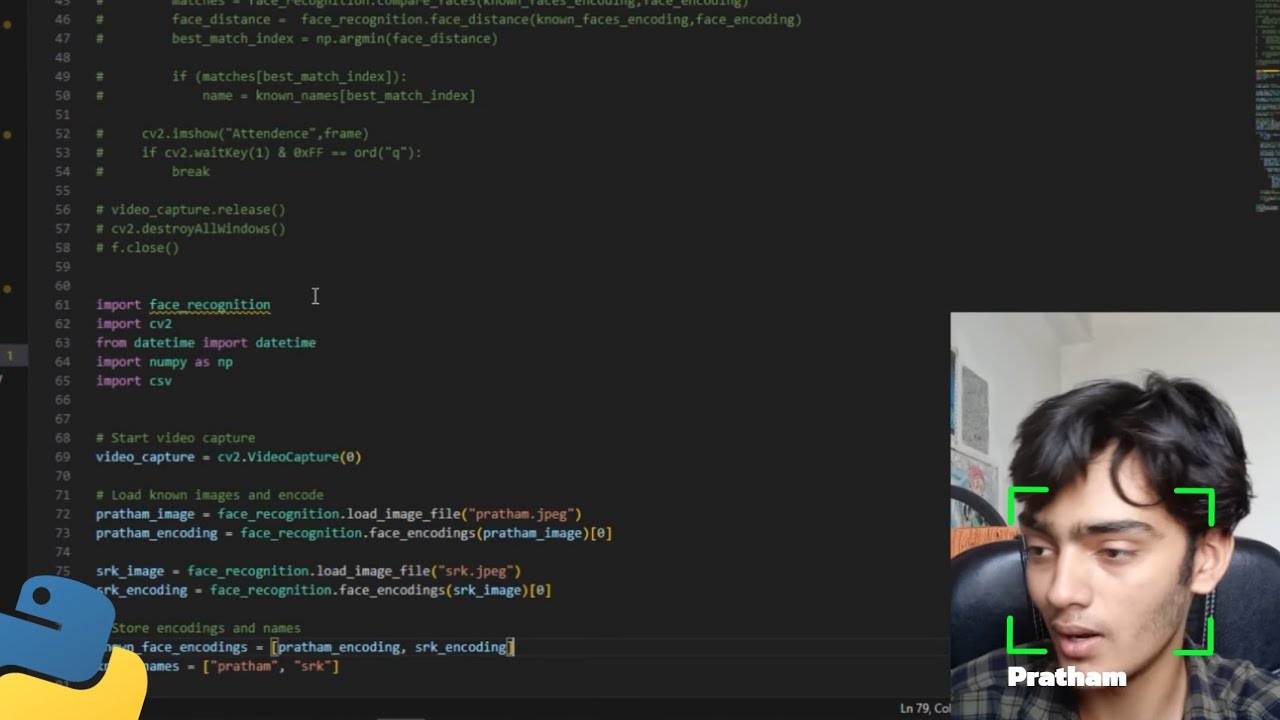

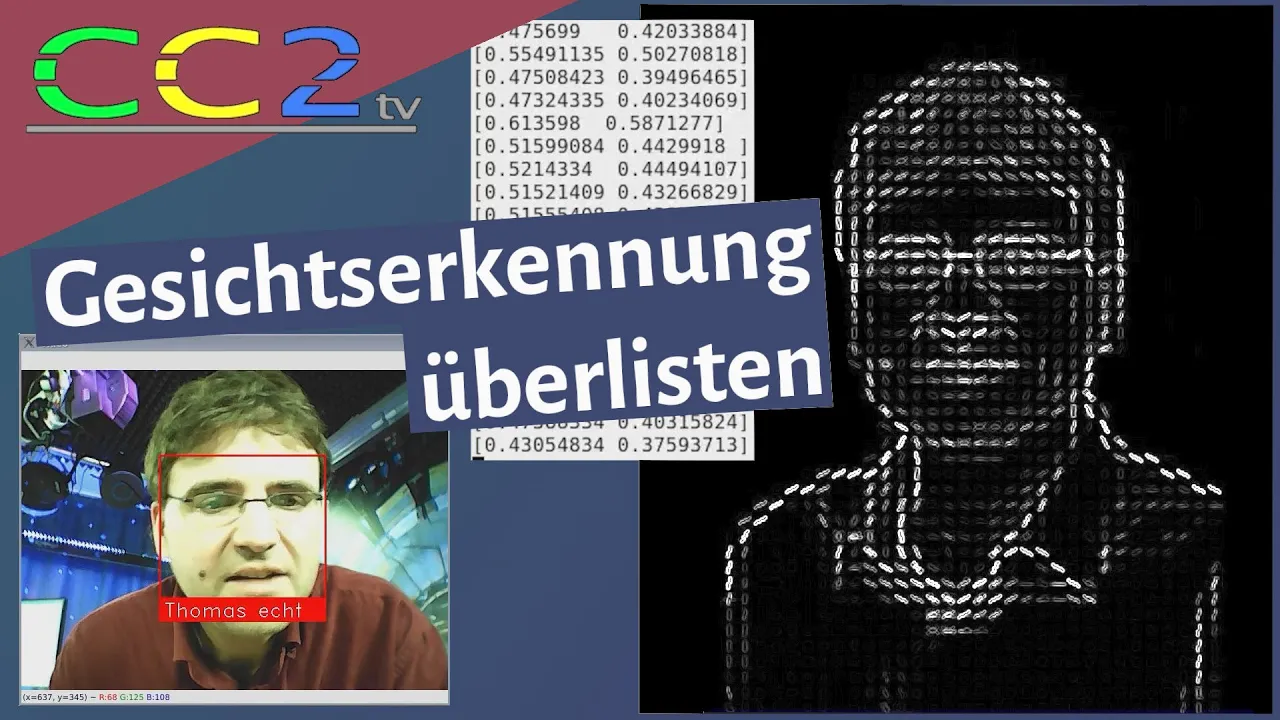


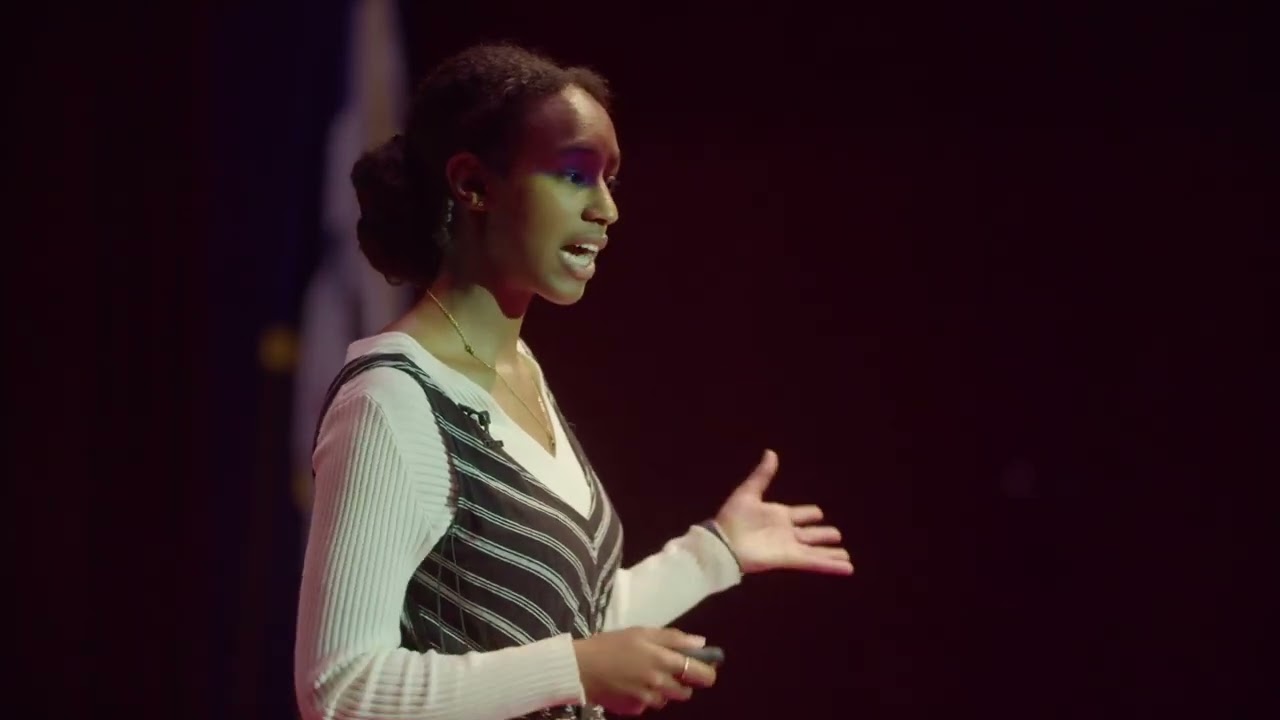










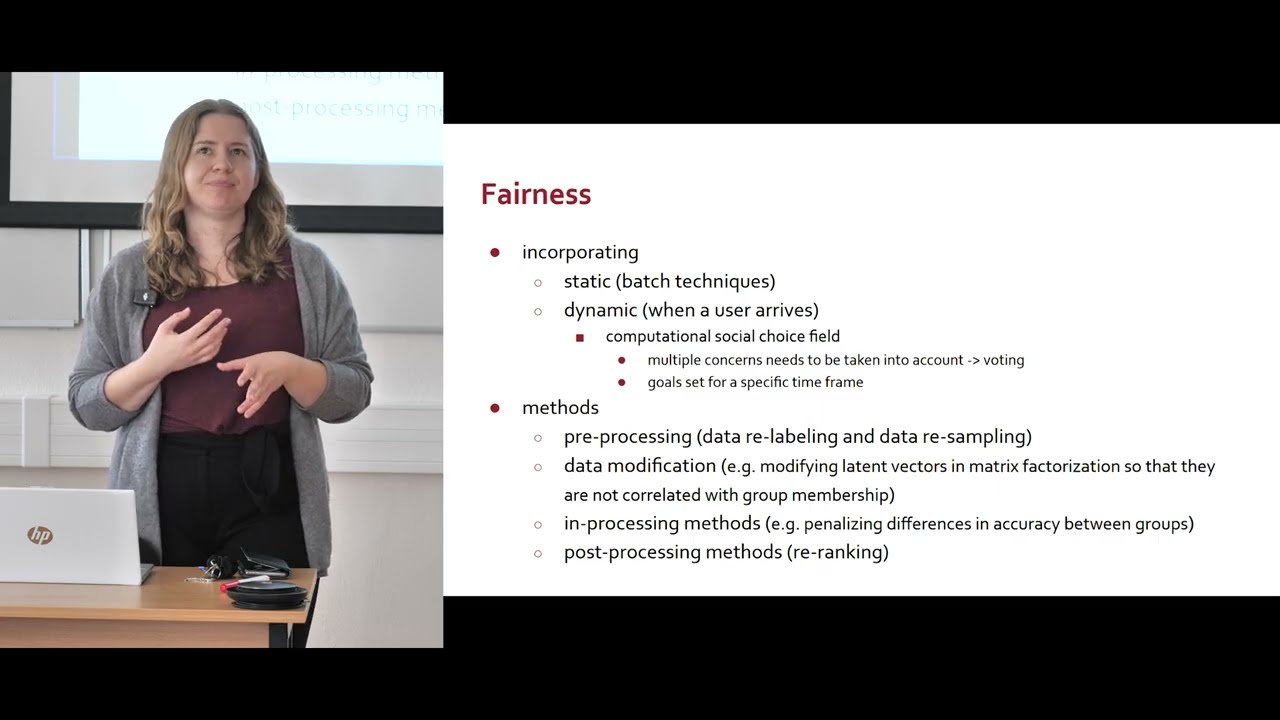


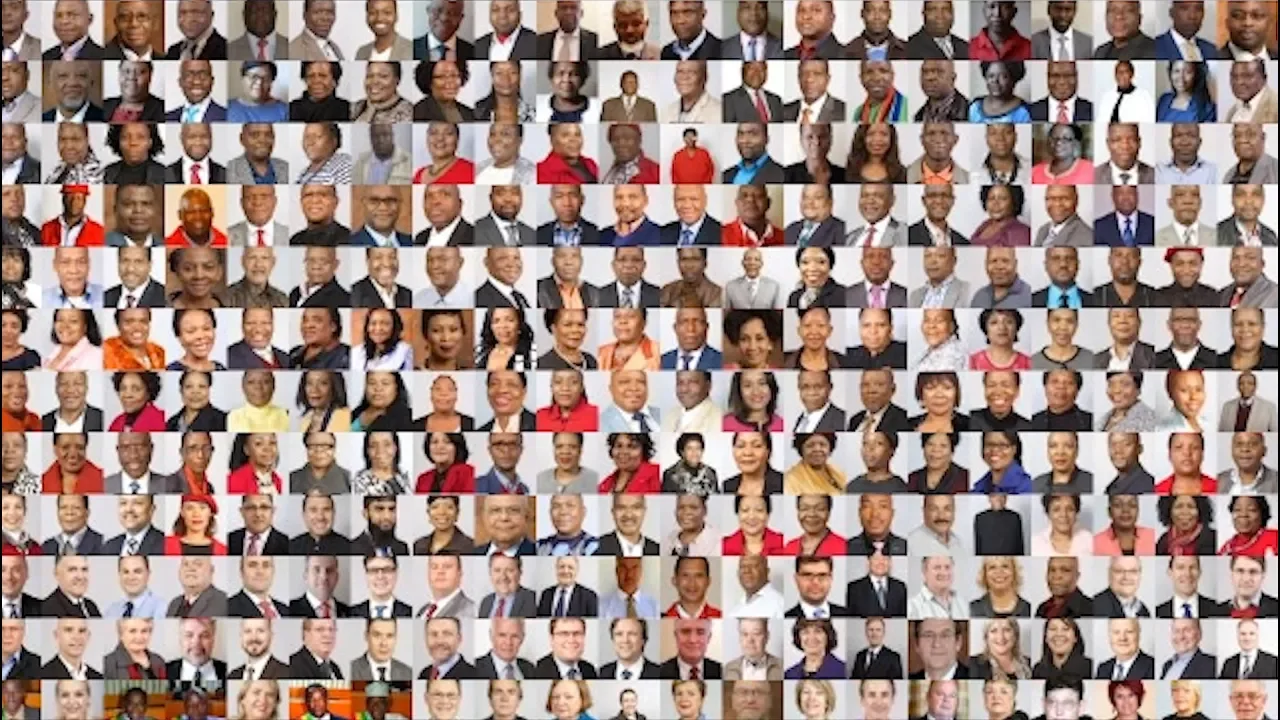

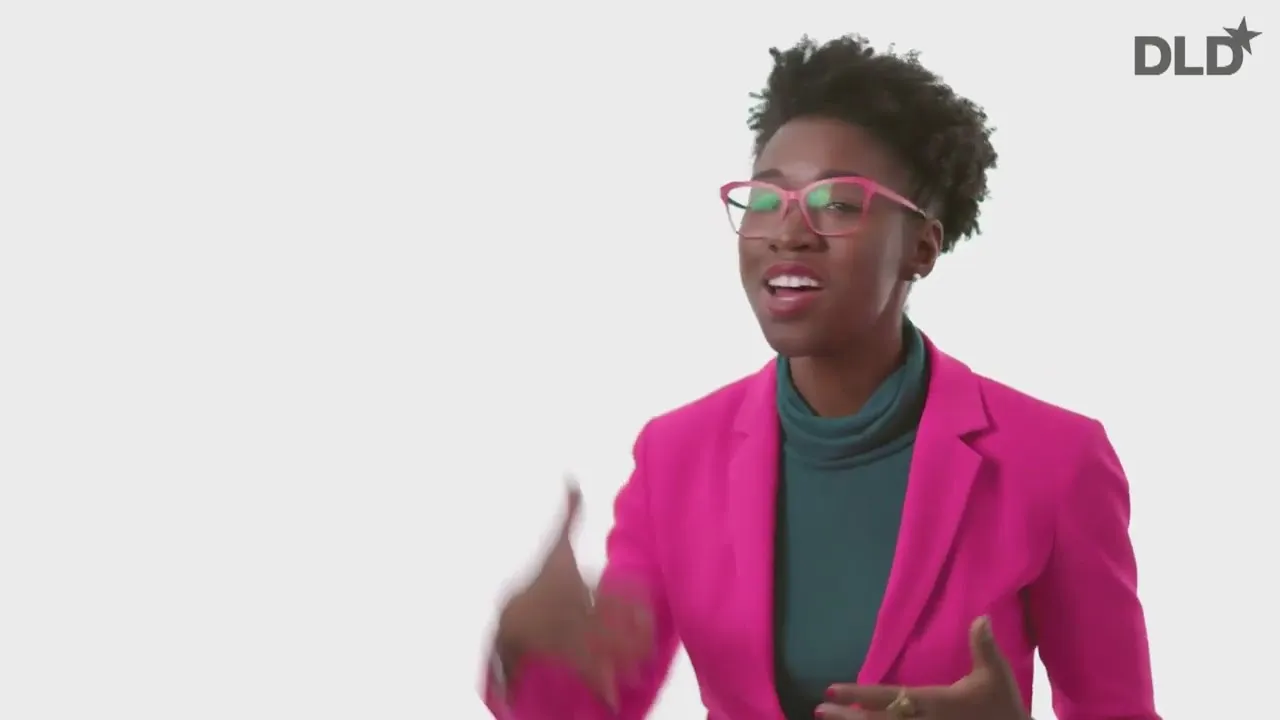


Algorithmic bias occurs when machine learning systems produce unfair or discriminatory outcomes due to non-diverse training data, as demonstrated by Joy Buolamwini's experience where facial recognition software failed to detect her face because the training sets primarily contained lighter-skinned faces; this highlights the critical need for inclusive coding practices that prioritize diversity in development teams, fairness in algorithm design, and social responsibility in technology creation to ensure algorithms work equitably for all people.
How Algorithmic Bias Harms Facial Recognition | Joy Buolamwini
Added:Basic principles of machine learning, specifically how models are trained using historical datasets.
The fundamentals of computer vision and how facial recognition systems detect and analyze facial features.
The concept of algorithmic bias and how human prejudices can be unintentionally coded into software.
An understanding of statistical representation and why diverse sampling is critical in data collection.
Techniques for algorithmic auditing and methodologies for testing machine learning models for bias.
Regulatory and policy frameworks governing the use of biometrics and artificial intelligence, such as the EU AI Act.
Advanced technical approaches to mitigation, such as fairness-aware machine learning and synthetic data generation.
The study of intersectionality in artificial intelligence, analyzing how combined demographic factors (e.g., gender and race) affect system accuracy.
374.8K views5.4Klikes8:44Original Release: 2017-03-29
Hello, I'm Joy, a poet of code, on a mission to stop an unseen force that's rising, a force that I called "the coded gaze," my term for algorithmic bias.
Algorithmic bias, like human bias, results in unfairness.
However, algorithms, like viruses, can spread bias on a massive scale at a rapid pace.
Algorithmic bias can also lead to exclusionary experiences and discriminatory practices.
Let me show you what I mean.
(Video) Joy Buolamwini: Hi, camera. I've got a face.
Can you see my face?
No-glasses face?
You can see her face.
What about my face?
I've got a mask. Can you see my mask?
Joy Buolamwini: So how did this happen?
Why am I sitting in front of a computer in a white mask, trying to be detected by a cheap webcam?
Well, when I'm not fighting the coded gaze as a poet of code, I'm a graduate student at the MIT Media Lab, and there I have the opportunity to work on all sorts of whimsical projects, including the Aspire Mirror, a project I did so I could project digital masks onto my reflection.
So in the morning, if I wanted to feel powerful, I could put on a lion.
If I wanted to be uplifted, I might have a quote.
So I used generic facial recognition software to build the system, but found it was really hard to test it unless I wore a white mask.
Unfortunately, I've run into this issue before.
When I was an undergraduate at Georgia Tech studying computer science, I used to work on social robots, and one of my tasks was to get a robot to play peek-a-boo, a simple turn-taking game where partners cover their face and then uncover it saying, "Peek-a-boo!"
The problem is, peek-a-boo doesn't really work if I can't see you, and my robot couldn't see me.
But I borrowed my roommate's face to get the project done, submitted the assignment, and figured, you know what, somebody else will solve this problem.
Not too long after, I was in Hong Kong for an entrepreneurship competition.
The organizers decided to take participants on a tour of local start-ups.
One of the start-ups had a social robot, and they decided to do a demo.
The demo worked on everybody until it got to me, and you can probably guess it.
It couldn't detect my face.
I asked the developers what was going on, and it turned out we had used the same generic facial recognition software.
Halfway around the world, I learned that algorithmic bias can travel as quickly as it takes to download some files off of the internet.
So what's going on? Why isn't my face being detected?
Well, we have to look at how we give machines sight.
Computer vision uses machine learning techniques to do facial recognition.
So how this works is, you create a training set with examples of faces.
This is a face. This is a face. This is not a face.
And over time, you can teach a computer how to recognize other faces.
However, if the training sets aren't really that diverse, any face that deviates too much from the established norm will be harder to detect, which is what was happening to me.
But don't worry -- there's some good news.
Training sets don't just materialize out of nowhere.
We actually can create them.
So there's an opportunity to create full-spectrum training sets that reflect a richer portrait of humanity.
Now you've seen in my examples how social robots was how I found out about exclusion with algorithmic bias.
But algorithmic bias can also lead to discriminatory practices.
Across the US, police departments are starting to use facial recognition software in their crime-fighting arsenal.
Georgetown Law published a report showing that one in two adults in the US -- that's 117 million people -- have their faces in facial recognition networks.
Police departments can currently look at these networks unregulated, using algorithms that have not been audited for accuracy.
Yet we know facial recognition is not fail proof, and labeling faces consistently remains a challenge.
You might have seen this on Facebook.
My friends and I laugh all the time when we see other people mislabeled in our photos.
But misidentifying a suspected criminal is no laughing matter, nor is breaching civil liberties.
Machine learning is being used for facial recognition, but it's also extending beyond the realm of computer vision.
In her book, "Weapons of Math Destruction," data scientist Cathy O'Neil talks about the rising new WMDs -- widespread, mysterious and destructive algorithms that are increasingly being used to make decisions that impact more aspects of our lives.
So who gets hired or fired?
Do you get that loan? Do you get insurance?
Are you admitted into the college you wanted to get into?
Do you and I pay the same price for the same product purchased on the same platform?
Law enforcement is also starting to use machine learning for predictive policing.
Some judges use machine-generated risk scores to determine how long an individual is going to spend in prison.
So we really have to think about these decisions.
Are they fair?
And we've seen that algorithmic bias doesn't necessarily always lead to fair outcomes.
So what can we do about it?
Well, we can start thinking about how we create more inclusive code and employ inclusive coding practices.
It really starts with people.
So who codes matters.
Are we creating full-spectrum teams with diverse individuals who can check each other's blind spots?
On the technical side, how we code matters.
Are we factoring in fairness as we're developing systems?
And finally, why we code matters.
We've used tools of computational creation to unlock immense wealth.
We now have the opportunity to unlock even greater equality if we make social change a priority and not an afterthought.
And so these are the three tenets that will make up the "incoding" movement.
Who codes matters, how we code matters and why we code matters.
So to go towards incoding, we can start thinking about building platforms that can identify bias by collecting people's experiences like the ones I shared, but also auditing existing software.
We can also start to create more inclusive training sets.
Imagine a "Selfies for Inclusion" campaign where you and I can help developers test and create more inclusive training sets.
And we can also start thinking more conscientiously about the social impact of the technology that we're developing.
To get the incoding movement started, I've launched the Algorithmic Justice League, where anyone who cares about fairness can help fight the coded gaze.
On codedgaze.com, you can report bias, request audits, become a tester and join the ongoing conversation, #codedgaze.
So I invite you to join me in creating a world where technology works for all of us, not just some of us, a world where we value inclusion and center social change.
Thank you.
(Applause) But I have one question: Will you join me in the fight?
(Laughter) (Applause)
Up Next
64:04
EU AI Act Explained: Policy, Impact, and Global Governance
@stanfordhai
20.9K views•2023-07-06

12:54
Triumph of Orthodoxy Icon: Byzantine Art & History Explained
@BenCallan
2.1K views•2024-08-06

17:40
Visual Storytelling & Future Media: Scott McCloud’s Comic Theory
@TED
332.3K views•2009-01-15

1:42
Game of Thrones Opening Credits: A Cinematic Analysis
@gameofthrones
46.3M views•2011-04-18
Related Study Plans & Knowledge Roadmaps
Structured learning paths in General & Interdisciplinary Studies
general-studies
Elevator Engineering: History, Physics & Cities
01From Hoists to Safety Brakes: The Dawn of Vertical Lift
02Hydraulic vs. Traction: The Engineering Physics of Elevators
03Modern Speed, Safety, and Algorithms
+ 2 more learning modules
12h5 modules
Explore Roadmap
general-studies
Rubber: Material Science, History & Geopolitics
01Origins of Natural Rubber & Mesoamerican History
02The Chemistry of Natural Rubber & Vulcanization
03The Geopolitics of the Rubber Boom & Colonization
+ 2 more learning modules
12h5 modules
Explore Roadmap
general-studies
Containerization: Evolution, Logistics & Trade
01Ancient Trade & Bulk Cargo: Amphorae to Barrels
02The Industrial Revolution & Cardboard Packaging
03The Containerization Revolution: Malcom McLean
+ 2 more learning modules
12h5 modules
Explore Roadmap
general-studies
Textile Tech: Evolution, Labor & Global Impact
01Pre-Industrial Textiles: Handloom & Cottage Industry
02Mechanization: The Spinning Jenny to the Power Loom
03The Factory System & Global Labor Transformation
+ 2 more learning modules
10h5 modules
Explore Roadmap