

















The EU Artificial Intelligence Act, set to become the world's first comprehensive AI regulation, establishes a risk-based framework that classifies AI applications into different risk categories with corresponding regulatory requirements, introduces specific provisions for foundation models and generative AI, and creates governance mechanisms to ensure consistent enforcement across EU member states; the Act faces ongoing negotiations between the European Parliament, Commission, and Council, with key areas of contention including biometric surveillance restrictions, high-risk application definitions, and open-source AI exemptions, while also raising important questions about transatlantic regulatory alignment between the EU and US approaches to AI governance.
EU AI Act Explained: Policy, Impact, and Global Governance
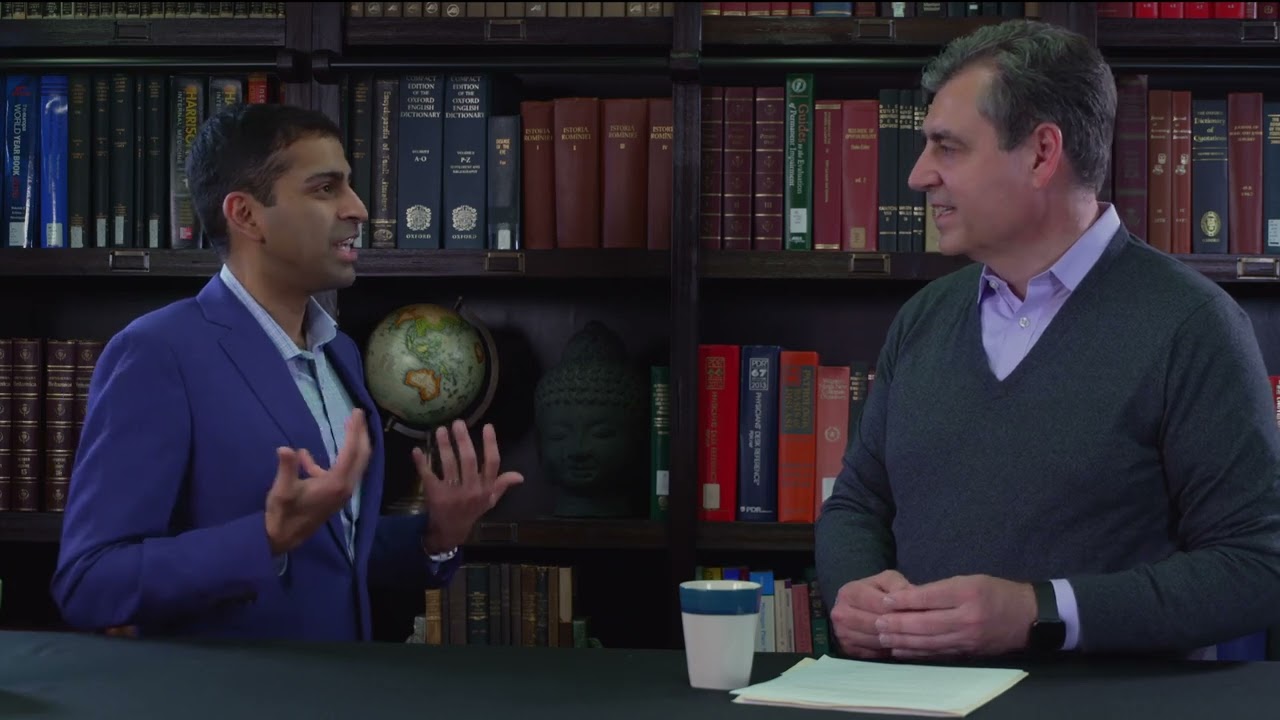
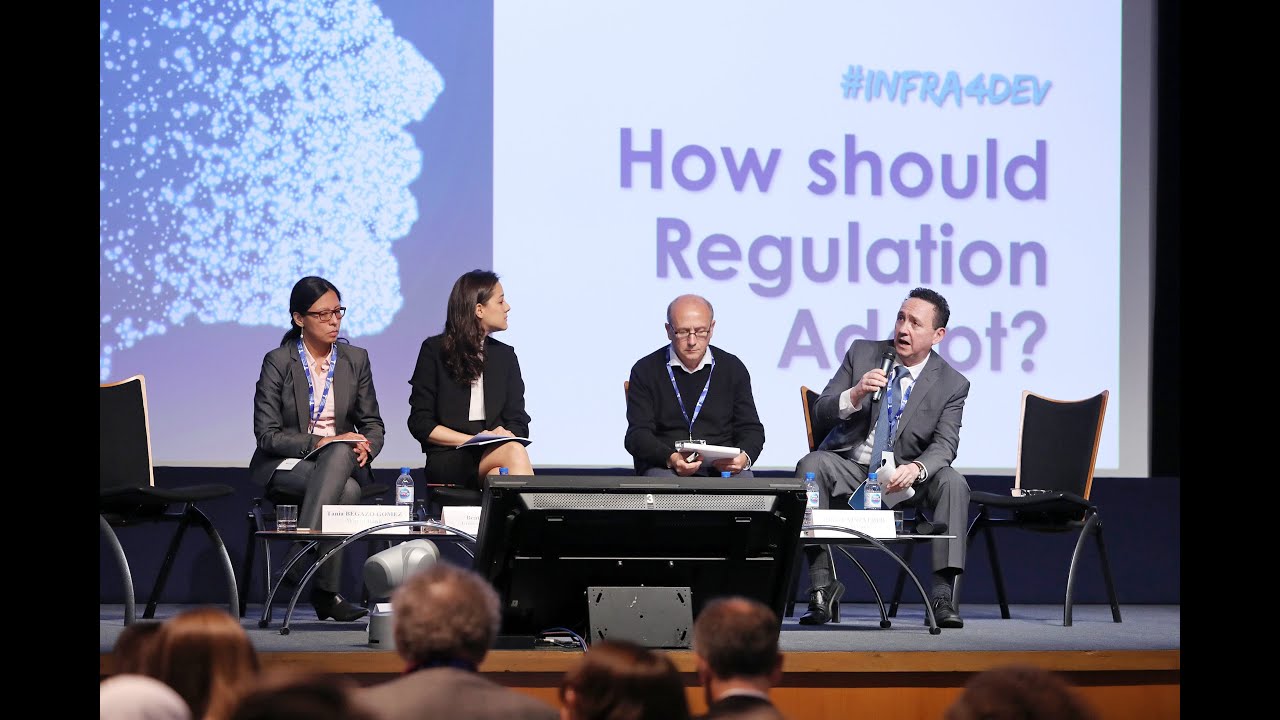
Added:all right I think I'll get us started thank you for joining us everyone I'm Daniel Zhang I'm the senior manager for policy initiative at Stanford Institute for human centered Ai and thank you for joining us for the decoding the EU artificial intelligence act event hosted by high as a lot of you may know the EU AI Act is set out to be one of the world's first comprehensive legal Frameworks for artificial intelligence the AI Act was originally proposed by the European Commission in April 2021 and the general approach position on the legislation was adopted by the European Council in late 2022 the European Parliament just adopted its position on the eua ACT with overwhelming majority a few weeks ago on June 14 and I think we'll have a very great discussion on the implication of the UAA act the parliament position and the implications now let me introduce the panelist first we have Rishi bamasani Rishi is the society lead at the Stanford center for research on Foundation models and the PHD candidate of computer science in Stanford his work broadly focuses on the societal impact of AI Often by Leading large-scale collaborations and building interdisciplinary teams including introduction to the foundation model landscape and holistic evaluation of foundation models he is also the lead author on a recently published blog post that examines how Foundation model providers comply with the draft euai Act passed by the parliament next we have Alex Engler Alex is a fellow in governance studies at the Brookings institution where he studies the implication of artificial intelligence and emerging data Technologies on society and governance he also teaches classes on data science and visualization at georgetown's McCourt School of Public Policy where he is an Adjunct professor and affiliate scholar at Brookings angler has written reports about the role of governance in AI oversight such as by auditing higher algorithms and mandating AI disclosure we have next we have Irene Solomon Irene is policy director at hugging face where she is conducting social impact research and leading public policy she's a tech ethics and policy Mentor at Stanford University and international strategy Forum fellow at Schmidt Futures Irene also advised responsible AI initiative at oecd and IEEE her research includes AI value alignment responsible releases and combating misuse and malicious use and next we have any MEP draggles tutoration dragos is a member of the European Parliament and vice president of the renew Europe group he is the chair of the special committee on artificial intelligence in the digital age and the lrbe rapid Tour on AI act he sits on the committee on civil liberties Justice and home Affairs committee on Foreign Affairs subcommittee on security and defense and the European parliament's delegation for relations with the United States and finally I want to introduce maricha our moderator for the event today mariche is international policy fellow at Stanford Institute for human centered Ai and international policy director at Stanford cyber policy Center between 2009 and 2019 she served as a member of the European Parliament for the Dutch liberal Democratic party where she focused on trade Foreign Affairs and Technology policy she writes a monthly column for the financial times and serves as independent special advisor to the Executive Vice President of European commission margarita vastair Mauritius serves on President macron's Tech interest advisory Council and now I return to mauritia thanks everyone for joining thanks so much and I get to be Daniel's colleague which is great as well as rishi's colleague and I'm very excited about this panel today thank you all for joining the panelists the participants we have a lot to talk about sometimes when I read about the euai act in media it sounds like the law is already agreed and in place perhaps it's a sign of excitement on the part of people who are hoping to see the Democratic World putting up guard rails vis-a-vis this massively disruptive technology but in reality negotiations still have to start between the European Parliament the European commission and the European Council there seems to be but I want to ask draggers for more uh insights here a political alignment and quite a bit of momentum uh first of all on the risk-based approach that the European commission started with but then also on the new edition of a focus on Foundation models basically to reply or respond to the breakthroughs in generative AI which were actually not foreseen by the law that of course touches on a phenomenon that will likely be with us as we go forward and think about policies regulations and technology which is that there will be new breakthroughs that change the status quo perpetually and that it is very hard to um incorporate every technology explicitly even if there might be big effects foreseen so I would like to start with dragosh and if you could lift the veil a little bit on what you expect from the negotiations well you know as I start I expect to get everything that I want um well we're kidding aside of course that cannot happen so um as with every negotiation I know that I'll have to concede from some points but I think as you also said very well at the beginning this seems to be quite good alignment between what we did in Parliament and also what the council did and what they are prepared to do because I think one uh uh reality that the council is also well aware of is that we are no longer living in the same world as it was back at the time when they adopted their General approach which was beginning of December it might sound weird it's been only six seven months ago but I think we all agree that we did have an inflection point with LGBT that meant a an Awakening uh at the top level an Awakening among our politicians and that also means a change of heart in many governments in Europe who might have approached maybe the negotiation differently and certainly so it's true for generative AI uh six seven months ago the council considered that there was no need to write anything in there position paper in their General approach on generative AI on foundational models in general whereas we did and clearly they'll have to be some effort to bring the two approaches together but from the signals that I get in the counts of the current presidents in the Spanish presidency is already preparing a new discussion inside the council to basically come closer to us we'll see how close uh I know I'm prepared to negotiate that part just as I'm prepared to negotiate other parts of the text Rob four or five big Pockets that I know would require some uh political wrestling but all in all I'm confident that by the end of the year we can make it so I think the calendar that we have set as an ambition um is quite a solid assumption and by years and I'm convinced that this law will see the light today great thank you so much could you briefly touch upon those issues of contention just so that everybody has a sense of what you're anticipating well I'll start with the one that has caught the the media line almost everywhere which is uh AI use for biometric surveillance in public spaces uh and more generally I would broaden a bit the the spectrum because it's not only about that we in Parliament have introduced quite a number of extra prohibitions for the use of AI which I know are not necessarily to the liking of governments because they have to do good exceptions for law enforcement in accessing and deploying some of these Technologies and I know that there I'm a foreign minister of interior myself so I understand rather well uh where they will come from with their arguments and entry prepared for them and I know that there'll be quite a lot of negotiation going but I can imagine you're already a Learning Zone for that uh therefore while it's going to be a difficult negotiation I know that we can we can find a middle ground a second uh a second area will be around the regulation of high risk what we did in Parliament was to introduce a filter we allowed for a broader definition of use cases for high risk AI but we have compensated that with a filter so that not all applications that would fall within those categories were actually automatically be condemned to compliance they'll also have to pass the test of significant risk whereas the council still is for the moment in their logic of high risk Annex and their attempt will be to narrow down those definitions but that beats the purpose of the filter so I know that you will have to discuss that but I think the objective is shared between what we want to achieve with this provision I.E to to again not label unnecessarily applications as being high risk whether or not and again with a shared objective I'm sure they will find the means to to reach a common ground a third area will be around governance I know that we have gone much further than the commission certainly also much further than the council we have introduced this layer of AI of sorry of European governance not only allowing National silos to develop in terms of implementation and enforcement but also for seeing a level of coordination to make sure that we have uniformity in the application of the law I am convinced of the case that I'm making with this proposal for governance and the signals that I get from the council are positive so I think there again there'll be a bit of quid pro quo but I'm convinced that we also can find agreement there and of course generative AI I don't know exactly how close they will come to us but certainly this is about the uh part where we will be negotiating hard and then of course there are many other aspects of the law the Conformity assessment uh the the fundamental rights impact assessment for high-risk applications upon deployment so there are many areas where Council might have different views and we will have to negotiate but I think those would be an easier task of finding agreement than the rest great thanks this is so helpful um next I would like to turn to Rishi who has recently done a fascinating research where he's essentially mapped out how companies that are developing generative AI uh would comply with the euai act as foreseen so obviously we appreciate that there still needs to be negotiation but his research gives great insights into how companies are faring with regard to these anticipated new criteria so Rishi do you want to share a little bit about this research and how you think that the EU AI act can make a difference for people uh yes absolutely so as Marita mentioned of course there's a lot of uncertainty here both in the sense that uh the AI act will evolve over the try log and also in the sense that um you know the conduct of these Foundation model providers will also evolve over time um but with that uh caveat in place um uh there's there's a variety of things going on here and there's a lot of takeaways from that work but to distill them I'd first highlight that there are a few areas where we see that most providers are sort of not doing particularly well these are in relation to sort of uh providing a summary of any sort of copyrighted data being used to train models uh this is also on the topic of risk and risk mitigation and then finally on the topic of evaluation and testing and so in part that recognizes that in parallel uh to the AI act a lot needs to be done in terms of the development of standards in the space and the development of evaluations um that these providers can use and external testing and auditing mechanisms so that's sort of one key finding in our work a second that I'd also like to highlight is on the topic of sort of Open Source and fitting that Irene has worked on a lot of different things here on on the topic of really strategy so in particular particular we see that many of the providers that adopt more of a sort of Open Source stance or generally open stands tend to fare quite well on requirements directed towards the resources that their models require so the data on the compute uh whereas more of the sort of closed or restricted access providers like openai and others perform better in terms of the requirements directed towards how their systems are being deployed Downstream and so I think this will be an important area for understanding how the AI act evolves and how the requirements are distributed towards open source providers and less open providers overall I think the AI Act is at least in parliament's version if successfully enforced likely to improve the status quo because there's a lot that is not transparent at this moment broadly in this ecosystem and I think that is sort of an essential precondition for making progress in the space and so I think the acts focus on this topic is is quite helpful and quite Timely thank you thank you for that um are there also areas that you have researched that you think are strangely missing from the draft EU AI act that if you had a seat at the table with the negotiators you would say hey why don't you focus on but yes so of course I think the ACT covers a lot but of course there are many other things it doesn't cover and and the sequencing of how these will be addressed over time is an important question two things I'd like to highlight here are first on the topic of sort of how these Foundation models are being used something we know from regulating and reasoning about online platforms like social media is that understanding how platforms are used and a lot of the work that has gone on platform transparency has been written about by Scholars like Daphne Keller and many others indicates that reporting of this type of transparency of how the platform is used is essential for for guiding a lot of the work on understanding the platform in the same sense you know there's a question of how are these foundational models used right if something like chat GPT is being used for medical applications versus legal applications versus uh entertainment you know this materially influences how we reason about technology and so having that type of transparency I think would be a useful piece and the other thing um that I'd highlight here is that there's this sort of broader ecosystem in play and the ACT already uh sort of significantly addresses this by recognizing that foundation wall providers have sort of requirements towards providing documentation Downstream I think what I'd like to see um in the future is also understanding of how other aspects of this supply chain need to be connected right how does accountability transfer from uh sort of Downstream actors Upstream how you know how do we think about topics like redress or or you know harm so I think that is um essential piece that I think will come in uh in the future but but is also a topic I think is important great thank you so much and we actually have the opportunity to do a briefing uh for some of the lead negotiators tomorrow so I hope that that will be enlightening um let me now turn to Irene and ask you what you see um as you are thinking about all these governance questions from the side of a company uh hugging face but also looking at a very set of very powerful companies and and their decisions in the absence of a law on the books at this moment in time uh what are your observations how do you think the EU AI act will impact your life uh how are you considering what is responsible uh what is risk mitigation in the meantime share share with us a bit about what you're seeing in the private sector and the governance that they are performing it is crazy to try to do this in an hour I'm gonna try to distill as much as I can and it's always hard to follow Rishi but I have so much to say that he has explicitly cited yet so I'm excited about that so we know that Tech needs good regulation we need to be guided in the right direction and especially to have some coherence among different tech companies even with similar missions law must also be technically informed I'm a big fan of the risk-based approach especially for these increasingly multi-purpose or general purpose systems but I think that policy and law should be informed for should not be informed by but should take lessons from where the research is and so the three points that I'm particularly interested in are on transparency model access and on impact assessments when we're looking at transparency the great work from Rishi and Daniel on the team at Stanford on scoring Foundation models really digs into what transparency looks like but also where are we in standards for what transparency could be for documenting data sets documenting models but also documenting processes uh big code which is hosted by hugging face and servicenow is piloting a governance card that goes beyond just documenting the explicit components of what goes into training a system another citation of Rishi is ecosystem graphs I think it's really helpful to visualize how a specific system is being used per application especially when it was not built for a specific application the second point on model access I and Alex think a lot about researchers just need access to systems for conducting evaluations for building safeguards and Alex has some great work on what Ripple effects could look like for the euai ACT in the open source Community but it is something that I am deeply concerned about and the third is my my research baby I think all the time about impact assessments and there's great work from from Rishi from Google around Helm the holistic evaluation of language models and big bench but we don't have standards as a research Community for what evals look like we don't have consensus on what capability looks like and where we are on impact assessments it's frankly really rough there's not great ways to robustly evaluate even one aspect of bias for a language model and then forget about audio generation and we're like very very early days in image generation some light-hearted oh that was very there no that was very rich and I I want to ask what you would tell the EU negotiating team as your priorities if you had a magic wand what three things would they solve for you transparency model access and impact assessments great thank you and you expressed concern about the way in which the EU AI Act deals with open source can you share more why are you concerned this is a big discussion I think it'll be helpful to spend some time unpacking well I want to tag team Alex on this as well but um it's just a really complicated question because not everything should be open source to everybody I mean it is a signal that stability AI staged released their latest model and didn't immediately make it accessible to everybody the problem is that we don't have a good threshold and this goes back to impact assessments for determining what is safe for anybody I don't think that there is any anger that Elmo or Bert or even gbt was originally open source to everybody uh but where it gets kind of dicey is around novel modalities where we don't have as much literature on risk like make a video for meta although meta has had a track record recently of being pro-open source and and working on really impressive systems based stated in their make a video release that they are not making that accessible because of unknown risks uh so it's very very complicated but uh people researchers at fact and and writes con recently in the past month I felt were overwhelmingly uh rightfully afraid of this concentration of of closedness of not being able to conduct their research anymore uh and to build safeguards like watermarking researchers just need access to systems and their components thank you um we'll talk more I think about this notion of concentration of power um but first I want to turn to Alex um and ask if you could share your thoughts on the discussion so far and maybe also uh incorporate the transatlantic implications because there are dialogues going on between the EU and the US AI is one of the Hot Topics the US doesn't have a law forthcoming as far as I'm aware it has instead focused by Administration instead is focused on enforcing laws that are already on the books and doing so as it was declared by my number of departments um with the full force of the law can those two work together smoothly or is it going to be a challenge for the U.S to not have an AI law explicitly and and what do you see as the Dynamics there sure so if I um just to comment on a few of the things I've heard um some of the really technocratic pieces of the AI act are incredibly important and not yet uh decided upon meaning we're going into a try log with three uh political institutions that have put forward three different versions of the act that really differ in some absolutely core ways and I just want to um actually call them dragos just mentioned the definition that's a great example uh you can read the council version of the definition as only really being about machine learning or maybe a little broadly algorithms that change the word infer can be very important in that definition things that sort of change or adapt or maybe learn on their own uh whereas the commission is a much wider definition the parliament also a wider definition um with an added uh sort of threshold of risk I think which is by the way um I think probably the most flexible uh path forward so it's it's interesting I know there's a lot of other specific issues to talk about but it's worth noting that some of the absolute core is still up for debate including how what type of agency and how many agencies in each member state are going to do this um is it going to be that some existing agencies like an employment agency handles employment algorithms and An Education Agency handles education algorithms or it's all going to be done centrally in each um there if there are some pretty unresolvable trade-offs it's good to have domain experts do uh domain-specific algorithms education for Education uh that being said you also have to hire many more algorithmic experts to do this um and and so I actually sort of very much recognize that live facial recognition and Foundation models are in some ways the flashier like more newsworthy topics um but they're absolutely like core technocratic pieces of this that I almost think need to be highlighted and and work out first because they're they're about the absolute core function of the law um so I wanted to highlight my boring technocratic stuff but on to the fun things yeah uh very much endorsed what Irene was saying um I'm happy to be a little less nuanced here I think a full open source exemption is worth doing um that is uh not for their use but for their development and for their availability online um they're incredibly important academic research to public scrutiny and understanding of these models um it is a pro-competitive practice to allow open source the absolute biggest competitor to concentration and AI companies uh is absolutely open source models which are free and easier and easier to deploy every day um and I think you actually catch a bunch of applications you don't mean to if you include open source Foundation models it's very easy to reuse them in Trivial ways and still get caught up in the regulation if it's such a wide net now I could talk about a lot of these little things I'll leave it there um I do want to say that there is a growing disparity between the US and EU approach between the gdpr and data privacy the Digital Services act which governs online platforms digital Market act which is more towards online e-commerce the AI act paired with what will come the AI civil liability directive and a few other pieces of related legislation the EU really has a comprehensive legal regime for uh almost every sort of particularly significant use of algorithms that you can think of and uh I I just named four or five things that are all completely absent in the US um and I think if you're in the US and you believe that we need one of these or some of these regulatory regimes which which I do we're experiencing these harms from AI that uh that drive this demand just as much if not more than Europe right um it is worth noting that it actually gets harder to do that when Europe passes these laws that's not a reason for Europe not to do it it is a reason for us in the US to be introspective it's because companies are not going to want to follow to different standards into different very important markets so it becomes harder when we pass legislation because we have to look to the U and make sure that we're some level of convergence some level of alignment and the reason why it's not even really on its merits is because the corporate interest will fight tooth and nail if you have two dramatically different standards for online platforms and that's just a political reality that we have to deal with um so uh I do hope the Schumer process Senator Schumer's got involved starts leading us down this direction to new protections but we do need to understand and watch the euai ACT make sure that we recognize what it's doing look to things like standards and like uh the trained Technology Council to make sure we can build a path to alignment and create laws that uh people won't fight tooth and nail um for us to implement and get some of the protections that Europe is passing thank you so much um I wanna I wanna reference a couple of responses to the process so far so on the one hand there are concerns expressed from the private sector in the US but also in Europe with voices who say if the EU passes this law it will basically Place itself outside of the game of ever developing Foundation models or generative AI um big success stories in industry there are also those who say well if you look at the harms already and the and the risk you know I'm not talking about existential risk but uh risk and harms involved with generative Ai and what it can mean for society uh even as it stands now this is not an aspiration Europeans should have they should not look to Silicon Valley once more and wonder why do we not have the same kind of big Tech but really go for for something else um and then we had the the Curious kinds of responses of uh Sam Altman for example who was asking for regulation in front of Congress but then said no no not that kind of Regulation when it came to the EU AI act so you know the the anticipation of of what the ACT will mean for industry for Innovation but also for uh the unique sort of position that the EU takes or are at times also very critical so I would love to hear from panelists and you can just raise your hand if you want to respond first um what you think about this is this Paul politicking is this the lobby as we might expect or is there really something unique going on around AI in particularly generative AI draggles maybe I'll start with you because I'm sure you've been lobbied to pieces on this piece of legislation well what can I say yes I have been um and of course I saw the reactions over the past couple of months I saw the reactions of those who said oh my God uh the end is near and therefore please come and regulate us quicker and of course the recent letter from a couple of days ago of some um actually quite a lot of businesses that have signed up on the letter so I take it very seriously although I think that many of those that signed the letter did not actually bother to read much of the text I closed the bracket either way so I'll put that it does happen it's true I don't know I I know it happens and I know exactly also who are the authors of that letter and I know exactly how they feel and why they feel it because I did talk to them before and I don't want to be mean and I don't want to make uh to put anyone in the box but anyway uh I think there are of course many interested at play here um and it's always like this when such a fundamental piece of Regulation um [Music] is being negotiated and and hits the market so I'm not surprised in fact I must say that I've been surprised over this time preparing and negotiating this law the other way around I've been surprised actually of how many companies uh big and small how many developers including of foundation models and generative AI have actually come and said listen we believe that we need to raise to a standard um because I might have uh ethics of my own but the company next to me might not I might have a moral compass that that tells me that I cannot release this product the way it is because it brings about risks but the company next to me may not and since we are in a very competitive market if we have no rules if we have no standards then we have a risk to the bottom and I heard again I think much more of the industry than ever before with any other piece of digital legislation that have said that with this legislation we are hitting uh hitting the right the right spot of course there are many things in this law that are not perfect and I hope that in the negotiations to come we can and and your views by the way and your contributions are more than than vital to make this as good uh of a law as possible understanding also linking also to convergence and to the question earlier to Alex understanding also that this model good or bad as it will come at the end will service model and of course it's going to be difficult and I very much agree with what RX said it's going to be very difficult for the U.S to take a different path because there are going to be a lot of companies who will say don't give us two different markets with two different sets of rules and two different standards because that is going to kill us um and over the last two three months I have been approached by governments in in many corners of the world who actually are as we speak looking at what we do and starting to replicate this model from Brazil and and Chile and and many other jurisdictions around the world who are studying to consider legislation of their own and are looking at this at this model again I think that brings a level of responsibility uh on our shoulders bigger than if we actually needed a a bigger burden than the one we have already because we have to we absolutely have to make to make this stick we have to to do the right thing with this one we have to make sure that we leave as little loopholes as possible and that we also cover for those aspects that were also raised earlier by by Rishi by Irene by Alex because again we can't afford to to uh to make mistakes with this one and as to the process on the U.S side there is now and I felt it when I was in Washington a month and a half ago in fact it happened that I was in Washington just at the time of the hearing of Sam Altman in Congress and I was invited by the two co-chairs of the AI caucus in Congress tool to attend not the public hearing but the the discussion that they had the day after and uh listening to the to the congressmen and women the speaking to some of them um I I got a completely different feeling that I was getting months before when I was talking to them and I would feel that there's just a handful of aficionados who are paying a bit of attention to AI but certainly not considering rules anytime soon whereas now the wind was blowing in from a completely different direction it doesn't mean of course that there will be an AI Bill in Congress like that but I'm also looking uh forward to see what comes out of Schumer's exercise um I have been speaking to to some people in Congress uh it's possible that I might travel to to Washington to have a discussion uh with a team that will be working on this and what I hope is there we can find the political momentum to actually sit down and see how we can converge of course the laws cannot be the same we live in two completely different legal Traditions uh it's a common law system in the US it's a civil law system in Europe I say this all the time I'm a former judge so I understand that these these elements may be better than others in in Europe you have to have detailed legislation because if it's not written in the law if it's not prescriptive then you can't you don't have as a judge you don't have the Liberty to play and interpret as you would if you're in the US in the US you need a completely different level of detail uh you you can do with more generic more principle-based legislation and there's a different way through course that that gets detailed and and and and rooted in reality so I think that accepting this diversity we have to see how we can how we can hit a common note in terms of the of the overall approach and the direction of travel and then of course to work together on standards uh that's an important element in this legislation we have a mandate for standards we didn't have a menu for standards and gdpr and I think this was mistake and I think one of the reasons why it's been so difficult also for Europeans to to work with gdpr was that the one oh no standards they were just legal definitions that for many Engineers out there trying to to make sense of what they had to do it was a nightmare if you didn't have a lawyer next to you you had no clue whether you were on the right side or the wrong side of the law that cannot happen with AI right now we need technical standards we need technical standards are developed with the industry bottom up very much an American approach by the way um and I have been saying it and I'm not shy about it I think we need to also learn what is being done right in the US in terms of bringing in the reality check from the industry in the work that to do as policy makers and and I think that if we do that again also alignment and convergence might come might come easier so again if we'll align those standards if you're aligned on on principles even if we will diverge in the way our laws would look uh the level of details in our legislation I think we have a good chance to build conversions between the US and the EU we cannot afford not to do that because if our two jurisdictions do not show a common front on this one understanding that this technology is a challenge for the whole world for democracies and also for non-democracies the technology is the same in China by the way um I think then it's going to be very difficult to find some interoperable way of dealing with this technology at the global stage thank you any others who want to comment on this point the political context of push and pull I feel like a bobble head with everything the dragon is saying because they're just vigorously nodding I would I was just in DC I can't remember if like maybe two weeks ago my boss Clan the CEO of hugging face testified to Congress and exactly what dragosh was saying I was not used to this level of technical capacity in Congress a year ago uh very impressed at how quickly and exponentially the technical capacity has been scaling up in policy bodies uh in just June I was speaking with EU researchers in Sevilla number 10 Downing in the UK and in Congress and it's really similar conversations we're having so my not secret mission is to Foster International collaboration there's so much overlap here the distinction exactly as dragosh is saying is how do you respect those cultural differences not just for the obvious Partners but this is a global technology and often the global South is left out of the conversation we need to ensure that Innovation Works for many peoples but there's there's a lot of criticism of the bureaucracy that leads to International dialogue in a time where we don't really have that time I am happy to fly as much as I can to Foster International coordination and I apologize for my carbon emissions feel really bad about it but there needs to be a lot more dialogue than I think is happening now thank you so much that is helpful Alex do you want to comment on uh you know the the both the sort of shared interests globally but also the unique interest and the unique role that the United States plays with so many of these uh highly impactful companies in its jurisdiction and you know just imagine three years down the road there is an EU law there is no U.S law where will that put the U.S will it be great for Market forces will it be incredible risk concentration for Americans first and foremost how will it put American government officials in relation to negotiations multilaterally any thoughts on on the yeah on that sort of um geopolitical Dynamic there too yeah it's a good question I should be careful not to overly pronounce okay but um you know our absence of platform legislation and really the absence of very serious pushes on platform legislation in the US is concerning and I start there because uh platforms simply are a trickier problem for international governance for uh relations between countries it matters less if a company in Spain makes an AI hiring system and then decides to sell it in the U.S because their AI hiring system is going to have to be translated into a different language like it's it the geography and the jobs that they're going to be selling into are going to be different there's a good chance that they would have to really rewrite the thing and then sell the version a different version in the US and the same vice versa um so a lot of software is already going through these sort of traditional trade uh um sort of adaptations between countries we already have a lot of Rules and Things around like medical devices that make it pretty possible to build one in one place and then sell out another huge Market between us and EU in medical devices all of which contain algorithms that most people could easily qualify as AI so that in that sense some of this isn't brand new um platforms really put us in a different place um where really it becomes much harder to put two totally different regulatory regimes on them uh the US has unfortunately not seems like it's going to do something really serious here even the what I sometimes call the Sumerian efforts this proposal from Chuck Schumer hasn't really focused on platforms doesn't look like we're necessarily going back and with some of the concerns we're hearing now on uh Foundation models and on generative AI those are very platformy they're very often built into public-facing websites that want to operate both in the EU and the us so I do worry that you're right that the default path even if we get some sort of more specific AI governance is that we still don't end up touching a lot of these modern emerging issues on generative Ai and more broadly on platforms which um I think is maybe maybe the big picture uh this matters for a couple reasons one um we have benefited from mutually regulating things we both have car Regulators that can find safety issues with cars that drive both in the EU and the US also same with planes long standing in uh collaboration on airline regulation um and that raises the chances that a problem in one country is discovered by the other regulatory um cooperation of course the markets work better very obviously and we think about the size of the markets um the digital technology Market in the US is almost 10 of GDP which is enormous um and I think in Europe it's closer to five or six percent in the EU um so the scale that we're talking about is also quite High and that's all now the last part I'll mention about this is that the number of platforms that are starting to um do kind of more structurally important things is creeping up on us we sometimes think about platforms we just think social media but LinkedIn is a social media platform that also is hiring Coursera is a platform that also is a mass education system um some of these new Financial platforms a lot of people do trading and online and finances on what are historically been a one-to-one interaction or in health platform I do think there's a platformatization of a lot happening um and we're really very much seating the governance of that to Europe in a way that might be harder for us to make up later I think that's only a partial answer to your question but I'll stop there no I think that's great I would add that we're also well I mean the US is also leaving a lot of governance to companies and and that has its own uh Dynamics but I wanna I wanna touch on a question that I saw in the Q a and I'm terribly sorry for all the participants whose questions will not be addressed because this is indeed too short and there are too many questions um it is about how how should we understand research uh first of all who who's able to do research which is a long standing discussion uh also at the University that we work at you know who who is capable of developing these these kinds of um models who has the compute who has the data as Rishi touched upon but also from a legal point of view would researchers be impacted by the euai ACT uh what are what are discussions there in terms of when um a product becomes a product you know when it leaves the the sort of um ports ports of of research and Academia and goes onto the market uh so maybe I'll start with Rishi then go to Irene and then to dragosh on this because I feel like the question of you know when does an application become an application uh when when does it actually get used in the wild and and creates uh real risks for for users outside of a confined context where ideally in the public interest people can learn about how these Technologies work so um maybe you can start Rishi uh great so I think I think there are two two pieces to this first oh there's the piece of researchers producing models for AI systems and various capacities and how uh that's interpreted and maybe I'll I'll touch on that briefly but leave it to Irina Drago to to elaborate on that point and the other piece I think is also relevant here is the access researchers have to other entities models in this ecosystem and the ability to inspect them so on the first point I think where this boundary is drawn will be important maybe also relates to where and how open source is treated in this ecosystem because there's often an interplay between research and open source um but I think in general I would be hesitant of um you know regulation that targets uh research and and uh you know again I think in this space especially on the topic of foundation models we've seen that the Norms here are quite blurry uh in the sense that you know um earlier maybe a year or two ago you know I think many of the Norms adopted in the space are reflected sort of uh research mindsets that were established norms and say the AI research Community or the machine learning community that I think as these uh product models have been commercialized have have quickly changed um especially when we're talking about industry research as opposed to research conducted by academics on the latter point and I want to go to Alex's point two on platforms here uh one thing we again know from from platforms um is that a researcher access and the ability for external entities to scrutinize these platforms has been very important and we've seen that for example with the Twitter API or with other such mechanisms being less transparent and less available these days this severely compromises the ability for external researchers to meaningfully provide scrutiny and so in the same sense when we're talking about Foundation models or other AI technologies that are in scope of the AI act um you know having mechanisms for external entities and and who is afforded uh the you know the affordance of being a researcher is also relevant here I think will be important right for providing this type of scrutiny uh and and this is something that I think uh should be prioritized right because if we do not have these mechanisms for external scrutiny I think we're sort of ill pole is for reason researchers and academics to meaningfully contribute in this space thank you Irene what do you think I'm going to go backwards and start with researcher access and then talk about prior to productization so access to compare and inspect models is so important and really Stanford is the only place that I know has been able that has been able to do it I use uh crfm the center for research on Foundation models as the gold star of being a trusted third party to get access to many different types of models that traditionally more closed companies don't provide that access I will also say that Stanford is exceptional in many ways and that it does not represent a lot of academic institutions it has quite a bit of resources and this is not particularly scalable but hugging face libraries I mean there's a reason I like my job it's been hugely useful for researchers having a common resource like the libraries to conduct research is critical also for reproducibility and then to productization there's been a heavy shift mostly around the end of November some correlation with big release there from research to productization and even research for products people are really excited about AI because of its enormous potential and when we're talking about regulation or even Senator Schumer's safe Innovation we want it to go in the right direction we want it to help people but a great quote from Clem's testimony is that we don't need depth as much as we need breath now you don't need a chat bot to be able to tell you the meaning of life if you're just using it as a bank Customer Service chat bot putting it into the ether if there's good statistics but in my experience on the industry side I've seen a lot more people use small cheap models because they're cheap to fine tune they can be adapted to specific use cases and what we really need is better breadth and expertise across different fields to figure out how can we make this work for people in a specific application thank you um I'm just going to turn to draggers to ask about what the law foresees with regard to productization but also access for researchers and then I want to give panelists a opportunity to just do final Reflections as we're already coming off on time well I'll start with access for researchers because I think that's a very uh interesting element that is missing by the way and I think none of you uh I don't know if anyone of you listed it already at the beginning that I think you should have um and I'm going to give it a very serious thought to see how we can actually uh bringing in the discussion um so that's already one gain for today's conversation um you've planted the seed in here um in terms of what we have right now what what we have is an exemption for r d um we've actually had quite a long debate uh with the other political groups on how to handle research and development and the solution that was eventually supported by by everyone was to have a an Express exemption for that that means that uh until unless you're on the market than you are in this r d uh phase in this r d mode with the application there for the laws will not apply to you uh so that's we have no definition of what there is uh it is likely that we will actually have a discussion also with the council during your trial of uh as to what actually already is are there any potential loopholes that are coming out from from that from the very simple exception that we have right now listed I think in article two of the text um but so far what we have there is is just this exception great thank you um let me let me go back in the um reverse order I guess uh going to Alex for some uh final Reflections so much we didn't touch upon what is a burning thing that you want to share or conclusion you want to draw or a tip you want to give joggers to bring to the negotiating table um oof that's tough um I'm not gonna answer that I'm gonna I'll try something else because I had a final thought that that's burning great um I uh want to talk briefly about how we would do this in the US I think that's the biggest question in the US right now it is the most common question I get from Congress um uh and I will say the US government has a lot of people who've been thinking about this but the other panelists are totally right the Congressional interests in the last six months has has skyrocketed absolutely dramatically and a reasonable first question is what do we do here right if they're do if the EU is doing that what do we do here um and it is an extraordinarily hard question it's an extraordinary hard question uh it it's actually maybe a little bit easier for us in the US but it's still very hard it's very very hard in the EU the advantage we have is sectoral Regulators we already have Regulators whose job it is to pay attention to lots of different areas of sort of high impact socioeconomic decisions which is a big core of what the aiac does in hiring in Employment Services in workplace Management in mortgages and financial services access and health care provisioning all of these things we already have some regulation at times those agencies are not prepared in terms of expertise they're uh to deal with AI they're probably adapting old laws written 40 years ago say from the major some of the major civil rights legislation uh that may not include the word algorithm or data or computer for that matter um and they might so they might not have obvious Authority or it might be limited structurally in some way um and they might not have the right enforcement Powers actually go do anything about it uh that's true in some form of most of the agencies now we don't have to do something that coordinates between 27 member states that's useful but what we could do is make sure that those existing agencies are empowered to enforce current law and maybe a stronger set of guidelines around algorithms on sort of the AI in their space right and Housing and Urban Development make sure that rental and housing algorithms are fair can the Consumer Financial Protection Bureau really enforce uh laws on mortgages and financial decisions can the Department of Education have some role in how colleges accept people uh and charge tuition based on rooms etc etc and I would say uh the lesson from working on the eua ACT is that we probably can do that we can do that in a way that is a little more uh gives a little more flexibility to our Regulators so they can go make really specific rules in their area and that's an advantage that we have um but it's still going to be very tricky to pass kind of broad-based try to solve all of this at once legislation which I'm sure dragos uh agrees with is the challenge but hopeful hopeful that that's the sort of inspiration we can take from the UI act and then also somewhat optimistic we can find a path from there towards alignment thank you for bringing that up I actually think that European governments and EU negotiators can benefit a great deal from one uh the notion of guidelines with regard to the application of existing law because lots of existing law applies also in the EU despite or even with the EU AI act and then um uh secondly to um to really really think about enforcement this has been such a gap in many many laws right that get announced with big press releases and then the attention Fades away but really the proof is in the enforcement and I think that that is another issue where all the capacities that you're hoping that the sectoral agencies will get in the U.S EU enforcement and oversight bodies would equally need um so just flagging that for for dragos as well um I'm going to go to Irene next so to go back to uh taking lessons from where we are technically on Research we need to three things going back to three things uh bring in experts to move forward a specific aspect of what is needed for policy so when we're thinking about model access the open source Community is extremely distributed and it doesn't necessarily have representatives in the way that industry Labs do so being really intentional about that Outreach for experts is critical here uh so that's that's when bringing the experts another way that we can move projects forward I love citing myself so my evaluating social impact work brought together experts across four different sectors to move something specific forward where are we on what are the specific social impacts that we need to be looking at that are not existential risk and it can also help with enforcement because I'm really fixated on this we are not in a great place for impact assessments uh the second part is on International bridging plus 100 to everything Alex is saying there needs to be uh more less Patchwork there needs to be less Patchwork and how companies are addressing the the safe Innovation path that we're all taking and then exactly as you're saying maricha guidelines I really agree with everything and the recommendations from Rishi and Daniel and and Folks at Stanford on the scoring of the euai act for for foundation models we need better guidelines on transparency we need better better standards and it circles back to bringing in the right people to make that happen thank you Rishi final thoughts yeah I think I think all of this uh is great and so maybe just on my end you know I think the key observations just to reiterate them that have come up time and time again during this discussion or first of all the AI Act is a big deal I mean it's not just the EU it's going to set a precedent broadly it's going to have Global influence and I think I think we all recognize that that's why we're here having this conversation but just to reiterate it um and as Alex mentioned earlier in the conversation I think the foundation model is generative AI someone get a lot of the attention and have and rightfully deserve some you know a lot of the consideration here but there's a lot else in the AI act and I think we shouldn't pay attention to that um because it's going to affect a lot of different sectors and to build on that you know thinking about how we are going to enforce it and also thinking about how we ensure that we have the appropriate talent in enforcement agencies or in other agencies is also a critical piece here you know I think many sort of shortcomings when we talked about a regulation of digital technologies that we don't have uh the requisite Talent uh distributed properly and then finally maybe the last point I'd make um is I think we can take a lot of lessons from platforms here both in the sense that you know some of these Foundation model providers are tending towards sort of playing a role of a platform but also in the sense that uh the EU and broadly there's been a lot that's been thought about on platforms on the topic of research access on the topic of usage transparency and even on the topic of the fact as we've seen the DSA that you know we can have the separation between very large online platforms and smaller platforms so I think all of that is is useful to think about as we move uh through this dialogue thank you so much dragov well um so my closing I'll stay on the issue of the US because I mean evidently clearly and understandably this is a a key interest for you one argument that I'm using and I think it works rather well with fellow legislators up on the hill uh what I'm trying to bring a bit of a spring in the step is the risk of States waking up before the federal does and the the fragmentation and not only the fragmentation that it might bring but it's also the risk of AI becoming a partisan issue or an ideological issue because we live in a world where people are anyway unfortunately withdrawing more and more in Echo Chambers and in conspiracy theories and AI has that risk of becoming a topic that that gets to be ideological that gets to be partisan and I think the moment that that happens I think we all lost and we're all going to lose and I think the risk of states starting to have these sort of initiatives that are going to be also perceived or built through different ideologies that might be dictating in one state or another and I think that represents something that the federal level should be very seriously considering and again every time I tell them that I I see that there is a bit of a twitch uh in the eyebrows and and and I think that's a that's an argument that they need to to also consider I agree with what Alex was saying in my conversations uh I see that this sectoral approach this sectoral Regulators uh uh solution is one that I I think is considered I don't know whether that is going to be the the decision and the road to take but certainly this is uh on the table and also very much focusing on auditing and and how to use auditing as a tool for that I've heard it in various conversation I think it's a it's a serious uh it's a part of the thinking there and one last thing here is this uh solution or this project let's call it that came out on G7 a G7 I'm sure you you know very well uh because Margarita has spoken about it and was also a part of the conversation in the latest training Technology Council session in Sweden some weeks ago was this idea of a code of conduct this idea of somewhat plugging in this space this empty space that we have right now in terms of rules even we uh being most advanced we're still going to have an empty space until the rules will actually come into effect which is going to be maybe one year maybe two years time and the question is what do we do until then and can we not actually find a way to maybe work towards convergence differently um and the idea of the code of conduct came about the G7 uh vestaga received some some mandate let's call it to work together with her counterparts on the U.S side to to propose a text there are many governments that were present at G7 and the G7 as you know uh India in the Indonesia also invited and mine standing from from talking to margarete is that there is already good Echo in in some of the governments that have been part of the conversation they they went deeper into discussing a bit the details of how it would look like a TTC there is also now a broader Outreach that the stagger's team is doing to bring in different views and different constituencies to contribute to the to to this idea of a code of conduct and I think these sort of initiatives can help and and I will handle this note uh and and repeat what I was also saying earlier there is absolutely no scenario in my mind that is a positive scenario where we'll end up with with different approaches on this or with EU having rules and the us having nothing I think let's look uh with responsibility of what has been happening with data and how many times we have to go back to the drawing board and invent something that allows data flows across the across the Atlantic and biting our nails until the next decision of the European Court comes along uh I don't think we want a repeat of that scenario with AI we have a duty as as policy makers on both sides of the Atlantic to make this right thank you so much uh we all have our work work out for us at Stanford High we continue to try to bring the worlds of policy politics and Technology closer together and I think today's discussion was both an attempt at doing so and a reminder of why it's important um we also really appreciate the the need for researching the public interest and are trying to facilitate resources that go far beyond Stanford's own capabilities which are uh both exceptional but still limited if you look at what is needed for all of society um today was it was a great discussion about an urgent topic and I can only wish dragos and the fellow negotiators all the best in incorporating the many requests that are brought to your attention including today and squaring them all with each other and and looking to the Future for a sustainable law that that hopefully will make people's lives better but that will also allow for room for collaboration with the United States and other like-minded countries because indeed this is a global problem I realized that it is exceptional that we spent one hour talking about Ai and the work China has not been mentioned uh so maybe that is a first and something to celebrate I hope we we can continue this discussion I truly appreciate all of your time because as this topic of generative Ai and AI governance is so prominent there's also a lot of demand for your participation and and spending time speaking so uh much appreciated and I wish you a great rest of your day wherever you might be in the world bye-bye
Up Next

AI Policy: The Urgent Global Challenge Now or Never
@projectsyndicate
80.2K views•2024-04-11

Triumph of Orthodoxy Icon: Byzantine Art & History Explained
@BenCallan
2.1K views•2024-08-06

FastAPI vs Flask vs Django: Choosing the Right Python Web Framework
@TechWithTim
302.5K views•2024-05-26

Game of Thrones Opening Credits: A Cinematic Analysis
@gameofthrones
46.3M views•2011-04-18
Related Study Plans & Knowledge Roadmaps
Structured learning paths in General & Interdisciplinary Studies