



















Regulating artificial intelligence presents a fundamental challenge because policymakers must balance preventing harm against stifling innovation, as demonstrated by the EU's AI Act and ongoing debates about whether current regulatory frameworks adequately address risks like job displacement, algorithmic bias, and misinformation while allowing beneficial AI applications to develop.
AI Policy: The Urgent Global Challenge Now or Never
Added:Basic understanding of Artificial Intelligence technologies, including machine learning, neural networks, and generative AI systems.
Fundamentals of public policy, including how regulatory frameworks are developed, enacted, and enforced by governments.
Core concepts in AI ethics, such as algorithmic bias, data privacy, intellectual property concerns, and technological displacement.
An introductory grasp of International Relations, particularly how sovereign nations negotiate treaties and manage global commons.
Detailed analysis of landmark AI regulations, such as the European Union AI Act and United States Executive Orders on artificial intelligence.
The study of technical 'AI alignment'—the engineering challenge of ensuring superintelligent systems act in accordance with human intent and safety.
Geopolitical dynamics of technology competition, focusing on the AI capabilities and regulatory approaches of major global powers like the US, China, and the EU.
Evaluation of historical governance models, comparing potential AI treaties to global frameworks used for nuclear non-proliferation, biotechnology, and climate change.
80.2K views2.8Klikes53:50Original Release: 2024-04-11
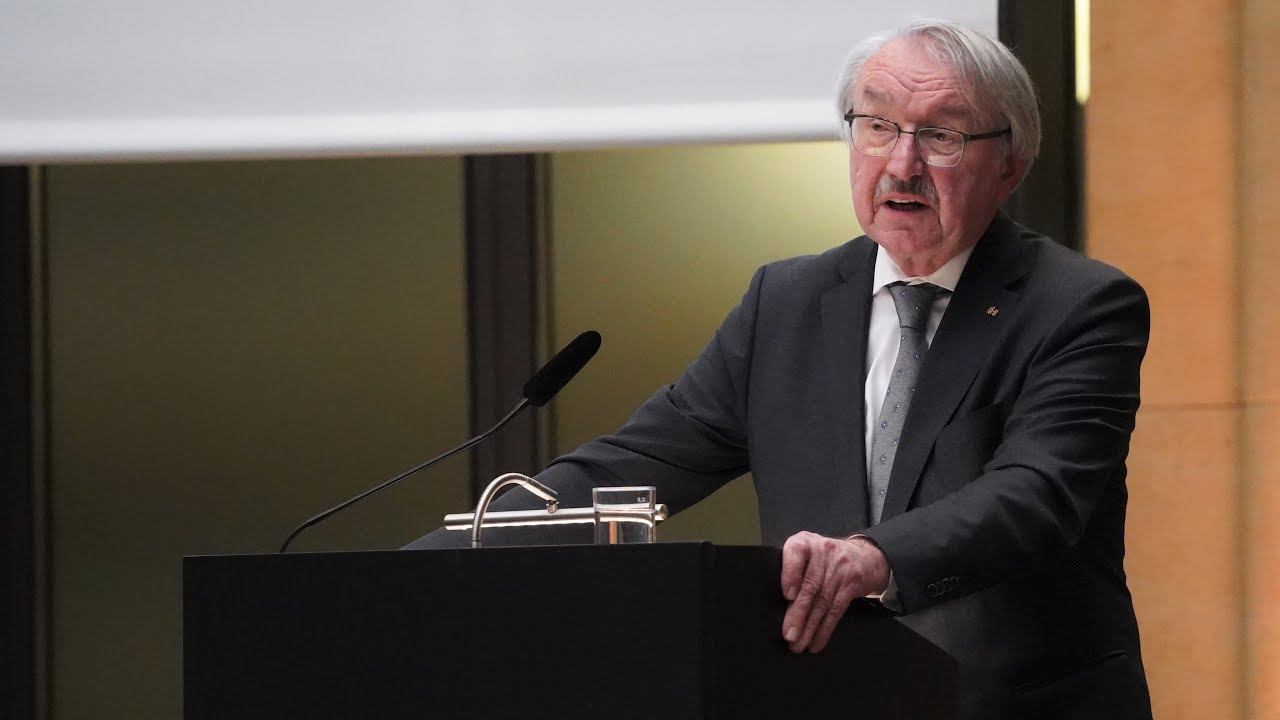
[Music] m [Music] w hello I'm benchu and welcome to now or never for AI policy brought to you by project Syndicate in association with 20 40 [Music] World depending on who you believe artificial intelligence represents either Humanity's future its demise or just the latest round of Silicon Valley hype what's undeniable though is that for policy makers it's one of the great challenges of our era how do you regulate a technology so new that few actually understand it as Powers Great and Small scramble to answer that a huge and vital discussion is underway about what to do so who is right that's the question at the heart of today's proceedings the first event of project syndicates AI revolutions series over the next 50 minutes we'll be offering up some of the world's top authorities on the issue and asking you the audience to judge them on their merits first we'll hear from Steven Pinker professor of psychology at Harvard University and our closer today is amand deep singil the UN secretary General's Envoy on technology now before we get started all the animations you see today and some of the music has been made using gen generative AI platforms so here with Little Help from our AI friends let's take a closer look at the current state of the [Music] debate we the feel build the technology the industry caus significant harm to the world if this technology goes wrong it can go quite wrong what to do about artificial intelligence machines that can teach themselves superhuman skills do we risk losing control politicians in Europe will vote on a proposal to bring in a law that would govern the use of artificial intelligence lawmakers will ask questions to experts and discuss what guard rails may be necessary as AI grows more prominent the man widely seen as the Godfather of artificial intelligence has quit his job at Google CEO Sundar Pai told us AI will be as good or as evil as human nature allows [Music] AI is going to require a combination of companies doing the right thing regulation and public education AI is not about technology AI is [Music] politics some of the loudest voices in the debate there so who do you think is right we'd love to know so do please tell us the conversation online today will be taking place under the hash AI revolutions and now I'm delighted to introduce our first Speaker of the day Steven Pinker it's hard to anticipate what the problems of a new technology will be when it's going to be adopted by hundreds of millions of people who are going to use it in ways that we can't anticipate Implement solutions to problems that we can't [Music] anticipate I was around when the internet exploded and I don't think anyone was identifying the harms of becoming addicted to social media or of teenagers being led into anxiety attacks from fear of missing out and so social comparison and digital field filters that would alter appearance and increase body shame just wasn't on the radar then because people can't anticipate what other people will what uses they'll make of a technology we are acting under uncertainty there are dangers in premature and excessive regulation both in terms of crippling a beneficial technology but also in failing to anticipate some harms that only are visible once the technology is in use but you on the other side there's the failure of not enough regulation if there are real harms that were not controlled I don't think there's any algorithm for knowing where The Sweet Spot is what's exactly the right amount of Regulation other than just to be aware that there are dangers of too much too soon as well as too little too late and so we're partly we're going to have to muddle along and be prepared for the fact that we might miss the sweet spot but I think the solution is not just regulate everything that moves out of danger of what could happen because that itself can lead to to harm there's a variety of threats from the obvious but unknown one of how much unemployment will take place when formerly White Collar jobs perhaps it will be replaced by generative AI there's a fear of course of counterfeit people of the the fact that especially the generative AI seems pretty good at uh synthesizing fa similes of people both in their speech their text and even in the images then there's the more speculative so-called existential fears of AI either coming to dominate us the way we dominated other species dominated less technologically advanced cultures or killing us all as a kind of collateral damage so-called paper clip Alyse this is the apocalypse that will happen when the hypothetical AI is tasked with maximizing production of paper clips and thereby uses every raw material Within Reach to make more paper Cooks including our own bodies and the thing about these scenarios is you can have a lot of fun thinking them up but they're not examples of artificial intelligence they're examples of artificial stupidity there is a tendency to underestimate how intelligent a human is the fact that there were predictions of autonomous vehicles replacing all the truck drivers and and taxi drivers which haven't come to pass simply because because humans have a lot of common sense that turns out to be not so easy to duplicate artificial intelligence in the other direction there are things that we've just known for years that that the human mind is bad at we've known since the 50s that a dumb regression equation weight the variables add them up outperforms the human expert does better at predicting the outcome of disease recidivism in the criminal justice system performance of stocks on the stock market so on so in some Realms it doesn't doesn't take much to outperform uh human mind and so the promise of artificial intelligence at uh being even better than a regression equation means there are many areas of human judgment where we can look forward to uh better decisions so we have to I think get over the ick factor of having an algorithm make a prediction that traditionally has been in the in the realm of human intuition and that feeling professor Steven Pinker now it's my absolute pleasure to introduce our panel here today abiba Bean is senior fellow in trustworthy AI at the Mozilla foundation and a member of the UN secretary General's highlevel advisory body on artificial intelligence Orel jeon is a computational scientist entrepreneur and author and founder of insilico veritas an agency that develops and deploys data strategies Gary Marcus is Emeritus professor of psychology and neural science at New York University founder of robust Ai and geometric Ai and the co-author most recently of rebooting AI building artificial intelligence we can trust Aida Pon del Castillo is a senior researcher at the brussels-based foresight unit of the European trade Union Institute thank you all for joining us today and a quick reminder for the people watching you don't need to be sitting on the panel to be part of the discussion all you need is a smartphone and social media account that applies to you do please get involved using the # AI revolutions and I want to start by outlining the problem with you or Jean let's start with you what's at stake here what happens if we get this wrong well uh first of all we have to make sure that we understand the in and outs and the mechanisms of the underlying mechanisms of AI technology because we've been hearing things that are very um approximated and wrong about Ai and we tend to listen to actors who have an apocalyptic and long- termist vision on AI whereas we have today challenges that we have to tackle for which we have Solutions and others that need to be developed regarding digital labor technology discrimination or environmental impact so it's very important to be careful when we listen to what people are saying about AI because we have to remember that there are still people around who have a long termin apocalyptic vision of AI that is not possible technically scientifically and philosophically okay we'll come we'll come back to that I'm sure but a I want to stick on the issue of the nature of the threat here so you're part of the Trade union movement how big is the threat to jobs here a lot of people talk about that but what's your view it depends it depends on the sector it depends on the workers white color workers blue color workers it depends on the country while some some sort of artificial intelligence might be prevalent in some sectors like in construction or in education sector others are perhaps less visible depending on the tasks that are being performed while some jobs can be uh segmented into bundle of tasks some other task might be disappeared uh so it it really it it needs to have a sectorial view depending on which economic sector we're talking about we canot longer talk about disappearance of jobs in general because that's a very generalistic approach to AI which not it doesn't hold anymore okay thank you AA now I want to look at this map here this shows countries which we're going to see here countries with an AI policy and you can see that a few years ago back in 2017 not many had one but as the years have gone by the countries have more countries have adopted it and you can see the map turning red but I want to ask you ban when you look at that map is there a concern for you about inequality in that some countries specifically poorer countries don't have the capacity to develop an AI policy yeah for sure uh that's uh that's a great question um yeah I mean uh we have seen there has been ample evidence showing that AI systems always go wrong there is always failure no matter what application no matter what specific model you are looking at uh and we know that over the past few years again there has been in robust evidence showing that when AI systems go wrong uh you know Nations communities people that tend to be uh most negatively impacted are people that are at the margins of society so given that uh you know the most marginalized uh face the the most negative impact uh whereas a lot of Regulation are drafted and developed uh by develop developed Nation or rather Western Nations uh either little concerning thank you ABBA now Gary Marcus let's let's get your take on the nature of the potential problem here what are the pitfalls out there for you well there's so many I think of large language models which are the popular form of AI is kind of like a Hydra with many heads um every day we discover new positive things we might do with them but we also discover new negative things that people are doing with them we've seen misinformation accidentally um in the form of defamation we've seen deliberate use of these systems to make disinformation we've seen the muddy the internet with things like fake books we've seen cyber crime we've seen um the use of them to create malware at scale to install malware at scale there are actually many different uh forms of harm and risk that we need to navigate here we've seen non-consensual deep fake porn and a lot of these things are growing fast these misapplications are things that um when I spoke at the Senate last year we were only speculating about last May and now they're here they've arrived um so there there's a rapidly growing array of risks and there's not going to be any one Silver Bullet to solve them all because there are so many different ways in which Bad actors can use these tools well let's get on to the meat of this discussion which is the potential Solutions and a I want to come to you you said that the European Union's AI Act is Market focused rather than worker focused so how would you first of all like to see Regulators approach this task I would like to see a specific instrument on AI and the world of work or on AI in the context of employment where this possible directive will take uh the the task of D deriving Provisions to fill the gaps that the AI act couldn't fulfill like for example some applications in the worker um related context that should not be allowed or that should be limited depending on the sector but also granting rights something that the AI act didn't really fulfill because it was not made for that and the the nature of the AI Act is really geared towards fulfilling uh sphere and the comp allowing competitive AI to flourish in the EU uh whereas I think that the workers area employment where we will will see a lot of AI application need to have our sectorial approach well workers rights early would you agree with that and and how would you as a as a scientist look after workers well I really agree with what Aida just said about workers because digital labor is one of the main focus I think we should talk about and and also I would say it's a good news that we have an A act we have to say that we have to um agree on that now it's a matter of how actors are going to comply to it and then it's a matter of how the the articles are going to um you know uh last forever or not because remember and this is something I'm a bit concerned is that obviously we want to protect fundamental rights but we want also to encourage Innovation encourage science and I want to make sure that when I saw in the past few couple of years like some articles of the AI act being amended by uh by the the legislators because generative AI was coming to the scene I was a bit worried because generative AI is not new we've been working on that for so many years you know and and and so I realized that the leg legislator actually didn't anticipate the uh raising of um of generative a so I think my main concern is how the article is going to be able to last you know over time considering the fact that the evolution of AI is really fast now Gary Marcus I want to read you something from the latest PS quarterly by margarth Vester who is of course the Executive Vice President of the European commission and what she said was that AI will not reach its immense positive potential unless end users trust it here even more than in many other fields trust serves as an engine of innovation so the question to you is how do you regulate for trust that's hard isn't it I think in fact that the AI we have right now doesn't deserve our trust and often gets it so people use something like chat GPT and they take its answers to be true and quite often they're not we know in fact that there's a problem that is sometimes called hallucinations the ultimate way to get trust is to demand it to require the companies build trustworth through software or don't allow them to bring it to Market you only get Market access if your software is reliable if we did that right now we would have to take down large language models altogether so we could keep things like turn-by-turn navigation systems which are largely trustworthy but large language models make up so much stuff so often they're also biased which Dr bana couldn't um speak to more than I can um they a huge number of problems that don't Merit our trust right now um what we they ultimately need is actually Research into new avenues of AI that are built on facts reasoning and ethical values and right now we're just letting the companies bring things to Market that don't have any of that well let's bring you in Abba are nation states powerful enough to control this technology it certainly seems to been the case of a lot of big Tech regulations so far particularly in Europe where countries have relied on the EU to keep these uh Giants in Tech so do we need Global organizations like the UN here yeah so that's the idea I mean the the whole idea behind the UN High advisory uh body on artificial intelligence is uh to have a global uh body composed of individuals from diverse Nations uh to produce you know a guidance or a document uh that many nations uh would be willing to adopt but having said that coming back to your your original questions as I said uh uh you know the most marginalized tend to be the most impacted so uh yes the nation's involvement is crucial in uh uh in regulating AI but at the end of the day uh even with Nations involvement again people that face the most harm are either kind of left out they are not on the table look at the AI the EU AI act itself that we've just been mentioning uh if you take for example they have banned the use of facial recognition in public spaces except except when for the for the for the reasons of you know uh violations of privacy violations of freedom of movement freedom of uh rights and so on except with the exception that it can be used on migrants so as you can see even the most seemingly comprehensive uh regulations uh that are developed by uh uh you know Nations tend to again can leave out the concerns or the harm that marginalized communities face yeah well let me just follow up on that point because Gary mentioned about the bias that you get in some of these models how much of a concern is that from your point of view abber at this stage it's past concern as I said again look at the entire field of you know uh auditing AI auditing or what's known as AI ethics you know uh so many scholars uh most most of them more particularly Scholars coming from marginalized communities have meticulously documented by evaluating various models that are used in all domains in education in hiring in law enforcement law enforcement and all the evidence shows these systems fail and when they fail uh people that are harmed uh by it are people across uh you know the the margins take again face Rec facial recognition technology as example again in the us alone we know that six people have gone to jail due to errors in facial recognition systems and all those six people are uh black people five of them black men one of them black black uh woman okay and Professor Pinker has earlier mentioned that uh in various domains AI is outperforming humans uh but but this is a a you know a misleading framing uh we can say that face recognition systems are uh outsmarting people or outperforming if we are making those claims without actually considering that people's you know actual concrete people uh are uh their lives are being impacted their lives have been altered you know uh including going to jail uh this this framing uh uh is really uh troubling and misleading if we are not accounting for uh when this these systems actually in fact go wrong and when they go wrong when they fail they impact people uh without keeping that in account comparing Mission performance to Human Performance uh is entirely misleading yeah absolutely now just a reminder that if you're interested in hearing more from Project Syndicate contributors on AI policy and much more become a premium subscriber at project syndicate.net and Peril but you don't need to be a sub subscriber to get involved today it's all happening on the hash air revolutions and we'd love to hear from you the team reads every tweet so do please let us know what you think I just want to stick with you a little bit further because we we' focused on so far on some of the regulation that's been developed in the US and the EU but let's talk about the global South here there are so many other issues that countries are facing and Tech sectors are often very undeveloped is this really a priority for those countries which in The Who who in the global South is striking the right balance here so again uh a lot of these debates are framed as you know the as if the Western is developed leading the AI research while you know uh uh the the developing world or the global sou uh is impoverished this in fact is again another misleading uh perspective another misleading framing without accounting you know uh Power symmetries uh uh and you know structural issues that have caused uh systematic imbalance if you look at AI research uh even I do evaluation and audits on models and data sets even this kind of work requires huge volumes of you know uh uh access to data uh requires uh uh compute power uh but we can see now that big corporations are uh uh leading uh or rather uh um kind of uh a lot of power is concentrated along around these big te corporations uh and that kind of leads that uh causes a lot of global NS researchers uh to be excluded from research itself so it's not that there aren't brilliant researchers or brilliant folks that are working on developing various policies across the globe it's it's that they are often excluded uh and and due to the resources uh required to do this kind of work uh yeah Gary Marcus I'd like to explore some of the with you some of the parallels with how early internet Innovation regulation worked so let's take a look at this quickly there will always be a version of Facebook that is free it is our mission to try to help connect everyone around the world and to bring the world closer together in order to do that we believe that we need to offer a service that everyone can afford and we're committed to doing well if so how do you sustain a business model in which users don't pay for your service Senator we run out I see that's great now some might say that little smile says a lot about the Gap in understanding between the wouldbe regulators and The Regulators G and the regulated Gary do do politicians in your view have what it takes to keep big Tech in check I have my doubt about that I think that some of the politicians very much understand the issues um I've met quite a few in the US and and some abroad um but most of them don't have Technical Training uh and the uh Power of money is immense the all of the major companies run massive lobbying campaigns in the millions or even hundreds of millions of dollars um collectively uh and aside from the campaign Finance contributions and and so forth um they there are um let's say interesting ties to to people that actually work in Washington there's a revolving door um and they take a lot of advice from the big tech companies we do not have enough independent oversight we don't have enough uh people like the people on the panel today giving advice to the government about what to do um or participating in things like auditing um ABBA is fantastic at that she needs to be involved um in the actual uh auditing the gets done but you look for example at the United States and the executive order is fantastic in terms of what it does but it's not actually law so the US is behind the EU there we don't have laws that demand very much auditing yet in the United States and we don't have people like abiba or myself um sitting there having a voice enough or enough of a voice at the table to say well let's look at your software let's look at what it actually does what are the biases here what are the problems and we don't have a legal authority to requisition some of the data that we might need for that so take an example um the deba mentioned which is housing or or loans or something like that I would like to be able to look at the logs of open Ai and say how are people actually using this so take employment so are people feeding in CVS and so forth into chat GPT saying should I hire this person and are biases I would like to know that i' would like to see the log of How It's actually used even better I'd like a Abba to do it because she's fantastic at this kind of work um I would love to let her do that to give her the power have the government say hey open AI you have to cough this up she's done this great work she has CR credentials we know she can do it but she needs to see the logs what did people actually do if she can't see that we're very limited in what we can do in this and that um I mean that's a crying shame doesn't begin to cover it it's a serious problem and the similar problems across the line um in every risk that we're talking about we're very limited in what data we have available to work with so Abba has done fantastic work looking at the few bits of kind of morsels that we have available about what data has gone into these systems but we need full transparency into all the data that goes into these systems um to do what she's done on a small scale at a much larger scale like she's done the absolute best that she could do but we're not making publicly available I hope the EU is going to push hard enough on that the US is nowhere near to pushing hard enough on data transparency just as an example and well let's follow up with you ABBA would you like the opportunity to do what Gary has just outlined thank you so much Gary you are very kind you are way too kind I mean as Gary said uh as Gary said there is every week even maybe every day you see reports from investigative journalists from Civil Society doing their own audits uh from academics themselves doing you know uh these really important investigations into and audits uh into you know State ofth artart generative models or uh you know uh AI systems that are integrated into various social spheres uh and all the evidence as I said indicates to these systems do fail the for example on misinformation Gary has said again and again H just last month they've tested five of the top you know state-ofthe-art generative models to see uh how what kind of information on the US election five of the top models would produce and they found over 50% of the text that was produced was inacurate and biased and so on this is just an example and given that all the systems that are being integrated into the social space end up being you know inaccurate end up failing uh end up uh being discriminatory embased and so on uh we have to do our due diligence we have to audit them we have to investigate them we have to make sure you know they are as as less biased as discriminatory as possible before we loose we release them in the world uh however this is not uh this this has not been a norm this is not something uh that the industry is allowing that the industry is uh practicing in fact you are in order to even get you know uh data or access to these models it's practically possible as Gary said so these models that are developed in big Tech they don't remain in big Tech Lab they impact people's lives subsequently the people have to be able to see what data they are trained on you know how the models are built what they are optimizing and so on so you know so demanding regulation and demanding that we look into them is absolutely fair and the least you know uh we should be expect we should expect exactly there needs to be not just a norm but a law that independent researchers like Abba can get access to the data in order to do these analysis and I'll just say one thing very briefly which is you can think about the Ford Pinto situation with the exploding uh gas tanks in the 1970s in the United States and a big part of the problem was Ford actually knew that there were problems but they didn't want to say anything about it we're having some of the same things we also need transparency about what internal incidents there are with internal testing and we absolutely need a norm that this data is available for independent auditing and a law so the government can say hey you need to supply this data yes well let me bring it orally in here because Gary you mentioned before uh about voices round the table ory shouldn't be we be wary of giving people like Mark Zuckerberg too much of a say in regulation yes absolutely for many reasons because there are big players they have obviously their own agenda and obviously they might not have the right words and the right voice and the right right ideas and opinions and solutions to tackle those challenges and um as we said you know those big players are actually welcomed by uh countries as state leaders you know and and and I'm very concerned because we have to listen to people who actually talk about the actual real current um problems that are all the problems that we've been talking about for now and and we don't hear those people and all the people here today and many other people that we've seen you know in some articles on some sem or round table but in fact we don't hear them enough you know and and I think we have to push to be able to have those voices even louder because right now it's not enough and and for some and also I wanted to come back to what Gary and abiba said about the transparency because I think thanks in a way thanks to the generative AI chat GPT raisin uh almost two years ago we now talk about the actual matter which is Data before we were talking more about algorithms we were like oh we have to be transparent about the algorithm and I I was always saying that no it's about data data matter you know and we have to know the sources of data as well as the uh row data and how they actually treat this data transform these data sets and so this we have to know and it doesn't provide any secret recipe or anything you know but this is really something that uh we have to think deeply and we have to encourage and enforce eventually um a I want to bring you in here as well because you spoke earlier about the need to of course protect workers rights but isn't there a danger that tighter regulation actually stifles development and ultimately might end up harming workers by denying them the productivity gains the fruits of the productivity gains of AI Christopher pisides the Nobel prize winning Economist he wrote in the latest edition of PS quarterly uh that historically such adjustments to big changes like AI have not resulted in long-term unemployment so is there a danger there in your view yes there is a danger first of all um workers need to have also some sort of transparency just to bridge back to the uh previous discussion expert to the code but there is also a need for transparency for workers to exercise their rights at their own level and often this type of transpar transparency doesn't need to be that technical it's about minimal information about what data of their own data is being collected so that they can exercise the their digital rights correctly it depend in terms of economic gains it depends we have a lot of studies from deoe McKenzie Goldman Sachs and even ILO the international labor office that showcast that the gains of artificial intelligence specifically generative AI will depend on one the level of adoption of the industry and two the type of the sector because not all the sectors will uh benefit from the gains of AI as such and other sectors will suffer a lot they also these studies they also predict that market labor markets resp third evidence point of evidence is that not all the productivity gains are equal some of a stud some of the studies project some larger gains whereas some of the other studies project minor gains and depending on how much these technology can be adopted obviously the studies says and this is back up by Studies by the oecd they say that it depends on the level of the investment of the companies at se of course the more they invest on a specific AI application the more perhaps they will have be able to to to G some gain so what happens with those countries with those sectors or with those companies we will not be able to leverage the benefits of AI and in in in apply them so uh here we need to recognize that there will be economic disparities that perhaps might increase current economic disparities as well I do hope that AI or the application or deployment AI will not increase current inequalities the point at some point is to decrease the current inequalities not de create further ones well yes I thank you Ida plenty to discuss there of course and plenty of challenges ahead but first this I love project Syndicate it's a tremendous product the only issue is they don't have me as a guest enough it's just very sad now obviously that's a fake just a bit of fun we'd like to think Donald Trump is a fan of our work but we don't know for certain but the more serious point is that this sort of disin is incredibly easy to create and nothing is in place to stop it we've had a question from Andreas foser AI editor of e24 in Norway and perhaps this is a good one for you to address Gary Marcus because Andreas asks given the increased ease with which realistic synthetic media content can be created potentially polluting the information ecosystem and eroding trust in what you see and hear how if at all do you think policy can mitigate and count these consequences and make sure we have a healthy ecosystem of information in the age of AI Gary I think it's a very uphill struggle I wrote a piece uh about a year and a half ago called ai's Jurassic Park moment um I think that large language models allow the generation of misinformation at very high scale and that that's a serious problem the least that we could ask for is things like watermarking and labeling of any AI generated content has AI generated content impersonation should be illegal we should have enforcement of that um same thing with deep fake content it should be illegal um non-c consentual deep fake porn is is kind of a related kind of issue um we should try to get political parties to agree not to use these tools to create misinformation ultimately we should hold social media platforms responsible if they spread a lot of misinformation in order to encourage them to try to um to cut it down ultimately even more than that we are going to need to develop new Technologies the way that we did for spam and and uh malware and so forth to detect misinformation current AI is not really very good at it large language models are much better at generating this information than they are at detecting it we're going to need new kinds of technology that are based on facts and reasoning we need to support the research into those kinds of things in order to build tools to help us fight this because the worst thing that can happen is simply nobody trusts anything it's very hard to make democracy work if we land in a place where nobody trusts anything mhm yeah crucial point there about democracy um there abib I want to turn to you there's been a lot of talk about a global regulatory body for this area but how do you build in your view consensus to the to creation of such a body when there's so many competing agendas and priorities across different countries that's a great question uh before I answer that I want to add to something uh to what Gary Marcus said uh great point I agree absolutely but I would even go further and ask or even regulate for clearly harmful technology such as you know voice cloning uh not to be released at all in the first place if you notice the pattern uh look at all the you know large language models uh or even generative AI that that are released into the world almost all the time these systems are released you know uh without rigorous testing without rigorous critical thinking without rigorous evaluation take Galactica Facebook's uh large language model that was released just before CH GPT last November it was retracted just three days after release because big Tech corporations released these models and they leave the owners to do the safeguarding work to do the auditing work to do the investigating work to do you know diagnosing the problem of these these systems this kind of dirty work to you know either underresourced scholar like myself uh also Gary has been doing uh great work in this space as well so what we the pattern we see here is there is no accountability from Big te corporations so one way to to tackle this actual problem is to just not release the the the the system itself as I said voice cloning I can't think of any positive use apart from uh apart from you being used for fraud for uh Mis uh Mis impersonation and so on so if you look at Technologies like voice cloning the the dangers and the harm far outweigh than any potential uh uh positive use which I can't think of at the moment yeah yeah if I can add one sentence with medication we know that you have to figure out whether the benefits outweigh the risks before you release it we need the same for AI interesting now a I want to go big picture of you when you look at this area how optimistic are you that the potential threats of AI can and will be contained I'm not sure about that question because it depends on from which lenses you are uh answering that um will the potent the AI will um um Pro release potential existential threats well maybe yes maybe for those who will will be losing their jobs that's an existential threat maybe for some part of the biodiversity is that would be not uh possible to remedy that can be also an existential threat it's not existential threat is not just about the end of humanity as such it depends on which sectors or which population which vulnerable groups will that harm occur and depending on the severity of the harm the threat can be existential as said between brackets or not so existential threats really needs to be um tamed and uh looked from the lenses of the affected group of the exposed group and see whether that will be can be Remedy or not well or let me flip the question round slightly that big picture question and given everything we've heard today how optimistic are you that the positive potential of AI can be realized well I'm very optimistic because actually myself I have a second startup on on AI in a deep Tech AI company on medicine on early breast detection of cancer and so I know we can do amazing things with AI that being said there are actual threats that we have to look at that we have to solve and and we have to remind we have to remember that we have to be far we have to remain far away from all the things we've been hearing about like um human species exmination or the fact that jobs are going to disappear it's not going to happen what's going to happen and what's happening now it's like the threat on Democracy the digital labor technology discrimination and environmental impact that we have not talked today but this is an impact as well and all those things together and people researchers scientists and Engineers are working today on those and Gary talked about watermarking for um you know tracking those content deep fake I mean people are working on that and we have to found that research great now it's time to open up the uh floor with some more questions from journalists from around the world and first let's hear from bubacar sadiki haidara who is editor-in chief of the journal do Marley and what he asks is in what ways is Africa's AI regulation challenge fundamentally different from those of richer Western economies Abba do you want to feel that one I mean there is no single Africa regulatory body uh various countries have developed their own uh uh you know uh regulatory systems some some of them focused on privacy some of them on data rights uh and so on uh so just like you know Europe is a a a hugely diverse nation that is not monolithic uh Africa is also the same so you have to uh look at Case by case country by country uh to actually see what's there mhm uh and we've had this from Ben Amore who is senior editor at the yuan in Hong Kong and he asks invasion of privacy is an overriding concern as AI advances can you site any policy initiative specifically targeting privacy that g grounds for optimism or conversely any that raise red flags AO what's your view on that uh we still do not have a a very in interesting policy developments in Europe about the strengthening of privacy but but I think that in the area of work there there should be a distinction between lawful monitoring of the employee and surveillance and we need to make a legal distinction between the two of them because one whether it's lawful and it has its limits the other one is unlawful it has endless limits and purposes and for that really the end of the pr privacy of the EMP of the employee it's really it's really gone so that is not yet into the table of discussion of the lawmakers but it could be very well a point for the next commission or the next uh in the EU or in the next in in another jurisdiction to make that legal distinction between surveillance and monitoring okay what this space and and finally we've had this from Daniel apostol bersu who is editorial director of Economist in Romania he asks to what extent can AI models be made more transparent and explainable and is this something that we can legislate ory your views on that yes it's a very important but explainability uh AI I mean AI explainability has been developed for so many years more than a decade now it's based on statistics mathematics and algorithmic science and the goal is to actually either injecting some explainability into the model itself so we can actually understand the underlying mechanisms or to after the algorithm is made to actually apply some methods to extract the uh um the logic and this today is not uh your you you can actually deploy you can deploy an algorithm an AI model without testing it and without uh enforcing applying like explainability uh methods and I think it's wrong we have to have regulation that enforce actors to to master as much as they can the um explainability of their models and again it's possible there are so many research on that so many new methods you know coming along every six month you know in papers and we have to use those and this starts by the way on testing the data on which you train calibrate and validate your algorithm well so much food for thought there thanks so much to all of you and we're going to finish today with some remarks from amand deep singil who is the UN secretary General's Envoy on [Music] technology this Tech is very different from previous Tech Revolution so we would need International collaboration from day one if we don't come together and set up some foundational pieces on AI governance then what happens we have fragmentation of governance efforts we have information a symmetry with regard to what is happening so even Advanced countries may not have the right knowledge for policy making so we are making policy uh in the dark uh in a sense we will have uh widening digital divide which will lead to resentment in the global South and we'll miss out on handling some of the risks that are coming misinformation disinformation biases being Amplified uh potential misuse to develop bioweapons and so on and importantly miss out on the opportunities the exciting opportunities that are there there is an existing digital divide which could be accentuated by rapid developments in AI as you know AI is concentrated in a few geographies even in a few companies so how do we democratize the opportunity in a responsible way we have to make sure that governance is not gamed that it's not gamed in the favor of big Tech and companies who can afford to run the regulatory conflict when I go into meetings multi-stakeholder meetings there are Usual Suspects you know those 8 10 companies uh that that are always there so I miss the voice of uh smaller companies startups often uh diplomats you know my tribe starts to look at it from a very National perspective you know I have these Champions and I must kind of hang on to those and how can and I work the governance um uh discussions so that you know it benefits my national companies I wish there was a little more support for the international collaboration side of it different countries different regions will take their own approaches but we have a need to bring everything together to make sure that we understand each other uh when we um pursue our respective Sovereign governance approaches make sure that the private sector can operate across borders and Civil Society has common benchmarks to assess if things are going right or wrong without effective governance without inclusive participation you cannot realize the opportunities you cannot innovate uh because there the risks are too high someone makes a mistake and the entire field gets set back because there'll be a boomerang there'll be a backlash and there'll be heavy-handed [Music] regulation we don't have risk or that kind of technology and its ecosystem that we had with nuclear weapons or with other powerful Technologies so we have to be more inventive we have to think out of the box and we need a combination of soft Norms based in some hard law international human rights law international humanitarian law so there is a window of opportunity and if we move fast we can seize the opportunity well thank you once again to all our contributors I'm benu you've been watching now or never for AI policy from Project Syndicate and 2040 world this was the first in Project syndicate's AI revolutions series thank you for joining [Music] us [Music] w [Music] w
Up Next
7:31
What Is Gentrification? | Urban Displacement & Gentrification Explained
@urbandisplacementproject922
490.6K views•2017-11-20

12:54
Triumph of Orthodoxy Icon: Byzantine Art & History Explained
@BenCallan
2.1K views•2024-08-06

9:49
FastAPI vs Flask vs Django: Choosing the Right Python Web Framework
@TechWithTim
302.5K views•2024-05-26

1:42
Game of Thrones Opening Credits: A Cinematic Analysis
@gameofthrones
46.3M views•2011-04-18
Related Study Plans & Knowledge Roadmaps
Structured learning paths in General & Interdisciplinary Studies
general-studies
Elevator Engineering: History, Physics & Cities
01From Hoists to Safety Brakes: The Dawn of Vertical Lift
02Hydraulic vs. Traction: The Engineering Physics of Elevators
03Modern Speed, Safety, and Algorithms
+ 2 more learning modules
12h5 modules
Explore Roadmap
general-studies
Rubber: Material Science, History & Geopolitics
01Origins of Natural Rubber & Mesoamerican History
02The Chemistry of Natural Rubber & Vulcanization
03The Geopolitics of the Rubber Boom & Colonization
+ 2 more learning modules
12h5 modules
Explore Roadmap
general-studies
Containerization: Evolution, Logistics & Trade
01Ancient Trade & Bulk Cargo: Amphorae to Barrels
02The Industrial Revolution & Cardboard Packaging
03The Containerization Revolution: Malcom McLean
+ 2 more learning modules
12h5 modules
Explore Roadmap
general-studies
Textile Tech: Evolution, Labor & Global Impact
01Pre-Industrial Textiles: Handloom & Cottage Industry
02Mechanization: The Spinning Jenny to the Power Loom
03The Factory System & Global Labor Transformation
+ 2 more learning modules
10h5 modules
Explore Roadmap