


















![Berlin [1 hr full version]](https://i.ytimg.com/vi_webp/IZQbTEZdM_g/maxresdefault.webp)

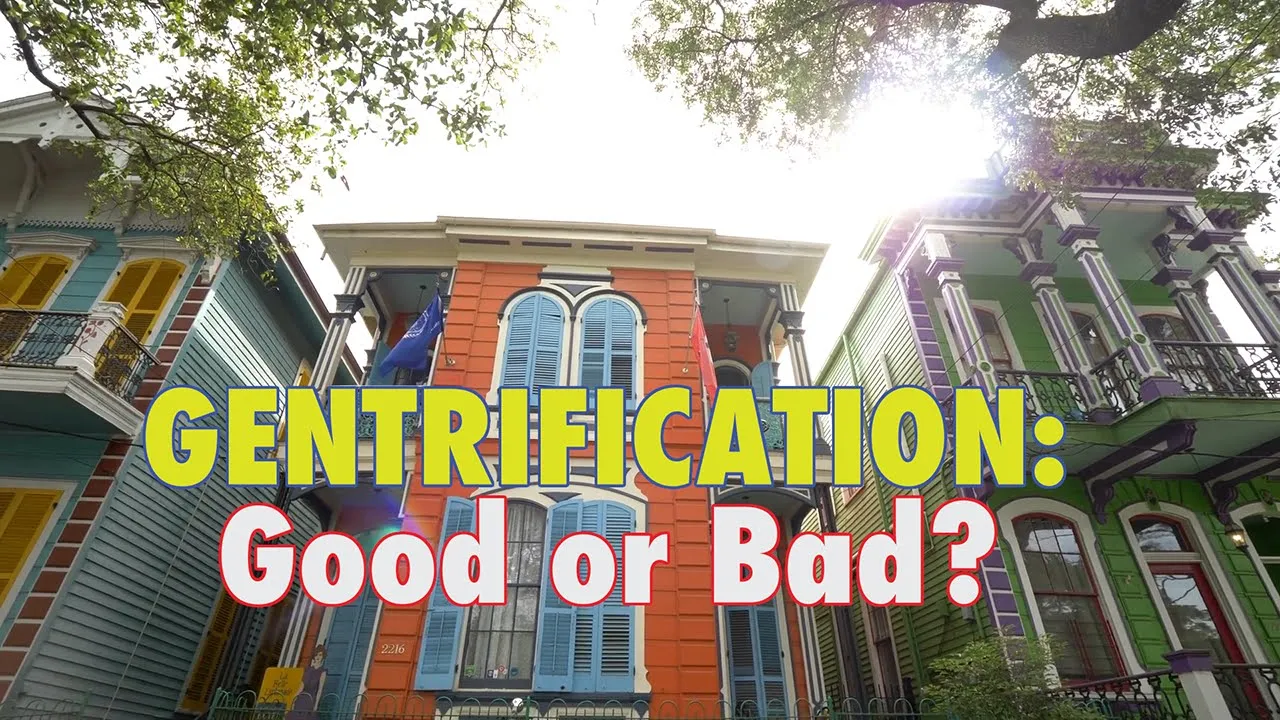
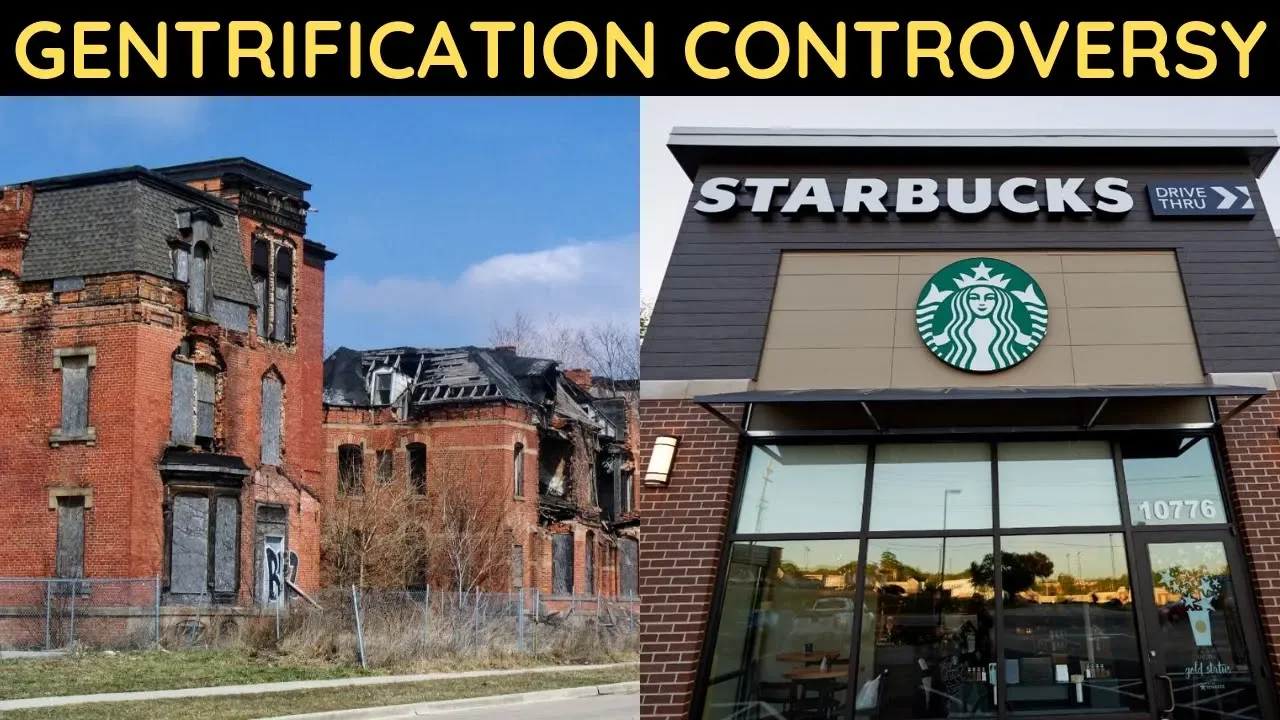
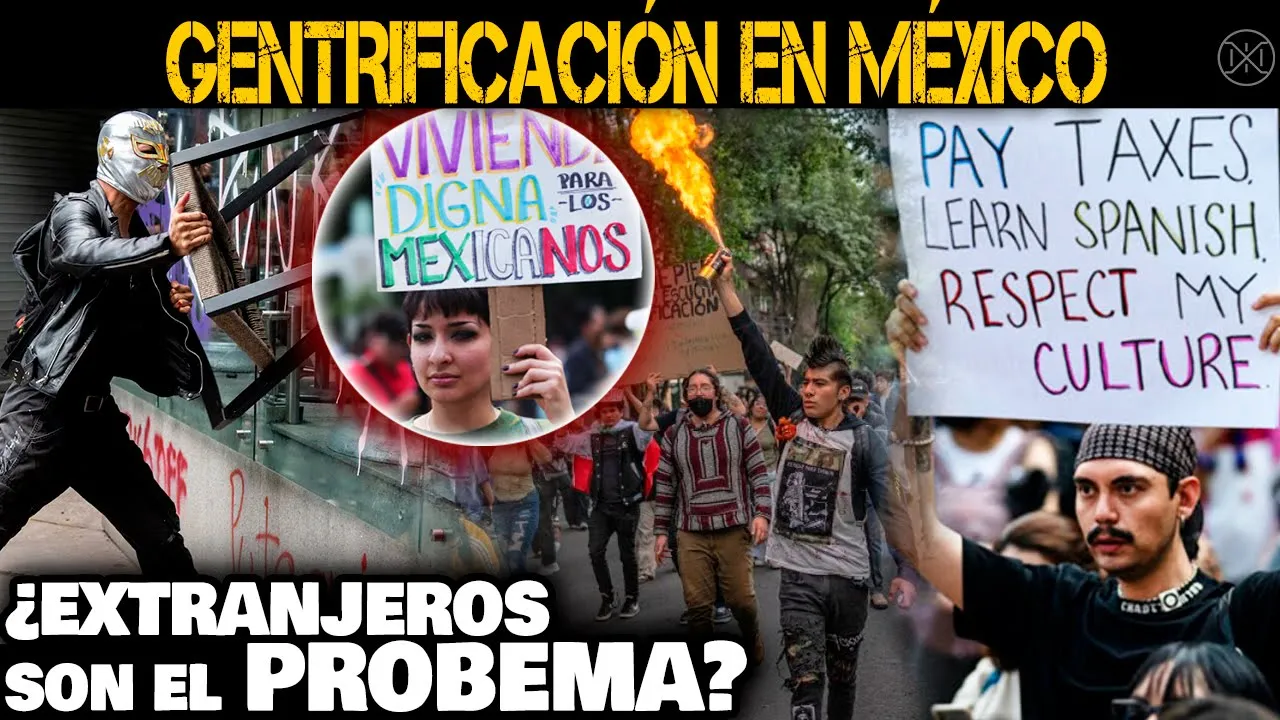
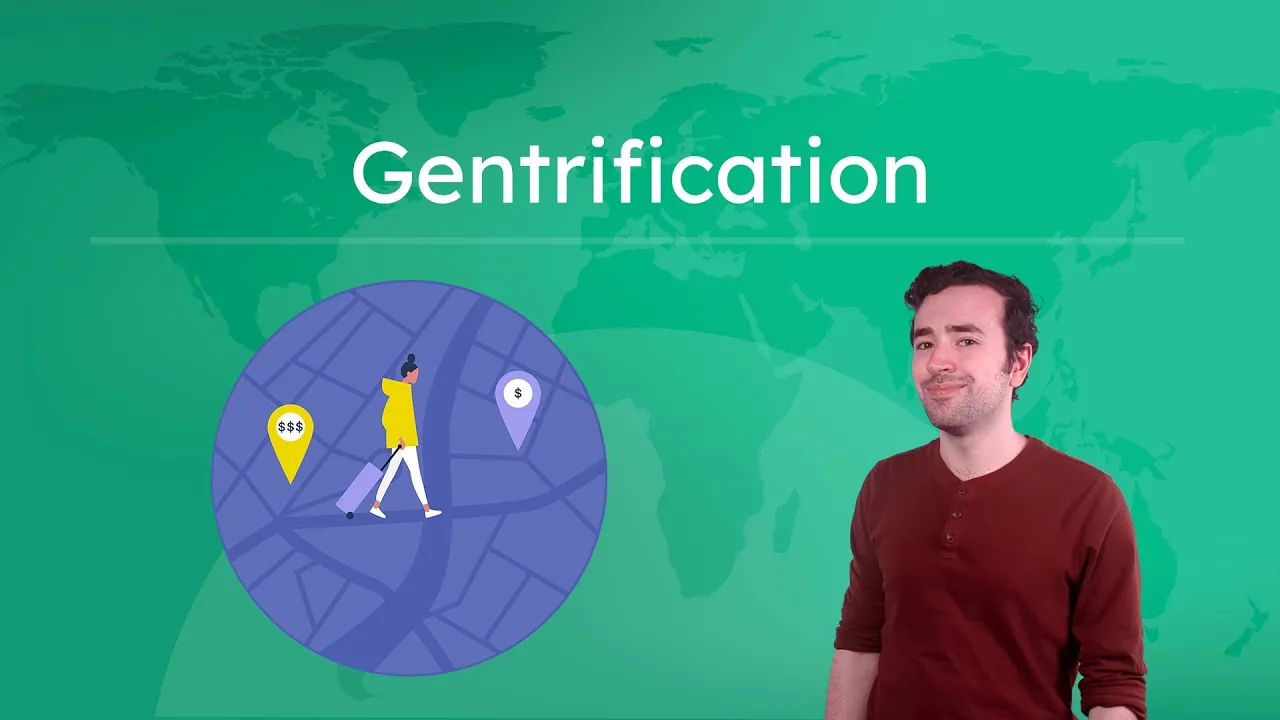
Gentrification is a complex urban process involving real estate investment and demographic changes that transform historically disinvested neighborhoods, often displacing long-time residents; this phenomenon stems from historical policies like redlining and white flight that created racialized patterns of disinvestment, and while it brings new investment and amenities, it frequently results in displacement pressures, loss of cultural institutions, and reduced sense of belonging for existing community members.
What Is Gentrification? | Urban Displacement & Gentrification Explained
Added:Basic urban economics, including how housing market supply and demand influence property values and rental rates.
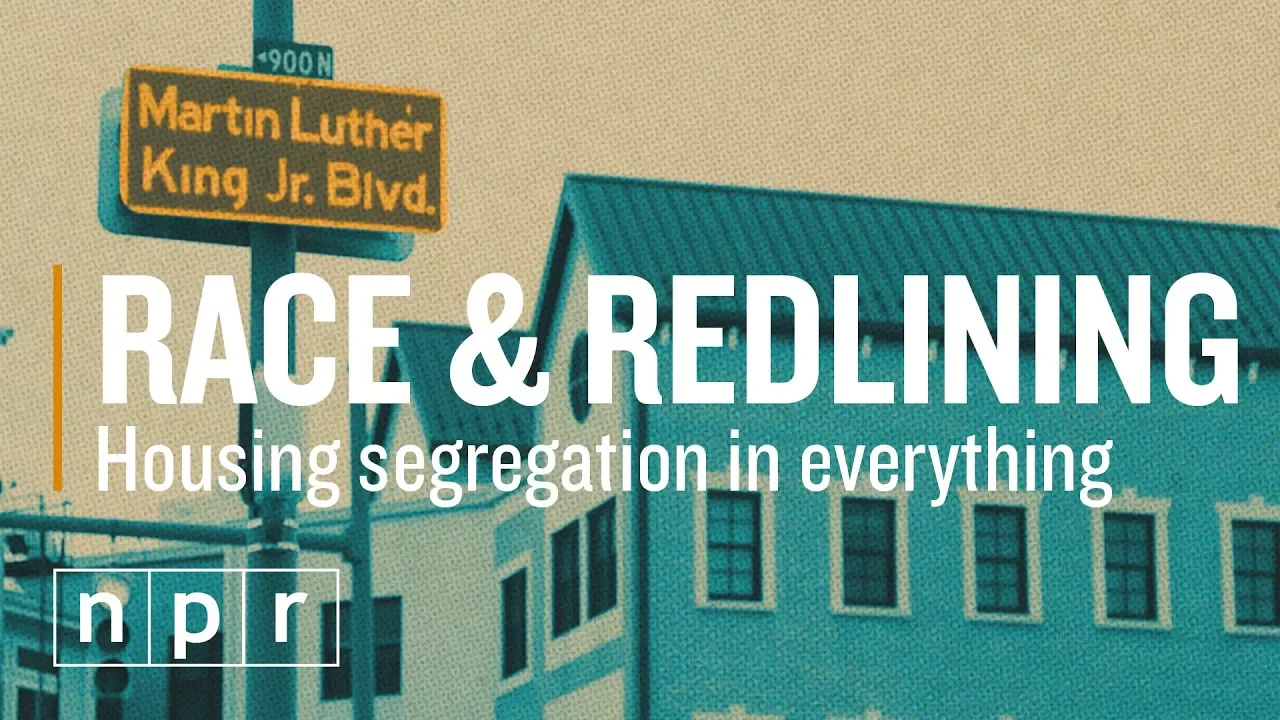
The history of systemic housing discrimination in the United States, particularly the practice of redlining and its long-term impact on neighborhood disinvestment.
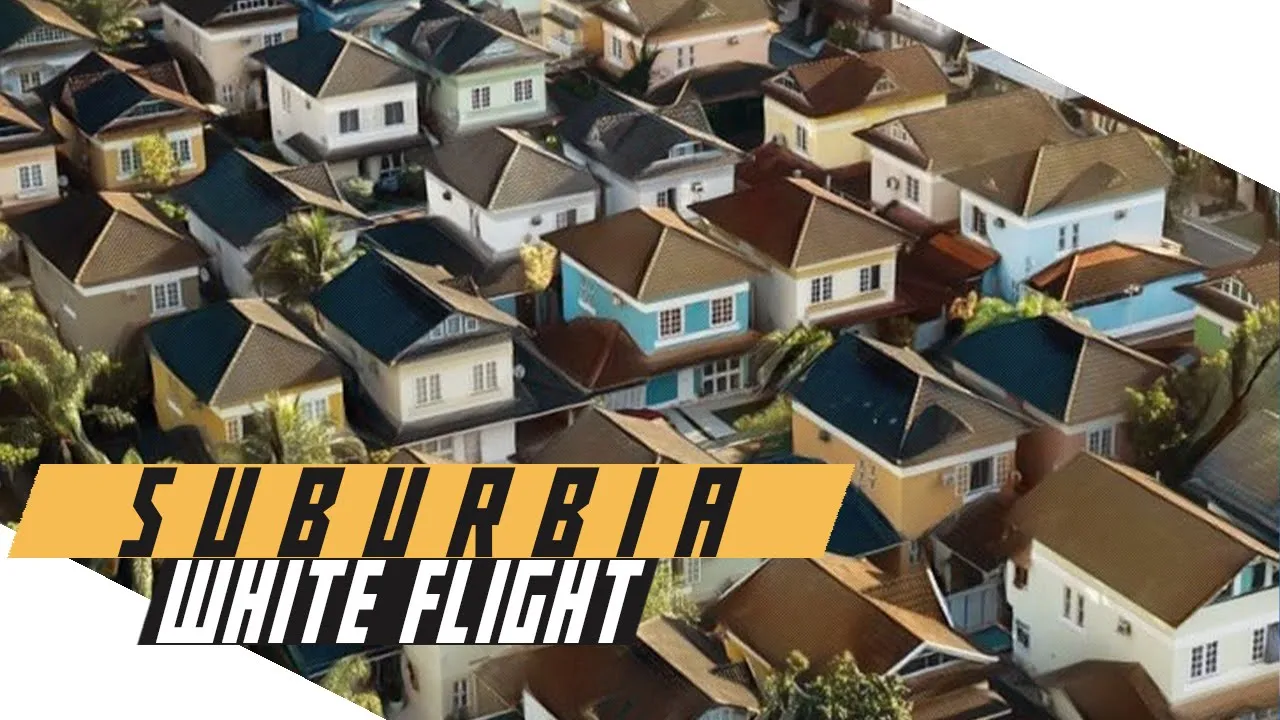
The concepts of urbanization, suburbanization, and the mid-20th-century demographic shifts often referred to as 'white flight'.
Fundamental sociological concepts of socioeconomic status, class structure, and community identity.
Policy-based interventions and mitigation strategies, such as inclusionary zoning, rent control, and Community Land Trusts (CLTs).
The phenomenon of 'Green Gentrification' (or Environmental Gentrification), where climate resilience and park developments inadvertently displace vulnerable residents.
Equitable urban planning frameworks and community-driven development practices that foster growth without displacement.
Comparative case studies of gentrification in major global metropolitan areas (e.g., San Francisco, London, Berlin) to understand localized policy impacts.
490.6K views5.4Klikes7:31Original Release: 2017-11-20
gentrification is constantly being talked about in the past ten years the number of Google searches for the word gentrification has more than doubled and mentions in the news and in literature have gone up so people are talking about gentrification but they often mean different things when they use the term gentrification is a process of neighborhood change that includes economic change in a historically disinvested neighborhood by means of real estate investment and new higher income residents moving in as well as demographic change not only in terms of income level but also in terms of changes in the education level or racial makeup of residents gentrification is complex and needs some explaining to understand it there are three key things to consider the historic conditions especially policies and practices that made communities susceptible to gentrification the way that Central City disinvestment and investment patterns are taking place today as a result of these conditions and the ways that gentrification impacts communities over the last century many policies and practices have created racialized patterns of disinvestment in city centers that have left low-income communities of color particularly susceptible to gentrification from the 1930s through the late 60s standards set by the federal government and carried out by banks explicitly labeled neighborhoods home to predominantly people of color as risky and unfit for investment this practice now known as redlining meant that people of color would denied access to loans that would enable them to buy or repair homes in their neighborhood other housing and transportation policies of the mid 20th century fueled the growth of mostly white suburbs and the exodus of capital from urban centers in a phenomenon often referred to as white flight take the GI Bill as an example the program guaranteed low-cost mortgage loans for returning World War two soldiers but discrimination limited the extent to which black veterans were able to purchase homes in the growing suburbs in fact the Federal Housing Administration largely required that suburban developers agreed to not sell houses to black people in order the developers to access these guaranteed loans left behind in central city neighborhoods low-income households and communities of color bore the brunt of highway system expansion and urban renewal programs which resulted in the mass clearance of homes businesses and neighborhood institutions and set the stage for widespread public and private disinvestment in the decades that followed in more recent history the foreclosure crisis also contributed to neighborhood level vulnerability to gentrification in low-income communities of color disproportionate levels of subprime lending resulted in mass foreclosure leaving those neighborhoods vulnerable to investors seeking to purchase and flip homes in bulk today both people and capital are flooding back into these historically disinvested neighborhoods one reason new people are moving into these neighborhoods is because of their relative affordability in many US cities the rental market has gotten increasingly expensive and even moderate income earners are on the hunt for lower housing costs this means that in some places they are looking in historically disinvested communities often the same neighborhoods previous generations left behind during the days of white flight these neighborhoods are often characterized by older historic housing stock that appeals to new residents and close proximity to city centers where jobs restaurants and art spaces are increasingly locating cities are also investing in revitalizing some of these neighborhoods for example with improved transit access and infrastructure in part to draw in newcomers on the ground gentrification may look like real-estate speculation with investors flipping properties for large profits as well as high-end development and landlords looking for higher paying tenants increased investment in neighborhood amenities like transit and parks changes in land use for example from industrial land to restaurants and storefronts and changes in the character of the neighborhood as community run businesses are replaced by businesses catering to new residents needs while increased investment in an area can be positive gentrification is often associated with displacement which means that in some of these communities longtime resident are not able to stay to benefit from new investments in housing healthy food access or transit infrastructure instead lower-income families often families of color may find themselves facing rent increases evictions or other displacement pressures and left with no other choice but to move to suburban or even ex urban areas far away from their jobs and the businesses and service providers they know this can mean more time commuting less time spent at home and increased isolation depression and stress levels for children displacement can disrupt educational pathways and generate negative health impacts even for long time residents who are able to stay in newly gentrifying areas changes in the makeup and character of a neighborhood can lead to a reduced sense of belonging or feeling out of place in one's own home for example unique cultural vibrancy can be lost as places of worship see their congregants displaced to faraway cities and towns in addition family-run businesses and nonprofit organizations may be forced out as their customer base disperses or as their commercial rents rise past what they can sustain affecting the ability of those who stay to access the goods and services they need there might also be changes in neighborhood norms and policing for example an increased police presence in order for new residents to feel safe on the whole we cannot ignore that the adverse impacts of gentrification ranging from individual health effects to the suburbanization of poverty are only the most recent wave in a pattern of urban restructuring that has been imposed upon and negatively affected low-income and communities of color over generations public private and nonprofit sector leaders have the opportunity to implement strategies that give longtime residents a chance to benefit from increased investment in their communities and even be part of driving how some of the changes in their neighborhoods take place in order to invest in communities without displacement policies programs and financing tools are needed to protect renters from formal and informal displacement pressures facilitate the production of more affordable housing and preserve and upgrade the existing affordable housing stock involving community residents in planning and decision-making about their neighborhoods and region can and should be a key piece of all three of these strategies taken together these strategies can help keep communities together so that everyone can enjoy access to improved schools better food options more job opportunities and safer neighborhoods qualities we know make cities and regions healthy and vibrant you you
Up Next

102:07
Digital Urbanism: Smart Cities, Data & Equity
@columbiagsapp
1.1K views•2019-10-23

12:54
Triumph of Orthodoxy Icon: Byzantine Art & History Explained
@BenCallan
2.1K views•2024-08-06

9:49
FastAPI vs Flask vs Django: Choosing the Right Python Web Framework
@TechWithTim
302.5K views•2024-05-26

1:42
Game of Thrones Opening Credits: A Cinematic Analysis
@gameofthrones
46.3M views•2011-04-18
Related Study Plans & Knowledge Roadmaps
Structured learning paths in General & Interdisciplinary Studies
general-studies
Elevator Engineering: History, Physics & Cities
01From Hoists to Safety Brakes: The Dawn of Vertical Lift
02Hydraulic vs. Traction: The Engineering Physics of Elevators
03Modern Speed, Safety, and Algorithms
+ 2 more learning modules
12h5 modules
Explore Roadmap
general-studies
Rubber: Material Science, History & Geopolitics
01Origins of Natural Rubber & Mesoamerican History
02The Chemistry of Natural Rubber & Vulcanization
03The Geopolitics of the Rubber Boom & Colonization
+ 2 more learning modules
12h5 modules
Explore Roadmap
general-studies
Containerization: Evolution, Logistics & Trade
01Ancient Trade & Bulk Cargo: Amphorae to Barrels
02The Industrial Revolution & Cardboard Packaging
03The Containerization Revolution: Malcom McLean
+ 2 more learning modules
12h5 modules
Explore Roadmap
general-studies
Textile Tech: Evolution, Labor & Global Impact
01Pre-Industrial Textiles: Handloom & Cottage Industry
02Mechanization: The Spinning Jenny to the Power Loom
03The Factory System & Global Labor Transformation
+ 2 more learning modules
10h5 modules
Explore Roadmap