![[부동산학개론 26강] 지역분석과 개별분석|2024 공인중개사 부동산학개론 기초이론 유료강의 무료공개|35회 공인중개사 시험 대비|에듀윌 이영방 합격강의](https://i.ytimg.com/vi/UywzFavyzc0/maxresdefault.jpg)


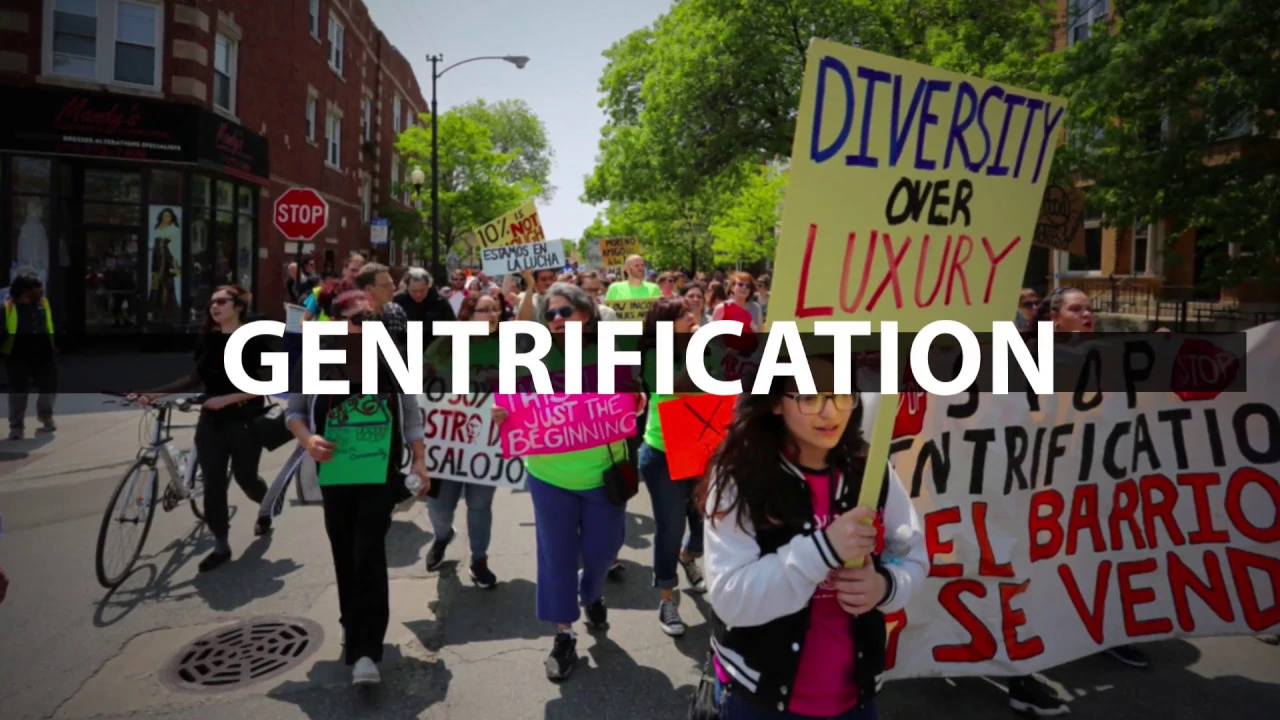















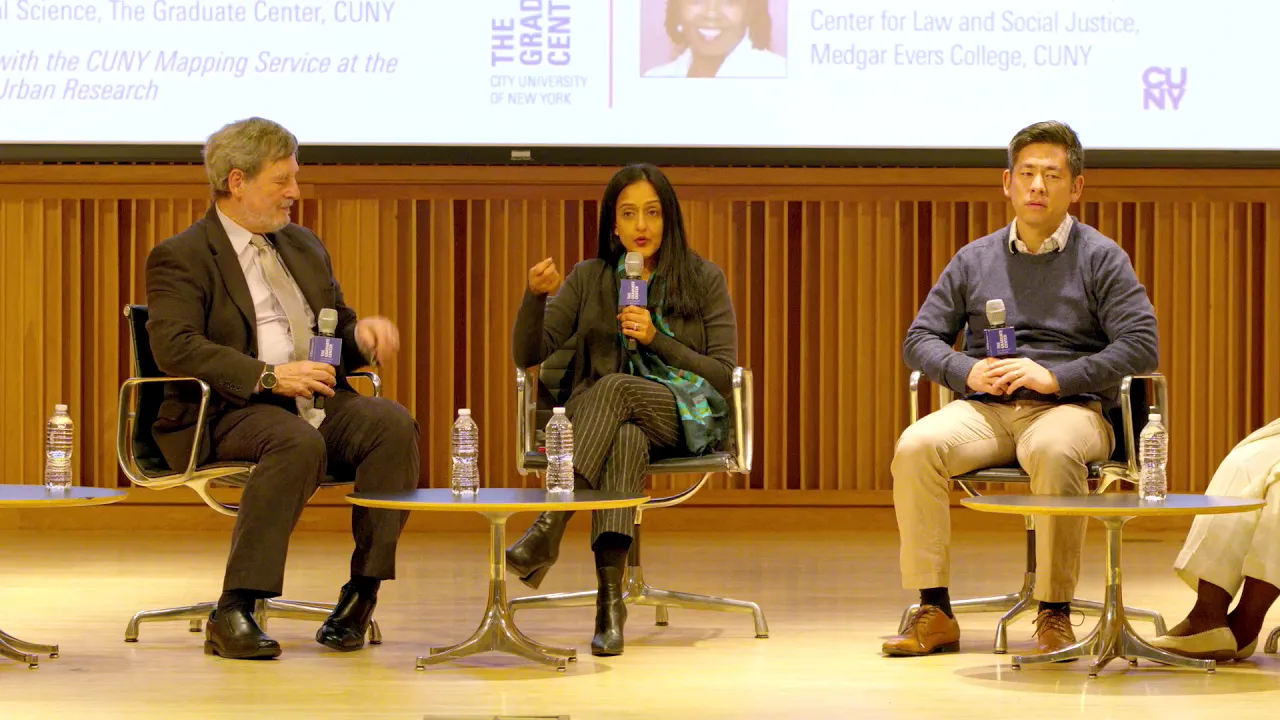

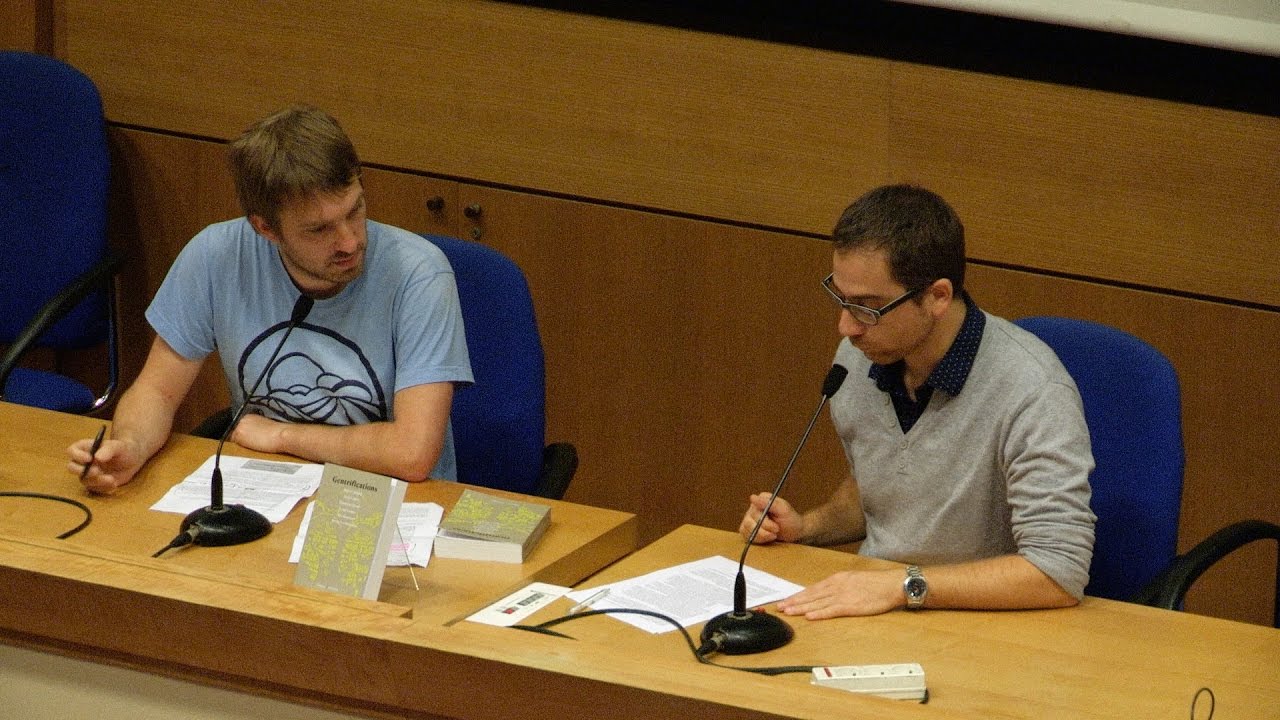
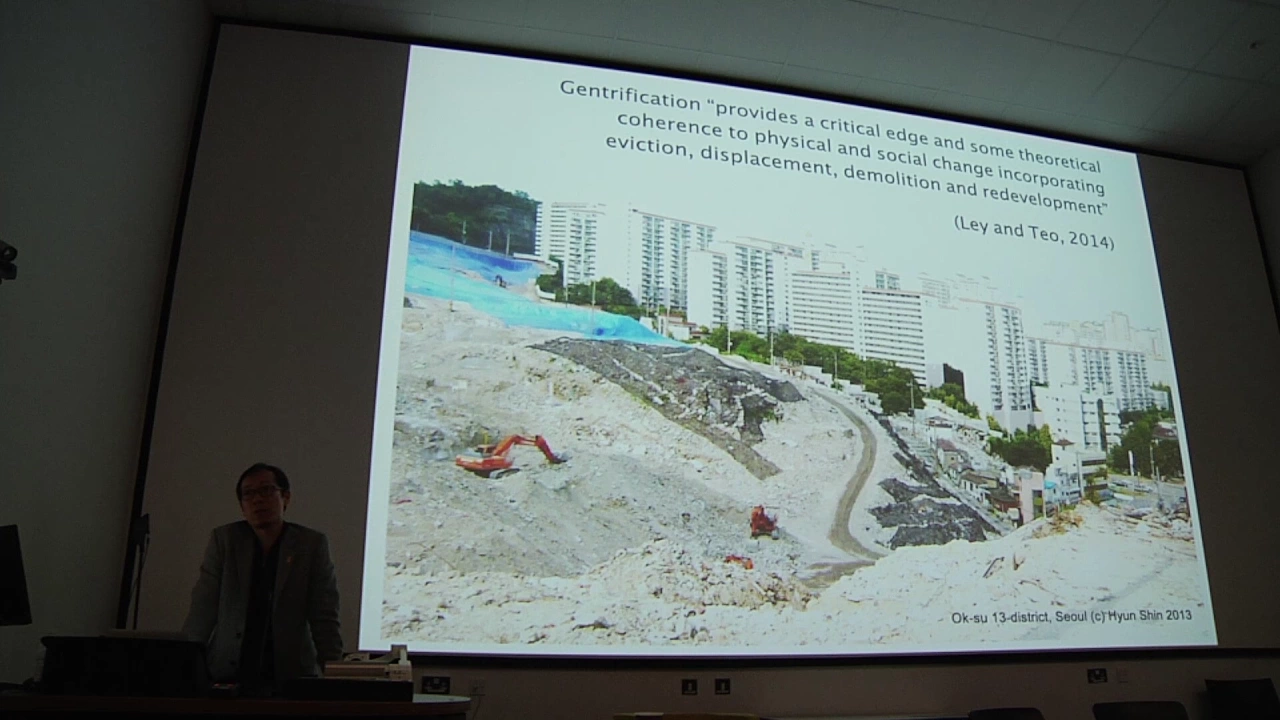


Gentrification is the process of transforming low-value urban properties into higher-value ones, which can improve city infrastructure and reduce crime but often displaces lower-income residents, particularly in cities with limited space like San Francisco and Charleston, while cities with more available land like Detroit and Pittsburgh may experience gentrification with less displacement.
Gentrification Explained: Six US Cities Compared
Added:Basic principles of urban economics, including the dynamics of housing supply and demand, property valuation, and municipal tax bases.
The historical context of urban disinvestment in the US, specifically 20th-century policies like redlining, urban renewal programs, and suburbanization.
The foundational definition of gentrification, distinguishing between capital reinvestment, demographic shifts, and neighborhood revitalization.
The concept of residential displacement, including its physical, economic, and cultural manifestations on historically marginalized populations.
Analysis of policy interventions and mitigation strategies, such as Community Land Trusts (CLTs), inclusionary zoning, and tenant protection laws.
The study of 'green' or environmental gentrification, examining how parks and climate-resilience infrastructure can trigger displacement.
Quantitative methodologies for measuring gentrification, utilizing GIS (Geographic Information Systems) and census tract data to track neighborhood change.
Comparative global urbanism, exploring how the drivers and consequences of gentrification differ in European, Latin American, or Asian metropolitan areas.
94.9K views3.3Klikes19:46Original Release: 2019-08-03
howdy it's Kyle talking about gentrification just a mere mention of the word brings chills up and down the spines of a lot of people it's usually associated with negative things and in this video I'm going to talk about gentrification in general and then talk about six very specific cities which I'm very familiar with to see whether or not it's works there the six cities I'm going to discuss in detail include Chattanooga Tennessee where I live and also Detroit Pittsburgh Atlanta San Francisco and Charleston South Carolina and all six of these have undergone loss identification through recent years and have had various levels of success and it's probably going on at city you live - it's been going on in many other cities throughout the country but d6 I'm very familiar with so I'm gonna discuss gentrification in these cities and how it's affected them gentrification is essentially taking old low value property and transforming into higher value property and of course this is going to have a huge effect on the neighborhood or even an entire part of town as will this be a huge transformation in the type of property and what's going on in that part of the city back in the 70s and 80s it was referred to as urban renewal but it was often sarcastically referred to as Negro removal because a large defenders of the population that was affected were part of the poor black community in the inner cities directly adjacent to downtown nowadays is called gentrification but it's basically the same thing where most of people that are being affected are part of the poorer black community in the inner cities now I'm not going to downplay racism in the u.s. that's a lot worse today than it was 20 years ago but what's going on with gentrification isn't really racism and it's not kicking out the black people and that's not even necessarily kicking out the poor people it says taking these neighbors that are occupied by poor people and turning it into more high-value properties where they can charge more in property taxes but because it's directly adjacent to downtown is high value property so the plot of the poor white folks live out in the sticks to live in a trailer park they live out a little shack out in the woods so you don't see the poor white people as much everyone sees the poor black gotta you drive through it all the time it's on the news all the time because you have a concentration of poverty you're gonna have a concentration of crime with urban street gangs you're gonna have all the shootings of stuff so you have a lot more attention and brought these poor black neighborhoods and usually there are pretty bad pretty dangerous but because they are directly adjacent to downtown the property values are higher so those are this kind of the basics of gentrification so now I'm going to get into the specific examples of the six cities I mentioned before starting with where I live and that's Chattanooga Tennessee I've lived here for about twelve years now we came right before the big wave of gentrification so we've gotten to see the city changed quite a bit in the recent years the part of town that seen the most gentrification is called the Southside and this is the area around the Chattanooga - - and the old train station and this has a lot of old unused buildings empty storefronts and just a lot of disturbing - kay it was the part of town he would go to get a hooker and get some drugs but it is nothing like that now it's been changed quite a bit these old empty storefronts are now trendy shops a lot of new restaurants there bars all of its really expensive - so the tourists go down there a lot of locals as well there have also been some new housing developments in the same area as well but there haven't been a lot of people displaced because most these new housing developments went up over old factories or old empty buildings right now there's a big old factory that closed down recently they're going to turn into a bunch of condos but no one's being displaced so the big argument against gentrification is usually a poor people being displaced within Chattanooga hasn't really been the case because again most of new housing has been where people didn't live in the first place there was this big old church that was no longer used it was razed and that's now a condo complex and there was an old car dealership that got raised and that's now a new condo so I think Chattanooga done a pretty good job of adding housing without really displacing people but the flipside is that things have become a lot more expensive in the city costs have gone up like crazy but wages are flat and that's pretty much true throughout the entire country everything costs more but no one's making any more money but in Chattanooga the wages are so ridiculously low that it's even harder to keep up here than most other parts of the country but with all that is hard this hey that gentrification hasn't been a net positive in Chattanooga you can't tell me that it's worse today than it was 20 or 30 years ago it's improved a lot and even though I personally am not a big fan of the city I'm in the extreme minority because most people not only like it but really like it the next city I'm going to talk about is Detroit and I've got friends there they're the base of the family visiting once or twice a year for the past 20 years and I've seen the city go from wallowing in its own slop to making very slight improvements in recent years from at least 1998 until just a couple of years ago there was virtually no chains whatsoever in the city except for change for the worse ton of people left more of a city became empty it was getting worse and worse but about two years ago a certain group of people started to move in buy up old properties that's summertime in Tennessee here right there anyway what's going on in some of these cities including Detroit is that you have a certain group of people and you know that they are other hipsters have come in bought up some of these old properties and turned them into mocha FRAP a lot a kind of places with multigrain bread and organic fake ham on it so but at the same time these are the only people that made any type of improvement whatsoever to some of these rough areas around the city but kind of like Chattanooga not a lot of people were displaced the place that is become these kale smoothie kind of places were empty storefronts empty buildings empty factories empty warehouses so they've made something better out of what was nothing this part of town used to be nothing wasn't even like ghetto there was just nothing there and what was there were bombs drug dealers and prostitutes so it was a terrible neighborhood now it's kind of okay but a lot of people have been displaced at least in that part of town where there's a lot of hipsters moving in and there have certainly been people that have been displaced and destroyed people that have seen their rents double through the years but some of these unique about destroy is it if you're displaced you can stay within the city there are so many empty homes and there's so much empty unused land you can still buy a house for it like 50 grand in Detroit put 50 grand into it and it's still way cheaper than anything you're gonna get it's a middle class home in Tennessee or Florida or wherever so you're still not paying as much and you're still staying in the city even though you did have to move because your rents went up so high but it's not quite the same as being displaced not knowing where you can go and then moving 1020 miles way out in the suburbs a way out into the sticks but so far there really hasn't been any trickle-down effect in the city so Paul systems always talk about trickle-down but it never really works they know it never works so I'm gonna hold judgment because the money from increased property tax is supposed to go to Community Development kind of stuff into improving schools and roads and infrastructure so is that gonna happen I don't know I'm kind of skeptical but I'm gonna give them the benefit of the doubt for now because it's been a very recent thing that's happened with people moving in and buying houses and increasing property tax revenue but just like Chattanooga I'm gonna say the gentrification has been a net positive further destroyed you can't tell me it's worse today than it was 20 30 50 years ago it's horrible it's still horrible a giant dumpster fire but the dumpster fire at least isn't as large now is still the worst city in the country but the gap between it and say Baltimore isn't as large as it used to be I mean Baltimore is trying really hard to be the worst city in the country it's getting there but Detroit has seen a little bit of improvement so I know people are upset the urban folks have been displaced and some ranched have gone up but it's been a net positive so it still has a long way to go but I do think notification has been something of at least a little bit of used in Detroit even though there had been some negative side effects the next city I'm going to talk about is Pittsburgh and it's pretty similar to Detroit and Chattanooga and that it was heavily dependent on manufacturing and factories through all these years and in the seventies and eighties things went away so the city became really bad and it's hard to imagine now but Pittsburgh at one point was every bit as bad as Detroit maybe even worse but it's been improved a lot through the years what Pittsburgh did is pretty similar to what Chattanooga is doing right now that it took all those old warehouses in factories and just old unused buildings and turned them into condos and houses and other types of things like that and they attracted new businesses Tanuja went with tourism and different kinds of high-tech stuff and Pittsburgh went with a lot of high-tech stuff financial and insurance kind of stuff that's right was like hey we can still hold on to the automotive industry it's going to come back and of course it never did so the Troy took forever to make any improvements but Pittsburgh was like you know steel is never coming back we need to do something now change that our economy is going to be and change the city a bit because Pittsburgh is more densely packed than Detroit or Chattanooga there have been a lot more people displaced but the number of people been this place hasn't been enormous because a lot of the stuff is being used for new development has been old unused stuff so there certainly been old neighbors that have been gentrified and some of the poor old black folks were forced out because of higher rents and prices but has it been to the huge amount that you've seen in other cities like DC or New York that have just completely Negro removal as they used to call it so Pittsburgh has seen some improvements through the years it's better than Detroit and that's largely because they accepted the fact that steel is gone and they have to diversify their economy and people that live there are often like what are you talking about this place it allows all kinds of problems yeah a lot of gang issues I crime it's dirty as polluted the traffic is awful people keep saying we're great but what's so great about us compare it to say Cleveland or Philadelphia or a good old Baltimore and it's a lot better so I'm gonna say again Pittsburgh is been a net positive for gentrification even though there's still some issues with it people have been priced out prices have gone up a lot housing is more expensive but it's still one of the lesser expensive big cities even though it has a large high tech and financial presence the next city I'm going to talk about is Atlanta and I'm very familiar with it I visit about two or three times a year and the situation is a lot different there than either Chattanooga Detroit or Pittsburgh it was never a manufacturing or industrial city it's the state capital of Georgia spoda government stuff there it's the home of Georgia Tech and Emory to elite nerdy universities Emory's one of the most elite medical schools in the entire country it's the home of the federal government Centers of Disease Control and a lot of the federal government southeastern and regional offices are in Atlanta Ted Turner basically single-handedly turns Atlanta into La Junior so there's so much media and TV stuff there associated with cable TV so there's a lot going on in Atlanta that has nothing to do with industry or manufacturing so it's city's history has been a lot different there was no time in US history where Atlanta was considered one of the worst cities you know he talked about Detroit or Pittsburgh used to be in Cleveland and Baltimore are today Atlanta was never that city in that grouping so it's always been kind of a metropolitan cosmopolitan place with a lot of things going on that had nothing to do with blue work for stuff it's a city that didn't really need to gentrify it's always had a vibrant downtown a vibrant Midtown the Buckhead high-end area has always been there you go there now you're guaranteed you see a couple of Ferraris no Lamborghini a ton of Porsche driving around it's that kind of an area it's never been like Detroit or Pittsburgh or like how Chattanooga was back in the day so it didn't need to identify but it still continues to anyway I looked at Zillow an MLS websites before I made this video to see what kind of property values are going on right now assembly cities and I was shocked to see what some of the stuff in Atlanta is going for a friend of mine used to live in Atlanta back in the 80s and lived in a part of town called cabbage town and that was kind of a blue-collar kind of rough around the edges area that was pretty multiracial that was just kind of a you know blue-collar neighborhood nowadays it's super trendy I cannot believe how expensive the house is there I'm looking at some that are a thousand to twelve hundred square feet unlike a little tiny plot of land going for half a million dollars I mean it's ridiculous how much stuff cost there and some of these houses in Atlanta would be half as much in the part of California I am from super expensive California these houses in Cabbagetown that are going for half a million or more might be 200,000 in the town I grew up in that's a nice town too so Atlanta is very very expensive but people have definitely been priced out or some of the parts of talent have been gentrified so in Atlanta's case I would say the gentrification has not been good it's only served to make things way more expensive for people to move closer to the airport or to some of the inner ring suburbs that are kind of rough around the edges but it's not any better I mean I do like Atlanta but it hasn't improved because of all this gentrification but it has become a lot more expensive and the last use fees I'm going to talk about or San Francisco and Charleston South Carolina and believe it or not these are two very similar cities even though they're literally on the opposite ends of the country but they're both tightly packed densely populated cities on a little tiny Peninsula so they're surrounded by water on three sides and suburbs on the four side so they don't have anywhere to grow San Francisco can at least grow vertically so a lot of the development has been high-rises and these new condo towers and things but Charleston can't even grow vertically because they're building restrictions on buildings being more than four storeys tall to preserve the torkoal character but these are really similar cities and you know the geographical setup and what they've done to deal with it San Francisco was the first major city I was familiar with I grew up going there a lot I have family in the Bay Area so I'm always been pretty familiar with San Francisco and every time I go back to California I try to make a point to get up there so I go there quite a bit and I think it changed quite a bit through the years for the longest time San Francisco was mostly a blue-collar town with a lot of banks it's the second largest financial city in the country with only New York having more banks and financial stuff so that was the makeup of the city until the Google comes to town everything changed as a result the tech boom hit the whole Bay Area and as a result so many jobs were created and so many people moved to the region but because there's no room to build in San Francisco property value skyrocketed so it's kind of like Manhattan there's nowhere to grow tiny piece of land so supply and demand basically so the land is going to be worth a ton of money although to be fair it isn't quite as expensive as people think because a lot of people in San Francisco don't have cars and so that means no car insurance no car payment no gas so most people families are gonna pay $1,000 per month or more between car payments insurance and gas so it is still very expensive to live in San Francisco but isn't as expensive as you might think because you're a good thousand dollars a month people that live there are not really paying originally San Francisco gentrification was not that bad because most of it was along the eastern side of the city along the base or so you have the the San Francisco Giants baseball stadium there in that whole area was just kind of empty and derelict so that's good to have stuff there but the net city brought in more and more jobs more and more people move there they couldn't really identify without taking over owner-occupied homes making sure that people that were renting there couldn't afford to live there anymore so they were being displaced so now the only way they can grow is by displacing people that can no longer afford to live there and he used to be able to fall back off to say Oakland if he couldn't afford San Francisco Oakland is crazy expensive it's like Brooklyn it's a bunch of hipster living there now so overall I would say that gentrification has not been good for San Francisco the city is not any better than al and it was before the Google moves there it's just changed a lot and you can't even go to Haight Ashbury anymore and see a bunch of burnout that hippies now is a bunch of skinny jeans hipsters with her mocha FRAP a latte so the city hasn't improved it's just changed and the last study I'm going to talk about is Charleston South Carolina and that's another one that I'm very familiar with my wife is from South Carolina but not from Charleston but I've been there a lot we just got back there very very recently and I was shocked at some of the changes I saw if you're familiar with Charleston you probably know it as a very historic city with that beautiful battery area in the south part of the peninsula those giant beautiful stately homes of all different colors right along the waterfront and those have always been multi-million dollar homes just only super-rich people could afford but it used to kind of end at a street called calhoun street once he got north of there got more normal they got more middle-class kind of houses even though there was still beautiful old homes and the farther north you got the rougher it got there was a part of town that was pretty rough high crime not a gang for the drugs but I went back a couple of weeks ago and it was basically all gone there's like no ghetto whatsoever left it's been completely cleared everybody's been gentrified and a bunch of younger people have moved into these old homes that were nice homes but they were formerly owned by landlords who are renting out to lower-income people but there's literally like one block in this hideous is still kind of rough there's a housing project and stuff going on so poverty has almost been completely removed from Charleston and that might seem like a great thing it's like wow they got rid of all the river if there's no more gang issues going on there but obviously the people that live there had to move somewhere a lot of them move to places called James Island or John's Island which are you know it sounds nice guys are close to the beasts and their own Island but they're really low-lying and they're kind of swampy nor just about the worst place to be during a hurricane except for right along the beach so that's where a lot of people have moved housing values are lower but even that's becoming more expensive as the peninsula has is full you can squeeze another person on the peninsula so they're moving to some of these islands as well and as the cost is crazy expensive it's not quite as expensive as Atlanta but it is way way above the average for cost of living in the southeast and wages are okay but it's not really high enough to keep up with how much things cost so it's very much like San Francisco that you have a lot of people that want these home a little tiny part of land supply and demand so there's few people with a few houses available but a lot of people that want it so it drives the prices up and it tries prices up for everybody so if you're one of those people that got displaced from the peninsula or your middle-class family didn't never live there anyway you're still paying those higher prices because of all those people moving in to the peninsula and paying half a million dollars for a 1,500 square foot house right now Charleston is considered the number one gentrifying city in the country and it's happened so so quickly there's a street called King Street which is the main street through the downtown it's always been kind of a Hawaii toy street with overpriced antique shops and boutique stores and that kind of stuff but it used to end at that calhoun street after that it got kind of rough but now it extends another mile so there's another mile of nice shops and restaurants and bars all the people hanging out it's crazy how fast things were changed cuz just five years ago it wasn't like that at all so it's been a really quick turnaround and I worry what its gonna be in the long run and high housing costs has a trickle-down effect throughout the entire metro area so high housing in San Francisco and San Jose has caused the entire Bay Area to be crazy expensive and high housing cost and Charleston is gonna ventually spread to the rest of the area not just the city itself so my overall take is a gentle occation can be good in the right situation I believe it's been a net positive for somebody's former industrial cities they've had a lot of unused land so hipster condo complex with your mocha FRAP a lot a coffee shop might not be ideal but it's better than an empty factory or a warehouse but if the only way to gentrify is to push people out by rising cost and that's when you start to have a problem with the whole process I hope you found the information in this video useful if you did please give me a thumbs up to let me know you approve and subscribe this channel if you're interested in hearing about stuff about u.s. geography and ranking things and road tripping across the u.s. there's some nerdy stuff about the US but yeah thanks for watching geography kings signing out you
Up Next

99:11
Introduction to Sociology: SOCA03 Lecture 1 | U of T
@lawrencewilliams-sociology2000
22.4K views•2019-01-24
54:57
Contemporary Sociological Theory: Micro, Macro, Integrative
@NaSESYNC
45.7K views•2016-02-17
19:23
How to Analyze Conversations Scientifically | Elizabeth Stokoe | TEDx
@TEDx
1M views•2014-12-04

9:41
What is Sociology? The Sociological Perspective Explained
@crashcourse
4.6M views•2017-03-13
Related Study Plans & Knowledge Roadmaps
Structured learning paths in Sociology
sociology
Celebrity Culture: From Hollywood to TikTok
01Foundations of Celebrity Sociology
02The Rise of Micro-Celebrity & Digital Platforms
03Parasocial Relationships & Algorithmic Intimacy
+ 2 more learning modules
12h5 modules
Explore Roadmap
sociology
Hostile Architecture: Space, Power & Control
01Introduction to the Sociology of Space
02Social Control and Surveillance in the City
03Hostile Architecture and Defensive Design
+ 2 more learning modules
12h5 modules
Explore Roadmap
sociology
Loneliness Epidemic: Third Places & Isolation
01Foundations of Social Capital and Community Cohesion
02The Death of Third Places and Urban Space Erosion
03The Privatization of Leisure and Atomization
+ 2 more learning modules
12h5 modules
Explore Roadmap
sociology
Sociology of Tourism: Gaze, Power & Heritage
01Foundations of the Sociology of Travel and Leisure
02John Urry and the 'Tourist Gaze'
03Staged Authenticity and Cultural Commodification
+ 2 more learning modules
14h5 modules
Explore Roadmap