





















The sociological imagination is the core concept that distinguishes sociology from other disciplines—it involves seeing how seemingly individual experiences, characteristics, and attitudes are actually shaped by broader social structures and historical contexts. Unlike psychology which focuses on individual organisms, sociology examines how surrounding contexts such as family, education, economy, and culture influence human behavior and social outcomes. This perspective encourages students to complicate their understanding of the world by recognizing that personal troubles are often connected to larger social issues, and that effective sociological analysis requires examining both individual lives and the structural forces that shape them.
Introduction to Sociology: SOCA03 Lecture 1 | U of T
Added:A basic understanding of the difference between personal, individual experiences and broader public or systemic issues.
Familiarity with the general concept of 'society' and how social institutions like family, school, and media influence daily life.
The ability to distinguish between personal opinions/common sense and objective, systematic inquiry.
An awareness of basic historical shifts, such as the Industrial Revolution, which initially prompted the need for sociological study.
Deep exploration of the classical sociological perspectives, specifically Structural Functionalism, Conflict Theory, and Symbolic Interactionism.
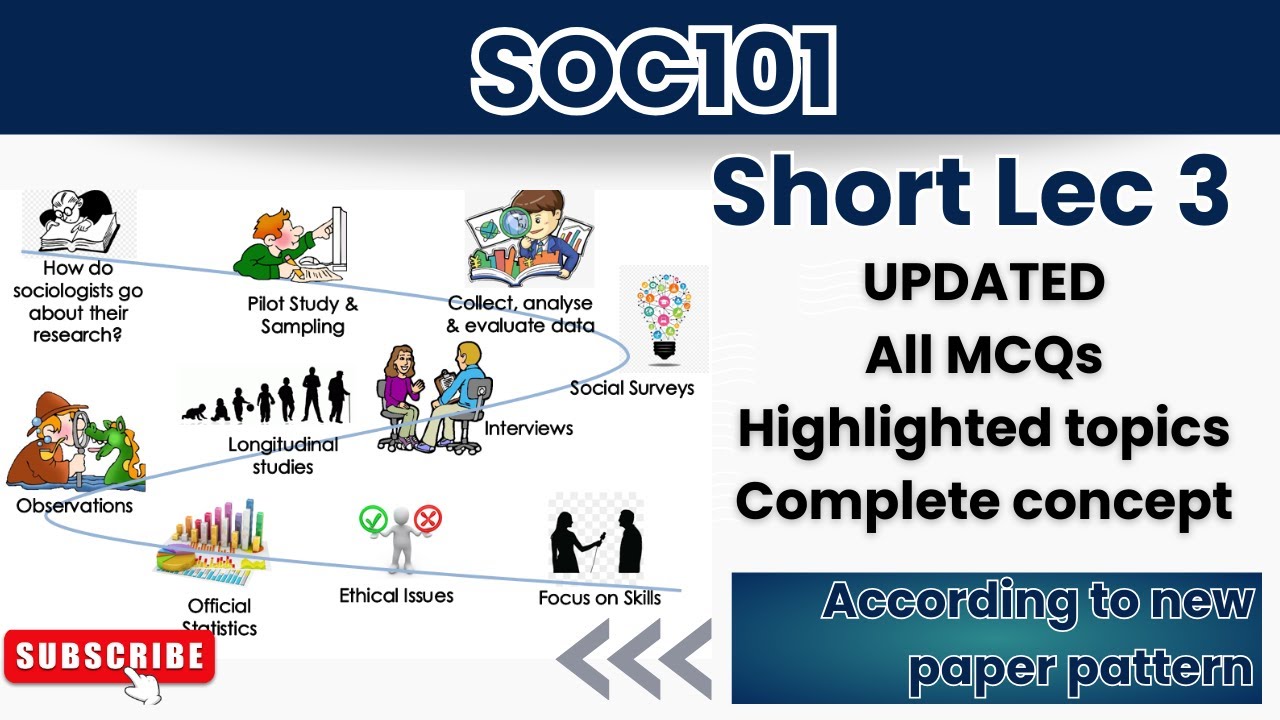
Understanding sociological research methodologies, including the distinction between qualitative (ethnography, interviews) and quantitative (surveys, statistics) research.
Analyzing the processes of socialization and how individuals internalize cultural norms, values, and social roles.
Investigating social stratification and systems of inequality related to socioeconomic class, race, ethnicity, and gender.
Applying the 'sociological imagination' to diagnose and propose solutions for contemporary social issues, such as systemic poverty or educational disparities.
22.4K views554likes1:39:11Original Release: 2019-01-24
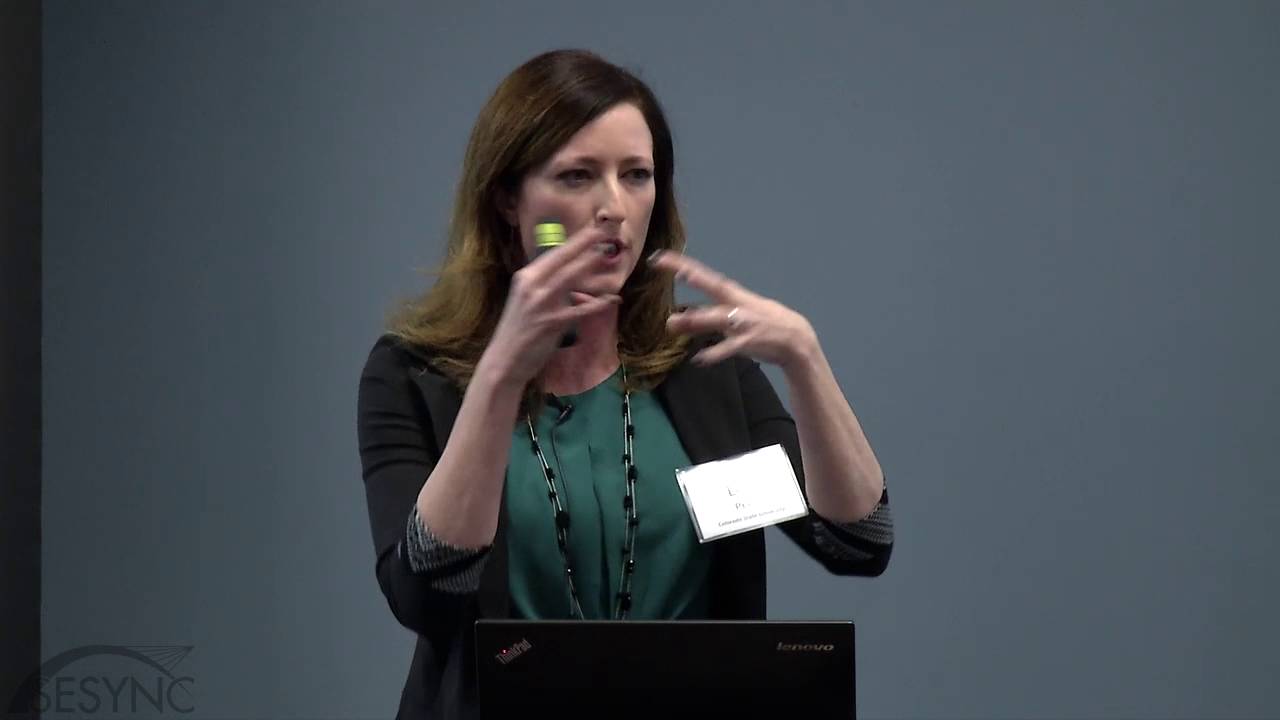
[Music] hello hey how's it going good everyone excited to be here introduction to sociology okay yes i feel like a cyborg so we're doubly connected um i'll explain it later uh but i've signed up for something i think everyone will like in this class um i've signed up for the web option uh so that means we're on camera you can see ralph right in the corner our videographer um and so as you know this class has two sections monday and tuesday you're all obviously part of the monday class our lectures will be recorded and then they should be available within 24 hours on quercus i'll show you what that looks like and so if there's a week you can't make it you want to stay home you're sick you can watch the lecture online [Applause] so i thanks i was i was hoping that would that would go over as a good decision as i've been a little bit scared uh i usually don't dress up but now that there's a permanent record of this class i kind of felt you know i gotta um so my game has been upped for this class um all right so sociology um this little messy picture it didn't it didn't uh go on the screen as well as i'd like um this will this sentence will kind of be a recurring theme in this course everything is more complicated than you think um now complicating things should be a general goal of your undergraduate explanation uh sorry your undergraduate education we all have ideas about things about ourselves about how the world works um sociologists in particular are really interested and focused on probing into and critiquing those assumptions so in this course if you've already looked at the the syllabus and the course textbook which i'll go over later today you'll see that in the 20 chapters we'll cover uh over the course of the term we pretty much address everything we address issues of gender sexuality race media everything that you can kind of think you ha you may have some sort of idea about uh politics immigration everything under the sun um so this idea of keeping things uh as as complicated and really wondering um you know what what makes us tick uh why are we in this room why are you paying attention to me um is it just because you want a degree why do you want a degree why is learning cool and fun uh or tedious uh depending on on the moment so so really in this class uh it's an open forum you'll obviously have assignments and assigned readings to do so it's not just a total free free-for-all um but this this class and this experience uh should be seen as an open forum for you to just really rethink a lot of things that you already have ideas about and be introduced uh to a lot of new things which again should be the goal in um in any so in any undergraduate course at all um so some guiding questions because that could sound a little bit broad and ambitious kind of studying anything social in the world as a sociologist some questions that you'll see which are derived from the week's readings that we have so this idea of complicating everything uh comes from the i the from uh the term which is called the sociological imagination um so seeing how things which seem uh perhaps very individual like like personality uh or characteristics or attitudes i'm seeing oh yeah sorry um okay so uh the sociological imagination which we'll see is the theme of next week and our first kind of introductory readings of this of this course is taking what you think of as particular and individual something that you think is just unique to yourself and seeing how it is shaped by wider society and wider contexts so sociology as a study of or as the study of human groups human interaction human behavior really differentiates itself from psychology which is also very interested in those sorts of questions by focusing first and foremost on the surrounding context whether you think of that as this specific classroom u of t more generally toronto or canada scaling up as opposed to kind of an individual organism um so understanding what the sociological imagination is though it's addressed um exclusively next week uh that will be something that you will always be trying uh to figure out and refine uh where you won't just learn how to think like a sociologist in one week how does theory on help us shape how help us understand the social world so after getting into kind of what sociology is what it means to pay attention to context how we're a little bit different but similar to psychology we'll then cover an array of social theories so theories are constructs that are used to help us make sense of all the kind of messy sense data and stuff going on around us so you'll be introduced to a wide variety of key thinkers that have really addressed classical human sociological questions such as what is the nature of action why do people think the way they do why do societies progress the way that they do over time what is culture all these sorts of questions you'll see will be recurring throughout the course how do sociologists conduct research um so we'll learn what sociology is we'll see the foundations it's kind of theoretical origins and then we'll go into the actual nuts and bolts of how it is that you as a student can actually do sociology so you'll see that our bread and butter methods are surveys field research so asking people questions observing people and sometimes even performing social experiments um kind of like the ones you might see on youtube where people try to like spook people in public um so we have something like that called breaching experiments where we try to test people's norms and values and stuff so a lot of a lot of cool methods we'll see again with these central questions of uh why is it that the world is the way it is and what makes us tick and cannot change um so i won't go through all the other questions but but these are just to kind of whet your sociological appetite and and remember really sociology is is the study of everything as long as it involves people um and people interacting even if it's with themselves going on you know talking to yourself that can still be sociology um might sound strange but uh we'll we'll get there in this course um okay so today um uh again i know this this is my first time teaching um a very introductory course or the first course that a student may be taking in this school just show of hands put up your hand if you're in your first year oh okay so okay um and so just in case i didn't see any um put up your hand if you're second year or above okay so some of you taking this as an elective maybe um all right so hopefully all you new uh first years uh this will be an enjoyable experience and i won't scare you away from sociology um but you know again that's that's yet to be determined okay um so today again uh i want to as you are new to the university um i'm sure you all had a wonderful week last week and were introduced to things like quercus but in case you weren't um i do want to take you through uh kind of how you can get uh access to this course online um and then just some other basic things like um classroom expectations learning expectations um because we are a full year course as opposed to a half year it's important to set the foundation really strong just so there's no confusion going along so i'll introduce myself more formally and a couple of my teammates then we will discuss uh kind of the arc of the course the general learning expectations um then we'll discuss our kind of nifty so so to keep the theme of of online learning um or or keeping things digital the same way that we have recorded lectures you may have noticed on the syllabus that our textbook is actually an app so this may seem scary or exciting depending on your view of smartphones and apps and things like that hopefully you'll find it exciting and intuitive i do and and students of the previous professor professor little who taught who teaches this class typically her students have found it a very immersive um and a fun way to really learn the course content so i'll kind of walk you through that app um and why i think it can be very beneficial for you to use um and then again i'll i'll reiterate kind of what uh this how sociology fits into the broader social sciences um a little bit more formally and then expand on the sociological imagination some more um all right so a bit about me um so my name uh as you may or may not know at this point uh is lawrence williams um i don't have professor next to my name um because uh i am a graduate student in the sociology department here at u of t um i am part of the faculty this year um i i got a lecturer position um and i've been teaching for the last two years um i'm in the sixth year of my phd so uh i did my undergrad and my master's at u of t as well so this is my 11th year in this school so and i'm born and raised in toronto in north york near i was so i'm very familiar with scarborough very happy to be at this campus i've taught at all three campuses and this one is my favorite i'll say that for sure the architecture is beautiful it's beautiful in the summer walking around the ravine if you have any questions about things around here talk to me about about that or questions about the other campuses i entered sociology um as we'll see sociology uh you could as i said you can study anything you want um i entered sociology because i actually was a high school dropout i dropped out when i was 16 and i tried to become a professional gamer i dropped out for a lot of reasons you know some of which weren't as fun as that but but needless to say um i i went to tournaments i played fighting games my game was uh tekken 5 dark resurrection i don't know if any of you know fighting games street fighter that kind of thing um so when i went to university um my question was why the heck am i so compelled by video games why do i love them so much um and that kind of carried me through undergrad um i became more interested kind of outside of the scope of just me and video games to why is it that people really like become passionate about things um so now i study careers and and kind of why people choose the jobs they do why they stick around why they leave so any questions about you know general confusion thinking what am i going to do with my life in the future that's always what my mind's going through so any any kind of informal career counseling or academic advising i'm very interested in talking to you about that um so that's a bit about me my oh and my previous courses my kind of go-to course was the sociology of policing and i've tended to teach courses around mental health and deviance and i taught the second half of an intro course in the summer at the st george campus so as i said this is my first kind of full out introductory class so i'm really excited to get all your fresh blood and and and kind of gear you towards university the way i'd like you to see it um and learn from you as well of course but i do have a bit of experience with introductory stuff um so you'll see our team here um so of my team um andrew and jason are here and i'll introduce them shortly um so we this is my first time i feel very privileged i have a a lead ta um so when he comes up you'll see he's kind of uh my right hand guy here he'll he'll be able to assist you um if you have any questions along the way um he did his undergrad here as well so he's very familiar with the campus and he's ta this course for the previous uh kind of usual professor um a couple of times so he really knows knows this course well so i'm very lucky to have him um and then we have andrew who who will be uh introducing himself shortly um he's a current undergraduate student um and him and he and sarah will be your peer mentors um so there's one thing to have me and other grad students kind of up here telling you things about the course um but you know sometimes we we may not uh be in the mind of an undergraduate feeling the pulse of what's going on so well so i'm very lucky to have a couple of undergrads uh to to help make sure that i'm making sense up here um and not over complicating things too much um even though i want you to learn how to complicate things um and then so you'll see tas as well uh we right now um aside from the lead ta we have four tas um and there's a fifth one um i'm just uh they a couple people declines the contract um so i'm waiting for the fifth one uh hopefully hopefully someone accepts it um fingers crossed and then uh you so you'll see that some of you in tutorials um you have jason as your kind of interim ta but you will have your own designated ta and then you will all be part of this experience as well again shaping the class i'm going to try to make this a very interactive class as i said today is a bit different just because i'm setting things up so that's really messy don't worry about um i know you you probably can't really see that very well but um the slides so i just wanted to show you um this was a logical break to do that i will always be posting so not only are the lectures available online but the slides will be posted online as well so if you click i'm on the student view right now of quercus um so in case you've never been on quercus just go on any web browser and type q.utorano.ca um and then you'll see soch ao3 both lecture sessions are merged um again you don't have to be concerned about let 30 don't be confused about anything you hear about tuesday but just because there's so many students and it doesn't make sense for me to to make two separate portals um so you're on the same portal um the course is exactly the same um but again just just only pay attention to um to announcements that say monday or or lecture one um or if it doesn't say a day so under modules you'll see the syllabus and then you'll see lecture slides so i will try to post those by every monday morning before a lecture that way you don't have to frantically take notes or anything if you're here um or if you're watching it from home um so you'll see there's a preview up up here when you click it sometimes that doesn't work so what you can do is just click the link um and then it will download um so the slides will always be there um and so under modules uh as well um there's a ton of things i'll walk you through it after um but i believe i did um i'll make it available later i have this kind of messy chart um set up as a uh i'll have a page for this as well but it's in the powerpoint slide just so you know who your ta is so again you all should be registered in a tutorial if you aren't registered in a tutorial because i did get questions about this from a few students just go on acorn click on the social ao3 course and then you should see there should be a place for you uh to pick a tutorial section um tutorial sections don't begin until next wednesday um so if you're wednesday then it's wednesday the 19th or thursday the the 20th on friday the 21st depending which section you chose but tutorials of course don't begin until after you've read chapter one and they'll be designed to help you with that so in terms of email um if you have any questions um you should please email your just because there are so many students i'm more than happy to talk to people um but getting 500 emails would kind of i don't know how i would handle that from 500 students so please uh try to email the tutorial leader the ta that's responsible for your section um they'll be doing all of your grading as well so again there's so only so much i can help with since i'm not grading i'm constructing the rubrics and i'll be keeping things all together um but erta is probably the best person to talk to um so on the syllabus um so it's a really kind of ghastly document that i've created it's 18 pages long i apologize for that um but it really it has everything we'll need again i wanted to make sure we had one document that we could always refer to for the entirety of the course if you have any questions i've really tried my best and professor little who taught this course before she tried her best to kind of put the majority of commonly asked or frequently asked questions to put answers to them on the syllabus so things about deadlines enrolling in tutorials revel submitting assignments um the instructions for those things should be on the syllabus if you see anything that's not addressed though by all means email your tutorial section section leader myself or andrew if it's if it's about revel but please do check the syllabus first just to save everyone time um so you'll see the uh there are specific people you can email about different things so technical issues with revel um our peer mentors have used this in the past sarah was a student of this class last year um so emailing her or andrew they've helped with this before they would know more than me i haven't used it from the student side of course um so if they would be more helpful extensions on homework or term tests uh due to illness or emergency um please contact please contact the lead ta jason at the email up there um questions about textbook and lecture content um again i would recommend uh addressing your section ta just because you'll you'll get to know them more one-on-one in tutorials and they'll be grading you but feel free to ask me as well and i'm also going to figure out on quercus how to set up a discussion board right now it keeps coming up as invisible and then questions about adjusting to utsc and study skills and how to improve again we're very lucky we have our peer mentors they're right in the thick of being students as well so please ask them ask them questions um should they come up um so i have office hours um twice a week um so every monday i am in mw320 so mw is management wing but which is now the social science building i think until highland hall's developed um i might be i'll be moving offices there i'll update you ahead of time but for now i'm in mw320 and i have office hours every monday from 12 p.m to 1 p.m and then every tuesday from uh 4 p.m to 5 p.m um let me just make sure i wrote it down correctly yeah monday 12 to 1 and tuesday four to five um now i'll say this now um students very infrequently use utilize office hours um i think you know part of that is you think well maybe i don't have a very specific question or i'm a bit intimidated by the professor please feel free to come in at any time even just to introduce yourself to let me know kind of you know how things are going i like i really do like talking to students i'm a very kind of talkative person so i'm often just sitting in there alone wondering why no one's coming so you know it's okay i can i can rationalize it and get work done and stuff but um i like seeing especially again because this is a new experience for me never had a class this big never had this many first years um and i'd like to connect with you over the year um so so please do do use the office hours again no pressure to do so but i'd appreciate it um so i have a slide about social media so in the past we've used uh social media andrew will talk a little bit about that i'm kind of a dinosaur with that stuff so um uh i think we do have a facebook page um and there might be a snapchat page as well um i don't know anything about snapchat so um i can't really i took that out of my slide but but the undergrad association deals with that so we'll we'll see you know you can you can talk that way um so without further ado i'd like to uh introduce um the first of our two uh fantastic uh peer mentors so andrew cto [Applause] [Music] [Music] myself just so we get to know each other a bit better and then also hopefully over the course of this year we've had the chance to talk to one another another as well so a bit about me i'm in my fifth and hopefully final year where i'm pursuing a double major in public policy and sociology and my research interests follow along along the lines of higher education community building and also student advancement and what this means more in more simpler terms is i look at the ways in which to engage students across the life stages so whether they're incoming according to studying or have graduated from this university and building spaces where people can come together share their stories but then also create meaningful experiences for one another as well on a more casual side note i'm obviously heavily invested in dogs so if you have any videos or photos yourself feel free to send them my way i'm more than open to anything so um but i digress a bit um back to my story of it i've been involved at utsc since my first year i've worked pretty much across campus and i've recently transferred over to the saint george campus a bit doing work there as well um and as i was building this presentation looking at what i was doing as a whole and it really came back to five different areas and first and foremost i was involved in departmental student associations or dsas for short and essentially every single academic department here on this campus has a student organization that's affiliated with it and so for me i've been part of students of sociology for the majority of my time but then also the political science association and through these organizations i've had the chance to create multiple events in programming not only for my perspective student populations but then also for the greater 15 community of largest ball i worked in the department of student life for about three years now i think both as a mentor and then also through leadership development cultivation i've worked with the department of sociology both as a teaching assistant for this course and as a peer mentor last year for professor little as well i've engaged with the academic advisor career center for about two years through the get started program which hopefully some of you may be aware of if you've attended this past summer and then more recently i've also worked at the central advancement office downtown working with alumni relations to streamline faculty engagement selection processes for academic events and for this year i'm working three jobs so along with lawrence i'm also a research assistant with the department of sociology and then also i'm back downtown with the central advancement office working as a student engagement officer so definitely a lot of different things but throughout all these experiences i um came up with i guess three main takeaways that hopefully you all will take away yourself or at least seriously consider as you're going through your time here at utsc either your first year or hopefully throughout your entire degree as well and the first thing is that failure is not the opposite of success i think a lot of us really see failure as this mlb all where we do fail we are literally nothing but that is not the case especially for me um i put in a lot of work into different projects but i've never really seen the results that i would have liked in some areas but it's all about learning that even if you do fall for whatever case it may be you're able to pick yourself up you're able to learn through your mistakes as a whole especially at the university setting even though of course you shouldn't be making as many mistakes as you should you should always be able to be open to them and be able to learn from them as well because here you're able to make mistakes whereas in the real world maybe not so much i'm on the note of this i also really want to heavily emphasize that um asking for help is more than okay especially within this campus where everyone is so willing to support you in any way possible honestly feel free to reach out to either the peer mentors lawrence or even the teaching assistants we're all here to help make sure that you have the best possible time in your first year and then even just speaking on a heart-to-heart level you matter and we want to make sure that you have the best possible time here either in your first year in this class or in general throughout your entire degree because you have a lot to offer to the university but then also as individuals you have a lot to offer to yourselves and we want to make sure that you have the best possible time in school on a more positive note i do of course highly encourage you to get involved either in your first year in your upper years and to really figure out where your passions lie because again as individuals you have so much to offer but we also want to make sure that you're able to hone in on those special interests and be able to figure out what matters the most to you because 5 or 10 years from now when you're out and about you want to make sure that you're on some sort of path that you're actually proud of in this school and so i want to end this really short presentation by really emphasizing that um your story really begins with you and as active community members of this course we highly emphasize your active participation so whether it's one-on-one or with the entire class as a whole we want to make sure that you're having the best possible time and that comes from being able to interact with us either online or in person and really making most of the resources that are made available to you as well and with that i'd like to thank you for your time and i hope that we do have a chance to talk to one another over the course of the year as a whole uh okay um and so now our uh lead ta will also introduce himself hey what's going um i'm jason uh i don't have slides like andrew does i think that was really fancy everything success is exactly true anyway i'm gonna be really really brief i'm really ta so i won't be teaching any of you in class unless you actually can't find a fifth person to cover those tutorials um you come to me as part of said when you think about extensions and all this are due to illness or emergencies a little about myself i actually went here for my undergrad so i went four years here and now in my third year of my phd at u of t as well um i don't know seven years okay so i guess i'm in my seventh year at u of t so you know i'm not that far behind for you and when i study like the social constructions of health and communities so if you know anything like that it's a fancy word for saying hi to studying people who like to do fitness so if you ever want to talk about that i'm totally down also if you ever want to talk about what it's like to be an undergrad here i mean i started in 2009 so it's kind of a long time from now but i still kind of remember i still try to teach here as much as i can because i love this campus and i have a really big attachment to this place um final things i just want to say that everything that anchor said is true it's okay to suck it's okay to suck at things it's okay to not be good at sociology because maybe you're good at other things don't feel too attached to things you're allowed to fail and experimental things um second like they were right like there's a lot of services here that are seriously underutilized some are over utilized like mental health services but there are other people that you can talk to and honestly feel free to reach out as much as you can if you're struggling or if you really need someone to talk to and you're afraid to go to like professional services or there's too much or they're overburdened and finally if you're into like networking andrew's a really great person to know okay all right um and so i will introduce uh sarah myself uh um she should be here next week um so i have the slides of sarah here for your convenience you'll see that she is registered in a triple major she's a really ambitious uh great fantastic student so i'll leave that again to keep you wanting to come back next week the introduction of sarah ann cox awaits um okay um and so just i have slides here again um as andrew said there are a whole bun andrew and jason both um there's a whole bunch of associations here for you to take part of uh or take part in when i did my undergrad in st george i really didn't take advantage of those things i didn't know what was available to me for any of you that were in the same boat as me i think when i came back as a mature student i just kind of felt a little bit ashamed and i stayed off campus but i very much encourage you to take advantage of these things um i soon learned um that you know i didn't need to feel that way um so anything that you feel that that may prevent you from engaging with campus um please please do know these these associations are very open um and they can help you uh with any sort of issue you may have um so just as a note a couple of things before we continue um so i will post this on quercus as well um we need uh volunteer note takers uh for this uh class um so for students that are registered with accessibility um some that cannot attend lectures and follow along with this with the slides um or are for a variety of reasons note takers uh can really help them with this process um so next week i'll explain this in more depth and have some slides on it but for now start to think about whether you might want to register as a peer note taker i believe you get a certificate for doing so and it's just a good way to connect yourself with the university right away and help some of your peers along the process um so as a note too again i'm a bit scattered um so our lectures so another piece of good so i have a tidbit or maybe i'm doing it on purpose i have tidbits of information to keep you happy so we are scheduled in this classroom every monday from 2 p.m to 5 p.m but the lecture actually only goes until 4 p.m so there are two hour lectures um not three yeah i'm two for two online and yeah so so we're online and we're only two hours um so i uh me sarah and andrew um and any of the other tas if they happen to to pop in you might see some of my friends pop in um we will stick around um at 4 pm um if you have any extra questions um but i will do my best to end the lecture at 4 pm every monday again i think the the previous professor um she mentioned you know it's really it's hard to get this room scheduled um so we figured we'd keep the extra hour and then but it's our hour um so we can again have it for for kind of extra things but again think of this class as a two-hour lecture so on that note we will have a 10-minute break every lecture at the hour so we'll have a 10-minute break at 3 p.m and we'll we may not do that today just because i think i can end earlier but going forward you can expect a 10-minute break so if you need to go to the washroom or anything of course you're free to exit quietly at any time um but if you have to go to the washroom or you have any questions for me you can do it do so at that time a note about questions again as well so i did mention i want this lecture to be interactive and you might be wondering well how do i do that in a class of this size so unfortunately i we don't have it this week it's still on order but there is a very kind of fun portable microphone box it's kind of like a beach ball that you can throw around the room with a microphone on it um i've never seen it but i've heard it it's it's wonderful so that should be coming in next class so again something to be excited about and then you put up your hands we'll throw the box to you and then you can ask questions for now um you can put up your hand and i'll kind of run up to you if you have a question um so now before moving forward um just rules kind of of the classroom this will be brief you know i don't have any uh major i'm not a stickler for rules or anything um but this these rules and i'll say this first and foremost they're to help you not me um so uh you know it's very important not to disturb your colleagues sound carries um and so please be respectful of others so number one noise which which i'll get to and then number two um just being kind and respectful to one another those those will be the two um kind of main rules we'll we'll be discussing um so again first and foremost it's about respect so noise it's not about being noisy but it's about respecting uh your peers that are here to learn and who want to do well in the course um if you if you are searching things up on the internet um laughing to yourself or onto someone on skype um that will be uh you know that'll be that'll distract people around you um even things like whispers do carry um you know i could hear people whispering in the room that's fine it's day one um but please uh going forward just be mindful that um this room's a bit of an echo chamber uh so if i can hear you definitely people around will hear you um and it could kind of change the dynamic of the class um people may not want to come that sort of thing um so so please respect um one another's space um and time um and respect one another's ideas when we have questions um you know don't shoot people down um be respectful see that everyone's coming from a different place um so that's kind of my guiding rule um just for fun you know if you arrive late again that's totally fine life happens um that's part of why i i have the lectures available online um but uh in part because they are available online and if you come in late just please try to be quiet and maybe sit um in an aisle seat um rather than like jumping over people um or or you know coming through the back door sitting near the back coming through the front door sit near the front if you come late um but again it's i'm not one of those profs that has a rule and says if you're more than five minutes late you can't come in so it's fine but just again keep that main tone of respect for one another um so seating again just you'll see the seats are quite close to one another um so they're cramped so if you come in no one's doing it today so great so you've already aced this part but don't put your stuff on another seat um you know some days it could be very full people from the tuesday section might come in here um as a note on that uh you're free to um you know don't make a habit of it because i don't know the the uh the seating uh i don't know how many seats the other room has um but monday and tuesdays our lectures are the same um so uh you know technically you can kind of informally uh go to either lecture um although if you're registered in this one um you know the test dates the deadlines everything are for this class and i can't guarantee you could actually sit in the other class but the two lectures are exactly the same um so part of the part of the seating and respect eating um so i have no issue with that in in in the abstract um i do recommend eating at the break or before or after class um people could be disturbed if you're eating something um that is either like very crunchy uh or uh hot food um so if you're eating like kfc or something um you know people might be like salivating over the food and that's really the issue it's kind of you know it's it's like ah i really want to learn about the social construction of health but i want to eat that damn piece of chicken so you know and and you know this is just a funny picture again and and serious and not serious at the same time um this these sorts of things really do bother some people um so again keep that thing in your head of respect might i be bothering someone with this um if you're just chewing gum or having a little quiet snack of something sort of soft then that doesn't really smell then that's fine um electronics okay so this will segue into revel in the app and all of that so we have to go by the honor system with this one because as you'll see the revel app um the beauty of it is that is that it's uh it looks very nice on your phone uh many of you may have your phones out um and you can also use the app on your computer um i have no way of knowing what you're looking at but again your colleagues will so please please if you're on your electronics please only have the lecture slides or your notes open or the revel app because again we just want to keep keep the atmosphere focused and fun and course related ringers off on your phone as well and the vibration function please have that off as well too because again sound sound really carries in this room um so controversy so in sociology again we are going to be talking about like literally everything um so so many contentious issues depending on the perspective you have you know political or about how society works or about the economy many questions that could be somewhat uncomfortable for you you know making you reflect on yourself your family upbringing um the neighborhood you live in all these things um these are topics sociologists discuss you know we are always we're interested in inequality and stratification um and why things are valued differently why things are undervalued so so certain topics could be controversial people can debate different perspectives so know that and expect that ahead of time and again keep that major criterion just of of respect um so if you disagree with something in the course textbook um that's great you know we should you should your opinions and thoughts should be alive and vibrant in this course um but part of learning sociology is trying to distance yourself from maybe your um immediate opinions about things and thinking hmm you know why am i being taught this um is it just a load of bunk or does it make sense um maybe it doesn't resonate with me maybe it does but again try to try to go through the process um in in a respectful way so again points of disagreement due to the nature of the topics we're discussing um bound to happen in any sociology class um just be respectful don't insult one another um and you know try not to insult me call me names or something at the front um and i'll i'll do the same with you um i mean i won't call you names if you call me names but um i'll always be i'll always be the the respectful one hopefully um so again uh i want to learn from you and i want you to learn from one another and hopefully i can teach you something in the process but again i keep saying it really just give one another the benefit of the doubt and be kind and be respectful we all have a lot going on in our lives you have all these courses you're taking new to university you know it's a very tumultuous time for all of us um so again please just um keep the themes of respect and kindness throughout and then i think we'll really enjoy this experience um so you know i again one thing we'll learn in this course is that all spur all perspectives um have a bit of bias and limitation the human mind or one mind is only capable of so much um so that's my kind of basic code of ethics you know just really uh respect respecting one another um respecting the the process of education um and and being kind to one another um is there anything that i've omitted that you think is really important maybe as a student you know from high school or something something i've said i've missed that you would add to our code of ethics in this classroom all right good so we're perfect um okay so now course roadmap um so i just want to make sure for time how we're doing 258 okay um so since i'm going a bit slow you know i always tell myself it's it's funny being an instructor i always think either i'm going to say all of my lecture materials in 20 minutes or i'm going to go grossly over time um so so there's always the fear in in the instructor's mind in case you're wondering um so since i'm going a little bit slower than i anticipated and it's a natural breaking point we might as well start off this week the way we will going forward so we'll take a 10-minute break and we'll resume at 3 10 so if so if you have any questions about anything you can come up and ask me and then the rest of today will be going through the syllabus and showing you a bit of revel and things like that okay all righty okay that's the kind of break i like lots of nice questions um and ones i can answer so it's so it always makes me feel makes me feel competent um all right so course roadmap um so again the the trickiest part of this course in the beginning um can just be we'll just be um you know uh downloading the the course textbook i heard unfortunately the bookstore right now is sold out of access codes but but they will be getting them shortly i will give you an extension as well so just to anticipate emails i'll give you an extension on the first series of quizzes so i'll make an announcement about that so don't worry it's not your fault the textbook is not available for everyone yet um so before getting to the mechanics again just how to do well in this course and what we'll be doing um so learning objectives um so unfortunately or fortunately in every class in university there is going to be a lot of remembering to do um as as an educator you know i like every other one um is more interested in higher level learning you really understanding and making use of the concepts that i teach but in order to do that to do that kind of active work with the material you do have to establish a baseline of knowledge so in this course and any other when you're reading you will have to remember terms and concepts um but remembering is not an end in itself it's to say okay kind of what concepts has lawrence been talking about uh what are the bolded terms in the textbook when we're looking at the nice quizzes and matching games they have on rival revel what are they focusing on um but then point to how do do i really understand each of these concepts do i understand how they're connected can i apply them to real to real uh issues in my life or society can i analyze them and really think through them can i evaluate them and can i be creative with them so again this is a full year course um over the year we're going to try to move from just remembering to creating but i'm going to be forcing that process early on as well too again sociology and the sociological imagination is about reframing things rethinking things all the time things that are taken for granted seeing them as strange seeing them as new seeing them through someone else's eyes without necessarily judging or evaluating you will evaluate but um it is again about uh changing your own your own mind on things or you know finding a scientific way to really prove your opinion on something uh so again um this this course higher level learning is the goal um but in order to get to the high level just like in math you have to know the nuts and bolts you have to do the basic sociological equations so now i will go over the syllabus on all our nice little components that are designed to help you um take as much as you can out of this course um so again quercus i will just do this from the first step to make sure we all know how to do it so you open uh any web browser and then you type q dot u toronto dot ca yeah that's hilarious um that's yeah i don't i don't how am i still in cor that's really okay um let's do it right from the beginning that was that was a funny thing that happened there um okay i knew i should have went right from the beginning okay q dot u toronto dot c a u tour id i have a funny utor id willy416 that's how you know i'm from toronto but i didn't choose that and i don't even have a 416 area code but anyway um willie for williams i guess um so you'll see my all my courses i taught in the past um so if you go where are we social ao3 then we'll go to student view so you don't see all my secrets um and then uh no more i just don't want to i'll see all your student names student names and everything i'll get in trouble so here if you click on the left hand side so we've logged in sorry again we've chosen the course socheo3 we've clicked on it so there's a before i start there's a whole depository so i've enabled the files here so it won't make sense looking here necessarily right away but if you can't find something that i've mentioned um i may have somehow it got lost in a module or a tech problem or something um files everything that's in any module should be placed here kind of dumped here um so and you can always look here um so the first thing i would do is you i would look at modules just to kind of see everything that's in the course so you'll see there's a syllabus here and then there's another kind of just graphical version of the syllabus there which all it's the same thing so there's a pdf of the syllabus here the lecture slides are here uh for september to december um they'll be posted every week and then the january april ones will be posted um relevant tutorial materials in case you need to bring something in or post something that's where it will be information about the tester exams will be there and then information about the assignments will be below so assignment number one i'll post those in the instructions for it for the in the next couple of weeks i'll show you that you know submit here for monday section that's how you submit it online i'll show you that next week and when we get closer to the assignment i'll kind of take you through what academic writing and sociology looks like and namely how to avoid academic what are called academic integrity issues so no one wants to be you know accused of accidentally plagiarizing or anything it's a very serious offense it's also very it's easy to do but it's also very very easy to avoid um so i've written a document here that that's very transparent and that will just tell you kind of what not to do and the penalties you'll receive if you do do those things um so you know hopefully hopefully we'll we'll have a penalty free course um and then sos review session materials again the undergrad uh sociology association um will be very involved with this course um i'm actually the faculty liaison with the with with sos i'm so i'll be at their meetings and you know i'll try to really keep them involved with us um and then there's a whole bunch of documents um that you can go through and andrew might might walk you through another time um advice on doing well in this course um a revel student guide which i'll go over a little bit today um and then a document from the library that is designed to help you improve your vocabulary in case you feel academic writing's a bit intimidating for you so that's the modules page again and i'll be revisiting this every now and then um the modules and the files uh so i'll just open the syllabus now this version of it um this you know so the syllabus just so you know so you know your rights as a student in this class or others um the syllabus is a contract um so the syllabus that has been approved is final um so unless i were to to uh you know ask students for a show of hands and we got a majority vote on something i am bound to everything that's in the syllabus um the only things i will edit are in case we have um ta or room changes or anything um so uh this syllabus the one that you get by clicking on the left hand panel um it could be subject to change just names email addresses things like that but everything should be should be pretty much as is um okay so to do psychology oh that's what's that doing there okay so tutorials um so again all this stuff's on the syllabus um and i know i should know what these are i shouldn't need to go to my notes um hopefully uh so tutorials 10 of you of your grade again this is a full year course so things we have a lot of little things that are worth small amounts um but you know this course is worth two like twice what a half year is you know to graduate you need 20 credits this is a full credit um so so you know be mindful of your grades and things are important um so tutorials are worth 10 of your final grade um as you'll see on the syllabus um sorry so i'll just open it up so you have the dates um sorry as i said this is so long okay um on the syllabus you'll see tutorial week no tutorial this week but we have a tutorial next week so you'll see you know there's there's a very patterned order to this it's no yes no yes no yes so every other week there's a tutorial so i've received many questions about this and it's good i'm glad no one wanted to miss their tutorial this week or last week the first tutorial is not until the week of the 17th so monday's the 17th tuesday is the 18th so the very first tutorial would be september 19th if you're if you're enrolled um in the wednesday tutorial um so no tutorials yet um your tutorial rooms um if you they are posted on the registrar's website um so if you go on google and you type utsc timetable you know i'll just again i'm always going to be showing you my little funny tips on things little shortcuts for finding things if you type utsc timetable okay and then you'll see fall 2018-19 selected if you go to courses search criteria search by discipline ta-da you'll see my name twice and then all the tutorial sections so if you ever forget what tutorial you're in again it should tell you on your quercus page what tutorial you're in or acorn and then the rooms are there and all of those are the management wing building which is right kind of across the street um just like a one minute walk uh away from the building okay so tutorials start next week and they're in the rooms that are assigned um tutorials are are directly designed to help you do well in this course um so just as a prelude to excite you about it next week's tutorial will be about understanding chapter one and the sociological imagination in each tutorial you'll do different things so next week you'll have kind of a handout to fill out but it'll mostly just be acclimatizing you to university of life and meeting your tas making friends in your tutorials you know a goal i want all for this course i have for everyone is to make lifelong study buddies so the tutorials i think are a good way to kind of force you to do that so tutorials are worth 10 percent um there are 11 tutorials um over the course of the entire year um and so if you participate um that your tas will go over how participation grades work but if you participate actively and you go to every tutorial it's very possible to get full marks if you attend but you do not participate at all so you don't hand anything in and you don't talk or you're disruptive you'll likely get half marks and if you don't attend at all then you won't get any marks please see the syllabus for stipulations about missing tutorials and receiving partial marks so you can miss up to two tutorials in the year um uh and you can receive half marks for those um the ones that you missed so you won't get full marks but if you go to every other one and and you've missed um and you've and you've uh uh it's been acknowledged and received that you've missed those two um you could still get like nine out of ten um so this is a section again not designed to penalize anyone but to help you do well in the te in the in the tests uh on the tests and on the assignments um so tutorials again we'll be covering course content then um tips for how to do assignments and study tips um so this could seem like a lot but again it's over the course of the whole year so written this assignments you have three that are each worth 10 of the final grade um so you have essay 1 which is due in week uh so i believe that is um for this class that is october 22nd um so i i will show you on the syllabus just so we all have are on the same page on the syllabus uh towards the front i have evaluation components at a glance to do so you'll see here assignment oh i don't have the date i just have the week the date is down here so right here so assignment number one is due october 22nd on quercus um next week i'll show you how to start um submitting assignments um and then i'll post the um the instructions online as well so your three deadlines for the assignments october 22nd um then all the way january 14th and then all the way march 25th um so they're roughly at kind of thirds of the course sorry i'm just hearing some whispering near the front if you can please be quiet thank you whispers do carry strangely in this classroom okay so the three written assignments um so again the instructions are not on the syllabus yet um but you will your tutorials are designed to help you with these uh one will be a paper where you apply theories to an event another will be conducting a literature review that's kind of how academics gain a sense of the fields so if you're interested in the sociology of families or of immigration you kind of go online we'll have a librarian come in and show you how to look up articles um you go online and really research a topic and become knowledgeable about that area um and then the third assignment will likely be you doing a couple of your own interviews with people so again the arc of the course being more about learning the foundations then starting to apply them do research and then kind of doing sociology more yourself um and and after i go over the tests i'll go over policies about lateness um so the biggest component of the course um as a first-year course you know we are we must have a final exam so that's the biggest thing we have um so in in april we have a final exam worth 25 um now i'll talk a little bit about why these are all tba to be announced um so the tests there are as as i mentioned and as you know there are two sections of this class monday and tuesday um you will be writing the same test and you'll be writing the tests at the same time um so it's tentatively scheduled for week eight and week 16. but the test could be week 7 or week 9.
hopefully i will know within the next week or so and fingers crossed the test will actually be week 8.
so the test the test will be held outside both tests and the exam will all be held outside of class time and not in this classroom um but don't worry uh they are they're scheduled by the university um so they will be scheduled at times when no other classes are held so i don't i have no control over what those times are but i will let you know as soon as i find out so the registrar's office will be setting up those times so again those those are the only things that that could change on the syllabus um but fingers crossed again that it will be someday uh in the week of week eight and someday in the week of 16.
um now april for the final exam period you'll you'll see closer to april what the final exam period is it's typically a two or three week period again i have no control over that the exam could be at any time any day within that period um and any questions about if you think you can't make it to the test ahead of time or the exam please email the lead ta um and so before revel um just about extensions and assignment questions sorry on the syllabus okay under each component of the course you'll see a late policy statement um so the typically for this course um late homework and late assignments um if so so let's look at written assignments first because that that will probably be um the biggest issue late paul the late policy is you're free to submit the assignment after the deadline within seven days um but you will receive a penalty of five percent per day um and of course that's not five percent from the final grade of the course um it's five percent out of the ten percent uh that the the assignment would be worth um so if you got an 80 it would be a 75 if you were one day late um uh if you think you can have a university approved like a legitimate excuse for handing it in late please email the lead ta jason ahead of time you can fill out a verification of illness form available at the registrar's office and you can forward that to him um or you can email him explaining him your situation and he can make a judgment call on a case-by-case basis so again this is just to keep fairness again respect and fairness in this class um we don't want to give out extensions kind of willy-nilly um just to make it fair for students that submit on time but if you do have um extenuating circumstances we're more than happy and willing to accommodate you for the revel assignments which i will get to um the revel quizzes these we are a little bit more firm about accepting um they you need to email him before the deadline sorry i meant be pure um see even we make typos so it happens i i understand if it's in your assignments a little bit as well um so again the policy again just like with respect and fairness and transparency always the best policy in any university course i can't stress this enough to be proactive about issues that you're facing um just like in real life if you're if you're struggling with anything try to be try to be proactive if you can in this course we can only help you if you let us know uh kind of what's going on okay so revel so the fun mysterious thing of this course so before showing you revel i will show you how to obtain revel okay so course textbook ravelli and michelle weber 2018 uh michelle weber 2018 exploring sociology canadian perspective revel access card um so as i mentioned this is um currently i think it's sold out at the bookstore um i made a deal with the pearson publishers um so at the bookstore you can get the access code for eighty dollars and it gives you a one one-year subscription um so you can access the textbook very importantly um and why we need to pay um the the quizzes are copyrighted you'll see there's tons of questions and study guides it's very much worth your money um you know i know i i don't like making i i often in my courses try to not assign textbooks um but in a first year course it's it is very helpful um the previous professor uh she surveyed students actually both years that she used um the revel app and students really really enjoyed it it's very interactive oftentimes in a big textbook you can get lost you'll see once you get this and once i start showing you a bit of it it's very immersive interactive has embedded videos embedded questions study guides you can highlight it there's tons of things you can do with it and you can totally use it from your cell phone from your smartphone or from your computer and it syncs across devices it's a very very good tool so if you buy it at the bookstore the access code it's 80 if you really want it before before then or you don't want to go to the bookstore it's inconvenient you can buy it just by clicking on the link here as well um for the monday section um but then you won't get the deal so it'll be 95 um so i would suggest waiting until the bookstore has it um and hopefully that will be soon i will email email them about it um now very importantly so those of you i do have a reg a roster so i can see that many people did buy it already and are online um once when you go into when you follow the steps uh which i'll show you um once you've registered uh you'll see that there's an option uh where you can pay an additional 15 and get a physical copy of the book now that's a very very good deal so i won't stress that enough if you want a paper copy it's it's basically like the full textbook except it's unbound so it's in a three-hole punch i mean you can put it in a binder professor little told me that students really overwhelmingly were happy when they bought that paper textbook last year you had to buy it at the store i don't want to force you to buy it so not that they did but we got a separate deal so the the ball's in your court um but judging from what her students told me and what the peer mentors told me i would recommend getting it so you only have a two-week window to buy the paper copy again you don't need it you only need the electronic if you're totally tech savvy and you don't want the book by by no means feel pressured to buy it um but that's your only opportunity to get it um so again what you do is you just click that link and then you'll see um you know i have all of the instructions here um click the link you know they'll ask you to make an account if you if uh you've used pearson in another class say in psychology or geography or something i know psychology the intro uses revel as well so that would be a bonus you'd already be used to this i have all the instructions up here and it's in this the revel student guide on the modules as well if you have any questions about this please email andrew c2 or or sarah ann cox again they know much more about this from the student side than i do um i would only kind of just tell you the the uh the basic instructions that are that are here um many of you have registered successfully though so um it shouldn't be that that painful of a process and you can have a 14-day trial so um even if you're so this could be very helpful if you're shopping around in this course so if you're not sure you're going to stick around i would encourage you to start with the 14 day full access trial so you can still access the course text even if you're not going to stay in the course without paying for 14 days again very important um you will have quizzes to do um every week that are due before lecture again i'll give you an extension on the first one next week because of the the textbook issue um um so uh you uh need to make sure that you register for the monday lecture um because otherwise your due dates will be all out of sync um so please you're if you're registered you'll only receive grades if you click the right link and it will say monday lecture on it so if you're in uh this like if you're actually in this lecture section please make sure you click the right link i'm sure i could figure it out after the fact but um that would just make everyone's life a lot easier um and so once you've downloaded the book um or sorry once you've registered um you can download the revel app um so if you don't have a smartphone um or you don't want to use it that way um you don't need the app um i i unfortunately i'm not tech savvy enough to show to like connect my phone to the computer because i'd like to show you the actual app i'll try to find a video of what it looks like at some point um but i can i'll show you what the laptop or pc mac version looks like you can use it on your computer and any work you do on it will like quizzes will automatically upload so you answer quiz questions um and then we'll get your responses in real time um and any highlights and notes you take within the textbook um those go across devices so everything's saved in the cloud in your account so think of it kind of as like google drive now again i can't recommend the app enough it's a lot of fun um so hopefully this will be hopefully this will be applause number three strike three good in a good way for me um so what this textbook has also um so it'll very much worth your money um the entire textbook is also an audiobook um so hopefully that is helpful for you so you can you can um as any chapter that you click on and i'll show you the the little the little narrator voice um when you're on this it'll use data but so the computer version that you use at home you can you can use any anything you like you can you can read the textbook by yourself or you can have the narrator speaking alongside you so i'll just show you briefly again i don't have the app so i guess you're not huge audiobook fans but um maybe you will be after this okay okay so you see that's my little monday lecture okay student view i'm a student in this course so it tells me it gives you a whole thing of what i need to do so oh september 17th um i need and this is great so again in this course and in any other university course the expectation is that you do the readings before the lecture that way you can be really actively engaged so to make sure you do that the quizzes are due before class again that one week is the exception i do hope if you can get set up that you do it before class um just because i don't want anyone to fall behind but the actual deadline i will extend so when you open up the app or the online the online portal here you'll see it kind of tells you what's coming up um so so the dates and deadlines of things um so these are assignments now very nifty you don't even if you do this on the computer um you'll see there's a study tools section so this is new apparently they didn't have this last year let's say i click chapter one so let me just first show you what the chapters look like so that's the cover and then those are all the chapters if you click into any chapter it'll show you the components so intro module all so and so on and so forth now study tools chapter one you have a car you have cards so achieve status i have no idea what that is oh here's what i think it is and then let's see what it is tada so you can play cards with yourself imagine just imagine you're playing solitaire right um okay so if and if that's not fun enough for you that's not interactive we have matching games right so let me test myself the assumption that and this is again to what your appetite about what you learn well let me just start this way attributes developed throughout life as a result of effort and skill e.g course grades so click it and i got 300 points a theoretical approach now let me get one wrong a theoretical approach that considers knowledge and understanding to be the result of human subjectivity so i'm going to get this wrong and then let's see if they traumatize me with this ah i keep getting it wrong okay so oh i only got 50 points so this is just for you though so you can you can try to beat your own high scores as you go through the textbook um so again you know if you're bored if you're waiting for a drink at the club or something you can go and do that matching game you know so so um you know and then people will be what the heck are you doing and then say you know what am i not doing this is fantastic okay so anyway so um the tests will be as as i said remembering's the key part of this um so really doing those matching games it seems hokey but you know as someone that's been in sociology for 11 years um i can you know i aced those tests and i think i've learned something um but but so you know when you look at them you might not know what the terms are but hopefully you'll get to that point um you know i've it's funny you can test your friends on it and again i just think it's a really really cool feature and and makes the kind of cost of admission worthwhile um so again uh before you do the quizzes so the quizzes um and so i i thought long and hard about this um the quizzes are fairly um involved so you actually have to kind of click like they forced you to read the chapter um so now you can just click through the chapter until you get to the quizzes but each chapter has multiple quizzes so every time you kind of click a module after every two or three modules you'll have a very short quiz of like three multiple choice questions so i would advise you not to just cram and do the quiz right before lecture um because it might take a bit of time but they're not again they're not intended to be particularly onerous or tricking you or anything like that but really to help you engage with the material and study for the test so again you know i debated with whether whether i would have them or not or use the app or not i've chosen the option that is more work but one that i think judging from previous versions of this class students really enjoyed once they did it um another note about revel uh and the app once you download it on your phone um once uh you have to download the textbook at one point and register in the course but once it's on your phone it doesn't use data if you just want to read the textbook so you need to be connected to wi-fi or your cellular internet or whatever you need to be connected to the web in order to take the quizzes but you can do the quizzes from your computer so you could do it from the library um or you can do it from your phone as well um so again if you see a network error um sometimes it glitches randomly but it means for somehow your app isn't connected to the internet so you need internet for the quizzes and you'll also see these things called shared writing and journals some of those are activated and some of those are not you don't need to to fill out anything that's not labeled quiz um so shared writing and journal entries those are up to you if you want to do those if they're available in the chapter um but but by no means feel compelled to do so um you just have to complete the quizzes um and so you'll see with the quizzes um that you have multiple attempts to answer each question um just like the little kind of test that i i did i i did myself there with the matching um the uh the more attempts it takes you to get the answer the less points you'll get um so if i think if you if you get it wrong three times um you won't get a point um but if you get the question right the first time you'll get the maximum amount of points so again not a huge penalty uh hopefully you will be getting most of them right you can refer back to to many of the questions um earlier in the textbook anyway so you should be able to get most of them right unless you're doing it really quickly and so again by the end of the term those all of those quizzes combined constitute another 10 of your grade um and so help with that again the peer mentors are really here to help with that they understand that the most um from the student side um and then there are links here that you can help you can email the people at pearson i've done that myself when i couldn't get the course registered and they were very very quick to get back to me okay um so we're nearing the end okay so um i've gone a little bit out of order so uh but but let's just make sure we're all on board so um course components again so tutorials designed to help you with the tests and assignments just like the revel quizzes again work but work that's designed to make to reduce your workload ultimately if you do if you actively read the texts on the assignments should be easier for you and so should the tests if you go to every tutorial and participate they should also be easier for you the assignments again i'll post the instructions and the tutorials are designed to directly help you with these as well and then the tests and exams sos the undergraduate student association and your your tas and myself are all here to help you do well in these the tests and exams will be a combination of multiple choice and short answer questions um and i will be giving you kind of templates and guidelines closer to the the deadlines okay um so as i mentioned sociology as the study of human interaction but also of individuals and and things that are very personal um it is often seen uh as uh kind of the the king or queen pin of the social sciences because of how broad it is um so psychology you know studies brain processing and individuals geography studies regions and areas economics studies the economy and money systems um history if feud is a social science sometimes it's a humanity obviously studies historical events sociology as you'll see draws on all of those things sociology has been expanding as a field as well um so bio social sociology um sociology that's that is very committed to understanding the brain and how culture evolves um that is a is a new subfield as well um so we're in an exciting time in this discipline um we'll see next week uh or two weeks from now and a little bit next week um how sociology really began in the 1800s but it draws on much older uh philosophical questions um and continues to be pushed forward by recent scientific advances um so again your sociology is a real treat um for how open and porous it is compared to other disciplines again just a bit about me and my own research um i've i'm very interested kind of in how individuals see themselves and understand their lives aside from video game playing and addiction and careers that i've studied i've also studied how pedophiles understand their sexuality and i've drawn a lot on psychology and neuroscience cultural studies to understand that um how people with stigmatized identities understand themselves um and i've i've also studied death and dying so you really can study a whole bunch of different things in in this and to do so again drawing on other fields so you'll see a theme in the course is sociology we are in a sociology class but we will increasingly be drawing connections to other fields um so as i mentioned kind of with these little funny pictures okay oops okay um so uh cognate so meaning kind of similar or analogous um the the fields we'll be drawing on um and kind of be in dialogue with are economics um again if we're interested in studying social inequality and variation kind of in people's privilege and access to things will inherently be asking questions about the economy on the nature of money well what is what is it when someone says we're living in a neoliberal time or a capitalist society where people are revolting revolting the economy what does that mean so you'll see we'll be drawing on a lot of economic theories in this course psychology when we look at micro sociology so we'll see keep that word in the back of your of your head for now um micro again meaning smaller as opposed to macro which is slightly larger when we're looking at micro sociology we'll be looking at the nature of self-formation and personality so we'll be drawing on a lot of psychology again to think okay we live in a complex social context but we're all still unique individuals aren't we um so we do draw on psychology to understand ourselves um within the broader mess of society um so again an important point even though we're focused more on society in the and the broader external context we still are interested in individuals so we will be drawing on psychology quite a bit um geography as well this is a course that's located in toronto and we chose a canadian sociology textbook uh we'll be seeing how canada's history shaped the way the institute the institution of sociology was developed here the kind of theories we draw on uh what we consider to be valid knowledge those are shaped by many of our national ideologies or beliefs so we'll be drawing a bit on how canadian regionalism um you know kind of anglo english canada um versus french uh canadian uh we'll see how linguistic divisions based on geography impact our knowledge as well so economy economics psychology geography and then i won't go in as much detail on all of them but you'll see in the textbook we have a chapter on media so we'll be drawing on communication studies um we will be in dialogue again with things like like evolution um so we will be looking at anthropology um we'll be interested in politics um immigration and other more political issues and then history more broadly so i save that for the end because as you'll see in any field you're in history is its own unique subject matter but paradoxically everything is also historical so everything that's taught in this class should be seen as part of a history and a legacy both of inclusion and exclusion the discipline has been formed in a certain way certain ideas have been seemed as more valid but as we'll seen as we'll see certain ideas have kind of been cast out of the field and when we'll question whether sociological imagination why are things framed this way why did this idea win over this other idea is it actually more scientifically objective or is something else going on um so again all of those things you know i'm making sociology seem hopefully both very exciting but also very vague and scary but keep in mind again that just as we're studying everything under the sun we're also drawing on everything under the sun and what's not included here but i mentioned before is all of you um so what another unique aspect of sociology is how self reflexive it is so all of the subject matter you'll be introduced to in this course you will have opinions about already so i strongly encourage you to really think about those opinions and let them guide you you know you'll be more interested in some topics than others you'll be more frustrated by some than others um you know acknowledge those feelings that you have don't ignore them um they can be helpful for when you're writing the essays picking your topics picking the theories uh that you wanna focus on um so again uh sociology is slightly more personal i think um you know that's why i went into it i had my my personal question was um about video game addiction um and and uh is it addiction do i really need this why am i feeling bad about this sociology is pretty unique in letting you kind of address those sorts of maybe even existential personal questions so the goals of sociology broadly um describe explain generalize and then we'll see number four if it can ever really happen i mean it's always the goal of every science but it's not kind of the hardest in sociology given how how broad we are um to predict um so every as you read through the textbook and and you kind of internalize or challenge the things that i present to you really think of them in this level kind of similar to the remembering and then creating hierarchy or arc um we're going to describe certain aspects of the world again ideas of ethnicity race immigration gender sexuality uh we're going to try to explain kind of how it is that in contemporary canada those things are labeled or viewed or have evolved into what they are um we'll draw generalizations um kind of so when you think about a class of of objects or experiences um you know maybe a survey only interviewed 500 people um but can you generalize from those 500 to a wider society those are things we'll be we'll be dealing with in this course um and and lastly predicting so given what you've learned about the structure of canadian society can you start to anticipate kind of what will happen in the future um you know it's not necessarily being a fortune teller or anything like that but maybe having some insight into into events that are happening around you so lastly so again doing conversation doing sociology it's a little bit different from some disciplines again i don't want to create straw persons out of other fields but sociology really is a conversation our theories are alive um you know many the the discipline is always changing um in terms of you know what cutting-edge knowledge is um and so even though it's a very empirical scientific discipline um keeping that in mind that what you learn is changing and will change as you go forward i think that's just a good thing to keep in your mind in any field that you're in you know sometimes students i think could feel frustrated if they disagree with things they're learning in class or if they think they know better or whatever the the case is um sociology as you'll see is one of the most i think internally heterogeneous and messy fields people have all sorts of different opinions about things but what we do is a science because this is similar to psychology as well that's probably my closest field that i know the most on it's okay to disagree and it's okay to have different perspectives but you have to be able to logically demonstrate why you feel the way that you do and why you think that your perspective is more accurate than someone else's so if anything i think taking this course will help you in any other course that you take and any kind of job that you have where you have to use logical reasoning arguments and and use evidence make arguments and use evidence because as you'll see learning the history of the field sociology has radically changed over time in terms of what uh what we thought was going on in society and what we thought drove people and these are still open questions and i'll try to teach you kind of what i think the current state of the field is um and you know so you can walk away not totally confused saying oh sociology is this battlefield and they don't know what they're saying um i don't want it to come across that way um but i want you to have a clear sense of what the sociological imagination is how you can apply it to your own life maybe reframe some of your own experiences or those of people you know but also be a little bit humble when it comes to to knowledge and perspective going forward in your lives to see things from other people's perspectives and i think that's the biggest thing in sociology um and again you know it comes from my own i really was hell-bent on demonizing video games you know i felt they ruined my life and then i the more i studied it um the more i realized you know that's that's my perspective and i can't i can't fully prove that they're that way for everyone and so here i am today still installing and uninstalling games on my computer in my phone and to the point of breaking breaking my phone and my computer but maybe by the end of the course i'll have a little more insight into that um so again just a graphic image um you know when you see something on when you when you see anyone this is just one example um you know again when you if you see someone in a situation other than your own the natural tendency to be could be to just think of them as a person that made choices and of course that's true we're all people we all make choices but with the sociological imagination hopefully you'll also think about how those choices fit into and are shaped by big structures so when you see a whole individual experiencing homelessness um you know rather than thinking anything personal about them and you may think that you think you know how does this fit with fit in with you know our modern health care system and the treatment of individuals suffering from mental illness how does it fit in with our justice system how does it fit in with with our welfare system um so anytime you see an individual experiencing what will be seen next week as a personal trouble how may you see that as part of a broader social issue so again it doesn't mean that you can't say anyone has no responsibility over what they're doing but how do you add nuance to that and say well we're people and we have some responsibility but we're also part of these contexts that shape and influence what we do um all right so for so let's see the time perfect four on the dot great um so for next week um again try to do the quiz before class um but i will extend the deadline i'm not sure when yet i'll figure that out and then have a fantastic week
Up Next
64:31
Chicago South Side: History, Community, & Urban Challenges
@PeterSantenello
1.3M views•2023-10-28
54:57
Contemporary Sociological Theory: Micro, Macro, Integrative
@NaSESYNC
45.7K views•2016-02-17

19:23
How to Analyze Conversations Scientifically | Elizabeth Stokoe | TEDx
@TEDx
1M views•2014-12-04
9:41
What is Sociology? The Sociological Perspective Explained
@crashcourse
4.6M views•2017-03-13
Related Study Plans & Knowledge Roadmaps
Structured learning paths in Sociology
sociology
Celebrity Culture: From Hollywood to TikTok
01Foundations of Celebrity Sociology
02The Rise of Micro-Celebrity & Digital Platforms
03Parasocial Relationships & Algorithmic Intimacy
+ 2 more learning modules
12h5 modules
Explore Roadmap
sociology
Hostile Architecture: Space, Power & Control
01Introduction to the Sociology of Space
02Social Control and Surveillance in the City
03Hostile Architecture and Defensive Design
+ 2 more learning modules
12h5 modules
Explore Roadmap
sociology
Loneliness Epidemic: Third Places & Isolation
01Foundations of Social Capital and Community Cohesion
02The Death of Third Places and Urban Space Erosion
03The Privatization of Leisure and Atomization
+ 2 more learning modules
12h5 modules
Explore Roadmap
sociology
Sociology of Tourism: Gaze, Power & Heritage
01Foundations of the Sociology of Travel and Leisure
02John Urry and the 'Tourist Gaze'
03Staged Authenticity and Cultural Commodification
+ 2 more learning modules
14h5 modules
Explore Roadmap