















![La plus grande industrie du monde 🌍[Michel Khazzaka]](https://i.ytimg.com/vi/AMQZ8dCMXrg/maxresdefault.jpg)



Banks create money through lending (not just intermediating existing savings), and the 2008 financial crisis recovery has been slow because private credit as a percentage of GDP rose from 50% in 1950 to 170% by 2007, creating a debt overhang trap where deleveraging depresses demand and austerity measures further slow growth; overt monetary financing (money creation to fund fiscal deficits) is technically feasible but carries political economy risks that require institutional constraints.
Adair Turner on Monetary Finance & Economic Stability
Added:The distinction between Fiscal Policy (government spending and taxation) and Monetary Policy (central bank control of money supply and interest rates).
The concept of 'Monetary Financing' (or debt monetization), where a central bank directly finances government expenditure instead of the government issuing debt to private markets.
The mechanics of fractional reserve banking and endogenous money creation, specifically how commercial banks create private debt and money through lending.
Basic macroeconomic theories of inflation, including the quantity theory of money and the historical risks associated with excessive money printing.
Modern Monetary Theory (MMT) and its controversial arguments regarding sovereign currency issuers, deficits, and inflation constraints.
Macroprudential regulation frameworks, such as Basel III and the 'Chicago Plan', aimed at controlling private credit creation and preventing financial crises.
The design and economic implications of Central Bank Digital Currencies (CBDCs) as tools for direct monetary policy transmission.
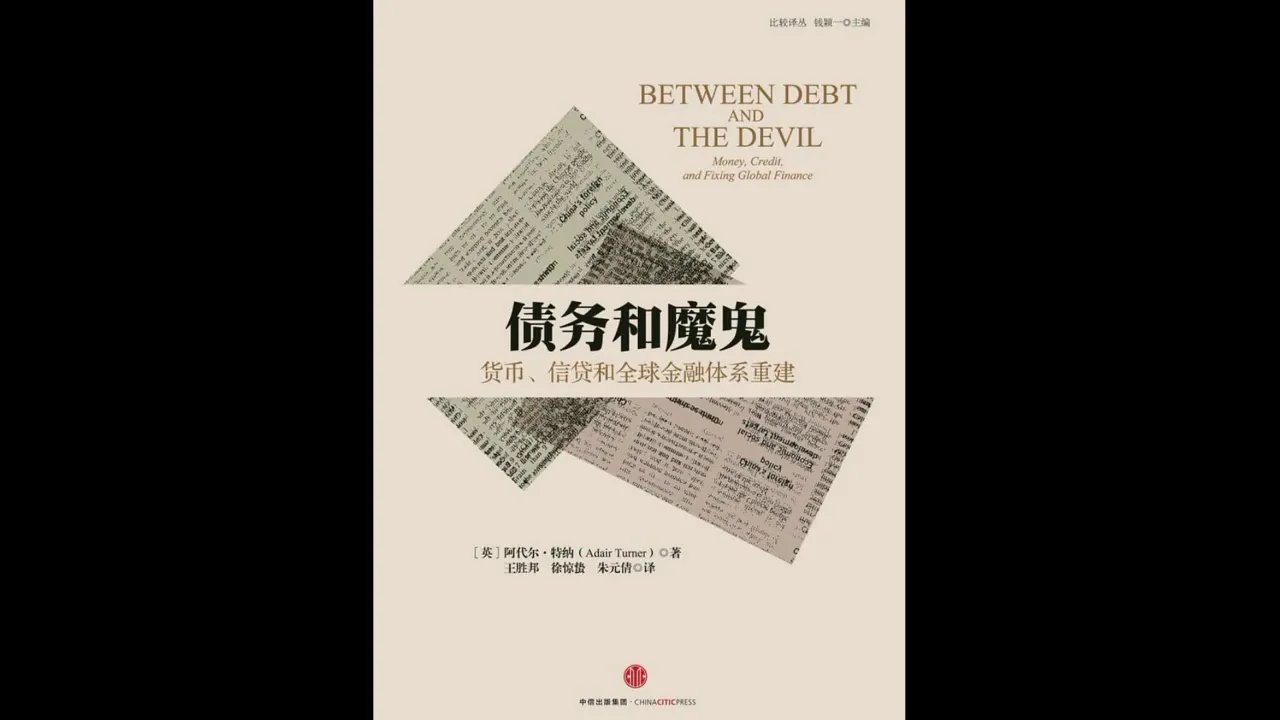
Analysis of Adair Turner's proposals in his book 'Between Debt and the Devil' regarding the systemic dangers of real estate-focused private debt.
5.9K views63likes2:03:21Original Release: 2016-01-27
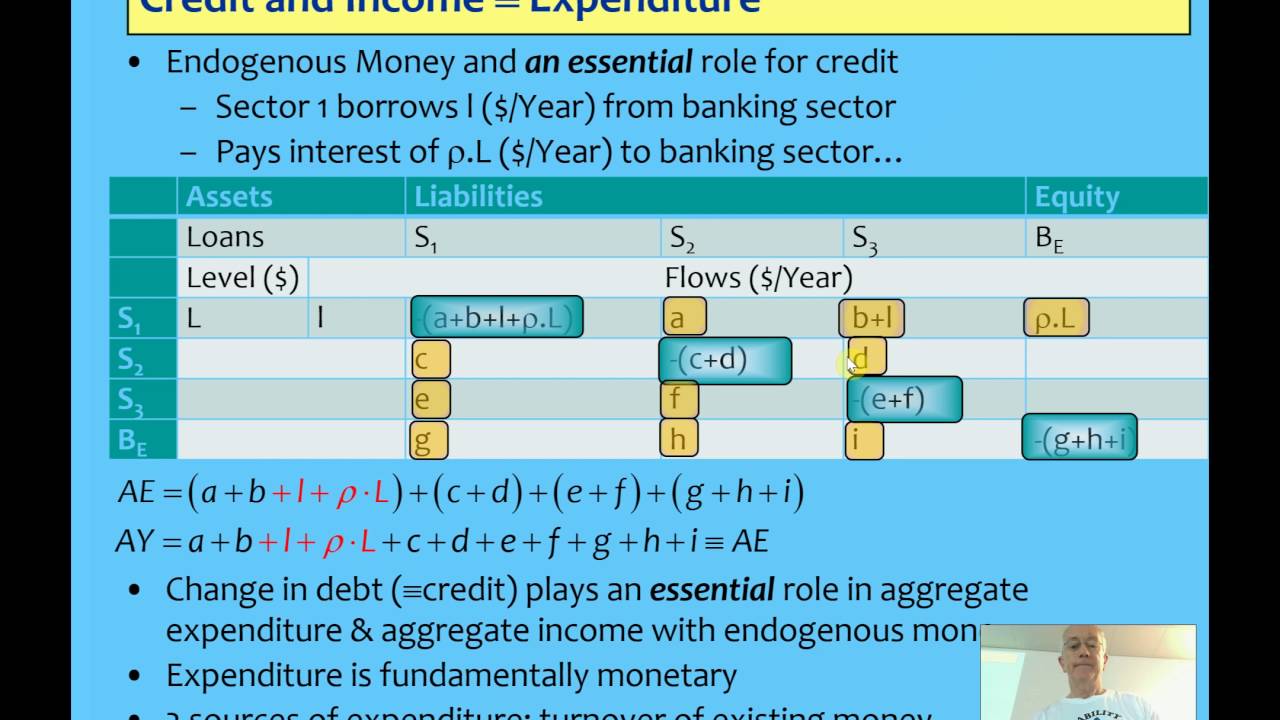
thank you all very much for coming and welcome to this event making money work we're really pleased to see you all I'm Fran boy the executive director of positive money um and I want to start with a proverb that says that the fish is the last to know the water and I wanted to say that because I think it's kind of the same with human beings alive today and money money is all around us it's playing a part in absolutely everything we do but it's quite difficult to pin down what it actually is uh we're in a society where we're swimming in money everything depends on money and quite frankly we're obsessed with money and yet few of us know where it comes from or how it actually works and it's clear that politicians don't know where it comes from either last summer positive money decided to poll some MPS 100 to see well we wanted to gaug their understanding of the money system and only one in 10 knew that when a bank makes a loan it creates money and that when that loan is repaid money disappears 71% of them thought that the bank of England was the sole issuer of new money having said that it's not that much better with economists except for a few uh banking money money credit is all basically ignored in the big models of uh the economy that academ academic economists do um I can quote mvin King who said in 2012 the dominant theoretical modern model of monetary economics lacks an account of financial intermediation so money credit credit and banking Play No meaningful role so positive money really exists because we think a debate about the monetary system about how it works the problems it causes and posses for re possibilities for reform is well over due and we believe that there is a huge potential in Innovations in the monetary system to help support balancing of the the economy um to help Drive sustainable prosperity and to Foster stability in the financial sector over the last few weeks the labor leadership race has provided a forum for some big questions around the future of uh UK's monetary policy to be discussed and obviously that was kicked off by Jeremy Corbin's proposal people's quantitative easing for infrastructure not Banks and although there's been criticisms and confusion around the proposal it's been a big an important step forward in the debate and now we really see Civil Society us our our responsibility to make sure that this debate continues and to also make sure that leaders of all UK parties really consider how the UK monetary system could be made fit for purpose in order to tackle the challenges we face so quite surprisingly there are actually a lot of people interested in this topic so positive money now has over 50,000 supporters we've got 30 local groups across the UK organizing and 22 sister organizations in other countries and recently a Wall Street Journal writer wrote about us we are online and on the fringes of mainstream economic and political life a vibrant subculture of monetary Crusaders is emerging so we're quite pleased with that um we're calling for uh money commission to be set up by the UK's treasury to establish whether the money and credit system is effectively serving the public interest the UK hasn't actually examined how the money and credit system works or maybe some of the problems with it since the 1930s uh which was the McMillan commission so I'm really delighted today to be hosting an event with lorded Turner just as he's finished His Brilliant new book which I have read it's called between death and the devil and he's going to be on a panel with Steve keen and Chris tiles and we're really thankful for them for coming on to the panel quite uh late in the day uh unfortunately Michael kumhof from the bank of England uh couldn't join us there just some miscommunication about his appearance on the panel with the bank of England and Philip kogan from The Economist was diagnosed this morning with bronchitis so rather than coughing and spluttering all over us and potentially giving us all bronchitis then he agreed that he'd stay at home we thought that'd be better for everyone so Chris is the economics editor at the FD and Professor Steve Keane is the head of school at uh of Economics politics and history at Kingston University and importantly he was one of a handful of economists to uh realize that an economic crisis was imminent and publicly warn about it from as early as December 2005 so uh we're going to start with Adair who's going to give us a talk about the dangers of depth fueled growth and monetary financing as a policy tool then we're going to move into a panel discussion and whilst I'm really Keen to hear from all of our experts I also am aware that there's a huge amount of knowledge in this room so with that in mind I'm going to be really tough on timing with that experts because I know they'll want to hear from as many many of you as well so before I introduce Adair I just wanted to show what what Collective knowledge we have in this room by asking you a couple of questions so could you put up your hand if you think there is some risk of a some kind of financial crisis potentially happening again in the coming years almost unanimous and could you put up your hand if you think we should start considering new Innovations in monetary policy again we're nearing un so I hope the experts will see what an Engaged audience we've got and that we really want to hear from you as well so Adair is one of the world's leading economists he became chairman of the Financial Services Authority 5 days after lay Leman Brothers come collapsed since then he's been on a self-described intellectual journey and now he's chair of the Institute of New Economic thinking and he's also one of the directors of uh the Challenger Bank Oak North so if you join me in welcoming him and I'll hand over U thank you Fran it's a great pleasure to work to speak at this uh event organized by positive money because I think positive money is an organization which has rightly focused our attention on some of the really fundamental issues in economics about the nature of money and where purchasing power comes from now I don't actually agree with the extremely radical proposal uh that positive money supports which is to entirely abolish what are called fractional Reserve Banks and only have what are called 100% uh Reserve Banks but I do believe that it is impossible to understand why the 2008 crisis occurred and even more why the recovery from that crisis has been so extraordinarily difficult and slow without addressing those fundamental issues about the nature of debt the nature of credit the nature of money and where purchasing power comes from uh which positive money have encouraged us to think about you are either having your hand or you are sitting upon a uh two slides and if you look at slide one it sets out what I believe is the most fundamental reason why the recovery from the 2008 financial crisis has been slow and difficult and what it shows is that private credit as a percent of GDP credit owned by private households and companies Rose from about 50% of GDP in 1950 to 170% by 2007 on average across all the advanced economies and that Rising leverage which was primarily focused on real estate purpose uh purchase left many households and corporates severely overleveraged when confidence broke and property prices fell and it was that that then Unleashed in 2009 a wave of attempted private sector deleveraging paying back debts which depressed nominal demand and drove economies into recession and that in turn created an environment the environment in which we've been living for the last s years in which that pile of debt doesn't really go away it just shifts around the economy when the economy goes into recession we end up with large public deficits as an inevitable consequence of recession and slow growth and indeed those deficits become essential to help stimulating growth but the resulting increase in public debt as a percent of GDP then makes people think that we better get that under control and pay that back through austerity and that then depresses the economy again you end up with this situation where once you've got the debt it simply seems to shift around and we end up in what is called a debt overhang trap now I think that is the essence of what's been going on across the advanced economies for the last seven years it's an analysis which a very fine Economist called Richard coup in a book called the Holy Grail of Economics described occurred in Japan after 1990 it's an analysis which Atif Manan and Amia Sufi in their book last year House of debt described for the US and I think it is the overall picture of what has been going on in advanced economies but what is striking about precrisis economic Orthodoxy is that it looked at that rise in leverage over 60 years and it really wasn't worried about it at all indeed if you went to what are called the finance theorists at one end of the academic Corridor they were determined to tell us a story of why we needed debt as well as Equity contracts in order to stimulate capital investment but really didn't answer the question at all well okay if you need a bit of debt can there be too much and if you went down the other end of the academic Corridor to what are called the macroeconomists and the people who sit in central banks and design Central Bank policy they had gravity ated to the thesis that as long as we achieved low and stable inflation they really didn't have to worry about the details of what was going on in the financial system at all and Fran gave you earlier that extraordinary quote from mvin King that modern macroeconomics lacks an account of the financial system so that Banks and credit Play No meaningful role how on Earth would we expect to have an account of our macroeconomy which tells us how it it's going to work if it has excluded from consideration uh the financial system those assumptions were based upon what I think was a huge intellectual mistake and at the core of that mistake was a wrong assumption about what banks do if you pick up almost any undergraduate textbook and to the extent that it describes banks at all and actually undergraduate Tex books don't Focus much on banks compared with what they did 30 years ago to the extent that they do it all it will say something like Banks take money from depositors and lend it to businesses or entrepreneurs thus allocating savings between alternative capital investment projects unfortunately as a description of what banks do in modern advanced economies that is an almost mythical description first because Banks don't just take pre-existing money and lend it on as said as positive money have increas have argued as indeed the bank of England in a fine article in the quoty bulletin last year set out Banks create credit which are Bank assets and matching money or other bank liabilities which did not previously exist and through what's called maturity transformation which is that the loans are longer tenor than the deposits that effectively creates purchasing power in the economy now what is interesting is that lots of early 20th century economists whom you might think of of different sides of the ideological divide so I'm talking about Friedrich Von hyek quite as much as John Maynard KES spent a lot of time thinking about that money creation process but from about mid-century and certainly from about the 60s and 70s it largely disappeared that focus on what is money and what it does largely disappears from Modern mainstream macroeconomics and that was dangerous because if banks can create purchasing power it matters a lot how much they create and to whom that purchasing power is allocated now clearly if they create too much purchasing power that might lead to excessive inflation and a very fine Swedish Economist called Kut vixel in a book called interest and prices spent a lot of time thinking about well how do we stop Banks creating so much credit that produces excessive inflation but in the Years running up to the crisis of 2008 we had low and stable inflation so that seemed to justify the predominant macroeconomic belief that we didn't really need to worry about that growth of Leverage growth of credit on the asset side and money on the liability side but that turned out also to be wrong and one of the reasons why it turned out to be wrong is the other thing which was wrong with that description of what banks do banks lend money the textbooks say to entrepreneurs stroke businesses to fund new capital investment actually if you look at what banks and advanced economies do and in the US what the capital markets do in terms of credit about 85% of the credit extended has nothing to do with new capital investment but essentially funds either an increase in consumption or above all a competition between ourselves for the ownership of real estate assets that already exist that is the core of what banks do uh in modern uh economies and as a result inflation targeting is insufficient to ensure financial and macroeconomic instability and public policy has to seek to constrain manage or influence both the total quantity of private credit created and its allocation between alternative uses but should we go beyond that trying to influence and constrain what banks do and have a more radical approach approach many of the economists who observed the Havoc created by private credit creation and subsequent deleveraging in the 1920s and 30s argued that we should and it was they who initially argued in the Chicago plan that we ought to actually get rid of fractional Reserve Banks a man called Henry Simons said that the trouble is that in the very nature of the system banks will flood the economy with money and money substitutes during booms and perpetu create futile efforts at General liquidation thereafter producing recessions so he and Irving fiser and various other economists Frank Knight proposed that we should abolish frankal Reserve Banks and instead have 100% Reserve Banks where all of the deposits are matched by Reserves at the central bank and where therefore there isn't what is called a money multiplier because the money supply is the monetary base which ultimately central banks uh create and it's actually quite striking that they said this and actually Milton Friedman also said this in an article in 1948 because what is striking is not just how radical that is but who was saying it because Milton Friedman Henry Simons and Irving Fischer in all other aspects of their economics were extreme free market liberals who believed that you should basically leave markets to the private sector and good results would come about but they believed that banking was so radic Aly different because it creates money and purchasing power that those free market approaches applicable in the market for restaurants or the market for cars simply shouldn't exist in the market for banks and money so should we abolish fractional Reserve Banks and instead move to 100% Reserve Banks well I don't actually think we should because I think there is a role for the private sector creation of credit and money and purchasing power which to a degree imperfectly but nevertheless to a degree might under some conditions be disciplined by market disciplines and we can come back to that later of why I disagree on the radical position but I do believe that if we are to continue with fractional Reserve Banks I think the fraction the extent to which they hold their deposits in monetary base should be much much larger than it is today I believe we should have far far less leveraged Banks which have to have far more capital and which have to hold far more of their deposits in reserves at the Central Bank my argument is don't get rid of fractional Reserve Banks but make the fraction much much bigger but the impact of that will be less debt in the real economy less credit to the real economy but that of course raises a question how in such a system to achieve adequate nominal demand growth before the crisis of 2008 in order to achieve adequate nominal demand growth we relied on private credit creation and the essence of what was going on is set out in the second slide that you have in front of you what that says is that you can think about what was going on in advanced economies before the crisis as being this private credit as a percent of GDP was on average growing at about 15% per anom nominal GDP was growing at about 5% per anom and it seemed that we needed 15% private credit growth in order to keep nominal GDP growing at 5% perom that 5% seemed a pretty good result because it combined sort two 2 and a half% growth with 2 2 and a half% inflation and the central banks patted themselves on the bat and said very well achieved but the trouble is it was only achieved with 15% private credit growth and if you have 15% private credit growth grow and 5% nominal GDP growth in perpetuity eventually the system will blow up in formal terms it is a system without an equilibrium so is there a more stable and sustainable way to stimulate nominal demand growth well those mid 20th century radicals thought that there was and the way they proposed they had to propose given that they handed up proposing 100% Reserve Banks because once you've got 100% Reserve Banks you can only stimulate nominal demand growth by increasing the monetary base and that ultimately means that you have got to create Some central bank money to finance some fiscal deficits and let's be clear who said it most clearly not some mad left-wing socialist inflationist but Milton Friedman who in 1948 said the chief function of the monetary Authority Under the scheme I am proposing would be the creation of money to meet government deficits or the retirement of money when the government has a surplus so a series of people who belied very strongly in sound money and low inflation as I do believe that there were some circumstances in which it was appropriate for governments to create money to finance fiscal deficits what is called helicopter money so should we do that the crucial thing that I want to say is that in assessing whether we should do helicopter money under some circumstances or what I call overt permanent monetary Finance of an increased fiscal deficit I think you crucially have to distinguish between what I call the technical arguments and the political economy arguments I believe that there are no reasons whatsoever why it is technically impossible to do helicopter money and no reasons whatsoever why that will necessarily lead to excessive inflation because essentially the impact depends crucially on how much you do if you do a small amount you will stimulate nominal demand to a small extent if you go out and fund permanently say a fiscal deficit of 10% with money yes you will create hyperinflation which will destroy the economy it depends on how much you do that is actually quite easy intuitively to understand if we were operating an environment where the only money was paper money right and there wasn't bank money the more you printed the bigger the effect but it also turns out to be the case in an environment with with fractional Reserve Banks where it's all a bit more complicated because what the central bank and the government together do is create what's called monetary base and there's a monetary multiplier now I'm not going to have time today to explain why even in the situations where you have fractional Reserve Banks I am still confident that we can under some circumstances use overt money Finance without producing excessive inflation but that's just as well because I have to leave you with some reasons to buy and read the book where it is explained but I want to Simply assert that I am absolutely convinced that there is no technical reason whatsoever why overt money Finance cannot be used to stimulate aggregate demand and no technical reason why the extent of that stimulus should not be calibrated to an appropriate level and all of the supposed arguments of technical impossibility which I have encountered simply dissolve on closer inspection if there exist circumstances in which it is desirable to stimulate nominal demand and back in 2009 everybody was agreed that those circumstances exist then we should consider overt monetary Finance as available tool to be compared with the other tools such as Ultra loose interest rates and standard QE maintained for many years or debt financed uh interest rates and I believe that there are some circumstances in which overt money Finance is also Superior to those other tools of either debt Finance deficits or of long-term uh continuous ultral loose monetary policy and again I won't go through those arguments I'm happy to deal with them in questions but they again are set out in the books but what is striking is how difficult it is to persuade even many fine economists of what I think is a technically absolutely robust case and that I have come to believe reflects the fact that many people do not want to believe that overt money Finance is technically feasible and for a very very good reason for once we accept that overt money Finance is technically feasible and potentially un some circumstances desirable once we break what is a taboo against its use we Face very severe political economy risks for while it is undoubtedly possible to use overt permanent money Finance in appropriately moderate amounts to avoid deflation and stimulate the economy for instance that is what the Japanese Finance Minister Takahashi kakio did in the early 1930s he's known as the uh the Japanese canes it is also obvious that we can print money in excess as we know from viar Germany on modern day Zimbabwe and the problem is once you've said this is possible why wouldn't politicians want to do it all the time in order to win elections or to satisfy their constituencies and why wouldn't they allocate the money created to their favored uh political regions or their favored and potentially inefficient projects so the crucial issue on overt money Finance is not the technical feasibility but the political economy of its use the crucial question is whether we can construct credible constraints of rules and institutional responsibilities which will ensure that politicians do not create money and purchasing power in excessive quantities nor allocate the new purchasing power created in inefficient and politically biased ways in principle I believe it should be possible to construct such constraints and I think the most obvious way to achieve that would be to build on the system of Central Bank Independence and of explicit inflation targets it could for instance be possible to give the monetary policy of the bank of England the authority to determine what quantity of overt money Finance would be compatible with achieving the inflation Target and a monetary policy committee which had been equipped with such Authority might well I believe in 2009 have determined for instance that 35 billion of overt and permanent money Finance of increased fiscal expenditure might have been a more effective mechanism to stimulate aggregate nominal demand 370 billion of supposedly temporary QE now other mechanisms might also be possible but the essential point is clear the key issues here are political not Technical and we should only take overt money Finance out of the taboo box and use it to stimulate aggregate demand if we are confident that we have a robust mechanism to prevent its misuse and I think those mechanisms must be based on rules and clearly defined independent authorities broad promises that a politician would only do a sensible amount or would promise in future to cut off the Taps once some rather vague Concepts such as full employment had been achieved I don't think would be sufficient disciplines equally however we should recognize that if we do leave overt money Finance in the to-do box that also creates severe dangers because it leaves us reli rying on private credit growth to ensure adequate nominal demand and on pretty much permanent ultr low interest rates and QE to stimulate that credit growth in essence and in conclusion I think we have two mechanisms by which to ensure growth in aggregate nominal demand they are first states can create nominal demand via fiscal stimulus funded with Fiat money creation second fractional Reserve Banks can create nominal demand via maturity transformation and credit and money creation both mechanisms are potentially very dangerous states politicians subject to political pressures May create too much money or allocate it badly and the private banking sector if unconstrained by public policy May create too much private credit too much leverage and allocate that private credit badly we Face a balance of d es not Perfection on one side and inevitable petion on the other states fail and markets fail an optimal policy requires us to strike a balance I believe that before the crisis we were far far too relaxed about private money creation and that in the aftermath of the crisis we have been too terrified of the potential role of constrained and moderate overt money Finance but there are severe risks on either side which is why my book is entitled between debt and the devil thank you very much thank you de that was brilliant um before I forget because I forgot before we have got a hashtag which is making money work and it should be on the sheets in front of you so if you want to tweet please do and I'll try and pick up some questions from there but preferably from you directly okay so I want to start by uh going back to talking about uh one of the main myths that positive is challenging which is that banks are these neutral intermediaries between Savers and borrowers uh when in fact they create money every time they make a loan and the vast majority of new loans go into property and financial markets so Steve you notoriously had a public debate with Paul Krugman about the importance of banks creating money and since the financial crisis there has been a number of Publications including the One D mentioned by the bank of England last March uh which highlighted that the mainstream understanding of money creation is wrong so are you sensing that there's a shift on this issue among economists um there's what much such a shift with the group that was a minority and not listened to beforehand which is the largely the post Keynesian school of thought and their focus on endogenous money right from the days of Basil Mo back in the 1980s that's now become more obvious but in terms of the mainstream they're trying to fit money into the framework in exactly the same way they fit everything else which is they're adding what they call frictions now any of you who know don't know what I mean by frictions think Tomy epic Cycles okay they've got a model of astronomy with the with the Earth center of the universe and the planets and the Sun and the orbiting us and they can't explain why wanted the planets suddenly through a meteor so they throw an extra epicycle in there so that's what they're doing they really are not trying to break away from seeing them as a source of frictions that slow things down not speed things up and they're also not escaping from seeing them as intermediaries the real problem they have with once you see the banks actually create money as a dare said in his talk they also create demand and when you look at total demand and the economy and total income is not just the turnover of existing money it's that plus new money and new debt which when it's created we then spend so the huge volatility we see in the economy comes out of the volatility and that change in debt now as soon as you allow for that you're in a non- equilibrium system and mainstream economists don't know which Universe they're in little on which planet they're on and you're a specialist in modeling himman Minsky's Financial instability hypothesis but hasn't Minsky become more famous now after everyone's been talked about the Minsky moment and has that not helped at all in it's helped a bit but a good mate of mine Rod o Donnell who's specialist history of economic thought on canes I made a wonderful comment once at a conference I was at saying telling a mainstream economist look please stop reading canes okay reason being you read it you see something that totally isn't there uh it's it's like I don't I don't know it's like having a uh somebody reading Enid blighton from a totally different culture and occupation and they see naughty as something quite dangerous it's they simply can't understand it so the the the great when you see what what Janet Yen called her inter interpretation of Minsky or like Krugman back to Krugman again his paper with idson supposedly about a cou Minsky Fisher model as I said and this where our fight began I said I can't see Minsky in what Krugman has written and that's the trouble what they do is they take an idea which is completely foreign to their way of thinking and they if those of you who know Star Trek they do a b to it they assimilate and by assimilating they destroy what's unique about that idea so the great danger is you really can't rely upon this lot it's again my I love the analogy George Cooper has in his book money blood and Revolution which I recommend for those of you haven't read it by the way very good book George makes the analogy that there's no way that a toake astronomer could include CO cernus as insights into their model because you cannot make the Earth as center of the universe and the Sun at the same time but that's what happens when the Tomic astronomer tries to assimilate cernus and that's what happens when a mainstream Economist tries to assimilate Minsky great does a request do you want to pick up on any of those points it's very interesting you've had the debate with Paul Krugman and I've had that debate with him uh as well was he as polite to you as he was to me no I maybe maybe a bit more polite I don't know but um it's interesting that the uh inability or unwillingness to accept the endogenous role of money creation is actually shared both by uh the rational expectations efficient market modern U sort of neoclassical economics um and by people who are very strongly attached to the postwar formalization of canes in an islm framework I mean Paul is very close to asserting that you can understand the entire world in an ilsm framework of course and and I think he's and I think he's he's wrong and I've had that debate hick well it comes out of hicks um and and even very clever people actually did argue that Banks don't create money one of the cleverest people who said that was James Tobin on on the whole I I think he's a very fine Economist but the bit where he said that he's wrong and you can set out the the mechanism why he was wrong I also agree with you very much and I hadn't thought about it that that article uh by um Paul Krugman and gouty edidon which is called a Minsky Fisher hypothesis I think it is legitimately a coup Fisher hypothesis but I I don't think it has much Minsky in it uh which is why it's sort of two-thirds right but not quite all the way there even there Irving Fisher based his analysis on rejecting equilibrium so I think it's only one3 okay [Music] I'd just like to I think my role on the panel here is to be slightly skeptical about uh some of this and I'm just going be skeptical about two things um just now before we come on to some of the other other issues one is that I think I don't disagree that money is important in the economy I don't in any way want to associate myself with people who say it has no effect whatsoever but we mustn't also think it has the only effect on the economy it isn't the only driver of demand and Ada dare if he says that in the pre-crisis period you needed to have 10 to 15% private credit growth to get nominal GDP growth of four to 5% you would then have to explain why we're not having that credit growth now and we do have that nominal GDP growth now so you know there there are other things that affect the economy as well as money actually I'll leave it there for now you can move on great I'm going to ask you another question if that's okay so the bank of England is is now charged with targeting inflation as well as maintaining Financial stability I there talked a bit about this how it's not really possible to do both with only one tool which they've got which is interest rates so don't you think it's time to start considering new ideas new policies such as monetary financing or even Jeremy Corbin's people's QE well I'd absolutely say we should never rule anything out and it is absolutely also the face that we needed whatever tools we could throw at the economy in 2009 whatever form of demand stimulus we had but I would say that you know we can easily sometimes confuse ourselves Adair makes a very very clear distinction between the quantitative easing that the bank of England introduced in 2009 and overt monetary financing I don't see it as that that different really I agree with it we might never get rid of the money we created uh in which case it is over monary financing it's just expost we we only know about it after the fact uh and we did need 375 billion pounds which allowed us to run fiscal deficits Public Finance deficits much larger than we otherwise would have been able to do and you can quite easily see QE that the bank of England did in those terms so we should absolutely not rule anything anything out we can look at uh people's quantitative easing I I think it's a rather a a mess of a policy because it's one of the these policies that feels in some ways magic that you you get marvelous outcomes uh for it doesn't cost anyone anything uh and the problem with it is is because it's merging too many things there's a sort of a QE element which is the money creation by the by the authorities and an infrastructure element which you can separate and an investment Bank element which depending on how you see it or not is also entirely separable uh from the other things you can put them into their own boxes but we should look at all policies that affect the economy the reason we had such high private credit growth You could argue before the crisis is our planning policy that that created the house prices that went very very high which created the need for mortgages to rise so we have lots and lots of tools at our disposal and I think we need to be aware that it isn't just interest rates the bank of England would now if if if it was the bank of England person sitting here he or she would say well we've got uh we've got macroed dential policy now we can we can affect essentially how much banks are allowed to lend directly and that's also something very untested but well worth looking at and where de is exactly right is that we need to be aware much more about what's going on in the economy then just looking at inflation and if it's roughly too seg everything's fine we do need to be more aware because we know it blew up in our face in the crisis can I pick up uh Chris's Point as to whether overt money Finance is different from QE and Chris is absolutely right that it is possible that QE could post facto turn out to be monetary finance and indeed there is one country in the world where I will bet a large amount of money that that will turn out to be the case the bank of Japan now owns about 60% of GDP going up at about 2 or 3% per month of Japanese government bonds and I think anybody who thinks that the Japanese government bonds are going to be repaid in the normal sense of the word repay which is that the Japanese government is going to switch from a primary deficit to a primary Surplus and is going to pay back those bonds or anybody who thinks that the Japanese the bank of Japan is at some stage going to sell those bonds off its balance sheet just is not looking at the mathematics it's not going to occur uh it will turn out postao to be a helicopter money they ignored Ben banki when he said they should do it in 2003 but postao this is going to end up as a permanent monetization of Japanese government de so I mean the good thing is there I'm just betting you that as a sort of positive statement not a normative statement you know we don't need to debate whether it's good thing or bad I'm just telling you uh that is going to occur and I'll take a bet on that now however I still think that there is a difference so Suppose there is an environment in 2009 where the government runs a fiscal deficit of say 4% of GDP and does 350 billion of QE which it asserts at the time is going to be reversed at some future date or suppose it instead says no I'm not going to do 350 billion of supposedly revers QE I am going to do a 5% fiscal deficit of which the last 1% was financed by money creation which I am Telling You ADV in advance is going to be permanent I think it is reasonable to say that those would have different effects and I think there is also an importance in signaling now signaling can never be perfect it's quite possible for a central bank to say that it is doing temporary QE and for that to turn out postao to be permanent it is also quite possible for a central bank to say that it has permanently created money but to come back five years later and to suck the money back out of the of the economy so these signaling mechanisms are not absolute but I don't think they're they're nothing I think the intent of the policy can still have an effect but can I also just comment on the point you made Fran about the bank of England only having one tool now the bank of England actually has two sets of tools but what I think is interesting is that the philosophy at the moment is that they are supposed to be achieving two different things we're meant to be using interest rates in Q including QE to influence the long end of the yield curve to hit the inflation Target and everything to do with macroeconomic stability and at least as legally defined the financial policy committee is meant to use things like uh loan to ratios Bank Capital requirements to make sure that the financial system is safe it's not meant to be using those to manage the macroeconomic demand but actually if you look at what the bank of England has ended up doing it has already started muddying that story when it introduced the limits there were St mild limits on high LTI lending last year the argument that they put forward was definitively not something about the financial stability of the banks the solvency of banks it was about the consequences of asset and credit cycles for macroeconomic demand and in its liquidity provision uh if you look at uh the uh uh funding for Lending scheme the bank of England has crossed an extraordinary Rubicon which it has decided that it will provide liquidity to the banks specifying where it wants that liquidity to be used because it quite overtly says this liquidity is to be used for SN lending and not for Residential Mortgage Finance now if you'd have said five years ago that the bank of England should have policies which favor one category of lending across another against another they'd have said we'll never do that all our policy tools are completely neutral we pull the interest rate but we have no uh interest in the allocation of credit but faced with the reality of the current situation they have already changed and my argument is that those developments which we are seeing there will turn out not to be simply things that they had to do in exceptional circumstances and then we'll eventually get back to business as normal with the FPC doing pure Financial stability and the MPC doing inflation just through the interest rate I think these are signs of the way the world will be and has to be thank you did you want to comment at all on that steeve I say one thing I want to see the bank add this is general for central banks globally they have to include the ratio of private debt to GDP is another Target and not let it get out of control um I my rough ball Parker where I think private debt should be should be of the order of 50% of GDP it's about as as that chart shows about 180% of GDP now on the reason why that's so dangerous when you get that level of of debt a slow down in the rate of growth of that is enough to cause a crisis which is exactly what's happening in China right now debt grows from 8 100% of GDP to 180% over about 5 years growing as fast as 35% of GDP in any one year if that slows down to the same rate of growth of nominal GDP that actually cause a decline in demand and that's why we've got to Target it and that's why I actually argue in favor of using the capacity of the central bank to create money to actually cancel private debt in the form of a modern debt Jubilee thank so you already picked up on the fact um that monetary financing you see as technically possible and that there's a a big kind of political economy question around how it would actually be implemented and that's kind of because what it does is blur the boundaries between monetary and fiscal policy which have H in the last kind of 20 years at least been seen as needing to be completely separate but as youve just talked about we've already had uh in you know the last few years schemes like funding the funding for Lending helped to buy and QE which already has started to to blur these boundaries so is it time that we kind of uh start openly admitting and talking about the fact that the treasury and the Central Bank need to work together in order to maintain uh Financial stability well any want to say that interestingly I'm just trying to find it uh in the book um when Ben banki uh proposed in 2003 to the Japanese that they faced such a severe problem of debt overhang and that as a result they should consider uh helicopter uh money he actually had and I know the quotes in here fromwhere but I can't immediately find it he OB oberved that this would necessarily uh require some degree of coordination uh between uh the treasury the Ministry of Finance uh and the uh Bank of Japan uh but he also commented that such coordination should not necessarily be seen as uh uh a uh an impediment of Central Bank Independence actually found it now under some circumstances greater cooperation for a time between the central bank and the fiscal authorities is in no way inconsistent with the independence of the central bank so that is Ben banki uh again you know not a crazy um in uh 2003 what is the nature of the coordination that's required to me the crucial thing is that if one is going to ever use overt money Finance the absolute control over the quantity which is allowable has to be reside in an independent Central Bank which I think is best Guided by an inflation Target I think that is the best way to make sure that the tool is not misused but an independent Central Bank cannot possibly be the one that decides whether the stimulus is going to take the form of a tax cut and whether that tax cut is going to be proportional or the same for each person or whether it's going to be an increase in public expenditure that is a decision which is necessarily a political decision and I think that is essentially what Ben banki is saying in that quote that if you ever use overt money Finance the specific way in which you use it has to be something where there is a significant role for the treasury but you would probably want to locate the decision on how much is appropriate and how much would usefully stimulate the economy versus overstimulate the economy you probably want to locate that I believe in an independent Central Bank thank you um Chris or Steve do you want to comment on this blurring of fiscal and monetary policy yes I I think it was we we made a mistake before the crisis thinking it was very easy that essentially demand management the control of the ups and down of the economy we could pass over to the central bank but all other sides of fiscal policy balancing the budget or or running a prudent public finances we could do uh through a democratic process and we found in the crisis ultimately that that was very difficult and when you have a really severe demand problem it is very difficult because the two policies begin to merge and if you had over monetary Finance you clearly um have to have them uh working together in some form or other so I think if this is one of the reasons why uh using monetary Finance as a demand management tool is rather difficult in any time other than a crisis because you it's quite nice to be able to separate demand management generally from the political process because we know from quite bitter experience that politicians aren't actually very good at doing the demand management role and that is quite a quite a good thing to hand over to technocrats uh if we're going to do it in a in normal times again i' agree with Adair it's perfectly possible it be better if the bank of England decided on the amount I agree with him there the technicalities of this would get very difficult because if you were to take a Jeremy Corbin view of the world I I'll do this because it's very public and he says um we've got to spend any money we print on public infrastructure proposals this is that's the equivalent of saying that a dare were he on the were he the technocrat at the bank of England would be saying that they were going to stop the diggers on hs2 or some other infrastructure program at the moment they think demand is too high in the economy so you it's really something that it's it's a bit like hypothecation of taxes quite often it's either not hypothecated or this this link wouldn't be actually uh there wouldn't be a link between money creation and infrastructure because it if there was then it'd be really a bad thing to do because you wouldn't want your infrastructure determined by when the Central Bank decided there was or too much or too little demand in the economy so you've got to be very very careful about those tools if it's just about putting money into people's bank accounts or not it's perfectly reasonable but you need to be very careful about whether it's One bank account per household if people took out 25 bank accounts would they get1 each there are some very difficult public policy issues so outside of slump I would still be very cautious about using over monetary Finance as a public policy tool i d mentioned having an inflation Target is the main thing the bank should have I don't think that's enough I think what we learn after the financial crisis and this is in's lesson again is financial fragility as well is the other issue and you measure that fragility by the degree of private leverage and the rate of grow which it's growing so got to go beyond just the inflation Target but again you do need to have technocrats there the technocrats have to know what they're talking about on that front I've got to say the bank of England stands out as one where it does I'm really quite impressed with what the bank is doing now on the openness they've got uh far more so than say the Federal Reserve which is still a closed shop a neoc classical closed shop so there's openness there and the technocrats here are more likely to make sensible decisions the trouble is at the same time we have political class that believes they should be running the Surplus now that is equivalent to Banks believing they should take in more in repayments every year than they make out in loans the end game of which is there's no money in the economy whatsoever so we need to have technocrats and politicians realizing the government should be running a deficit should be uh money creation financing a large part of that as a sustained part of policy because a growing economy needs a growing money supply and both the private sector and the government should be producing that otherwise we get the sort of private debt overhang crisis we've had we've been through already once already we we have a a change in mindset not just amongst the technocrats who need to get build a non-equilibrium monetary aware view of how the economy operates we also need politicians to change how they think they should behave because at the moment the the the toughest thing one politician can say to another is my Surplus is bigger than your Surplus can I just go back to a point Steve made early completely agree with the fact that we have to pay attention to the aggregate amount of private credit within the economy I think this is a very difficult thing because once you say that you end up saying well how much is too much um and we know I mean I also think one needs to not have too much public debt within the economy but we know that having asserted that Ken rof and K and Reinhard said well the optimal was the maximum you wanted about 80 or 90% And then Warfare broke out about their precise figures and you know this thing is these things are never precise uh results but I do think that what has happened what happened in the new regulations that we introduced on banks What's called the counter cyclical Capital requirement within Basel 3 took us a tiny step but an insufficient step towards that CU what we said was we want to constrain the growth of credit when it is above Trend but that implies that if it's growing at 15% and always has been growing at 15% that's fine but if it's growing at 15% nominal GDP is growing at 5% you will have more and more credits and I think there is now an emerging body of economic theory which is getting to grips with how much private debt is too much I think it's very early days in terms of the empirics of that there is a paper by Steve chetti and anise karubi the bis two years ago there was a very interesting paper put up by the oecd this year fundamentally saying that the relationship between increased private sector debt as a percent of GDP and the efficiency of the economy is not linear and Limitless it's not more leverage is better it's an inverse you I it's better to have 50% private credit credit as percent of GDP than 10% and a country like India could do with some more private credit but beyond a point it it turns negative the difficulty is we don't know where that we we know for pretty sure that there is a turning point but we don't know where it is but that is a vitally important growing area of I think of economic science which people are beginning to get to grimith can I also just go back to something Chris said where he said and quite rightly picking up my slide two um well you know we are now growing the economy without private credit growing faster than GDP but what I think is going on there Chris is we're going through a series of phases before the crisis we were growing private credit faster than GDP for the last seven years we've slightly delage the private sector but public debt has gone up even more so if you add private and public together total leverage has gone up and if you take the OB forecasts looking forward over the next five years be wrong for the last five years yeah I I know they are occasionally wrong uh they say as we get public debt under control we will only grow the economy by increasing private debt so that we end up with even higher leverage in 2020 uh than we had in 2007 so I think there is a sort of one of the reasons why we've kept growing over the last um seven years despite some private deleveraging is precisely because there has been public leveraging the other point which is very clear in my book is I basically say it seemed as if we needed 15% uh credit growth to grow nominal GDP by 5% but then I argue that we didn't really need it and that actually relates to some of your points about the housing market and the fact that a huge amount of this credit is not credit extended to finance what Richard verer calls GDP transactions it is essentially credit extended to finance the purchase of assets that already uh exist and for that reason it's it's it's a growth of credit which creates a vulnerability to a debt overhang and a deflation but it is not essential to the growth of the economy in the upspring really quick question so if the obr is kind of predicting that we're going to see uh household debt really high around 2020 I think they're saying it's going to be higher than pre-crisis levels and that we are Rel leveraging Banks and household debt then whose role is it to be watching that private debt is it the treasury is it the central bank is it both because it kind of seems like these statistics which you know are saying we're heading for another amount of financial instability aren't really getting out there into the political and public Consciousness uh it's both very clearly um it's it's certainly the bank of England's role partly because of uh credential bank they have to they have to make sure Banks don't get themselves into into a Mess by over lending but it's also the treasury's role because they have many more tools at their disposal things like all the government as a as a whole planning policy all these things that can matter for the reason people are demanding credit themselves because credit isn't only foed on people by Banks but it's also people want credit I just bought a house in the last couple of months and I took out a very big loan which is much bigger than the loan the people we bought the house off and that was because house prices are so high not because uh the banks were chucking credit at me it was there could be a correlation there could be a correlation that's housing prices are so high because the banks no well housing prices are so high because we don't build enough fundamentally um Japan Japan controversial okay let's continue leave causes rising asset prices period the statistics are overwhelming on that on that front in both directions yeah but the you can't you can't you simply can't separate you can't separate but you can suddenly say which ones lead and the the r growth growth of mortgage debts had started in every country on the planet housing the equity in the UK housing stock has been rising and rising and Rising so the B household balance turkeys turkeys have a fantastic time until Thanksgiving um you in 2007 prices didn't really fall the it happened in Japan it happened in Japan it did not happen here it happened in lots of countries and it what's what's what's actually what's prevented is continuing leverage still growing in the countries where it hasn't happened or foreign buying and you're basically getting it down to about four or five countries now it's only a minority where you're still seeing that that growth occurring Canada's now left the party even with Vancouver being pumped up by Chinese buying so you know you can only continue Levering for so long I think we've reached what you can call Peak debt and in that situation it really doesn't matter the the building of houses is is a factor of the supply it's really the the demand factors that are driving it up when they're under overwhelmingly liage driven well I'm going to say they're both right uh my my hypothesis on what goes on on housing is the following I think that on average over time as Society gets Richer there is a limit to the number of washing machines we all want to buy I mean for me it's one I don't necessarily need two washing machines there's a limit to how many clothes you want to buy Etc there are some things in life which display a income elasticity of less than one there are other things where as Society gets richer we observe a very strong income elasticity for instance health care and that is true whether you organize Health Care in a private fashion such as in the US where people vote with their wallet or in a public fashion such as in the UK where we want higher public expenditure everywhere over time healthc care expenditure goes up as percent of GDP I believe that as people reach degrees of satiation in the physical Goods that they can buy one of the things that they will inevitably spend more money on because it is a logical and crucial determinant of their welfare is to compete with one another for the ability to live the nicer parts of town to have you know the more pleasant houses more close to the countryside to stay at the hotel which is close to the beach rather than away from the beach Etc I believe that desire for local locationally specific real estate is a high income elasticity uh form of demand now that then relates to uh Chris's point that if then your supply of locationally desirable real estate is inelastic and constrained then that high demand can only produce a oneway movement in the price so part of what's going on is rooted in real supply and demand but then you get the second factor that the moment people realize that there might be a tendency rooted in real supply and demand for housing and in particular the more desirable housing to go up faster than average earnings then they start treating it as an asset class and they start treating it an asset class either because they buy two or three houses and do buy to or even people who don't do that implicitly treat it as an asset class when they say I wouldn't normally buy a house yet but I'm going to buy a house now because otherwise I'll be left out of the house price appreciation that is an owner occupier treating it as an asset class and that's important as well but then you get the third Factor which is that seen from a bank point of view lending against Real Estate whether it be residential real estate or commercial real estate always seems to be the easiest and the safest thing to do because when you lend against a business or a business project you have to make an assessment of the specific cash flows of that specific business whereas when you lend against Real Estate collateral you know that that real estate collateral has many people who could use it many residential people who could live in that house many businesses which could occupy that relatively generic commercial real estate so there is a huge bias for the banking system to head towards lending against Real Estate and that gives a further twist so I think we have a real supply and demand Factor multiplied by the treatment of property as an asset class and multiplied by leverage see that's right yeah and on that point I mean one thing you said earlier in your talk you mentioned how we compete against each other for an asset well that we win by taking out more leverage in that competition we have to change this is we coming back to the nature of lending now as well we have to we can't let Banks do that because we see the crisis lets us get into we have to find a way of redefining what banks do so they we don't find ourselves competing against each other and actually Desiring higher leverage so I can buy the house over over you cuz I take out more debt than you do but also we have to get Banks lending to businesses in a way which is profitable for the B Banks as well because at the moment if a bank lends to entrepreneurs they y own musks of the world four out of the five of them fold the only one they make make money out of one but they make interest on the money they've lent to that one they've lost the princip for the other four so there are issues about what Banks Banks do now which limits what they can do in a creative sense and we have to also change that to make it possible for them to be profitable in ways that are socially desirable at the moment of course they profit on ons that are socially undesirable except for them thanks Steve so there are still clearly many questions around we need some new policy new regulation to stop us having this hugely in unstable Financial system which is driven largely by these asset bubbles especially in real estate um and I mentioned earlier uh the UK hasn't looked at its money and credit system or examined how it operates since the McMillan Commission in the 1930s is it time that we actually that the treasury or Bank of England or I'm not sure which body took the leadership and said actually we need to understand this if we're going to have Financial stability and we we need to actually look at some more regulatory uh regulation and policies well I think it's important for us to continue to debate this and my book is intended as a a fairly radical not quite as radical as positive money but a fairly radical as radical as we can be radical contribution to the debate and what I will say is that I don't think we're out of this crisis um I think we Face some very deep deflationary Tendencies across the world in particular and Steve mentioned it earlier uh don't underestimate the impact of what has happened in China China is a key part of this story that once you've got a lot of debt it doesn't go away it just goes somewhere else and then it eventually produces a problem the reason why the Chinese debt soared from there's lots of different ways of measuring it but say from 120% of GDP to about 220% of GDP post 2009 is that the Chinese authorities were terrified that deleveraging in the advanced economies would depress demand for their exports and therefore lead to unemployment which would lead to um social unrest in China to offset that the decline in global demand for their exports they Unleashed an enormous credit boom to finance essentially real estate and infrastructure investment uh driving the level of investment in the economy which was already at an extraordinarily High 40% all the way up to 50% and all debt financed and the net result was for every sort of dollar of you know hardfought deleveraging which was going on in the private sector in the US were many many dollars of up leveraging uh go up in in in China and that increase was you know necessary to help make the global economy uh Balan but that is coming to an end it's coming to an end in in a big way at the moment because China has suddenly realized that that enormous credit Splurge has led to massive overbuilding very significant waste a Relentless decline in what is called the uh the the incremental capital well increase increase in the capital output ratio a decline in the incremental output to Capital ratio as more and more of this investment has been incredibly inefficient they have huge bad debt problems they have a real uh economy problem this is going to slow the real economy down all of which means is you know one level this is the good news for Radicals um we're not about to go back to easy times uh in which we get back to just inflation targeting and 5% interest R this debate is going to go on and on and on as we realize just how deep are the problems we Face from probably a combination of what Ken rof would call a debt overhang and what Larry Summers would call a secular stagnation I think that I think there are both at work and that does mean that whether or not there's you know there's a commission or something like that I'm not sure that that's the way forward I think there is going to be continual debate about this I mean what I believe is that we're going to get to the late 201s 2018 and I'll give another prediction the bank of England and the Federal Reserve are going to incre increase interest rates sometime in the next 6 to eight months 69ine months but in 2018 I doubt whether their interest rates will be higher than two 2 and a half% and in most of the rest of the world in the major central banks I think they'll be exactly where they are at the moment which is zero and in China I think they'll be approaching zero versus the 4% they are at the moment I think we're in very very deeply deflationary times and this debate of why we're in those is going to go on thank you Steve or Chris do you want to comment on I'm not going to make a prediction unlike a D um I will agree with him entirely that it's not going away I don't think a commission is the right thing because even if it came out with a whole bunch of very radical conclusions we might then decide that they're not very good within 6 or 12 months because I think that's the sort of uncertainty we're in so the reason I'm not going to make a prediction is I think adair's view of what 2018 could look like is entirely plausible it could be much worse than he thinks as well but it could also be better and we must remember that sometimes we have upside surprises as well as downside surprises and that's not me predicting there will be one it's just that we could have a world in which our current fears about deflation globally uh don't become realized and we realize it was one of these things we worried about in 2015 and then it's gone away and we're we're back to a more normal world I'm not predicting that's the case but we have to have that as a possibility in our minds or we should be doing the counter measures right away I do think adair's view that interest rates are not going to be high for long I mean that's an entirely consensus view everyone essentially thinks that it's not particularly radical it does show that we're in a in a world that's remarkably different to where we thought we'd be in 2007 and the real reason for that is that we found that we were running an unsustainable economy and we were we thought we'd be a lot richer now than we were when than we are and those are real economy reasons we're not as productive as we thought we would be and that's just unfortunately very bad news for us all I named my website debt deflation.
comom in 2006 for a reason and that is I saw a debt bubble occurring and we're going to be in a deflationary crisis I'm at one with the D except that I don't think you're going to even get to see the rates get anywhere any 1% here because they'll start putting them up as they did back in 1937 in America and Tred to run a budget surplus as well they didn't in 37 in America and unemployment skyrocketed then from 11% to 20 we going to do the same thing because government spending will counteract how bad thing gets to be this time round but any attempt to tighten which is ignoring the level of private leverage will just cause the private sector to go back into de leverage again and we fall back into another slump so I think permanently in that case of a permanent slump now to get out of it we need not just to change in our monetary system we need to change in our mentality about our monetary system so I think in that sense a commission is a good idea it may not work humans are very good at losing good old lessons as you said I'm mentioning people who were on the conser what looked like the conservative side of money back before the Great Depression one thing I was amazed to find uh courtesy of a remarkable undergraduate student in America a couple of years ago is that name you would not normally associate with talking about the dangers of too much credit and bubbles in the financial sector is pagu but Pago book industrial fluctuations has graphs that I next produced 80 years later so you'll find this awareness of money was back there in those days so we can forget these things unfortunately and we need to get this appreciation we cannot model the economy without taking into account bank bank stad money and non-e equilibrium and that's a huge change in the mindset for the economics profession I won't hedge my B I won't take bed on whether that's ever going to happen but we need to start working with the central banks and with the treasuries to get some awareness of the nature of money and then change how we manage it thank you so we've only got one roaming mic so we're going to take three questions in the at a time first of all from this side of the audience then from the middle and then from the other side so there's a lady in the in a red uh coat uh yeah to what extent does the general public need to be informed and um well interested in Innovations in monetary policy like D's omf so that the changes are feasible but also effective thank you another one from over here okay there's a man in a gray jacket yeah wait for the microphone wait for the mic fine thank you um my name is Charles bason I come from Hampshire where're starting a local community bank Hampshire Community Bank now this is a bit of lateral thinking on on your topic of discussion uh it'll be a not for-profit that is the profits will be directed to the local community and it will be aimed The Lending will be aimed at local businesses and local causes and so on local local uh industry uh that's my statement do you think it's a good thing as a as a a foil to the problems that we have of of Highly centralized International banking to bring banking right down to the local level yeah in their purple um uh Mary fee um I wonder if anybody can explain why uh they think it's okay uh to uh given that they were rescued by que to um to continue giving bonuses to the uh these failing businesses which are banks thank you okay so to what extent do the public need to know and understand these issues uh in order to make uh Innovations more feasible any you want to take that oh uh fully I think is the answer they absolutely need to know what technocrats are doing in their name I think one of the big problems before the crisis was that monetary policy with a that the bank of England governor was going around saying it should be boring I we shouldn't be looked at at all that was definitely his view very strongly held uh and it was I think we've learned was a very bad view it shouldn't be boring it's part of our democracy if we're going to give something that powerful over to technocrats we should be informed about it and it should be done in the open thank you and of course the tech should know what they're doing and obviously we've learned after the crisis economists didn't if they were engineers it would be a different story um so yes the public it's vital the public understands this what I normally find is the public actually understands money creation more so than the economics profession person in the public say you know Banks create money by lending money yeah that's fine what's the next topic Economist is that that's that's heresy and they call people like myself in a dare um banking Mystics in fact the economics profession is dominated by what I call B Mystics who believe you can model capitalism as a barter system you know like we're in a New Guinea tribe my apologies we're in New Guinea tribes people who might be here because I always get TI they're more sophisticated than what we think they are and David graver's book confirms that too so the world in which neoc classical economists live as a totally fictional world not even in the same universe wein so the public understands that better but the public at the same time falls for the argument that a government should run a surplus that's a recipe for a future financial crisis if the actually pulls it off and and so the public itself needs to change his thinking about that particular issue and a range of others thanks I think this is really quite a tricky issue about how wide we can expect to be able to spread a deep understanding of some of the issues we've been talking about uh in my book in the preface which is called the crisis that I didn't see coming um I recount the fact that I thought I was quite good at this stuff you know I'd studied economics at Cambridge I'd taught some economics at Cambridge I'd spent my life dealing with private Banks I'd spent a period of time a advising central banks and ministries of Finance in Russia and Eastern Europe in the 1990s you know you know I read the stuff but I didn't see the crisis coming and I I actually found that in order to understand it I had to go back to some stuff that I'd ignored now Steve had been reading this you know the Minsky Etc I didn't really know about Minsky uh I certainly didn't know about Horry I'd read High I hadn't read for Years big cells interest and prices and to me this was an intellectual journey to understand what is going on and you know Steve may be right that people intuitively understand well you know when a bank lends money suddenly there's some money that wasn't there before but as he also says it's very difficult for people to get away [Music] from I'm going to think about the problems of the national economy as if they were problems of the household economy and the household economy must balance it books not spend money you don't have etc etc and the very very essence of what macroeconomics is what macroeconomics is is a realization that the national macro and global economy is not simply multiple household economies added up that that is the the central Insight of macroeconomics that there's something called macroeconomics and indeed something called monetary economics which cannot be reduced to you know uh what Joe siget calls a seed and corn economy uh in which you know you can uh model it uh in terms of physical realities so what can we do well I think at very least we should be educating those people who do economics at University better than we do I think I think economics went down a set of sort of cuer Acts intellectual cuer acts in assuming the rational expectations hypothesis the rational expectations hypothesis is one thing that when you write it down you find it almost impossible to believe that a sensible person could believe it it's it's just clearly wrong uh the efficient market hypothesis clearly disproved by I mean nobody who makes money speculating in the markets believes in the efficient market hypothesis and if they did they'd never get up in the the day and take any positions because they'd know in advance that they couldn't possibly make any money but somehow this entered the core of the the economics faculty in a highly mathematical way now we need maths in economics but one of the dangers of over mathematizing economics is we start making very simplistic assumptions in order as people to say to make the maths tractable right and that is a very dangerous thing to do so I think we probably need to do two things I think we need to teach economics better and we need to make it plain to the general public at very least that economics does not have definitive certain answers which tell you everything it's it's a continual exploration under conditions of uncertainty that's why it's such an interesting discipline and the thing we must not do is propagate a belief under the general public that that we've got all the answers right and that the answers are inflation targeting is going to make it all perfectly and then finally I think we do need to encourage the general public to understand the bits which are intuitively understandable about this which is well okay if private debt grows faster than the national economy every year isn't that going to produce a problem at some stage so I think there are are there's a genuine challenge here but I think there are things that we can do both in the way that we educate undergraduate economics and and maybe people who do a level economics uh and and in the way we talk about the certainty but it ought to really to be the lack of certainty of our economic propositions when we try to explain to the general public what we do and don't know the fact is economics is an uncertain discipline you know it's not as robust as building a bridge and if we if we tell people that we know how economics works in the same way that Engineers can legitimately say I know how to build this bridge and it'll last for 25 years we're lying that's just not the way economics is thank you does anyone want to quickly comment on the local bank and getting resources into local area and bankers bonuses in QE that's I think it's an excellent idea uh because local banks actually have local knowledge and you find this is what we've lost in the in the corporatization of banking in the last 40 years uh I get contacted by all sorts of people who you read my blog and one of them was a person who wrote the software that's used pretty much globally to do credit evaluations 30 seconds after you click on a web form and he said he was so horrified the banks actually bought his own software uh that because he just knew what would actually do and he he knew the algorithms inside there and he was stunned with how many banks took it up because it basically cut out a layer of decision making and made things happen more rapidly and they could cut out an expense layer and improve their profitability but that is the what that leads you to and you have that centralized decision making it's all about collateral backing as Ada was saying earlier you you you lend for Real Estate because even if the person who buys it off you goes bust you get the asset so it it's it's very dangerous because local banks have to know the local area and you therefore provide and Richard Verner makes this point very well about one of the strengths of the German banking system it is still very much local based I got one of my remarkable instances of that once going to a conference in Bon and being invited to stay in a local village with 5,000 people in it and my host took me to a local concert held in a volcanic called there a gorgeous experience walking past an old couple sitting on a bench and he said oh they um they run the major business in the in the town and I said what's that going to be I thought you know maybe liw processing was making satellites the local banking system financed them great the bonuses I'll do the local bank very very quickly I'd say if a local bank will finance successful Ventures which otherwise wouldn't be financed it's obviously obviously a very good idea if a local bank starts financing things locally just because it likes the people and starts not having the government structures that means it actually finances a load of local turkeys it's obviously a bad idea so there are there's a scope for both and you do need to be careful about the governance of and that you don't just say because this is a business that's local it must be a good idea so the bank has to do the due diligence and use the local knowledge that you can't just assume things locally are going to be good in terms of QE going to Bankers bonuses I think we have to be slightly careful that QE didn't recapitalize the banks that was public money that was that was taxpayers we sold guilt to recapitalize RBS and Lloyd's uh QE is actually separate of that so but I'll take your question as should public money if it recapitalize RBS and Lloyds then go into bonuses no I think we we we essentially own these Banks or not Lloyds anymore but RBS we still do and we at the moment have a lot of control over it and should use it thank you okay we're going to take three from the middle um so you can make comments or questions but keep to about a minute so there's Richard with the blue jacket on five weeks ago my name is Richard Murphy and five weeks ago I hadn't heard of or inomics but since then I've been credited with writing it I created people's quantitative easing so you got me to thank for that one too I've got used to saying quantitative in public as well I'm I would like to just to step back a bit I mean this has been really interesting and I have quite a lot of agreement with Adair apart from Central Bank Independence um so if you want to have a summary of where I am pretty much a dare apart from Central Bank Independence but but I want to stand back because we talked about economists here we talked about political economists here uh I think we should talk about politics because actually we do have to involve them in this process I'm not at this point of time a politician um and who knows but I'm not a politician I'm a political Economist but the point is that I think that actually and this is where I know Jeremy Corbin is and I was sitting uh about as close as Colin is to me now to Jeremy Corbin last night um the point is that he's actually looking at what does the economy need he starts with actually we do need to have investment in public infrastructure okay so he isn't starting with money that isn't his first point and he is saying we do need to fund public services and that might result in a deficit and you know what he says that doesn't matter because people want to buy bonds and he is saying he's quite sure that the banking system is actually too powerful and that actually one reason for having people's quantitative easing and even selling bonds at a point of time when there's no apparent need uh to repurchasing bonds from the national Investment Bank at a point when there's no apparent need to do so is simply to say to the banking system we aren't wholly dependent upon you we actually will change the fra fraction by our own choice it might be a small point and I would also make the point that last night he said we don't need to do people's quantitive easing if the economy is booming um we actually could then sell all the bonds that we need so in fact fact it's about choice and that's the fundamental point and which is not in this debate we have been a bit technical in this debate we're looking at money too as being too important money is a tool and in the political process that's vital and that's why politicians have to be the top of the pile they cannot be told how much oft monetary Finance there can be because that is is if to say you can decide how much tax cut there is going to be or not from a banker no that's not democracy we live in a democracy politicians have to make that decision they have to listen to very able technocrats and they might be in the bank of England but please let's not put the bankers in charge can we please have democracy in charge um so should we take Natalie over there with the brown jacket stick with the polit political theme natal benett leader of the green party of England and Wales so I am a politician um I've got a question to direct to the panel that I'm not or two questions really that I'm not necessarily expecting an answer today but I'm going to really ask you to go away and think about and I'm going to focus on Ada there your um The Dilemma slide which focuses on adequate nominal GDP growth and I will point out that we're shortly going to go into the Paris climate talks where we're going to talk about needing to drastically cut our carbon emissions and that's not the only issue this the state of our oceans the state of our soils we are trashing the planet while we're creating a profoundly unworkable economic system and the other point I'd like to throw in here was the issue of inequality and now I'm not going to start a picky debate I promise but I believe that inequality is tackling inequality is part of the answer to tackling the issue of how we live within our environmental limits so here here's my question and again I don't necessarily expect the full answer now but I challenge you to go away and think about what does a money system look like that creates Society where we're globally living within our environmental limits while ensuring that everybody has enough for an adequate quality of life and what does the money system look like to achieve that okay we'll take one one more comment uh man with the red tie okay daniiel thank you very much I'm Daniel waj Kumar from rebuilding Society I I think we're at a really exciting time and I think if we visualize what money can do for us socially it can actually play a massive role in in shaping our our futures I'd like to hear some ideas on like the vision for the future of what QE can can really do for society and for people uh I'd like to share a few of my own I believe that we can drive um a consumptive educational system we're already moving education to be driven by um having to pay fees for universities but actually if everybody's given an allowance to spend on education I think that by making an intrinsic link between what we value in society and connecting that with the consumerism that we already have then we can really um develop our our civilization tremendously you know the same could apply within Healthcare the same could apply um you know we could have a a queen's prize for social justice I think the monarchy could be involved in disseminating helicopter money I've got some really great ideas about where we can go with the future for money creation and money supply I don't think it should be in the hands of the politicians I think it should be independent bodies that administer and are involved in this uh but I but I really am excited about where this can go and would like to see uh some the some of the ideas for the future from the panel as well thank you thank you okay so should we start with where do I want to start Richard Murphy's comments about democracy and the Central Bank not being independent for I don't often agree with Richard Murphy but actually I do agree with him uh on this democracy is in charge Richard if and if and I if democ if politicians want to take monetary policy back from Tech Democrats that's fine if they get elected and they're very clear that's what they want to do I think that's absolutely fine I think you can make quite good arguments as long as you make them very very clearly saying that we think the technocrats have ballsed it up and we can do it much better that is absolutely fine I don't disagree they are in charge at the moment they they are still in charge they've given delegated authority to to the bank of England to take those decisions on behalf of the N of the nation if the bank of England makes a mess of it absolutely you should take it back off them I don't have any disagreement with you and I think you make the case very powerfully that that's what you think and that's a perfectly legitimate argument uh and I have some sympathy for that as well I don't um in terms of what Natalie very quickly um I don't think money creates I don't think there is a monetary system that's going to create a much better environment and much better or more equal Society I don't think money is the solution to this I think traditional public policy are the places you have to look um you want to go you go okay okay um on the politicians in control uh I'm sympathetic both ways but there's a very important political point that ad's partly raised earlier as well certainly democracy should be in control I think you can see the whole EU project as being an attempt by bureaucrats to take economics out of politics and constrain politicians and that's given us the the European Union and the Euro which is a total I could use an Australian expression here but I'll leave it out you can disaster um at the same time if you look at why politicians particularly in in the Anglo-Saxon nations are willing to seed control to the technocrats you've got to look back and see the period of high inflation in the 70s and 80s and politicians were just glad to get it out of their hands and hand it to the technocrats okay you know and let's not forget the fre amp will be principle of politics okay say courageous to send his decision minister to the minister and he'll back right off okay so the politicians are generalists they are not going to be people who are going to be they too easily swayed and they've been swayed by the neoliberal agenda in recent times and that's where this whole belief that people like Jeremy are what they call a sort deficit deniers you know identifying Jeremy's position with being anti-science and this is the other problem as well it is anti-science if you take neoclassical economics as science okay it's not it's about as I mean Tomy had better predictions than these guys have ever managed so it's partly the economists have confused it as well we' got all that mess there and of course don't the capacity to fall back on that ignorance again is still going to be there it's these are complicated issues and like AAR made another point I like as well saying that it's what you teach it economists at University That's essential because economists are generating most of the confusion that leads the public to fall into the Trap of believing they can think about the economy as a household to begin with fundamentally that's what rational expectations and the whole Lucas critique nonsense led to because they take a single individual the so-called representative agent which they Pro didn't exist of course before they used it okay and they scale the entire economy up as a single consumer so largely the mess wherein comes out of the mess in economic which is why the thinking movement is so important it's not a straightforward answer in other words we have a lot of things to try to extricate ourselves out of here thank you let me pick up first of all Richard Murphy's Point uh about democracy and I think Chris has made an important Point ultimately you know we live in a democracy that's what we want to live in and we have to make Democratic uh decisions but Democratic decisions Democrats politicians can sometimes decide that it is useful to create what I call commitment devices uh mechanisms to make sure that you stick to a path even if in that six-month period in that one-year period you'd prefer not to stick to that path now I was chair of the climate committee as well as the FSA the climate change Act is a commitment device it says that having decided that we're going to get an 80% reduction in our carbon emissions by 2050 we set up a set of Legally binding Targets on root to that budgets and we set up an independent body the climate change committee whose job is to tell Parliament and government are we on track for that and if a government was not on track for that and broke the budget then the green groups can bring judicial reviews of the government which are not perfect processes but they are processes which have some power and I think the climate change Act is a brilliant Act of parliament but its specific design is to somewhat limit the discretion of each government month by month six months by six months to make the decisions which appear sensible at that time by placing it under a constraint that we've all agreed is a good idea and Central Bank Independence is the same and let's remember what used to happen before we had Central indep Bank Independence on setting the interest rate we would routinely get reductions in the interest rate the day before the governing parties Party Conference in the autumn in order to make sure that the party members felt good we allowed the interest rate to be used by Chancellor Z jaer as an overt tool of manipulating public uh opinion and steadily over time with a number of other factors we can debate what were the causes of the inflation of 1970s we ended up with inflation of 25% I think it was when I first went to University in 19 74 7576 you know and that inflation at that rate was I think severely harmful uh to the balance of the economy and we only really broke that inflationary element by saying we are going to give to an independent body the ability to set the interest rate now they're going to do it according to a rule which we've told them parliament in the UK said you to hit inflation plus or minus 1% and I think that's a better way to do it than what happened in relation to the ECB where they were told not only that they had to hit price stability but they had to Define what what price stability was I think the Democratic role should be to Define fairly clearly as the climate change act does and as the bank of England act does what the technocrats are to achieve but I think there is a role for commitment devices that give authority to technocrats freely chosen by uh politicians that they are as it were going through a self-denying ordinance that they do not have complete freedom to make decisions uh you know month by month year by year as they want and then just make one comment on on on Natalie's comments I tend to agree with Chris that I would be wary of the belief that there's something in the money system which is going to solve our climate change challenges everybody expects me to say that there are because I've been chairman of the FSA and I've been chairman of the climate change committee they say say well D try put together both sides of your brain and what I tend to say is look I stay sane by keeping them somewhat separate and I think most of the tools by which we achieve the emissions reductions that we should achieve you know do not require changes to the monetary system but I do think the other point that you made is an important one which is inequality I think inequality is probably and there is a very fine paper by Michael kumhof on this can't be with us today but kumhof and Rania set this out there is a reasonable argument that Rising inequality has produced helped produce a situation where the economy then only balances with too much debt again it's a argument brilliantly set out by Ragu Rajan Now The Reserve Bank governor of India in his book for lines essentially the argument is it's a it's a it's a variant of the sort of Keynesian secular stagnation argument but broadly speaking if you have a rising level of INE equality in society richer people will tend to have a lower marginal propensity to consume and a higher marginal propensity to save than poorer people and there will however not necessarily be any matching tendency for investment to go up in line with their savings Desires in which case you will have a deficiency of aggregate nominal demand unless essentially the savings of the rich end up in the borrowing of the middle inome and the poor I think that is part of what is going on and it does imply that in thinking about how to have a more stable macroeconomy we probably can't rely just on anything that central banks do or financial Regulators do we also need at very least to stop the Relentless rise in inequality which has tended to be a feature of the last 20 or 30 Years thank you does anyone what okay is over money financing a way of stopping that um inequality inequality uh no I I I I I think we have a tool for dealing with inequality called progressive taxation um been around for quite some time um on the whole you know I I I I I'm wary of not a addressing that issue head on and believing that there's some magic way where there's a Costless way to do it you know um I mean bluntly you've got to attack me a bit more thanks so does anyone want to comment on the last kind of question what is the best kind of vision that we can hope for that U new Innovations in monetary policy could achieve I might go back to the environmental question inequality as well because actually in my own modeling of msky a direct cause of inequality is rising private debt so addressing the private debt will actually reduce the inqu quality I'm willing to argue that but not a yeah no no I I I think it's a two-way there a two-way tendency there uh but at the same time we have an environmental oversuit as well and we're going to look back on this period and say why the hell are we obsessing about money when we're burning the planet okay that's really the situation we're in I don't include environmental issues in my modeling because it would swamp everything else but I'm working with groups to redo the limits to growth and include finance and the economy in the models that ecological feedback we are going to be we're already using 1.5 renewable planets per year okay if you look at what's called the human ecological footprint so we have to do something about that and the obvious thing is it's not going to be done by anybody for a profit okay it's something which the state's going to need to fund and I mean State globally and more likely countries like China are going to be better equipped to do that than wishy washy democracies like the one we're in um so we do need to have the capacity of the state to to redirect spending and it will be money creation that does it and it'll be we'll worry about money Creation in that situation just as much as worried about it during the second world war which is not one bloody little bit at all okay so that's when you do it of course we going to have as huge increase initially in our carbon impact on the on the planet because to actually go about producing the level of renewable Technologies to reduce our carbon footprint we're going to increase it in the meantime the Investments inevitably going to cause that sort of effect so we have a very complex Miss wein money creation or getting a sensible attitude to the state's capacity to create money and to finance infrastructure building on a grand scale I think is vital and because if we leave it to the private sector we're going to create 60 Med Ys rather than ways to direct uh climate renewal thank you okay so I stand between you and a glass of wine but I think our panelists are happy to take one more round of three questions so the kind of people in the middle at the back so uh Josh with the brown sweater on in the do had his hand up for a while thanks Josh Ryan Collins from the new economics Foundation um we've been talking about avert monetary financing and and these things as if they um techniques you only use in emergency situations um maybe for short periods actually in the postwar period some countries used them for decades um and you had this thing called Financial repression where interest rates were kept extremely low and central banks bought huge amounts of government debt uh Canada for example uh held about 25% of government debt from 1935 to 1975 and there was a fairly explicit agreement between the treasury and the government that this Arrangement made sense uh Canada had in inflation around 5% for that entire period it was also the fastest growing period um in its history in terms of growth and employment obviously there's a lot of other reasons why that happened but this technique was used by a number of countries including the US in the UK we did it to some extent as well um and the focus of course of government spending was to a large extent on on infrastructure um and I just wanted if any of the panelists would like to reflect on that period we did have Capital controls as well and that one could argue was an important factor as to why this level of monetary financing was possible and that sort of ties to my other point which is the sort of deficit we haven't mentioned today which is the balance payments current account deficit in the in the UK which is currently at 6% of GDP my feeling is the UK's managed to keep going partially as a result of lots of foreigners buying up a lot of our assets and I wonder how that reflects on the discussions we've had today thank you okay anym so the lady bob with the green um shirt on yeah uh yeah I'm Bobb Jacobson from basic income UK and uh just wanted to just point people to another way of spending the money which would be to actually give people the money in their pockets uh not necessarily in their bank accounts I think that that um I I you know obviously we have the um the National Insurance system and so we've got their people have their numbers and I think they're very simple ways of of making sure that uh one person doesn't get more than one lot um I just want to say in terms of the debt uh that one thing that hasn't been mentioned is that um personal debt has certainly gone up in the wake of severe cuts to welfare and severe cuts to in to uh job benefits like vacation pay and uh uh retirement and all that sort of thing and also just to and wages um just just to try to kind of bring this this kind of me you know meta conversation down to what is actually happening in in people's lives and the other thing I wanted to also point out is that um inflation and the things that people actually need still seems to be as strong as ever um I live in a council house I I noticed the other day that in fact my rent has gone up by 10 times all right it's by 10 times in the in the last you know in the last 15 years so just to say that look you know the way the way it feels on the ground it does not feel like a deflationary environment on the ground the the best food is if you want to actually cook for yourself food has gone up incredibly and you know sort of those sorts of things that people you know and fuel those sorts of things that people actually have to have to spend on for survival those things have gone up great I think those are two meaty questions so we'll stop that there I you well Josh's question is essentially is this a tool that you only use when you're in a deep the post crisis debt overhang and you're trying to stimulate nominal demand I you only use it in 2009 where everybody's agreed that you need to stimulate demand in some way or other there are people saying run a huge debt Finance fiscal deficit there are other people saying 375 billion of QE there are other people saying as Ken rof says make interest rates negative by abolishing uh paper money should we in that point say okay well there's another one which is overt money Finance the fiscal deficit or should we accept that it's part of the normal procedure that which by the way is what Freedman was suggesting in 1948 uh that you know every year the government might have a half perc of GDP as a deficit and that bid would be uh money financed rather than uh debt financed what I say in the book is I don't want to go into the second space because I'm more more confident that we can constrain the political economy risks of this if we see it as a one-off thing that we do in extremists and then as I put it put this potentially useful but also potentially fatal medicine back in the medicine cabinet and lock the door till we're in a crisis again but logically there are conditions in which if you believe those conditions apply we ought to use it on regular basis if the proposition which Larry Summers is now putting forward that we Face something called secular stagnation uh and that we are in an environment where the economy just does not balance without interest rates being held permanently at zero or Ken rof would say negative then I think you'd have to think whether you would not prefer to use this tool on a steady permanent basis but if you did that then you'd really have to have the robust constitutional constraints to limit the amount that I talked about in terms of the experiences you talk about I think you're right that some countries de facto did it um most of them stopped doing it after a period of time I mean for instance if you look at the US essentially it lasted from 194 42 to 51 under what was called the US Treasury uh Federal Reserve Accord it was put in place during the war and the Federal Reserve stood ready always to buy however many bonds the treasury uh issued in order to keep interest rates at a a a flat rate and as fredman and Schwarz point out in their monetary history of the USA if itively this means that at the end of the day something like 20% of the US war effort was paid for by money Finance uh not by the issue of interest bearing debt uh that Accord ended in 1951 and what happened was it was never reversed the increase in the um the the uh reserves of the on the liability side of the Central Bank the monetary base increased they stopped increasing because they stopped doing it but they never went down so in a sense that was a that was to use Chris's point it was a a QE which turned out post facto to be permanent and they they finance part of the war and Recovery uh with money and you know it's a pretty good story uh the American economy in the 1940s but relatively few countries I think have done it sustained decade after decade because most of them are worried about the political economy risks of so doing just on the if we we're going to do QE shouldn't we just do distribution of money basic income I agree that you could do that and I I think the one thing I did disagree with Chris was your sort of well people have multiple bank accounts I mean we can get around that we have a we have a tax system you know and a National Insurance system we know what people have we could do either you know oneoff uh uh debt reductions that was proposed last year by two uh Italian uh economists G talini and Francesco NY uh in relation to the ECB quantitative easing uh they said look we should agree around Europe a temporary reduction in tax which is exactly the same percentage in all countries uh and therefore is as it were fair in a Distributive sense across the Euro Zone uh but paid for with permanent monetary Finance so you can do that uh not surprisingly it didn't get very far uh with the Euro Zone uh but it certainly is POS thank you okay Steve yep um if you look at the America's economy for the last 40 years the average deficit of the American governments run is about 3% of GDP so even when they try to run a you know balanced budget reality ends up meaning they've run about a 3% deficit and that's roughly the level that I think should be sustained we need to have you have a growing economy and needs a growing amount of money there are two sources of money domestically one is the private Banks lending more than they get back in repayments and the other is the government spending more than it takes back in taxation that's all it comes down to fundamentally both can get out of control we focus on the politicians and stop them getting out of control and let the bankers run Riot okay we need to get this stage so know you need to control both groups uh but you have to realize that a growing economy needs a growing amount of money and the government running a deficit is one way to go about that and this again it's exess of how you do it and how sensibly you do it rather than whether you do or don't do it at all all unfortunately the economics profession has led to people believing it shouldn't be done at all and that's fed into the household analogy that people fall into which is why it's become so difficult to shift on that front with direct payments to the public I've been in favor what I call a modern debt Jubilee for at least half a decade now use the state's capacity to create money to put in bank accounts generically nobody gets it doesn't go to people that only in debt it goes to everybody and then anybody in debt is required to cancel their debt and you do it in that way to bring down the level of private debt and get us back to where it should never have got Beyond which is the order of about half the level of private debt we currently have Chris do you want to comment on also Bob's point about how uh we're being told we're in deflationary times and yet inflation of the the main cost of living housing food energy is going up yeah I I'll just first of all very quickly on the on whether it's for all times or not uh people have been quite nasty about Paul Krugman on this panel uh today nasty and I'm quite often quite nasty about Paul kman but one thing he said in 1994 is utterly true he said that productivity isn't everything in economics but in the long run it's almost everything in the long run we get richer as a society because we get better at doing stuff and that's how we get richer we don't get it by spraying money about so if you do have permanent uh monetary financing you'll have to have some other Tech you'll have to have some other tool to ensure that demand isn't running ahead of productivity and Supply unless you can explain why monetary financing makes us more productive as a society I can't see that mechanism uh now and this is why normally we think about it as a as a demand management tool when other things have failed uh in terms of the in terms of inflation and the basic income uh I'll just one thing about why it is quite technically difficult to give money to everybody I don't I don't think it's a I don't think it's wrong in any way but in 2009 the treasury wanted to flood individuals with money uh that's exactly what Alis darling's policy was wanted to be he was told by the civil servants that if you were to do a helicopter drop in the traditional style it would take N9 months you wouldn't be able to do it quickly and that's unfortunately the situation we're in where we could arrange our uh economy such that we made that better for the future and that's a I think a perfectly good thing to do but we don't have those tools right at the moment just just uh and that's why we did the why he cut V8 it's not the policy he wanted to cut V8 it's just that that was the thing you could do very quickly in terms of is there inflation or deflation well there is clearly inflation I don't think we massively measure inflation wrong uh clearly uh shelter is one of the things that's gone up in price uh significantly over the past 10 years uh and we've devoted more of our incomes to it and it is a it's a shame really because it's one thing that we could if we supplied a lot more of not have inflation in house prices or or the the cost of servicing or or or buying shelter which is actually what we're actually doing uh and it is a it is a problem so I don't think though we when we talk about global deflation of age we're talking more in the sense that for the world as a whole we might be in a situation where uh when no longer having enough demand for the supply of the output of the whole world is not really a a UK income versus prices issue okay thank you just nine months that's I know I'm in England because in Australia it took him two weeks to do the same thing okay not that I'm prising his pH so we've made it to the end uh so I'm sure you all agree that was an absolutely fascinating conversation thank you for being here uh we heard we we've heard from Steve about how economists are essentially thinking about money as if they were thinking about the Sun and the Earth being in the center of the universe um and talking about a modern day uh debt Jubilee uh Chris has told us we need to look at many policies on the table and that politicians can take back monetary policy if they want to from the technocrat we do live in a democracy and a very important point that both the treasury and Bank of England should be looking at the projections for private debt that are coming out of the office for Budget responsibility and Ada has really clearly laid out some of the the big problems that aren't going away in terms of having uh debt fuel growth and very clearly laid out this option of Monet over monetary financing which is clearly technically feasible we can do it the big questions are around political economy how to do it what role would the bank of England play um and we're going to continue having those discussions so just two notices uh we would really like to film some people about their thoughts on these issues and the event so if you do feel like being filmed make your way over there um and finally we have uh wine provided for us by rebuilding society which is a peer-to-peer uh investment business they are getting money from investors to businesses which is really clearly a positive model of Finance for the future so thank you to Daniel rajar the CEO so if you can stay please do but finally if you could join me in thanking our panelists and yourselves for being here
Up Next
11:41
Understanding Government Bonds: How They Work & Why They Matter
@AcademicAgent
57.7K views•2020-03-18

5:07
Impact of Yuan in Indo-Russian Trade Amid Sanctions
@WION
261.9K views•2022-07-01
10:33
Behavioral Economics Explained: Rationality, Nudges, and Risk
@crashcourse
1.1M views•2016-03-12

113:18
The Age of Easy Money: Fed & Inflation | Full Documentary
@frontline
21.2M views•2023-03-15
Related Study Plans & Knowledge Roadmaps
Structured learning paths in Economics
economics
Sovereign Debt: Defaults, IMF & Restructuring
01Introduction to Sovereign Debt & Government Bonds
02Debt Sustainability & Credit Ratings
03Anatomy and History of Debt Crises
+ 2 more learning modules
12h5 modules
Explore Roadmap
economics
Market Design: Matching Theory & Gale-Shapley
01Introduction to Market Design and Price-Free Markets
02Two-Sided Matching & The Gale-Shapley Algorithm
03School Choice Systems and Mechanism Design
+ 2 more learning modules
10h5 modules
Explore Roadmap
economics
Impossible Trinity: Forex, Capital & Policy
01Introduction to Monetary Policy and Central Banking
02Exchange Rates and International Capital Flows
03The Mundell-Fleming Model
+ 2 more learning modules
8h5 modules
Explore Roadmap
economics
Healthcare Economics: Market Failures & Systems
01Introduction to Healthcare Markets and Market Failure
02Asymmetric Information and Adverse Selection
03Moral Hazard and Insurance Design
+ 2 more learning modules
12h5 modules
Explore Roadmap