






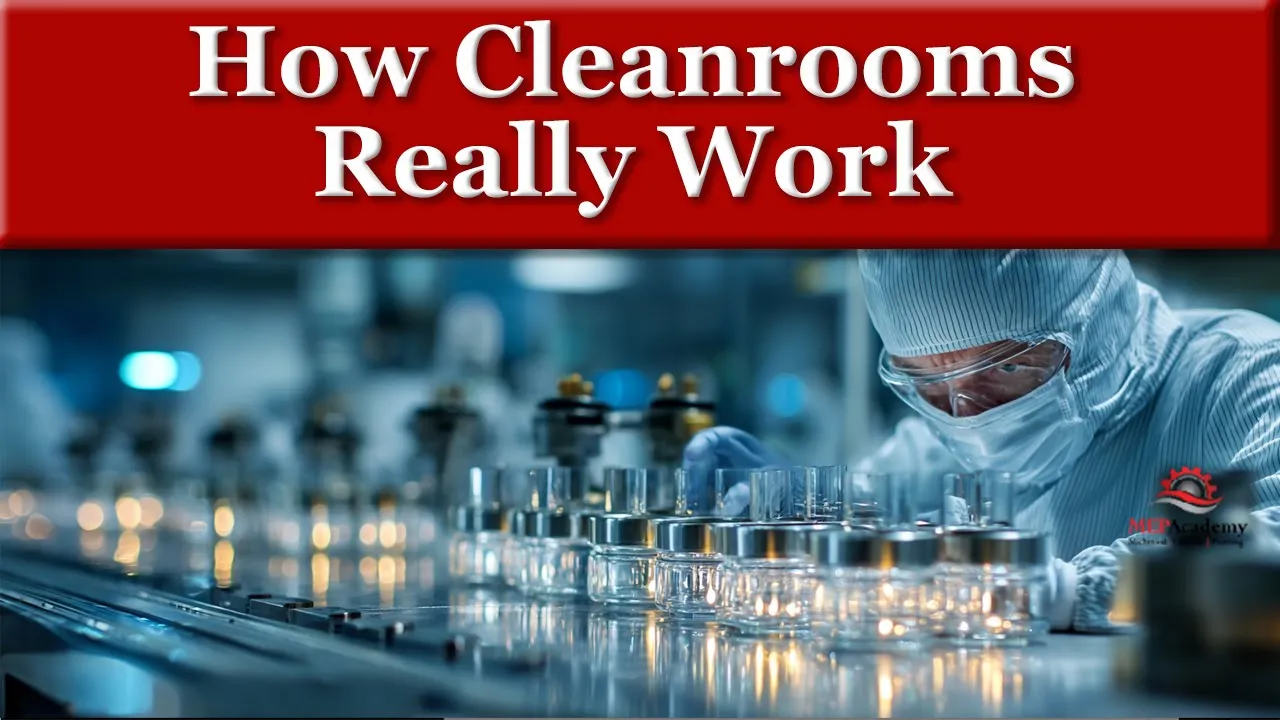
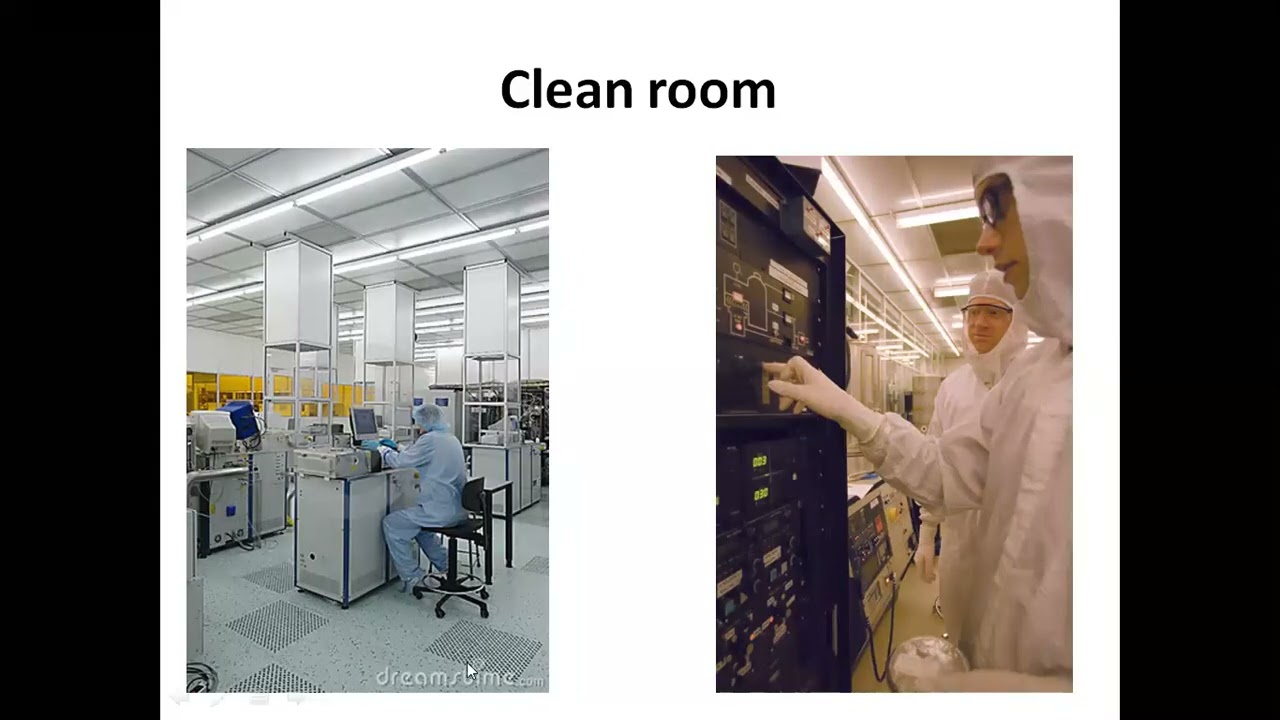
















Cleanrooms are controlled environments where airborne particle quantity and size are meticulously managed using HEPA filtration systems, classified under ISO 14644 standards from Class 1 (cleanest) to Class 9 (least clean); proper operation requires thorough preparation including removing prohibited items like paper and cardboard, wiping all surfaces with approved solvents, and following a systematic gowning procedure from top to bottom (bonnet cap, face mask, smock or bunny suit, gloves) before entering, then working slowly to minimize particle release and de-gowning in reverse order upon exit.
Cleanroom Protocols: Proper Gowning and Operating Procedures
Added:Basic understanding of particulate contamination and how dust, skin cells, and microbes can damage sensitive scientific instruments and electronics.
Familiarity with the ISO cleanroom classification standards (specifically ISO Class 5 and Class 7) and what they represent regarding airborne particle limits.
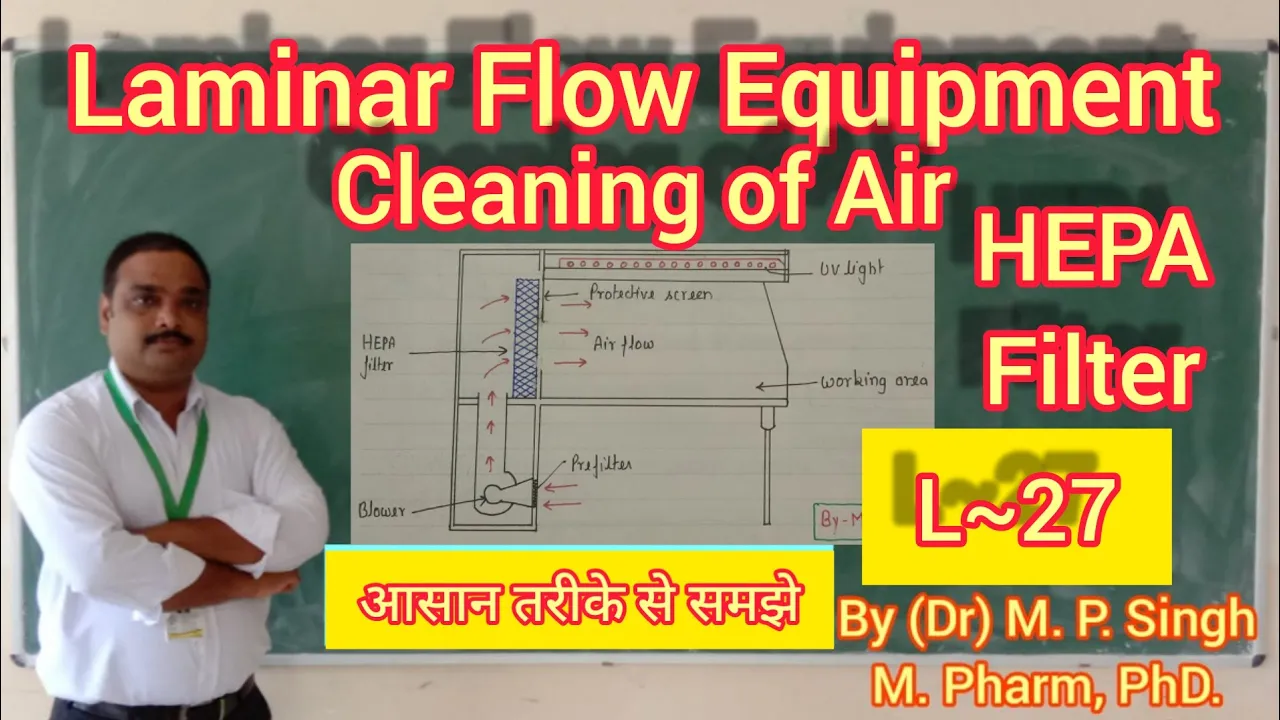
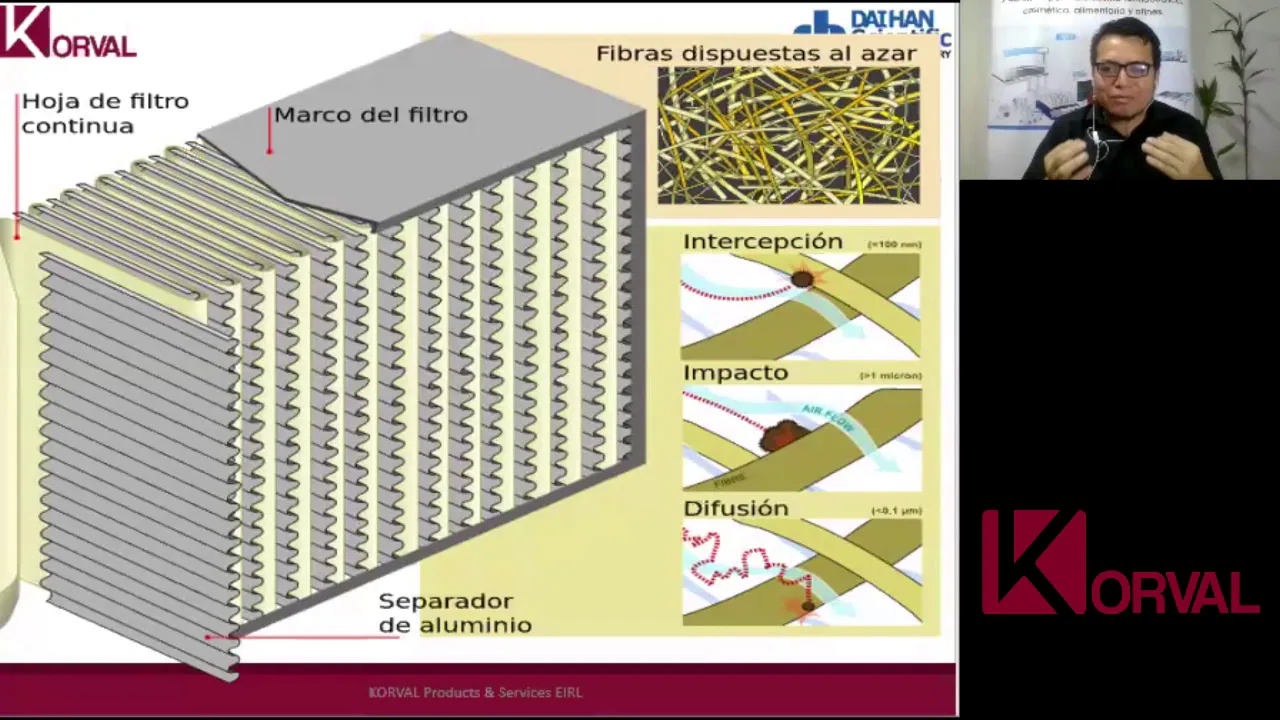
Fundamentals of HVAC and airflow dynamics, specifically how High-Efficiency Particulate Air (HEPA) filtration and positive air pressure maintain cleanroom integrity.
Awareness of Electrostatic Discharge (ESD) hazards and the importance of static dissipative materials when handling sensitive aerospace hardware.
Advanced cleanroom environmental monitoring techniques, including the use of optical particle counters, witness plates, and microbial active air sampling.
The study of international cleanroom standards (such as ISO 14644) and the engineering principles behind cleanroom design and qualification.
Planetary Protection protocols, detailing how space agencies sterilize and monitor spacecraft to prevent the biological contamination of extraterrestrial environments.
Specialized manufacturing and assembly techniques performed within cleanrooms, such as semiconductor fabrication, precision optics alignment, and fiber optic splicing.
371.2K views3Klikes14:06Original Release: 2015-07-27
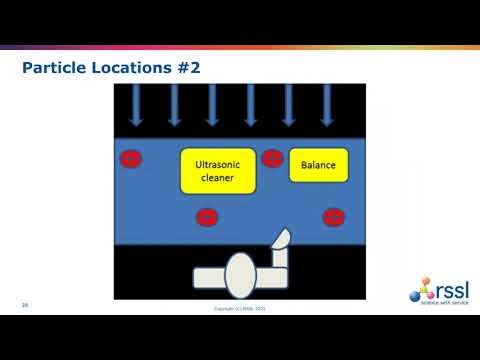
welcome to keeping it clean how to properly use clean rooms provided by NASA Langley Research Center clean rooms are one of the most valuable Tools in limiting contamination of sensitive Hardware such as Optics science instruments and spacecraft in this video you'll learn about clean rooms how to enter and exit a clean room properly and correct procedures for operating in a clean room to ensure minimal contamination introduction to clean rooms what is a clean room a clean room is a room in which the quantity and size size of Airborne particles are controlled in order to limit contamination a clean room is also constructed and operated in a manner to control the introduction generation and retention of contaminants inside the space filtered air flows into the room through high efficiency particulate air or HEPA filters clean rooms are classified based on the amount of allowed Airborne particles in the room at any given time the fewer particles allowed the more precautions that must be taken in order to prevent contamination there are two different types of clean rooms hard wall clean rooms have sturdily constructed rigid walls soft wall clean rooms have flexible walls such as plastic sheets or strips hard wall clean rooms are typically cleaner than soft wall but the processes to avoid contamination are similar in both clean rooms can also be classified by the direction of the air flow some clean rooms have horizontal air flow in which the filtered air enters at one wall and exits through an opposite wall vertical flow clean rooms provide filtered air from the ceiling and the air flows downwards towards the floor clean rooms are classified under the iso standard 14644 the classifications are based upon the amount and size of Airborne particles in a clean room at any given time the iso standard covers nine classes of clean rooms with class one being the cleanest and class 9 being the least clean this video primarily covers ISO Class 7 and ISO class 5 clean rooms as these are some of the most common classes of clean rooms used iso5 clean rooms are much cleaner than iso7 clean rooms and hence more precautions must be taken to limit contamination preparing for work in the clean room a clean room is not an office or a general lab area certain items that are perfectly F in other areas are prohibited in clean rooms we have to properly prepare before gowning up and entering the clean area first remove any cardboard paper or other fiberous outer packaging from items paper and cardboard excessively shed particles and fibers are prohibited in clean rooms only clean room notebooks and clean room paper may be used in the clean room if regular paper must be used it should be sealed in plastic sheet protectors or plastic bags only ballpoint pens without caps should be used in the clean room graphite pencils create particles next dispose of any prohibited items such as paper trash Etc food and drink are also prohibited in clean rooms if you don't know whether or not an an item is prohibited consult the contamination control engineer or the manager in charge of your clean room next wipe down the outer surfaces of any tools and Hardware that you plan on bringing into the clean room this will reduce the amount of particles you introduce to the room if you are carrying the items in a container such as a tote the outer surfaces of the tote must also be wiped down use the wipes and solvents provided for your clean room area wipes may be pre moistened or dry wipes with solvents such as isopropyl alcohol May be used once a wipe becomes visibly dirty discard it in the required container and use a new wipe if shoe cleaners are provided then use them as demonstrated put booties on your feet to prevent tracking in particles as you enter the clean room take care to step on the adhesive sticky mat which further prevents particulate contamination if the adhesive sticky mat is dirty remove the dirty layer to expose a clean layer before entering the room clean room gowning ISO Class 7 or 8 we are now ready to gown up for the clean room first we will go over the gowning typically used for an iso Class 7 or8 clean room environment however your specific environment may require more stringent controls always check with your contamination control engineer or manager after entering the gowning room clean room users should always gown up in a top down manner starting at the head first place the bont cap over your hair and ears make sure the cap covers all of your hair people with long hair should tie their hair back before putting on a bant cap next put on a face mask completely covering your nose and mouth this limits particles being introduced to the environment or Hardware from our breathing next obtain a smok which will usually be provided Ed in a clean sealed bag cut open the bag with scissors and throw the bag in the trash unzip the smok and put the smok on one sleeve at a time taking care to make sure the smok does not touch the ground or other surfaces zip the smok all the way up and secure any snaps at the neck be sure to choose a smok size that fits comfortably not too big and not too small finally obtain clean gloves the specific type of glove approved for your area depends on the hardware and operations you will will be performing always handle gloves by The Gauntlet and do not touch the finger and palm portion of the glove pull the gloves on and make sure the gauntlet of the glove covers the wrist of your smok some areas require additional control and require taping the glove Gauntlet to the Smock with approved tape again check with your contamination control engineer or manager for this requirement check yourself in the mirror to ensure you are dressed properly for the clean room if entering the clean room with someone else use the buddy system and check each other to make sure you are both properly dressed you are now prepared to enter the clean room clean room gowning ISO class 5 or 6 gowning for an iso class 5 or six clean room is slightly different than goting up for an iso Class 7 or eight clean room instead of a smok a full set of coveralls or bunny suit must be worn however the same Principle as before follows and the goting process should go from the top down starting at the head first place the bont cap over your hair and ears make sure the cap covers all of your hair people with long hair should tie their hair back before putting on the bant cap next put on a face mask completely covering your nose and mouth the next steps are different for goting up for an iso class 5 or six clean room compared to an ISO Class 7 or eight clean room obtain a clean hood and open any bag with scissors throw the old bag away place the hood over the head on top of the bant cap and face mask adjust the cover using the buttons in the back if it does not fit properly be sure to choose a hood size that fits comfortably obtain a set of clean room coveralls or bunny suit gather up the coveralls and sit on the dirty side of the bench it is absolutely important that the cover RS do not drag on the floor while dressing carefully step into one leg of the coveralls and then the other leg stand up and put your arms in the sleeves again making sure the sleeves do not touch the ground zip the zipper all the way up and secure any snaps at the neck tuck the bottom of the hood into the top of the coveralls make sure you have chosen a comfortable size and the coveralls are not too big or small choose the correct size clean room boots boots that are too large can cause a trip Hazard carefully step into the boot the Disposable booty will remain on your shoes and will be worn inside the clean room boot the leg of the boot is worn over the coveralls secure any snaps and tighten all straps for a proper fit then swing one leg over to the clean side and then the next then stand up follow the same procedure for putting on clean room gloves making sure to handle them by The Gauntlet and avoid touching the fingers and palm region The Gauntlet of the glove will cover the cuff of the coveralls tape gloves as necessary for the requirements of your area finally check yourself in the mirror and check your buddy if you have one you are now prepared to enter the clean room working in the clean room when entering the clean room there might be another adhesive sticky mat in front of the door be sure to step on it before entering when in the clean room practice slow and methodical movements so as to minimize the amount of particles you release in the air by moving moving around quickly can introduce nearly 50 times as many particles as moving slowly be sure to check your gloves regularly for any rips tears or contamination if your gloves are damaged or contaminated exit the clean room and change out of your gloves in the gowning room your skin can introduce large quantities of contamination so properly covering your hands is essential for protecting the hardware if you have to sneeze or cough be sure to do it facing away from the equipment do not cough or sneeze onto your gloves prohibited actions while in the clean room a number of behaviors are prohibited as they introduce unnecessary contamination smoking is absolutely prohibited in the clean rooms as it introduces a vast number of unnecessary particles into a clean room applying makeup in the clean room is also prohibited as makeup is a huge source of contamination touching one's face with gloved hands introduces skin and oil to gloves which then gets transferred to hardware and other surfaces removing gloves face masks or any clean room garments is prohibited in the clean room and should only be removed in the gowning room and absolutely do not open your smok or coveralls to pull items out of your pockets such as cell phones eating drinking and chewing gum or tobacco Co are not allowed in the clean room do not enter the clean room wearing street clothes only proper clean room garments may be worn in the clean room do not wear clean room garments outside of the clean room and then return to the clean room this is especially true for soft wall clean rooms exiting the clean room when finished in the clean room your next step should be to dewn in the gowning room the deing process goes in reverse order as the gowning process from bottom to top here is the deing process for an iso 7 or8 clean room take off your gloves and dispose of them in the proper receptacle remove your smok if you are only leaving the clean room for a short period of time you can hang your smok in the cabinet if not place your smok in the hamper so that it may be washed and reused remove the face mask and bant cap and dispose of them as well finally exit the clean room take off your booties and throw them away the process is similar for an iso class 5 or six clean room once again take off everything in the reverse order remove gloves and place them in the trash remove each clean room boot unzip the coveralls remove the sleeves from your arms and sit on the clean room bench [Music] remove the hood hoods coveralls and Boots may be hung up in the cabinet for a short period of time if you will be returning to the clean room later that day otherwise place the garments in the laundry hamper remove the bont cap and face mask and dispose of them in the trash exit the ging room and throw the booties away special topics depending on the project in clean room special equipment and procedures may be required if you are required to wear an electrostatic discharge or ESD wrist strap the ESD strap must be worn on your wrist under both the Garment sleeve cuff and the glove Gauntlet if your project requires safety glasses be sure to put these on over top of your face mask and Bon cap and under your head cover if your clean room has an air shower be sure to use it prior to entering the clean room this shower blows pressurized air over the garments as a final cleaning method to remove particles before one enters the clean room only one person at a time may use the air shower to review practicing proper clean room procedures is integral to maintain a clean room environment and helps ensure the safety and success of a given project when entering a clean room room you should dress up from the top down while in the clean room be sure to move slowly and deliberately and check your gloves regularly when exiting the clean room dewn in the reverse order this concludes keeping it clean how to properly use clean rooms thank you for watching and for following proper clean room procedures to keep our sensitive science instruments and spacecraft clean [Music]
Up Next

65:50
Exploring Devanagari Script: Calligraphic vs. Modern Typeface Design
@jockt967
732 views•2018-11-30

12:54
Triumph of Orthodoxy Icon: Byzantine Art & History Explained
@BenCallan
2.1K views•2024-08-06

9:49
FastAPI vs Flask vs Django: Choosing the Right Python Web Framework
@TechWithTim
302.5K views•2024-05-26

1:42
Game of Thrones Opening Credits: A Cinematic Analysis
@gameofthrones
46.3M views•2011-04-18
Related Study Plans & Knowledge Roadmaps
Structured learning paths in General & Interdisciplinary Studies
general-studies
Elevator Engineering: History, Physics & Cities
01From Hoists to Safety Brakes: The Dawn of Vertical Lift
02Hydraulic vs. Traction: The Engineering Physics of Elevators
03Modern Speed, Safety, and Algorithms
+ 2 more learning modules
12h5 modules
Explore Roadmap
general-studies
Rubber: Material Science, History & Geopolitics
01Origins of Natural Rubber & Mesoamerican History
02The Chemistry of Natural Rubber & Vulcanization
03The Geopolitics of the Rubber Boom & Colonization
+ 2 more learning modules
12h5 modules
Explore Roadmap
general-studies
Containerization: Evolution, Logistics & Trade
01Ancient Trade & Bulk Cargo: Amphorae to Barrels
02The Industrial Revolution & Cardboard Packaging
03The Containerization Revolution: Malcom McLean
+ 2 more learning modules
12h5 modules
Explore Roadmap
general-studies
Textile Tech: Evolution, Labor & Global Impact
01Pre-Industrial Textiles: Handloom & Cottage Industry
02Mechanization: The Spinning Jenny to the Power Loom
03The Factory System & Global Labor Transformation
+ 2 more learning modules
10h5 modules
Explore Roadmap