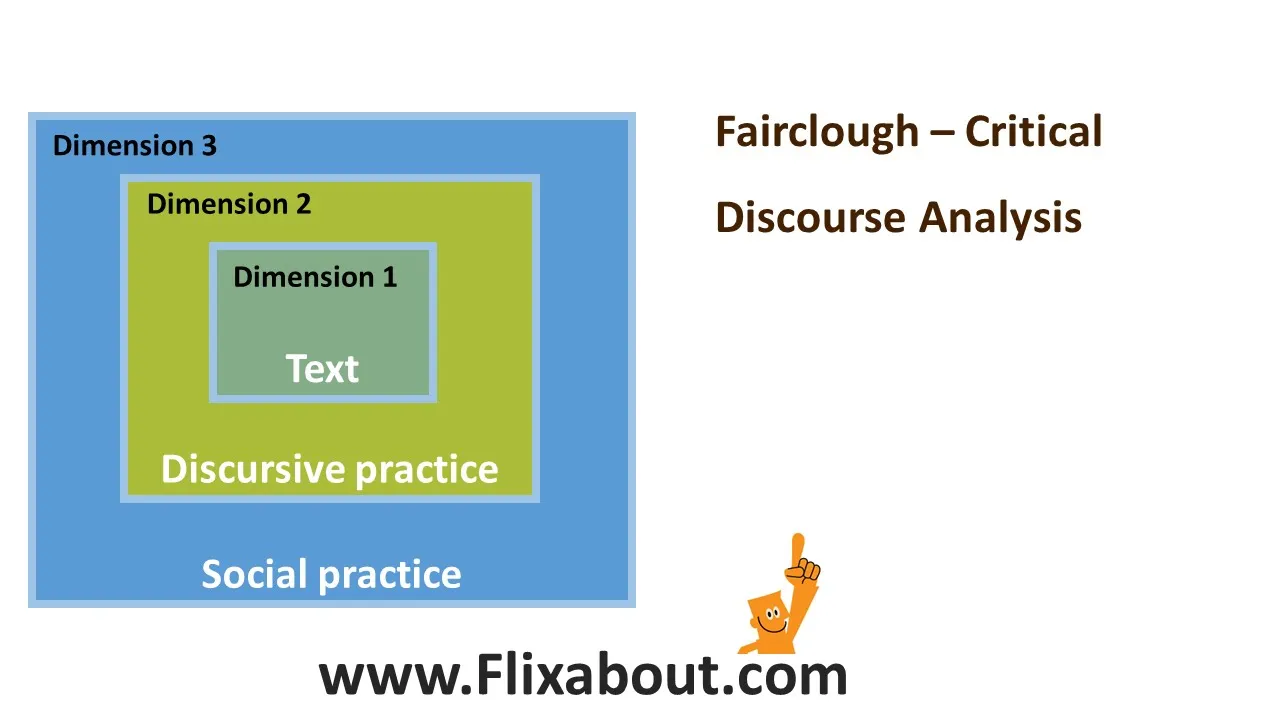


















Corpus linguistics provides systematic methods for analyzing political discourse by identifying recurring patterns in real language data, enabling researchers to track how different versions of reality are linguistically constructed and how ideology manifests through language use across various political contexts.
Corpus Linguistics in Political Discourse | Prof. Encarnación Hidalgo
Added:Basic concepts of Critical Discourse Analysis (CDA) and how language functions as a medium of power, ideology, and social influence.
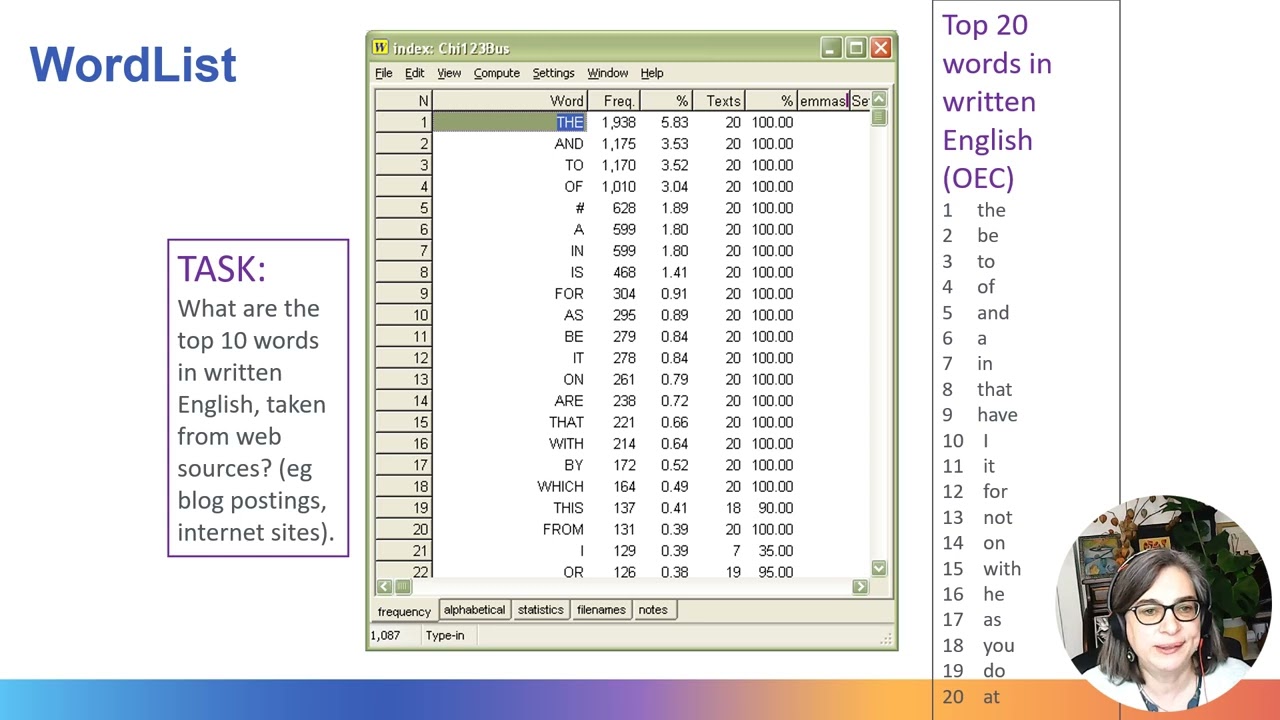
Fundamental principles of Corpus Linguistics, including key terms such as corpora, concordance, collocations, and lemma.
An introductory understanding of political communication, rhetoric, and the political definition of 'populism'.
Conceptual Metaphor Theory, specifically how metaphorical framing is used to structure public understanding of complex political issues.
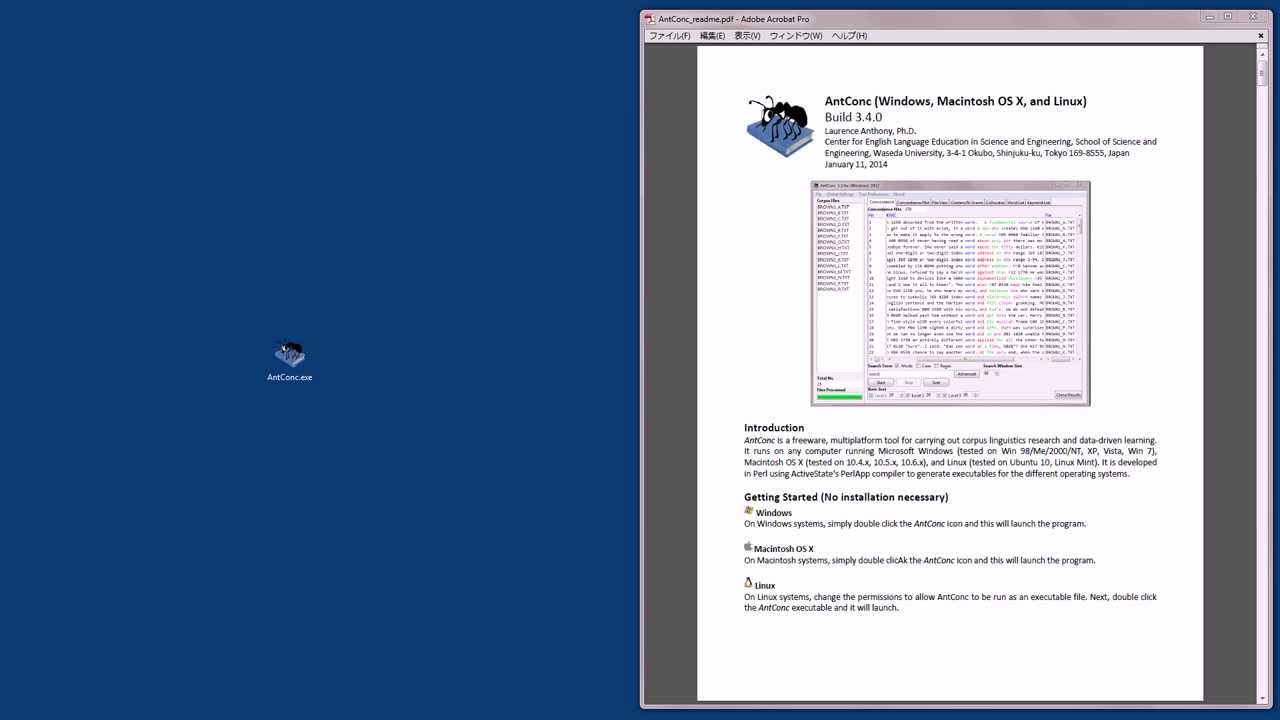
Practical training with corpus analysis software (such as AntConc, Sketch Engine, or Python's NLTK) to compile and analyze customized political text datasets.
Corpus-Assisted Discourse Studies (CADS), which integrates quantitative corpus techniques with qualitative textual analysis.
The application of Natural Language Processing (NLP) and sentiment analysis tools to detect bias, framing, and emotional valence in political campaigns.
Comparative political discourse analysis, exploring how linguistic strategies differ across varying political ideologies, historical eras, or geographic regions.
866 views15likes1:17:12Original Release: 2021-10-26
[Music] thank you what is this talk about what is this presentation about well I do like political discourse so obviously it's political discourse and in political discourse there are different issues such as the notion of a hegemonic Discord how control is or how power is sometimes controls and how we um does these abuse in totally discuss especially also sometimes in let's say in a different a more domestic sphere especially in the previous sphere and how some of those are construed and how sometimes those are this type of hegemony Discord is like um counteracted and that's something and we do analyze in political discourse um so are you sharing the presentation that's about just a second you tell me can you see that can you see that can you say it now all right let me see that's lovely that's lovely sorry about that okay well thank you by the way um um we could have you could have told me that you could have just seem you could just see my face so this is much better now like so I said that uh the this presentation then is about political Discord with this issues so um um we sometimes um um in this type of discourse we show different versions of reality and this is something we study through critical discourse analysis specially through the analysis of how this version of reality is um linguistically discursively produced articulated through wording um in this type of analysis we needed a real data and that's where Corpus Linguistics is really a must right so this is what basically the talk was about and uh uh I was thinking about it let me see if this works hopefully it does or not yeah yeah so we do study performativity right so how we perform our uh Persona in this course we also study how we represent others the universe surrounding us and the social actors involved in those in that Universe especially in the public domain um we also do analyze um are interested in how knowledge is institutionalized this is really important and how sometimes these are these practices are also institutionalized and what is institutionalized they can't uh real let's say and the the only truth are that we must be interested in and uh if we analyze this from a critical discourse analysis especially when we look at these different versions of reality through the wording of this reality we are tracking ideology so this is more or less for the stock should be about finally if we um rely on corporate Linguistics which is something that uh in your previous lecture and most of you are aware of already we are trying to voice something this cherry picking that sometimes create your discus analysts have then um criticized for it right because um sometimes we choose some particular text we choose some particular topics and what we should what we're invited to do is just to let techs talk to us and definitely this something we can do by analyzing real data or some couples linguists say that we're looking at naturally carrying conversation which is what sometimes sometimes not conversation sometimes just that real data real text and this will allow us for a festival about researcher buyers uh obviously there won't be any uh I think um no coloring from our side and we'll see lots of things that we did not expect before right this presentation combines two aspects two ideas I really like a lot on the one hand Politics as a scholar I'm interested in politics and uh and in politicians um presentation of these versions of reality but as a citizen of the world I'm also interested in politics myself and that's why I thought that this proposal could be like a combination of who I am and what I'm doing and I've done already and I believe in the power of course Linguistics so that's why I thought it was a very nice proposal to try to work on this prefix imperfect presentation um actually um some years ago I started looking at different political speeches I wanted to say individuals such as well you see there are some of them you know them all and I started looking at the type of language I used in their political speeches um perhaps we might find we might expect some differences between some of those were more populous Among Us were more conservatives and others were just authoritarian dictators but hugely enough perhaps um I expected to find something but I didn't I didn't find that at all thanks to Corpus Linguistics um thing in that paper or in that first attempt um in this um I found I published a paper entitled The discourse of Good and Evil in 20th century speeches and there I could show that there was something which was pervasive in all the species I had analyzed which is in this case metaphor analysis which is something I like very much so I founded Dr metaphor he was pervasive in Hitler in um Obama in um Johnson this doctor metaphor is quite well it's very pervasive and also very dangerous because if you construe a nation as an individual Jose and this disease is caused by perhaps cancer perhaps by an infectious disease what the doctor is expected to do is to try to cure the the patient interestingly enough in for instance the case of Hitler he was the doctor the medical doctor the country Germany was the patient was very seriously ill and the only solution was the solution to amputate a hand a leg an ear and the ear the hand or the leg was representing and luckily enough different minorities as you might imagine so that's something I found quite scary the same pattern the same strategy in all different types of politics politicians or speeches so that's that was perhaps the first attempt to do a more thorough analysis from the Corpus linguistic perspective but I said that um I like politics politics and politicians and here I must mention something that it's also very um carry perhaps very challenging which is the notion of post-truth this is a moment of global crisis this is really time for changing paradigms and this post truth um this phenomenon is something that I'm really interested in and it also um in a way is filtering my my analysis um because of my interest in past truth and political discourse um I'm working or I'm doing research into different but quite closely connected areas on the one hand this is the scores of the headison or extremism or radical slam and especially paying attention to um um like in this paper uh entitled I'm proud to be a traitor the emotion opinion interplay Indie had his magazines um we do and well mind you when I use it and we I do mean we and I'm sure the people I'm working with in a second so in this case this paper has been co-authored by my dear colleague from the University of Zaragoza myself so we have been working um on the analysis of different uh propaganda magazines produced by different uh Terror organizations like Al-Qaeda the Taliban um Etc so here we applied um a very nice a very nice we think theoretical approach to this type of discourse which is political in the sense that it is well it's not political speeches but it is the text written by this um organizations which in the end are political organizations so um that's something I'm doing now we're doing now and there's something else that we're also interested in and which is as I say connected which is populism perhaps we will have some time to discuss what populism is a is later and probably something that it's a phenomenon V phenomenon in this um this period of Crisis and even the humanizing is not connected the year it isn't it's got a lot of similarities well lots of resembles especially as far as the language of emotion is concerned the type of metaphors they employ the type of strategies persuaded strategies used by these groups so that's why um I'd like to show you a bit bit of this type of approach so in culturalism is well Professor Perez Perez mentioned before this credit volume that um and myself edited some years ago and there there was a very nice compilation very beautiful papers that with populism from different perspectives most of them Corpus biased disco studies some others purely Corpus Linguistics and some of them um more political communication related um calculism is well it's something and really um I'm really a nice start because um it combined all these features so it is a phenomenon well perhaps these so-called thin ideology According to some Scholars it is a discussive strategy also but also a style that is beyond ideology and there's some features of populisms share so the usage of emotion how polarization Works in this particular context the fact that there must be one very powerful leader how a democracy or what we understand by a democracy has favored it um where politics has become a show and we must remember some politicians British or American who are really show men so for and obviously this idea of post-truth right well it's not true but we don't say line right but um population is basically all this about um social networks is was all perhaps the um best way of favoring uh populism and it's sometimes extremist um Discord through Twitter Instagram Facebook all these images of a world where there is a we versus or a nut versus them it's quite it's quite um successful and efficient in art of fact we represent good and they represent evil um this a spectacularization of politics is also connected with and then this answered with what I mentioned before this oppositional discourses so there's these opposition all the time sometimes it is uh fallacious sometimes it is true but there's always this fight as I said before good versus evil um connected as well with this idea of post truth is how lying or half-truth are pervasive in the special social networks and in these cases because there's this oppositional disgracies there are such um this battle between Anka and discussed sometimes quite quite um I think it's quite awful to see how individuals and Twitter fights just um being quite disgusting and even unwritable Etc and uh well we may remember some politicians in South America obviously in Europe as well who are like the Messiah who would find a solution to your problem very easily in simple terms so populism was something I wanted to talk about but as I said um I I wanted to show you especially how badly I have been working in the areas like you could never do it as I did it so perhaps that's why um um today I'll show you some some bits or some other Sunset yeah some other bits so um what type of research have I done so far um all right um yeah that's the question that's the question so um if you want to have a look at what or if you're interested in what I've done so far you may just Google my name we find um Google oh yeah in research Kate or um in yeah you you can find my name there and uh but if there's something you like and you cannot have access to it just let me know and I would just send you on any of the text and we can discuss them because feedback is always very important but I said before that um I wanted to talk about what I've done but actually um I like to talk about what we have done so far so what we've done so far and this means that I believe in collaboration collaborative work and and I've seen some of the people um who um share my interest and also some time together [Music] to pick a scientists from the University of Granada or car Garfield and Manuel Romero they are political scientists they do much work on um political campaigns and some years ago we started working on several campaign materials especially videos and we saw sometimes we also saw some materials concerning the political debate and sample legal speeches um they are essential in my research because it is the OWN approach to political communication that I started considering at a time um in this course studies in Corpus or critical Corpus plate or critical disc studies I must mention two other colleagues very nice friends as well from the University of Saragosa are mentioned in report and who's also an expert on rhetorics we have done some research on particular cases so Spanish and American politics and we've done it from different perspectives we mention later because the two of us the three of us like systemic functional Linguistics we like rhetorics pragmatics and some bits of paralinguistics so that's that's been also essential for This research I'm going to mention and now we are doing something also connected with natural language processing and here I must mentioned probably and Manuel Francisco who are experts on machine learning and we're trying to identify especially um the diet um populism traces on radicalization traces internet uh thanks to an algorithm they have developed So This Is We I so although you see their eye is sometimes we sometimes it's up actually it's not important because what matters that when we have been working together there's one good idea that becomes the best idea so I'd like to mention that before so um in my research um there's in my research in our research test like this heterogeneous nature which also she I should I thought should also explain because sometimes especially young scholars they believe that they should not pay attention to different aspects of just looking at first single aspect and perhaps that's um a mistake because we can do different things from different perspectives and still be very systematic so my my at least my my Approach is heterogeneous because I like different different I like looking out on the serving reality and um and that's how you can say that in my research so I love Ireland as Professor Perez Perez mentioned before I like gender studies and I've done some bits and I like politics so I've been able to combine these three interests in some of the papers I'll mention today um in politics in particular this three topics are combined so I've analyzed gender discourses and published discourses and radical discourses which is something as eyesight which is now a very important topic um in my research um I said that the core of this talk was about presentation representation performativity right so um how did that do it how have I done this research so far I mentioned that I'm interested in paralinguistics in rhetorics in pragmatics and in system and functional Linguistics which is not bad it's just sometimes it's a little bit is a little bit difficult because you have to be critical of them all and it's not so easy sometimes to to be a pirate all the time anyway um in paralinguistics um I have analyzed body language especially um in those cases when trying to disentangle the capability of a politician to tell you a lie and to convince you of that life um I think that um indirect rate is especially important the notion of turquoise and fallacy this logical argumentation this as these statements that look true that look valid but they are original they are really invalid um metaphor is something I've always liked so I've also looked at a metaphor and in systemic functional Linguistics especially when we try to understand how we construe our inner and outer worlds I thought that was important to look at issues such as transitive essay or modality or appraisal or multimodality there's very many things that can sort of provide us with a clearer picture of the universe that politicians of individuals of ourselves of um on making are creating um but but if we don't do it uh looking at oh we don't do it from a corpus assisted discrete analysis perspective this is as if it were a little bit um yeah not that solid so this is everything and from that perspective and that we have used um sometimes concordances such as ankong or as Westmead tools we've used sketch engine British national Corpus we have used sense for sentiment analysis um Corpus 2 for manual annotation Etc so this is perhaps a sort of yeah this is like a picture of myself or ourselves that shows clearly what we've done what we've done so far well I like this picture a lot because this shows what we do when we do corporate Linguistics we try to identify patterns this is an old-fashioned word I think but I still like it I feel like it because I think it shares what we do when we do corporate Linguistics or we do Corpus based um discus standards we're looking for something which is frequent which is repeated that I share something about a particular individual style genre a period of time um these patterns um in Social Linguistics we're very familiar with right so sometimes if we find these three examples of text we might say that if we look at certain patterns you might know uh the gender of the writer well that's something we already know if even though this controversy and sometimes it's not clear whether there's always the same patterns but we know something about how some women and men use language and despise the problems well we might find something of the like we know that obviously the usage of certain lexical terms shows the age of individuals uh we know that the nationality or the the origin of an individual can be shown through the language that I use and of course the style and this allow us to see who the author of attack is so we know that this the present offset of patterns show Who We Are and why we different from someone or why we are similar to someone else if we think about politics obviously this patterns show are positioned into or we think that this pattern show our positioning but this is not something new I said before that this might be to some scholarities this might look like an old-fashioned term and these are perhaps perhaps young people might say well this was long ago that these are the real uh the people we should mentioned generally all the time when talking about corporate Linguistics um Roman Jacobson John rapper Firth John Sinclair of course Joe frillage and Roger Fowler where they talked about patterns cited about concordances in different ways they talk about the symptomatic and the pragmatic access some of them applied it differently and for those who do corporalistics what they may remember Roger Farah and his linguistic criticism something which in 1986 was something like new perhaps the best uh or the first approach to to literature from a different perspective which tried to try to avoid subjectivity and uh well they've well the first one and in particular John Sinclair we might say that he is the founding father of what we call today Corpus Linguistics so here they are and so patterns are not that old-fashioned they are really trendy they are cool um when we talk about patterns then we think about Tendencies something tends to be the case Tendencies which can be measured in some way measurement in mathematics in physics in chemistry is something easy to apparently to do in this course in linguistics is not that easy so we purpose discourse analysts we linguists have to learn how to measure something to really show that this is a pattern which is a tendency which doesn't happen by any chance and that's why we learn to use something like for instance log livelihood and if exercise calculator and when we compare two different copra which may be different in size but we try to show whether the preference for one particular feature in one of this corpora is really something that explains not by any transparent it's caused by something um this makes me think about oh I was trying to explain this quickly and efficiently which is not easy so perhaps this picture shows that so A causes b or B causes I A and B cos each other and this reminds me of something that I learned some years ago is not the same as correlation and which is something we are not taught to see and one of my friends told me you know um you know that now global warming is a problem it's a real problem and there are no Pirates therefore if we are not parrot global warming will keep being a more problematic issue in the future and I found that in the internet and that is true that is true so in some people might sometimes explain on a pattern based upon something which is not the real cause of this pattern so that's something that in corporate Linguistics we try to do when we do Corpus based critical discourse analysis we're trying to explain the present of a feature based upon something which is really the cause not something that we think is the cause um for that purpose we've got plenty of resources I mentioned here only the ones I've used we have used but there are many others that are very useful especially depending on on what's your your uh topic or your main area of expertise are so in this case you've got their resume tools which is specially a concordance sketch engine which is a huge resource where you can have access to lots of data well a lot lots is millions and millions and millions of real data and produce sketches uh engram Etc in a second if you're interested in sentiment analysis which is a nation nowadays in politics but also you know and um in advertising Etc well you need to know something about how we sometimes favor something or present something like more federal or not and this is something that can be analyzed through sense if you're interested in semantic analysis there you have W Matrix and of course all the software produced by uh Lawrence Anthony this and conch this ants everything uh it's it's useful and can help you to do very systematic very decent very um um relevant research something I mentioned or I did not really mention actually I said that when we do corporate um based just cause studies or purposing mistakes or when we study political discourse from a corporate linguistic perspective we avoid cherry picking we avoid buyers researcher buyers something else which is very important is replicability so we use all these software programs if we do research in a systematic fashion we will be able to show how we've done it and how others can sort of try to replicate with them and see whether our findings are um consistent or not are more um under interpreted or an example of under interpretation or over interpretation itself itself right um well you know what these terms are but just for you to remember so we have analyze concordances keywords when you compare two different corporate what is more outstanding in one of those um and it's not just a matter of chance Etc these end grants and especially sketches collocations and cemented prosody this is a difficult problem uh semantic porosity or it's something which shows but we understand as more connected with a yeah what some people call uh connotation how sometimes the taste the flavor of an expression is not something subjective it's based upon the color case of these terms so we know that green may have these negative semantic procedure because it's using contents such as Green With Envy something that perhaps we might not think about in Spanish because in Spanish the words green green is generally associated with any words such as hope um so this is a bit of what um yeah uh how or what I've done so let me show you something that was um we produced some years ago and this three books or this yeah these three Publications um um um different approaches to different election campaign materials it was Spanish elections so we look at the 2004 2008 and 2011 Spanish elections and look at different uh text types so this is these are three of them with my colleagues from the political science communication department and we found interesting things in these three um we did something which is purely multimodal analysis multimodal analysis in propaganda materials which is um perhaps less um accessible to those who want to do corporate Linguistics because we need very accurate multimodal software programs and so far we only have access to some of them so in this case with a very very um uh preliminary approach to to those materials but let me tell you something of what I said initially in this um presentation this perfect imperfect presentation probably in perfect presentation um lots of years ago I wrote a paper entitled I want to be a prime minister um and um this is something that today I do differently I do definitely differently however I like the paper I like the object of research I like the topic well I like the topic and uh but I do it differently so that's why I thought I should start by saying something about this paper and paqual whenever you can interrupt me so um some years ago uh actually 20 years ago um in this region this where I I was born and I lived there was um an election campaign where there were two different political leaders they belong to very different political Persuasions and these are their pictures well this word let win Social Democrat Nationalist and the conservative leader interested enough was a woman was a French time that someone a woman uh tried to become the prime minister in this area so at that time I thought it was young enough to a knife enough to think that this was I was inventing the wheel so in my invention of the wheel I I wanted to study different aspects so the first one I did really want to study ideology through language how or how ideologies construed discursively because there were four different political Persuasions um there was the the winner was unexpected so I thought that perhaps I could find something interesting about the language of the one who the political leader who had won the election so I thought oh Jesus I'm gonna find something which is like the language of Victory and definitely because there was one woman there um I thought I think I can say something concerning the language of a male and female politicians there might be something there so I tried to do that and I said that today I do it differently and actually I think I must do it differently so perhaps I should do it at the sign knowledge I should see whether I can replicate that research now with all the software programs all the new skills acquired Etc because sometimes we may think that this is a failure this paper is a failure because I do it differently but sometimes failure allow us to learn a lot and actually we may fail to do something because we don't know it perhaps because we are not good at applying it or because we simply um didn't understand that but in my case I didn't have any idea that time about what Corps dealing with it was I had I hadn't used it so it's a failure or I do it differently because I didn't know what it was but anyway thing was that in this type of research um and this Andalusian debate I did different things so perhaps well Junior scholarship remember is the method so in this method I did some of those things I did correctly so the compilation and in transcription was really a pain on my neck because when you're transcribing so much auto text 20 years ago no software program so it might be very difficult but anyway I'm not gonna say I was just uh amazing it was just how I wanted I did it and I did it and I did Manual annotation for those who are familiar with annotation especially un Corpus too you might say okay that's good manual annotation is the thing however money and annotations manual annotation myself my computer my documents and myself they're just finding word by word what I was looking for so I was trying to find patterns that show well the language of Victory the language you have right um of idea different ideologies and the language of men and women in the work and I found some patterns but for sure I should see whether this is right now with all the information I have and all the skills I've acquired after 20 years or so but I found something interesting well I'm sorry if you kind of said but given that you're gonna um get the the recording uh and of course I can share the paper with yourself so here you've got lots of colors lots of colors but I might tell you that there's like a tendency uh for certain Persuasions uh usage of certain phenomenal usage um certain features of disagreements or politeness uh the usage of uh modality pattern Etc I found differences um if we had time and that's why I have there one two three or four who do you think is number one who do you think is number two who three and who for because well I'm not going to discover anything now um because I I don't have time and I want to show more of what I've done incorrectly or I can improve now but through this that I found certain patterns which were at that time to my eye but relevant and interesting and in this paper um perhaps what I saw was that everything was unexpected and this unexpectedness um was oh yeah was represented through hybridization this time is used by Norman fairclough I like it very much because when we use a hybrid Discord like this hybrid are teaching now um we are using something which is not expected in myself but in other speakers another writers or users so uh let's say for instance the left using the language of the right and the right if we like that terminology is using a language or strategy of the left um males are using the language or strategies were expected to be used by theoretically females and the other way around and that's why this unexpectedness everywhere actually the winner is the one who uses the poorer discursive strategies so perhaps the paper will was a disaster because I was not using quarter Linguistics and I should do it differently nowadays but as far as I'm I can't say now I know that there were certain ideas that were relevant and that I should check now against um or based upon these new uh new um software I said that user manual annotation so real monumentation if I had used keyword analysis which I did by the way so I've done it for this presentation I could say that it was like fireworks so it would be like the an amazing finding uh but I didn't do it for that paper so I've done it just to check that it was not too much um um wrong and uh well actually something good was there a little bit later um again interested in this election campaigns material wrote a couple of papers but I'm just going to mention this one which is quite nicely entitled why do deception and coldness win political speeches again another question so or another interesting statement because we were looking at two politicians uh in this case um Spanish politics those who know a little bit of Spanish politics you may remember um in 2011 there were two candidates um a Social Democrat and the conservative one who um stood for their own values and beliefs in a very interesting political divide and there as Citizens and as Scholars we could see how the reusing language for their own benefit and there was so much there was so much to say that we decided to to look at that so how did we do this paper this paper is not as I said before I would not do it that way yes this paper I would do it this way because this is um based upon all these um let's say um methods or knowledge that we have acquired a little bit later so in this paper we did different things sorry so we use sample linguistics we use some rhetorics as you said before pragmatics and obviously Corpus assisted discourse analysis um we wanted to look at how these two politicians talk to each other and that means to look at the micro Expressions this is quite tough and uh it took lots of time that um it was quite interesting because the answer to the question why does Deception why um that's deception with elections um was replied through the analysis of this microexpression um that are quite important are very important in Psychology um we use also another term which is fallacies to understand how they articulated their own um arguments um fallacies the notion of fallacies as having been said is quite it's very interesting because it's different from making a mistake because I'm making a mistake we make mistakes sometimes when we articulating our thoughts just out of um lack of knowledge or sometimes unwillingly but fantasies in political discourse are something we do intentionally and we hide the reason behind it if I say something like um is plus head and clever uh Raquel is blackhead and clever therefore everybody who's blackheads is clever so this is one fallacy that we see in lots of people this is just one example but this is one of the potential um finances we find in political speeches it's so difficult to disarticulate these fallacies because they look um reasonable they look based upon um real data and that's not true so we also we also were interested in fallacies metaphor again is something that we knew it's quite frequent in politics because in order to construe but understanding of sometimes complex concepts of some um um difficult yeah Notions or systems we need metaphorical attrinsic and finally what we use in this case Hong Kong and the um Corpus too so these were the two devices that we thought were useful for analysis in this paper so for copies collection we had for those who are interested in how we did it we have three different corpora so first of all the whole divide and then uh just the uh turns by the left screen or the conservative or the left um right-wing politician and as for manual annotation we use um Corpus too um this is a quite interesting uh um Tool uh designed by Mick odono from the University of um and it's quite nice because it allows you to do lots of things so uh it allows you to do annotation sorry um thorough and detail annotation which is a multi-layered and allows you to do to go beyond intuition this software this tool is designed by systemic functional linguists systemic function Linguistics understands language as a system of systems so understands language is a cake and each different layer is interconnected [Music] is this notion of language is like a cake we can thanks to Young Corpus too we can annotate definitely each text sorry on multiple levels we can search for instances across across levels I think this is quite nice we can do we can run keyword analysis and that's really important in Corpse Linguistics because uh keyword analysis I will see in a second should watch a text a corpus is about what its ideology uh and sometimes something as the some other issues are we might not be aware of it can reduce statistics which is a nice way of measuring these Tendencies are not anything um are caused by something Etc so this is annotation this is real annotation right sorry so um for this annotation we created two different schemes one for metaphor analysis and another for for fallacy analysis and that's how they look like right so if anyone is interested we can um we can talk about it in the future for the ma The annotation of micro expressions in this five minutes I have we had no schemes so we had to use this one so eam image 2 which is another which is another um uh program designed by Michael Dono what did we find so if we look at the fantasies the pattern well I'm not going to give you the data because it was not necessary but all of them here are statistically significant so they are clearly different depending on the ideology of the of the politician um the metaphors in this case are sort of similar so more orientational or more structural uh than ontological orientation and as for the micro Expressions we saw that the hands were quite different um in each of them so um the right and the left stood for something that was in one case pragmatic populism and emotional populism even though this is 2011 and uh in Spanish politics politics there was nothing like populism at that time that the approaches um were quite close to what we might call today populism okay well I think I've got five minutes so back well um I've got something like 30 slides so I can keep talking I can stop talking so as you fancy three minutes okay so another paper which was also let's say nicely done or at least better than the first one I mentioned was about the representation of others of some others in the Spanish Parliament so in this case um um I analyzed the minutes of the sessions of the parliament I use the Spanish reference Corpus the diachronic Corpus of Spanish and also sketch engine and analyze especially how some others were represented you might imagine that um there's lots of invisibility in politics and in the case of Spanish politics there were two invisible Creatures Two invisible social actors which were uh gays and lesbians especially after the um attend and the final success of a same-sex marriage when it was passed by the Spanish Parliament so um this is how this um the Corpus Spanish looks like the synchronic one and I found lots of interesting things that I'm not going to mention but I'd like to say something about this is the Corpus how it looks like Etc or one example but I'd like to show you something which I think is interesting because I mentioned before annotation or I in the theoretical background I said something about uh what matters in Corpus Linguistics which is uh this um relying on real data and the course what causes something so this is the key word in the Spanish Parliament so um well it's striking here these are ordered so the first one is both and it is interesting to say that um well some like studies uh when we look at the this keyword and all the concordances where it is used uh we see that Spanish politicians who are very concerned or were very interested in showing that all the findings all the findings were based upon um scientific evidence if you look at this like problem disorder pathology psychopathological you might imagine that all the cases when these individuals are referred to are construed as problematic as an obstacle as something which is clearly a deviation um basically when something is a deviation is described as a as a disease so a pathology and therefore as something which is not natural which is not normal which is a deviation so that's fair enough that's fair enough but the first key word about evil the first uh keyword as we see later is put so definitely the presence of this keyword shared that these individuals are portrayed as sees as criminals of course as an example of immoral let's say as pervert as pervert also as victims especially in need of protection and and because of the presence of but which is there which is the first one um this perhaps might make us think that adoption rise are the stake because this is this is the most frequent keyword so what is this spot because we find in keyword analysis we find the frequency list generally are function words so why is spot important here so you might say Okay function words are not important but that's not true I I don't know if you've ever heard or if you ever heard about I guess I've read you've read if conditional on morality by by um Costas gabrielatos but if you read this you see how important the presence of function words are in a corporate linguistic based research paper and that was the case here so this the presence of blood here shows what we call the discourse of contradiction of difference but also the discourse of pity yes oh gay women are like you but they are immoral yes they are my neighbors but they are deceitful so it's quite interesting to say how people who use these spots Discord show on the one hand a spiteful image of those individuals they construct the others but same time the show like this tendency for for pity so um I could tell you more about um other papers but I could stop here but well whenever yeah yes so it's fine so let me do something which is just to go to my last last last last last last if I can which the thing is yes here we go if we can't wait this love I'm sure about that because I wanted to do a a perfect imperfect presentation so here we are let me see if I go finally to the last foreign that's my name that's my email address and if you like some um if you like to contact me it would be just a pleasure thank you okay um so um maybe can you mute yourself just briefly [Music] okay well thank you so much and Ghana for a wonderful presentation and um I'm I'm really sorry we we just have 50 minutes um uh I'm sure we we could have enjoyed this so much more extensively so thank you so much for for a wonderful presentation uh we have a few questions here so again uh please um leave your questions here I think somebody was um interested in uh knowing more about a software I think is The annotation software so maybe could you talk about that and can I add a personal question there I mean annotation is is massive so I know many PhD students come to these uh talks so maybe can you offer some advice to you know young researchers looking at annotation right yeah absolutely yeah and annotation um is perhaps and that's why I wanted to show you that way I wanted to start by show by telling you that my first politics paper was to myself was uh nice but at the same time was something I would not do that way again because I didn't know how to proceed actually I did it more or less space about my prior knowledge um Disco studies but especially Linguistics so annotation is essential uh but not just annotation method um efficiency in our methodological approach is is a must nowadays so we should know how to um um collect or corporate how to annotate our Corpus how to derive on some um to produce some statistics how to interpret those statistics we should know whether our findings are replicable or not we should do integrated reliability Etc so annotation uh The annotation system I know is very efficient because it's manual in the sense that you're looking at every single feature that you are interested in but later the software itself can um helps you to to see issues that you could not see yourself so thanks to this software program you will compare you comparing different layers different variables and see whether something is really um what we call statistically significant so something maybe frequent you might say I've got 10 20 11 percent you don't know what this is unless you're able to compare something to something um to different um in different um we might say different text types or different authors different genders and it is um this annotation that allows you to produce real data um and the solid robust data so The annotation it's something we can talk about so if anyone here is interested in annotating learning to annotate let's get in familiar with the annotations um software I will I will be really happy to talk with yourselves and show you how we do it because definitely there's something I mentioned at the beginning of this seminar with this talk of whatever this is as cooperation so I believe in cooperation I believe I I know that knowledge is disseminating and uh grows really dramatically when people talk and uh share their own experiences and knowledge so of course if anyone here is interested I will be very happy to show you how we annotate and I like the gravity of course yeah it would be a pleasure yes of course yeah we can work on that because I I think it's yeah absolutely it will be an honor and a pleasure to do what because I think when we learn to annotate we see things quite differently and uh here the name of at least myself the name of Nick I don't know should be mentioned once and again he's very generous he shares his knowledge with anyone and that's why we now have access to this software uncorkus 2 is very easy is user friendly is very robust and is really um efficient so of course I will I cannot tell you how in a minute but of course I can share what I've learned so far uh whenever and in the format you fancy okay well thank you so much um yeah that's um uh uh I can I can really uh say that um encana has run some interest in workshops and annotation and those those were very much loved by my PhD students so I pretty much recommend recommend such a thing there's a couple of very interesting questions here uh maybe three or four of them um let's start with uh Anais okay has a question here maybe this is just a detail but I didn't get the example global warming and being a pirate could you please explain that sorry I couldn't hear sorry it's it's it's it's a question by uh this is maybe a small detail but I didn't get the example about global warming and being a pirate could you could you explain that maybe sorry sorry sorry sorry about that now can you can hear me now right I'm sorry I thought that the example was funny and clear I'm sorry about that if you if you couldn't see it look um um generally when we're trying to explain why um there's some tendency in some cases for instance when we're talking about the language of women we know that based upon previous literature women generally use lots of intensified human women use very simple sentences of women tend to use a lot of examples of uh epistemic markers because they lack um security or when they're talking that's what some Scholars claim yeah it's not what I mean it's not what I think that is that what some Scholars claimed yeah so the idea is that if you're a woman you will have this and this and this and these features right that's what's scholar say so that's the cause for one particular pattern which is present in one particular text type so the example of the global warming is just like a like a joke because people say that um it's quite interesting to see that the evolution of global warming and the number of pirates is the same the more Pirates the less global warming the fewer Pirates the more global warming so that's what happens sometimes in science the sometimes we see the figures and we very very simply uh interpret that in a certain light and we need to look at all the potential reasons or the potential causes of the pattern it's not just the this more global warming because there are for your parents it's just something that correlates it's the same figures but that's not really the cause the small global warming because other features not because there are fewer Pirates so that's why it's funny so it was just a joke what I mean is that in Corpus Linguistics we must find the cause of some particular pattern and not just think that because you're a woman you will be using intensive fires perhaps you use intensifiers because you're very passionate perhaps you you use more um epistemic markers indicating lack of security because you're a timid person because you're shy not because you're a woman perhaps you use a more simple sentences because you prefer simple sentences because you think your audience will understand you better not because you're a woman so we must look at all the potential reasons of and causes of one pattern and explain it not just based upon one particular aspect but more is it a little bit clearer thank you okay thank you we have another question from Jillian way uh maybe in Canada you can also find these in the in the chat box okay let me see I will I will read these anyway and now I am analyzing the UK government announcements during the Kobe pandemic in terms of both EB essentiality and emotionality all right I want to choose a reference Corpus for my self-date Corpus can you give me any suggestions on the choice well that's [Music] okay okay I don't know if you can hear me I think you I think you might hear me all right well first of all I like the choice it's amazing I like that very much evidentiality is a topic is a controversial it's a it's a problematic it's uh something I am really I think it's challenging so congratulations it's very nice it's very nice um where the um a nice answer to your question um would be let's talk perhaps instead of telling you I'm trying to answer in like a a property with the clever and quick answer um to be honest um a reference Corpus might be anything or nothing it will depend on what you are trying to say right so if you have let's say American politics so let's find um the Coca Corpus for instance let's use the copper Corpus if you're interested in um um let's say um American British English but we might use the um the um sketch engine as a reference corporate so I mean the the um 1010 Corpus and you can use it as a reference corporate pit sometimes we might find something we want really to compare our Corpus through so there's no one magical answer um when we are doing corpse Linguistics there's a problem that I think everybody here has just with at some point um in the past and we have to in the future when someone asks you what's your reference Corpus must be or what size um Size Doesn't Matter but Science Matters sometimes right but if you're I'm studying just the letters and there are 70 letters I don't have more so it's 70 letters if I am analyzing interviews and there are 90 interviews I don't have more but if I want to study English language for instance the usage of will or shell in English I have plenty of text in the British national Corpus or coco Corpus or other corporate can sort of provide you with that information if you are interested for instance in learn a corpus do use learner corpora and how will or shell are used in learner corporate so that will be definitely a very important step in your research essential in your risk research and it's prior to your own knowledge of the theory or even the method you should know how to proceed so definitely I'm sorry um I can't tell you this is your reference Corpus let's talk about it if you fancy you know my email address but I write it again just in case because I yeah it would be it would be nice to see what you doing what's your ideas on evidentiality are and emotivity I think that's very interesting and uh I think uh we could say something about it yeah we could do something at least discuss it by the way I'm sorry because I could say here um Stephen Hughes I'm sorry um Stephen that I could not I could not um uh let me see you you talked about or you said whether I could start uh by talking about uh emotion before post truth answer about that no um no I think uh Stephen had had to leave so probably uh we have other questions um right so yeah thank you again for your uh uh for your answer in karma uh may I say uh Mark TV is published a new covid-19 Corpus and there is a paper on that I think in the international General Corporate Linguistics in this special issue on covid-19 so maybe you want to to check out that uh that one yeah yeah as as in Ghana said it's it's just pretty much a methodological choice and the options are unlimited we have time for a one more question I suppose we can we can have a look at these very interesting question what uh um what is or what is the role of self-representation in this course analysis and uh seems to me like a great question yeah but what thanks a million is true it's a very nice question well the notion of presentation representation and self-presentation of self-representation well are essential in discourse studies in general because when we represent ourselves uh and when we present ourselves we are using different strategies sometimes we construe ourselves um as actors as passive social actors as a beneficiary of different um beneficiaries so here our presentation is essential because the that presentation of yourself as a as a public Persona will um persuade the audience into acting or not acting at all so um what does what does it mean well it is essential but not just self-presentation or representation it's just the notion of presentation representation self-presentation sub-representation how can we analyze that but we use it through especially transitivity analysis and of course appraisal Theory appraisal theory is a very powerful very difficult sometimes very um uh very um very much applied but um not always successfully um um a theoretical background and in order to do how we self-present uh or how we present ourselves we need to know clearly how we present others so it is a combination of both how we present ourselves through um how we express our views on other social actors and the world around us and ourselves and how also express our emotions sometimes explicitly sometimes implicitly which is something we can talk about in the future we're looking at populism which was what I should have been talking about today and and emotion okay brilliant So yeah thank you so much uh there's other questions here I'm encouraging people to to send these questions uh to you in karna so that uh you can probably interact with those questions so thank you everyone that showed up today and thank you so much for your for your input and your Insight and especially thank you so much uh to Professor Hidalgo so that was a fantastic talk uh I'm sure that we all learned so much uh uh today from your expertise
Up Next

26:10
Corpus Linguistics Taster: Spot Language Patterns | UH English
@universityofhertfordshirei5922
126 views•2020-05-27

73:00
American English OKAY Over Time: A Diachronic Interactional Linguistic Study
@Abralin
1.2K views•2020-07-30

8:59
Forensic Linguistics: How Language Solves Crimes | PBS
@pbsstoried
1M views•2024-01-25

21:32
Accent Expert Explains U.S. Regional Dialects | Part 1
@WIRED
9.3M views•2021-01-21
Related Study Plans & Knowledge Roadmaps
Structured learning paths in Linguistics
linguistics
Corpus Linguistics: AntConc, COCA & Collocation
01Introduction to Corpus Linguistics & Digital Corpora
02Navigating the Corpus of Contemporary American English (COCA)
03Concordancing and Lexical Collocations using AntConc
+ 2 more learning modules
12h5 modules
Explore Roadmap
linguistics
Optimality Theory: Tableaux & Constraints
01Phonological Basics: Sounds, Syllables & Rules
02Foundations of Optimality Theory: GEN, CON, and EVAL
03The Constraint Inventory: Markedness vs. Faithfulness
+ 2 more learning modules
15h5 modules
Explore Roadmap
linguistics
Morphosyntactic Alignment: S, A & P Systems
01Foundations of Syntax: Transitivity and Arguments
02The Linguistic Variables: Mapping S, A, and P
03Nominative-Accusative Alignment
+ 3 more learning modules
12h6 modules
Explore Roadmap
linguistics
Analyzing Sign Language: Phonology & Syntax
01Foundations of Sign Language Linguistics
02Phonology: The Five Parameters of a Sign
03Morphology: Word Formation and Classifiers
+ 2 more learning modules
14h5 modules
Explore Roadmap