





















Dietary taboos, such as the Jewish prohibition on pork and Hindu prohibition on beef, likely emerged from a combination of religious beliefs, economic factors, and ecological constraints; archaeological evidence shows ancient Israelites distinguished themselves from neighboring Philistines by avoiding pork entirely, while Hindu cattle reverence developed later through religious evolution and social hierarchy changes.
Why Are Pigs and Cows Taboo to Eat? Anthropological Insight
Added:An understanding of basic anthropological concepts of culture, cultural relativism, and how societal norms are constructed.
Familiarity with major religious dietary laws, specifically Kashrut (Jewish kosher laws), Halal (Islamic dietary laws), and Hindu perspectives on the sacredness of cattle.
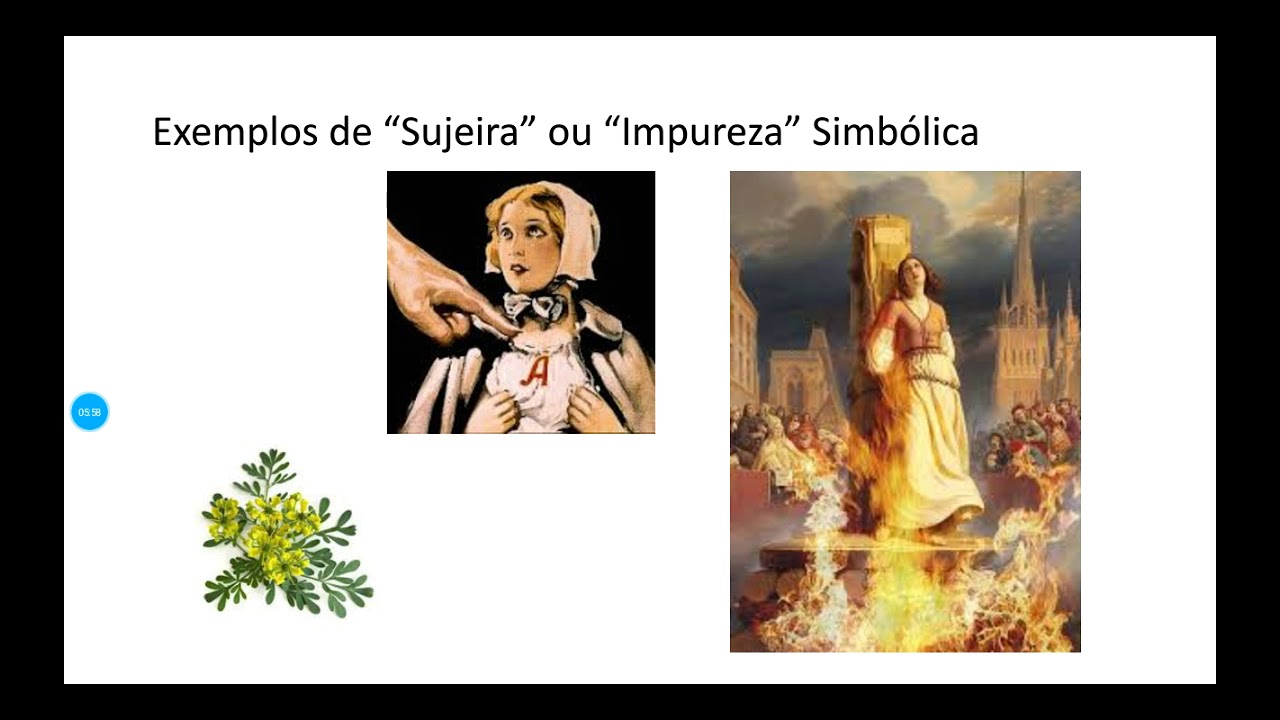
An introduction to the concepts of 'purity' and 'pollution' as social constructs used by different societies to maintain order.
A basic comprehension of subsistence strategies, animal husbandry, and how ecological environments historically shaped human diets.
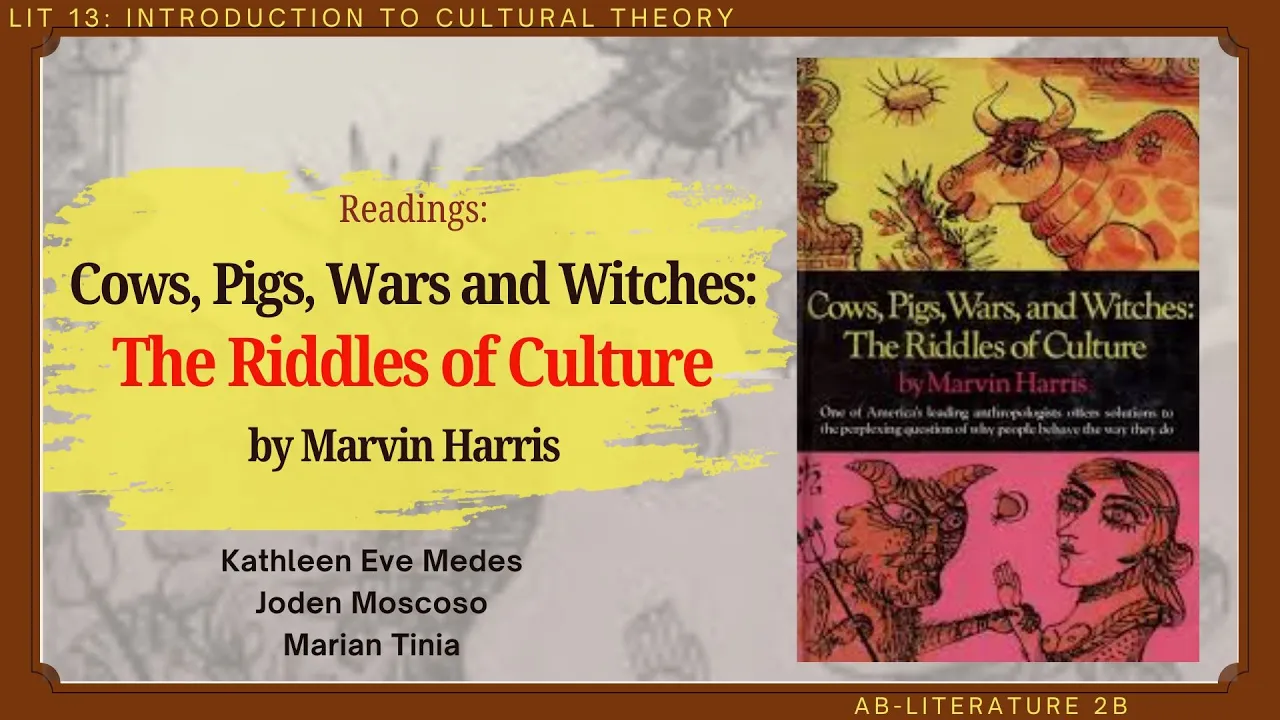
A deep dive into Marvin Harris's theory of Cultural Materialism, exploring how economic and ecological costs and benefits determine food taboos.
An exploration of Mary Douglas's symbolic anthropology, particularly her work in 'Purity and Danger' regarding taxonomic anomalies and classification systems.
An investigation into the evolutionary psychology of disgust, analyzing how biological survival mechanisms interact with cultural dietary restrictions.
A comparative study of contemporary food taboos, such as the social stigma surrounding horse or dog meat in Western societies, and the rise of ethical veganism as a modern dietary taboo.
368.4K views17.8Klikes6:39Original Release: 2020-05-03
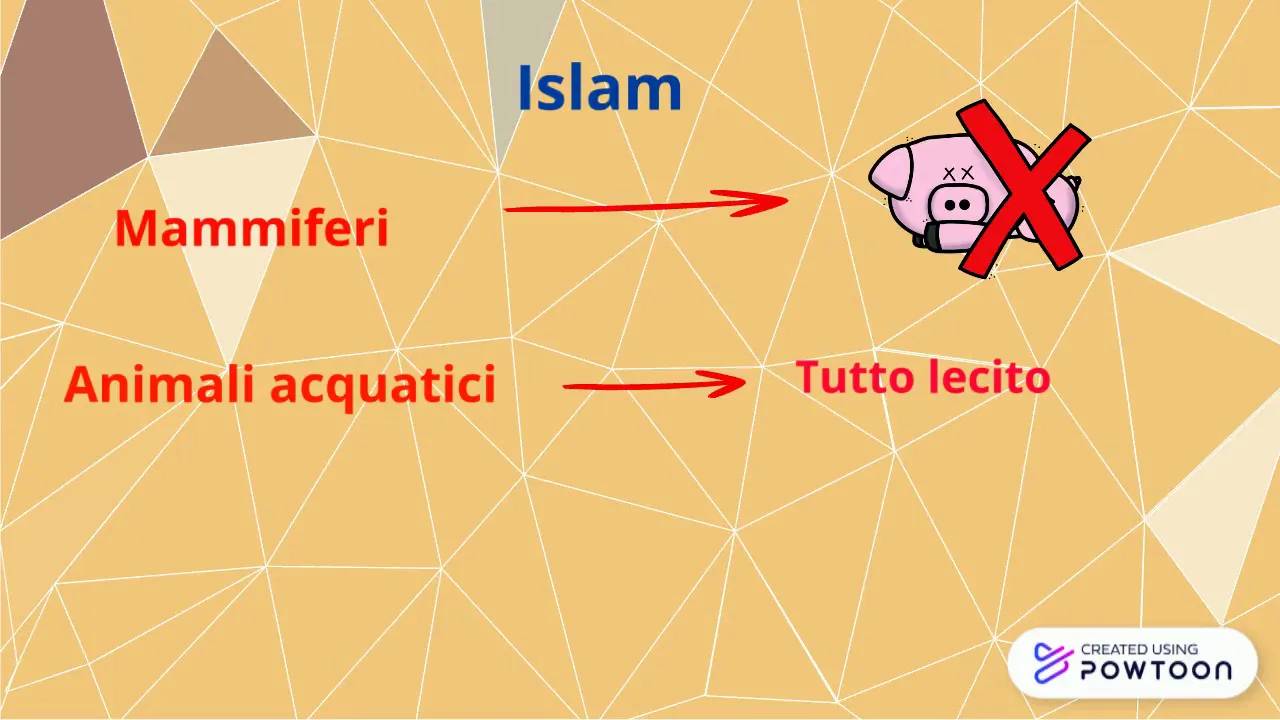
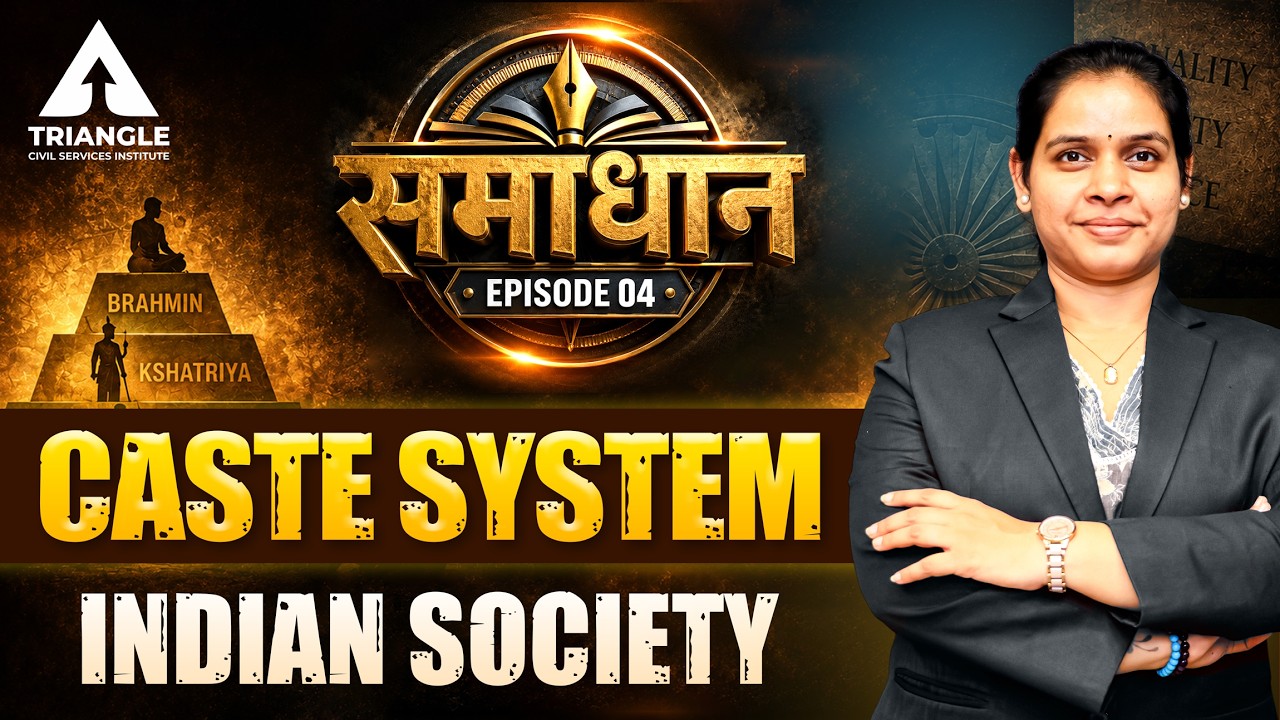
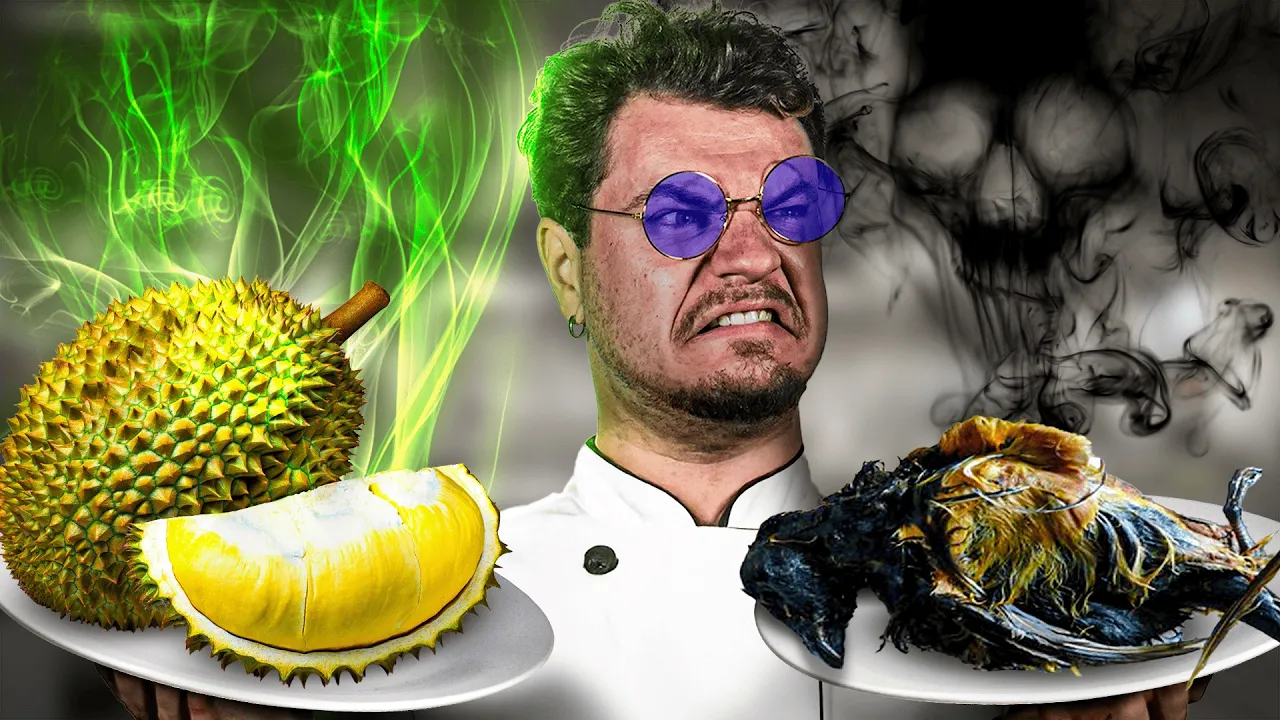
around the world there are certain animals people simply refuse to eat even under the most dire of circumstances and there are other people who will eat the same exact animals without even giving it a second thought jewish people don't eat pigs or lobster people who practice hinduism don't eat cattle the comanche people of the american plains forbid eating dogs in africa many clans consider the consumption of fish to be taboo why is this exactly and why might have some of these customs developed in the first place well me and my buddy and fellow youtuber mr beat have decided to collaborate to address such a question isn't that right mr beat thanks trey over on my channel i just released a video about why americans don't eat cats dogs or horses but in other parts of the world they do why is that find out after this video what an amazing dude make sure you head over to his channel for that vid after this one links in the description my video will try to answer the anthropological basis for why some religions have created sacred and forbidden animals namely the ban on pork and judaism and the ban on beef and hinduism one of the main tenets of judaism is the practice of kosher as laid out in the ancient jewish text the torah the practice primarily consists of dietary regulations illustrating what is or is not fit for consumption by jews the law's strict restriction on the consumption of meat from pigs is perhaps one of the most well-known aspects of kosher it should be noted however that the hair the hyrax and the camel are also listed alongside the pig as animals jews may not consume these animals are considered ritually unclean and eating them is taboo deer ox sheep goats and camellopartilus possibly an ancient word for giraffe are among many others land animals jews may consume in hinduism cattle are considered sacred and many in the religion hold great respect towards these animals in the ancient hindu text the vedas cows are considered a sacred symbol of life and associated with the mother of all the gods any kind of violence inflicted towards cattle is considered immoral and killing a cow and consuming its meat for food is a major taboo cattle are considered too sacred to eat while pigs are considered too unclean to eat it has been a matter of debate among anthropologists scientists who study human cultures how these practices might have arisen in these belief systems in the first place and why one theory for the pig taboo for example is that the animal was simply considered gross or repulsive pigs eat carrion and dead decaying things and require bathing and mud for their thin skins perhaps a jewish priest thought it was safest for jews to avoid eating such animals religion and superstition were in fact once the science of its day perhaps the practice originates as an ancient health precaution such an argument has been made for consuming shellfish which probably were dangerous for people to eat at that time in history if not prepared carefully we know that pigs couldn't have been too dangerous to eat however because several neighboring cultures at the time consume pork and survive just fine some point to the quote-unquote weird-looking fish hypothesis where some cultures just didn't like how certain animals looked and thus feared eating them this is perhaps why monkfish are not considered kosher but most other fish species are monkfish just look kinda creepy i guess some modern anthropologists have made economic arguments for the creation of these taboos cattle once formed and still do form a significant aspect of the economy of india in the surrounding regions cow milk was a precious food source cow dung a valuable fuel cattle are crucial to farming pulling plows and so on perhaps the taboo was made to deter people from killing these valuable animals as a short-term food source during times of famine and possibly cause major economic turmoil as a result raising pigs requires wet and shady forest conditions conditions not exactly common in the middle east perhaps breeding and raising pigs on a large scale for consumption was something that was not feasible in the regions where the israelites resided and authorities outlawed the practice for economic and ecological reasons it should also be noted that india was not always the haven for cows it has become it is now understood that these animals have not always been considered as sacred as they are today cattle and oxen were sacrificed for religious purposes and eaten in the region in ancient times these practices eventually fell out of favor with changes in religion namely an introduction with buddhism and jainism by the first century a.d cows in parts of india had become strongly associated with the brahmin caste the highest class in the social hierarchy and a peasant killing one of these animals was equated to peasant killing a person belonging to a higher class perhaps the taboo has something more to do with society and classism others still have made darker explanations pig meat and skin is said to be very human-like in touch and for those that have tried it taste writer christopher hitchens once proposed that the ban on consuming pork was perhaps associated with fears towards ritualistic cannibalism in the ancient world the pork taboo in judaism seems to be very ancient the origins of the ancient israelites have been for millennia surrounded in mystery legend and myth when archaeologists began to first uncover the earliest records of these people in the land of canaan or the modern day near east little ethnic distinction existed between the early israelites first appearing in the late bronze to early iron age in their neighboring cultures such as the philistines and canaanites however one of the few distinctions that appears to have set this new culture apart from such neighbors was the suspicious absence of pig remains or bones in their crash heaps when archaeologists examined their villages pork formed 20 of the philistine diet in some places while on ancient israelite villages informed zero interestingly it appears kosher is among one of the earliest practices in judaism and one of the religions earliest foundations which set it apart from its neighbors so far back however records are scarce and the reasons for these beliefs lost time we perhaps may never know what reasons or reasons exist for these cultural practices all we know is that human culture is weird we make all kinds of rules for our own reasons which probably made complete sense to those who made them at the time these are only two such dietary rules out of thousands that have been made by cultures around the world all of them allowing for tons of different possible explanations for their origins and development be sure you check out mr beat's companion video to this one where he talks about horses cats and dogs why some people eat them and others do not i hope you enjoyed this quick little video and thank you so much for watching hope to see you next time [Music]
Up Next

16:55
Deciphering Cuneiform: How Ancient Languages Are Unlocked
@LexClips
47.2K views•2025-12-18

38:41
Astrobiology Through an Anthropological Lens: Field Insights
@georgiatechastrobiology
128 views•2021-04-14

4:45
Proxemics Explained: The Study of Personal Space
@Vox
536K views•2016-07-05

10:38
Psychology of Internet Trolling and Pranks Explained
@AzzyLand
10.7M views•2017-12-20
Related Study Plans & Knowledge Roadmaps
Structured learning paths in Anthropology
anthropology
Space Anthropology: Analogs, Culture & Habitats
01Foundations of Space Anthropology & Cosmic Imaginaries
02Extreme Isolation & Micro-Societies in Orbit
03Space Analog Habitats & Earth-Based Simulations
+ 2 more learning modules
15h5 modules
Explore Roadmap
anthropology
Legal Anthropology: Customary Law & Pluralism
01Foundations of Legal Anthropology and Social Justice
02Legal Pluralism: Coexisting Legal Systems
03Customary Law and Indigenous Dispute Resolution
+ 2 more learning modules
15h5 modules
Explore Roadmap
anthropology
Global Tourism: Gaze, Authenticity & Heritage
01Introduction to the Sociology of Tourism
02The 'Tourist Gaze' (John Urry)
03Staged Authenticity in Tourism
+ 3 more learning modules
14h6 modules
Explore Roadmap
anthropology
Modern Kinship (ART, Adoption & Chosen Family)
01Foundations of Kinship and Family
02Assisted Reproductive Technologies (ART) & Relatedness
03Transnational Adoption and Global Kinship
+ 2 more learning modules
12h5 modules
Explore Roadmap