











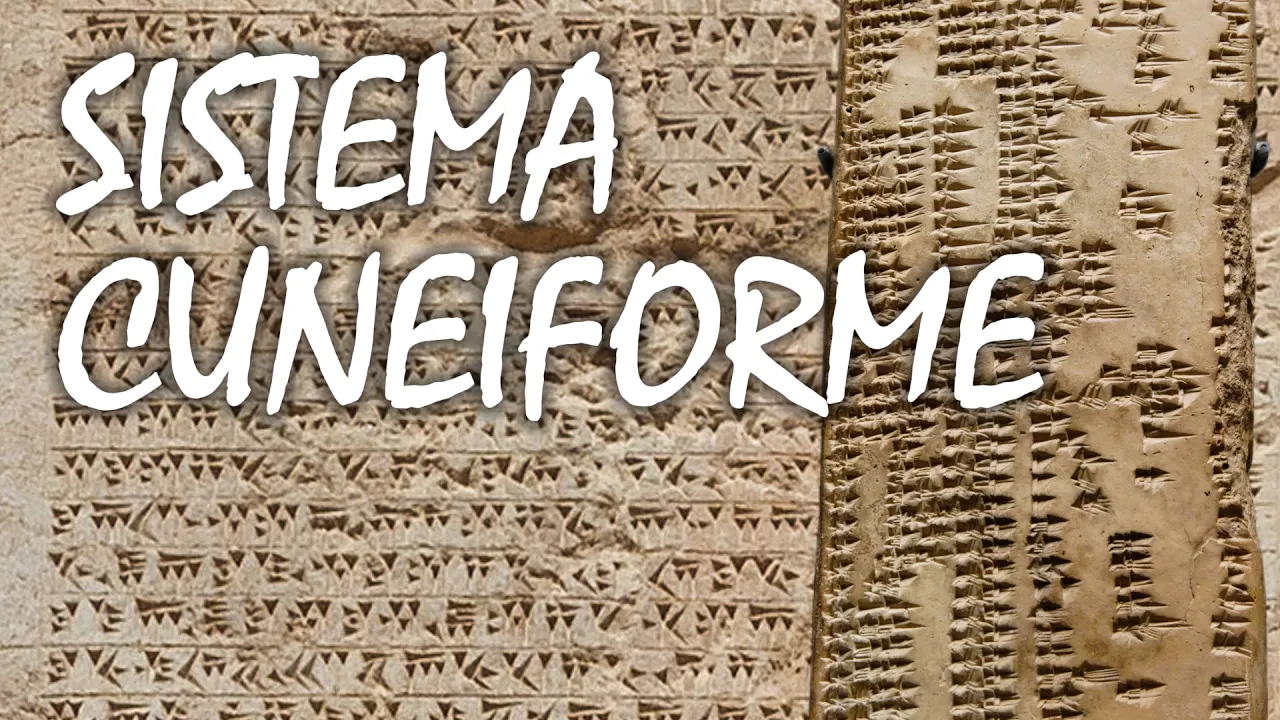






Cuneiform is a syllabic writing system where each sign represents a syllable (a vowel-consonant combination), and its decipherment relied on the Bisitun trilingual inscription containing the same text in Old Persian, Elamite, and Babylonian, allowing scholars to identify words by comparing the known Old Persian text with the unknown cuneiform versions, revealing that Babylonian is a Semitic language while Sumerian remains an isolated language unrelated to any other known language family.
Deciphering Cuneiform: How Ancient Languages Are Unlocked
Added:The fundamental distinction between a script (a writing system) and a spoken language, crucial for understanding how one cuneiform script was adapted for various tongues.
A basic geographical and historical overview of ancient Mesopotamia, including the major civilizations of Sumer, Akkad, Assyria, and Babylonia.
The concept of bilingual or multilingual inscriptions (such as the Rosetta Stone model) and their role as linguistic keys in historical epigraphy.
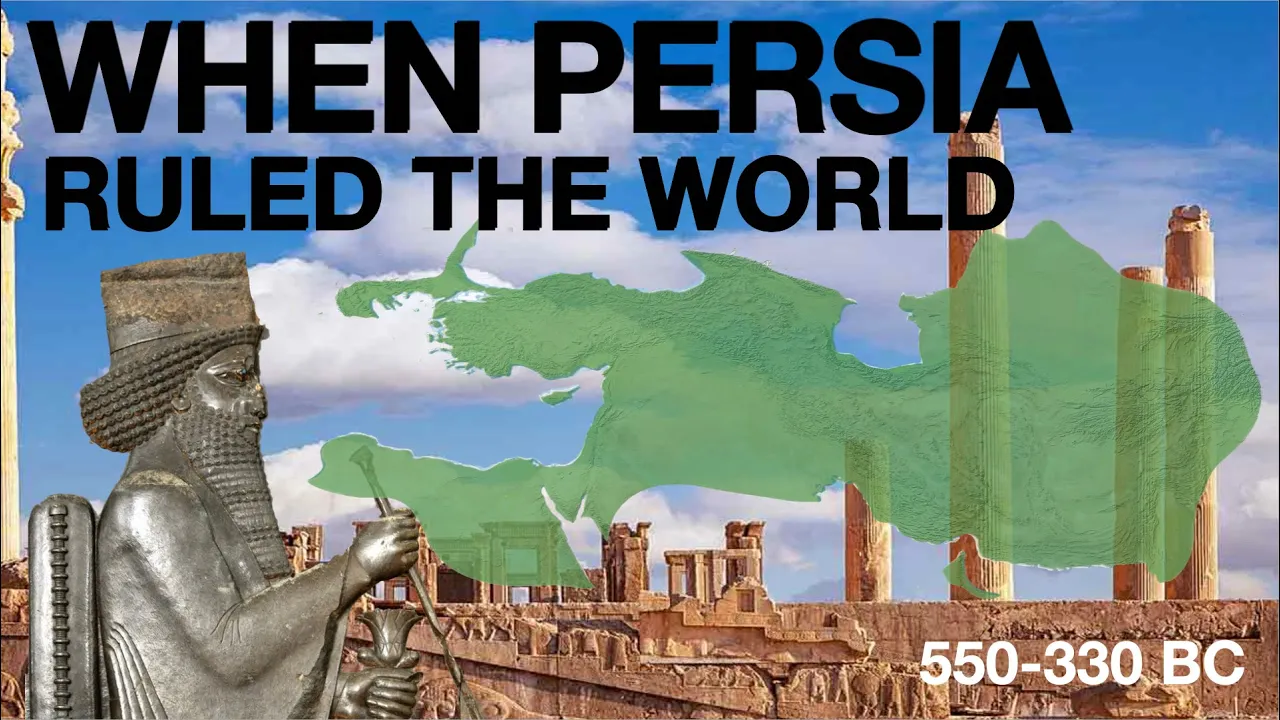
The historical context of the Achaemenid (Persian) Empire and King Darius I, who commissioned the Behistun Inscription.
An in-depth study of the Akkadian language, exploring its grammatical structures, Semitic roots, and historical evolution.
The linguistic analysis of Sumerian, an agglutinative language isolate, and its complex relationship with the Akkadian language.
A critical reading of major translated Mesopotamian literature, such as the Epic of Gilgamesh, the Enuma Elish, and the Code of Hammurabi.
Advanced methodologies in digital archaeology, including the use of 3D scanning and machine learning algorithms to decipher and catalog damaged cuneiform fragments.
47.2K views887likes16:55Original Release: 2025-12-18
A lot of the kuneaform language is already deciphered.
>> Sure.
>> Can you speak to the the deciphering process? How hard is it? Maybe take us to this place of uh for you yourself first learning the language, figuring out the puzzle of it. How does it feel the how does it look like to to a brain that doesn't deeply understand it? And how do you then piece stuff together?
Maybe you can go to the the early days sort of the the Rosetta stone of Kunea form also >> that's important well the first thing is is that how the kunoifor writing system works because the crucial point and once you see it is makes a lot of things clear is that they wrote in syllables so if you take the English alphabet which of course they didn't you had the letter B G D P H and so forth they couldn't write a consonant They couldn't do that. So what they did is they had a vowel before a consonant or one after. So you have ab and ba. But as they had four vowels, you had to have ab and ba, ib and b, and bu, eb and be.
>> Mhm.
>> So you had the the range of things clustered around what we call a consonant. So they had all those for all the letters which gave them a basic system. there was much more to it than that and it was more complicated than that. Well, we don't have to really go into it but basically if you are a Babylonian and um you want to write the word museum which of course is one of the most important words in the English language and other languages too. So what you would do is you would write the syllable moo >> and then the sign and then the sign.
So you split the word up into its component syllables when you read it in your mind you squash them together into museum. That's the basic system. They had other signs which gave you a clue as to the meaning and bits around the edge.
But it's basically salabic writing.
>> So when you go to university to study kunea form what you have to learn is all the signs and all their values. Because unfortunately they didn't just have one for each. They had multiple ones. And the reason is not that they were mad or they wanted to make life hell, but because the syllables derived from the writing of Sumerian words.
>> So the Sumerian vocabulary had a lot of words that were probably differentiated by tone.
>> So you might have bar and then a rising [clears throat] a and then a lowering. And these signs all retain the bar value even though there were no tones. So it means if you look at a sign list there's a lot of signs you have bar number one which is the common then there's bar number two bar number three and you have to learn them all and when you read you have to learn how to do it. So when in the modern world if you go to university to to do a seriology which I hope you and all of your disciples will do as soon as possible you actually have to cope with two languages the Sumerian and the Babylonian. Now the first thing is this that the Babylonian language is a smitic tongue which although it's extinct is connected to or related to Hebrew, Aramaic, Arabic, Ethiopic, Syriak all that family of Semitic languages which are still alive. It's an early example of one of those. So that when the decipherment came along, it was the Semitic dictionary that they fell back on to identify words, nouns, and roots.
The other language, which is Sumerian, the one when you stick bits in the beginning and stick bits at the end, is not only not Semitic. It's not related to any other known language.
>> Oh no.
>> Yeah. This is a bewitching thing. It's a bewitching thing to me. And this is how to understand it because the languages that we study in the world today, linguists study, they more or less all fall into a language group. So you have Indo-Uropean with Spanish, Italian, Latin, Hitittite, and so forth. So that's what French, that's one group, and you have Germanic, and you have Savonic. And most languages, even the far-flung ones, fall into what can be seen to be maybe big and airy groups. [clears throat] They're family like that. There's not one for Sumerian. So this means that the truth that languages do not exist in a vacuum, but they're part of a big family must always have been true. So that when writing arrives about 3,00 say 300 BC to write proper properly it means that Sumerian was recorded just in time but the big languages maybe in China in Russia in somewhere else in Asia that were related to Samrian >> are gone >> are all gone. They're gone forever and ever and ever unless something amazing happens. So, we've got the one representative of this bizarre family that >> amazing.
>> It is an it's a very stimulating thing to imagine. I personally believe that Neanderals and early homo sapiens for sure had language. For sure they talked to one another. It's impossible that they didn't. The point came when they did. They did. And now 800,000 years all live in Europe. They had to deal with the ice age. They all live together.
They bring up their children. You think they couldn't speak anything. They have the same apparatus. If you have a human brain, then it responds to stimulus. And the more stimulus there is for communication, I mean, the idea that you and I are out hunting rhino and and and you say, "Lex, shut up. I'm constant." legs. Lex and I suddenly think, "Oh, I get it. You are Lex." Right? You only have to do that once. Then you know who I am. So I know that I'm me and that you are you. So people who say that they couldn't distinguish ego and and all that. It's absolutely stupid. If you cut your hand with a knife, you sure as hell experiencing.
You sure as hell do. It hurts. It >> hurts a lot. You might even bleed [clears throat] to death, but it's not somebody else's hand.
And it's your hand and it's your existence and your life that's threatened. You think people weren't conscious that they were an entity? I don't believe it.
>> And they probably had a way to express that with sounds.
>> Well, eventually, yes, names.
>> I mean, names, >> names are things. And then you have a the idea that a label fixes to something. Then the light bulb has gone on and next minute you have rhino and you have skin and you have babies and you because I think you have an idea and the idea then drives the brain and the brain has another idea. It works like fertility.
>> So what do you think is the motivation the primary driver of developing written language is it is it goes hand in hand with civilization. I think that the media in which it appears is when there's a lot of people living in an urban environment. Yeah.
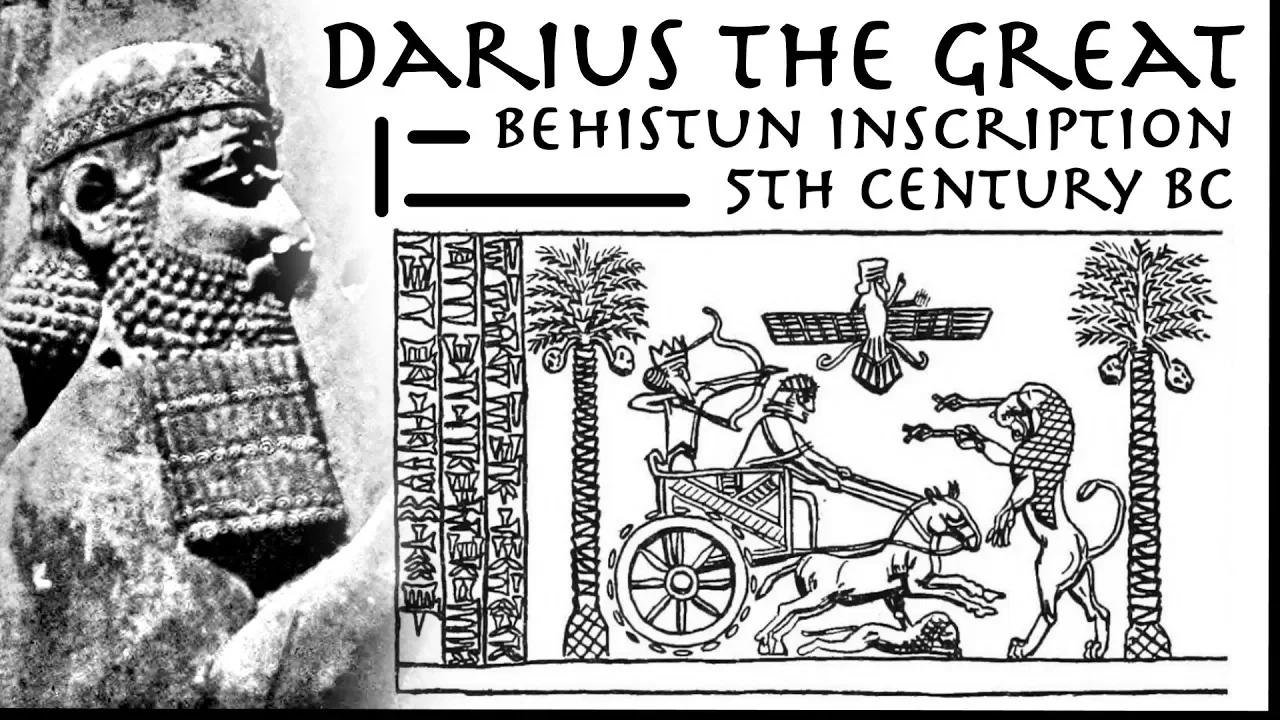
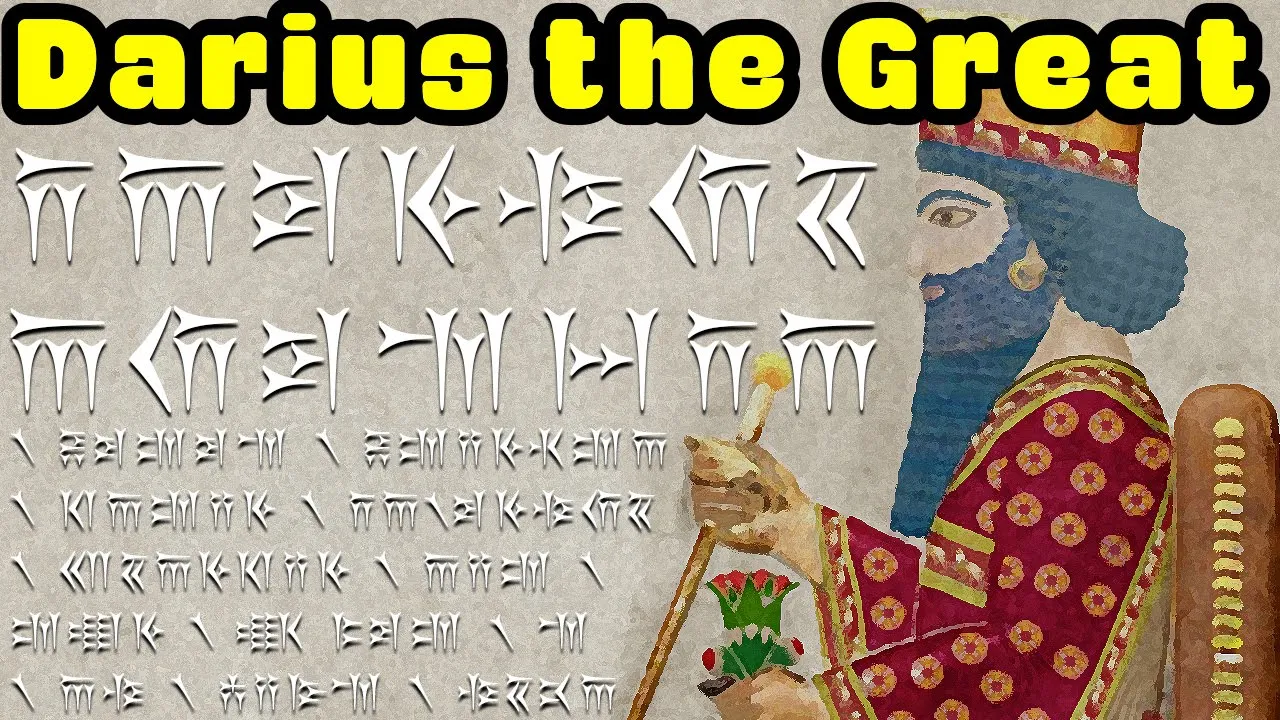
>> And wi with with rival institutions or the king or with the government or all those sorts of things. And that's why I think Geekly must have been the same thing. I read somewhere that they're all nomads and they only came to Geeklete, you know, 3 months. Yeah. I mean that cannot be true that they were nomads and they cannot be true to get the stone and someone has to draw on the ground the plan of the building they have to work out how thick it is going to be how high it's going to be and I mean you know you can't just [clears throat] you know like that like gorillas [gasps] >> uh all right so deciphering the process of deciphering >> so when I started there were grammarss and signists and dictionaries everything was marvelous it was basically deciphered. All you had to do is get on with learning it. But at the beginning when the first tablets and bricks in Kunea form and stone inscriptions came to light, no one could read them. But they knew they were writing, but they didn't know how to read them. And what happened was, like you said before with the Rosetta Stone, it was something directly comparable because there was um an inscription of one of the Persian kings halfway up a mountain in a place called Bisutun where this king Darius had written an account of his successful career in [clears throat] Elilumite and in Babylonian and in old Persian triilingual Persian and old Persian although it is an obviously archaic form of the language Persian is still alive it was still alive in the 19th century so they since the old Persian was written in a very simple style of kunea form they deciphered it they twigged it was old Persian they read it in Persian and they read the names Darush in old Persian and then suddenly somebody realized that the other two columns about the same length >> brilliant >> what do you know and the thing is it said I Das the great king king of the working the son of grandson of so there's a whole paragraph with repeated things in the person which they could understand so what do you know they're reiterated passages in the other two languages so that was the key that that kind of the chisel that opened up kunoifor writing proper and the thing was they soon twigged that the language of the Babylonian was a smitic tongue and this was so important. I think the first word they discovered was the word for river which is naru in Aadian and nar in Arabic and Aramaic. And when they realized that the word that corresponded to the Persian had this form, this was a gift a gift of gold because everybody immediately seized their Arabic and Hebrew dictionaries and started leafing through looking for words that would fit in the context. And they basically they decipher this inscription in that sort of way. And of course all the other inscriptions came in order and there were lots and lots of difficulties which had to be resolved but that's the basic thing and without that triilingual um I don't know what would have happened. I mean I suppose it's conceivable that in the very modern world something might have happened but as it was it was done by sheer brain power by very very clever persons just doing it and they they cracked it. The Elumite language is much more difficult but they got a lot of it too. So it was a very romantic thing because the inscription was carved on a mountain face far above the plane and um [snorts] Henry Rodinson who was a upstanding young British officer who claimed to decipher ka form quite unjustifiably climbed up there with some miserable kid and made squeezes of the whole thing overlooking the plane thousands of feet up in the air and brought those back and they were used in the decipherment. So it's very romantic.
>> Wait a minute. more controversial statement from Mr. today. Henry Rollinsson doesn't deserve the credit for that.
>> No, I don't think he does. He's he's he's called the father of a seriology, but I think he's the stepfather of a seriology because when he first got these inscriptions, he wrote a long book about it, which was almost entirely wrong.
And there was a clergyman in Northern Ireland called Edward Hincks who lived in a place called Killer Lane and had five daughters and ran this church who was um possibly a card carrying genius if not jolly jolly clothes. And what happened with with him was this. There was um an ongoing competition well an ongoing challenge to decipher hieroglyphic writing which Sholon usually gets the credit for. And Hinx was very interested in trying to decipher hieroglyphic ahead of the French.
And he ran into a sort of dead end at one stage and he thought he'd have a look at Kunea form to see if it was helpful.
And at the same time he cracked it. He worked out how it worked. He realized that one sign can have more than one value of sound and of meaning because they are multivalent the signs. I tried to shelter you from the horrible news, but it actually it it's not it's not a walk in the park. It takes about 5 years to to um you probably do it in about four probably.
>> That is a compliment. I think you just complimented me. Uh thank you. Thank you very much. [laughter] So what So you're saying one one sign that looks exactly the same might have different sounds given the context.
>> Yeah. And you have to choose the right sound [snorts] and and and also different meaning as well because for example if you if you have a sign for hot word hot right you you can't really have a picture sign for hot doesn't make sense but what they did is they did a drawing of a kind of um complex thing with a brazer inside another sign which meant hot. So that sign existed but it also meant other things as well and you had to choose the right one for the contest. is all a contextual matter. I mean, it really is quite a matter for despair when you start ka form because on top of everything else, they didn't leave gaps between the words.
>> They're all connected. That's really mean. Yeah. So when you read um what you have to do you start with the first sign and you think of the sign list and you go through the the values in your mind and there's next sign and if one is bar and the next one is ab among other readings bar ab sounds like a syllable structure for a word and you go on like that.
>> So [snorts] there are two things about it. One is that if you want to you can master it. The other thing is that the number of variables was restricted. They controlled it. So it wasn't insane. So in other words, if you learn the corpus and you learn how the signs are composed and you learn their different values, then you've got it down >> and off you go. And and um it's it's very beautiful. I think it's it's it's marvelous.
>> Can you in all seriousness take me back to the time when you were learning it?
What's the process of learning it? Well, I had very abnormal upbringing because when I went to university um [clears throat] for about three years beforehand, I'd wanted to be an Egyptologist.
>> So, I'd read the grammar by gardener and was looking forward very much to studying ancient Egyptian. And what happened was that I went up to the University of Birmingham where I went to university. And uh there was a man called Rd Clark who was an Egyptologist.
And Rundle Clark came in on the Monday and gave us one lesson about Egyptian sculpture or something like that. And the next minute he next day he died.
Bang.
So, uh, the professor called me into his room and said, "Look, it's going to take me a while to get an Egyptologist. They don't grow on trees." Um, but there's another person in this department who teaches another ancient language called Lambert, and he teaches Kunea form. So, what I suggest is you go and do a bit of Kunea form with Professor Lambert, and then when I get an Egyptologist, you can convert back.
So, I go and knock on the door. Yes. Um, so I went in and said, "I want to learn canary form." And, uh, Professor Lambert, who was rather a Sherlock Holmes kind of figure, aesthetic, bony, sarcastic, [laughter] cruel, >> cruel, >> cruel, absolutely terrifying. Um, and I said, um, I I wanted to learn KA form.
and he wasn't at all pleased because this was a time in Britain [clears throat] when um professors resented having students to teach because it buttered into their research time. It was that sort of arrangement.
[snorts] Anyway, I started it off and after about I don't know maybe one or maybe two lessons I knew this was going to be my life's work. So that's what happened to me.
>> It was an amazing thing. So he gave me a list of signs to learn basic signs. So I did and the next couple of days and then we came in and he we started reading
Up Next

22:00
Deciphering Maya Script: History and Methods Explained
@AncientAmericas
417.8K views•2020-06-23

38:41
Astrobiology Through an Anthropological Lens: Field Insights
@georgiatechastrobiology
128 views•2021-04-14
4:45
Proxemics Explained: The Study of Personal Space
@Vox
536K views•2016-07-05

10:38
Psychology of Internet Trolling and Pranks Explained
@AzzyLand
10.7M views•2017-12-20
Related Study Plans & Knowledge Roadmaps
Structured learning paths in Anthropology
anthropology
Space Anthropology: Analogs, Culture & Habitats
01Foundations of Space Anthropology & Cosmic Imaginaries
02Extreme Isolation & Micro-Societies in Orbit
03Space Analog Habitats & Earth-Based Simulations
+ 2 more learning modules
15h5 modules
Explore Roadmap
anthropology
Legal Anthropology: Customary Law & Pluralism
01Foundations of Legal Anthropology and Social Justice
02Legal Pluralism: Coexisting Legal Systems
03Customary Law and Indigenous Dispute Resolution
+ 2 more learning modules
15h5 modules
Explore Roadmap
anthropology
Global Tourism: Gaze, Authenticity & Heritage
01Introduction to the Sociology of Tourism
02The 'Tourist Gaze' (John Urry)
03Staged Authenticity in Tourism
+ 3 more learning modules
14h6 modules
Explore Roadmap
anthropology
Modern Kinship (ART, Adoption & Chosen Family)
01Foundations of Kinship and Family
02Assisted Reproductive Technologies (ART) & Relatedness
03Transnational Adoption and Global Kinship
+ 2 more learning modules
12h5 modules
Explore Roadmap