












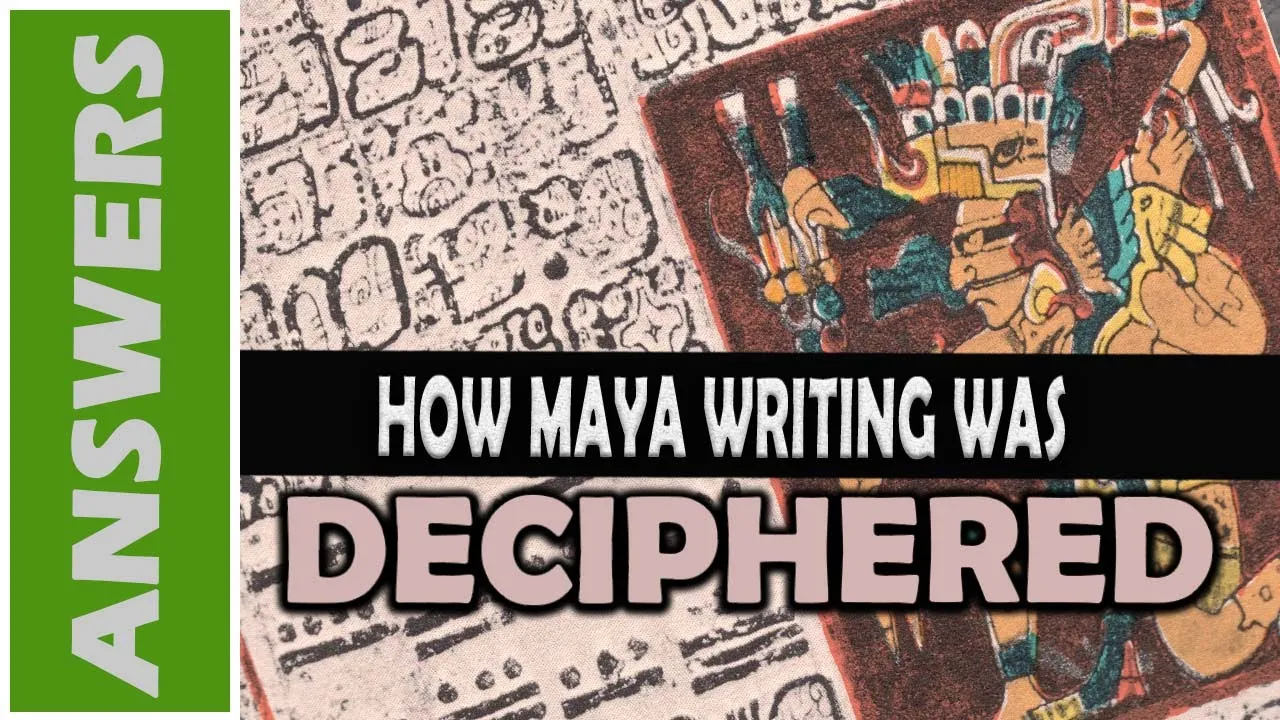
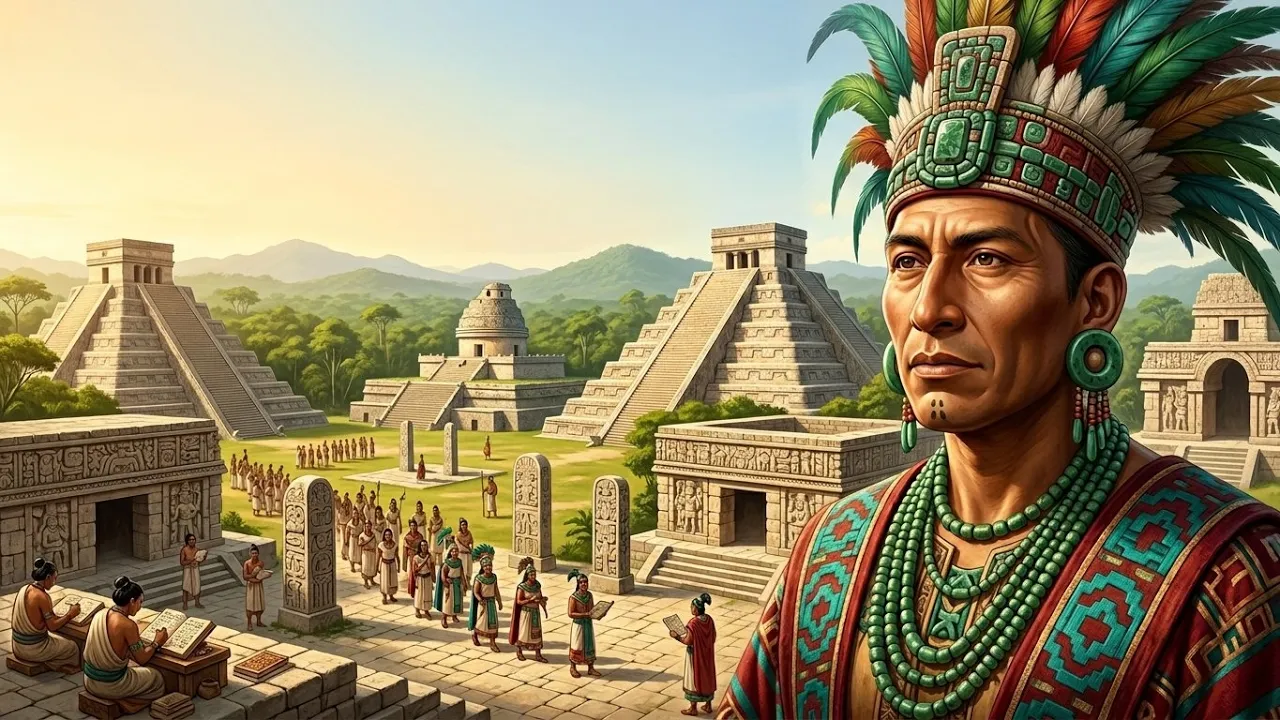






The decipherment of Maya script, which took over a century of collaborative work by scholars worldwide, was achieved through recognizing that Maya writing is a logo-syllabic system where each glyph represents both a syllable and a picture, combined with the use of bilingual texts and understanding of the Mayan language; this breakthrough transformed our understanding of Maya civilization from viewing them as mere ceremonial center dwellers to revealing them as sophisticated societies with detailed historical records.
Deciphering Maya Script: History and Methods Explained
Added:An introductory understanding of the Maya civilization, including their geographical location in Mesoamerica, chronological periods (Preclassic, Classic, Postclassic), and cultural achievements.
Basic linguistic concepts regarding writing systems, specifically the distinctions between alphabetic, syllabic, logographic, and logosyllabic scripts.
The historical context of the Spanish Conquest of Mesoamerica, particularly the preservation and destruction of indigenous texts by Spanish friars like Diego de Landa.
A general familiarity with the mediums of Maya writing, such as stone stelae, ceramics, and the surviving bark-paper codices.
Practical epigraphy and the mechanics of reading Maya glyphs, including glyph blocks, prefix/postfix orientations, and double-column reading orders.
How decipherment transformed historical narratives, correcting the 'peaceful astronomer' myth to reveal complex dynastic politics, warfare, and historical alliances.
The integration of Maya writing with Mesoamerican mathematics and astronomy, particularly the Long Count calendar and Venus cycles.
The linguistic connection between ancient Classic Mayan (Ch'olti'an) and modern Mayan languages spoken today, and efforts toward script revitalization among modern Maya descendants.
Comparative decipherment studies, applying the historical lessons of the Maya script to still-undeciphered ancient writing systems like Linear A or the Indus script.
417.8K views14.6Klikes22:00Original Release: 2020-06-23
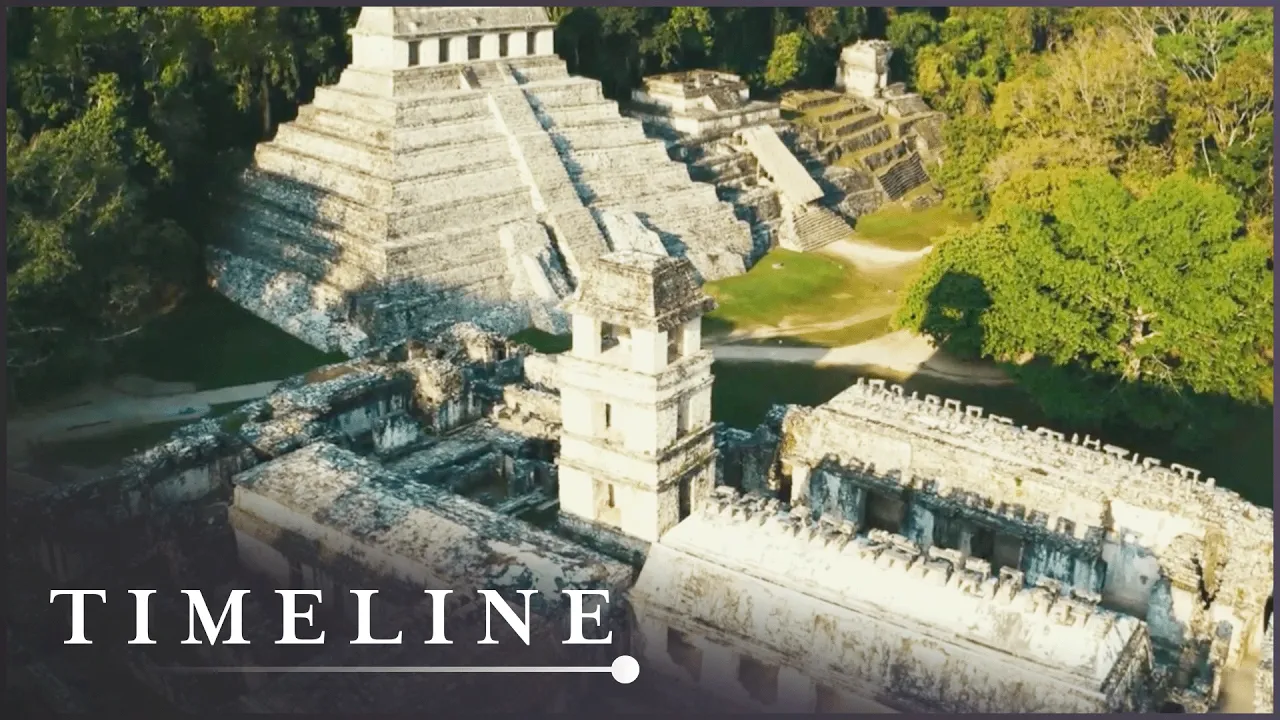
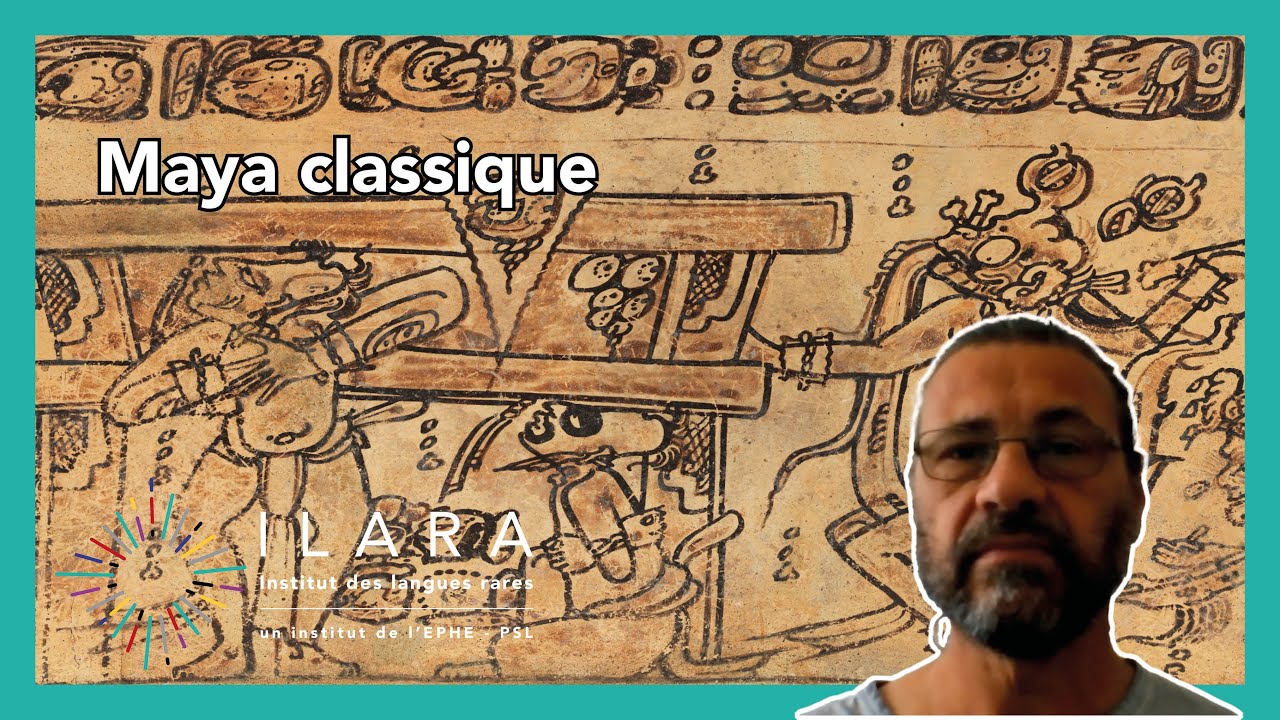
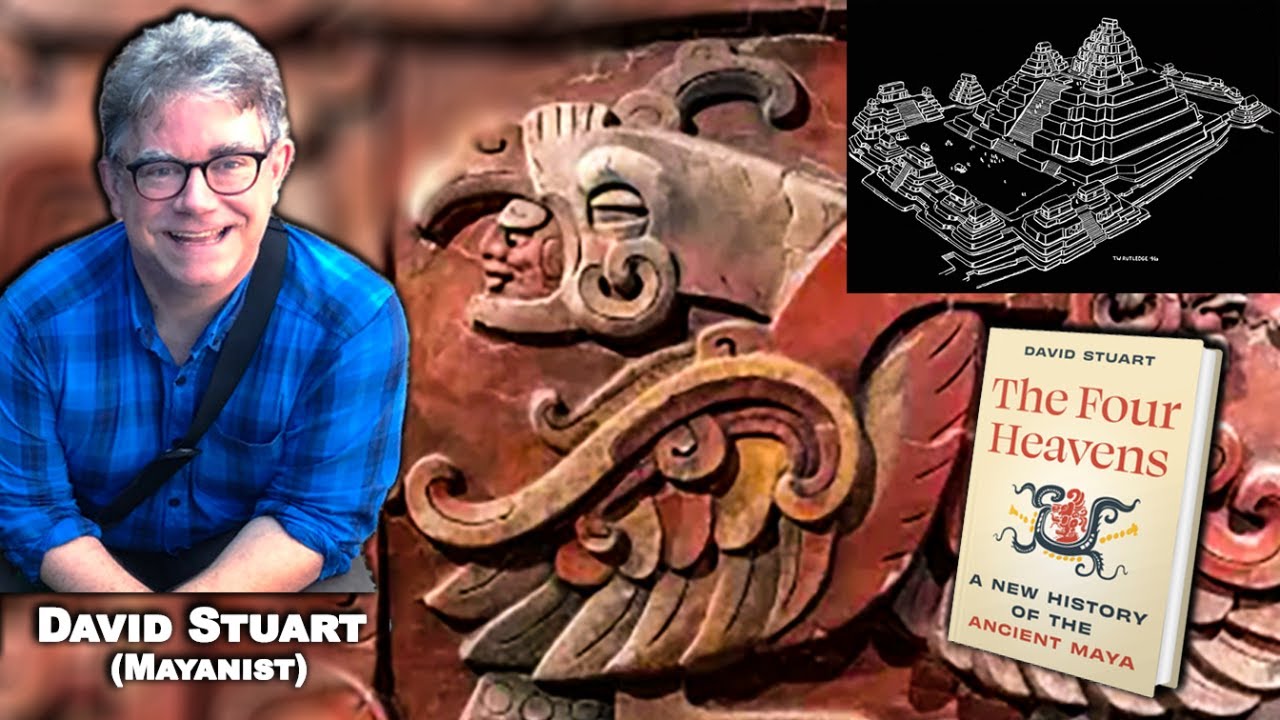
[Music] Maya script is an amazing thing it gives us an incredible perspective into Maya life that we don't have for many other indigenous cultures in the Americas the Maya script was used for centuries to record many facets of my life some people believe that it represents the first full writing system in the Americas but as I mentioned in my Olmec episode that is hotly debated regardless of whether or not the Maya were the first to invent writing in Mesoamerica they produced huge amounts of writings like histories scientific works and royal proclamations and tributes on a dizzying array of mediums this literary tradition was not to last after the Spanish conquest use of Maya script ceased among the Maya and no European bothered to record it in time all knowledge of this writing was lost for most of the study of Maya history no one could read the inscriptions or codices that the ancient Maya left behind and we only had archaeology and period accounts the Spanish with which to study them Maya study has been revolutionized by the decipherment of Maya script this is a relatively recent event and it was the result of over a century of work from many people all over the world how the script was deciphered is a fascinating story that will take us through centuries of Maya history and study down to the present day so buckle up because it's going to be a long ride before we continue I want you all to keep something in mind and that is what you need to decipher an unknown script contrary to what you may have seen in movies no one just sits at a desk and guesses at words and sounds until something works there are five requirements needed to decipher an unknown script the first requirement is a large body of writing you need lots of writing samples to compare against each other to test if your method is working the second thing you need is a knowledge of the language that the script is recording writing always records spoken words and without knowing what words are being spoken you won't get very far in decipherment the third requirement is that you must know the type of writing system the script is for example are you dealing with an alphabet like the Roman and Cyrillic alphabets is it an objet Arabic a syllabary like Japanese katakana does it have logograms is it a combination of writing systems this is gonna dictate how the language is written the fourth requirement is cultural context usually the names of people's gods places or even customs that are already known about the people that created and wrote the script this allows a pig refers to determine the meaning of specific words or terms the fifth and perhaps the most important thing you need is a bi script or something that is written in the scripture trying to decipher and a script that is already known that's a lot of stuff to remember but let's make it a bit easier by using these requirements to analyze another famous case of decipherment that many of you may already be familiar with that of Egyptian hieroglyphs by the brilliant jean-francois Champollion now let's check that list again large body of text check shampo Leone had access to copies of many Egyptian inscriptions compliments of Napoleon's invasion of Egypt and the scholars and artists he took with him a knowledge of the language check shampo Leon had studied the Coptic language which he correctly deduced was descended from ancient Egyptian and this was critical in deciphering the hieroglyphs identification of the script check this was another thing that shampo Leone figured out that others had stumbled over he realized that the hieroglyphs were not alphabetic but rather a logo so Abuk script cultural context check even without knowledge of written Egyptian shampo Leone and others had Greek and Roman sources that wrote histories of Egypt and thus he knew the names of many Pharaoh's cities and deities and ceremonies a by script I probably don't even have to answer this one because if there's one thing anybody knows about the decipherment of Egyptian hieroglyphs it's the rosetta stone this was an inscription made in both ancient Greek and Egyptian thus had provided shampo Leone with an Egyptian inscription whose meaning was already known and allowed him to decipher the higher glyphs now I hope you have a rough idea of what it takes to decipher a language with this in mind let's begin the story of how Maya script was deciphered and as you listen keep these requirements in the back of your head the story begins right after the Spanish conquest of the Yucatan with a zealous and fiery Franciscan priest named Diego de LAN de Jolanda had come from Spain to convert the Maya people and he actually later became the Bishop of the Yucatan for his efforts Jolanda spent years among the Maya learning their language their religion and their customs by the time he died he may have known more about the Maya than any other European unfortunately Jolanda was a fanatic in his mission and he used very harsh methods to convert the Maya from their traditional paganism or as he might have put it to save them from idolatry the event that best captures this is his infamous auto-da-fé a in which he collected Maya books and burned them sending centuries of Maya art literature and history up in smoke today only for Maya books are known to exist ironically Jolanda would play a huge role in enabling the decipherment of Maya writing even as he burned it Jolanda wasn't a simpleton and he unlike many of his other compete reott s-- recognize the value of Maya writing to his endeavour and he tried to get a scribe to show him how to write the script now we need to get into some specifics here because this will be important later after de Landa found his Maya scribe he asked him to write the alphabet in Maya he would say write me an A write me a B and so on until he had his alphabet written in Maya script unfortunately for Jolanda that did not work because he like many others in the future assumed that the Maya wrote with an alphabet like we do what he and many other later scholars didn't know was that the Maya used a logo syllabic script to write their language thus his efforts to learn Maya script went nowhere despite his frustration delando documented this experience and when he was recalled to Spain to answer for his brutal conduct which included burning people as well as books he wrote an incredible account based on his notes that he made during his missions throughout the Yucatan they were collected in a book called relatio in de las casas de Yucatan or account of things of Yucatan this detailed Maya religion language customs and their calendar which was not read by anyone and what ignored for centuries now you might think that this is where we skip to the future and talk about the person who discovered tule andhe's opus and figured out how to read Maya script but you'd be wrong this is a much longer story eventually Maya script passed out of usage among the Maya people during the succeeding generations very few people took any interest in it this began to change as Spanish control over Central America began to crumble in the beginning of the 19th century slowly rumors of huge abandoned cities in the Yucatan jungle began to seep out of the area interest in the Maya world really began to swell after the journey of John Lloyd Stephens and Frederick Catherwood into the Yucatan in 1839 Stevens and Catherwood are worthy of their own treatment in another episode they are widely considered the forefathers of real Maya study both men journey through the Yucatan and meticulously documented the cities and ruins that they came across it was an arduous and difficult trip but they were up to it and the drawings they brought back were magnificent they beautifully detailed Maya city's buildings and art these accounts were later published in their book incidents of travel in Central America Chiapas and the Yucatan - sensational acclaim during their trip they encountered numerous maya inscriptions the pair could see that this was a consistent writing system that spanned the entire Yucatan Stevens noted his thoughts of about them one thing I believe that its history is graven on its monuments no sham polio has yet brought to them the energies of his enquiring mind who shall read them around this time as well the first Maya codices were discovered in Europe and soon thereafter the first replications were published miraculously these had been taken from the Maya before Jolanda could destroy them and they proved extremely valuable in decipherment as we will see fine now scholars were taking serious interest in the Maya and early progress on decipherment was beginning to show the first big break came from Constantine rafinesque II a French polymath in 1832 he determined how Mayan numbers were read after examining a copy of The Dresden codex one of the first Maya codices to resurface if you've watched our calendar episode you should remember how these work even more prophetic he postulated that Maya writing could be understood with a knowledge of the Mayan language in many ways he was way ahead of the game it might not be impossible to decipher some of these manuscripts written on metal paper since they are written in languages yet spoken and the writing was understood in Central America as late as 200 years ago if this is done it will be the best clue to the monumental inscriptions the next big break came when German librarian ants first amended the Mayan calendar he did this by analyzing the dresden codex this breakthrough finally enabled people to read Mayan dates which allowed Maya history to be understood in a wider context in the coming decades the study of the Maya would grow by leaps and bounds as interest continued to grow more and more samples of Maya writing became available to scholars to analyze and it's around this time that we see the first true attempts to decipher Maya writing what also aided this was that des landes relation de las casas de Yucatan had been rediscovered and published and with it des landes alphabet unfortunately the first attempts to use de LAN does work to decode Maya writing ended in frustration these people were making the same mistake that de LAN de had made by assuming that the script was an alphabet by the end of the 19th century this lack of progress was beginning to convince some scholars that de Landa had been duped and that the Maya script wasn't actually writing but instead just made up of ideographs that could not be read phonetically when the 20th century dawned scholars were bitterly divided about the nature of Maya script and whether or not it could ever be deciphered nothing illustrates this conflict better than the disagreement between Sergey Eric Thompson and Benjamin Lee Whorf for much of the 20th century Thompson was an archaeologist and ethnographer and a towering giant in Maya studies who dominated the field for decades Thompson made very important contributions to the field and his classification of Maya glyphs is still used to this day and he was partially responsible for lining up the Maya calendar with the Gregorian calendar unfortunately as we will see he had incorrectly concluded that Maya writing was made up of abstract symbols and ideographs and thus could never be deciphered or read in his own words without a full understanding of the text one cannot for instance tell whether the presence of a glyph of a dog refers to that animals role as a bringer of fire to mankind or to his duty of leading the dead to the underworld that such mystical meanings are embedded in the glyphs beyond doubt but as yet we can only guess as to the Association the Maya author had in mind clearly our duty is to seek more of those mythological allusions Benjamin Lee Whorf on the other hand was a linguist and if you've ever taken a linguistics class you'll recognize him as one of the namesakes of the sapir-whorf hypothesis Worf believed that the Maya script recorded spoken language and that it was at least to some degree phonetic in 1933 he published the phonetic value of certain characters in Mayan writing that not only argued that the script was a phonetic representation of an ancient Mayan language but provided several readings of Maya texts wharfs proposals were met with fierce resistance particularly from thompson who was extremely critical of his results and methods and dismissed the endeavor entirely in retrospect we know that wharfs methods were wrong but we can still appreciate that he was on the right track unfortunately Thompson's harsh treatment and stubborn refusal to consider ideas to the contrary would hinder decipherment for years it should be no surprise that the vital breakthrough would come from somebody outside Thompson's influence all the way in the Soviet Union that somebody was Urich Norris of in the second world war he was a young Soviet soldier marching to Berlin with a Red Army to crush the final Nazi resistance while in Berlin Nora's off made a discovery that would change his life in a library he came across several books that contain detailed reproductions of all the known Maya codices Kannur Azov wasn't just some read grunt he was actually a university student who had been studying ancient Egyptian hieroglyphs and he'd become fascinated with these Maya books judging by this photograph he may have also been an aspiring Bond villain but none of my sources have confirmed nor denied this now canora's off was aware of jolanda's Mayan alphabet and after some encouragement from his mentor he began to study Maya script by translating jolanda's work from Spanish to Russian during his research Canora self realized something that had been missed by others before him drawing from other decipherment Canora saw guest the Maya wrote using a logo syllabic script just as several other ancient civilizations like the Egyptians had with this in mind recall what we said earlier about how de Landa had made his alphabet he had told the scribe to write the letters of the Spanish alphabet a b c and so on when Canora saw have considered this he did something no one else had done rather than focus on what de Landa was saying he focused on what the scribe was hearing he realized that the scribe would not have written the individual phonetic sounds as a glyph but instead would have captured the entire syllable in each glyph that was the key nor azov immediately went to work using pictures of animals from maya codices and a Mayan language dictionary he began to match the sounds from des landes alphabet to the glyphs next to each animal and it worked using jolanda's alphabet or syllabary as we should call it now he was able to decipher the glyphs for specific animals keep in mind that all this was done in Russia from the confines of a university canora's off had never been to the Americas when he published his work in 1952 he should have been hailed as a hero he should have been lavished with praise he should have had a holiday made in his honor but predictably that's the opposite of what happened Thompson being as stubborn as ever rejected canora's offs findings and doubled down on his theory that the Maya script was made up of symbols and could not possibly be a phonetic script actually Thompson was so against Canora sophs theory that he forbade his students from even reading his work and used all his authority and influence he had to suppress Canora Sovs research but it couldn't last forever and thankfully it didn't canora's off didn't get discouraged by Thompson's attacks presumably he had handled worse in World War two he knew he was on the right track and he continued to publish more work in Maya writing but his ideas would be slow to catch on the majority of my inist s-- at the time agreed with Thompson that Maya writing could not be read and that no useful information was encoded in Maya script that perception began to be challenged by another Russian my inist tatiana proskouriakoff she was originally an artist that did reconstructive drawings of Maya cities and buildings who later took an interest in the Maya script while comparing inscriptions from Maya Stila for scurry qov noticed something that in retrospect seems so obvious it's incredible that no one had noticed it before she realized that there was a pattern of glyphs and dates and reason that these were glyphs meaning Bourn ascended to the throne and died this sent shockwaves through the intellectual community it was proof that the Maya were recording historical events and that writing was not just made up of abstract ideographs adding even more fuel to the fire was another breakthrough by Heinrich Berlin looking for patterns just like prescribed akov Berlin had discovered that certain glyphs predominated at certain sites looking at these patterns of glyphs in their locations Berlin theorized that these specific glyphs which he termed emblem glyphs stood for either the names of cities or dynasties or possibly even patron deities of the city we know in hindsight that these are royal titles denoting the Lord of the city but Berlin was correct that these were unique to different cities Berlin and proskouriakoff work was beginning to illuminate the content of Maya writing but even with these breakthroughs many people still believe that decipherment was impossible that would faithfully change in 1973 now before we go further let's go back to the beginning of the episode and look at the tools we need for decipherment at this point we've got all the ingredients a large corpus thanks to countless cataloguing of Maya sites and Stila knowledge of the Mayan languages cultural context thanks to an ever-growing field of Maya studies a fairly certain idea of the type of script and a bi script thanks to Canora sovereign - Londe respectively with all this all the groundwork was finally laid and ready the people largely responsible for organizing this were Linda Seeley and Merle Greene Robertson both were Maya enthusiasts who had been making frequent visits to the city of Palenque and decided to hold a conference there with the best and brightest of the field these included big names such as Linda Schiele herself - Michel Coe Maya glyphic spirt Peter Matthews and Floyd Lounsbury a linguistic savant who knew Yucatec Maya over Christmas break in 1973 everyone met at the house of Moises Morales palenque's tour guide and in that house everything came together using Canora Sovs method Schiele and Matthews turned their attention to a list of what they had theorized were palenque's rulers one of the rulers glyphs they identified as a Maya war shield which in Mayan is Pakal Matthews realized that there were other glyphs for the same person and when they sounded out the phonetic values on them they got paka thus Pakal could be written as a shield logo graph or as the syllables paka la that was it by the next morning they had a list of nearly the entire Palenque dynasty it was a true breakthrough as you can expect by now their fines were met with skepticism but eventually everybody could see the writing on the wall and decipherment progressed quickly in the ensuing decades a lot of credit for later decipherment progress since then actually goes to David Stewart a child prodigy who studied under Linda Schiele herself when he was only 22 years old he published ten phonetics syllables in 1987 an article with that succinct a title is either a landmark or a dud and in this case it's the former the article pioneered new methods of decipherment for Maya script that has fueled all Maya decipherment since if Pig refers like Stuart continued the important work of deciphering Maya script in case you thought that the script was fully deciphered there are still elements of Maya script that remain undeciphered to this day and perhaps may never be deciphered most experts will tell you that about 90% of the script has been deciphered I don't think it needs to be said just how much of a difference decipherment has made in our understanding of the Maya it has completely revolutionized the study of Maya history and adjusted our evaluations of them prior to this the Maya were thought of as peaceful time worshippers and Maya cities were thought of as empty ceremonial centers where no one actually lived even when I was a kid back in school these images persisted and I recall hearing similar terms from my teachers to describe the Maya thanks to the decipherment of Maya writing we can actually get a clearer picture of who the Maya were how they were organized and how they interacted with each other but the road to get there was long and difficult and took decades to accomplish the next time you read a book or watch a documentary on Maya history I hope you take a moment to appreciate how hard it was to unlock so much of that history until next time don't forget to Like and subscribe for more ancient American content and by the way if you want to learn more about the story of Maya decipherment I highly recommend Michel cows fantastic book breaking Maya code which was the primary source for this episode if you aren't much of a reader that's okay because there's a lecture he gave about it at UC Berkeley on YouTube that I will link in the video description ok see you next time you
Up Next

97:45
Greek vs Roman Mythology: Untangling the Gods and Legends
@centre-place
518.4K views•2019-11-13

38:41
Astrobiology Through an Anthropological Lens: Field Insights
@georgiatechastrobiology
128 views•2021-04-14
4:45
Proxemics Explained: The Study of Personal Space
@Vox
536K views•2016-07-05

10:38
Psychology of Internet Trolling and Pranks Explained
@AzzyLand
10.7M views•2017-12-20
Related Study Plans & Knowledge Roadmaps
Structured learning paths in Anthropology
anthropology
Space Anthropology: Analogs, Culture & Habitats
01Foundations of Space Anthropology & Cosmic Imaginaries
02Extreme Isolation & Micro-Societies in Orbit
03Space Analog Habitats & Earth-Based Simulations
+ 2 more learning modules
15h5 modules
Explore Roadmap
anthropology
Legal Anthropology: Customary Law & Pluralism
01Foundations of Legal Anthropology and Social Justice
02Legal Pluralism: Coexisting Legal Systems
03Customary Law and Indigenous Dispute Resolution
+ 2 more learning modules
15h5 modules
Explore Roadmap
anthropology
Global Tourism: Gaze, Authenticity & Heritage
01Introduction to the Sociology of Tourism
02The 'Tourist Gaze' (John Urry)
03Staged Authenticity in Tourism
+ 3 more learning modules
14h6 modules
Explore Roadmap
anthropology
Modern Kinship (ART, Adoption & Chosen Family)
01Foundations of Kinship and Family
02Assisted Reproductive Technologies (ART) & Relatedness
03Transnational Adoption and Global Kinship
+ 2 more learning modules
12h5 modules
Explore Roadmap