










![[중소·중견기업 ESG 온라인 강의 7탄] EU 탄소국경조정제도편 | EU CBAM 주요이슈와 대응방안](https://i.ytimg.com/vi/Yp2Hrvp5uJ8/maxresdefault.jpg)







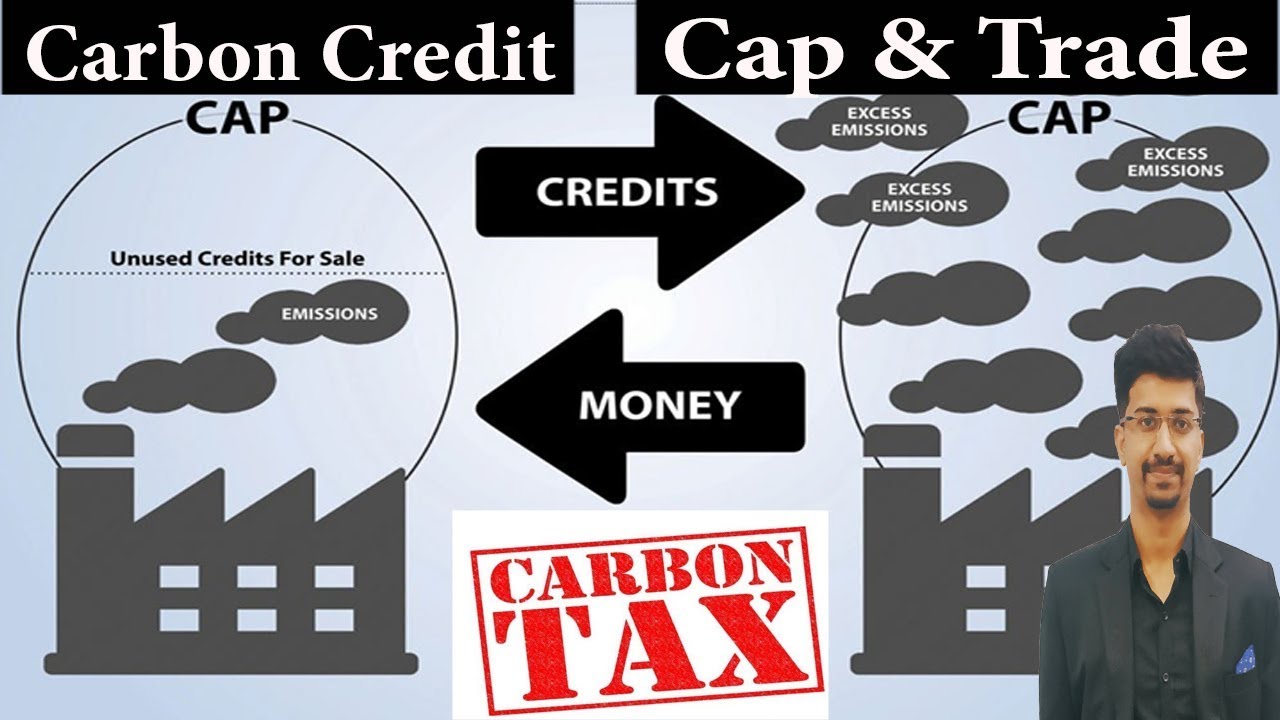
A Carbon Border Adjustment Mechanism (CBAM) aims to prevent carbon leakage by imposing carbon costs on imports, but its effectiveness is limited by mixed empirical evidence showing only modest leakage effects (5-20 tons per 100 tons of emission reductions), half of which stems from indirect energy price channels that cannot be addressed by border taxes. Implementation faces significant challenges including WTO compliance risks, potential trade retaliation, cascading protectionism effects, and enormous bureaucratic costs for tracking complex supply chains. Alternative approaches focus on supporting low-carbon technology deployment domestically and using carbon pricing revenues to incentivize global decarbonization through technology transfer and international cooperation, rather than relying primarily on border adjustment mechanisms.
Border Carbon Adjustment: Gains, Losses, and Trade-offs
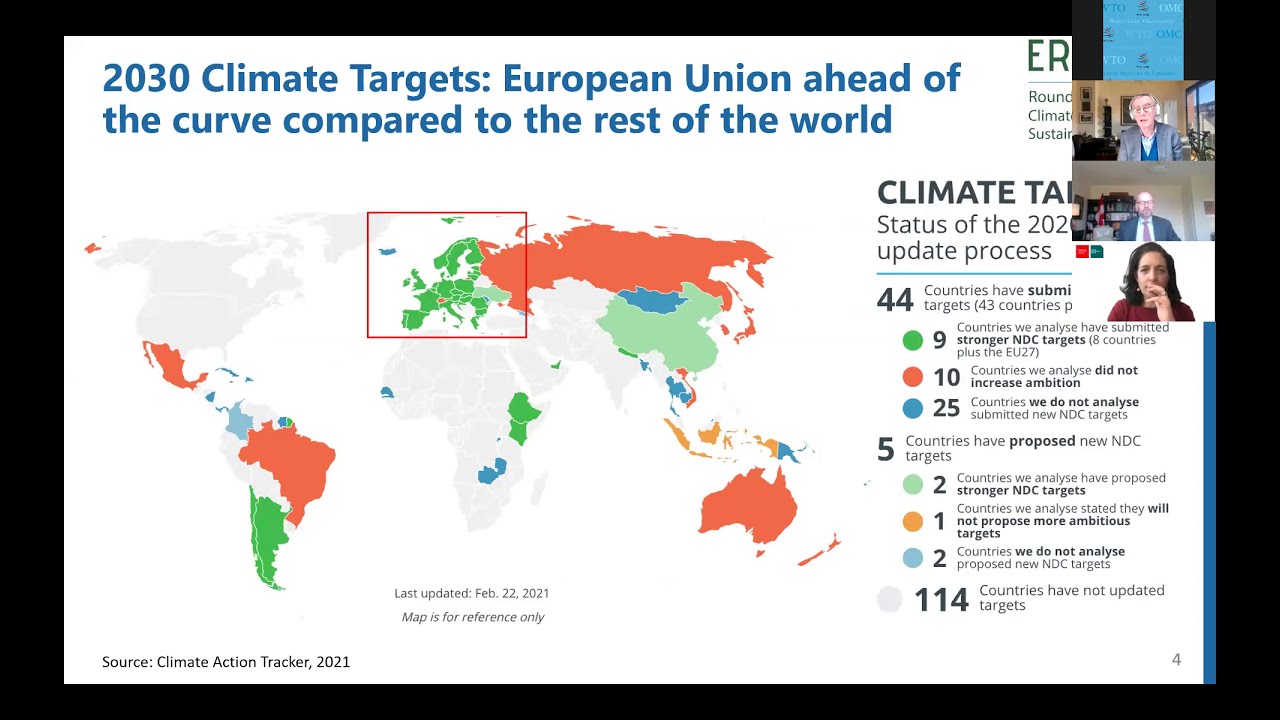
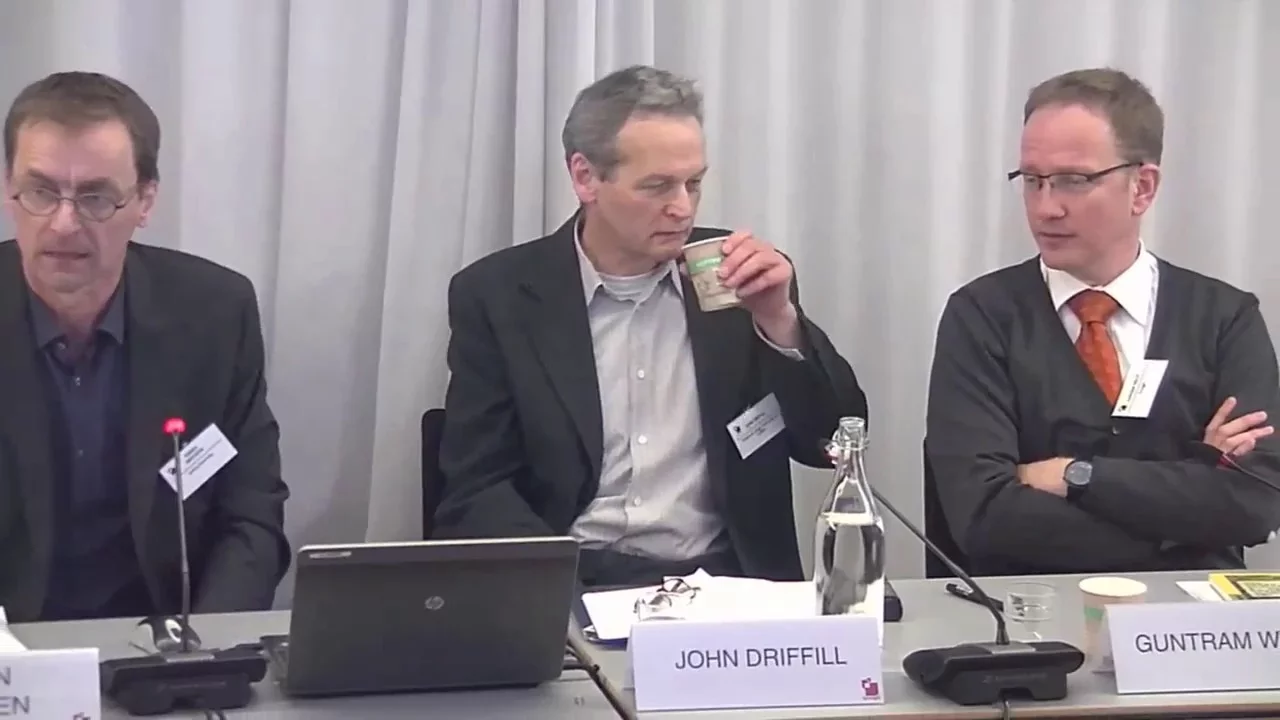
Added:okay let me welcome you all here to them and let me also welcome all of those who are not in physically present in the room but following us on online so the reason why we have gathered today is to discuss I would say a hot a pretty hot topic Carbon border adjustment mechanism not necessarily tax but mechanism as the term as the term goes this is not really a new a new topic but it's the topic that has gathered a lot of speed and a lot of interest in a sense this issue of whether or not countries that introduce some form of carbon taxation whether in the form of permits or in others whether they should accompany this policy this domestic policy with a external measure has been there since since the start when the ETS system was introduced there was quite rapidly this question well you know why are we only issuing this to domestic produces what's happening about foreign produces and that debate has existed in other countries that have introduced carbon taxation who have or have considered introducing carbon taxation like in the u.s. the u.s. does not have at the federal level of least carbon taxation but that discussion has been there for quite a while yes we should introduce it in in the US and yes we should have a system of that sort others have said it would have a lot of problems that would result from the introduction all kinds of problems that we will discuss today this very badly adjusted I'm I'm struggling with with this so we are going to hear a presentation by Guerra and then comments by Gabriel and I should say that the timing terrible terrible system I should say that the the timing of the event is really perfect apart from the corona virus the reason why it's perfectly that yesterday the Commission launched a call for views on this subject we all know that the reason why this subject has taken release aliens is because of the European Green Deal and the fact that already last summer mrs. von de Lange and then reissued in in December announced that yes the Commission is considering as part of its European Green Deal plans to potentially introduce a mechanism aboard carbon adjustment mechanism what he did yesterday is call on stakeholders including think tanks to provide their views on different options for a carbon adjustment mechanism and in particular three options for a mechanism have been presented but they could be others so there is only one month for this consultation and so yesterday was the very first day so I think we are ideally placed here to have that discussion of the launch of this of this process arrghh we look forward to your presentation and then I will turn to Gabriel for for comments and then I will open the floor for discussion so can be put on your slides so perfectly introduce the de subject now why would we want to have a carbon Borah tax at that stage so maybe a short kind of framing remarks so we are speaking here of a carbon Borah tax our ideas essentially all sorts of instruments that put a price on on carbon imports from from other places can be largely a kind of subsumed under a and a disputing but we don't mean as a measure measures like like standards or other tools that might be subsumed under the idea of a mechanism so as you can see from the title I'm trying to to be relatively provocative and and line our DBT case on why I think and their different views on Google on that that this is not the perfect way forward to to put a lot of emphasis on on introducing a carbon poor attacks now why would one want to have a carbon poor attacks essentially two main reasons one is the fear of carbon leakage so what does carbon leakage carbon leakage is if we reduce emissions here in Europe essentially somebody outside Europe is producing the same goods and exporting them to Europe and then the emissions happen outside Europe and potentially even more emissions because you have to to include additional transportation and maybe outside of Europe the the facilities are even less efficient and it in our facilities and this is essentially the main argument that you are going to hear in the in the in the legal text because that's the basis for for all WTO compliance which we are going to speak about later the other argument that is more inward-looking SD question of loss of competitiveness so companies are less caring about carbon emissions they are more caring about their competitiveness over steel producers inside Europe will claim that they are essentially losing competitiveness and making less money here having to having to close down Carbon Bora Texas as anti said have not been a new subject in in member states and in and rasa so we had in 2007 already a draft by the Commission 2009 a French non paper 2016 and as a French non paper just and cement so you might ask yourself why are we discussing that now and I would see as a two main arguments here the first is with the European Queen deal the idea is to really increase the targets of the European Union at a tramatic speed so what we have in on paper is 50 to 55 percent reduction of carbon emissions in 2030 compared to 1990 that means from current levels it's another like almost 40 percent reduction so sing yourself that if you have 10 cars on the street with internal combustion engines 4 of them will have to be different and that's for the entire economy so with these higher targets the fear of carbon leakage obviously gets stronger because carbon prices might have to increase dramatically to achieve this significantly stepped-up target the other thing is that the current to us for preventing carbon leakage the free allowances under the emission trading system are slowly losing in importance so over time we have less allowances put out and yes also less free allowance is given to the industry so industry also is looking for new tools to to prevent against cover leakage so as anti said the commission has has put up an idea and the two sticky verts here are for like four selected sectors so probably the Commission will not think about the comprehensive tool but about a tool for selected sectors and in compliance with WTO rules and I'll come to what that might mean a bit later so what is carbon leakage maybe a bit kind of zooming our turfs and as an economist there's different types of carbon leakage I would argue you have you have essentially the direct leakage which is you put you put on your industry particular regulations and then your industry moves out of Europe because of those regulations and that's the so called pollution heaven hypothesis there's another strength of literature that essentially argues if you put on your industry a specific rules they get more innovative and and therefore they develop the technologies to reduce emissions that might be even taken up outside of Europe that's the porter hypothesis which goes in the other direction at the same time you have indirect leakage and that's going to become important as well in a minute which is Europe decarbonisation strategy will arrest a lot on reducing fossil fuel consumption if you reduce fossil fuel consumption in the European Union essentially global fossil fuel consumption will also be depressed by by a bit then global fossil fuel prices will decrease as a result of a reduction in demand and therefore other parts of the world will start to increase their consumption of fossil fuels because the prices are lower so you have an indirect leakage of emissions to other parts of the world same might be for B for other carbon intensive products so the I mean the whole idea of a carbon boertie tax essentially rests on the rest only claim that there's a significant problem of carbon leakage and in in the paper that that has been published some some minutes ago which you can find on the website we essentially try to put together the literature that we could find on on the evidence for carbon leakage and our results are more mixed and then what you might hear in in the public so we argue essentially that for existing carbon pricing policies and we have some in the US we have some in Europe and the the evidence of leakage on the aggregate level that has really kind of large their economic activity moving out of Europe because of that a large-scale emissions moving out of Europe is very mixed and typically in a most works you you don't find any significant results and there are three plausible reasons for that the first reason is when we are talking a lot about very capital-intensive industry and it defines it's very difficult to kind of adjust within one two years and it takes quite quite a lot of time to adjust over over time so we don't see the effects quickly then in existing schemes also the carbon pricing differentials that we're that we had they are not very large so European emission trading prices they are in the order of less than 10 euros for for quite a while Pretoria and then the and then the third reason is that a lot of the existing schemes also had compensations to do carbon intensive industry in order to prevent exactly that leakage that we are not observing but we also have no kind of clear evidence for leakage so far so it's it's hard to say how strong the effect is going to be on the on the other hand we have the demodulated work so people running big trade model cge model and they find leakage and limited leakage on an on an aggregate level so overall they find that if europe reduces emissions by by 100 tons then about 5 to 20 tons of additional emissions can be can be expected outside of Europe to come there so there is some leakage but if you then look into the models and and see what you see is that about half of this leakage is essentially due to the energy price general so of this 5 to 20 year maybe 2 to 10 tons of increase is due to the 2d editor price channel which you cannot really do something about with a carbon bore attacks because you cannot really change the effect that the energy prices globally are depressed due to a European decarbonisation action and furthermore these models depends strongly on underlying assumptions I mean they are calibrated based on empirical results and and here one of the one of the main input variable are so-called arming elasticity's that tell you how strong is your domestic consumers favor domestic products over foreign products and if this if there is no strong preference for domestic product it would mean kind of you would see a lot of leakage if there's no strong preferences then if there's very strong preferences for domestic products then you would not see any leakage at all now if we look in the models there's typically a point estimate put into the models and that's the new result if you look into into the estimation of the elasticity's the the the aeroplanes are huge so essentially what you see coming out of the models is largely based on how you how you calibrate them and that's very uncertain now if you look into individual sectors like what we what they call it carbon intensive and trade exposed sectors like aluminium cement steel they're the empirical literature tends to find some some limited leakage even so the range of estimates varies widely and the effect is still not huge so if you have some effect but it's not like the entire industry is going to disappear due to a due to carbon leakage because many other factors metaphor the location of companies as I said it's typically highly capital intensive installations they they will be there they are introduced in in value chains their transportation cost non-tariff cost Geographic factors the availability of other other factors so overall there's a lot of reasons for why a company is sitting in one place and and the price of carbon would be will be only one of many elements there's some empirical work in the u.s. done on the elasticity to energy prices essentially saying that yes if you put a price on on additional taxes on energy essentially production will go down domestically but inputs won't increase much and as we were not really fine able to find kind of a historic example of how how strong emission price differentials translate into into a dislocation of industry because they aren't strong emission price differentials in the in the past we looked into energy price differentials as a proxy and the example that we come up with here is in the US you have very different natural gas prices within one country in Texas the the price of natural gas dropped from about the same level as in as in California to about half of the level that we that we see in California so therefore you would expect that that that a very natural gas intensive industry like hydrogen production that is essentially using natural gas as its main input would very quickly adjust to to go to the place where the natural gas prices are significantly lower if you see the timeline here of of that what we have what we see is essentially relatively little a little effect in terms of the production volumes of sure so the red line is essentially the price ratio between between the prices in California and Texas so it started at about territory at 0.9 in in 2000 in 2008 the de price for natural gas in say Texas and and California we're about the same and in 2018 they we're at at about 0.5 which means that the price in in in California was twice as high it and in 10 in Texas then the the bars are essentially the use of natural gas in in hydrogen production which the the u.s.
reports for for those two areas and and what you what you essentially see is that the the use of natural gas in in hydrogen production has been relatively moving in the same way between between California and and Texas over this time even so the the price differential between the two areas has been it has been massive and probably that's because California is a big market because there's so many reasons why you would want to have your hydrogen being produced in California and not in Texas but it sure that it's very unlikely to assume that if we have high carbon price differentials that essentially 100% of our steel industry will disappear from from one one and three next so the argument is that even a perfect carbon borer attacks will only address a relatively limited a limited problem at the aggregate level we have fairly insignificant leakage rates and around half of those leakage rates might be might be due to indirect leakage which cannot really be addressed by by carbon borer Texas and then the leakage that we observe is highly concentrated in a few carbon intensive sectors a bit from here from the economists ivory tower you could argue that those sectors are also having relatively low employment and relatively lower value added so for the kind of overall value generation in a continent they might not be the most important ones and even within these sectors leakage is as limited as as I try to show now on the on the on the side of the year of the year of the much pain also kind of what what would carbon bore attacks cause in terms of of problems not sure how I'm running seven eight minutes seven eight minutes okay I think I slightly forward to just go through those points the rest is in the air so kind of the detailed focus in any paper so I would argue that if you have to take into account all the difficulties of implementation in in legal terms of the of a carbon borer attack so making it essentially WTO compliant making it a UNF Triple C compliant you have to take into account your domestic constraints with having very different countries with very different industries and different interest and your foreign constraints especially the risk of retaliation and the risk of not upsetting developing countries you most likely end up with a carbon border adjustment mechanism that is far from the from the economically perfect way of of doing that and so the effectiveness of the two will most likely be not most likely far from perfect at the same time you'll get several trait deviations in the any process on the one hand if you if you introduce for example a selected mechanism because SDS the Commission is proposing there will be a selected mechanism you might essentially have to the problem of cascading protectionism so we have seen for example the u.s.
implementing a tariff on on on steel and aluminum imports in order to protect their their industry and the result of that has been that indeed the imports of steel and aluminum to the US went down at the same time the the domestic production of steel and aluminum in the US did not increase so what happened is that essentially the u.s. started to import significantly more wires and and and pins and layers and as a aluminum steel product so the you might end into a problem where you try to protect against the leakage in a low value product and go and essentially seed an a leakage and a higher value product which is certainly something that that and other industries will not find amusing in in Brussels you might also see as a trait deviations for example if you have a complete system of of Carbon Border Protection where essentially the entire value chain is taken into account you might see trade deviations that essentially decline as companies around the world are then selling to to Europe which have before sold to their domestic markets so think of a steel producer in in Georgia that currently produces for the local market based on based on hydropower or whatever as an example you want to take that's they're not selling for the Georgian market anymore that's then going to sell to the European market and not facing a carbon borer attacks wider than the Georgian market will be supplied by Ukrainians deal which is very dirty so in that sense it's it's quite difficult to to find an effective way that does not produce those trade deviations if you want to have a complete value chain recognition in this thing the cost of implementation will be huge so you have to track down the entire value chains and I hope we can have a discussion on how that how that's going to be possible and also only on the only political side I mean if you want to do that you need to essentially go out now to speak to all our trade partners our foreign of services will be occupied with the Commission will be occupied of that so there is a lot of political and human cost in introducing that and finally and I think that's the for media most severe argument I would argue that at the end of the day when we have to sing already and when we have to decide to implement it there is a risk of possible retaliation so if we go ahead with that then our trade partners and especially the bigger ones like the US will say no we are not going to accept that we think you are trying to push on us your domestic climate agenda we are not happy about that and therefore we are not buying Airbus planes anymore we are not doing X and x y&z and then the question is can can a union of 27 member states with very different interest in this thing hold together and essentially stand through such a fight or is there a big risk that you that you think will fall apart and my before last slide I would argue for an alternative mechanism and I would argue that under an adjustment mechanism you can not only understand protective instruments but you can also understand kind of progressive instruments and the adjustment mechanism that that we are thinking of ASUS essentially supporting low carbon production so the idea is that yes we have our current industry and it's dirty and it's going to decline over time we are not going to invest in dirty anymore because anyway by 2050 we shouldn't have dirty anymore in the system but we support heavy the introduction of clean so European policy should take the money from the free allowances take maybe also money from here from your remaining ETS and put it on supporting low-carbon technology deployment in in big time so that we are essentially the continent that develops green steel green cement green aluminum which has a kind of bias bias our way down the learning curve can then later on also be implemented globally and that's then again the reporter hypothesis that we are essentially with our carbon regulation helping globally to decarbonize so I would I think I would leave it at that I mean the conclusion is essentially we see relatively little gain because the the leakage literature is not that convincing and we think we we should look into what what's going to happen reality and potentially adjust we think it might make sense for the Commission to to work in parallel on CVT as a as a deterrent to make sure that that that country is outside Europe see that that is a risk that if they don't move in the right direction something will come but we should domestically not current that this thing is going to be implemented so we should not kind of highlight our industry you will get dissing in in two years because it might eventually not work and we need to get this done with the climate policy otherwise we are in big trouble and as a complementary mechanism I'm calling for a significant support for a fourteen alternatives thank you very clear thank you thank you very much so little gain high cost I turned to you give him your professor of economics at the University of Kiel via the president of the world Institute world economic Institute there you have done a lot of work like gear this is a field as I said at the start that is not waited for the announcement last summer for people to to research this because indeed this is a real economic question and I think it put it very well there are gains and their losses and I think we all agree on the gains and losses I think where the discussion is what is the relative weight on the gains and cuts so what is your take and that's exactly what we economists should be good at no waning those trade offs so I think I disagree with a couple of things that the KIAC says so first of all how empirically empirically relevant is the huge problem if we look back into the experience with the ETS it's not surprising that we don't find much evidence it has said why well because those prices historically were low most of the time but what is even more important I think if the empirical assessment is that while prices have been lower Europe and many European member states have enacted other regulation with the aim of reducing carbon emissions I think about the car industry and the fleet standards and so on so there has been regulation and the regulation might not come with a very specific carbon price but it still imposes costs on the industries and so if we rather than look just for the effect of the ETS price which has been very low for many years but look at the broader index of a broader indicator of of climate policy then the literature is a little bit has an easier way to find evidence for leakage of course own shares in this visa published some financier papers there in the the the message is that we to find limited leakage once we move away from carbon prices to more comprehensive indicators of a climate policy and the second point that is important I think with respect to the exposed assessment of climate policies is that they are not very informative about what is going to come because if the average ets priors over the last decades has been or years has been maybe 10 euros we're not talking about ETS prices that are 3-digit now they have to be ramped up dramatically and we know from all sorts of economic models intuitions and calculations that the that the impact of co2 prices on leakage or locational choices will be highly nonlinear so we cannot simply say because a price of 10 years had no effect a price of 100 years will have no effect neither know that would be fatal conclusion but rather I would say first of all we have evidence for leakage it's small and we know from other exercises that when we double efforts leakage the leakage likelihood would not just double but it would quadruple and we would need to step out of efforts not just you know by some amount but dramatically and the leakage will be increasing over proportionately so we should I think know that and for that reason I think we need some sort of carbon border mechanism or we cannot high and have high co2 prices I think that's the choice and that's why you know for political economy reasons I think we need to have these arguments there and that's the reason why I found the line macaw and many others also I think the US Senate and House of Representatives when they produced their draft bills they have insisted on this because it's needed to get high prices passed in in the in the laws this ege literature also points towards leakage it's correct that there are a lot of uncertainties but it's actually not permit uncertainty if to get to this you know also I and I have my own my own interest of course there is I've worked in this but a cross status if you look at the the literature you know that comprise is now hundreds of papers if you look then that you'll find that there is variance of course it depends a lot of different different assumptions whether those whether you have direct leakage also indirectly it's or both of it and many other things which is an area terrific but across those many studies we do have relatively robust evidence that there is leakage around fifteen percent or something like that no you could say okay fifty percent not big but the price is usually put into the CGG model so that's why I talk about scenarios a prices that we thought that reasonable in the last ten fifteen years so many studies who have implemented something like 25 euros at or maybe fifty but the 100 or 130 that we need are not implemented and they would drive up leakage rates dramatically again it's in the square they would increase in the square and so we should take this series there's another reason why we should think about carbon border adjustment and that's the following the EU has about 10 percent of global emissions if we look at territorial emissions so the you know the stuff that goes through Europe in chimneys through the the bellies of European cows and so on so it's about 10 percent of global emissions but the carbon footprint cost by Europeans but our consumption essentially is about 12 percent of global emissions so if we extend the carbon pricing scheme beyond detect the pricing of production to the pricing of consumption and that's essentially what a good design carbon water just made us then we increase the reach of our own climate policy by 20% by fifth and that increases the effectiveness of this action quite substantially now of course we are still not talking about a large share of global emissions it's 12 percent of global emissions still small but it's bigger and it would probably lead to something that the literature calls negative leakage right if we have a CPA campo de justement in place and we we tax the carbon footprint instead of carbon emissions then we add incentives abroad to save on emissions because that would make it easier to sell to the European market we would in an ideal mechanism exempt exporters domestic exporters they're good reasons to do that we can discuss that and that of course reduces incentives for our exporters to save on emissions but because Europe is the world's largest co2 importer so co2 embodied in goods with the largest co2 importer in the world and that means the incentives that we put on others are worth more than the incentives that we lose at home by such a CPA and that's why the effectiveness and also the efficiency of the of the system goes up why is it better to tax the footprint or the price the footprint instead of production for a super simple reason that tax experts have been putting forward for many many other areas as well is you'd rather tax the immobile tech space carbon consumption is done by us because you must pay Europeans we don't move around we don't move to Siberia because gas is cheap and hit our house is there no no so the consumption doesn't move around and we tax immobile a price immobile at a pace that's much more efficient then pricing a mobile pace and as production is mobile that's that's not such a good idea now many of the concerns that we put forward are very real concerns so I he's totally right there is an issue of protectionist abuse potentially by Europeans there is an issue of potential retaliation and most important for me is that we might create a bureaucratic monster this is very serious and needs to be taken into account and that's why I like the following idea it's an output based allocation mechanism with the text overcome texts that's that's one way to put it what would that be so first of all let's recognize that we already have a cover board adjustment in Europe which is which is the fact that we give free allowances to carbon-intensive and trade intensive industries that why do we do that that's - to help them maintain their competitiveness on international markets so when the ETS was invented carbon leakage was addressed by these free allowances what if we if we continue those free allowances it maybe even extend them give those certificates away for free that would free protection from the carbon price and instead of putting the carbon price on production we text the goods that those industries that receive free allowances produce and text those goods regardless of whether they originate in Europe or originate abroad so there would be let's see steel tax is cement tax taxes or chemicals that would possibly be proportional to the carbon content of those Goods you know we don't need to have all the details we would see well there is an extra tax from steel and so on and so forth for whatever the origin of those goods is but production would be exempted now one can put up such this scheme and calibrate it you know very carefully you know and hire a team of economists and calibrate that so that it you know reproduces the perfect carbon powder just fits the setup that that is crap before which which is like a value-added set up the perfect system would be one that is like the value-added scheme where we impose imports to the domestic taxation and we exempt export like with value-added tax but the tax base is something that we don't really know now it's the carbon content of Goods of inputs and of exports and if we do the overcome tax model very carefully and choose the Texas correctly and give the right amounts of free allowances and so on so if we calibrate that in the right way we can reproduce the ideal the ideal Carbon border adjustment set up now that's theoretically very attractive and it's even more attractive because free allowances which one could call export subsidies or the sir conditions never have been challenged so there has no case before the RPO that says that giving free allowances to the European steel industry is is a subsidy or is a problem and having text is the tip for across goods is not the WTO a problematic issue neither so we can we have a text on sparkling wine and on snaps and and Oh beer and you know so what now so we can't have taxes on steel and aluminium and chemical products and so on according to their average carbon contents and I think that would not be subject to the retaliation fear it would not be subject so much to the two problems with the WTO and we can go very far in making this system as good as an ideal carbon for adjustment system would be so how far would we go well you know economists we would of course balance isn't always to marginal benefits and marginal costs so making this overcome tax system very close to the ideal would be expensive because we would need a lot of information and so we probably not push it that far but we can't go relatively far on and keep the bureaucratic and red tape in bay so I'm more in favor of of going about that and the key motivation I think for me is to say we need to put this system in place in order to have the highest YouTube prices that we need in order to make you know in innovation and so on worthwhile you think that's the that's the last argument Thanks thank you thank you very much Gabriel so we have gehrig's view and Gabriel's view what I find interesting unusual for me as a as an economist with participated in many debates on this issue is that typically in such debate you have the environmental economists with pushing for this very very much in the name of you know climate and you know there's a climate emergency and okay there may be some trade issue that comes but it's a price worth paying and then you have the trade economists were saying a wait a second yes you know there is a climate emergency but to look at the world trading system is already in weak situation are you sure that yes maybe it's WTO compatible but nonetheless there are some countries that would not play along they would be retaliation nonetheless and therefore you are putting at risk the the trading system that's usually the kind of thing that that I hear sort of trade economists sort of being reluctant and the environmental economists being very much in favor here I think this is I think what is not only in a sense in in in in the debate that we are having disaster noon is that we have slightly opposite opposite opposite argument now let me just apart from what I just said let me just add one point I'm not going to I'm not here to be the the judge and to say I agree or disagree with one or the the other I think we will leave the the audience to play that that role and to give their their comments and the issues of legal matters indeed WTO also EU because I here I mean you know when one slips sometime one talks about the tax is it a mechanism I mean exactly what it is how would it be actually implemented and what are indeed the legal implication both within the EU and at the the international at the international level but I think that I want to to push the both of you a bit further on one dimension so part of the discussion that we had was in a sense about the evaluation of how much leakage there is okay that's one issue and as normal among economists to economists three that is that is normal and one should have the debated everybody brings their own element and I think again I will leave the the audience to bring their views or their comments on this I'm not going to say anything about this you know is there a lot or is there not a lot of leakage and therefore is there yes or no potentially a need or justification for this and then one can say okay assuming one does then the consequences you know maybe yes maybe there is leakage okay which you sort of downplay but yes maybe there is leakage but maybe the solution is worse than the problem that is always obvious because of the other the other dimensions that is that is certainly there the the first question that I would like to put to you before opening to the audience's is the following both of you have recalled this number that is obviously an important number to keep in mind the EU is responsible roughly for 10% of emissions in terms of production and as you indicated Gabriel and that's a very important point we are responsible for a larger number 20 percent more if we look in terms of consumption which i think is indeed the correct way to look at this but 20 percent more than then 10 is a lot from EU perspective but still from a global perspective 10 or 12 absolutely is not hugely hugely different so in other words I think we are facing a global issue right climate change is not a European problem it's a problem for for Humanity of which we are a part and therefore one can agree that ultimately what we want having signed up to the to the Paris agreement we want that the world we and the world we can control ourselves work what we do right we can take initiatives but we know that those initiatives are not enough I'm not arguing to say well you know since nobody else is doing anything Lucien not doing it that's not the way I'm taking them but I'm saying everybody needs to to move right and all of those who have signed up so far everybody signed up the US has not left at the moment the the Paris agreement we want indeed that countries take seriously their commitment right and so the way I personally look at the at the issue of the border carbon adjustment is in what contribution positive and negative do we think that this is making - not just to our own efforts because indeed we view this as a compliment right we are saying no we are moving to a higher speed we had sort of low the emission trading scheme at relatively low prices no we want to include more products and we want to be the price equivalent to be much higher so you know we are committed to make much bigger effort but we know that our commitment has to be also accompanied by commitment by others and others are taking obviously they're not necessarily waiting for us there are many countries that have equally ambitious sometimes even more ambitious commitment and we have so the one question that I would like to hear from both of you and you have given a lot of elements is what is your view let's assume that you know and you can have each of you your view on leakage leakage is low or leakage is high okay you're not in agreement about the leakage okay that's that's an element but and after that what is your view as to whether this will be a contribution you know one can say yes by example or by a bit sort of forcing other countries we are big and therefore what we do we live we live an impact on others we are you know you can take either a moral stance you know we are showing the way and and others will see the light or you can say we are big and therefore what we are doing will force other countries but that it seems to me ultimately that is the way that I personally would judge this initiative I understand the political economy obviously the political economy that is are you able to implement a ambitious measure domestically if you don't do that that's one element okay that's the political economy argument okay but then that is still not enough okay no you have implemented you have the you have solve your political economic problem you have told those guys that you don't worry I will connect and do compensate you in a sense you're not going to suffer you know everybody will be on it they will be a level playing field here okay and you have solved a big heart a domestic heart okay so no yes Europe is implementing a ambitious set of measures domestic and external but we still know this is not enough because we are ten or twelve percent of the global emission so the real question what's happening of the on the other ninety eighty eight or ninety percent - that's where I want to take you what is it each of you think would happen would it contribute why it would would contribute or why do you think in the unknown it will harm this meeting together the goal of the Paris agreement I start with you there excellent question I'm because that's kind of the essence of how we how we are able to globally decarbonize or not so are we going to to get the the 88 percent in line with us because we have to remind ourself that Paris agreement is about food decarbonization by the second half of the century and so everybody has to my argument would be that kind of a sort of protectionist or policy that can be viewed as protectionist in the political setting it would be very difficult in negotiations with developing countries they will point to the UNF Triple C and say it's about differentiated responsibility why why are you kind of one thing from us that we do the same thing as you are doing and and might not like to see that and also kind of countries that are very proud of their of the superpower status might be very worried about us trying to push them to do something that they are not kind of domestically ready to do and only the the the point of being pushed is for them a problem not so much the matter on it on its own I think we we had this blog post on aviation at some indie past and one of the of one of the big sticking points in in my view at the time was that it was about sovereignty that countries don't want to be pushed around from from other countries to to implement things my take is that we have an example from the from the past that that worked extremely well we had in in Europe introduced support systems for renewables and they were extremely costly and you can discuss a lot about how well they've a design they were not very designed that we can do much better but they had one effect that essentially the cost of solar panels decreased by about 90 percent or more than 90 percent and at the same time the cost of wind also decreased substantially maybe 80 percent or so over over 10 15 years and when this was achieved essentially we came together in Paris and other countries outside of of the European Union we are willing to sign this agreement because they saw an opportunity to - to meet essentially higher targets because there was then this technology available so you could argue that the German and Danish ratepayers to some degree also bought the Paris agreement by developing the technology that that enabled others to pursue a queen a greener path now the question is can we do that with other sectors as well and I would argue yes week we can do that and essentially it's the it's the only sensible policy because that's something there Europe is strong at we are rich in capital we have good institutions we have good intellectual property rights protection we have we have relatively innovative and and modern industry that is able to develop those technologies and if we are able to to have them then the global rollout becomes possible and and therefore I see the kind of if we have to decide where we put our financial and political capital I would rather put it on on that side of the of the balance sheet then on the other side of the balance sheet thank you yeah Andre you're absolutely right the the central question is really how we can achieve the first best which would be a global carbon price and what we are doing with the water judgment is to deal with the second best nature of what's going on now that only a subset of countries have seen to prices and then and then the mechanism is likely to be not second best but third and fourth and fifth best now so getting more countries into the system is super important more important anything else the news the good news is that it's not just about 88 percent it's not covered but you know I think there are other countries regions Canada and so on the two halves you to prices so three-quarters of global emissions are covered already or will be covered soon we have states in the United States that to have carbon pricing China is doing it in cities and regions and my to it nationally so I think any CPA any common power adjustment system that the EU puts forward needs to be linked to other countries carbon policies climate policy is super important to achieve that and you know I'm very happy about how the Democratic race is going you know it might well be that you know next year already we might have a very different situation in the White House and maybe president that is you know continuing Obama's carbon pricing emissions which we were there and and then we would not talk about twelve percent of carbon global carbon emissions but about some something much larger if we can do it together with the United States and potentially even include China on technology so when we talk about a carbon border adjustment we talk about this you to price and economies think most I think agreed so that we need to internalize the the cost of pollution and that means a carbon price almost all in Germany there are some exceptions but but almost all serious economists would say this cannot be the only tool we also need to subsidize RMB because there are two externalities are not internalized and we need to do that massively and that has the potential that it achieves more globally then creating a European carbon fortress simply because we need to convince those who own fossil fuels gas or oil or coal to keep the stuff in the ground and the only way to convince them is to provide the world with the technology that produces energy cheaper than burning gas called or oil now and that must be impeached because that's the only way to to make sure that you know the car industry goes out of business and then indirectly cash which is the bigger of the issue of the two gets addressed as well now how to do that is maybe to use the proceedings more directly from our carbon pricing systems if carbon prices go to three teaches they will a lot of money on the table and the other thing I think we should be doing whenever we whenever we tax foreign producers in the carbon port adjustment and across the you know 25 viewers that we are now having a co2 price we talk about sounds like twenty billion euros of tax receipts or income in Europe we should not run a carbon poll that just met mechanism to cap the holes that the pricks it brings but we should give it back no we should could give back this money to the developing countries or to even the United States no oh but these put it into a fund and say you know this money is used abroad in those you know in those countries whose exports we text and is used there to incentivize maybe rnt or something like that so I think much of it is is a question of design and of diplomatic skill you know to to achieve both aims go ahead in Europe without losing our industrial places at the same time convinced as many as possible to to engage in carbon pricing themselves thank you I think you have put very well answered my my question let's open the floor for discussion do we need do we need a microphone it's coming okay if you just wait one second for the microphone you don't mind thank you better on the condo policy planning staff Foreign Ministry of Telecom thank you very much for two outstanding speeches and expose sir I do notice that there was an agreement on one point is that a tariff like border tax would not be practical I mean for both speakers I think it would be cumbersome creative dora Kotik monster or not be efficient so and my question is the following how do you ensure with a value-added type of mechanism to introduce a non-discriminatory consumption tax on products that have you know a high carbon content and production process how do you calibrate the tax in order to punish more those that produce with a high level of emission and those that to actually with a lower level of emission because you're basically going to tax all products the same what whatever I mean what do you take it to account as production process for it and how do you relate this to to set countries where the production process is very polluting and in other countries where it is much less produce would you let's let's take a few questions David are you Simon from sighs Johns Hopkins I'm just a common perhaps under on the legal side of things you know I've sort of frequently been somewhat stunned by the fact that people are asking for WTO compatibility and this might be a challenge in fact whereas you know sort of a border tax adjustment under de metrio law is explicitly allowed for under article 2 you know then the question is is it discriminatory visa V foreign producers national treatment or whether it is a discriminatory among foreign producers depending on origin for an F n but but even if that was the case we can still you can still provide you know sort of shelter legal shelter via the exceptions of article 20 B an article 20 G the one thing that I think would be would be really problematic seems to be sort of really you know making this tax or this this adjustment contingent on the policy rather than the carbon footprint of of a foreign country meaning that under Article 20 it would be hard or difficult to justify sort of a policy based discrimination in the sense of you know is a country that does a country sign up to the Paris agreement or not so this is this is a sort of a line that in the sand where one should be particularly careful that there shouldn't be crossed but other than that I beat you all compatibility that doesn't seem to be a massive problem the other brief point that I wanted to mention is is really the what perhaps is you know has been discussed much more in Brussels and is much more of an issue history it's a question of EU law in terms of human liberty requirements and that it it very much depends on whether we are looking at a tax or a regulation if we sort of introduce a carbon tax obviously we have to go through article 192 - which you know sort of requires unanimity for fiscal provisions hence you know we have a special legislative procedure where the European Parliament is not involved I'm not sure exactly how much do you in Parliament use these kind of special legislative procedures these days of largely undemocratic problematic in that respect about sort of do you have the democracy problem there and you also have unanimity problem in the council the Commissioner has been advocating the pass our use of a passerelle clause in order to circumvent the problem of unanimity where the council would make available the olp carbon tax much less problematic if met if I may have just say very briefly it would be the extension of the of the ETS to importers if the judgment of the area of the European Court of Justice still upholds where as he said where it says that there's you know the ETS is not a tax but a regulation and that is a there is a question that that needs to be looked at in perhaps more detail but if that was the case then we can go through through the old peep and have no idea annuity requirement but qualified majority the involvement of the European Parliament and so you know that they are there are the challenges of EU law perhaps that that one needs to look at just sort of to complement so just to add a point before I can go into further question just on that I be good to to recall what was said yesterday in the document issued by the by the Commission inviting for contributions by by stakeholders they say by citizens and stakeholders in the in the coming month so the views that are being request that concern three options essentially one is the one that you just laid out sort of an extension of the of the ETU of the ETS to to import and as you said this is not this is not a tax okay but they also as a second option there was also a tax concretely use the term a carbon tax unselected products both domestic reproduced and imported and then the third one is indeed an import an import duty a new carbon customs duty or tax on imports so in other words the the full range of of instruments requiring obviously different legal bases in the Union but at the moment the Commission is not excluding anything nothing is off is off the table at the moment even though as you just recall each of those options as different implications for unanimity for the role of Parliament etc etcetera but you know so far they say everything everything is potentially possible and the view is that I mean we have another year the Commission would put forward a proposal by June of next year so by June of next year so that this is the time frame so there's going to be consultation so now is indeed the time when this whole debate is really starting in in earnest yes please thank you my name is Ekaterina I work with the Federation of German industry and the brazos office on trade issues the sectors that are I mean in the debate currently in the context of adjustments are very capital-intensive investors look at very long time periods I would like to ask the two speakers on how their options would I mean go in hand in hand with their need to have a kind of stability can they have to calculate prices adjustment they can vary and with supporting them I mean other limited limits what what our competition framework can do so far I think the case is full of the Tyco there was some some incentives over certain period of time decreasing but if we talk about a very long time horizon to achieve our targets so anything that we have to do and you have in your your model of support also in terms of competition for a CD we're definitely in this regard we are able to support these sectors thank you yes hello my name is Paula Tama I'm a reporter with political Europe and my question would be for a doctor feb Amaya about taxing products based on their average carbon content I see to order of potential issues there if you don't tax production but consumption don't you lose the very incentive of a tax on carbon therefore to impulse the processes industrial processes to the carbon eyes and the other issue is you mentioned free allowances could be maintained or even enlarged and so far with the following the Commission and what they say on this issue is that this is not the way they want to go because if you see free allowances and indirect compensation as the policies which so far have addressed risks of carbon leakage and then on top of that you are the tax either whether that's domestic and on imports that could be considered and challenged as a double form of protection which is one of the preconditions of the WTO so these two order of problems one is the very nature of leaving production alone doesn't undermine the very objective in such a measure and the second is the legal part even though maybe there's lawyers Thanks Thanks yes so we take those two comments hi Neeka spudgy from google my question is basically relating to the very practicality so the cost of compliance i would be UJ as you know because you would have to know if you don't go by this kind of as this the question before me just ask if you don't just go by an average price you have to know every Furby single product how what is the carbon content and for me it sounds very difficult to implement that in especially in developing countries we've seen this with the garment industries where there was huge pressure to increase labor regulations and basically the outline of this I think the outcome was basically zero because the most common most companies don't know where the garments come from the supply chains are very very long are very complicated and for actually to calculate the real carbon content of product should be very difficult so then we end up with very specific products for the problems that get mentioned before that we will have this kind of we will substitute low production of low at Value Added imports so higher value-added imports and a last comment here for this for this round in in the middle hello my name is Leanne Chapman from the Council of the European Union and I would like to go back to the question of how we can convince resource which countries to and he's the fossil fuels in the ground and last year did some work on a paper by hosta from 2012 who's proposed to set up compensation scheme where fossil fuel deposit would actually be traded and that climb friendly countries could compensate for looting countries for not using their fossil fuels and I would just like to hear that you're using this gibber we start with you yeah okay thank you so many questions excellent questions and I think at least the first by you how to take into account the fact that the different companies in different countries produced with different technologies or have different carbon contents of their outputs this also relates to your question so ideally if we had you know perfect information and we could set up the ideal instrument we would text imports at exactly the carbon content that they have we need to control the entire production chain of course but and we would exempt exports that would shift taxation from production to consumption entirely the advantage of doing that would be getting incentives right that's exactly this and if we if we cannot do that because of legal complications because it's too complicated and we move to a different system then this different system is likely to be much less effective in terms of putting getting the incentives right in terms of reducing the leakage problem so we will be not in the second best but then in the third and fourth and fifth best world so I have not yet given up to be frank know and I think we can be ambitious in Europe let's for one time you know get those problems that are real you know on red tape and so on you take them as a challenge and try what we can and come up with an innovative system and they're good ideas around no to Shapiro in Stanford for example has a nice eighth year of how you know to set up a mechanism that incentivizes foreign producers to truthfully reveal the carbon content of their production right so there are ideas around I have a member of my Institute of our of our friends society in a peek at the preneur he says his clients want to know the carbon footprint of the products that he's selling at the guy is having a become a big retail shop now and he says he wants to be able to tell his consumers whether those sneakers what's the carbon content of these sneakers compared to those sneakers right so there's a lot of private sector interest in tracking down the value chains and finding other particle hub on the grabber content there is big financial sector interest there's the Carbon Disclosure Project many of the biggest European companies are signing up to that not because of carbon leakage but because they face an interest in in by investors across the world and so on so I think the and then we have technological possibilities that we is economies you know already you know just starting to discover the blockchain know the blockchain as a mechanism that could you know contain information and and make it secure so that we cannot along that value-added chain falsify entries and so on so I think I think in the year that we still have or maybe we have Molyneux here no let's let's you know be a little bit ambitious and get some you know think about a system that is innovative and close as far as possible in getting incentives right I think this is very important what I hear from the lawyer I'm not a lawyer but I of course we have conversations with lawyers is that indeed if we do it right it is probably WTO consistent we just you know have to be careful but it's feasible and the the the the the idea of extending the ETS to import has also EU advantages I see them and this again that what you think I would forgive her if we can't do that you know then the overcome tax system would be the therapist still better than doing nothing the how to give industry certainty about the costs they're facing no I think we carbon the carbon trade or indirect travel trade exports input is only a small part of the cost of certainty that they face I mean the problem I think of many co2 in teens intensive firms is about the carbon price in Europe would it be high will it below a lot of industries don't believe that the carbon price will be ho will be high if you look at stock market evaluations of total for example you know the obviously investors think the carbon prices will remain low right so I think this will be important for policy makers in Europe to be credible and to put a price path out there maybe you know the idears jean-claude Trichet has been talking or has had a conversation with him before he liked the idea of having some sort of um central bank that makes sure like inflation targets the price level the central bank make sure that we implement a price path so that industry can care plan I think talked about Nicolas Nicolas point a little bit and compensation that was your your point how to incentivize the owners of fossil fuels to keep the stuff in the in the ground well yes compensation would be we could simply bribe them no okay same last hour elmo's your gas field or your coal mine no if we buy the coal mine and and we put it out of order no that's something we could do maybe cheaper then then doing some of the policies that for example Germany is now engaged in in the climate package there are other ways of dealing with the the the owners of fossil fuels you know when you extract coal and you sell it the world markets you receive dollars or euros what do you do with that you invested in the United States stock market or in Europe or something and we could with source taxation of the dividends you know we could make those investments Norma tracked it because what the fossil fuels or fuel owners do is they ask themselves what's better extract the staff or let it in the ground if they extracted you know they would invest it and we could text the investment process also there are many things we could do to to keep to help them or to convince them keep the stuff in the ground maybe a little bit longer yeah yeah maybe only on this question of that their production processes that are quite different for the same product I mean we have an in in carbon intensive product its massive I mean we can produce steel essentially now above the a 50 first pilot projects with almost without emitting co2 and we can can produce steel in in old opens with huge amounts of co2 production and there's a lot of possibilities in between and the same for electricity where you get a completely homogeneous product you get exactly the same product kilowatt hours and you know it's either coming from a wind turbine or from a liquid fire power plant and I see it extremely difficult to to kind of track that track that owns for the area value chain to see where something comes from it's a lot of discretionary decisions do we take the the average emission factor of the electricity system of China do we take the wind turbine that belongs to the to the steel manufacturer that is exactly appropriate for his export of steel or to be take the marginal unit in China which always is a coal-fired power plant which they kind of have to switch on an order to Randy run in steam on and yes I mean this act these questions will have to be will have to be settled and the the second point Dennis I would see significant windfall profits I mean you have some countries that that have by by historic on students because they have a lot of hydropower and they're in their country or because they have historically a lot of look lair they are able to produce low-carbon things and that will then be that will then benefit but is it that in the bigger picture where Europe is only 10% of the consumption will be make a marginal benefit marginal kind of addition by giving this incentive or will essentially all this just fall as windfall profits on some of the producers that we see trade deviations within the system but much but much generally nothing happens because there is no additional incentive to build some to do something to do something green on the only free allowances question I would argue I mean you argued that WTO is essentially has never challenged them maybe maybe they might because free allowances are in my view not so clear I mean we have had free allowances handed out in Europe massively in a time of overproduction over capacities in in many sectors and they help to keep these industries in Europe despite global over capacities so there is a competitive element here and if you if you argue that WTO does not allow to to differentiate by the origin which which is clear obviously it makes it much more difficult to design a policy that targets those countries on which we have leveraged a Ukraine Morocco and not target those countries which we feel like the u.s. in a in a in a way on the only media I question I take example from the from the frontier renewables policy even so as I said it has not been perfectly well designed but as soon as we had a European policy on that and Indy ChiCom had to accept that there are European targets and member states are allowed to conduct policies in this area and then state it wasn't such a big of a of an issue and WTO has contested some of the feed-in tariff systems but mainly for local content provision issues and things that but you can seemingly design fitted tariff systems or equivalents that are better designed in a way that is compliant with both state edge was yeah thanks any other questions any other comments okay so I think we can we can close the discussion I think it's been a very rich discussion I don't know whether it has been a conclusive discussion but there is no need to be conclusive not yet at this at this time as I said it's it's a start of a process it's clear that there are lots of different facets both domestically and internationally and I think that's why it's indeed important that the Commission does a good job at consulting all the all the relevant parties both within within our borders within the EU and an outside so it's clear that no country so far as as implemented at least at at the national level as implemented such a system California has one that's right I said no country yeah so there are indeed there are so California there's a little bit in in Canada as well so within certain Federation's there's been but it cannot be compared at all so but no country so at the federal level no country has done it there are more and more countries and you talked about the u.s. you talked about China and indeed the China that does have some time at the at the at the city level some time at the regional level does have carbon pricing in principle they will be this year 2020 a national framework there is no also in Canada a national of federal framework although there are some legal issues in particular with Alberta Alberta which is the intensive the energy intensive state it's not liking some of those issues understandably so there are issues but things are moving but it is a fact that so far we don't have the experience of a country either small or large that has accompanied its domestic carbon pricing with a adjustment an adjustment mechanism so I suppose that means that you know even though everybody knows that there is an issue there are pros and cons and so we shall see what the what the EU will decide we are not in the same world that we were before I mean lots of things have changed I think it will be a question that will remain alive and important in the in the coming months or I think all of us will continue to contribute to this debate and I'm I'm very grateful to both of you thank you here for your interesting presentation and your paper and Gabriel thank you also for all you brought to the discussion thank you thank you thank you
Up Next

Brunei's Rentier Economy and the Challenge of Oil Dependence
@EconomicsExplained
895.3K views•2023-10-05

Impact of Yuan in Indo-Russian Trade Amid Sanctions
@WION
261.9K views•2022-07-01
Economic Weakness and Demographic Challenges: EEAG Report
@BruegelTV
247 views•2016-02-23

The Age of Easy Money: Fed & Inflation | Full Documentary
@frontline
21.2M views•2023-03-15
Related Study Plans & Knowledge Roadmaps
Structured learning paths in Economics