




![[손경제 플러스+] "영화 스타워즈로 보는 블록버스터의 역사 / 경제학 인문의 경계를 넘나들다" , MBC 220303 방송](https://i.ytimg.com/vi/LVBpDb30rT4/maxresdefault.jpg)









![[뉴스모아] '재산만 2,800조' 빈 살만 왕세자, 롯데호텔 객실 400개 통째로 예약 / YTN](https://i.ytimg.com/vi/K8yY6FallP4/maxresdefault.jpg)




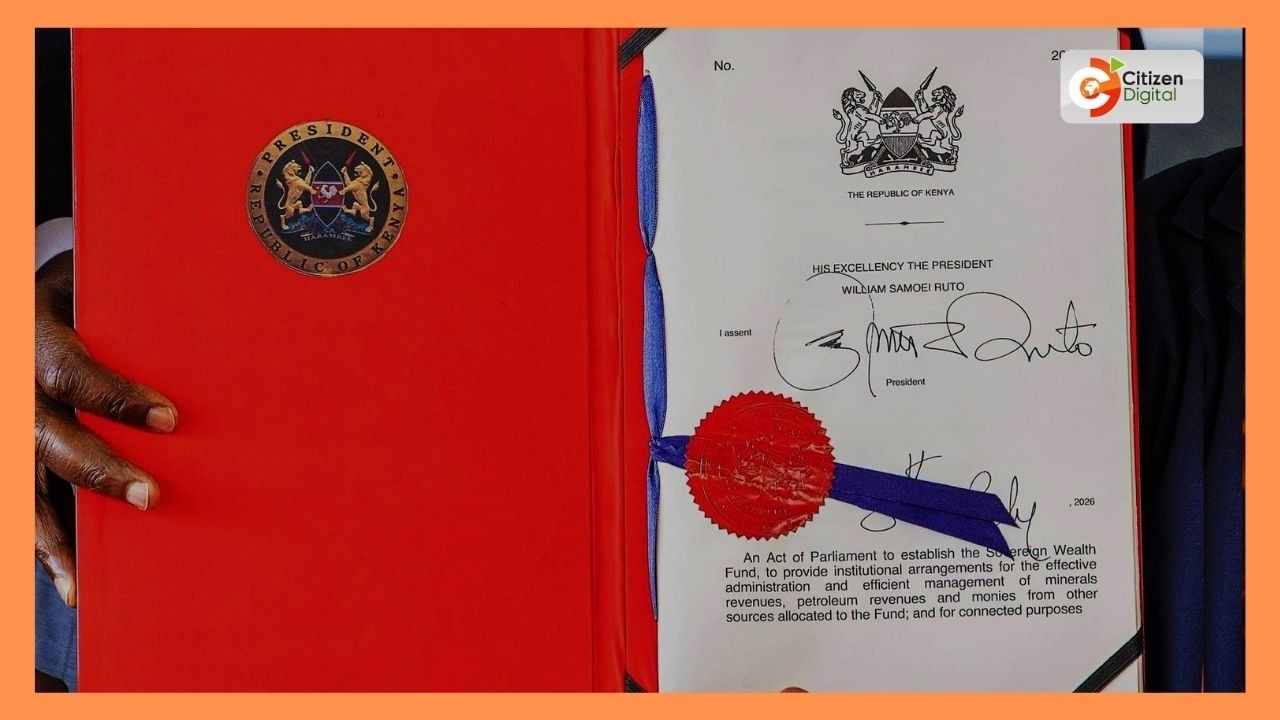
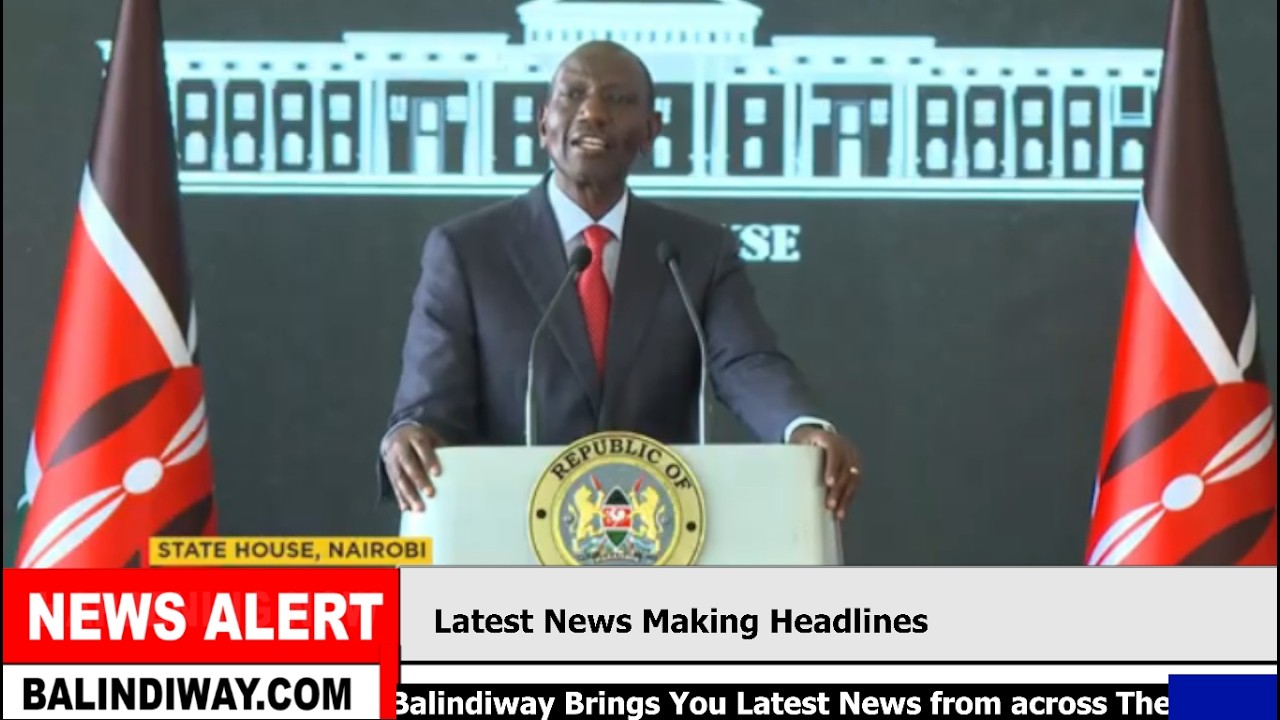
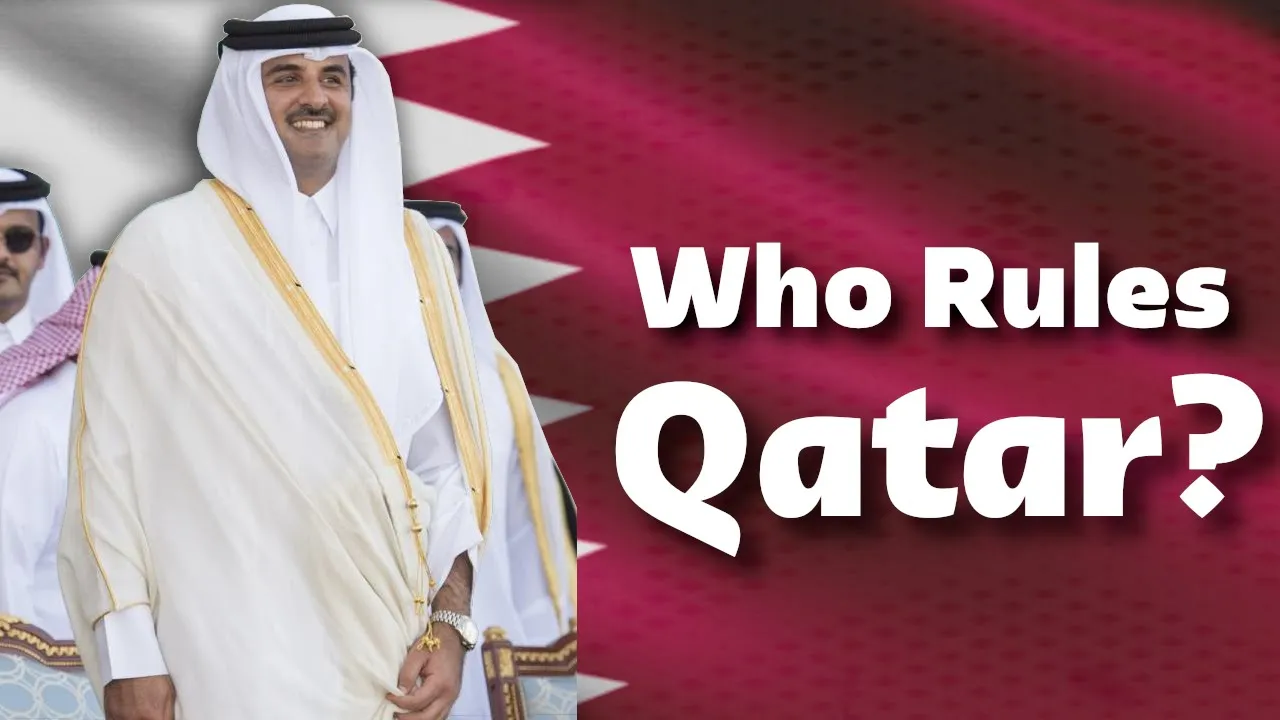
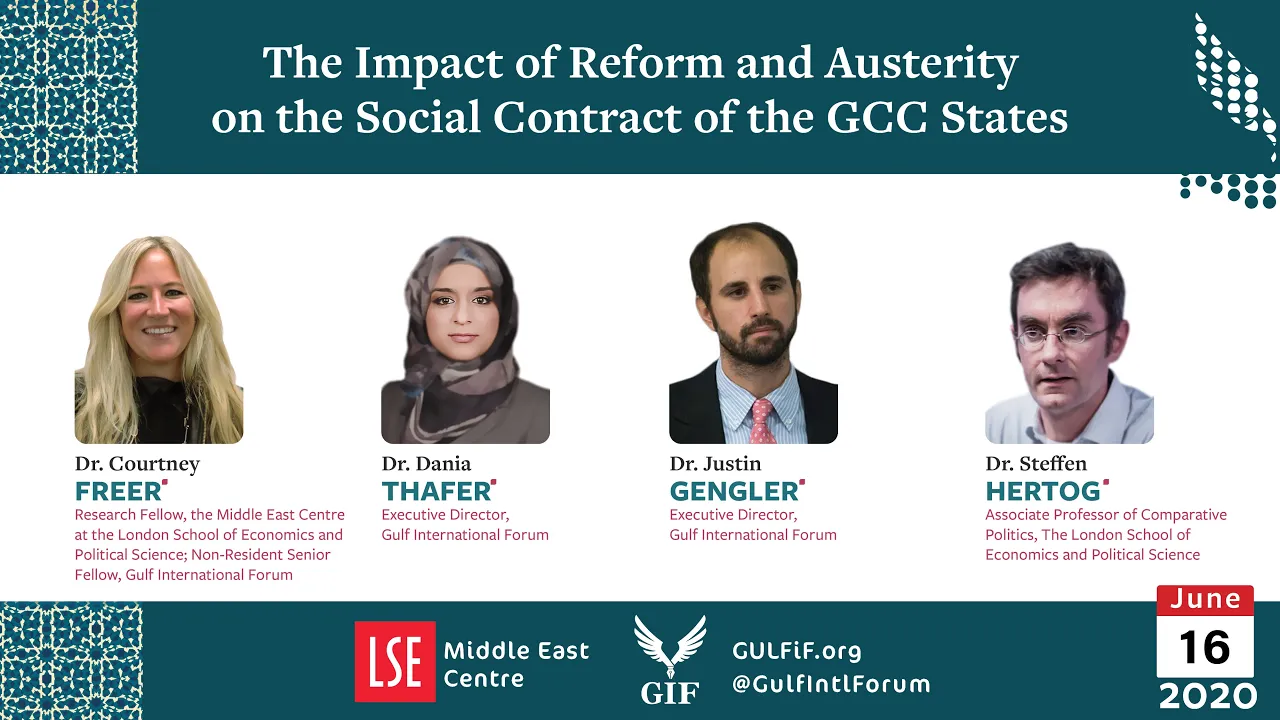
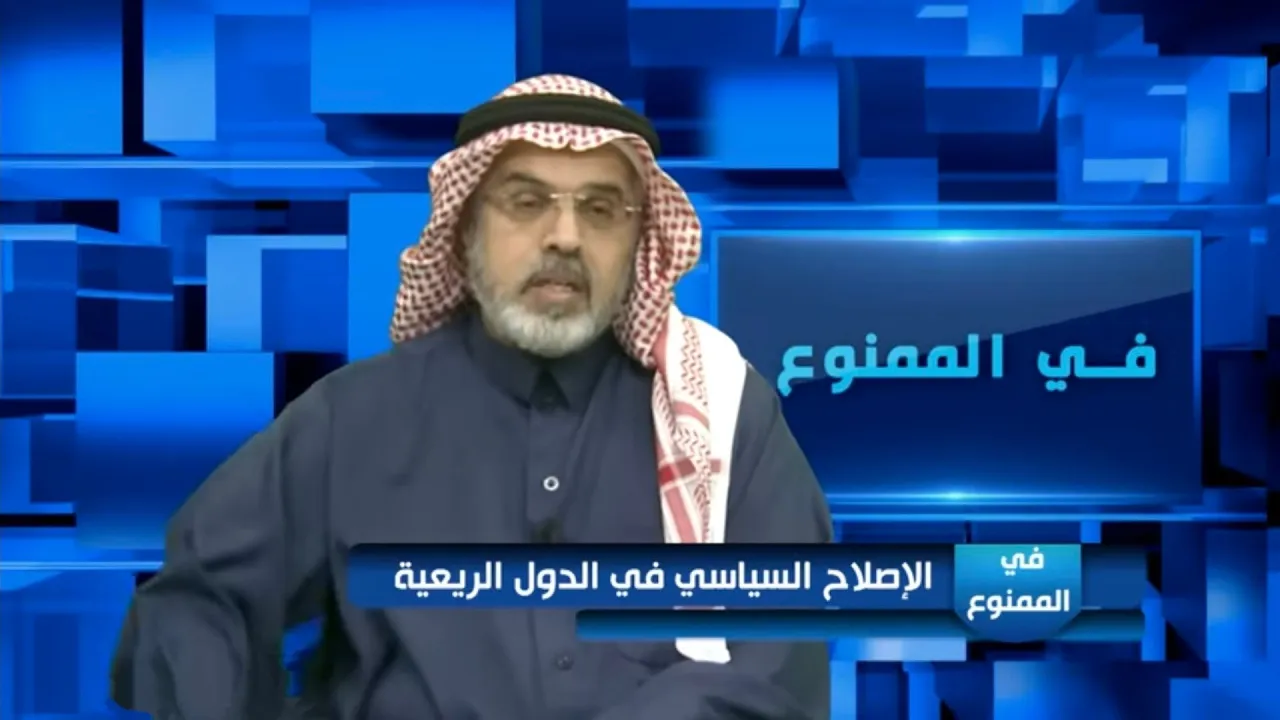

The resource curse, or paradox of plenty, occurs when countries with abundant natural resources like oil and gas experience poor economic diversification, reduced democracy, and worse development outcomes compared to resource-poor nations; this happens because oil revenues eliminate the need for taxation, creating a participation deficit where citizens don't hold governments accountable, leading to wasteful spending and structural unemployment, as demonstrated by Brunei's 62% GDP dependency on oil and 23.4% youth unemployment rate despite its wealth.
Brunei's Rentier Economy and the Challenge of Oil Dependence
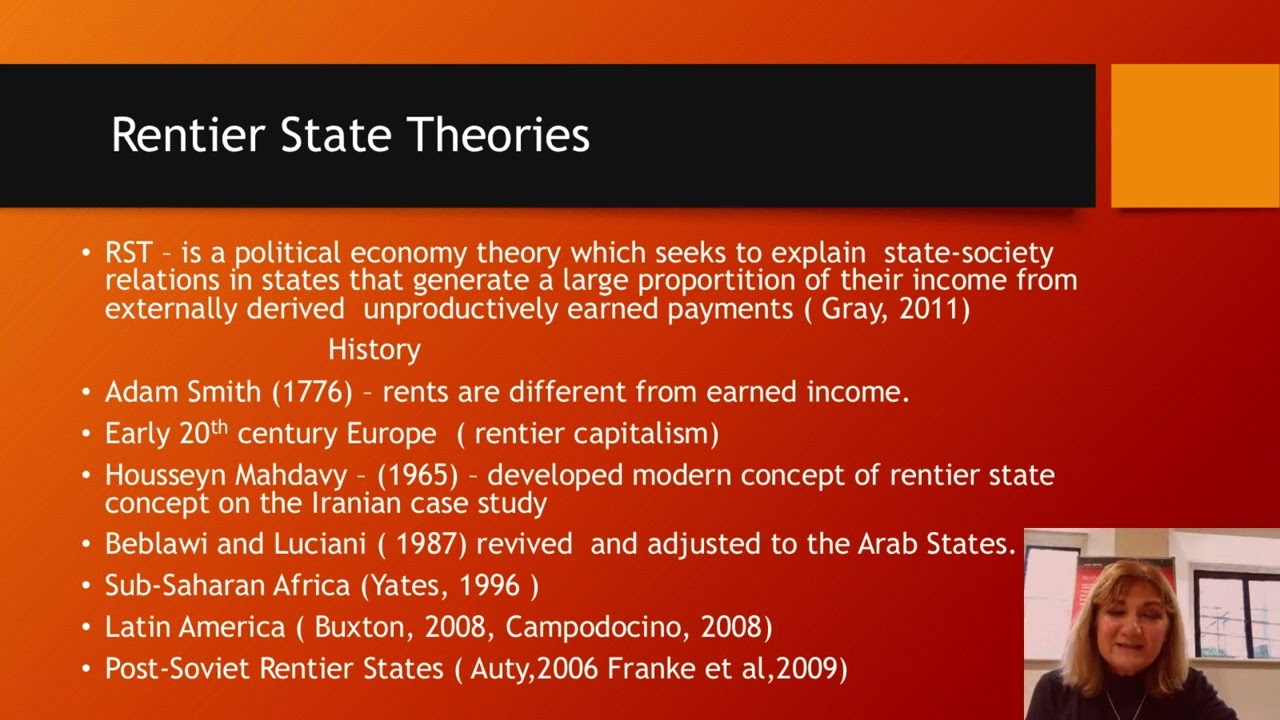
Added:The concept of a 'Rentier State' and how governments derive national revenues from foreign-rented natural resources rather than domestic taxation.
The 'Resource Curse' (Paradox of Plenty) and 'Dutch Disease,' explaining how reliance on a single commodity can suppress other economic sectors.
The basic economic definition of a welfare state, including government-subsidized healthcare, education, and public sector employment.
An overview of Brunei's political structure as an absolute monarchy and its historical reliance on oil and natural gas exports.
A deep dive into 'Wawasan Brunei 2035' (Brunei Vision 2035) to evaluate the nation's specific policy outcomes and diversification progress.
Comparative case studies of other rentier economies, such as the UAE or Saudi Arabia (Vision 2030), to analyze differing strategies for economic transition.
The role of Sovereign Wealth Funds (e.g., the Brunei Investment Agency) in managing intergenerational wealth and stabilizing volatile resource revenues.
The political economy of the social contract in rentier states, exploring how reducing subsidies and introducing taxation might impact political stability.
895.3K views16Klikes13:14Original Release: 2023-10-05
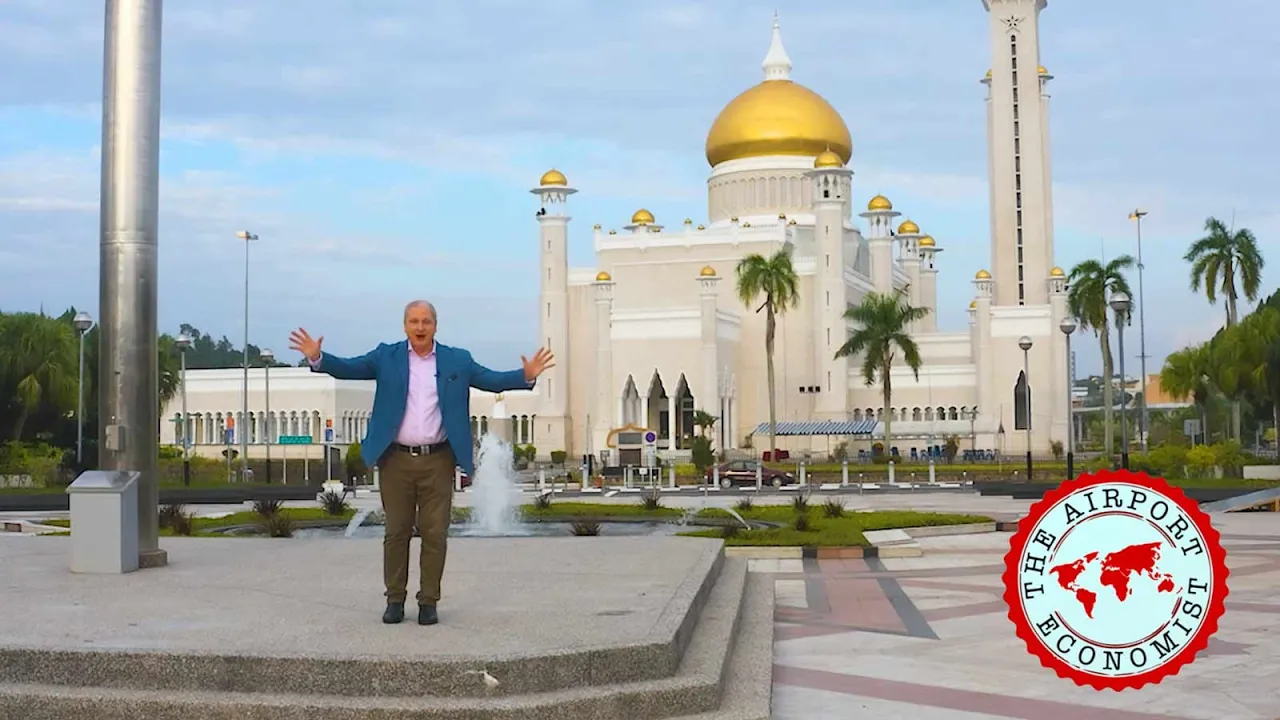
This video is sponsored by Grammarly This is Brunei. With an area of less than 6,000 sq km and a population of 450,000 it is one of the smallest countries in Asia. But it punches well above its weight in what we can learn from its unique economic system. Brunei is a welfare state where the government pays for almost everything. This includes healthcare, education from elementary school to university, subsidised housing and as if that wasn't enough people don't even need to pay taxes. Thanks to the development of the petroleum and natural gas industry the small country of Brunei became one of the richest economies in Southeast Asia. The discovery of oil in a developing economy may at first sight seem rather beneficial but it also has the potential to be disastrous.
Most oil-rich economies like Brunei have poor growth in the non-resource sectors of the economy, less democracy and worse development outcomes than countries with fewer natural resources.
They have difficulties diversifying their economies and oil booms naturally lead to wasteful spending. The combination of these issues has led to the concept of the resource curse or the paradox of plenty. Countries that are endowed with abundant natural resources can be compared to lottery winners. You may think that your life would be amazing if you won the lottery but the reality is that most people who win the lottery end up losing it all because they are unable to manage their newfound wealth. This is also true for countries.
In this video we will look at Brunei's current situation regarding its dependence on oil and natural gas, look at some of the unintended consequences of their welfare programs and what the government is doing to diversify its economy.
We have a lot of country economy videos on this channel and we do everything we can to make sure our research is spot on, but with so much content to go through we sometimes get a little bit lost in our own words. That's why we always use Grammarly who we are excited to have as a sponsor of this video today. Grammarly helps us avoid common and understandable writing errors and makes us sound much more professional and clear when writing any kind of content.
And it's not only for the revision stage but with their advanced AI features it can help your writing journey from beginning to end, especially with that familiar struggle of facing a blank page. You can ask Grammarly to help you with brainstorming new topics or outlining ideas for content to help get the ball rolling. It also takes out some of the drudgery of writing and rewriting those first few lines so your creativity can shine through.
It's not only for your daily writing tasks, you know responding to emails can take a while, but with Grammarly it now summarises your emails and provides suggestions on how to reply, saving yourself hours every week finding just the right polite words to reject that third coffee invite from Salmon Accounting. Oh, and did I mention that all of these features of Grammarly are free to try out. You get 100 free prompts per month.
Sign up and download for free with our link grammarly.com slash ee09. If you want access to more prompts and in-depth features you can use the same link and it will give you 20% off premium. Try out Grammarly and make your work life a little easier.
Brunei's economy relies heavily on the exploitation of its oil and gas reserves.
It's the 4th leading oil producer in Southeast Asia and the 9th largest exporter of liquefied natural gas on the planet. The government of Brunei has made efforts to diversify its economy and it has certainly made considerable progress. However, in spite of this, the sale of oil and natural gas still represents 62% of Brunei's GDP and 90% of its total exports. In addition, Brunei is still less diversified than other resource-rich nations including Indonesia, Malaysia, and the United Arab Emirates. There are also concerns about future real GDP growth not keeping up with population growth. Oil production is decreasing and there are uncertainties about how oil wealth is being invested. The high dependency on oil and natural gas in particular is alarming for Brunei considering that its reserves are estimated to run out in only 27 years. In Brunei, the state does not need revenues from taxing its citizens. It has more than enough income from its oil revenues. In fact, it was this income that led to the creation of the welfare state where almost all the needs of its citizens are currently met. While not having to pay taxes sounds like a great deal, there can be some unintended consequences for the economy as a whole. Taxation creates what some economists call a fiscal contract between the state and its citizens where the citizens hold the state accountable. Unfortunately, there is currently a participation deficit in most oil-rich countries. So what is a participation deficit? It's basically a lack of connection between the state and its subjects which disrupts any notion of ownership of public resources and consequently leads to a lack of citizen engagement. This is therefore a major challenge in oil-rich countries. The OECD stresses that taxation systems strengthen state capacities and help to shape accountability relationships between a state and its people. However, in oil-rich economies, the state does not rely much on revenues collected by taxing its citizens. It is therefore not held as accountable as states in non-oil economies are.
The existence of a fiscal contract is thus vital for policy recommendations in oil-rich economies.
Studies carried out by the Centre of Global Development show that high levels of oil income are linked to both low levels of transparency in public budgets and low efficiency in public spending. That's why you often see oil-rich countries like the Persian Gulf states investing in extravagant projects with, let's just say, dubious financial rationale. In the case of Brunei, they invest a significant chunk of their oil revenue into a sovereign wealth fund that they call the Brunei Investment Agency, which currently has an estimated $170 billion of assets under management. However, they give almost no disclosure about what they are invested in and what their historical returns have been. All of this has led economists to develop models that aim to offset this accountability gap. One of these is the Oil-to-Cash Initiative, which seeks to protect the social contract between the government and its citizens by distributing oil rents directly to its people. Through this initiative, the government would transfer either some or all of the revenue obtained from the extraction of natural resources to its citizens in regular and transparent payments. These payments would be considered normal income and would be taxed accordingly. This way, the state would be forced to collect taxes and pressure for public accountability would increase, thus leading to more responsible oil wealth management and development-friendly spending. The oil-to-cash model has been implemented successfully in the oil-rich US state of Alaska. The Alaska Permanent Fund was created by the citizens of Alaska as a way of saving a share of the state's oil revenues for the needs of future generations. Oil revenues are used to invest into private entities, stocks, bonds, infrastructure, and real estate. The returns on these investments are then used to further grow and finance the fund, which is currently worth more than $54 billion. Unlike the Brunei Investment Agency, the Alaska Permanent Fund discloses their investments holdings on their website for the general public to scrutinize. It's probably safe to say that Alaska won't be building its own version of the line any time soon. The Alaska Permanent Fund division distributes a share of the earnings to eligible citizens of Alaska in the form of an annual dividend. The entire amount of the dividend then must be reported as taxable income. The 2022 Permanent Fund Dividend amount was $3,284.
This fund creates a source of renewable revenue in an American state with mainly non-renewable resources. Even though these non-renewable resources are diminishing, the fund is still growing, thus helping Alaska achieve intergenerational equality. Besides the creation of a sovereign wealth fund, the next most important thing for any oil-rich nation to do is diversify the economy into other industries, as the oil will eventually run dry.
Brunei has carried out numerous efforts to increase economic diversification and reduce the economy's dependence on the sale of oil and gas. For example, it promotes foreign direct investment in its economy, and it's actually quite attractive for potential investors.
It has excellent airline connections and telecommunications. In addition, it has a central location in Southeast Asia and a stable political situation.
However, human capital is also vital to promote the growth of other sectors of the economy.
It is therefore important for the government of Brunei to improve the matching of the education and skills of its population with the needs required in such industries.
Having an active young population could certainly help in these efforts. However, according to the International Labour Organization, or ILO, youth unemployment is a critical issue in Brunei.
The youth unemployment rate rose to 23.4% in 2021, and the ILO highlights that there seems to be a mismatch between jobseekers' expectations, job opportunities, and employers' skill requirements.
Brunei is a rentier state, since it relies on the external rent derived from selling oil and natural gas. Studies show that the occupational aspirations of young people in Brunei are related to the economic conditions of their rentier economy, which in turn leads to a rentier mentality, where the youth tend to aim towards occupations that are prestigious, stable, and highly paid. Unemployed people in Brunei share a common set of characteristics. They are young, they don't possess the necessary professional and vocational skills, and they are only willing to accept office jobs, ideally in the public sector.
The generous social welfare programs make unemployment more comfortable than in most countries. Thus, many unemployed youths have the luxury of turning down manual jobs or jobs in unqualified sectors such as agriculture or manufacturing. These types of jobs are usually occupied by foreign workers. For these reasons, youth unemployment has remained stubbornly high.
Besides causing structurally high youth unemployment, the desire for high-paid government jobs also has an unfavourable impact on entrepreneurism.
According to a research study, 67.2% of young Bruneians prefer to work as government employees.
The strong desire to join the public sector acts as a sort of brain drain, whereby the most talented young Bruneians become civil servants instead of starting small businesses that could help diversify the economy. It is therefore vital for Brunei to promote entrepreneurism amongst the younger population, to strengthen other factors of the economy, and increase its non-oil and gas income.
Let's remember that the current generation of young Bruneians will be the future decision makers and business leaders when the oil reserves are depleted in the not-so-distant future.
Policies that increase entrepreneurism amongst the youth will be very important in the efforts to diversify the economy. Improving the business environment has been important for Brunei in its efforts to promote economic diversification. However, a good business environment doesn't only need less bureaucracy and better regulations, but also a skilled labour force with an entrepreneurial mindset. A change in education and labour market policies is therefore needed for the rentier mentality to actually change.
To achieve this, Brunei can take a look at Norway, and how they've managed to eradicate the rentier mentality and keep youth unemployment at low rates.
Norway is one of the biggest oil exporters in the world, and yet it has a very diversified economy and a fair distribution of income. However, unlike Brunei, the Norwegian economy was already developed when oil reserves were discovered. As previously mentioned, Brunei had to leapfrog the normal stages of development after oil was discovered, and this led to an economy that limits the creation of jobs. In Norway, the government prioritised education as a means to achieve economic diversification and inclusive growth. It actually promoted entrepreneurial and vocational skills, as well as subjects related to engineering, science, technology, and mathematics. Entrepreneurship is also highly valued in Norway. It's clear that it has an economic value. Research shows that entrepreneurs have a vital function in an economy, as they generate job opportunities, increase competitiveness, and foster innovation. They also tend to be more satisfied than employees.
Researchers claim that entrepreneurship can be taught and developed through training and programs. In Norway, entrepreneurship, education, and training are part of the public school curriculum, and many students prefer to be self-employed instead of holding an organisational position. Norway also has some of the best working conditions and salaries worldwide, both for skilled and unskilled workers. Although there is no general minimum wage that applies to the whole country, there are union-negotiated wages which are set by industry. Workers in all industries benefit from good job security, extensive vacation time, and of course, good salaries. For example, workers in construction, agriculture, and cleaning industries can earn minimum rates, which can range from $16 to $21 per hour.
These rates increase based on skill level, as well as experience.
This all shows that despite being one of the biggest oil exporters in the world, the rentier mentality in Norway is not common. Of course, we need to stress the fact that the country had a strong economic base when oil reserves were discovered, however, it can still serve as an example for Brunei. Countries like Norway prove that the resource curse is certainly not a destiny.
Now it's time to put Brunei on the economics explained national leaderboard.
Brunei has a GDP of $14 billion, making it one of the smallest economies in the world.
It gets a 2 out of 10.
This GDP is spread out over a very low population of fewer than 500,000 people, so it has a GDP per capita of $31,722, which is almost three times the global average.
Here it gets a 7 out of 10.
Stability and confidence is benefited from a stable political situation and relatively liberal policies related to foreign direct investment.
However, with the vast majority of the government's revenue coming from oil and natural gas reserves, which are expected to run dry within the next three decades, this creates a tremendous amount of uncertainty, so we can't give Brunei more than a 5 out of 10.
Brunei's GDP is about the same size as it was 15 years ago.
It fluctuates wildly from year to year based on the price of oil.
After normalizing commodity price movements, Brunei has not seen any real growth in more than a decade, so on this metric it gets a 2 out of 10.
Finally, industry.
Brunei's economy relies heavily on the exploitation of oil and gas reserves.
Despite its efforts to strengthen other sectors of the economy, the sale of oil and gas still represents 62% of Brunei's GDP and 90% of its total exports.
It's also less diversified than other oil-rich nations, such as Indonesia and the United Arab Emirates, so it gets a 3 out of 10.
Altogether, that gives Brunei an average score of 3.8 out of 10, putting it here on the Economics Explained National Leaderboard.
Thanks for watching mate.
Bye.
Up Next

7:07
Understanding Dutch Disease in Development Economics
@organisationwitholu2764
145 views•2021-09-23
5:07
Impact of Yuan in Indo-Russian Trade Amid Sanctions
@WION
261.9K views•2022-07-01

16:50
Gold Standard Abandonment: Economic Mistake or Necessity?
@EconomicsExplained
1.8M views•2022-05-25

113:18
The Age of Easy Money: Fed & Inflation | Full Documentary
@frontline
21.2M views•2023-03-15
Related Study Plans & Knowledge Roadmaps
Structured learning paths in Economics
economics
Sovereign Debt: Defaults, IMF & Restructuring
01Introduction to Sovereign Debt & Government Bonds
02Debt Sustainability & Credit Ratings
03Anatomy and History of Debt Crises
+ 2 more learning modules
12h5 modules
Explore Roadmap
economics
Market Design: Matching Theory & Gale-Shapley
01Introduction to Market Design and Price-Free Markets
02Two-Sided Matching & The Gale-Shapley Algorithm
03School Choice Systems and Mechanism Design
+ 2 more learning modules
10h5 modules
Explore Roadmap
economics
Impossible Trinity: Forex, Capital & Policy
01Introduction to Monetary Policy and Central Banking
02Exchange Rates and International Capital Flows
03The Mundell-Fleming Model
+ 2 more learning modules
8h5 modules
Explore Roadmap
economics
Healthcare Economics: Market Failures & Systems
01Introduction to Healthcare Markets and Market Failure
02Asymmetric Information and Adverse Selection
03Moral Hazard and Insurance Design
+ 2 more learning modules
12h5 modules
Explore Roadmap