





















Spatial justice is the concept that justice cannot be separated from geography—where people live affects their access to essential services like transportation, food, energy, and green spaces, creating systemic inequalities that require localized solutions such as supporting local food production, decentralizing energy systems, and diversifying job opportunities in underserved communities.
What Is Spatial Justice? Definition & Examples
Added:Introduction to Human Geography: Understanding how human activity is distributed geographically and how spatial patterns impact society.
Social Justice vs. Equality: Understanding the core difference between equal distribution (equality) and fair, need-based distribution (equity).
Fundamentals of Urban Planning: Knowledge of how cities are zoned, how transit networks are designed, and how public resources are allocated.
Environmental Justice: The concept that marginalized communities often bear a disproportionate burden of environmental hazards, such as pollution or lack of green spaces.
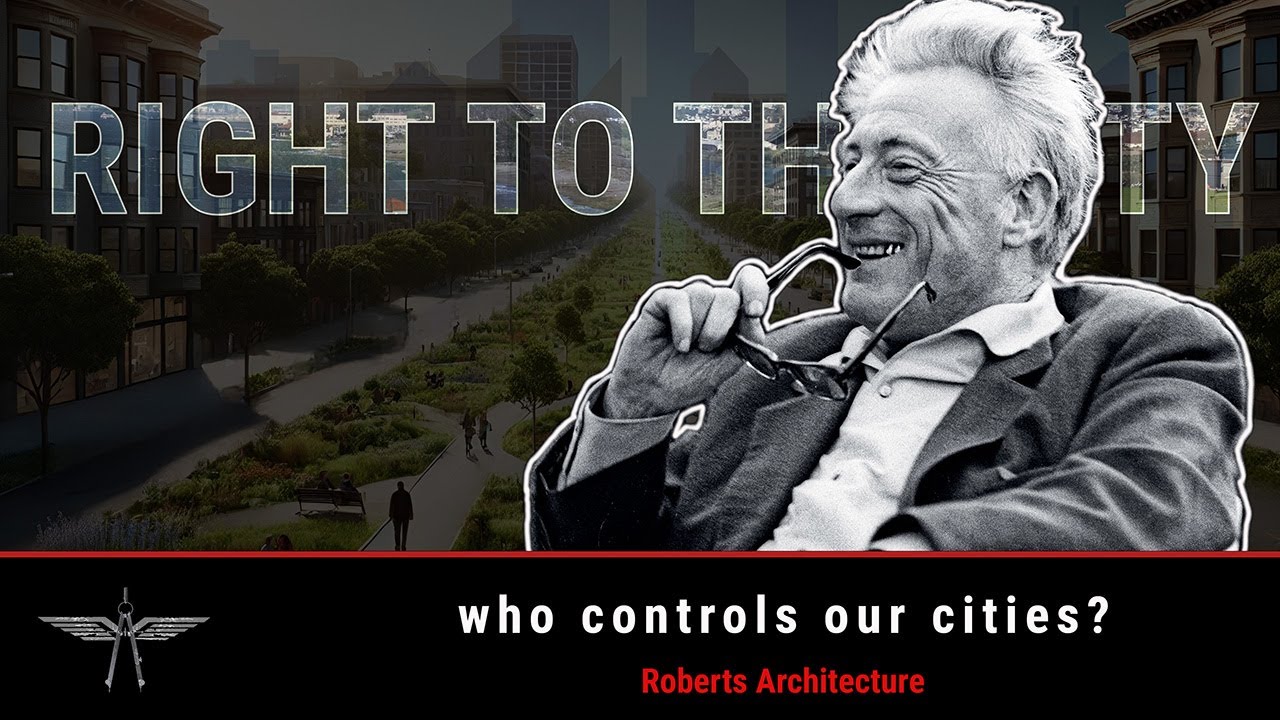
The Right to the City Theory: Studying Henri Lefebvre's radical geographic concept regarding who has the right to shape and access urban space.
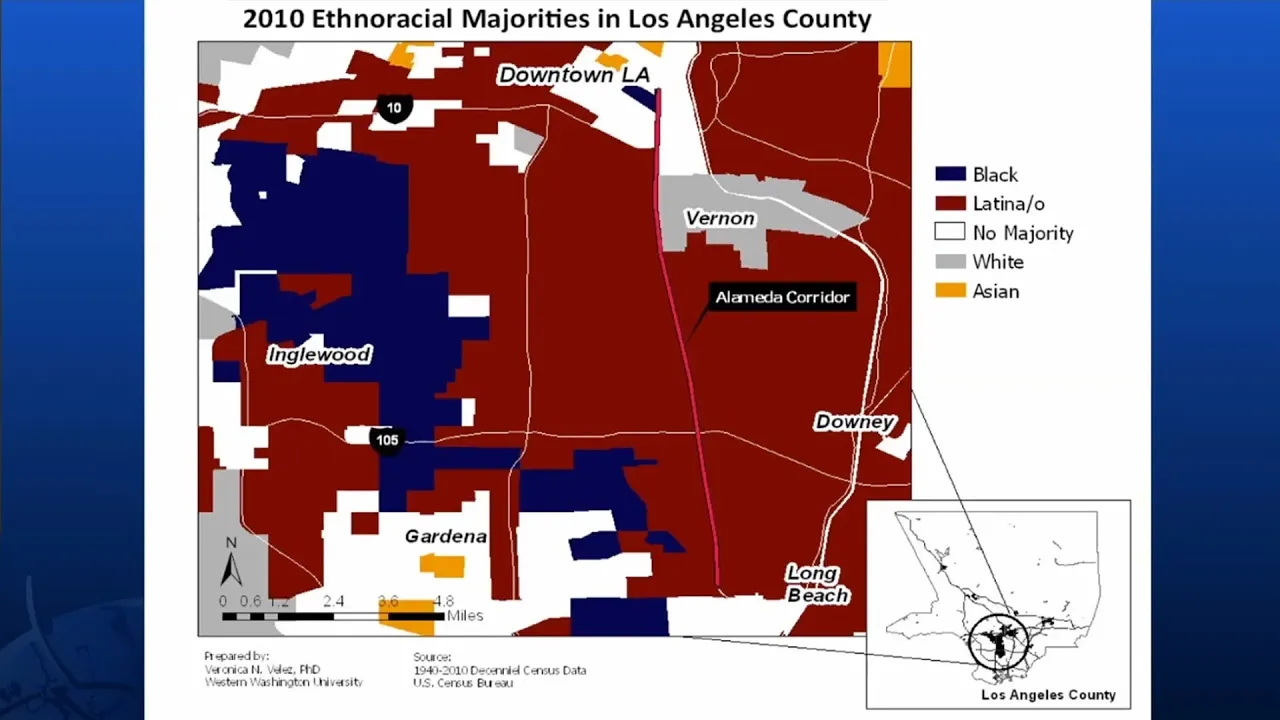
Geographic Information Systems (GIS) for Equity: Learning how to use spatial mapping tools to analyze and visualize resource disparities in real-world communities.
Gentrification and Displacement: Analyzing how urban redevelopment projects can inadvertently displace low-income residents, creating new spatial injustices.
Participatory Budgeting and Planning: Exploring frameworks that allow community members to directly decide how local public funds and resources are distributed.
17.2K views195likes3:55Original Release: 2016-10-04
what is spatial justice well iconic examples of justice and injustice are tied to human rights and pivotal historical moments like who is fighting for justice or when has justice been granted to underrepresented groups but more recently theorists are turning their attention to where justice is distributed Edward soja one of the best-known spatial theorists and a pioneer of spatial justice writes that location will always have attached to it some degree of relative advantage or disadvantage the concept of spatial justice comes from the idea that space cannot be separated from how we experience the world it takes a definition of social justice and applies it to geography so let's look at a couple of examples no matter where people live transportation services have an effect on their day-to-day lives for example urban centers have denser transportation networks and as a result more food and goods are delivered and a wider variety of amenities are accessible for transportation can also have negative effects on surrounding communities since it causes traffic pollution road safety issues and noise physical and social infrastructure varies from area to area even within an urban center impoverished neighborhoods may not have as much access to services and transportation networks like bike share initiatives or reliable city transit with less food diversity and fewer green spaces some communities transform so-called dead spaces like parking lots into community gardens energy grids vary from city to city the more people there are the higher the demand and consumption of energy but on the other hand small communities receive less energy even though they are often closer to energy production sites and as a result these rural areas weather the negative effects of byproducts what about byproducts of industrial production electronic waste is exported to lower-income countries were women and children break it down or on an environmental level oil spills and soil contamination caused by production affect surrounding ecosystems communities near industrial areas may have less green space because parks forests and hiking trails make way for production sites consider smaller remote towns whose industry revolves around natural resources the working population may be more economically vulnerable as they of little job diversity and job security so now that we have seen some examples of how experience can differ from community to community what can we do to help increase spatial justice well we can start by localizing food production and supporting small businesses this will increase local demand and access while decreasing transport traffic we can localize energy production sites within the areas they are serving we can increase access and opportunity for education Earthcare and social services especially for a remote and rural communities we can build resilience against economic downturn by diversifying job opportunities in small and rural communities our lives and experiences vary from place to place by encouraging fair distribution of resources like transportation and energy as well as improving infrastructure and job diversity become closer to a spatially just society
Up Next

26:39
Gentrification in Mexico City: The Digital Nomad Housing Crisis
@Channel5YouTube
3.8M views•2024-10-09
54:57
Contemporary Sociological Theory: Micro, Macro, Integrative
@NaSESYNC
45.7K views•2016-02-17

19:23
How to Analyze Conversations Scientifically | Elizabeth Stokoe | TEDx
@TEDx
1M views•2014-12-04
9:41
What is Sociology? The Sociological Perspective Explained
@crashcourse
4.6M views•2017-03-13
Related Study Plans & Knowledge Roadmaps
Structured learning paths in Sociology
sociology
Celebrity Culture: From Hollywood to TikTok
01Foundations of Celebrity Sociology
02The Rise of Micro-Celebrity & Digital Platforms
03Parasocial Relationships & Algorithmic Intimacy
+ 2 more learning modules
12h5 modules
Explore Roadmap
sociology
Hostile Architecture: Space, Power & Control
01Introduction to the Sociology of Space
02Social Control and Surveillance in the City
03Hostile Architecture and Defensive Design
+ 2 more learning modules
12h5 modules
Explore Roadmap
sociology
Loneliness Epidemic: Third Places & Isolation
01Foundations of Social Capital and Community Cohesion
02The Death of Third Places and Urban Space Erosion
03The Privatization of Leisure and Atomization
+ 2 more learning modules
12h5 modules
Explore Roadmap
sociology
Sociology of Tourism: Gaze, Power & Heritage
01Foundations of the Sociology of Travel and Leisure
02John Urry and the 'Tourist Gaze'
03Staged Authenticity and Cultural Commodification
+ 2 more learning modules
14h5 modules
Explore Roadmap