



















Medical malpractice cases often reveal systemic issues in healthcare transparency, as demonstrated by Diane Stewart's case where electronic medical records were deliberately altered to conceal critical information about her care; this led to the passage of Senate Bill 850, the first U.S. law requiring automatic preservation and audit trails for electronic medical records to prevent tampering and ensure accountability in patient care.
Medical Injustice: Diane Stewart Case and SB 850
Added:Understanding the legal definition of medical malpractice, including standard of care, negligence, and liability.
Basic knowledge of California's MICRA (Medical Injury Compensation Reform Act) of 1975 and the concept of capping non-economic damages.
The distinction between economic damages (such as medical bills and lost wages) and non-economic damages (such as pain, suffering, and emotional distress).
An introduction to Electronic Health Records (EHR) and the ethical and legal standards governing medical documentation.
In-depth analysis of California Senate Bill 850 (SB 850) and how it legally regulates electronic health record audit trails to prevent tampering.
Examining the modernization of MICRA via Assembly Bill 35 (AB 35), which adjusted the decades-old damage caps starting in 2023.
The role of digital forensics and medical IT auditing in identifying fraudulent alterations in clinical documentation during litigation.
Comparative analysis of tort reform laws across different U.S. states and their broader impact on healthcare quality and patient advocacy.
325 views2likes22:00Original Release: 2012-06-11
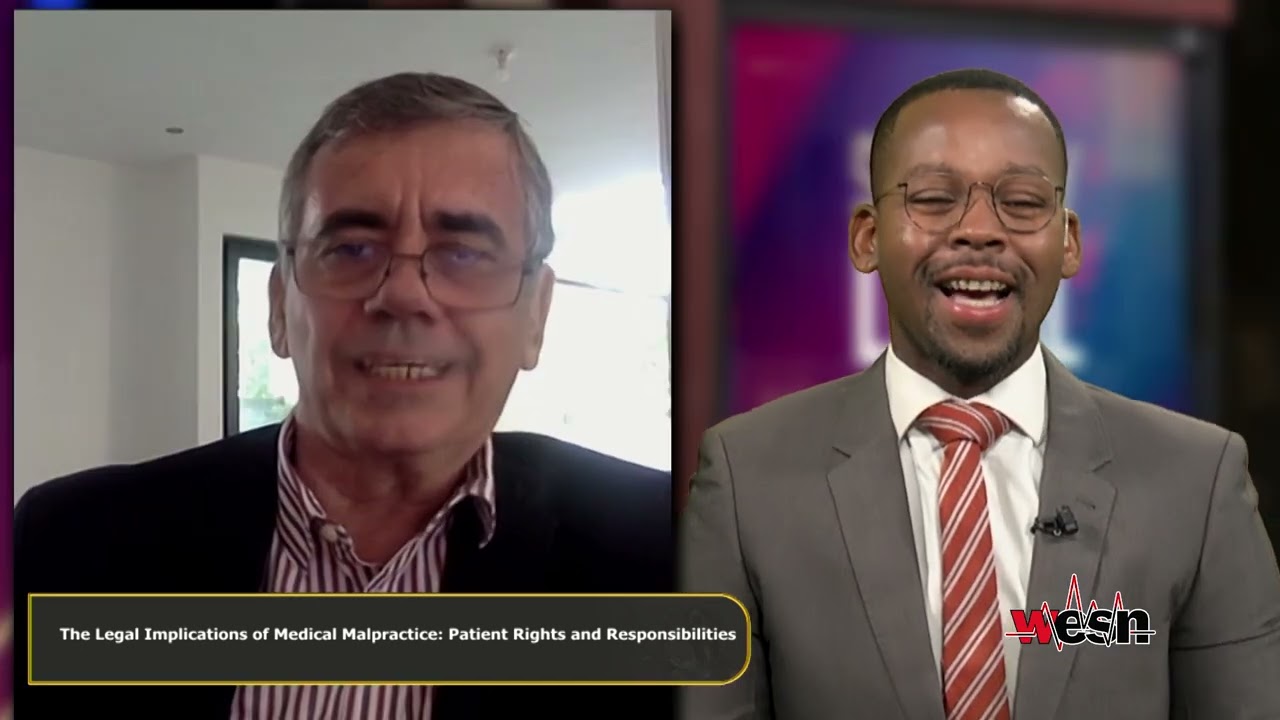
so she was a tremendous life unbelievable energy she threw parties and she had people over and you know she always made dinners for anybody who was sick and she got involved in every campfire girl boy scout she was very capable smart giving dedicated to her children dedicated to me and i kept saying mom what's wrong what hurts and she says my abdomen and she kept and she was miserable and we said well please call a doctor she needs to be examined we asked him three times the nurse said they'd call the doctors the doctors were aware of the problem but the unfortunate part about it is the doctors never showed up and um that's when i reached down and hugged her and i said we're here and she opened her eyes and that's the last time she opened her eyes and i still thought she wasn't going to die i still thought they were going to fix her david said something really went wrong i think she was neglected and i just couldn't believe it something that could have been and should have been taken care of was not today the insider exclusive goes behind the headlines in medical injustice diane stewart's story to reveal for the very first time how the stewart's attorney chris dolan at the dolan law firm successfully fought for the truth and discovered three critical pieces of information buried deep within diane stewart's medical records critical information that some of the staff at stanford hospital deliberately withheld claiming it could not be located the stewart family deserved to know why their mother died and ultimately after months of legal fighting to get to the truth and encountering at every turn a medical code of silence with the doctors continually saying i don't remember and i don't recall to almost every question chris dolan finally got the truth and it was very clear that some of these doctors and nurses at stanford hospital failed miserably to monitor diane stewart's life-threatening condition which resulted in her unnecessary and untimely death chris promised the family that as the then president of the consumer attorneys of california he'd do everything possible to help protect all patients in the future from these same kinds of preventable and deadly mistakes and so we helped draft and sponsor new legislation senate bill 850 electronic health records which is the first of its type in the united states that protects electronic medical records from deletion and alteration what does it do it protects the accuracy and integrity of electronic medical information by requiring electronic medical record systems to automatically record and preserve changes made to a patient's electronic medical record this bill is now leading a national change preserving electronic medical records and it's a critical and necessary policy as we move towards a paperless system where our medical history will exist only as bits of data data that can be erased manipulated etc senate bill 850 is groundbreaking most lawyers won't represent folks like the stewards in medical malpractice cases in california because of a little-known law passed in 1976 and signed by the then governor jerry brown it's called micra the medical injury compensation reform act which prevents justice to a large group of california citizens by limiting or capping a maximum potential recovery in certain med mal cases it's no secret that the insurance companies and the american medical association heavily promoted this micro with blatant lies spread through the media despite that chris dolan took on this case when no one else would and not only got justice for the stewart family but set a new standard for doctors nurses and hospitals to live by protecting us all chris dolan has earned the highest respect from citizens and lawyers alike as one of the best trial lawyers in san francisco in california and in the nation his fellow lawyers have selected him trial lawyer of the year by the consumer attorneys of california trial lawyer of the year by the san francisco trial lawyers association california lawyer attorney of the year the clay award and president of the consumer attorneys of california chris is driven to fight for people who have been harmed by the willful or negligent actions of others his goals not only to get justice for his clients but also to set a higher standard to protect us all hi i'm steve murphy and this is the insider exclusive live from san francisco it is my great pleasure to introduce chris dolan to the show welcome to the show chris thank you very much for having me tell us a little bit about your your law practice what kind of people do you represent the people i represent are the people who walk by my front door the people who come to work every day they can be the folks who are digging the foundation of a building or being all the way up on the top floor so we represent people in need today we're going to be talking about a family that you represented and we're going to be talking about their mother and wife um diane stewart us our audience a little bit about who diane stewart was well diane stewart was a wife and a mother she had she had lovely children and she had gotten to the place where her husband was retired and they were supposed to be spending the golden years of their life so she had her knees replaced so that she could be more actively engaged with her husband yeah and with her children and her grandchildren which is what a lot of people do it's a simple not simple but it's a normal ordinary operation isn't it it's an operation that is supposed to enhance your life it's an operation that shouldn't be life-threatening and it's certainly one that shouldn't have resulted in her death she went to a well-respected hospital stanford right her family actually used their savings to send her to what they thought was the best hospital what happened what happened is she had the bilateral knee replacement and that went fine right and then she was admitted to the orthopedic ward over the weekend and over the weekend the only people on staff were the residents who in essence are the medical students in the following final years of their training right and she was in pain and the pain got worse and it was a 10 out of a 10 in her abdomen and her family was there and they asked the nurses to get them a doctor and the nurse called the doctor and the doctor on call didn't come in and just gave more pain medicine and in essence ignored her as she got worse and worse and the interesting thing about diane stewart is her son's a doctor and her son was telling the family what to do but the doctors wouldn't respond and nobody came did they the nurses tried to help her the nurses tried to free up her bowel which is what the problem was is that she had a infarcted bowel it had turned and so that her her bowel was dying and the nurses gave what the doctors ordered which was just more pain medicine and aside from that they stopped monitoring her that was part of the problem is that the nurses were supposed to monitor her input and their output of fluids and they didn't and so the things that were saying she was dying were not responded to by the doctors and we're not recorded by the nurses you took this case nobody else would take this case why this case was extremely difficult because the records were all electronic records and the records didn't appear to be all there and it took hours and hours and hours of looking through these records with her son the doctor and demanding that they provide us more records and we finally found out that they had deleted an electronic record so trying to prove a case on facts that have been deleted by the doctors is near impossible how did you find out that they had deleted i think was three critical pieces of information right well we kept pushing and pushing until they finally um and for our audience when you say pushing and pushing you're subpoenaing the information we subpoena the information we file motions to compel we try to seek sanctions if they don't produce it and we just keep demanding it and not give up and then bring in the people who actually wrote the records right and finally got them to admit that the records of that evening the critical records pink had been deleted yeah so the people who brought in stated that they had written certain things that weren't there correct there was a nurse nurse galapa who was a nurse on the critical night in question was trying to get the doctors to come in and she had made a note saying i called the doctor i called the doctor i've done these things she's getting worse and that note which was the critical piece of evidence right was deleted from the electronic medical record it must take a lot of courage for a nurse to come forward with this information because she knows the repercussions she didn't come forward she didn't come forward i had to pull her in put her under oath yeah and demand that she tell us and they were beating around the bush until finally i showed that she had done a late entry and i said where is the original one and why was it deleted and she said it was deleted she didn't know why and then she said this thing that was unbelievable that the nursing staff said to her is there anything else you want to change in this record to alter the electronic record right which is scary because all our records are moving electronically now and if they can be altered or deleted then our history can be erased tell us then what is the significance of this case other than getting justice well this case was also complicated because diane stewart was a an elderly woman yes in the law in the state of california on medical negligence cases puts a limit on the value of that life because she's not working yeah so it's arbitrarily placed a value on her life of 250 000 and for our audience to understand that if you're there are two types of claims if you will one is an economic one and one is a non-economic one and the one you just spoke about is the non-economic maximum amount of money in under california law which is the micro law let's make this real this is and we can use words like economic and non-economic economic is damage to your pocket right non-economic is who a person is the value of their life pain and suffering well more than that in a death case it's my mother yeah this is who my mother was this is who she meant to me yes this is the loss that i have suffered it's not just pain and suffering when somebody dies it's the hole that's left behind yeah and that's capped out at 250 000. yeah it's been that way since 1976. the price of gas has gone off but apparently not the value of a human life yeah so folks who are not working folks that don't have any economic income they don't have a salary a business something like that they're kind of out of luck aren't they the state of california the most vulnerable in our society are the most devalued by this law children they're not working so they're considered to be worth less right older people and disabled people who don't have jobs where they've suffered economic loss this legal system imposed by the doctor's lobby has decreased the value of their life yeah now i just want to talk a little bit about what micra claims the positive impact and how you respond to this micro proponents of micra they claim which is medical entry compensation reform act passed in 1975 signed by our then governor jerry brown our current governor jimmy jerry brown a democrat unbelievable but um they claim that it is increased patients access to healthcare by keeping doctors nurses and other health care providers in practice and hospitals and clinics open what do you have to say to them that's a farce that's a front for profit what we have seen because we've done the statistical analysis the consumer attorneys of california which i was present yeah it conducted a study of the profits of insurance companies and those profits have skyrocketed it's not access to patient health care where that comes from is the government being able to fund clinics and it comes from insurance companies paying doctors a reasonable rate so what we've actually seen here is a squeeze the insurance companies are saying we don't have to pay you if we kill you and then they've said to the doctors who now are waking up we're capping how much you can make right so if doctors are not being able to have enough money to encourage them to go into health care it's not because of medical negligence cases which are less than two percent right of overall health care costs it's because the insurance companies are ripping them off as well as the families who are having people die no proponents of micro also say that california has some of the lowest malpractice premiums in the country is that true well sure i mean i'd have the lowest car premium too if i ran somebody over and i only had to pay fifteen thousand dollars right that's the most i'm going to have to spend so your your premiums are going down but the farce on that one which is an absolute ruse is that those malpractice rates are not out of sync with the rest of the country right but what has really changed is that california has some of the highest profitability for medical health care insurers right they also claim that patients now receive the lion's share of settlements and awards not the trial lawyers so let me get this straight if micra gives you the tail of the lion yeah all right and then and then you're saying that the awards the majority of it goes to the to the client that's not correct because you know what these doctors and their insurance companies do they drive up the costs of proving these cases where you have to hire medical experts right and there is no lion's share left at the end of the day there may be the hair on the tail because the money is being kept with the insurance companies rather than going to the families and lawyers they can't take these cases economically yeah and a lot of them don't and and that's one of the reasons why i wanted to uh focus on this case because you did take it because there was another issue at hand which you as the then president of the consumer attorneys of california made a promise to the family right that never in the future would patients suffer the same sort of experience that the steward family experienced if a certain type of new senate bill was passed and eventually approved tell us what that was when you sit across from a family you look into the eyes of someone who's desperate for hope they'd been to eight or nine lawyers who couldn't help them because of this law yeah and i looked at this family who was pleading for assistance and i made them a promise i said we're going to find out why your mom died i said you deserve that and i said moreover if they've messed with these records i will do everything in my power to make sure that it doesn't happen to anyone else yes because the the world is changing everything's electronic yes it's no longer in handwriting that you can check to see if it's been crossed out if it disappears into the ether on the computer how will you ever know so i not only handled this case but i helped draft a law that senator leno agreed to carry that i and the family testified about up in the legislature and we pursued this until sb 850 was passed right which is the first of its kind in the country that says if someone alters or changes a medical record they cannot remove the original content and they have to put down their name the date and the time so we can find out who's messing with these records this is the law in california and it's also leading the charge across the country isn't it it's been the law in the state of california now for 45 days that's what i admire about what you did you not only won this case but you did something about it well being a lawyer is an amazing thing and having the ability to make changes is a very powerful thing it's not about pursuing money it's about pursuing justice and in this case it wasn't just about the stuart family they were willing to be the ones who went through all of this so the change could be made and this change will sweep across the country it already is yeah and it will hopefully prevent the falsification of medical records from now forward as we move into an electronic age a lot of people don't realize this but there are a very few number of lawyers who actually want to make the system better not only do they win their cases on behalf of their clients but like in the senate bill 850 where you move forward nobody was paying you to do this you move forward because you didn't want to see injustices happen to other people and i i you know we really admire you for that that's why we're here today well thank you very much it this was not a case about profit this was the case about people and when you say a lot of lawyers don't do it well a lot of them are working for corporations those they're interested in keeping change for their clients right chris let me ask you this one last question what is it that motivates you to take a case where there's no profit well i think that every lawyer who has gone to law school who's got a heart was inspired at some time and you look back at these movies like philadelphia the verdict the movies where silkwood where the the little guy won over the injustice and really that's what motivated me to become a lawyer and so i do that i live the reality of those movies i live the reality of change and it is tremendously gratifying to see that you are not living in a movie yeah but in reality you're making a difference and that i gotta tell you that's that is just amazing when i when i win these unwinnable cases it is a point in my life that's up there with my marriage and the birth of my kids because what i have done is something that no one else could do and those families look at you and they're grateful and how do you like do you go off in the corner someplace a little later and say just just feel that wind well it's interesting but every time before a virta comes in when i hear the verdicts in there's a gap and i just say you know let god's will be done yes and when it comes back and you win sometimes they're just tears that stream down your eyes because at that point i've given it my all yeah and i've looked at that family and i say i can't tell you whether we're going to win or lose but i hope you feel that i cared enough to give you my all and when you win you have faith you have that little bit of faith that despite all this political rhetoric and despite all the money involved those 12 people they got it right i'm glad that uh there are lawyers like you because setting aside whether you make any money or not you've got to do the right thing for justice and you're in a position where you can do that so i want to thank you very much for being on the program and i want to thank you for being the kind of lawyer you are thank you very much thanks for joining us you can get more information about our guest and the issues at insiderexclusive.com you
Up Next

40:20
The Theory of Banking: Historical Analysis and Financial Systems
@FRESHboosters
160.7K views•2025-05-16

12:54
Triumph of Orthodoxy Icon: Byzantine Art & History Explained
@BenCallan
2.1K views•2024-08-06

9:49
FastAPI vs Flask vs Django: Choosing the Right Python Web Framework
@TechWithTim
302.5K views•2024-05-26

1:42
Game of Thrones Opening Credits: A Cinematic Analysis
@gameofthrones
46.3M views•2011-04-18
Related Study Plans & Knowledge Roadmaps
Structured learning paths in General & Interdisciplinary Studies
general-studies
Elevator Engineering: History, Physics & Cities
01From Hoists to Safety Brakes: The Dawn of Vertical Lift
02Hydraulic vs. Traction: The Engineering Physics of Elevators
03Modern Speed, Safety, and Algorithms
+ 2 more learning modules
12h5 modules
Explore Roadmap
general-studies
Rubber: Material Science, History & Geopolitics
01Origins of Natural Rubber & Mesoamerican History
02The Chemistry of Natural Rubber & Vulcanization
03The Geopolitics of the Rubber Boom & Colonization
+ 2 more learning modules
12h5 modules
Explore Roadmap
general-studies
Containerization: Evolution, Logistics & Trade
01Ancient Trade & Bulk Cargo: Amphorae to Barrels
02The Industrial Revolution & Cardboard Packaging
03The Containerization Revolution: Malcom McLean
+ 2 more learning modules
12h5 modules
Explore Roadmap
general-studies
Textile Tech: Evolution, Labor & Global Impact
01Pre-Industrial Textiles: Handloom & Cottage Industry
02Mechanization: The Spinning Jenny to the Power Loom
03The Factory System & Global Labor Transformation
+ 2 more learning modules
10h5 modules
Explore Roadmap