

























![Learn Japanese Grammar in 3 Hours - ALL the Basics Beginners Need [Grammar]](https://i.ytimg.com/vi/sbw5IDYyoF0/maxresdefault.jpg)



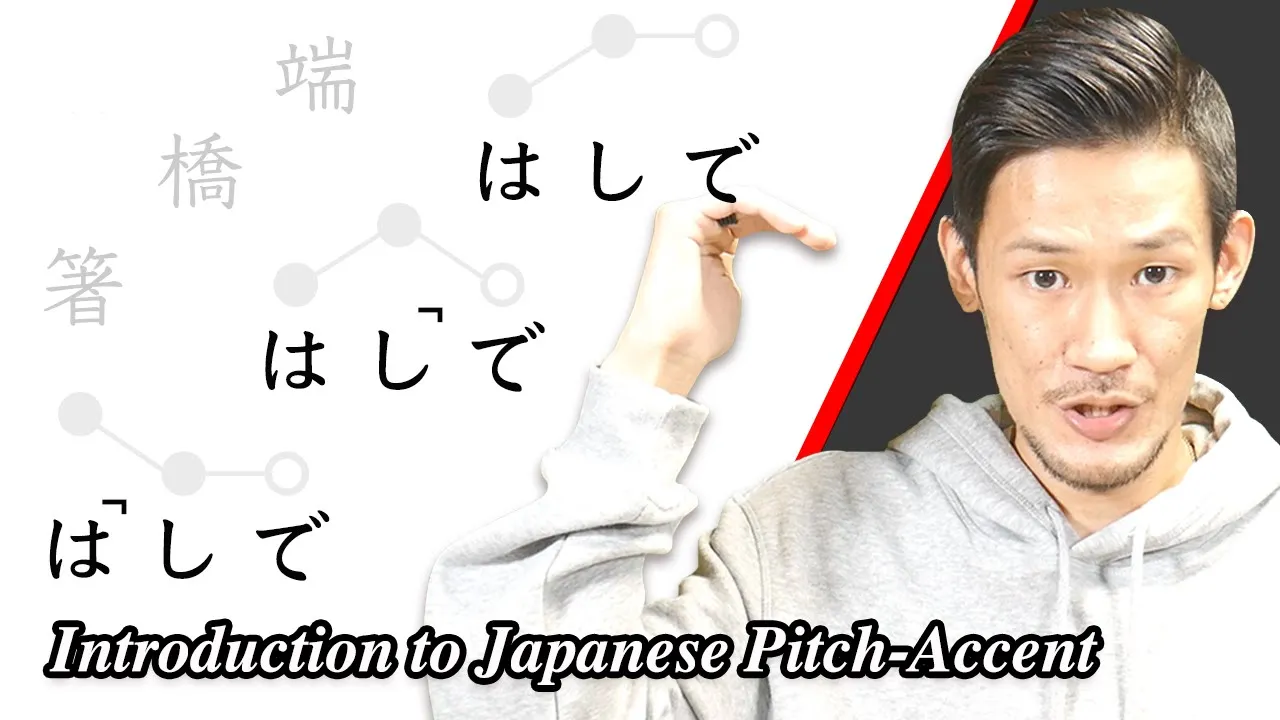
This video introduces the foundational elements of the Japanese language, focusing on the hiragana syllabary which consists of 46 characters formed by combining 5 vowel sounds (a, e, i, u, o) with 14 simple consonant sounds and 12 complex consonant sounds; key features include the special n consonant that can stand alone, vowel devoicing where e and u are often not pronounced at word endings, long vowels that change word meanings (such as obasan meaning aunt versus grandmother), long consonants indicated by the small tsu symbol, and pitch accents that distinguish words like hashi (chopsticks) from hashi (bridge).
Learn Japanese Writing: Hiragana Syllabary, Vowels, Pitch Accent
Added:Understanding the difference between an alphabet (phoneme-based) and a syllabary or moraic writing system.
Basic familiarity with the overall structure of the Japanese writing system, including the roles of Hiragana, Katakana, and Kanji.
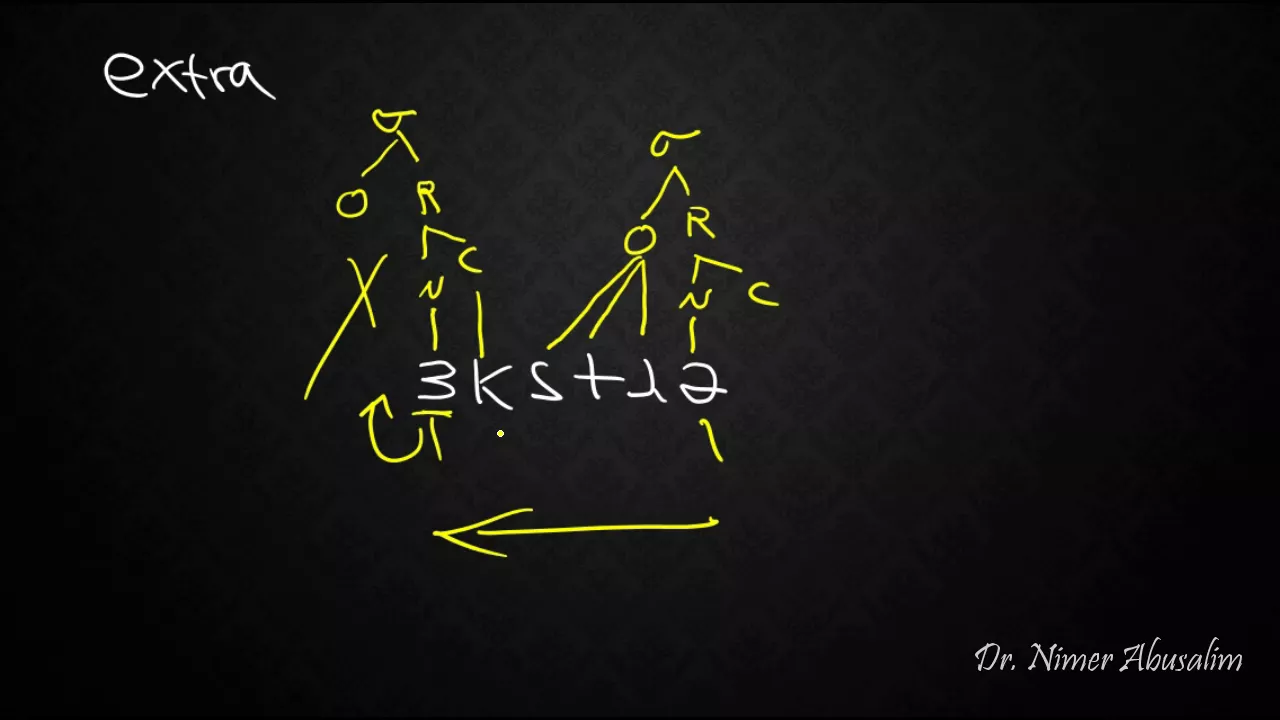
Fundamental linguistic concepts of phonology, specifically how vowels and consonants articulate and combine to form syllables.
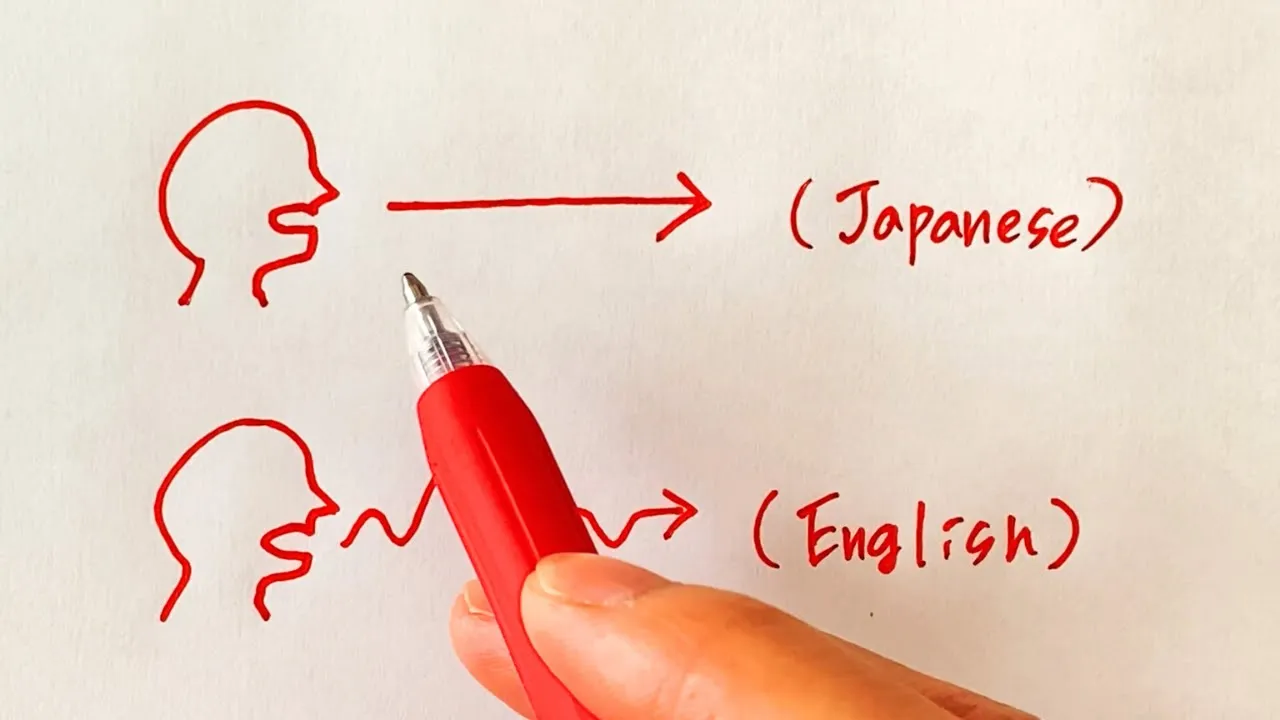
The conceptual difference between stress-accent languages (like English, which rely on volume and duration) and pitch-accent languages (like Japanese, which rely on musical pitch).
Mastering Katakana, the parallel phonetic syllabary used primarily for foreign loanwords, technical terms, and emphasis.
Learning modified Hiragana characters, including Dakuon (voiced consonants), Handakuon (p-sounds), and Yoon (contracted sounds like 'kya', 'shu', 'cho').
Transitioning to basic Kanji (Chinese characters) and understanding how Hiragana functions alongside them as 'Okurigana' (conjugational endings) and 'Furigana' (phonetic reading aids).
Applying pitch accent rules to vocabulary acquisition to correctly distinguish between homophones (such as 'hashi' meaning bridge, chopsticks, or edge).
Studying basic Japanese grammar, sentence structure (Subject-Object-Verb), and the role of Hiragana grammatical particles (like は, が, and を).
231.4K views6.5Klikes19:39Original Release: 2014-11-15
hi everybody Welcome to a brand new video series called learning Japanese first off we're going to start with an introduction as to why I'm making this video series I'm an undergraduate student who's been studying Japanese for 2 years now and in this coming fall semester I will be moving on from the intermediate level to the advanced level at one point in my life I thought that learning a new language was one of the least things that I wanted to pursue um not just like official Academia wise but just do at all because cuz comparatively speaking I wouldn't want to learn something that is just doing something I already know how to do in a different way without offering me any new insight to anything as opposed to learning something in the physical science area or even other such Humanities classes but um but it's needless to say that that opinion was completely revoked because there is something really enriching about learning a second language and I'm even inclined to say that if you do know more than one language and you learned both of them when you were a child it's actually worth it to start picking up a third one or a new one whatever your account is because I can speak from experience even though I know more than two languages and more than one of those has been a gradual learning from childhood I didn't quite have the awareness that I do now to appreciate really what it's made out of so um that's my words of encouragement to maybe pick up this language or just continue learning it or maybe that'll apply to some other language and that's just fine that being said as much as you can learn from these videos I do Champion completely that viewers individually take the chance to answer things by themselves and to uh question just about everything and to truly believe that there is of course more than one way to say one given thing um so yeah as of now I do intend for this video series to be very much long lasting and consistent for the most part um of course this will be the lesson number one but I am seeing this series going as far into the hundreds count um I do want to eventually take these videos and make the content centered around culture and other aspects um of the country instead of just language but we will see how it goes from here so because I am taking the jump from the intermediate level to the advanced level which relative to actual Japanese education isn't that too big of a deal but for me it is I am going to be reviewing what I've learned in the past 2 years starting from the pretty much bare minimums which is basically the alphabet and how to write every single character so before we actually get into the conversational content we're going to have to cover the need to know basics of of the language so Japanese uses four sets of characters the first or there actually isn't a particular order but we're just going to do um a non-p particular order the first one is hiragana and the sound structure of the Japanese language is actually relatively simple there are five vowel sounds 14 simple consonant sounds and 12 complex consonant sounds so I've moved to the side of the frame just so that in postprocessing I can add a chart of the herroon syllabary so here it is and we are actually or I am actually and maybe you can do it along with me um I'm actually going to pronounce each one right about now so to start off with we have the uh five regular vowels which are a e u e and O and then we go down the list of consonants and we pronounce them with complimentary to the respective vowels so for the k series we will do c k c k and co uh for the S Series we'll do sa uh then for the E in this S Series it's actually transformed to she instead of C so basically the order is sa sh Su and so the t- series also has a similar um in ordinary uh aspect for the E vowel and it is uh chi instead of T so the whole row is going to be read as a chi Su and to for the N series that one's more regular it's na ne and no for the H series there's another discrepancy but in a different vowel it's going to be for the O vowel and instead of who it's going to be automatically changed to Fu so the H series goes as following ha he Fu he and ho for the N series that's practically normal all throughout so it's going to be ma mi Mo me and Mo and when we get to the Y series which is sometimes considered a vowel in the English language but not here we actually only use the Y with three of the vowels which are a u and O so that one consists of yah U and yo and that's it the r series itself is normal so it's just going to be ra r r re and R and then when we get to the W series it's actually lesser than the Y in that it only uses w with the A and the O vowels so the whole row is just going to be W and O notice that the pronunciation with the O vow actually doesn't use the sound of the W character at all it's simply o and not wool and now we get to the rather strange consonants and those are g z d p and B in the English language these letters have their own individual pronunciation and appearance but in the Japanese language these consonants actually take some influence from some of the consonants that we mentioned earlier and what that influence actually is called in Japanese is the dakuten what this literally means is the voicing Mark and what it's supposed to tell you is to use a phonetic shift when you're pronouncing that consonant so here we have the G which looks almost exactly identical to the k letter but you'll notice that the dakuten which looks like the English quotation marks I guess and that's what's supposed to tell you to change the pronunciation from say key to G or C to G so when we read out the row for the G consonant is sounds like this g g go g and go and with the others We have basically the same pattern the z letter is identical or nearly identical to the S and it also has the same shift with the S letter when you pronounce it with the E vowel so so what you would think to be Z actually translates to G so the whole row would be read like this zah G Zu Z and zo and for the D consonant we have essentially the same thing as the T cons in which there are shifts in the E vowel and the u vowel so it's pronounced accordingly the whole series da G Zu de and do of course note how the G sound is pronounced exactly the same as you would with the Z and the E vowel and of course how the pronunciation with the u vowel is zo instead of do for the B consonant its influence comes from the h consonant so the whole row is pronounced accordingly b b bu B and B and last but not least for this grouping we have the P consonant which is actually unique in itself because instead of using the duten which looks like a quotation marks in English it's actually using the honden which is also called the Maru which literally means Circle and that's exactly what it looks like it looks like a small circle circle that would go in the place of the what we were just familiar with the quotation marks instead um but the pronunciation is basically the same it takes its influence from the h consonant as well and the whole role is pronounced like this p p po p and Po and now we move on to hiragana with the complex consonants so basically what these complex consonants are are using the a u and O vowels but in conjunction with the consonant y as well so these three new modified sounds which are yah yo and u we're going to take those and use them with other consonants like the K or the S consonant to make a whole new sound again and while we do use this on most of the consonants in the syllabary we do not use them on all of them for instance the W letter is void of this effect and when we're using these complex consonants the first letter that we use isn't the typical Standalone K or the Standalone s it's actually going to be um those consonants with the vowel e so it's going to be the key the shei the chi the KN and Etc so in the same order as the last chart we're going to start with k so the three pronunciations for the consonant K is k q and K next is the consonant s which is actually unique because you don't enunciate the sound of the letter Y at all instead of show you do show so the three complex consonants for the S consonant are sha Shu and show for the t consonant we also have a unique pronunciation because instead of using the T sound we use the CH sound so it's going to be cha Chu and Cho for the N consonant the pronunciation is more simple in that it's justu and for the H series we have hi hu and for the M series we have M mu and for the r series we have R Ru R for the G Series we have G gu and G for the Z series we just going to be using the Z consonant with the E vowel so it's going to be pronounced with the G sound instead we have have J ju and Jo for the D series we have the same pronunciation as the Z series because remember earlier we said with the D consonant and the E vow we get the same thing as the Z consonant with the E vow which is G and so we have again J J and Joel and lastly for the B series we have B bu and B the last note I want to mention for the complex consonant sounds are that actually about 80% of what we just covered isn't used very very much at all in fact pretty much the only two series that I see used in everyday or casual or even formal conversation or writing even are the K series and the S Series so it's Justa Q sha Shu show and that's mostly the bulk of what you see when it comes to complex consonants but of course it's um you never know when they might appear so it's best to just know it all and now we have to have the essential mention about the consonant n because the N consonant is very special in the Japanese language because it is considered a moric moric the consonant n is considered a moric consonant in Japanese all of the consonants always appear with a vow if you hadn't noticed earlier we were pronouncing all of the letters with a vowel c k k mo mo none of them appear alone just the letter K that is just not going to happen but that's where the uniqueness of the consonant n comes in because it is the one thing that can stand alone just a simple n and it's actually a very common instance so um basically what you just need to know for now that is it is that it does appear it's the only letter that does that and the way that you pronounce it is just pretty similar to the English and that it's just n so some example words that it appears in is actually say nongo which is Japanese in Japanese notice that we have the letter ni we have the letter ho and then before the last syllable go we have just n so it's pronounced n so nongo another word in which it appears like that is hon which is the Japanese word for book so it's just the letter ho and the letter N so H next we're going to cover something called vow devoicing and this is primarily used for the vowels e and the vowels U which are in English I and you so basically what vow devoicing means is when you're in a conversation and you say the letter you actually shape your mouth as if you are pronouncing it but you actually don't pronounce it at all so for the U and the E vowel this applies when either of them are at the end of the sentence or they are between two voiceless consonants it's actually a pretty common occurrence but it's pretty subtle so it's hard to notice and it actually appears in one of the most everyday terms that people use with each other in the term Ohio goas which is good morning in Japanese we have the u vowel appearing at the end of the second word goas and even though it is at the end we don't pronounce it goasu we actually pronounce it goas so although this is a pretty standard thing that Japanese speakers are somewhat encouraged to filter naturally don't be overwhelmed if you can't handle it um from the start it's a thing that for the most part takes a getting used to which is why I guess they consider it natural because it just comes to you naturally eventually and uh you can't really help it if you weren't born speaking the language in Japanese short and long vowels are considered contrastive and what that means is the longer that you pronounce them for or emphasize them or extend them it changes the meaning of the the word that they're a part of in English this isn't really the case at all we've actually developed a kind of art form of speaking by using emphasize vowel sounds for example you could say something along the lines of I've been waiting for so long man and the emphasis of the O in the word slow directly goes on to emphasize the definition of slow therefore calling that person very very very slow and while that same Nuance happens in Japanese at sometimes in the Japanese language there are of course official established meanings behind those kind of enunciations and for our examples we're just going to use the most common occurrence of those of all in Japanese when you say the word obasan with the a vowel inside the word completely unemphasized you're saying aunt or middle-aged women in contrast when you emphasize the a in that word and say obasan what you're really saying is grandmother or elderly woman similarly when you say oisan you're saying uncle or middle-aged man but when you emphasize the e in that word to OG son you're basically saying grandfather or elderly man and that's pretty much the basics of what you need to know about long bowels uh we might bump into them later on and we'll have some further clarification or specification about their um appearances meanings context whatever but for now we're going to move on to other introductory things so next instead of long vowels we're going to talk about long consonants long consonants actually appear very frequently in Japanese language writing and conversation so the way that you recognize a long consonant is when there's a symbol that looks like a really smaller version of the letter Sue and this symbol is informally called the chesai Su or literally translated to small Su it can also be called more formally as a so and this symbol precedes the consonant that it's going to modify so the example we're going to use for this is the word kka which means result and in this word the long Conant if you hadn't noticed is the K in the middle and if we were to write this word out in Japanese the suon or the chiu would appear before the K if we were to write that in the English alphabet the K instead of featuring that symbol would just appear twice and basically all you really need to know is that when you pronounce that particular consonant you stress out its enunciation which is why it's aptly named a long consonant last and maybe just least we're going to talk about the pitch accent in Japanese and um as a little aside the pitch accent is probably the least important aspect of the Japanese language and to be honest I I don't even have a complete uh grasp of it or even an intermediate grasp of it really but we're going to mention it just to be safe and so that people know that it exists and they have an awareness that when they bump into some trouble in conversational Japanese this might be the cause of it or whatever clearing misunderstandings and whatnot so basic basically what pitch pattern is is when Japanese words are basically interpreted differently when they have different pitch patterns as in maybe you're pronouncing it from a very high pitch to a low pitch or vice versa and perhaps the most well-known example of this is the word Hashi which can mean both Chopsticks and Bridge this isn't affected by how the word is spelled at all but rather how you pronounce it in conversation when you're pronouncing Hashi in the sense that you want it to mean Chopsticks you go from a high to low pitch pattern so basically it might sound something like Hashi in contrast when you say the word Hashi and you intend to mean Bridge you might sound more like Hashi because it goes from a low pitch accent to a high pitch accent and that's essentially all we're going to cover about Pitch accent and that's also going to be the last topic covered in this video so as some final words of instruction even though we might have breezed past the whole hiragana chart and its long list of letters um I actually have no indication to telling I'll get an idea of how long it was once I start edting the pieces of the video together but um yeah even though this might have been a very quick introduction to the language those characters are essential my personal experience it was the first week of my Japanese class that we had to learn the whole character set including um the next one that we're going to cover Katakana in less than a week because we had a vocab quiz the second week of class and basically the truth is you can't move on to the next lessons in this video series or if you're using some other course of instruction you can't move on to the grammar and the vocabulary and whatnot until you have the letters their pronunciations and their writing styles down it's kind of hard because the easiest way to learn them is to just keep on writing them down yourself over and over again and that's I don't know I guess you can associate that learning tactic with something back in grade school when you're learning the alphabet or just uh vocabulary in that sense and it might be hard to go back down to those methods when you're such an established learner at this point but it is what you got to do and it's a very good way to set yourself up for when we start going into uh the languages third character set which are which is kanji the uh Chinese characters that are going to be just a hell hole of rehashed writing and whatnot I've decided to stop filming content for lesson one here even though we are basically lacking in a lot of other introductory information such as the Katakana character set the kanji introduction and other tidbits of maybe introductory phrases or basic phrases in Japanese like greetings and whatnot like that um we are going to continue on into lesson two and the introductory material might just with last into the double digits of this video series and um that might be a good thing or a bad thing because we'll have extensive information or uh depending on the the viewer things might be lacking uh uninteresting whatever but we're going to continue on and thanks for watching and stay tuned for lesson two
Up Next

8:51
Chinese Writing System Explained: Logography, Radicals, and Phonosemantic Compounds
@chessedgamon
242.6K views•2025-12-14
36:52
Constraint Interaction in Optimality Theory: Epenthesis & Deletion
@Vidyamitra
180 views•2018-08-20

8:59
Forensic Linguistics: How Language Solves Crimes | PBS
@pbsstoried
1M views•2024-01-25

21:32
Accent Expert Explains U.S. Regional Dialects | Part 1
@WIRED
9.3M views•2021-01-21
Related Study Plans & Knowledge Roadmaps
Structured learning paths in Linguistics
linguistics
Optimality Theory: Tableaux & Constraints
01Phonological Basics: Sounds, Syllables & Rules
02Foundations of Optimality Theory: GEN, CON, and EVAL
03The Constraint Inventory: Markedness vs. Faithfulness
+ 2 more learning modules
15h5 modules
Explore Roadmap
linguistics
Morphosyntactic Alignment: S, A & P Systems
01Foundations of Syntax: Transitivity and Arguments
02The Linguistic Variables: Mapping S, A, and P
03Nominative-Accusative Alignment
+ 3 more learning modules
12h6 modules
Explore Roadmap
linguistics
Analyzing Sign Language: Phonology & Syntax
01Foundations of Sign Language Linguistics
02Phonology: The Five Parameters of a Sign
03Morphology: Word Formation and Classifiers
+ 2 more learning modules
14h5 modules
Explore Roadmap
linguistics
Pragmatics: Speech Acts, Grice & Politeness
01Introduction to Pragmatics: Meaning in Context
02Grice’s Cooperative Principle & Implicature
03Speech Act Theory
+ 2 more learning modules
14h5 modules
Explore Roadmap