



![Biochemistry | Cytochrome c Oxidase [Complex IV]](https://i.ytimg.com/vi/ZKyC3PquLU4/maxresdefault.jpg)
















Cyanide poisoning occurs when cyanide molecules bind to cytochrome oxidase, blocking the electron transport chain and causing cellular hypoxia; clinical manifestations include headache, nausea, vomiting, altered mental status, and respiratory distress, progressing to cardiac collapse; diagnosis relies on detecting extreme lactic acidosis (often >10 mEq/L) with metabolic acidosis; treatment involves administering hydroxocobalamin (the preferred antidote), sodium thiosulfate, and avoiding amyl/nitrate in patients with concurrent carbon monoxide poisoning due to risk of methemoglobinemia.
Cyanide Poisoning: Mechanism, Diagnosis, and Antidote Treatments
Added:The biochemistry of cellular respiration, specifically the steps of the Electron Transport Chain (ETC) in the mitochondria.
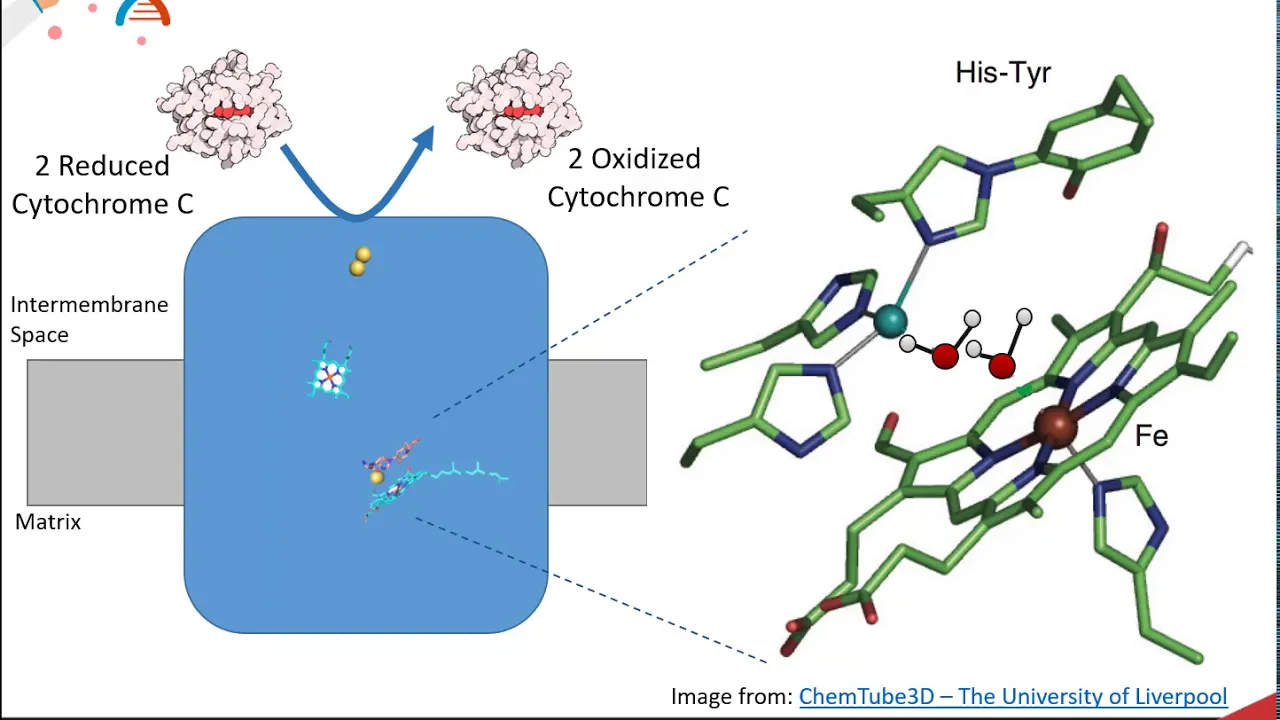
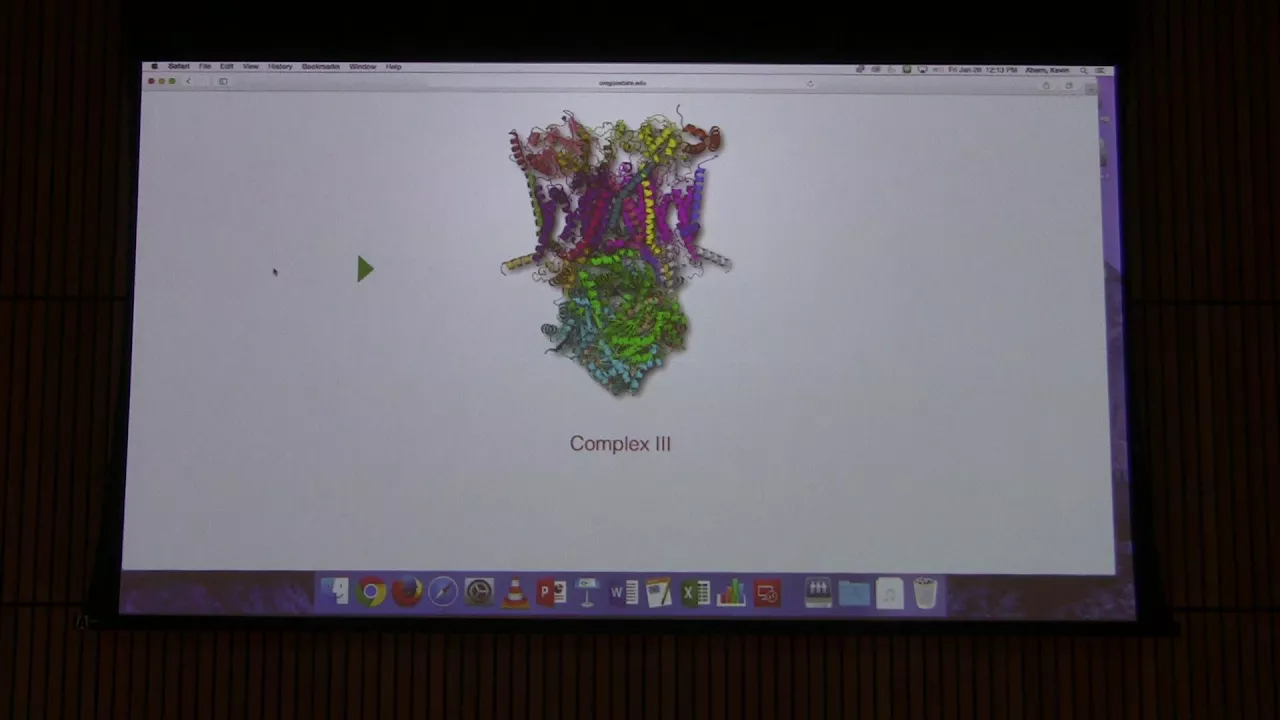
The structure and physiological role of Cytochrome c Oxidase (Complex IV) and its dependence on iron (heme) cofactors.
Basic principles of enzyme inhibition, particularly how inhibitors bind to active sites or cofactor ions to halt enzyme activity.
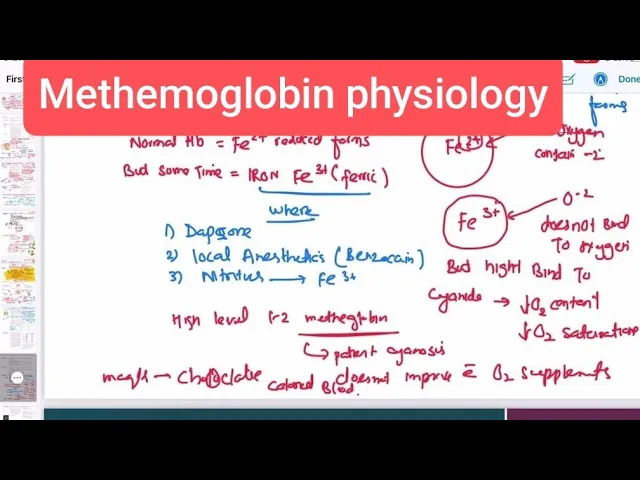
The physiological function of hemoglobin and the concept of methemoglobin (where iron is in the ferric Fe3+ state rather than the ferrous Fe2+ state).
A comparative study of other mitochondrial toxins and ETC inhibitors, such as carbon monoxide, rotenone, and azide.
The detailed pharmacological mechanisms and binding kinetics of hydroxocobalamin (Vitamin B12a) as a cyanide scavenger.
Clinical protocols for managing smoke inhalation victims, focusing on the differential diagnosis and co-treatment of carbon monoxide and cyanide toxicity.
Forensic toxicology methods used to detect cyanide exposure post-mortem, including blood lactate level analysis and microdiffusion assays.
71.4K views716likes7:57Original Release: 2015-09-12
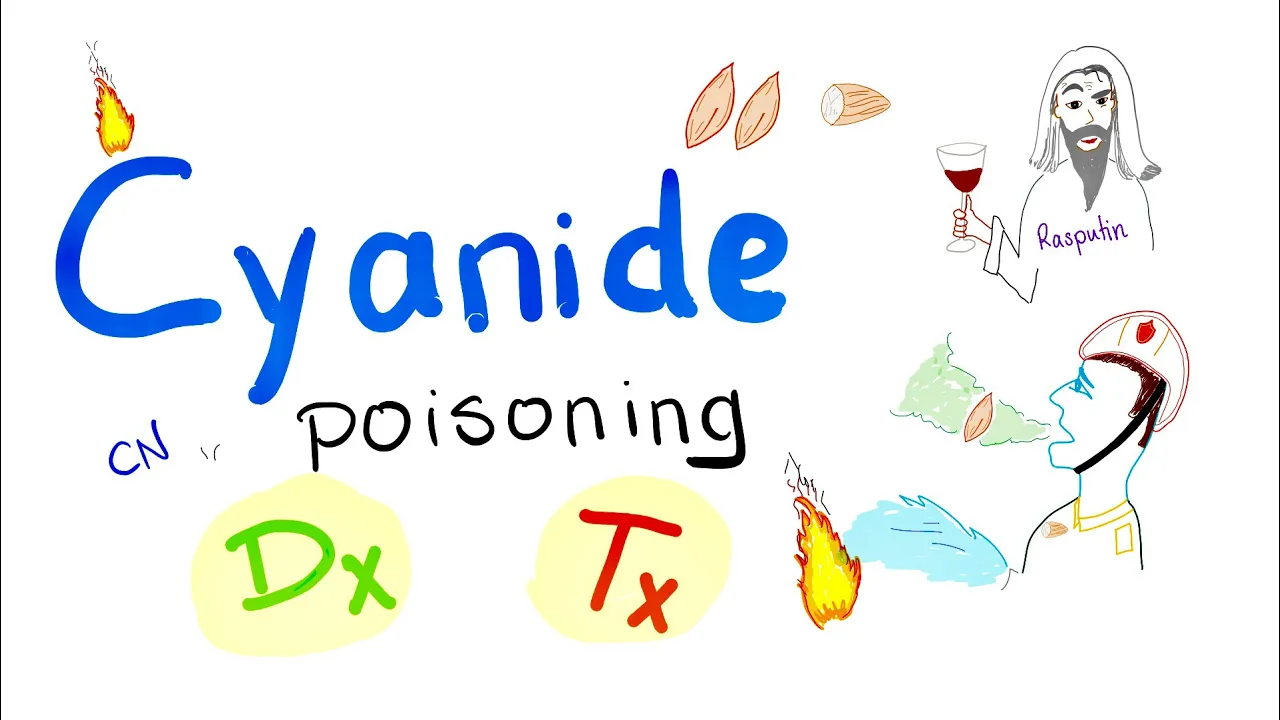
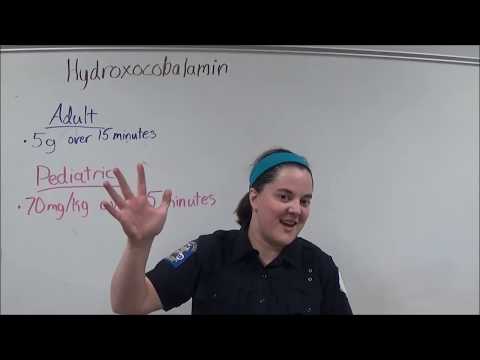
cyanite poisoning cyanide is an axient that blocks cytochrome oxidase and impairs aerobic respiration on the cellular level cyanide is released through combustion of certain products such as wool silk polyurethane and rubber cyanide poisoning can also occur iatrogenically through the administration of continuous Nitro Pride for the treatment of hypertensive emergency or urgency Nitro Pride which is used to lower blood pressure contains five molecules of cyanide per every Nitro Pride molecule cyanide is also found naturally occurring in cassava we see cyanide in spy movies as the typical or classic pill that the Spy takes to commit suicide so he doesn't have to bulge any of his secrets and cyanide has also been labeled as vitamin B17 or lri which is touted as a secret cure for cancer that the FDA doesn't want you to know about here we see the mechanism of action of sanide attaching to the cytochrome oxidase molecule and again cytochrome oxidase is the final enzyme in the electron transport chain that's responsible for oxidative phosphorization cyanide is described described to have an odor of bitter almonds if one were to smell it and the classic scenario for cyanide poisoning involves a firefighter that enters into a household that's on fire but without wearing any protective respiratory gear the firefighter enters into the household where household products have been on fire including insulation in a house perhaps some rubber or polyurethane construction or building materials or furniture and he or she inhales that gas exits the house feels the sensation of shortness of breath dizziness confusion a taxia chest pain and then collapses in those settings the treatment for cyanide poisoning should begin immediately overall signs and symptoms of Cai poisoning include headache nausea vomiting altered mental status dilation of the pupils tachypnea and hypertension which is Then followed by braid aena and then hypotension chest pain cardiac collapse and seizures can occur to detect cyanide poisoning lab work can be done and lactic acid can act as a proxy for Cyanide within the blood there will be extreme refractory lactic acidosis sometimes greater than 10 despite continuous resuscitation and treatment of the individual the patient will exhibit on blood work and an Gap acidosis and a peripheral Venus P2 again remember that checking a latic acid in the patient's blood work can be used as a proxy to detect cyanide poisoning however to recognize cyanide poisoning the clinician must have a high index of Suspicion the antidote for cyanide poisoning consists of three different types of treatment one treatment includes sodium nitrate or anal nitrate second treatment includes sodium tho sulfate and the third treatment is the molecule hydroxocobalamin in order to better understand these respective treatments we need to go through the pathway looking back at what cyanide does is we see that cyanide attaches itself to cytochrome oxidase which is the final enzyme on the electron transport chain when cyanide poisoning occurs it locks down cytochrome oxidase rendering the electron transport chain ineffective this then causes cellular hypoxia throughout the entire organism one of the treatments is to administer either Amal nitrate or sodium nitrate to convert the body's oxyhemoglobin into met hemoglobin cyanide has a much greater affinity for met hemoglobin than it does for cytochrome oxidase by converting the body's oxyhemoglobin into met hemoglobin we're able to essentially pull the cyanide molecule off of the cytochrom oxidase and the elect transport chain can resume its normal function once cyanide joins with met hemoglobin it forms a molecule known as cyano met hemoglobin and then the cyano hemoglobin is able to present the cyanide molecule to an enzyme known as rinas which then breaks the cyanide down into a non-active form known as thiocyanate which is then excreted by the kidney now the caveat to the administration of these nitrates to produce met hemoglobin is that many of the patients you will see that have that have been exposed to cyanide had likely receive the exposure through smoke inhalation someone that receives that degree of smoke inhalation is likely to also going to be suffering from carboxyhemoglobinemia or carbon monoxide poisoning those individuals will have less functional oxyhemoglobin to begin with taking that oxyhemoglobin that they you have that's functional and converting it to met hemoglobin might actually worsen their overall picture by further decreasing the blood's oxygen carrying capacity we now look at sodium thos sulfate sodium thiosulfate is a substrate that's required by rhinase to convert cyanomet hemoglobin or cyanocobalamine into thiocyanate so it makes sense that if an individual is suffering from cyanide poisoning that if you increase the amount of sodium thos sulfate available for rinas it's going to help with the enzymatic reaction converting the molecule cyanomet hemoglobin or cyanocobalamine into thiocyanate the third part of the antidote and the one with the least degree of side effect is to administer hydroxocobalamin and if you look at hydroxo cobalamin you recognize that it's essentially a precursor to vitamin B12 when you look at vitamin B12 you recognize that the cyano aspect of cyanocobalamine is referring to a molecule of cyanide in this case you have an individual that's been poisoned by Cyanide and you infuse into their body hydroxy cobalamine which again has a great affinity for Cyanide so the hydroxy cobalamine will effectively remove the cyanide molecule off of cytochrom oxidase form cyanocobalamin which can then be excreted by the kidney as B12 or can travel to the rhinase enzyme and then help release the cyanide to create thio cyanate overall the most effective treatment for cyanide poisoning is the administration of hydroxy cobalamine through the IV and one can also consider simultaneous administration of sodium s tho sulfate and again the treatment using Amal nitrate to produce met hemoglobin has sort of Gone by the wayside because again it's going to be associated with production of met hemoglobin and cause met hemoglobin emia which decreases the overall blood's oxygen carrying capacity
Up Next

68:56
NEET-PG 2024 Forensic Medicine Recall Questions Review
@marrowmed
47.8K views•2024-08-27

48:47
Graphic Medicine: Comics for Collaborative Healthcare Communication
@nationalpatientadvocate
189 views•2023-12-04

10:28
Neuroanatomy: Central and Peripheral Nervous System Divisions Explained
@AKLECTURES
136.2K views•2014-09-20
3:05
Stages of Labor and Vaginal Birth | Childbirth Animation
@nucleusmedicalmedia
52.1M views•2017-08-18
Related Study Plans & Knowledge Roadmaps
Structured learning paths in Medicine
medicine
Abnormal LFTs: Diagnostic Workup & Pathology
01Liver Anatomy and Basic Physiology
02Introduction to Liver Function Tests (LFTs)
03Hepatocellular vs. Cholestatic Patterns
+ 3 more learning modules
12h6 modules
Explore Roadmap
medicine
Analyzing Blood Smears: RBC, WBC & Platelets
01Introduction to Blood Components & Smear Preparation
02Normal Morphology of Blood Cells
03Erythrocyte Pathologies & Morphological Variants
+ 2 more learning modules
12h5 modules
Explore Roadmap
medicine
Mechanical Ventilation: Waveforms & Alarms
01Anatomy and Physiology of Breathing
02Introduction to Mechanical Ventilation & Core Modes
03Ventilator Settings and Waveform Interpretation
+ 2 more learning modules
12h5 modules
Explore Roadmap
medicine
Neuro Exam: Localization & Stroke Syndromes
01Foundations of Neuroanatomy and Vascular Supply
02The Neurological Examination: Step-by-Step
03Principles of Neurological Localization
+ 3 more learning modules
18h6 modules
Explore Roadmap