

![From Bare Rock to Lush Forest: The Journey of Ecological Succession [Primary and Secondary]](https://i.ytimg.com/vi/uXyTCSOTMhc/maxresdefault.jpg)








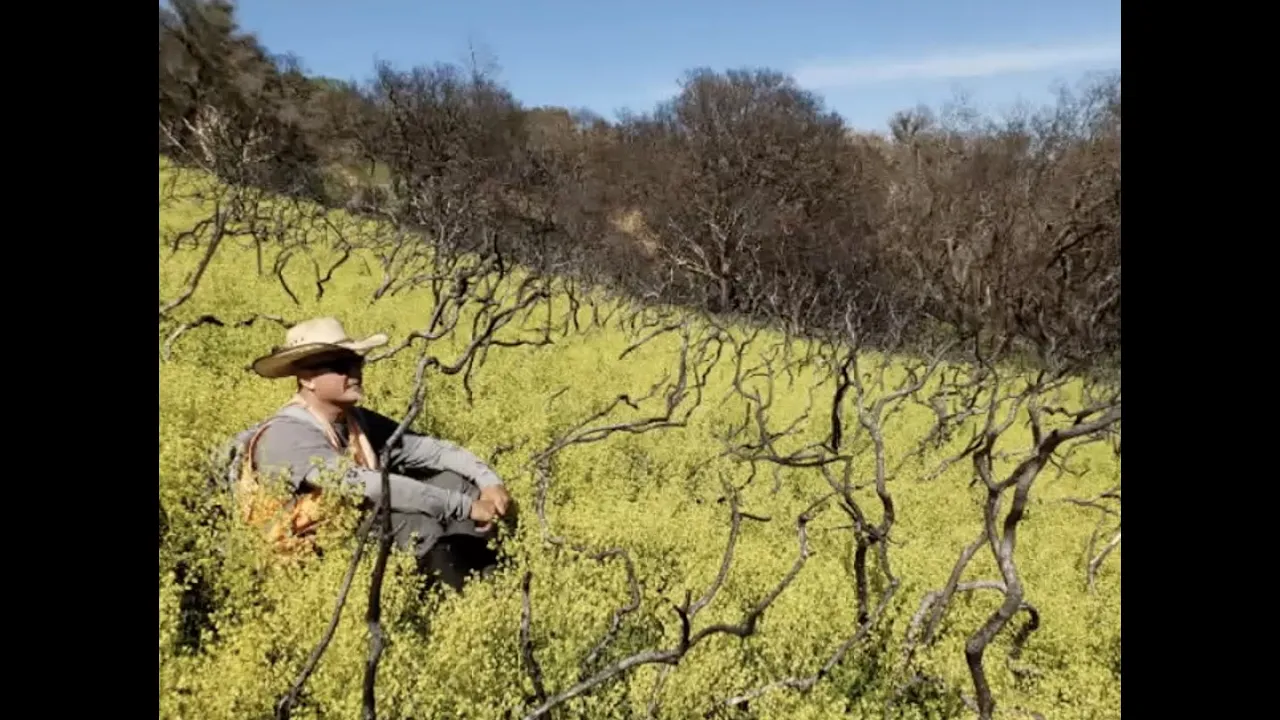



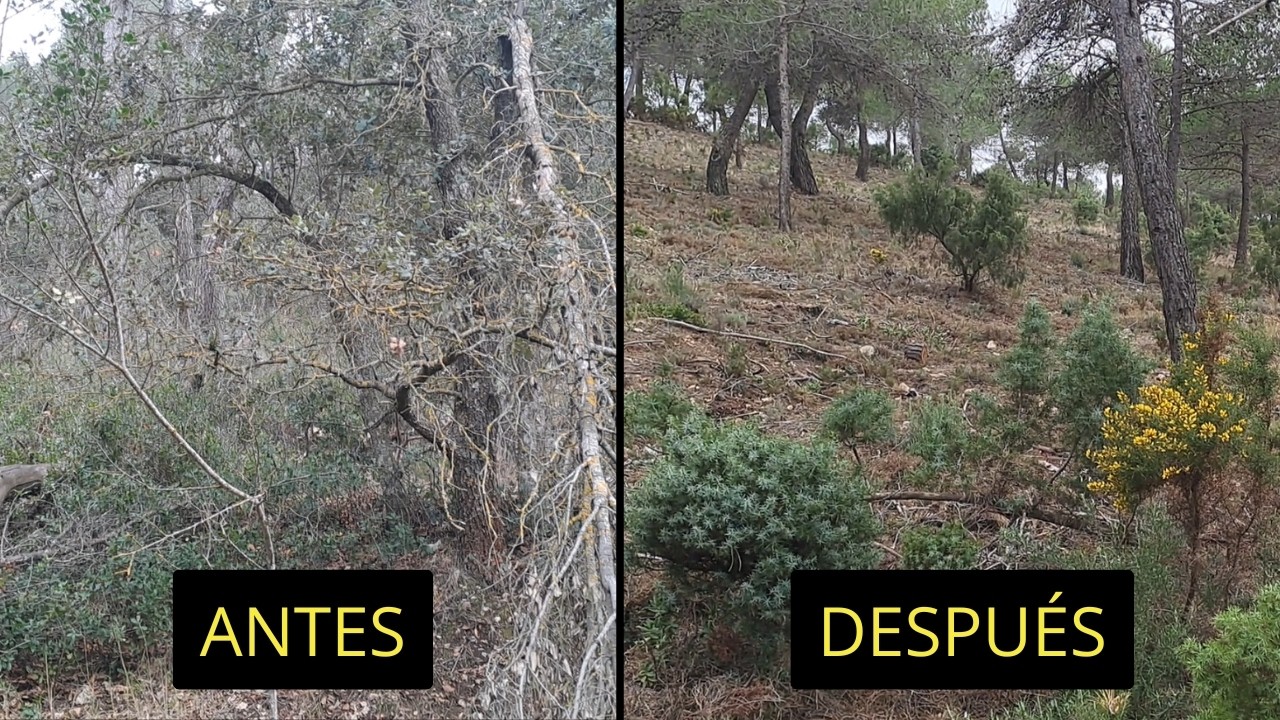
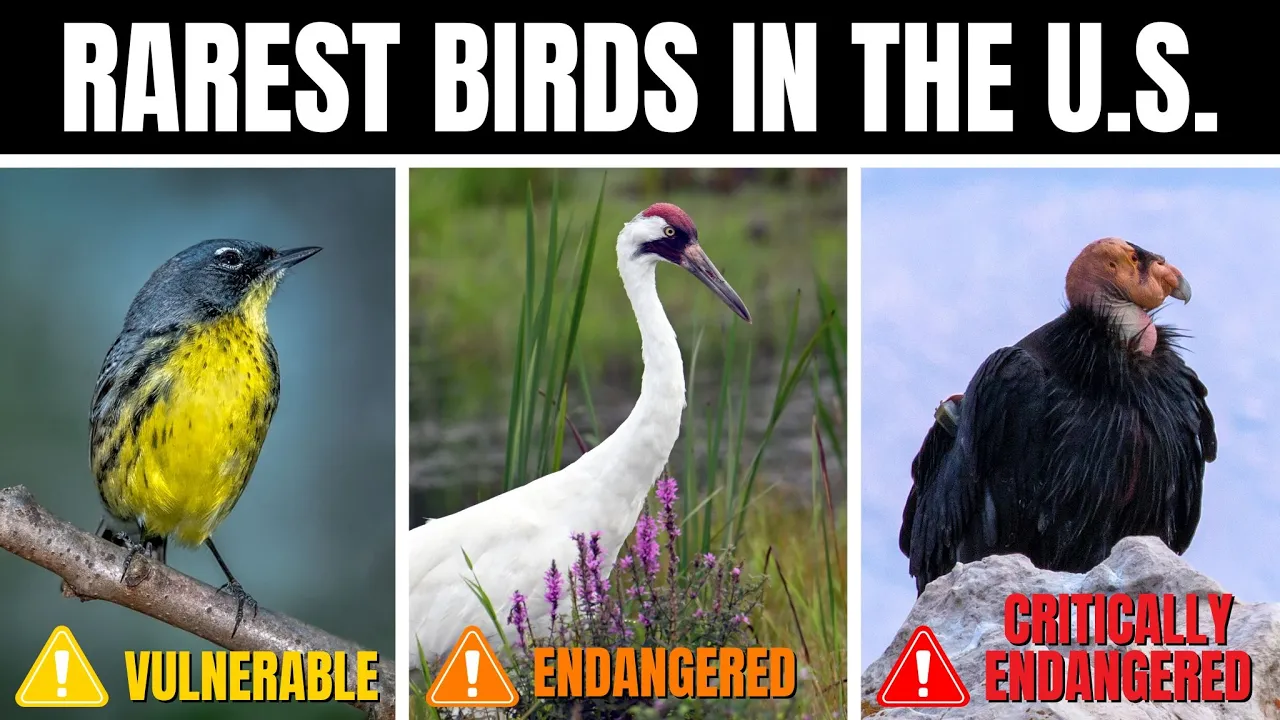
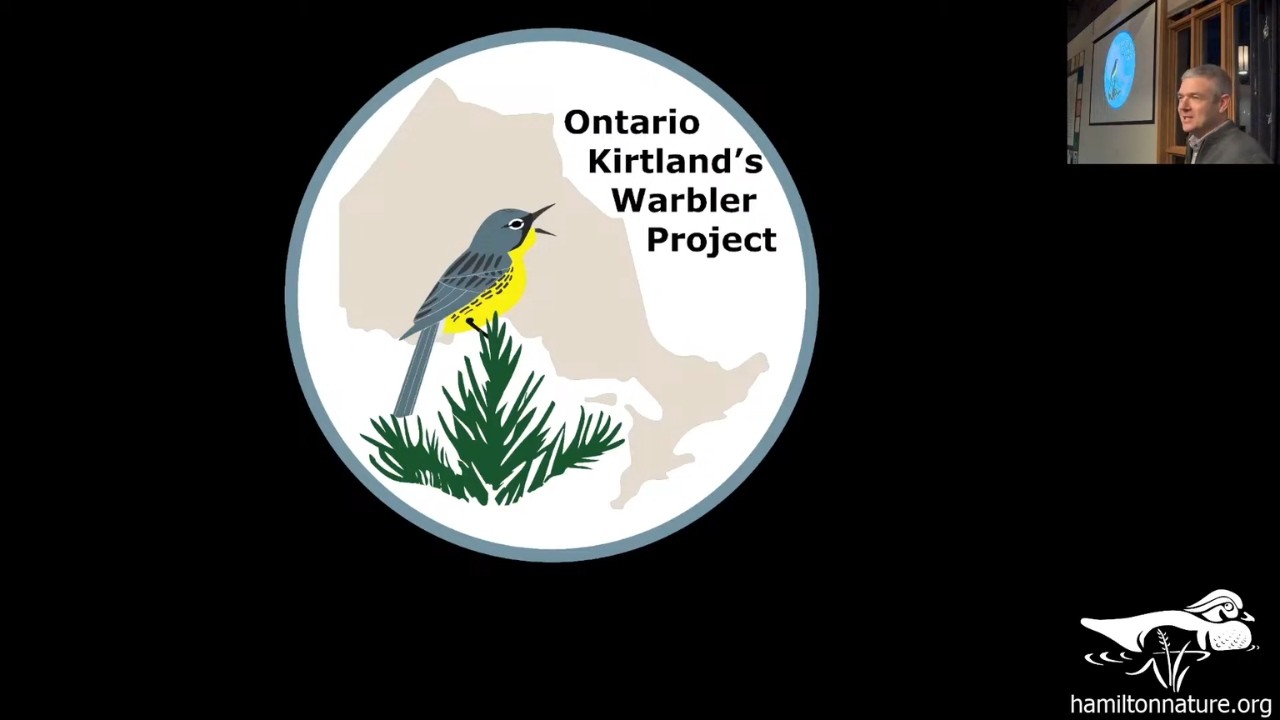
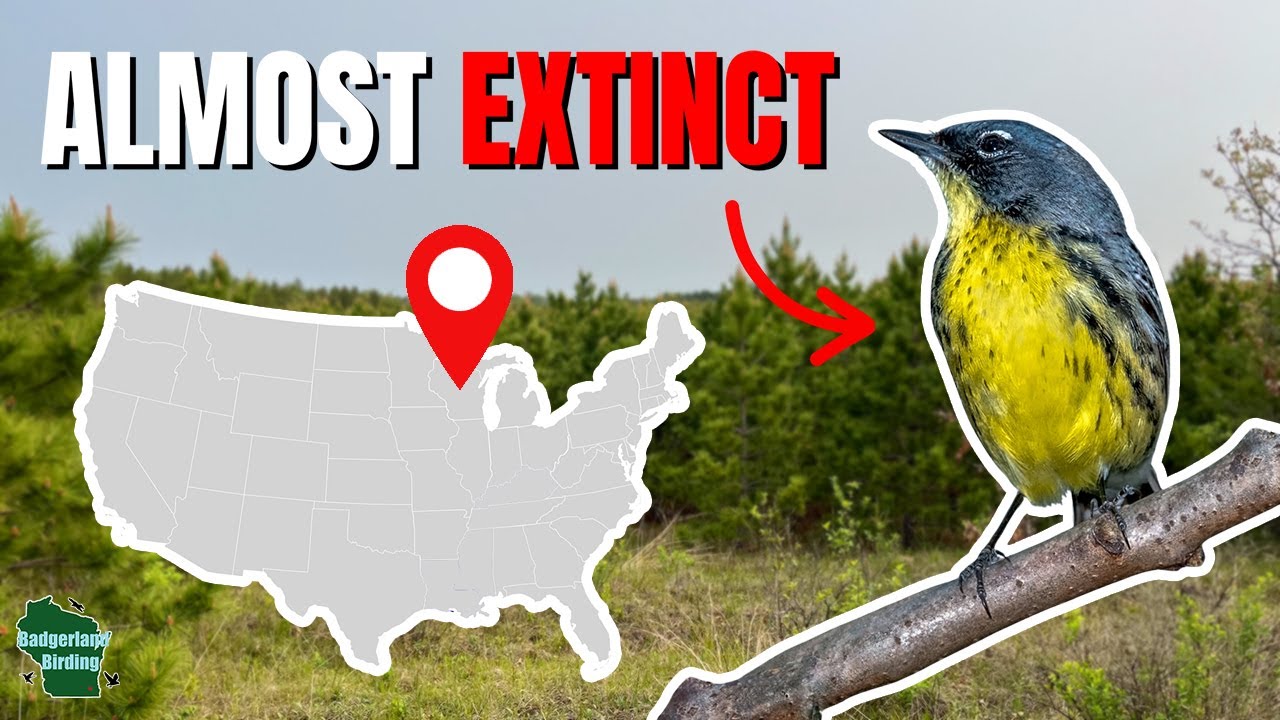
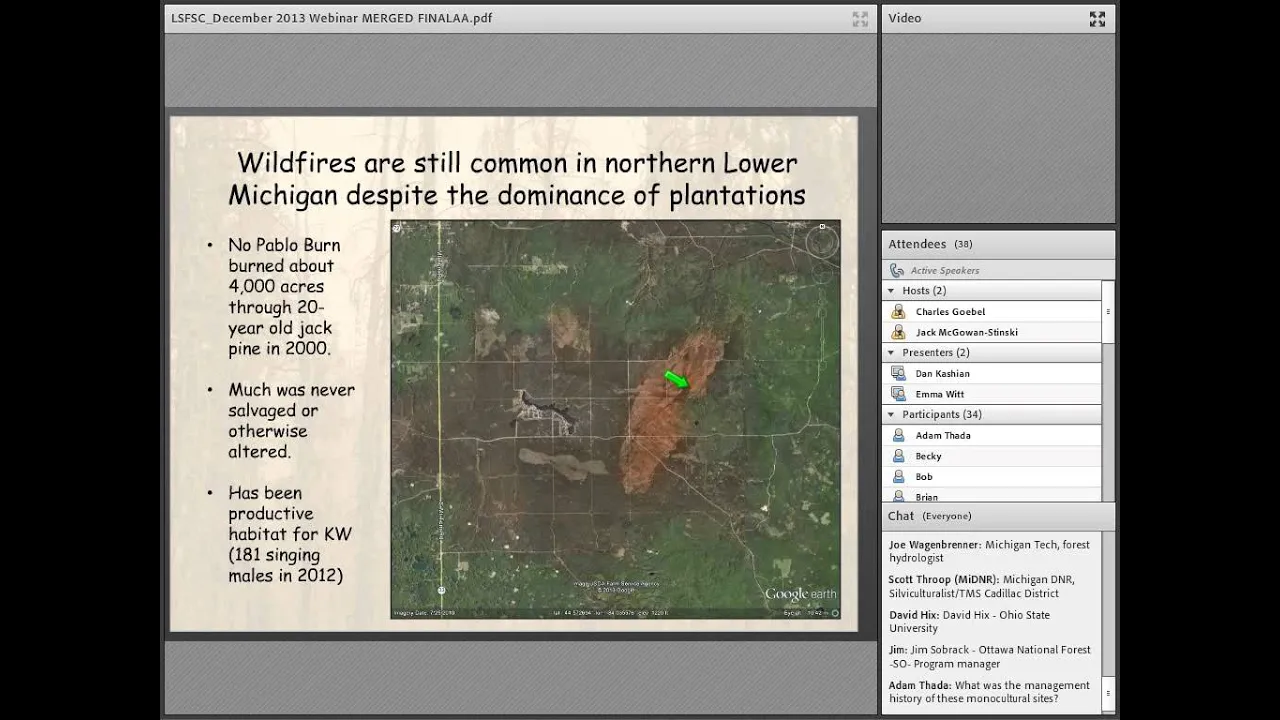








Jack pine trees have evolved serotinous cones that remain sealed until exposed to high heat (around 120°F), which triggers cone opening and seed release; this fire-adaptation allows jack pines to regenerate on sandy soils where they cannot compete with shade-tolerant species, creating specialized habitats for wildlife such as the Kirtland's Warbler, whose population recovery demonstrates successful forest management practices.
Jack Pine Ecology: Fire Adaptations and Serotinous Cones | Michigan Forests
Added:Basic understanding of gymnosperm (conifer) reproduction, including the structure and function of seed-bearing cones.
An introductory grasp of ecological succession and how natural disturbances like wildfires shape forest ecosystems.
Fundamentals of soil science, specifically how sandy, nutrient-poor, and well-drained soils limit plant growth and dictate species distribution.
The concept of ecological niches and how specific animal species rely on specialized plant communities for nesting and survival.
Advanced study of pyrophytic plants and comparative fire ecology across different biomes, such as the Longleaf Pine savannas or Chaparral shrublands.
Wildlife conservation strategies and habitat management practices, focusing on the recovery and management of the Kirtland's Warbler.
The application of prescribed burns and silvicultural techniques used by foresters to mimic natural fire regimes and regenerate jack pine forests.
The impacts of climate change on natural fire frequencies and how altered fire regimes threaten fire-adapted ecosystems.
17K views309likes6:01Original Release: 2019-06-26
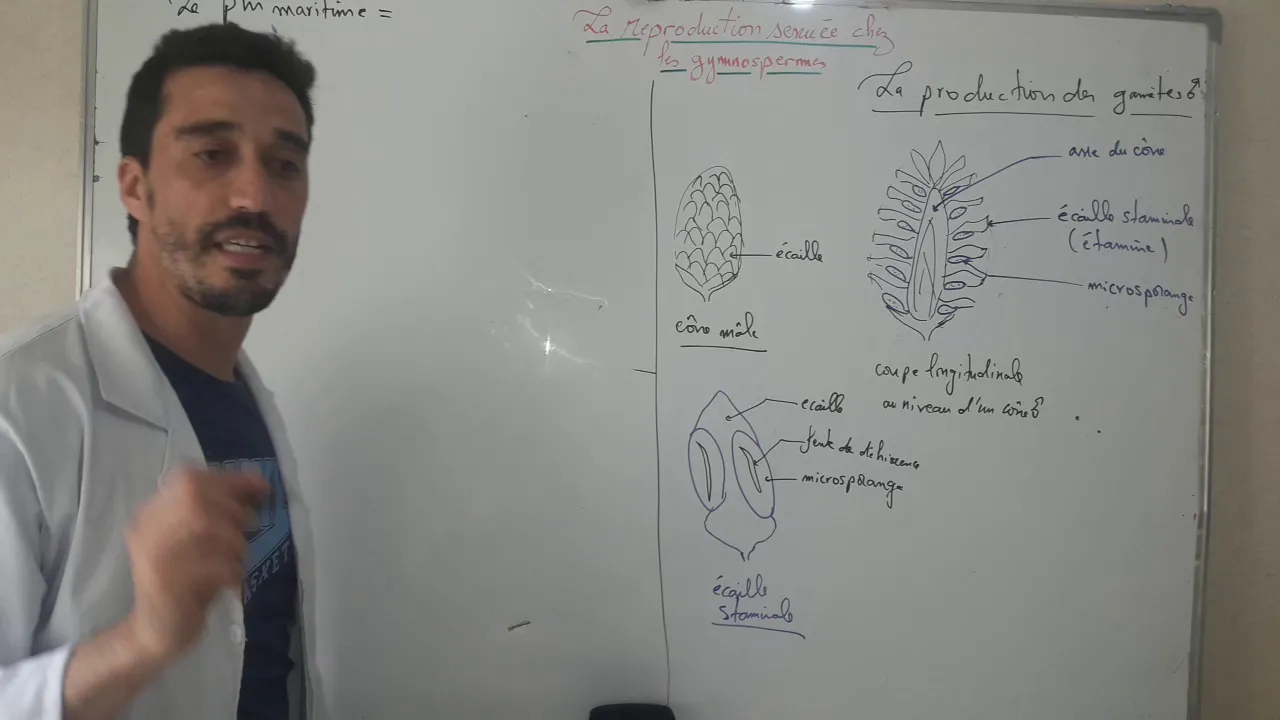
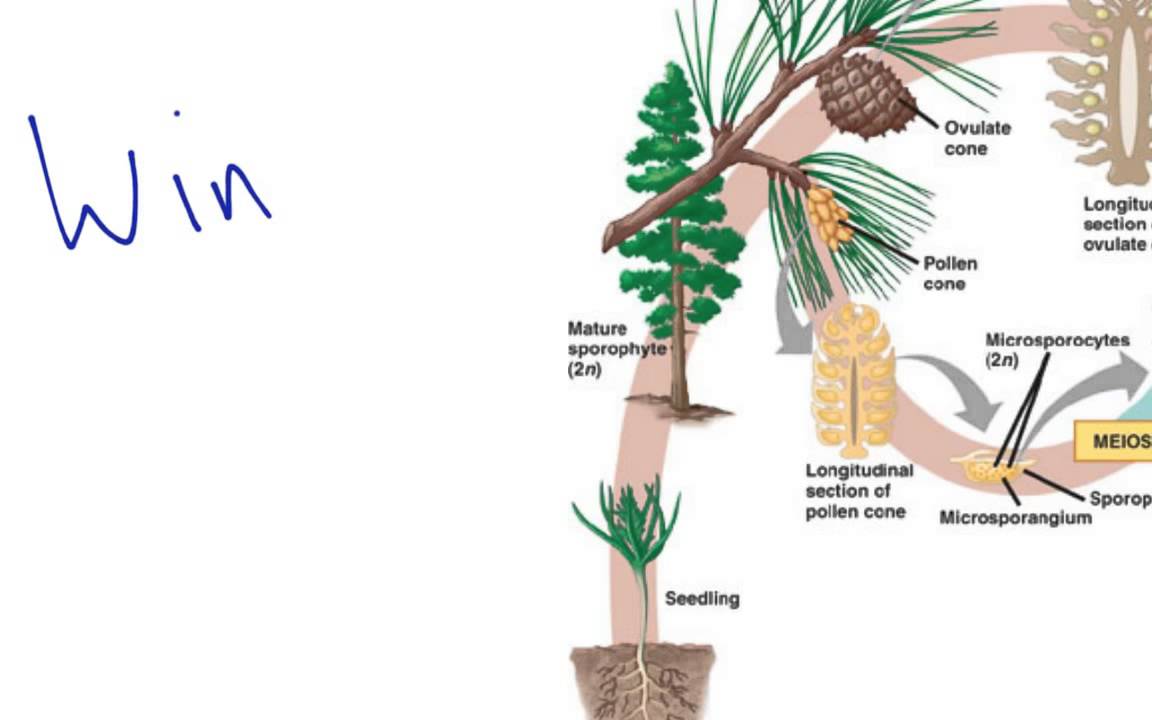
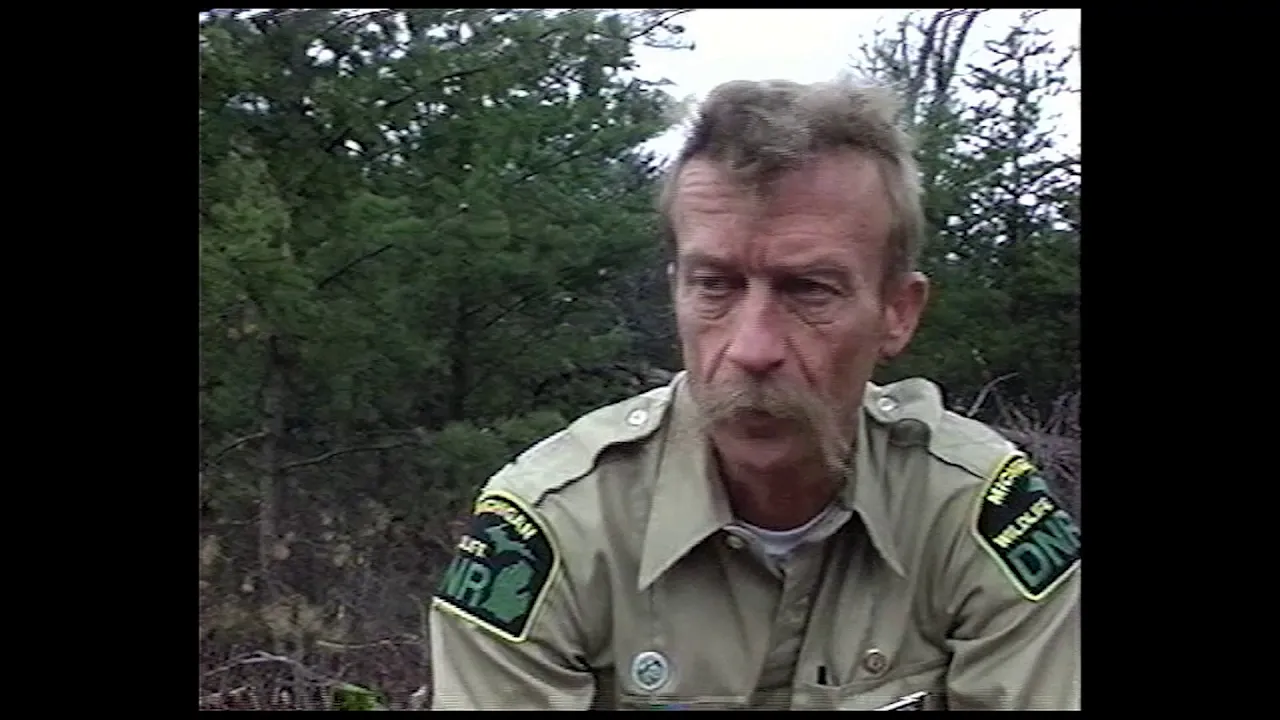
ah here we are up in the North Woods in a jack pine stand you smell that that's wonderful I love the North Woods but you know what take a look at these trees they're getting old what do you think is going to happen here in the next 10 or 20 years to these Jack Pines well Jack pine is one of Michigan's most fascinating forest types it's got a really good story to tell so stay tuned [Music] [Applause] [Music] Jack science may not be the most common tree in Michigan but in some sandy areas of northern Michigan you'll find it everywhere yeah and it's not exactly the most beautiful tree in fact it's kind of the ugly cousin among conifers what's the ugh in ugly yeah it kind of does but you know on these sandy soils up north it's about the only tree that's going to grow well but even though it's not very pretty Jack Pines got some really cool ecology associated with one of the most fascinating forest trees and forest types in Michigan having to do with fire and strange cones and sandy soils and we'll talk about all those what do you say okay okay let's do it these are jack pines and here we have jack pine cones but this is where the story gets a little weird did you know that most jack pine cones are glued shut glued shut yeah let me show you jack pine cones keep their seeds protected because they know they live in a place where there's lots of fire so they glue these cones shut to keep the seeds safe and scientists call that sirata knee and Jack vines have serratus cones and if we look at this jack pine we've got last year's cone that's glued shot we have this year's cone see it's green it's glued shut and we also have a cone that's open AHA they do both of these things glued shut and open and then if you look at these little brown appendages those are the male parts of the tree that produced the pollen which you see in the spring all over cars and pond surfaces and some people sneeze and get runny nose but how did the seeds get out of these glued shut cones the answer is heat it takes about 120 degrees for at least a few minutes to melt the glue fire will do this within a few days after a fire the cones open up and the seeds fall out not only does that wild fire open up the cones but the seeds drop down on to the ground that have been prepared just for Jack pine the fires burnt away the competing vegetation and the other pine needles and debris that might have been on the ground the seeds germinate and that's a perfect set of conditions for our baby jack pine trees and why do Jack Pines like it here because they can't take the shade if they have too much shade they cannot survive they cannot grow when become adult grown-up trees keep them open okay but wait bill if these cones are glued shut how do we get them open without well fire well the answer to that still involves heat those kinds of temperatures can be found without a wildfire in clear-cut areas like this one here on warm sunny days the air just above these sandy soils can reach temperatures that actually exceed a hundred and twenty degrees scientists call jack pine forests fire-dependent actually it's more like heat or high heat dependent but historically this happens mostly in connection with wildfires in order for forest managers to mimic the outcome of a wildfire they leave all those tops near or on the ground with all of those cones and so those serratus cones come unglued with all of that heat release their seeds and they grow like mad jack pine forests are one of Michigan's most fascinating forest types even though they're not particularly attractive they do have some interesting ecologies to them and one of them is habitat for the rare kirtland's Warbler now this small Tweety Bird may have gone extinct were it not for the combined efforts of many forest managers and wildlife biologists yeah this is a real success story because management has been so successful that the kirtland's Warbler is scheduled to be taken off the endangered species list and that's a great wildlife story you bet these kirtland's Warbler Sneed young jack pine stands with particular spacing requirements in order to successfully rear their young most of the world's kirtland's Warbler breeding habitat is in michigan's northern Lower Peninsula but the birds have come back and are doing so well that they've even expanded their breeding to places and the Upper Peninsula and in Wisconsin and like a lot of Michiganders the little kirtland's Warbler flies all the way to the Bahamas to spend its time in the winter not a bad gig for such a little bird not at all Michigan forests are just filled full of interesting and amazing stories [Music] [Applause] [Music] you
Up Next
12:51
How Seeds Disperse: Wind, Animals, and Fire Explained
@naturalistoutreach
799.2K views•2012-05-20

50:12
Bacterial Communication: Quorum Sensing and Biofilm Formation Explained
@JHUAAP
12.6K views•2011-06-28

5:35
Enteric Nervous System Explained: The Gut's Brain | Neurobiology Lecture
@alumniu6029
438 views•2018-09-12

7:08
Bacteriophages: Earth's Deadliest Killers and Future Antibiotics
@kurzgesagt
34.6M views•2018-05-13
Related Study Plans & Knowledge Roadmaps
Structured learning paths in Biology
biology
RNAi: Biogenesis, RISC & Gene Silencing
01Molecular Biology Foundations: DNA to Protein
02Introduction to RNA Interference (RNAi)
03Molecular Biogenesis of miRNA and siRNA
+ 2 more learning modules
10h5 modules
Explore Roadmap
biology
Mycorrhizae: Signaling, Biophysics & Ecology
01Foundations of Mycorrhizal Symbiosis
02Molecular Signaling and Root Colonization
03Biophysics and Bioenergetics of Nutrient Exchange
+ 1 more learning modules
11h4 modules
Explore Roadmap
biology
Circadian Clocks: TTFL, SCN & Periphery
01Foundations of Molecular Biology & Gene Expression
02Introduction to Chronobiology and Actograms
03The Core TTFL: Molecular Architecture of the Clock
+ 3 more learning modules
14h6 modules
Explore Roadmap
biology
Population Genetics: Math, Drift & Selection
01Genetic & Probability Foundations
02The Hardy-Weinberg Principle and Baseline Models
03Mathematical Modeling of Natural Selection
+ 3 more learning modules
18h6 modules
Explore Roadmap