











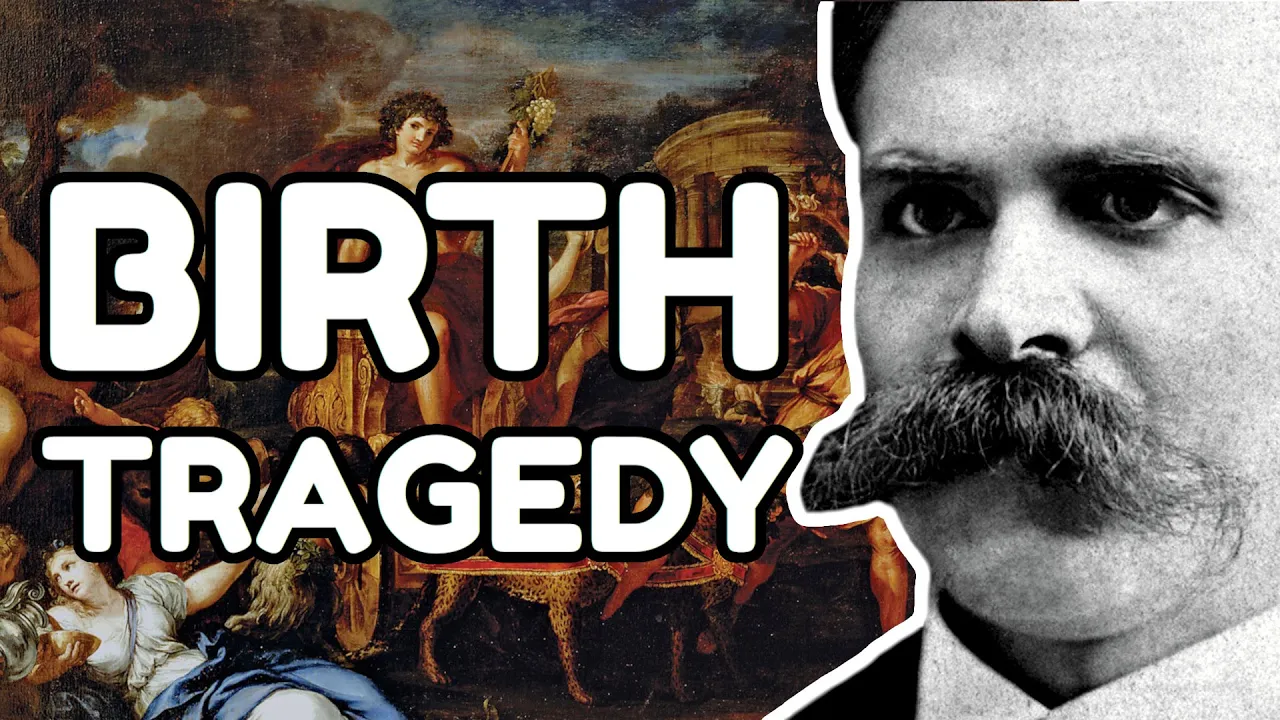
![Nietzsche e a arte [O nascimento da tragédia - o apolíneo e o dionisíaco]](https://i.ytimg.com/vi_webp/SZnC0JncdQY/maxresdefault.webp)


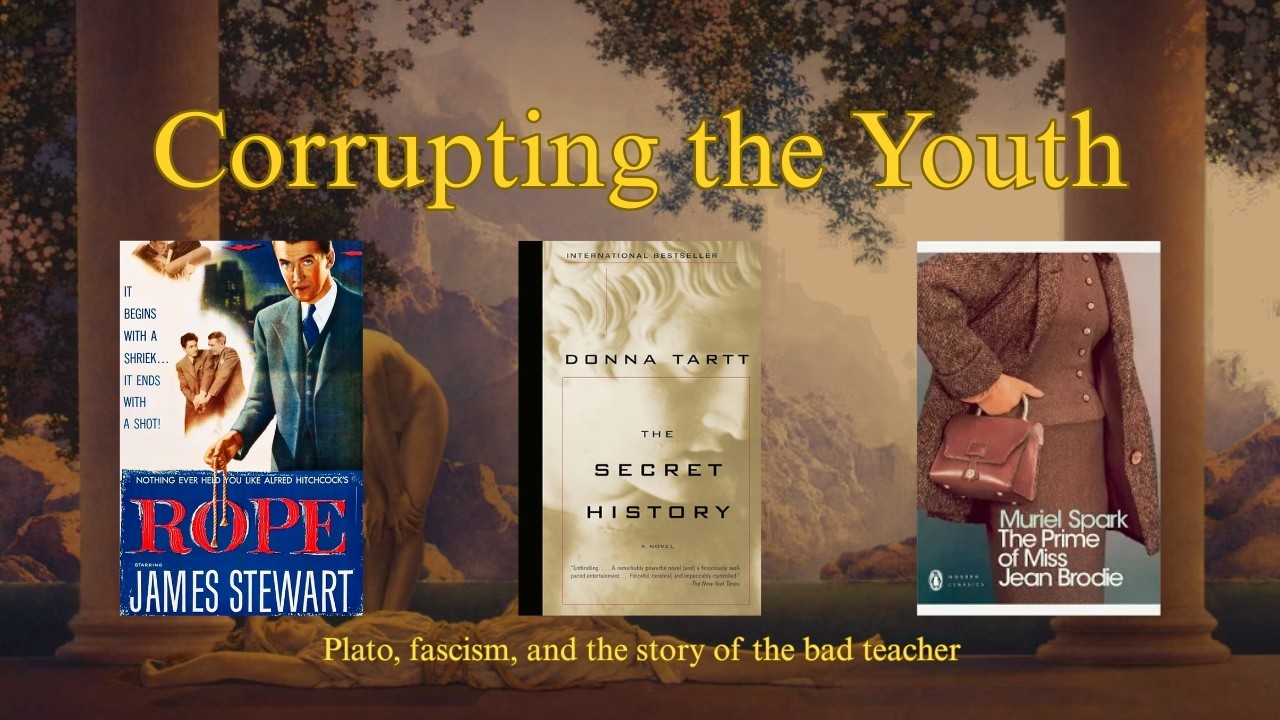





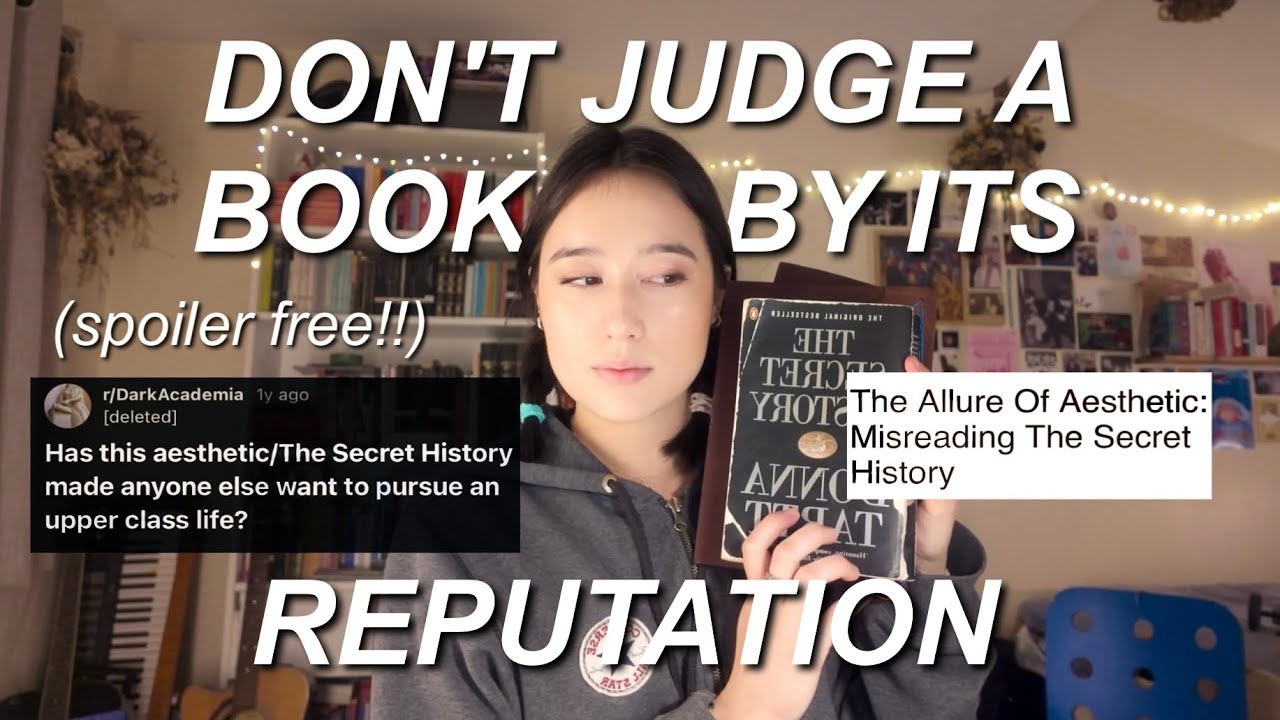

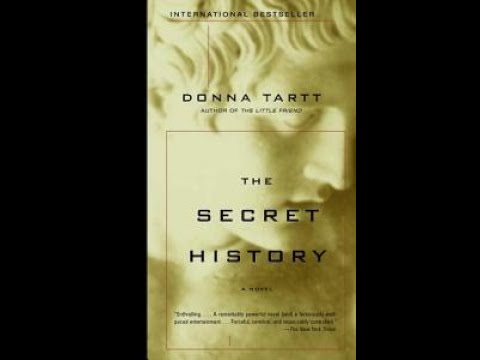
Donna Tartt's 'The Secret History' demonstrates how classical Greek tragedy can be effectively combined with crime fiction to explore themes of moral corruption and human psychology. The novel uses the structure of Greek tragedy—where violent events occur off-stage and suspense is built through psychological manipulation—to tell the story of five college students who murder a farmer during a bacchanal and subsequently cover up their crime by murdering a fellow student. Tartt explains that she studied Greek philosophy at Bennington College, which influenced her approach to character development and narrative structure, particularly the concept of 'kalon kai agathon' (beauty and goodness) and the idea that beauty can be harsh and terrifying. The novel's success lies in its ability to make complex philosophical ideas accessible through compelling storytelling, demonstrating that great literature can combine intellectual depth with popular appeal.
Donna Tartt on The Secret History | John Adams Institute
Added:ladies and gentlemen good afternoon in the CL committee on behalf of the John Adams Institute and Publishing House anos welcome this afternoon with Donna tart Donna will be introduced by Peter Steins journalist with NSA hos blot he will have an introduction of about 10 minutes in about an hour there will be a short intermission thank you and enjoy your after [Applause] this Sunday does my microphone work can you all hear me this Sunday is donat tart's seventh day in Holland or rather in Amsterdam for if we may believe her she hasn't seen much more than the inside of her hotel still if Donar doesn't know Holland we can say that Holland knows donat tart by now hardly a paper in which she hasn't appeared she's she's been interviewed by almost every paper in Holland there were reports at the babal on which she and not a Dutch author was the big star we had a Dutch diary in NC hles blot yesterday she was on TV with car V and now she has sold out the kin ComEd almost as fast as yuk F heck and he is Holland's most popular standup comedian a pop star why is d donard such a big star donard is a writer of a surprising debut novel but even before the secret history was actually published half a year ago in September 1992 she was already a household name not to say a legend among critics Publishers and other literary professionals donart was what one calls with a hideous word a media hype she got the biggest advance for her first novel half a million dollars from publisher knoff she got the same amount for the paperback rights to her novel she sold the film rights almost immediately to her novel to a director who is very famous Ellen Pula and then there was the en enormous number of advanced reader copies that were sent out to critics months before the novel was actually published 10,000 people say 100,000 people say this was only the advanced readers copies and the number kept growing with every time people were talking about it then in September 1992 the secret history was published and turned out to be an incredible success and an immediate success not because of the what was called the knoff star making machine but because critics and journalists all over the world were pleasantly surprised by what first here was a young author and she was publishing a debut novel of 500 pages with an original murder plot that was accessible to a wide reading audience despite the fact that in it was a lot of Greek philosophy the novel was in fact a comination of Greek tragedy and a crime novel very interesting indeed if this all was enough to be just remarkable donard cultivated a mysterious image from interviews and [Laughter] profiles in magazines like Vanity Fair um we heard that she was living alone in Manhattan with a pug named Pongo what's mysterious about that well okay okay I build it up [Laughter] now if you called her up you would get a dead man on the phone TS Elliott reading the Wasteland on her answering machine that's something different from the regular I'm not here now you can leave leave a message after the beat and then there was the publicity picture I think it's the same picture that is used to uh for this for this day but I'm not sure um this was a woman who looked like she walked away from the set of Twin Peaks and she was photographed against the background of a graveyard and in the back of that graveyard there were some bare Douglas fur trees it was a picture that as everybody can see now uh didn't resemble danatar very much it was all enough to contribute to the myth to the hype but in the case of donart you can't say anything but do believe the hype enjoy it for the secret history is a great book The Secret history has an exciting plot it's a story you can't put down before you're finished for those who haven't begun and so have read on till the end um I will give a short summary the secret history is about four students in a prestigious liberal arts college in Vermont who let Greek culture go to their heads and decide to have a Greek back andol during a successful dionan frenzy they murder an innocent farmer and that's a crime they have to cover up in the end by murdering a fellow student who knows too much the story in the secret history is told by a naive young man named Richard papen who becomes an accomplice in the second murder the murder of bunny who uh gets killed because he knows too much it's a sort of crime and punishment in an American college and in this case more a crime and remorse novel The Secret history was also a sensational book but a book in which all the sensation as in Greek tragedy happens off stage there is there are no direct murder or sex scenes very strange in modern American literature but still hardly a dull moment in the secret history and there is well balanced suspense you turn the pages until you are at the end also psychologically the secret history is a very clever book not only because it traces the effects of a crime on a small group of students they are coming apart uh because of remorse and nervousness in the end but also because the reader is manipulated to sympathize with the elitist murderous protagonists and that's very clever to do Secret history is also extremely well written there are beautiful descriptions of Campus Life of New England in the fall and it is still a very good book when the suspense is gone when you have read it already you read it for a second time and then you can do it can enjoy it just as much something about the writer to introduce Donna Louise tart was born in 1964 in Grenada Mississippi uh she went to the University of Mississippi at Oxford and after that she went on to Bennington College which is in Vermont and not very much unlike the college she describes in the secret history there at Bennington College he studied Greek for philosophy and culture beniton was a good place for writers as you can read in the handout given by the John Adams Institute today not as good as the John Adams Institute suggests here there are not 25 writers in one class which would be very much but five and that was enough one of those writers was Brett e Ellis U he was the writer of less than zero uh a novel which got a lot of a claim in the 80s and he's the man to which donart C- dedicated her secret history um although there's a lot of drugs and Young and Beautiful People in the secret history uh donart is not a writer you could place in the so-called pack of American literature the Young Writers who wrote about yappies like Jay mckenery and brat e Ellis um the secret history could as well have been situated before the war or in the 19th century it's a sort of Timeless book and although donard is a writer from the south she's not a southern writer in the tradition of Twain and fogner writing about race relations or the degeneration of Southern Culture she's a writer of her own who donard is we hope to find out this afternoon uh I give the floor over to her [Applause] I should have done that hi well thank you for such a nice introduction um um yes thank you um I'm going to read from several different parts of my book something from toward the beginning something from the very beginning and some things toward the end but um it will all fit together and make sense I promise you the snow in the mountains was melting and Bunny had been dead for several weeks before we came to understand the gravity of our situation he'd been dead for 10 days before they found him you know it was one of the biggest manhunts in Vermont history state troopers the FBI even an army helicopter the College closed the die Factory in Hampton shut down people coming from New Hampshire Upstate New York as far away as Boston it is difficult to believe that Henry's modest plan could have worked so well despite these unforeseen events we hadn't intended to hide the body where it couldn't be found in fact we hadn't hidden it at all but had simply left it where it fell in hopes that some luckless passer by would stumble over it before anyone even noticed she was missing this was a tale that told itself simply and well the loose rocks the body at the bottom of the Ravine with a break in the neck and the muddy skid marks of dug in heels pointing the way down a hiking accident no more no less and it might have been left at that at quiet tears and a small funeral had it not been for the snow that fell that night it covered him without a trace and 10 days later when the thaw finally came the state troopers and the FBI and the Searchers from town all saw that they had been walking back and forth over his body until the snow above it was packed down like ice it is difficult to believe that such an uproar took place over an act for which I was partially responsible even more difficult to believe I could have walked through it the cameras the uniforms the black crowd sprinkled over Mount cataract like ants in a sugar bowl without incurring a blink of Suspicion but walking through it all was one thing walking away unfortunately has proved to be quite another and though once I thought I had left that Ravine Forever on an April afternoon long ago now I am not so sure now the Searchers have departed and life has grown quiet around me I have come to realize that while for years I might have imagined myself to be somewhere else in reality I have been there all the time up at the top by the muddy wheel ruts in the new grass where the sky is dark over the Shivering apple blossoms and the first chill of the snow that will fall that night is already in the air what are you doing up here said bunny surprised when he found the four of us waiting for him why looking for new ferns said Henry and after we stood whispering in the underbrush one last look at the body and a last look around no dropped Keys lost glasses everybody got everything and then started single file through the woods I took one glance back through the saplings that left to close the path behind me though I remember the walk back and the first lonely flakes of snow that came drifting through the Pines remember piling gratefully into the car and starting down the road like a family on vacation with Henry driving clench JW through the potholes and the rest of us leaning over the seats and talking like children though I remember only too well the long terrible night that lay ahead and the long terrible days and nights that followed I have only to glance over my shoulder for all those years to drop away and I see it behind me again the Ravine Rising all green and black through the saplings a picture that will never leave me I suppose at one time in my life I might have had any number of stories but now there is no other this is the only story I will ever be able to tell just for the record I did not consider myself an evil person though how like a killer that makes me sound whenever I read about murders in the news I am struck by the dogged almost touching Assurance with which interstate stranglers Needle happy pediatricians the depraved and guilty of all descriptions fail to recognize the evil in themselves feel compelled even to assert a kind of sporus decency basically I am a very good person this from the latest serial killer destined for the chair they say who with an incarnadine acts recently dispatched half a dozen registered nurses in Texas but while I've never considered myself a very good person neither can I bring myself to believe that I'm a spectacularly bad one perhaps it's simply impossible to think of oneself in such a way our Texan friend being a case in point what we did was terrible but still I don't think any of us were bad exactly tr get up to weakness on my part huus on Henry's too much Greek Pros composition whatever you like I don't know I I suppose I should have had a better idea of what I was letting myself in for still the first murder seemed to have been so simple a dropped Stone falling to the lake bed with scarcely a ripple the second one was also easy at least at the first but I had no inkling how different it would be what we took for a docel ordinary weight gentle plunk Swift rush to the bottom dark Waters closing over it Without a Trace was in fact a depth charge one one that exploded quite without warning beneath the glassy surface and the repercussions of which may not be entirely over even now during the end of the 16th century the Italian physicist Galileo galile did a variety of experiments on the nature of falling bodies dropping objects so they say from the Tower of Pisa in order to measure the rate of acceleration as they fell his findings were as follows that falling bodies ire speed as they fall that the farther a body falls the faster it moves that the velocity of a falling body equals the acceleration due to gravity multiplied by the time of the fall in seconds in short that given the variables in our case our particular falling body was traveling at a speed greater than 32 ft per second when it hit the Rocks below you you see then how quick it was and it is impossible to slow down this film to examine individual frames I see now what I saw then flashing by with the Swift deceptive ease of an accident shower of gravel windmilling arms a hand that claws at a branch and misses a barrage of frightened crows explodes from the underbrush C and dark against the sky cut to Henry stepping back from the edge then the film flaps up in the projector and the screen goes black kumatu Mas if lying in my bed at night I find myself unwilling audience to this objectionable little documentary it goes away when I open my eyes but always when I close them it resumes tirelessly at the very beginning I Marvel at how detached it is in Viewpoint eccentric and detail largely devoid of emotional power in that way it mirrors the remembered experience more closely than one might imagine time and repeated screenings have endowed the memory with a menace the original did not possess I watched it all happen quite calmly without fear Without Pity without anything but a kind of stunned curiosity so that the impression of the event is burned indelibly upon my optic nerves but oddly absent from my heart it was many hours before I was cognizant of what we' done days months years before I began to comprehend the magnitude of it I suppose we'd simply thought about it too much talked of it too often until the scheme ceased to be a thing of the imagination and took on a horrible life of its own never never once in any immediate sense did it occur to me that any of this was anything but a game an air of unreality suffused even the most work aay details as if we were plotting not the death of a friend but rather the itinerary of a fabulous trip that I for one never quite believed we'd ever really take what is Unthinkable is undoable that is something that Julian used to say in our Greek class and while I believe he said it in order to encourage us to be more rigorous in our mental habits it has a certain perverse bearing on the matter at hand the idea of murdering bunny was horrific impossible nonetheless we dwelt on it incessantly convinced ourselves that there was no alternative devised plans which seemed slightly improbable and ridiculous but which actually worked quite well when put to the test I don't know a month or two before I would have been appalled at the idea of any murder at all but that Sunday afternoon as I stood actually watching One it seemed the easiest thing in the world how quickly he fell as soon it was over the church had been built in 17 something according to the National register of historic places it was an age blacked dungeon likee building with its own rickety little graveyard in the back set on a rolling Country Lane when we arrived cars lined the roads on both sides as if for a rural dance or Bingo night sloping gently into the grassy ditch a gray drizzle was falling we parked near the country club which was down a bit and hiked the quarter mile silently in the mud the sanctuary was dim and stepping inside I was blinded by A Dazzle of candles when my eyes cleared I saw iron lanterns clammy Stone floors flowers everywhere startled I noticed that one of the arrangements quite near the altar was wired in the shape of the number 27 I thought he was 24 I whispered to Camila no she said that's his old football number it was a long service the minister who took his ecumenical and some felt slightly impersonal remarks from St Paul sermon on Love From First Corinthians talked for about half an hour didn't you feel that that was a very inappropriate text said Julian who had a Pagan's gloomy view of death coupled with a horror of the nonspecific next was Hugh Corran he was the best little brother a guy could have then Bunny's old football coach a dynamic JC type who talked at length of bunny Bunny's team spirit telling a rousing anecdote about how bunny had once saved the day against a particularly tough team from lower Connecticut that means black whispered Francis the coach wound up his story by pausing and staring at the lectron for a count of 10 then he looked up frankly I don't know he said a whole lot about heaven my business is teach ing boys to play a game and play it hard today we're here to honor a boy that's been taken out of the game early but that's not to say that while he was out there on the field he didn't give us all he had that's not to say he wasn't a winner a long suspenseful pause bunny Corin he said gruffly was a winner a long solitary way went up from somebody toward the middle of the congregation except in the movies Canute rockney All-American I don't know if I've ever seen such a Bora performance when he sat down half the place was in tears the coach included no one paid much attention to this to the final speaker Henry himself who went to the podium and read inaudibly and without comment a short poem by AE Housman the poem was called with Rue my heart is Laden I don't know why he chose that particular one we knew that the Corrin had asked him to read something and I expected that they had trusted him to choose something appropriate it would have been so easy for him to choose something else though something you would think he would pick for Christ's sake from ldus or the upanisad or anything really certainly not that poem which bunny had known by heart he'd been very fond of the corny old poems he'd learned in grade school The Charge of the Light Brigade in Flanders Fields a lot of strange old sentimental stuff whose authors and titles I never even knew the rest of us who are snobs about such things had thought this a shameful taste akin to his akin to his taste for kingd Don and Hostess Twinkies quite often I had heard bunny say this housan aloud seriously when drunk more mockingly when sober so that the lines for me were set and hardened in the Cadence of his voice perhaps that is why hearing it then in Henry's academic monotone he was a terrible reader there with the guttering candles and the draft shivering in the flowers and people crying all around enkindled in me such a brief and yet so excruciating pain like one of those weirdly scientific Japanese torture calibrated to extract the greatest possible misery in the smallest space of time it was a very short poem with through my heart his Laden for golden friends I had for many a rose lipped maiden and many a Lightfoot lad by Brooks too broad for leaping The Lightfoot boys are laid the rose- LI girls are sleeping in fields where roses fade it was a big Cemetery windy and flat and Anonymous the stones were laid out in rows like track hes the uniformed driver of the funeral home Lincoln walked around to open the door for Mrs Coran she was carrying I didn't know why a small bouquet of rose buds Patrick offered her an arm and she slipped a gloved hand in the crook of his elbow inscrutable behind her dark glasses calm as a bride the back doors of the hearse were opened and the coffin slid out silently the party drifted after it as it was born a loft into the open field bobbing across the Sea of Grass like a little boat yellow ribbons fluttered gay from the lid the sky was hostile and enormous we passed one grave a child from which grinned a faded plastic Jacko Lantern a green striped canopy of the sort used for lawn parties was set up over the grave there was something vacuous and stupid about it flapping out there in the middle of nowhere something empty banal brutish we stopped stood in awkward little groups somehow I had thought there would be more than this bits of litter chewed up by the mowers lay scattered on the grass there were cigarette butt a Twix wrapper recognizable traffic washed past up on the expressway the grave was almost unspeakably horrible I had never seen one before it was a barbarous thing a blind clayy hole with folding chairs for the family teetering on one side and raw dirt heaped on the other my God I thought I was starting to see everything all at once with a blistering Clarity why bother with the coffin the awning or any of it if they were just going to dump him shovel the dirt and go home was this all there was to it the minister ran through the service fast his Bland face tinted green beneath the canopy Julian was there I saw him now looking toward the four of us first Francis and then Charles and Camila Charles and Camila moved to go stand with him but I didn't care I was in a days the Corran sat very quietly hands in laps how can they just sit there I thought by that awful pit do nothing it was Wednesday on Wednesdays at 10: we had Greek Pros composition and that was where we all ought to have been now the coffin lay dumbly by the grave I knew they wouldn't open it but I wish they would it was just starting to dawn on me that I would never see him again the Paw bearers stood in a dark row behind the coffin like a chorus of Elders in a tragedy Henry was the youngest one he stood there quietly his hands folded before him big white scholarly hands capable and well-kept the same hands that had dug in Bunny's neck for a puls and rolled his head back and forth on its poor broken stem while the rest of us lean over the edge breathless watching even from that distance we could see the terrible angle of his neck the shoe turned the wrong way the trickle of blood from nose and mouth he pulled back the eyelids with his thumb leaning close careful not to touch the eyeglasses which were skewed on top of Bunny's head one leg jerked in a solitary spasm which quieted gradually to a twitch and then stopped Camila's wristwatch had a second hand hand we saw them silently conferring climbing up the hill after her bracing his knee with his palm he wiped his hands on his trousers and answered our clamorous Whispers dead is he with the brief impersonal nod of a doctor oh Lord we beseech you that while we Lament The departure of our brother Edmund Gren Corker and your servant out of this life we bear in mind that we are most certainly ready to follow him give us Grace to make ready for that last hour and protect us against a sudden and unprovided death he hadn't seen it coming at all he hadn't even understood there wasn't time teetering back as if on the edge of the swimming pool comic yodel windmilling arms then the surprise nightmare of falling someone who didn't know there was such a thing in the world world is death who couldn't believe it even when he saw it had never dreamed that it would come to him flapping crows shiny beetles crawling in the undergrowth a patch of Sky Frozen in a cloudy retina reflected in a puddle on the ground YooHoo being and nothingness I am the resurrection and the life he who believeth in me me even if he die shall live and whosoever liveth and believeth in me shall never die the Paul bearers lowered the coffin into the grave with long creaking straps Henry's muscles quivered with the effort his job was clenched tight sweat had soaked through to the back of his jacket the straps were pulled up the minister blessed the grave and then sprinkled it with holy water dirt and dark Mr corkran his face buried in his hands sobbed monotonously the awning rattled in the wind the first Spade full of Earth the thud of it on the hollow lid gave me a sick black empty feeling Mrs corkran Patrick on one side sober Ted on the other stepped forward with a gloved hand she tossed the little bouquet of roses into the grave slowly slowly with a drugged fathomless calm Henry bent and picked up a handful of dirt he held it over the grave and let it trickle from his fingers then with terrible composure he stepped back and absently dragged the hand across his chest smearing mud upon his lapel his tie the starched immaculate white of his shirt I stared at him so did Julian and Francis and the twins with a kind of shocked horror he seemed not to realize he had done anything out of the ordinary he stood there perfectly still the wind ruffling his hair and the dull light glinting off the rims of his glasses thank you there will be now a short intermission of about 10 to 15 minutes um people who want to ask questions to structure that after the intermission um can get a little piece of paper with me and then write it down perhaps that's the best way to deal with it so you can get here a little the microph and the mic what's about the microphones two microphones oh yes there are two microphones downstairs although I can't see them and there are two microphones somewhere in the balcony um that's it okay I think I have to go back into the into the Green Room during our feel like we judging some sort little contest here there are lots of Julian questions so that should be it and you have your own questions and I've got my own questions and I would probably begin with them but for one question which which is probably an easy one to um to go into not this one but this one took you over a years to write a book good toj what if few major changes during the writing process so if well I was a 3 years ago so I'll probably begin with that and then go over to my own questions and then we'll [Music] just okay don't have to walk there there mic well we'll start the questioning lots of questions have been put on little papers um you've seen how sorting them or probably too much even to ask um I've got some questions of myself which I'd like to ask there are some questions which double with those questions uh so they were sort of put in during the interview um I will start with a question from the audience but I first go to the table uh when there is time over uh left we can go to the other questioning by microphone I I hope we reach that point because there are lots of questions on [Music] paper somebody from the audience asked it took you over eight years to write the book and she asked could you give us some examples of a ma of major changes during the writing process for example uh was a plot different to go should be a way to get this down yeah I don't think there is no this is the lowest we can go I again I'm not going to hold this microphone like Frank cantra I don't know can you hear me yes okay good major changes major changes did did the plot of the secret history change during the writing well it did somewhat just because I was very very um it's when I started writing it I had I had a plot outline but um in starting to write a book this long it's much better to have some sort of idea where you're going even if you depart from it just so you can have some sort of General plan even even so you sort of know what not to do really um and it did change a lot over the course of years simply because um I was I was really young and had no clue what I was doing when I was um I don't have much of a clue now but I had much less of a clue then when when I started I um and would just wander off into you know blind alleys and realize that things weren't working things that that were that I had planned out according to the plot line and um would just realized that I had you know gone off onto a Sidetrack that I shouldn't have gone on would have to go back on the main road figure out you know um elel Doo said that writing a novel is like driving cross country with a map you know you know you can only you can really only see a as far as your headlights but it's comforting to have that Atlas in the in the glove compartment you know you can look at it if you need to so um that's that's kind of how the how the plan of my novel was and yes it did change it did change and the ending is actually different from from the um slightly different uh same results but arrived at by a different route um and the title is different i title is different but that's kind of that's that's not my my fault that's the fault of of of of Viking penguin actually because the original title was was was God of Illusions and I really wasn't I really wasn't married to to to that title I actually didn't even have a title for this the whole time I was working on it I kind of call it different things or just my book and then the night before I handed it in I had a list of maybe 10 possible titles some of I I mean I just didn't feel very strongly about any of them I mean they seemed that they'd be appropriate in one way or another and so I took a poll of all my friends I called up about 10 friends on the telephone and said you know which of these do you think is the best and I had five votes for the god of Illusions so it was the winner and so I when the manuscript went into my agent's office it was called the god of Illusions well um that was um that was okay and but then I don't know the um the book was sold to Viking in Britain and they didn't like that title and they said um would you change it and um I was happy to do that I didn't really care about and I thought well you know probably the people at Viking penguin you know know more about this than you know my friends I called on the telephone you know and how to sell books and all so and um so I I thought well I was happy to do it and so I changed it to the secret history well then um they uh Viking penguin was didn't didn't like the secret history because um there's a title in their cat catalog Paul through my secret history and I thought well this is just too similar and at this point my agent my agent and my editor were kind of fed up and they said well we can't be changing the name of this book every 5 minutes so um so the secret history it is yes and the secret history as it is now the title has been named after a book written in the 6th Century by the Greek historian procopius why did you choose the title is is this gossipy Chronicle which it is is does that have have anything to do with the story as you tell it the story Richard papon has to tell well it does because um procopius was was an official historian and he was a historian during the time of Justinian and Theodora I believe and during the time they were they were alive he wrote these these very sort of State sanctioned histories of you know he wrote he was he was he wrote um things that were you know he he was very much in the regime but then pretty much the second that Justinian and Theodora died he wrote The Secret history which was what was really going on and um and not not this official history at all and you know Justinian was terrible and Theodora was a and you know what what really was going on Sunday paper on yes exactly yes Andrew Morton yeah but the secret history takes its title from Greek Pros work but it is much more and there are questions on that too much more like a Greek tragedy um that is a story of inescapable fate well the downfall of Richard papen and his friends they're ruined by their own faults well there's in every Greek tragedy there is a sort of fatal flaw something that makes people well go to their ruin uh what is the Fatal flaw of Richard and his friends what drives these five ordinary students to murder well um individually and individually they all they're all driven by by separate things that would probably take too long to go into but um collectively um I I I don't think any of these people would would have done this by themselves um the the Baki um which is the play that I was looking at very much when I was writing this book um is that's a play by Ides y yep and um very um I mean it it was it was a play that troubled the Greeks it wasn't one of urp's more popular plays in in in classical times we don't have very many plays of his now but we know that was one that didn't have a very good reception or as good as some of his others um in in his own in his own lifetime time and um but um it's it's it's the Baki is a play about hysteria and about um um how well yes I mean it's it's a common place in the 20th century but people in groups and this was a horrifying idea to the Greeks in a lot of respects because of the idea of you know people were much more sort of civically minded than than than they are now and the idea of individualism you know which is so important now wasn't really that important at all to to the ancient Greeks you never find ancient Greek Heroes going out and trying to find themselves this is not a question that it would occur to the the it would occur to Achilles to ever ask you know he's just um um and in a way yes I I mean it's an interesting question and each each one of the the components and the mer each each one of the the the the the murderers are sort of driven by different reasons and it's but yeah there five of them it would take sort of a long time to go into each one but collectively um they I mean yes it's become a commonplace in the 20th century that people in groups will do things that an individual would never do you so they have no individual fatal flaw but they have only well they do they do have individual fatal flaws which sort which sort of bring them together but um each one of them um um Henry's flaw for instance is really that um he's tried so hard to make himself perfect I mean he's a very young man and he he's he's um he's he's tried so hard to root out things in himself which he finds unpleasant or distasteful or that he's really managed to tear out a lot of what makes him human as well a lot of his Humanity his studies aren't tempered by any kind of of of balance or any any sort of um he's translating John Milton into L yes I mean he's yeah complet completely abstract I mean you know um there's there's a point in the novel where um where um one of the characters is talking about during the murder investigation and that Henry the main thing he's concerned with is not really you know actual conversations with the police about this crime but what book it looks better what book would make a better impression him to carry around if Thomas aquinus would make a better impression on these cops than you know Homer or something and the other characters says you know this was just horrible you know if he was the only one that you know that the police had had to deal with we just all would have gone to the gas chamber you know because yes Henry Henry really believed that yes by having having the right text with him this would somehow this would somehow you know make the policemen think that he couldn't have have have committed this crime I mean and the the narrator on the other hand um is sort of is driven to his to his role in it by um um I mean he says this you know his um you know my fatal flaw is is is morbid longing for the picturesque at all cost he's he too is very anxious to reinvent himself very anxious to forget his past very and very very anxious to become a part of this group um and did you say it's snobbism that leads him to yes it is snobism yes it is it it is snobism in a way and it's also the fact that he's very naive he hasn't seen um as much of the world as he'd like to pretend he has and um he's very entranced by these people but he doesn't really realize until it's far too late what he's what he's gotten himself into he's he's completely taken in by the surface of things he I mean this is also what the book is about in a lot of respects it's the difference between appearance and reality because nothing in this book is really what it seems you know that the the narrator is fooled again and again or is deluded again and again we tou touched upon the Greek in a novel there's a lot more more Greek in it um classical culture and especially Greek thought plays plays a large role in it there's the there are the famous conversations in the class of Julian Morrow the ambitious teacher the strange teacher and he's going on and saying well beauty is Terror and there is further in the book there are the famous words kalapa takala beauty is Harsh um what is it well is is beauty harsh indeed is beauty always Terror could you say say that um beauty beauty is harsh in any I mean there's almost no respect in which it in which it isn't harsh um if you're talking about physical Beauty if you're talking about the beauty of a flower or a or a you know um a beautiful person um it's horrible because it's one because it's given completely capriciously one has no control over it one's you know the you know the fairies at your cradle or she's not you know you have it or you don't really I mean the same with the flower a flower can't help if it's you know a rose or a weed you know it's just born what it is and so there's there's cruelty in the way that it's even dled out and also it's it's it's ephemeral I mean that's that's the that's the horrible thing about about even even to to the living things that are lucky enough to be given Beauty it lasts for a very short time it's it's it's and in and in manufactured objects in paintings or in books or in in um poetry I mean beauty is also cruel because it's [Music] very um it's it's very remote it's it's you know keeps on a Grecian earn you know these figures are are are cold I mean they have no sympathy for us these nymphs dancing around a ve they really don't speak to human Joy or suffering something that so that's beautiful in that sort of Eternal sense is is really is is outside the realm of humanity and is terrifying to us I mean I think it's it's notable that you know whenever an angel appears in the Bible whenever every instance what they have to say the first thing they have to say is Don't Be Afraid don't don't be afraid because the people are are just completely wigged out and like want to run off and don't want to listen to what the angel has to say so that's that's always the that's that's always the first you know um and also I mean in a in a certain sense I mean the terror of you know sort of the creator of of making you know you know beauty is beauty is Harsh is is harsh to the to to um the creators of very beautiful objects I mean um sometimes I mean we you know um so we we have we have beautiful van go to look at in Amsterdam but van go had a pretty hard time um you know he he he he went he went through a lot so we could have them you know so um there is a lot of classical culture in the secret history you studied Greek philosophy and um what is it that attracts you in Greek culture um more than in let's say Roman culture well what what was attractive to me as um as you know I mean I I I in wanting to write um the Greeks are I mean the reason I mean every age goes back to the Greeks every age has their own interpretation of the Greeks Victorian England had their Greeks and the Renaissance had their Greeks and the Middle Ages had their Greeks and they're all really kind of different you know but and every age sort of picks what they like and leave the rest but um but um the Greeks are very interesting for a young writer to study or any Young artist because the Greeks like to show you how things are made they're very interested in the way things are put together in the structure of things um you know if you see the Parthenon um this is an example I always use when people ask me this question but it's so beautiful and simple it really makes it very plain the knew all about the arch for instance the Sumerians had invented the arch you know a long time before but they didn't like to use the arch because it was very unclear in an arch what's supporting what and the Parthenon you know which is something that people Architects return to again and again um you see the way the weight is distributed you see you you you know how the even even if you know nothing about the AR about architecture at all or about geometry um you know you which is a very Greek idea that you know you know that a slave can can be made to reason out a geometry problem if you just ask him the right question and the Greeks felt that you know by showing you these things you know that I mean they they wanted you to understand how it was made I mean if and so the Greeks sort of helped you to construct your work in in in a very real sense because novelists that I I mean the novel is a very new form obviously very and it's a popular art form you know and um and in a lot of novels that I admire very much it's very difficult um it's very difficult if you're a young writer because if you're a young writer you you read books the way that a young architect looks at a building you want to see where the struts are and you're very interested in the ornamentation and things like that but you want to see what holds it up and it's hard to do that with um I mean one of one of my favorite writers is is is Nabokov and there's there's there's so much verbal magic there's so much he's he's constantly throwing out smoke screens and putting up mirrors and pulling rabbits out of his hats and there there there's just so much yeah so so much pyrot Technic so much so much technique and so much ornamentation that you can't really see where that I mean though in a novel like Lolita the structure is there beautiful clean and and and a in a yes I mean it's very much there but but it's it's just very difficult to scrape all that extra away and see because there's too much too much covering it and Greek tragedy is you know you know pretty pure structure it's it's and um so yeah that was that was that was one reason why I was interested in so Greek ideas were very important for your story could the story have taken place in a class of let's say French students or uh well it could have but it would have been a different book you know it could have been you know so that's a no for a question well I think well the ancient Greeks are all dead I think it would have made the French very angry if I had if I had suggested that French ideas had had led to these horrible acts you would would have gotten sued so I would have had my head on a stick in a secret history you you write about the strange gold breath of the ancient world and about the classical mind which is narrow unhesitating Relentless uh anac Classics is culture dangerous to fragile Minds well I don't I don't know I mean I don't particularly think so but um you know um I mean the opening the opening epigram of my my book this this quote quote by by nche um I inquire now as to the Genesis of a philologist and assert the following a young man cannot possibly know what Greeks and Romans are he does not know whether he is suited for finding out about them and we all know how poor n turned out you know what happened to him um the secret history is a novel about about Good and Evil about how seductive evil can be how lives are ruined by crime it's a very moralist theme you could say um would you call yourself a moralistic writer well I think in a lot of ways just the novel just the form I've chosen the novel is though it's a you know it is a popular art form but it's also a very very moral art form in a lot of ways I mean our greatest novels are about um sort of depict I mean you know Madam borry you know um you know um Anna Coran I mean these are all about the working workings out of of of moral problems and the real and I think the reason that novels appeal to us so much um is that no matter how much philosophy or um we've studied or how religious we are we can't really assimilate it's I think it's very difficult to assimilate these ideas you know into our blood into our daily lives I mean whereas something like you know if we if we read it in if we see it dramatized we understand it so much better you know Jesus you know in the Bible whenever he can't get people to you know the disciples never understand anything poor Jesus tries to tell him and and um and he always says you know he tries to explain they don't understand he says well let me tell you a story let me tell you a story and this is what he does again and again Parables I mean and we understand things so much I mean a different example from Buddhism I mean um the story um of of the burning house this is a parable that Buddha told I think in the fire sermon but um you know there's some little there's some little children that are in a house and their mother's going to town and while she's gone the house catches on fire and the little kids are all trapped in the house and she goes outside I mean she comes back and she sees her kids in this Burning house and so she does everything to try to get them to come out because they're little and they're scared and they don't know what to do and um she tries reasoning with them you know that doesn't work they're Panic stricken she tries yelling at them threatening them it's they're still Panic stricken and then she has a brilliant idea she she's been to town and she reaches in her bag and she pulls out a toy and the kids are out of the house in a second um and what we can see when we see when we see these things enacted out we we we we feel them so much more deeply than if we're you know this is why Aristotle is for me so much less and effective um um you know I mean just affects me much less than than than Plato does because Plato is such a great dramatist and the ideas that he presents have have flesh and blood and they walk around and we can we can we can see them in um in the context of of of our own lives Things Are always easier to understand by analogy so if you're talking about ethics you would prefer Doki or Plato over Aristotle yes I would I mean and it's because well I mean it's it's because I'm a novelist not a philosopher things are always more palatable to me if they're sort of presented in a in an entertaining form yeah that that was also one of the questions I had um you you studied philosophy when you were at Bennington College and what is it that made you become a writer is that because you think you can have more effect by writing a novel than by writing a academic treaties on ethics or moral philosophy if I had written an academic Trea I mean no that would nobody would want to read it would be completely uninteresting I have nothing well written well I mean um I I wanted to be it's I studied philosophy because I wanted to be a writer you know writing really came first I mean this was this is what I wanted to do is you know because I I mean I'm I'm young 20 28 I don't have any great truths to tell anybody that you know everybody in this room doesn't already know you know like a lot better than I do you know um I I don't have any you know special um um you know but you have a story but yes a story and that's and and and the reason that I I mean philosophy is very is was it was interesting for me to study philosophy because the great problem of of young novelists is that they are young and novelists really need a lot of experience before they're able to write it have to know a lot about the world and how people interact and things like that there no child prodigies in novel writing and I think it's really arguable that there are no great novels written by anyone under 40 um well this this is probably a good time for interaction of the public are there any novels written before 40 I mean people always have examples but either I haven't read them or I don't think they are you know this is not a good question for public interaction I guess um talking about literature who who are your greatest literary examples um we know a little bit about Scott FG Gerald not only because you write a little bit like Scott Ferd but also because in the book Richard papon's favorite novel is uh the Great Gatsby and he he sees all kinds of parallels between his life and The Great Gatsby is Scott Fitzgerald one of your little literary examples Scott Fitzgerald is somebody I just love to read return to his books with pleasure over and over again so um yes I I I love him very much and um you know there there are books perhaps that I love less that I've learned more from just in sort of a technical sense but but in terms of you know sort of the real sort of emotional part of writing and what what one responds to oneself um and yeah what one enjoys reading when one's sick and bad you know yeah very very much I I love Scott Fitzgerald are there any authors who had a great influence on your writing so not not just for reading but on your writing um yes um a a a great many of them um um Dickens is a is a is a great writer for a a a young novelist to study because there's almost no there's almost no problem that Dickens is unafraid to handle you know Tech no technical problem I mean he he really just does everything and um if you think of a specific example of something that's difficult to do you can always you know if you think of Dickens you can f you can think of an example where he did he was faced with the same problem and of course did it beautifully so um he's I mean he's you know a great teacher and also I mean just a very sort of benevolent presence I mean he's some writers I mean the Amer I think it was John Irving who talked about you know that it was that it was bad for Young Writers to become overly obsessed with great figures of the past and he used this wonderful line you know the ghost of the young James Joyce standing horribly at at your back you know looking over your show yes yes yes which which of course you'd never want to write again but this is what I mean that Dickens is a very benevolent presence because you don't get that if you know you don't get that feeling from him he's kind of nice grandfather Yeah he is he's very nice he's very grandfatherly he's like okay good try you know try again you know not like Joyce who just oras Elliott for that oras Elliott I know who just strike one dumb for the rest of one's life so that's the reason why you put him on your rering machine and it works it works they hang up they don't call back um a few questions on your Southern inheritance you were born and raised in the Deep South Mississippi the country of William fogner that's the first person we think of um we too yeah well Mark TW is a good one too of course but in Mississippi um Uncle Bill that's Uncle Bill's country did your native well the South has a very very strong literary tradition perhaps even stronger than than the North or the west or the East I think very much so I mean definitely I mean that's yeah and and did your native region uh influence your writing very much do you wouldn't call yourself a southern Riser but you are a writer from the south well people um you know Oscar wild for instance is not really an Irish writer he never writes about the old side or you know County CLA or anything like that or digging potatoes out in the yard but um but starving but um but he's I mean I mean he he's just an Irishman through and through and through and through his humor his his way of telling a story his extravagance you know he he's you know his his his teasing jocular tone he he just is Irish just his temperament even though he doesn't choose to write about Ireland he's so Irish you know that that that that mocking spirit of the Irish is just so so there there's not a more Irish writer than he is yet he didn't ever write about Ireland he was said of would be Englishman you would say well in a way yeah he was you know or but but he wasn't English at all in terms of temperament or at least the English would wish to have you think so yeah that's true so you were sort of Southern writer in the way um he is a an an Irish writer well this is something that flry o Conor said because people are always asking about you know if if if you're a southerner and you're a writer people always ask you you know um you know aren't you oppressed by the ghost of William fogner like you know the answer is no I mean no more than I'm oppressed by say the ghost of Joseph heyen you know I'm I'm glad that he's there he wrote some great music I'm no I'm not oppressed by this at all but somebody asked fanry o Conor the same question and how could you know this very long involved question you know how could she possibly have anything new to say about the south because it had been basically this is a country that belongs to a master and who had you know basically said all there was to say and you know what did what could she flanner possibly add and um she just said you know well you know um you get you you get off the tracks when the Dixie special comes through you know [Music] um so you don't think you will ever write a book about the Glorious preil War past or race relations or anything that's typically Southern well it's possible anything is possible actually my my new book is set is set in the South so um it's yeah so I don't know but um I think it's um but it it's the South now is is is a very very different place than it was when William fauler was was writing about it I mean there's a whole school of sort of new Southern writing that um you know f with a whole different set of problems now than William fauler had to deal with I think William fauler would be pretty shocked if he walked through Oxford Mississippi today and so what you know it's it's very very different what do these writers deal with then well um for for um I mean race relations have changed just dramatically in the course of my own lifetime I mean when I was a little girl um I can remember very clearly you know separate entrances at the at the hospital even you know a colored entrance you know things like that um you know schools were segregated it was it was a very different place than it is now you know CU that's that's certainly not at all the case now and I think it's really arguable that you know the South has the American South has such a reputation and rightfully so of being um being such a such a I mean so full of prejudice and hatred I mean walk Percy called it dark bloody mad old Mississippi but um in America now um in the Northeast and in Los Angeles people are now dealing with problems that Southerners had to deal with maybe you know 20 30 40 years ago because you know the the racial crimes that are now happening in America are not happening in Birmingham they're not happening in Jackson they're happening in Los Angeles and they're happening in New York um because the south in a funny way has has worked through this we have a terrible history a terrible Unforgettable history of of of of racial violence but um but it's something that that that both sides have really learned to live with I and it's it's a much newer problem I think for other parts of the country next is a question which is from from the audience um well in in your book there is not much of these directly Southern themes but there is a lot of L of Gothic in in the story horrible things that happen although they're they usually happen off stage um is Edgar alen Poe a big influence on you he's sort of the the founder of the gothic mode in America oh Edgar you can't beat him with a stick he's great I love him um he's no you read him before bedtime sometimes I do actually EG and Poe is very fun to read when you're sick and because he he you get sicker you get sicker you do get sick um um he's no po po is wonderful he but um he's um well yes just very much an influence and also he's another writer who I just kind of instinctively love I mean just just someone I'm very drawn to um just on a on on a very personal level I mean someone whose books I really enjoy reading to amuse myself um well this we'll take a sort of sorting out because some some of the questions I took in in my own interview but now I have to really deal with the questions that are on this table um first one is um hi I'd like to know in which way you got the idea for your story uh and why did you choose this subject well that's that's really hard because it it it it changed over the course of because I I worked on this book for eight years and it changed during the writing so many times five six seven years into the writing I would see a film or or read something that I hadn't read before that really would kind of change everything that had gone before so it was it wasn't um as if I had the whole idea I had an idea of the plot structure just the very basic skeleton of this that it would be about some young people committing a murder and sort of the consequences but but um it just sort of I did I didn't have just this this huge idea in my mind when I began it began very sketchy and kind of built up over a period of time it was not a newspaper clipping or something like that no um this is a um an heartrate as we always say I took I took Greek at secondary school for five years but I couldn't speak a Greek sentence to save my life this man sounds like a friend of mine but the question is what do they teach you at American schools that make such a difference that people can convers this is why we call it fiction I mean you [Laughter] know um some questions on the the characters lot lots of questions uh that were put on the paper are about Julian one of the central characters not one of the students but the master of the class in which all these hideous things are are worked out um there a few questions on him um well the the easiest question for me to begin with this moment is could you say a bit more about Julian's role in the story because at first he seems very strong and influential but later on he just moves and he Fades away at least that's what the poser of this question thinks well Julian and some way is is in in most ways is is sort of the the animating presence of of of of this book I mean he's he's the um he he's he's where it all begins but [Music] um he the reason that he's a shadowy presence is that I mean it's very it's very deliberate um because you know all of these this in the world of this novel this this is a novel where where adults are either ineffective or absent or completely horrible this is you know and and you know if you if you look at the I mean these are these are very young people you're talking about and they're and that that are the protagonists of this book and um in every single every single one of them I mean two of them are are actually even orphans you know and um they they're and and Julian is is really very much a moral neutral but he's someone upon whom they all sort of project this this this this desire for for a father and really kind of refus very strongly to see something that I try to do throughout the book is give because in the early parts of the book they speak so glowingly of Julian and I try to give little Clues to the fact that this is really not the case the things that they're telling you about Julian don't quite coincide with the way that he behaves um you know because if he loves him so much why do they see him so little he seems very unconcerned with their you know they talk about how he loves him all the time but he he is very removed their lives in a physical sense and um they have really just tried to to to um you know he just looks the part he looks like this wonderful old kindly incredibly cultured gentleman I mean sort of the dream parent you know it's the parent that you you wish that you had the sort of fairy Godfather and they I mean they're all kind of blind to his faults because of that and that's why when you know um when what happens with Julian happens and it's such a terrible betrayal when it's just thrown in their face I mean what they've really refused to see again and again and have pushed it back every single one of them with both hands repeatedly throughout the book and then he Fades away yes in an interview this week um one of the many interviews you gave um you told the interviewer that the character characters in The Secret history are based on abstract ideas and principles um um could you say what the abstract idea behind the character of Julian is then um [Music] well the abstract I read a um when I was in college I was um as was actually when I was studying Dickens there's there's a book in uh called called Authority by Richard Senate which is largely about about um you know you know it has nothing really to to do with with what we're talking about here but the opening quote is um um Senate says that people are always attracted to authority figures whom they secretly do not feel to be legitimate you know it's a book about dictatorship and about political power and um you know um so I mean it's a very hazy it's it's it's it's not it's not an abstract idea that you know it's it's not as if Julian stands for you know truth or some you know sort of very very simple sort of I mean that that was he's just a charismatic yeah a charismatic figure I mean frequently charismatic figures are very empty I mean charismatic figures are frequently off Surface um you know there's there there's nothing there and that makes them more powerful the fact they are all surface because you can project whatever you want to upon them everybody has different things that they want in different people and the more sort of blank someone is the more they're able to reflect back your own desires to um I mean Julian is described in the book as being being like a mirror he's very brittle he's very shallow but he creates this illusion of warmth and depth like a mirror does any emotion you throw at him he throws right back at you and you get the and you get the sense that that and he really is just sort of imitating in a way but you get the sense that that he understands you perfectly because he's he's he's he's he's he somehow is picking up what what you want from him and throwing it back at you it would make Great Dictator I understand well at the end of the book you know they um um there's there's a story that that Julian has gone off to to um has been hired by a royal family somewhere in Africa and they you know they car and which turns out to be a rumor but you know they they're all Enchanted by this idea you know maybe he'll bring up you know like Aristotle did bring up a man who will conquer the world you know they say you know I don't know what I would be if Julian he got hold of me when I was eight years old so well two questions dealing with Julian um and the first one is what happens to Julian after he leaves campus we've heard that this is a a rumor and the other one is are you saving up for the sequel because he's so underdeveloped in the in the book so is there going to be a secret History 2 and a secret history I don't think so I don't think there's going to be a secret history too I'd have a hard time I would I would no that's that's that's that's that that's that's not happening not unless I really just am broke and desperate and just just really need the money very bad Som yes squander it away I mean but um what was the first part of the question first well that's always with fictional characters obviously a very difficult question to deal with because what happens with him after he leaves Camp after they leave after after a character leaves the world of the book the author doesn't know any more about them than the reader does I mean all I know about what's in the I mean it's really true I don't know either another question that pops up more than once in the questions I have on the table is uh why did you choose to write the story from a male point of view while you are obviously a female author well I for a very for a very technical reason um it was obvious to me from the outset that this this book had to be told from the point of view of of a firstperson narrator it was essential that one never know what the other characters are thinking there couldn't be an omnicient Viewpoint you could never go into Henry's mind or into Julian's because this is a novel of how the narrator is sort of gradually drawn into this and gradually fooled and the reader should be fooled along with him so I I knew that I needed needed a firstperson narrator and the reason that I made the firsters narrator male was simply because the eyes of the narrator are the only pair of eyes that I have in the book and and wouldn't a pair of female eyes no they wouldn't have because if you I mean if you think about it a character like bunny for instance wouldn't have really behaved the wouldn't have really been his his real self around a woman he would have been a very different character around he would have acted he would have behaved very differently towards a a you know a young woman who had joined the class then and he would have been I think much less himself I mean I think he would have you know restrained himself much more I think he would have you would have seen a better side of him that was probably less true the same with Henry um um I think that um that you just you just wouldn't have been able to see these these characters as clearly as you would have from from the point of view of a of of a young man and also I didn't want to bring the question if if the narrative been a young woman there would have been you know always always the question well you know obviously there's some sexual attraction that you know that she has to Henry or to Julian and I didn't want to bring that in at all because it's not I mean that's that's not that's and if she had been a woman that would that question would have been asked just you know just it just would have been and you know not necessarily um um something I wanted to you once caught the secret history a novel about repressed sexuality is that what it is in a lot of ways it is I mean um um in in in some respects it is I mean um because yes I mean the sexuality in the book just kind of bursts out at these sort of weird points and there there's never there's never a sex scene or anything like that but um I mean in a way I mean that's what the Baki is about you know just sort of repression repression repression and you know if you repress anything for too long it will eventually kind of come out in some way you're not expecting it and don't want it to I mean I think it's no accident at all that you know serial killers I mean you know P civilians you know not kings and queens you know who sort of went around killing people um um the first time that we see these are in Victorian England you know this is this is this is the first time Society yes Dr Jackal and Mr Hyde it wouldn't have been so much fun for Dr Jackal to turn into Mr hide had he not lived in Victorian England you know what I mean he could have just been Dr Jackal and gone out and done these things and no one would care much easier and there are two questions about the names in the book um first one is is it mere Co coincidence that Henry the evil one is named after Lord Henry from the picture of Dorian gr well it is coincidence but um it's um an interesting question because um I mean you know something else that this this book is you know concerned with sort of the ideal of the Dandy sort of the self-centered one I mean um you know one of the characters um I think the the the friend not not Dorian but dorian's friend says says of Lord Henry Watton you know he he never he never says a right thing and he never does an incorrect thing he's um I mean the Persona of the Dandy is very controlled and very very stylized and I mean very sort of this very sort of Kabuki like unreal presence and that's what these young people are trying to Henry in particular is is moving towards but is is is kind of unable to get at Julian is a perfect example Julian is very like Lord Henry Waton who's also a moral neutral and um in um in the book I mean in in Picture of Dorian Gray the other one is is bunny uh whose name whose nickname I guess uh has associations with the writer and critic Edmund Wilson from I think it's the 30s of this Century um the fact that Bunny's real name is Edmund Edmund Corran uh strengthens the association is there any connection or is it an an homage to Edmund Wilson well it's not but um it's um it's it's an interesting point to bring up anyway I mean because um I don't like Edmund Wilson and we almost always disagree invariably so maybe some some unconscious thing well then there's a so-call short and simple question and that is are you bunny I wouldn't be here if I was and um I've got two questions on the table which I can't read so that's a bit difficult um I think there's well there's a little bit time to to get to the microphones before that I want to ask one last question that is here and it's a very dear question you could say and that is don't you miss the characters enormously now that you finish the book I I I I do miss actually I I don't miss him so much on book toour I get to it's like I'm working on the book again I get to talk about them all the time so they're very they're very much with me still but um you know there's some deaths that occur in the book and you know it was always when somebody died it was a sad day's work I didn't didn't didn't like that was um well there is there is the possibility of I guess about 10 minutes of question uh by microphone um perhaps the best thing is to have the two questions I still have on the table if people want to step forward those who haven't heard their question asked yet it's difficult for me to see because there is a lot of lights on the sorry ah it was a horrible pen that's the reason why it wasn't yes you can ask a question now one question about the character of Julia can everybody hear what is being said in the microphone repeat it yes well I'll try um the character of Julian is a fictional one isn't it mhm but why how does that relate to his being mentioned by George orell who is not a fictional character that's the great thing about books we can make fiction and okay and and in fact Collide oh yeah good okay thanks I mean George or orell would B wouldn't be uh wouldn't think or ask you what what if I got to do with this character um I don't I don't know if he would or not but it's it's something that I think has been used very effectively in novels before historical characters actual historical characters wandering in and out of the STA in and off the stage of fictions I think it's I think it's um you know Nabokov does it several times in Lita very effectively I think at one point he makes pretty clear reference to the tennis player Bill Tien and um and he and Lolita when they're staying at a tourist camp come upon Bill Tien who was famous in America for being a peda he was the great tennis player who completely you know um ruined his career because um well because he had um umbert same inclinations and um and um there's there's a one of my favorite Parts in Lolita is is when um Lolita and Humber are traveling around they actually find Bill Tien you know teaching tennis at some Resort you know broken man you know I'm sure um and it's it's it's it's a wonderful sort of it's it's a wonderful moment to think of of of Bill Tien who every American knows you know gorgeous bill you know um teaching Lolita how to play tennis you know so so that's just a liberty you can take as a novel writer um I think so I think you can take pretty much any Liberty any Liberty you um well there's another question about the state of frenzy this group of Henry is uh going to enter in order to experience that Bol I don't know how you pronounce it in English that's yeah they have to get in a sort of state and they they experience sort of a difficulty getting there which I think is very clear thinking because that's what what I was thinking how do they get there in that state uh but I do not find the answer in the book in the book uh exactly I mean they get there but how I I don't know well they I mean as Henry says when Richard is questioning about it you know Henry tries to explain again and again and and Richard is not satisfied with his answer and finally Henry is exasperated and he says well it's not called a mystery for nothing uhhuh you [Applause] know so so it is still a mystery how it is I mean it's basically a supernatural event which occurs in the context of what otherwise is a fairly realistic novel but you know there there are you know what may or may not be ghosts throughout the course of the book I mean it's it's not completely it's not completely a novel that's that's grounded in you know empirical reality okay I thank you thank you are there any other questions uh yes I'd like to ask something they're upstairs yeah can you hear me yes we can hear you now okay um well I'm studying plateau in school right now and um in the book it sort of seems sometimes like Plateau is speaking uh Julian CHS his students uh really very beautiful things and they get sort of in another world like it's it's like he shows them real truth but it's not true and then it sort of seems like the AAL platonic kind of study and the relationship between the the student and the teacher but other parts are like really mythical because uh the relation between um a sister and a brother it's something my other classmat say that that's really Greek but Greeks mostly They didn't accept it they had it imid yeah it was in myths it wasn't uh but um you know these young people aren't ancient Greeks they aren't seeing things in the context of of of you know actual ancient Greeks you know they they're they're seeing things in bits and pieces in fragments through centuries and um they they are um you know from from from this distance in time you know um it's it's hard to tell what's real and what's not I mean we're not sure if there was even really a Soc es you know um so um I mean again I mean you know back to the you know you know the epigram you know um a young man cannot possibly know what Greeks and Romans are yeah because I thought it would have been more like what uh the Greeks had if they fell in love with uh Julian I mean that would well in a in a way they all do I mean they they do love Julian I mean um you know they I mean that's part of that's part of the effect that um that that's why Julian has such a hold over them I mean and you know which is certainly socrates's effect upon his pupils they love him they love him that's why they'll do anything for him and work really very hard and you know um he you know and sit up all night when they want to go to sleep and you know um so I mean that that is I mean that's a very Greek idea that that we we learn better from someone you know we love also the idea I mean very Greek idea that we learn by imitation you know by imitating the good around us we see what they're imitating is just a false good they think it's a good something else that Plato says is that um that the worst that the the really evil man is an evil man who has the appearance of being good that this is true evil because a really evil man who manifests himself as being evil in the world who's obvious ly evil is sort of a warning light he's sort of a beacon to warn because we as the Greeks thought we wouldn't we wouldn't do wrong if if we knew it was wrong we we all try to do the good as we see it but but um some of us are deluded and that's why that's that's where evil comes from so um okay yeah thanks any other questions there is I think still one question on the table which we can't read that's a question I put there you're not on the you're not in a microphone but you can probably shout where are you am I I think they're in the third balcony oh hi Behind the Lights um it has to do with something uh somebody just touched on a moment ago of uh books cross referencing each other uh I noticed um that the idea of a weird class group who are either out murdering Farmers or worshiping the devil appears in one of Brett e Ellis's Noels um so that idea was already kicking around in Bennington well it was um Brett and I have Brett Brett Ellis and I have known each other since we were about 18 years old and we took when we were 181 19 we were both writing novels so we took a novel writing tutorial together and um he was working on less than zero and I was working on the secret history and so we were familiar with each other's books and um we make and it was it was it was kind of funny because he wrote three books in the time it took me to write one I'm I'm I was you know seven years later after he had published all these books you know I was I was still you know kind of plotting away at this one but but it's I mean that's that's from um our old student days it's it's not a nod to anything that's at you know that was it actual historical Bennington College but it's a reference to the book that he knew that I was writing okay thank you okay anyone near microphone for a last question oh wait a minute two or three questions at the same time I guess no just one [Laughter] I've been wondering about the kind of prologue first part you read um to me it feels a bit like a uh reconstruction or construction to give the rest of the story uh somewhat more suspense um well yes I mean it's put there for a reason a lot of times it's very um um it's very good in terms of suspense um it would have been I would have had a harder time keeping keeping suspense in this book if it had begun with my narrator coming to you know a school and meeting these people that he was very attracted to but in but because the prologue exists from the very moment you see bunny you know he's a dead man and um from the very first time you see him and the Mystery really is why how do they get to this point where they where they kill him um it's it's not a mystery at all that he dies but it's yes how how how they arrive at this point from at first point you started or did you later on it was it it was at the first point I started because actually when I started writing this book I um had a I didn't have the prologue and then a straight run to the end I had a very tricky back and forwards time sequence actually when the novel began when I was first working on it it started um with the murder itself with the actual murder and then the rest of the book was told in flashbacks and this was just a nightmare it was just a technical nightmare I had a I had a really hard I I I I worked on it that way trying to switch back and forth and flashbacks and you know then coming back to the present I worked on it in that form for must have been at least four years and got nowhere at all and then I then I came up with the idea of having the prologue which I actually just just wrote very quickly in I think even a night and and it was it was funny because the even though everything I had told out of sequence um once I had that in place it was very easy to go back and put the things in the order of real time because you knew that any I mean that was what was so hard having to keep the order of real time in your head and um figuring out when to Spring surprises and things like that and it's something you know very naturally if you tell a story from beginning to end it's much harder if you choose to you know sort of skip back and forth and I just wasn't able to do it okay you were really speaking with two two voices or is there somebody there who still wants to ask a question um I have one question how many hours the day you write um four usually if I'm if if I'm at home you know um it's hard to write when when when I'm when I'm out doing stuff like this but um um I I work for I get up in the morning I work for 4 hours and sometimes the work goes well and if it's does go well I stay and work until I'm tired of working other days most days you know at the end of the 4 hours I'm pretty glad to to get up and go have some lunch you know so um that's it well I think we have to conclude here uh it's late um I thank Donna tart for her ask answering the questions
Up Next
Babel by R.F. Kuang: A Spoiler-Free Literary Fantasy Review
@JessOwens
27.3K views•2022-07-13

Formalism in Literary Criticism: An Academic Lecture Overview
@mattalberhasky9952
39.1K views•2015-08-05

Point of View in Fiction: First Person vs. Third Person
@magicalthriftyteacher
153.8K views•2014-03-31

1984: Orwell's Dystopian World and the Mechanisms of Totalitarianism
@AlternateHistoryHub
7M views•2017-03-04
Related Study Plans & Knowledge Roadmaps
Structured learning paths in Literature