





![[이선배TV] 사회복지사1급인강 핵심요약강의 3-1-25강 사회복지정책론 빈곤, 사회적배제 ( 빈곤율, 빈곤갭, 센지수)](https://i.ytimg.com/vi/nsa_wV08GCc/hqdefault.jpg)














Universal Basic Income (UBI) is an economic policy concept where every citizen receives a regular, unconditional cash payment from the government, regardless of their employment status or wealth, designed to provide financial security, address poverty and income inequality, and potentially cushion workers displaced by automation; while supported by various political ideologies and tech leaders like Elon Musk and Mark Zuckerberg, critics argue it could discourage work and faces enormous implementation costs, as demonstrated by Finland's $650 monthly trial that cost over $3.5 billion monthly.
Universal Basic Income: Economic Concept and Global Experiments
Added:The difference between universal and means-tested social safety nets (traditional welfare systems).
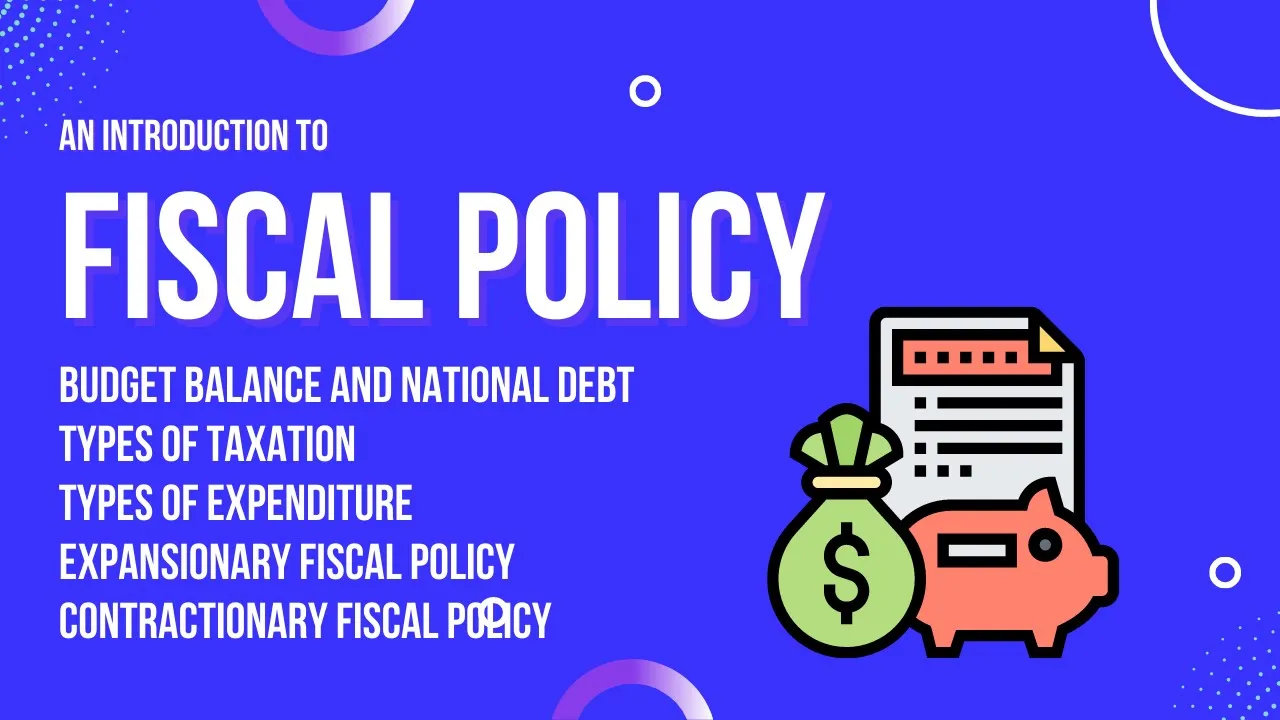
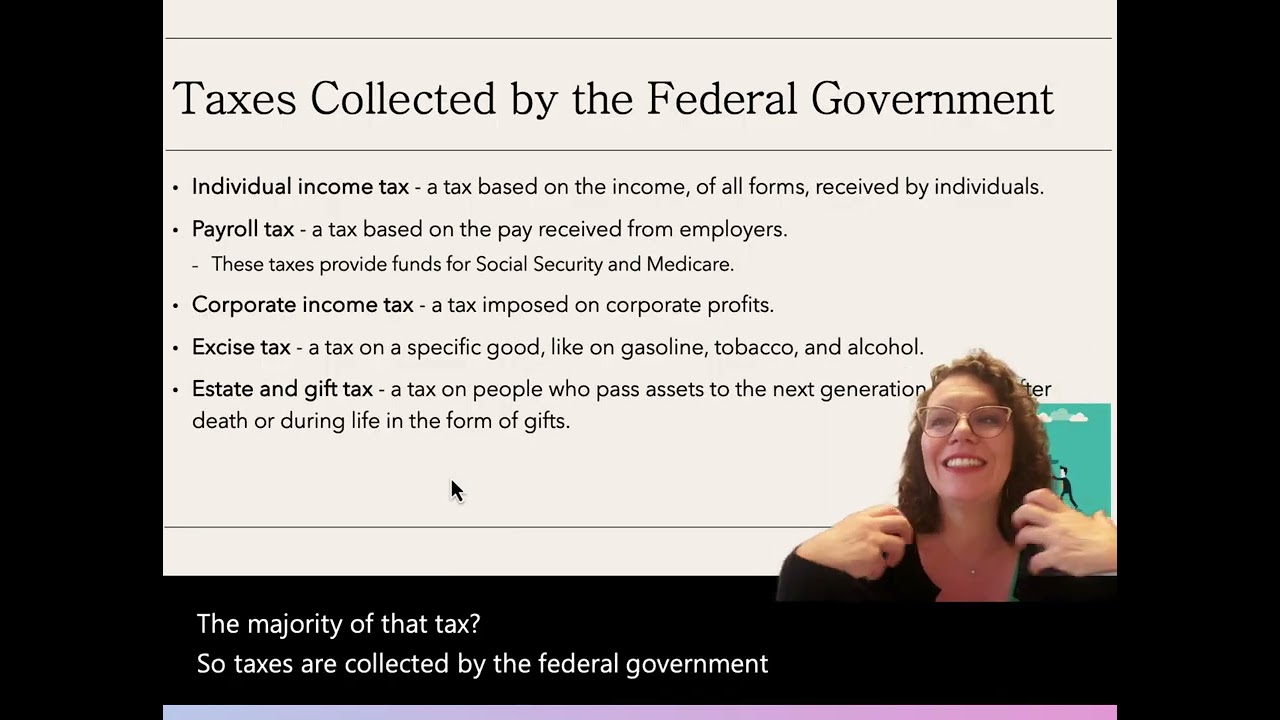
Basic principles of fiscal policy, including government budgeting, taxation models, and national debt.
Fundamental concepts of labor economics, particularly labor supply, work incentives, and structural unemployment.
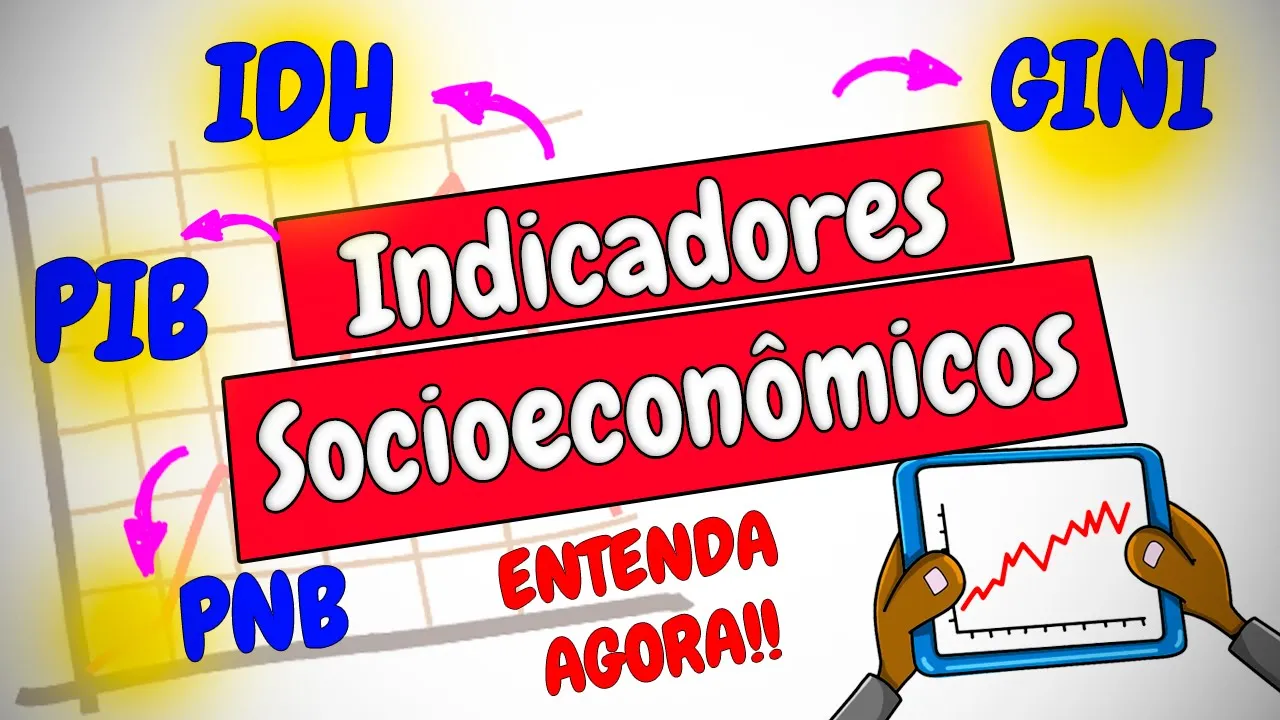
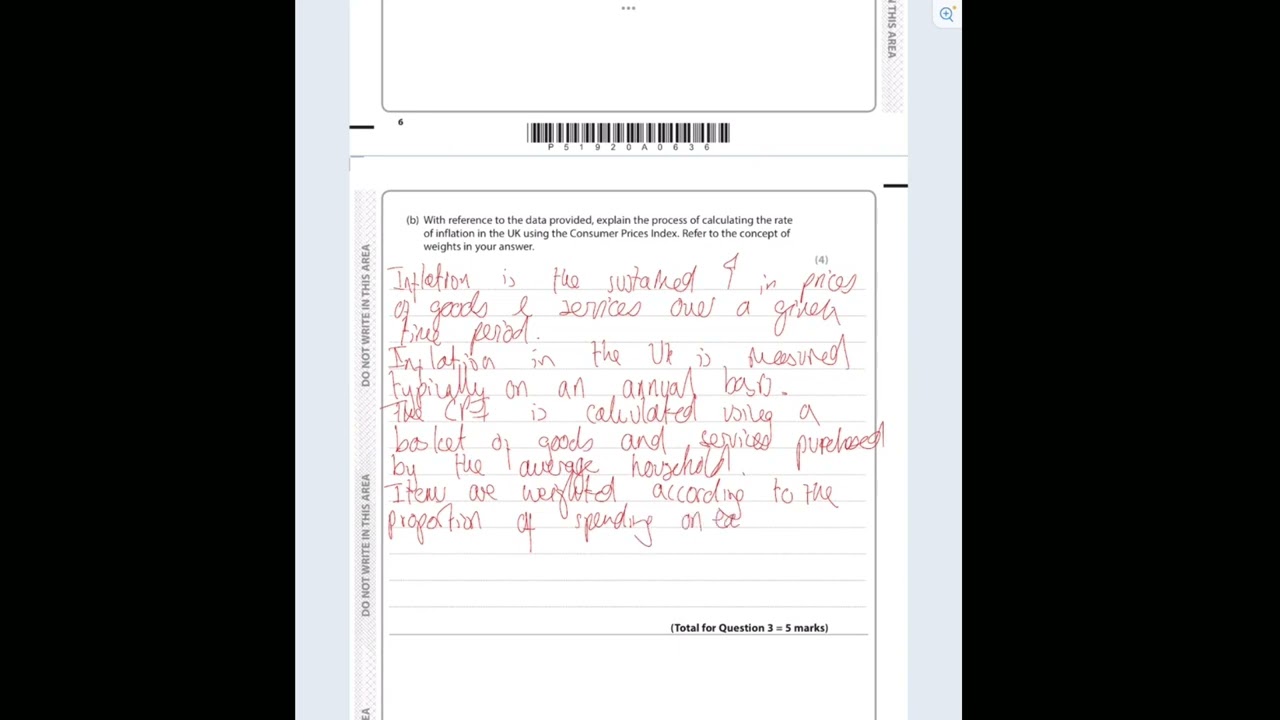
Key socioeconomic indicators such as the poverty line, inflation, and income inequality metrics (e.g., the Gini coefficient).
The concept of a Negative Income Tax (NIT) as proposed by Milton Friedman, and how it compares to UBI in design and implementation.
The relationship between rapid automation, artificial intelligence, and the future viability of labor-market-independent income.
Alternative financing mechanisms for UBI, such as Sovereign Wealth Funds, carbon dividends, or digital data taxes.
Advanced macroeconomic modeling of UBI's long-term effects on consumption, inflation, national savings, and economic growth.
109K views1.8Klikes4:35Original Release: 2017-12-28
Do you guys want some free money?
Excuse me, would you like some free money? Free money?
No, thank you.
No?
Free money?
Free money!
It's free!
I'll take some for my friend too.
You can take some for your friend.
Okay, thank you.
Would you like some free money sir? Okay, wow, we've got a lot of takers here.
Handing out free money sounds like a pretty radical idea.
But it’s actually an economic concept gaining a lot of traction around the world.
We're talking about universal basic income.
Universal basic income is pretty much what the name suggests, an income for everyone in the form of a cash transfer. No strings attached.
Finland is among a handful of countries experimenting with universal basic income as a way to address unemployment in the country.
Meet our fictional character Leena.
She works in a salmon factory in Finland.
Then an economic downturn hits. People can’t afford to buy as much salmon, and Leena loses her job.
Under the universal basic income scheme, Leena would get around $650 a month from the government.
She can use that $650 to cover living expenses while she looks for a new job.
But even once she gets a new job, she would continue to receive the cash.
A key feature of the universal basic income is that you can spend the money however you like.
So in the Finland example, you could take that $650 and spend it on about a third of month’s rent here in Helsinki.
Or you could spend it on 100 cans of smoked herring and 26 bottles of red mulled wine mix.
We’ll take 26 of these, please.
The idea of handing out cash to every citizen isn’t new.
Philosopher Thomas Paine proposed the idea of payments to every person all the way back in 1797.
Martin Luther King Junior fought for a guaranteed income in the 1960s.
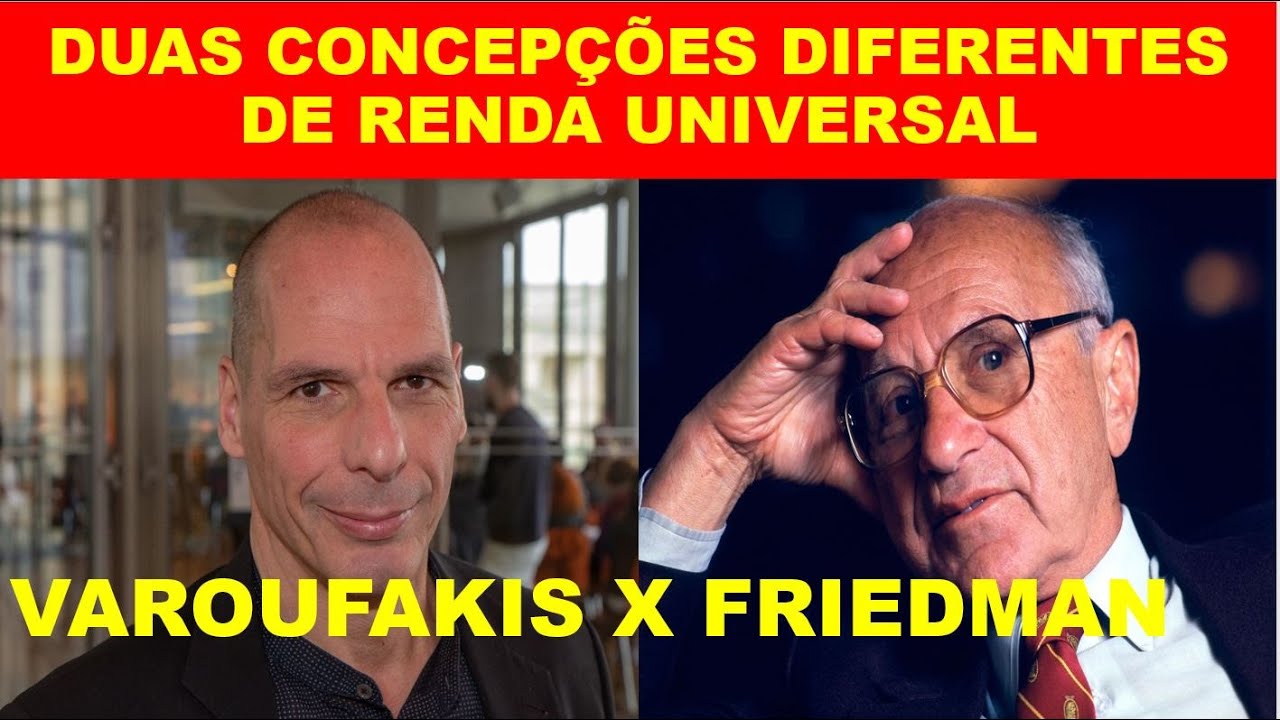
And even free-market champion Milton Friedman endorsed the negative income tax, similar to basic income, as a way to reduce welfare costs and bureaucracy.
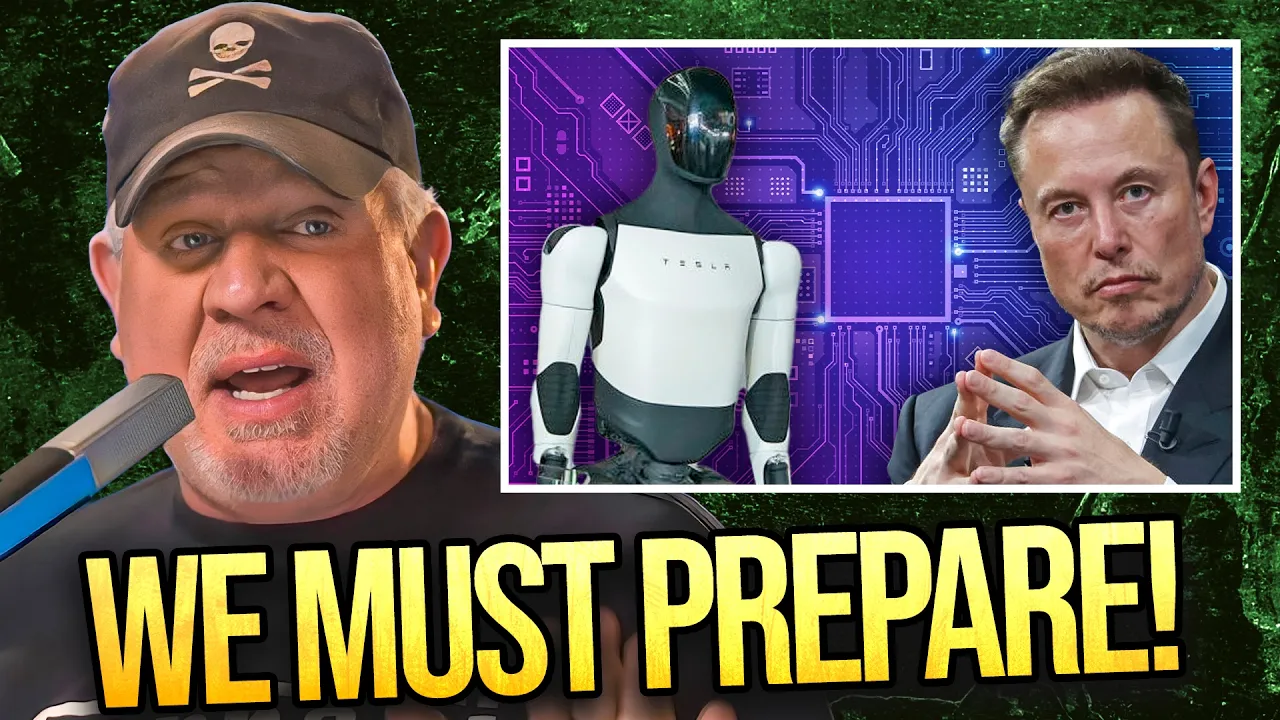
But lately tech titans in Silicon Valley, like Elon Musk and Mark Zuckerberg, are some of the biggest advocates of the idea.
They argue a universal basic income could provide a cushion to an estimated millions of people who could lose their jobs if they're replaced by automation or by robots.
Hello!
It’s clear robots are already changing the future of work.
Some in Silicon Valley say universal basic income could give workers an opportunity to retrain for today’s workforce.
Other advocates say a basic income would alleviate poverty and help address growing income inequality across the developed world.
It could give people freedom to start their own business, or flexibility to pursue creative interests.
The idea has support across the political spectrum, from libertarians who say it would simplify the existing social welfare state, to socialists who want to redistribute wealth toward the lower and middle class.
Finland isn’t the only country experimenting with universal basic income.
Other trials are underway in the Netherlands, Kenya, Canada and the United States.
But not everyone is crazy about the idea.
Critics say universal basic income could actually disincentivize people like Leena from getting another job if they know they’re getting paid not to work.
And of course there’s the big fat question of how to pay for universal basic income.
If every person here in Finland got that $650, it would cost the government more than $3.5 billion per month.
That number would be in the trillions of dollars per year in the United States, where the population is much bigger.
And labor economists argue basic income would need to be a lot more than $650 to have a meaningful impact.
Research from the OECD shows that if the existing system of social and unemployment benefits was eliminated or reduced to pay for a basic income, poverty could actually increase.
Other critics say there’s no reason that people who are already well-off should be getting more cash from the government.
So it’s not looking like free money is going to become the norm for everyone anytime soon.
Hey everyone it’s Elizabeth. Thanks so much for watching!
You can check out more of our videos over here.
We’re also taking your suggestions for future CNBC Explains, so leave any of your ideas in the comments section.
And while you’re at it, subscribe to our channel.
Bye for now!
Up Next

27:42
Post-AGI Economics: Capital, Labor, and Societal Impact
@matthew_berman
101.1K views•2025-01-08
5:07
Impact of Yuan in Indo-Russian Trade Amid Sanctions
@WION
261.9K views•2022-07-01
10:33
Behavioral Economics Explained: Rationality, Nudges, and Risk
@crashcourse
1.1M views•2016-03-12

113:18
The Age of Easy Money: Fed & Inflation | Full Documentary
@frontline
21.2M views•2023-03-15
Related Study Plans & Knowledge Roadmaps
Structured learning paths in Economics
economics
Sovereign Debt: Defaults, IMF & Restructuring
01Introduction to Sovereign Debt & Government Bonds
02Debt Sustainability & Credit Ratings
03Anatomy and History of Debt Crises
+ 2 more learning modules
12h5 modules
Explore Roadmap
economics
Market Design: Matching Theory & Gale-Shapley
01Introduction to Market Design and Price-Free Markets
02Two-Sided Matching & The Gale-Shapley Algorithm
03School Choice Systems and Mechanism Design
+ 2 more learning modules
10h5 modules
Explore Roadmap
economics
Impossible Trinity: Forex, Capital & Policy
01Introduction to Monetary Policy and Central Banking
02Exchange Rates and International Capital Flows
03The Mundell-Fleming Model
+ 2 more learning modules
8h5 modules
Explore Roadmap
economics
Healthcare Economics: Market Failures & Systems
01Introduction to Healthcare Markets and Market Failure
02Asymmetric Information and Adverse Selection
03Moral Hazard and Insurance Design
+ 2 more learning modules
12h5 modules
Explore Roadmap