















Migratory birds follow established flyways—ancient routes that connect breeding and wintering grounds across continents—and scientists use banding and satellite tracking to study these patterns, revealing that climate change is causing birds to alter their migration timing and routes, making them valuable indicators of ecosystem health and informing conservation efforts to protect critical habitats along their migratory paths.
Bird Migration and Climate Change: The Pacific Flyway Explained
Added:Understanding of the basic biological drivers of seasonal avian migration, such as breeding cycles, food availability, and photoperiodism.
Familiarity with the general concept of ecological flyways and how geographic barriers and corridors shape animal movement.
A foundational grasp of climate change mechanics, specifically how rising global temperatures affect seasonal timing (phenology) and weather patterns.
Basic knowledge of the ecosystems along the western coast of North America, including wetlands, estuaries, and forests that serve as key habitats.
Investigation of 'phenological mismatch' and how asynchronous timing of bird arrivals and food resource abundance impacts survival rates.
Study of international conservation policies, treaties, and transboundary management frameworks needed to protect migratory species across borders.
Exploration of modern wildlife tracking technologies, such as satellite telemetry, geolocators, and the Motus Wildlife Tracking System.
Analysis of specific regional conservation case studies along the Pacific Flyway, such as the restoration of the Salton Sea or the Central Valley wetlands.
337.1K views1.2Klikes10:18Original Release: 2010-03-17
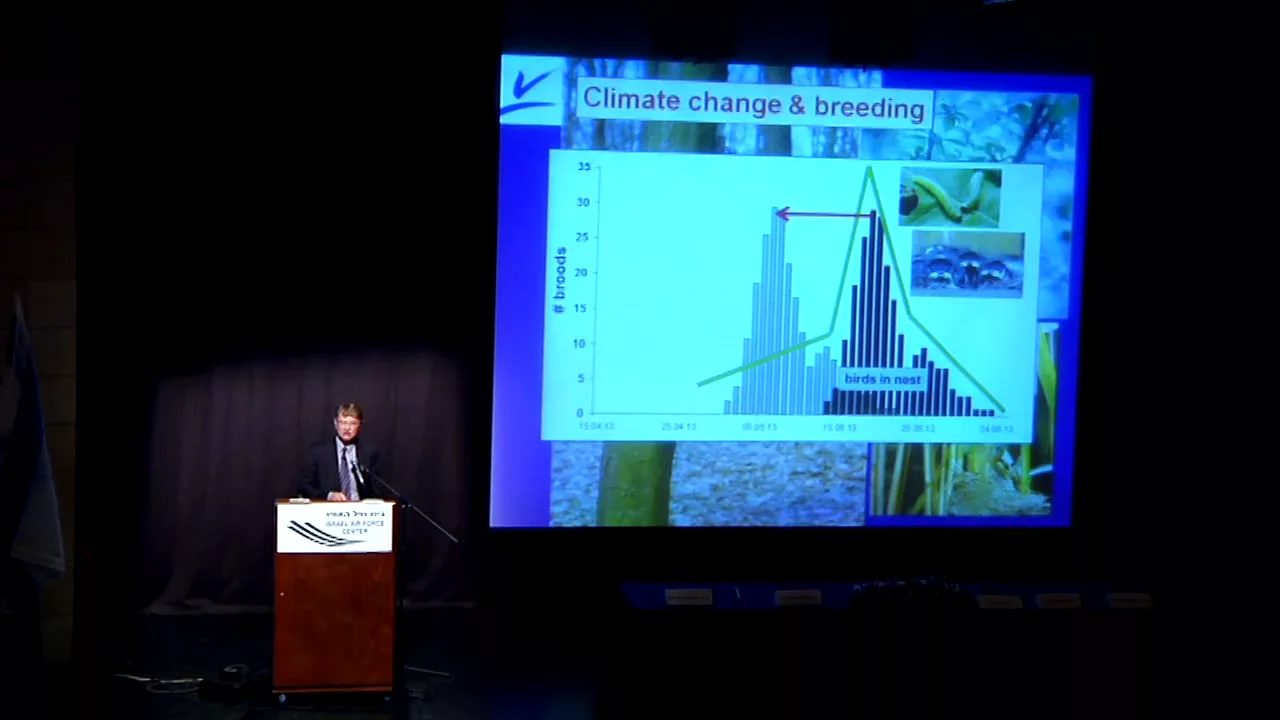
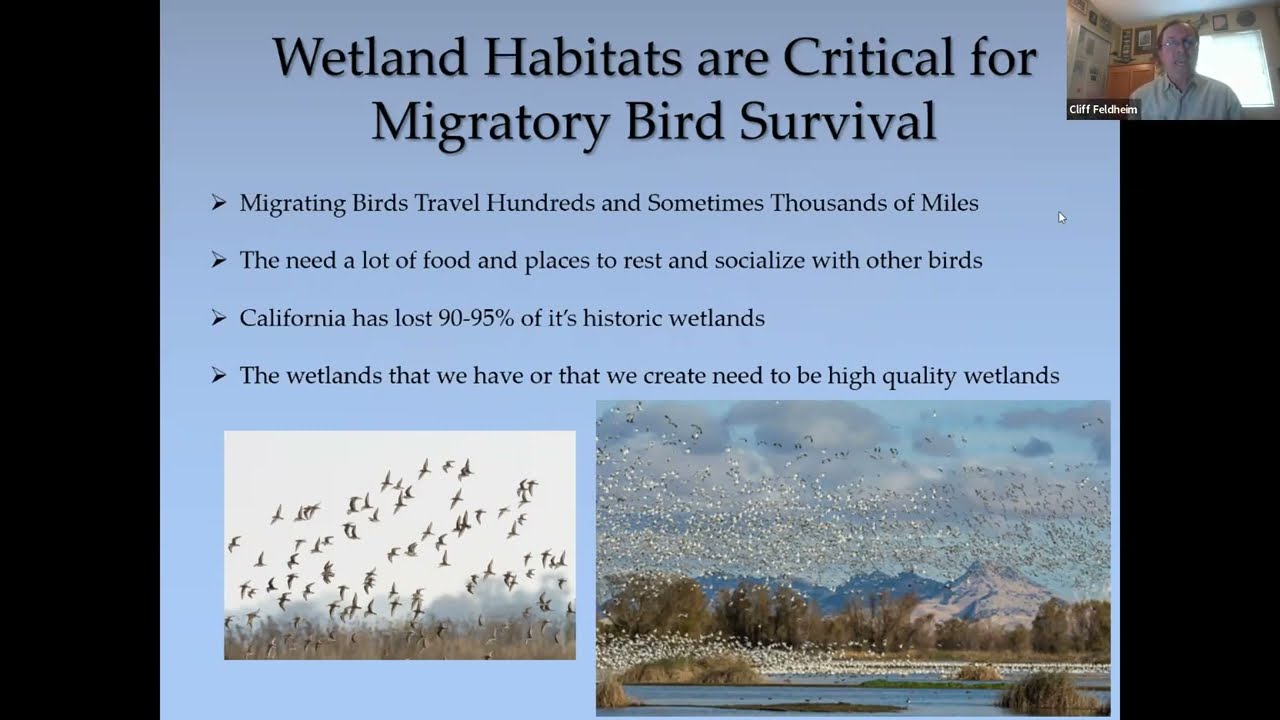
a KQED DHD [Music] production it starts with a distant call an ancient song heard through the rising Mist announcing the changing of the seasons for thousands of years and countless Generations they have flown this path arriving then departing providing a rhythmic pulse to the Natural World people's connection with birds and their migrations goes back thousands of years Aristotle commented on that and they speculated on bird migrations they definitely use uh bird migration as a timer for their Seasons the Robins showing up in your backyard and singing the geese that show up in the fall today scientists working in California's Central Valley are finding important links between bird migration and Global changes both natural and man-made understanding how birds use their environment and the routes they fly will help conservationists preserve and protect habitat the information that we're getting from uh understanding bird migration is a really powerful tool for us from an applied conservation perspective some of these birds are going from one end of the globe to the other and we we have limited conservation funds limited resources and so it allows us really to hone in on the key sites that are important to different migratory animals and to dedicate our resources to to those priority areas it's long been known that migrating birds follow the wings of their ancestors and use the same age-old flight pass scientists call these well-traveled routes flyways the whole Flyway concept was developed in the 1930s by a guy Frederick Lincoln who he was looking at band recoveries of waterfoul ducks and geese and uh and he found that birds were using these predictable corridors through the United States and he defined four corridors which he called flyways the Pacific the Central and Mississippi flyways and then the Atlantic Flyway up to 13 different flyways have been identified around the world the Pacific Flyway runs from the Arctic Circle to the tip of South America millions of birds from more than 300 different species make an annual Journey up and down the Pacific Corridor taking advantage of the best habitat conditions for breeding and foraging for food the Flyway in and of itself is a really interesting thing from an evolutionary perspective you might wonder why birds would travel such long distances and it turns out it's actually more energy efficient they migrate up to the north to capture the longer hours during the northern summer so because it's daylight for a much longer period they're able to forage for a longer period and that helps them to be more successful in nesting and also having larger numbers of eggs that successfully hatch and as those conditions change and the day length shortens they migrate back down to the southern regions that are more hospitable to overwinter no two species follow the same exact route some fly thousands of miles some just a short distance many Crossing paths in the San Francisco Bay and the Delta this is essential habitat for these longdistance Travelers for some birds it's their final destination for others a crucial rest stop as they make the trk further south you might even call the San Francisco Bay Area the Grand Central Station for birds on the Pacific Flyway it's really the meeting point for so many different bird species we have your waterfall that come down from the north we have smaller species like song bird we have Raptors that fly through and it's really just such a great mixing bow for all of these different species how birds navigate is still somewhat of a mystery some are genetically hardwired many use the Sun the stars and Landscape to guide them While others are in tune with the Earth's magnetic poles we don't fully understand how birds migrate and what might be their triggers for landing in the exact same place year to year but it is true that you can put up a net in the same place year to year and catch the same identical bird biologist Cheryl strong strong and her team from the US fish and wildlife service are banding songbirds at the Don Edwards Wildlife Refuge near newart California so this guy's band is 0170 one once they're banded if they're recaptured somewhere else then you get a lot of information about the movement of those birds you can also get information on survival and lifespan of those birds and also behavior of the birds Joe has a Hermit thresh which is a bird that Winters here it's actually really rare to know exactly where the same population of birds Winters and also breeds so if you can get that kind of information it's really valuable to if you have a declining species um such as a song bird or even a duck if you know what the threats are to that bird uh and either on its breeding grounds or on its wintering grounds and you can better help conserve that bird there he goes biologists are now concerned with reports that the majority of migrating song bird species are suffering population declines another report by the US Department of interior indicates half of America's migrating Coastal shorebird species are in Decline while population numbers of waterfoul vary from year to year many species of ducks and geese are fearing better Birds face many threats along the Pacific Flyway from pollution to habitat loss to get a more comprehensive view of exactly where the birds go and what they face on their migration scientists are employing sophisticated radio and satellite tracking devices there's several ways you can track a migratory bird one way is using a satellite transmitters which this is a 12 G satellite transmitter that's attaches to a bird's back powered by a solar cell the device can send information via satellite for months even years providing scientists a way to actively follow individual birds last summer biologists trapped in Satellite tagged long build curus on their nesting grounds in the Prairies of Montana long bill cillo is the largest shore bird in North America and it breeds in the Prairies and in the Great Basin and then it migrate 600 to 1200 mil South and a lot of them come to the Central Valley of Califoria and we became very interested in how important is the Central Valley for the wintering long build curus we found the curus very dependent on agricultural lands and particularly they like Alfalfa biologists released the curus in Montana and have tracked them as they've traveled down to their winter home west of Sacramento we've had about 10 longb built curlers in the valley that we've monitored over the past three years and we found interestingly they're very sight faithful from one year to the next there's concern about the Kur is because they're so dependent on man-made habitats much more than a lot of other species changes in habitat or climate can impact and disrupt the rhythm of migration in 2009 a National aabon Society study found that more than 150 species of migratory birds are wintering further north than they were 40 years ago there's a lot of talk lately about migration phenology which is basically the timing of migration based on what's happening in the environment and that the chance that that will change because of climate change so the cues that birds use to migrate are changing and it might make them migrate too soon or too late and the danger is uh that they could arrive to the breeding ground at the wrong time migratory birds are the proverbial Canary in the coal mine a warning signal of the failing health of our ecosystems small shifts in their patterns are telling us that the rhythm of the natural world is changing and those environmental changes will affect all life on this planet I think it's valuable to study birds they one of the best interfaces between man and the environment the real ability of birds and all the different things they do needs to be appreciated by the public so they want to conserve them the reason I study birds is because I want to preserve the beauty of the Earth
Up Next
6:20
Echolocation Explained: How Animals Use Sound to See
@BBCEarthExplore
237.1K views•2017-07-27

50:12
Bacterial Communication: Quorum Sensing and Biofilm Formation Explained
@JHUAAP
12.6K views•2011-06-28
5:31
How Coral Spawning Creates Reefs
@KQEDDeepLook
216K views•2024-02-06

7:08
Bacteriophages: Earth's Deadliest Killers and Future Antibiotics
@kurzgesagt
34.6M views•2018-05-13
Related Study Plans & Knowledge Roadmaps
Structured learning paths in Biology
biology
RNAi: Biogenesis, RISC & Gene Silencing
01Molecular Biology Foundations: DNA to Protein
02Introduction to RNA Interference (RNAi)
03Molecular Biogenesis of miRNA and siRNA
+ 2 more learning modules
10h5 modules
Explore Roadmap
biology
Mycorrhizae: Signaling, Biophysics & Ecology
01Foundations of Mycorrhizal Symbiosis
02Molecular Signaling and Root Colonization
03Biophysics and Bioenergetics of Nutrient Exchange
+ 1 more learning modules
11h4 modules
Explore Roadmap
biology
Circadian Clocks: TTFL, SCN & Periphery
01Foundations of Molecular Biology & Gene Expression
02Introduction to Chronobiology and Actograms
03The Core TTFL: Molecular Architecture of the Clock
+ 3 more learning modules
14h6 modules
Explore Roadmap
biology
Population Genetics: Math, Drift & Selection
01Genetic & Probability Foundations
02The Hardy-Weinberg Principle and Baseline Models
03Mathematical Modeling of Natural Selection
+ 3 more learning modules
18h6 modules
Explore Roadmap