![AP Psychology Unit 1 Review [Everything You NEED to Know]](https://i.ytimg.com/vi_webp/4yvfd8aoUBc/maxresdefault.webp)

















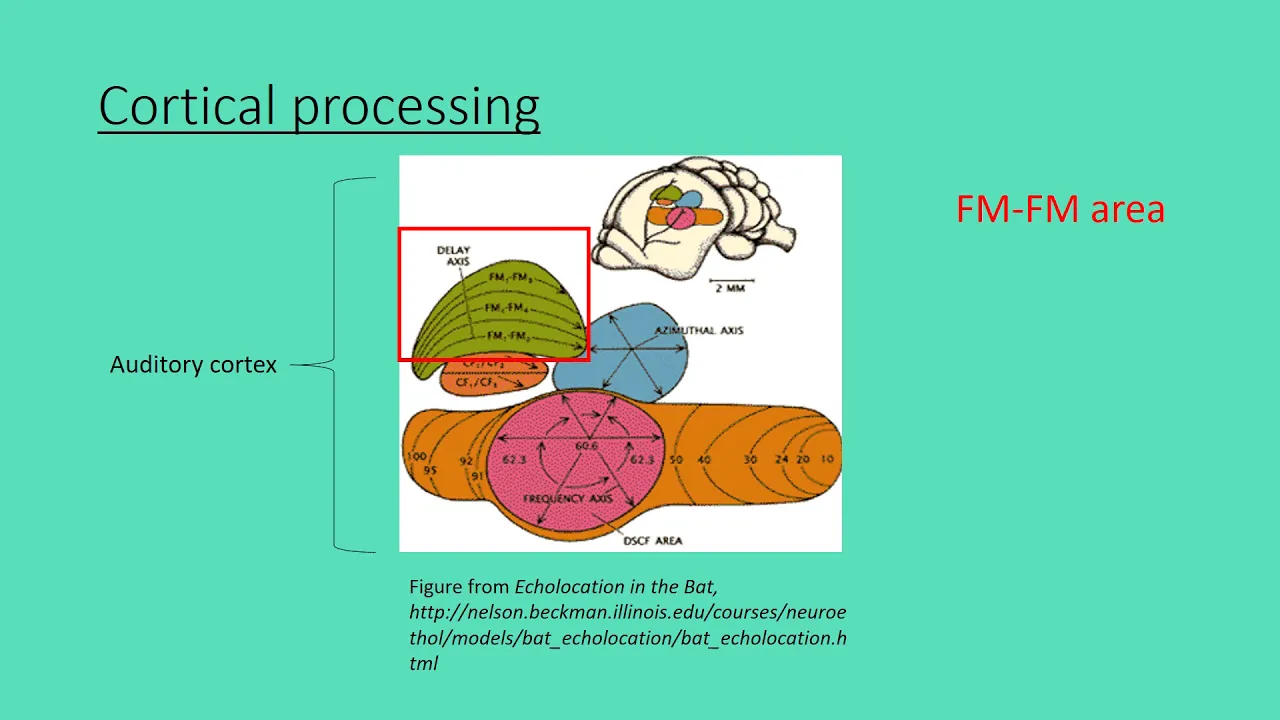







Echolocation is a biological sonar system where animals emit high-frequency sounds that bounce off objects and return as echoes, allowing them to determine the size, distance, location, and movement of objects in their environment; bats use this technique by emitting ultrasound clicks up to 200 times per second and interpreting echo timing, intensity, and Doppler shifts to navigate and hunt in darkness, while toothed whales like dolphins and sperm whales employ similar principles underwater, where sound travels four times faster than in air, enabling them to detect prey and navigate in complete darkness; humans can also learn to echolocate by clicking their tongue and listening to returning echoes, activating visual brain regions to form mental images of their surroundings.
Echolocation Explained: How Animals Use Sound to See
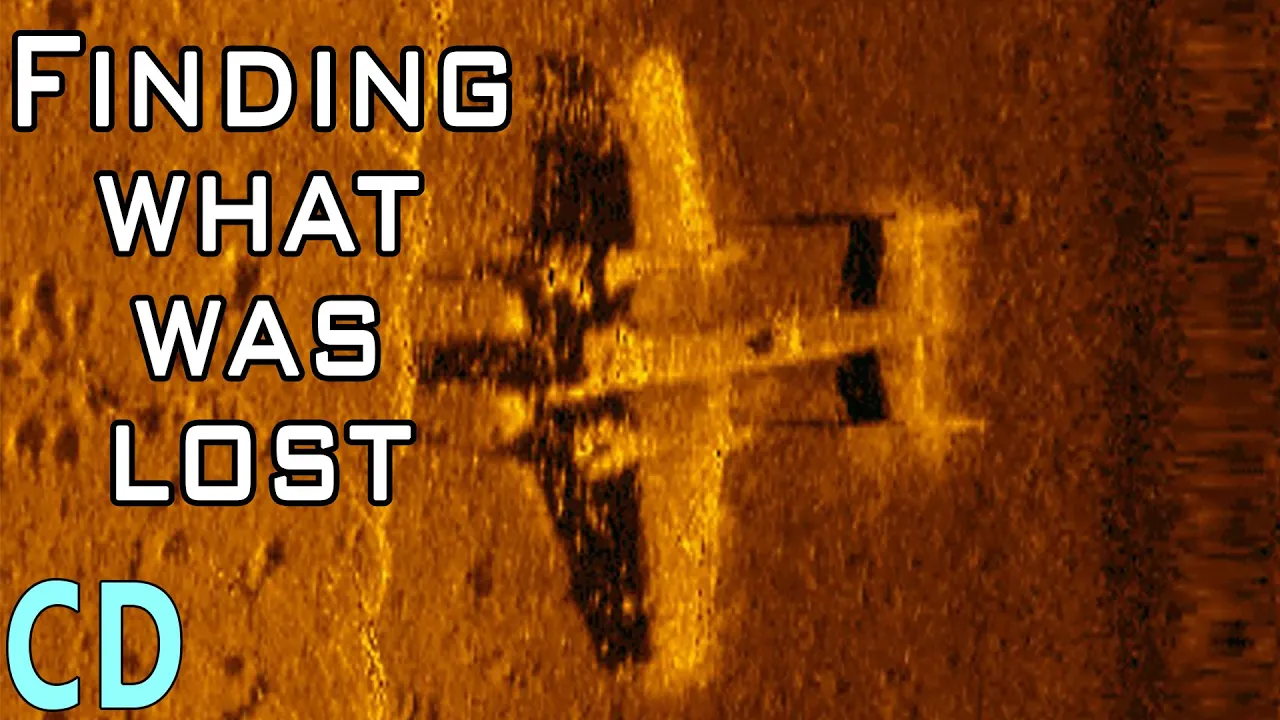
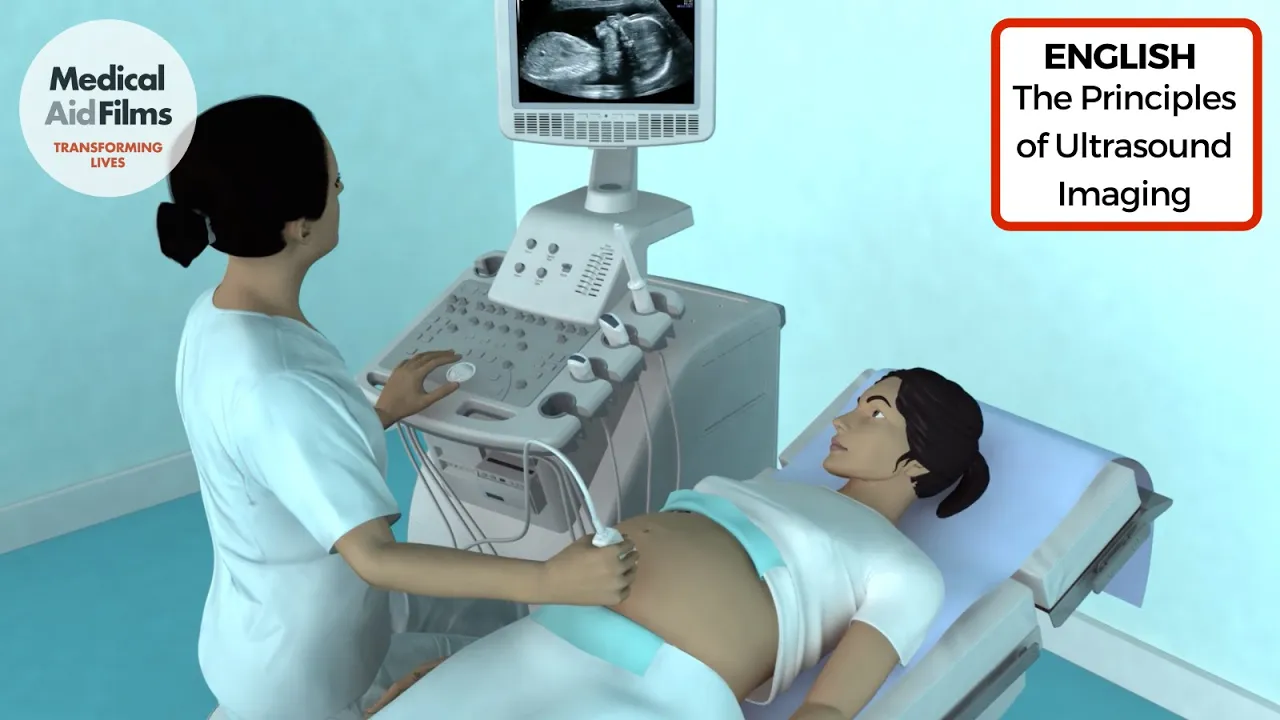
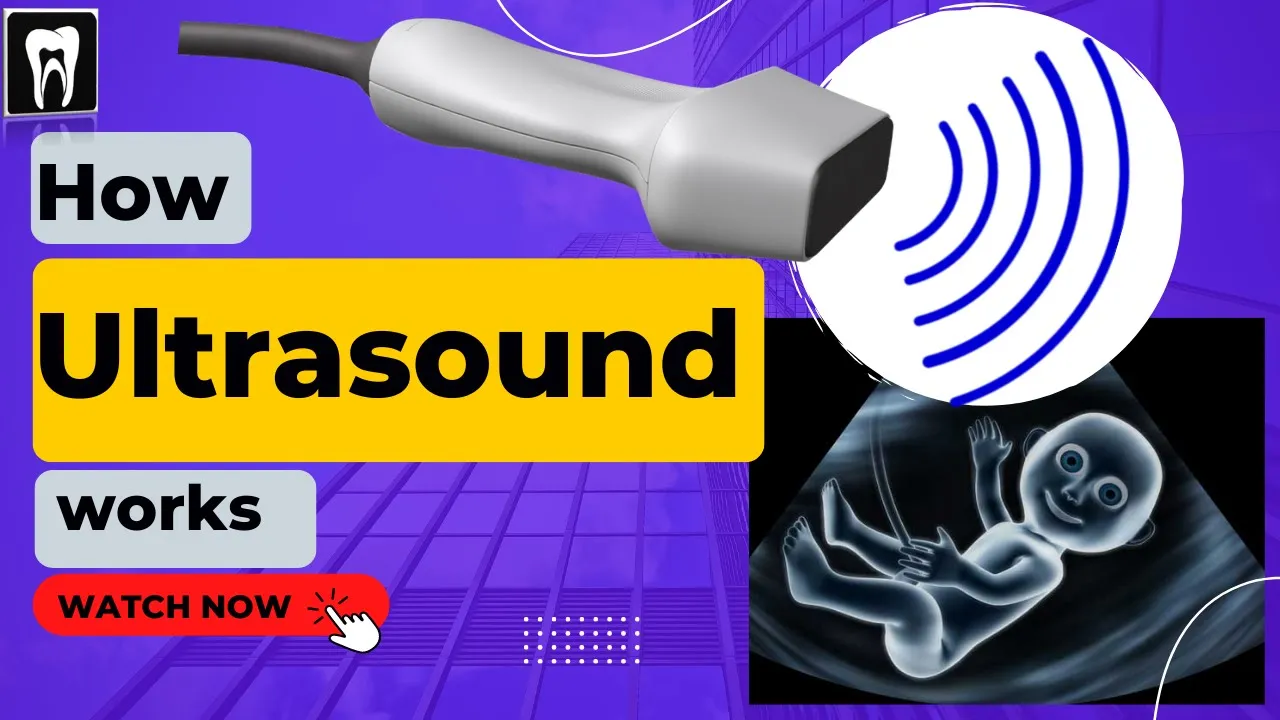
Added:when it comes to getting around pretty much all animals rely on sight to figure out what's around them where their next meal is and what obstacles might be in their path light from luminous sources like the sun bounces off the objects around us and some of it enters our eyes allowing us to see but what happens when there's not enough light to see by a few animals have evolved a versatile technique that uses sound rather than light to build a picture of their surroundings the technique is called echolocation and it's the source of success for animals in the air on the ground and underwater but how does it work some of the most famous echolocators are bats the saying blind as a bat is a bit of a misnomer because bats have perfectly good eyesight but their 2020 Vision doesn't do them much good when it comes to hunting in the dark instead they let out a series of very high-pitched clicks or squee that are so high pitched that they're beyond the range of human hearing which is known as ultrasound now sound travels as a compression wave through the air like this and just like light when a sound wave hits an object in this case it's my hand it bounces back and it's that bounce back that we know as an echo and bats and other echolocators are specially tuned to the properties of these Echo to get a good idea of their Sur roundings special muscles in the bat's throat allow them to make ultrasound clicks up to 100 90 times every second and their ears are specialized with folds that make them super sensitive of the direction of any sounds around them the speed that an echo returns to them tells them the distance to the nearest object if it comes back quickly the object is closer because the sound hasn't had to travel as far the intent ity of the returning sound also gives an indication of the size of the object if it's small some of the sound waves will go past either side and the returning Echo will be just a whisper and if the right ear receives the echo before the left ear the bat can know that the object is to the right of them and vice versa bats can even figure out the direction that an insect is moving from the change in Pitch of the returning Echo if it's moving towards them the sound waves get squashed up and become higher in pit if it's moving away the returning Echo will be lower pitched this is known as the Doppler effect which we experience when an ambulance sounding its Sirens speeds past us putting all of this together means a bat can figure out the size location proximity and motion of their prey with pinpoint accuracy processing the information from The Echoes automatically like we process the information from our eyes but while bats may be the master of the Dark Skies the waters belong to the odonto seti that's toothed whales like dolphins sperm whales and orcas this group of marine mammals have also harnessed the power of echolocation to navigate and hunt in deep dark or murky Waters sound actually travels more than four times faster in water than in air making underwater echol location a fast-paced and Deadly Affair Dolphins let out ultrasonic clicks by pushing air through their nasal passage these last just 100 microc seconds that's a 10,000 of a second but can help them locate objects as small as a can of tuna from a distance equivalent to the length of two football pitches the sperm whale also owes its successes as well as its massive head to echolocation the bulk of its head is filled with a special waxy substance called spermac setti the whale generates sounds at the front of the head and the sound waves travel back into the head to be reflected off a plate on their skull that's shaped like a satellite dish this focuses the sound waves into a narrow powerful beam for more accurate pointing some male spurn whales can produce audible clicks that are as loud as 230 DB much louder than a Jet Plane which help them to hunt depths of more than a kilometer far beyond the reach of sunlight while these animals have evolved to be masters of their art the wonders of seeing with sound aren't beyond the reach of humans either Daniel here is blind but has taught himself to echolocate and it's been helping him to get around independently for over 40 years he clicks his tongue against the roof of his mouth and listens for The Echoes coming back then just like the animal Echo locators he's able to form a picture in his mind of the landscape around him these trees are very high the trunk is actually fairly uniform it's almost like a pole and it really is a picture Studies have shown that when blind people echolocate they're activating the visual parts of their brain just as if they were seeing with their eyes that it's not only blind people who can benefit from echolocation the principal has been turned into some pretty useful technology sonar is used by ships to navigate find fish shs and even search for shipwrecks it works just the same as animal echolocation as sound waves are sent down into the water to be reflected of any objects there the time it takes for the echo to come back tells you how far away the fish submarine or ocean floor is and on a smaller scale ultrasound scans use exactly the same method to create images of fetuses developing in the womb echolocation really is amazing so why not try it yourself the next time you find yourself in a dark room ow that might take some practice if you enjoyed this video make sure you click like subscribe and click on that Bell icon to get notified the next time we upload a video and I'll see you soon or should I say he you soon no
Up Next

The Science of Barotrauma: How Wind Turbines Kill Bats
@morceguismos
3.3K views•2008-08-30

Bacterial Communication: Quorum Sensing and Biofilm Formation Explained
@JHUAAP
12.6K views•2011-06-28

Enteric Nervous System Explained: The Gut's Brain | Neurobiology Lecture
@alumniu6029
438 views•2018-09-12

Bacteriophages: Earth's Deadliest Killers and Future Antibiotics
@kurzgesagt
34.6M views•2018-05-13
Related Study Plans & Knowledge Roadmaps
Structured learning paths in Biology