
























University of Calgary researchers discovered that bats are dying from barotrauma (internal lung injuries) at wind turbines in Alberta, not from blade strikes; the pressure drops cause lung overexpansion, blood vessel rupture, and fluid accumulation, leading to drowning, with significant implications for North American ecosystems since bats are migratory mammals.
The Science of Barotrauma: How Wind Turbines Kill Bats
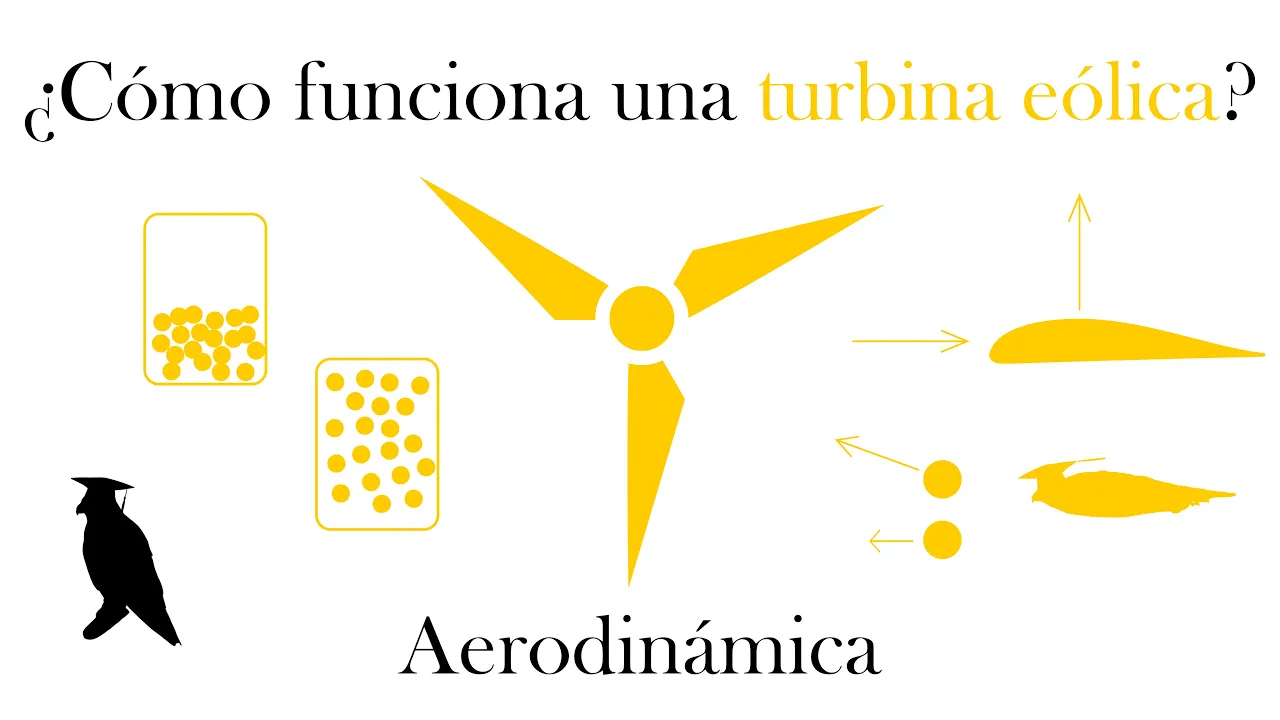
Added:Bernoulli's Principle and Fluid Dynamics: How the movement of air over turbine blades creates localized zones of rapid pressure drops.
Mammalian Respiratory Physiology: The structure of mammalian lungs (specifically of bats) and their vulnerability to rapid volume changes compared to the more rigid respiratory systems of birds.
Boyle's Law and Gas Behavior: The physical relationship between pressure and volume, which explains why gases inside a closed cavity expand when external pressure drops.
Wind Turbine Aerodynamics: Understanding that the tips of wind turbine blades move at much higher speeds than the hub, creating extreme pressure gradients.
Wildlife Mitigation Technologies: Exploring solutions such as ultrasonic acoustic deterrents and smart curtailment strategies to keep bats away from active turbines.
Ecological and Economic Impact Assessment: Analyzing the broader environmental consequences of bat mortality, particularly their role in insect pest control and pollination.
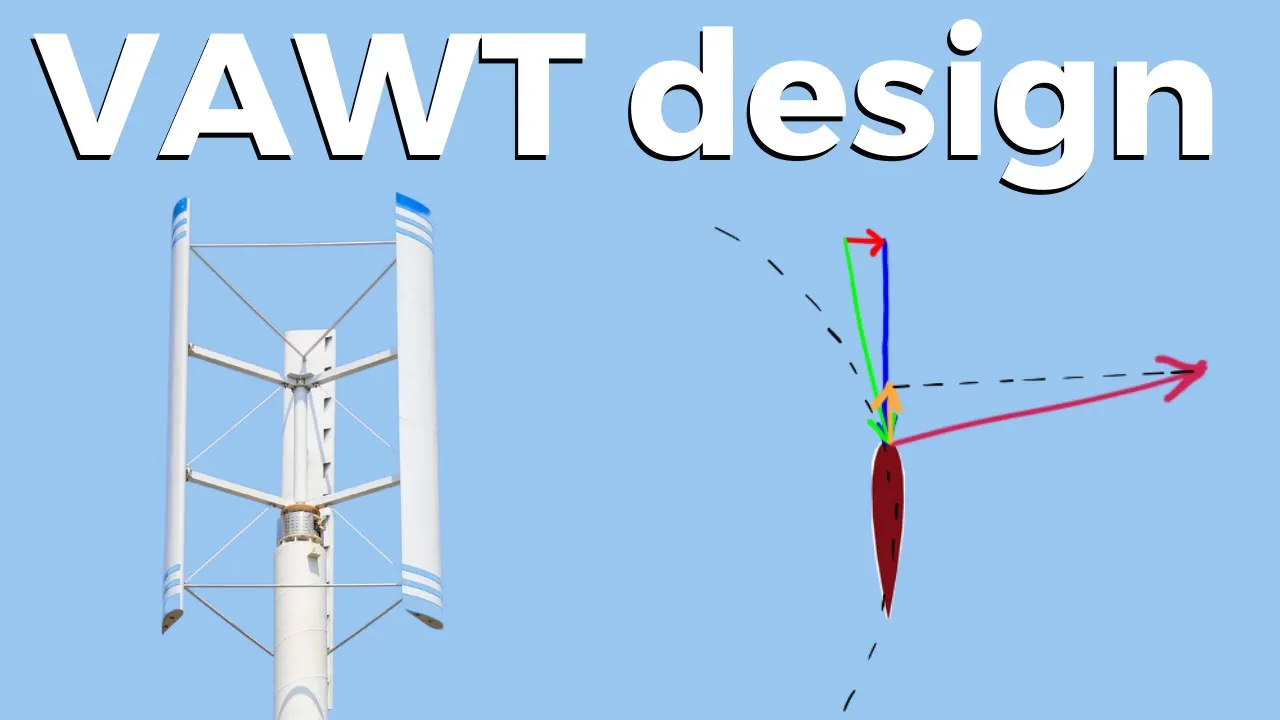
Aerodynamic Turbine Design: Researching next-generation blade designs and vertical-axis wind turbines that minimize extreme pressure drops.
Comparative Barotrauma and Decompression: Studying similarities between turbine-induced barotrauma in bats and decompression sickness (the bends) in scuba divers or blast injuries in military medicine.
3.3K views12likes3:42Original Release: 2008-08-30
news as it happens from the University of Calgary you see this is now in alberta historically we found less than one bat per turbine per year very low numbers and then there was a new site built a new facility built and in 2005 large numbers of bats were found at that turbine I believe the estimate was 18 bats per turbine at that facility and the owners and operators at that facility then contacted us and said something new is happening something strange is happening something that's never happened in Canada or Alberta is happening Oh could you please help us and then that's where we got involved and this is sort of my master's program which I did then did in 2006 and 2007 where I went out to that high fatality site and tried to determine some of the causes and some of the patterns and variations some of that fatality we went out to wind energy sites in southwestern Alberta and we walked around the turbines looking for bat carcasses and in 2006 what I noticed was a large number of the bat carcasses we found had no injuries they didn't look like anything had happened to them they were laying on the ground no broken wings no other sorts of injuries you'd expect if they were struck by these large blades so these blades are each 140 meters long and the tips of them can move 250 kilometers an hour so something very large very fast you'd expect these relatively small animals to look rather beat-up if they were struck but we weren't finding that at all so in 2007 I hired brennon Klug who has a history of dissections it's a master degree in zoology and we started looking internally at these bats bats that had no external injuries cutting them up and looking at to see what was happening inside and what we found was that a large proportion of these bats internally had severe hemorrhaging so they were full of blood inside which is not normal so we took that a little farther and we sent it to a veterinary pathologist genevieve d'amours and she found the same things that we had seen that the blood vessels in the lungs had actually burst and the lungs were filling full of fluid filling full of blood and that all those are injuries consistent with barrow trauma or with flying through an area or the pressure drop strand dramatically what happens then basically the lungs over expand and it causes breakages in all the small blood vessels around the lungs and so essentially the bats are dying from drowning their lungs are full of fluid and full of blood and they can no longer breathe nobody expected bats with the amazing echolocation ability and the ability to see these structures nobody expected them to fly well either a near turbines and then be killed by turbines we didn't expect it so that was a surprise to researchers and Industry alike and then to discover that they're not being struck nor are they cladding with the blades and they're actually dying from this internal injury that again was a big surprise to besides we back that bats are just fantastic they're the only mammal that flies they perform very important roles in the ecosystem because these bats are migratory and they migrate from Canada potentially to Mexico what happens to bats in Canada can have implications for ecosystems in Mexico or the southern United States for example so this really is a bigger issue than just some bats dying at turbines in Alberta this potentially has impacts on North American ecosystems
Up Next
54:10
How Birds Fly: Biomechanics & Aviation Inspiration
@museumofflight
37.2K views•2015-06-09
50:12
Bacterial Communication: Quorum Sensing and Biofilm Formation Explained
@JHUAAP
12.6K views•2011-06-28

5:35
Enteric Nervous System Explained: The Gut's Brain | Neurobiology Lecture
@alumniu6029
438 views•2018-09-12

7:08
Bacteriophages: Earth's Deadliest Killers and Future Antibiotics
@kurzgesagt
34.6M views•2018-05-13
Related Study Plans & Knowledge Roadmaps
Structured learning paths in Biology
biology
RNAi: Biogenesis, RISC & Gene Silencing
01Molecular Biology Foundations: DNA to Protein
02Introduction to RNA Interference (RNAi)
03Molecular Biogenesis of miRNA and siRNA
+ 2 more learning modules
10h5 modules
Explore Roadmap
biology
Mycorrhizae: Signaling, Biophysics & Ecology
01Foundations of Mycorrhizal Symbiosis
02Molecular Signaling and Root Colonization
03Biophysics and Bioenergetics of Nutrient Exchange
+ 1 more learning modules
11h4 modules
Explore Roadmap
biology
Circadian Clocks: TTFL, SCN & Periphery
01Foundations of Molecular Biology & Gene Expression
02Introduction to Chronobiology and Actograms
03The Core TTFL: Molecular Architecture of the Clock
+ 3 more learning modules
14h6 modules
Explore Roadmap
biology
Population Genetics: Math, Drift & Selection
01Genetic & Probability Foundations
02The Hardy-Weinberg Principle and Baseline Models
03Mathematical Modeling of Natural Selection
+ 3 more learning modules
18h6 modules
Explore Roadmap