






















This video provides a comprehensive review of Unit 1 in AP Psychology, covering the biological foundations of behavior including the nature vs nurture debate, the nervous system structure and function, neural transmission processes, major brain structures and their functions, sleep stages and theories, and the five senses with their respective mechanisms of sensation and perception.
AP Psychology Unit 1: Biological Basis of Behavior Review
Added:Basic cellular biology, including the structure of a eukaryotic cell and how cell membranes function.
Foundational genetic concepts, such as DNA, genes, chromosomes, and the basic principles of inheritance.
An understanding of evolutionary theory and natural selection as it applies to organism adaptation and survival.
Familiarity with the scientific method and how experimental research is conducted in psychology to study human behavior.
Sensation and Perception, focusing on how the brain processes, organizes, and interprets sensory input using top-down and bottom-up processing.
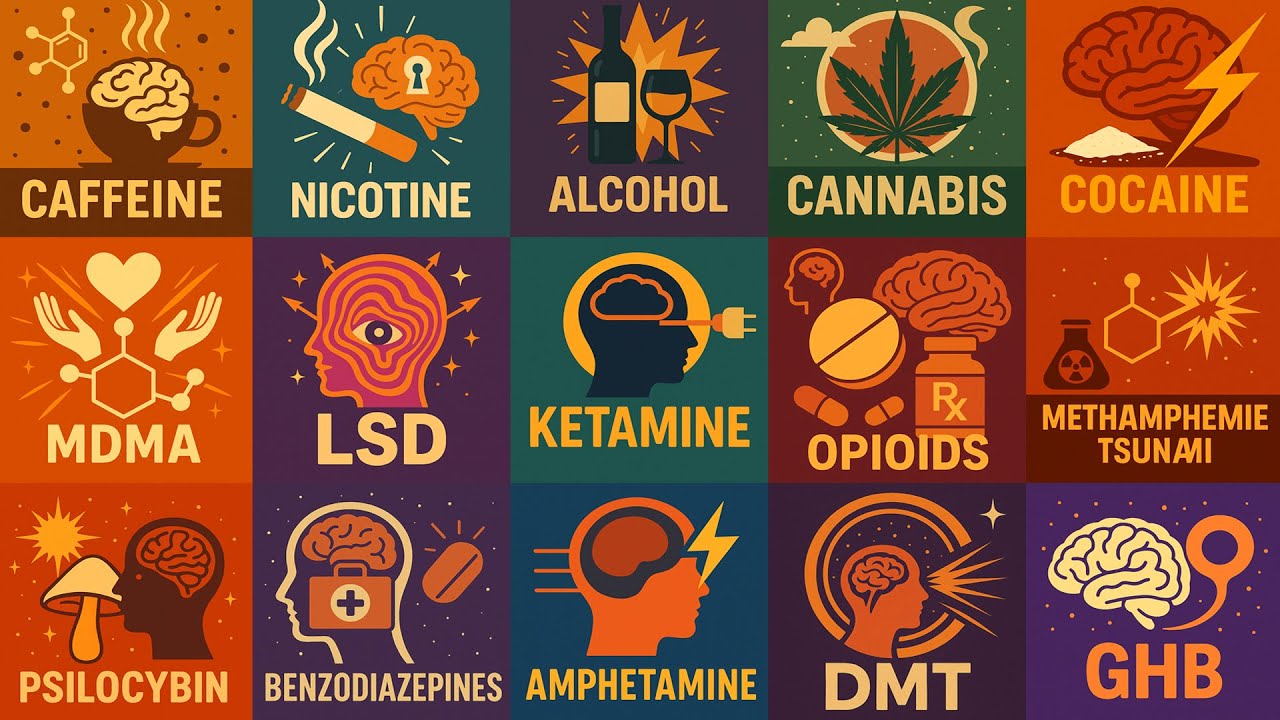
The physiological and psychological impact of psychoactive drugs on neurotransmission and states of consciousness.
Cognitive psychology concepts, specifically how neural networks facilitate learning, memory consolidation, and long-term potentiation.
The biological underpinnings of psychological disorders (e.g., depression, schizophrenia) and how psychotropic medications alter neurotransmitter levels as treatment.
Advanced neuroplasticity, exploring how the brain adapts to injury and the cognitive implications of split-brain research.
350K views4.8Klikes1:08:01Original Release: 2024-09-17
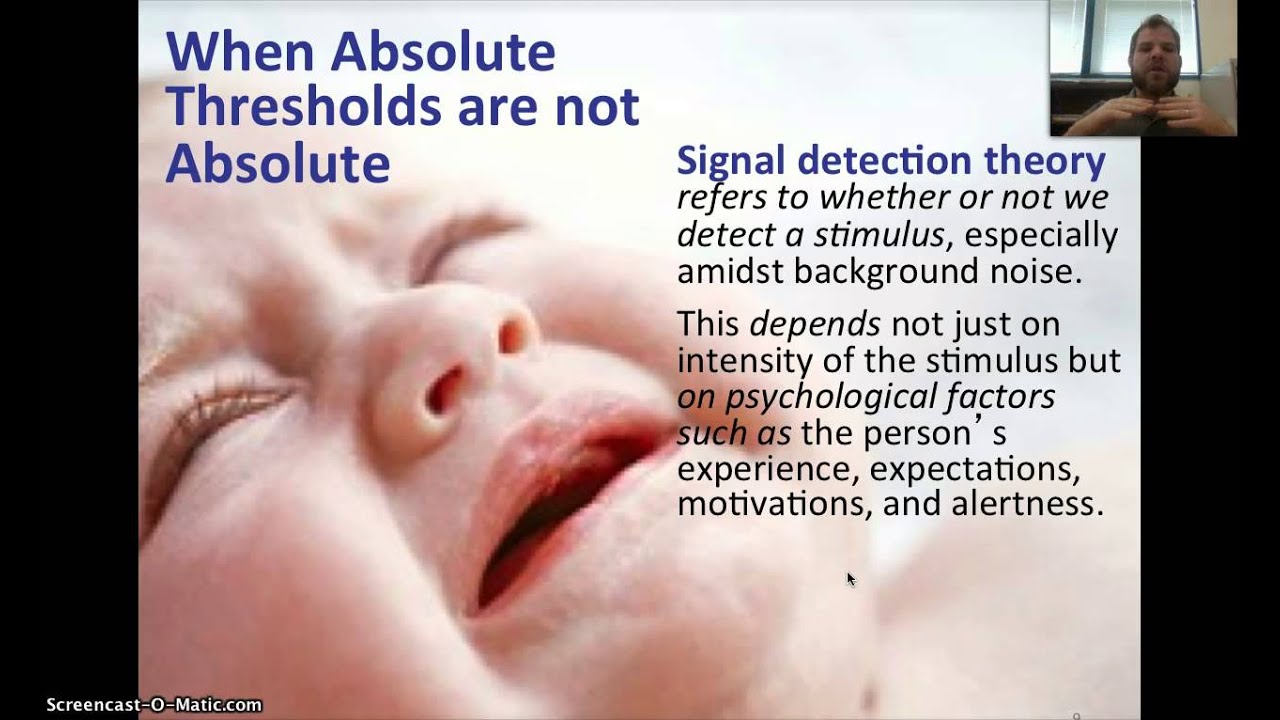
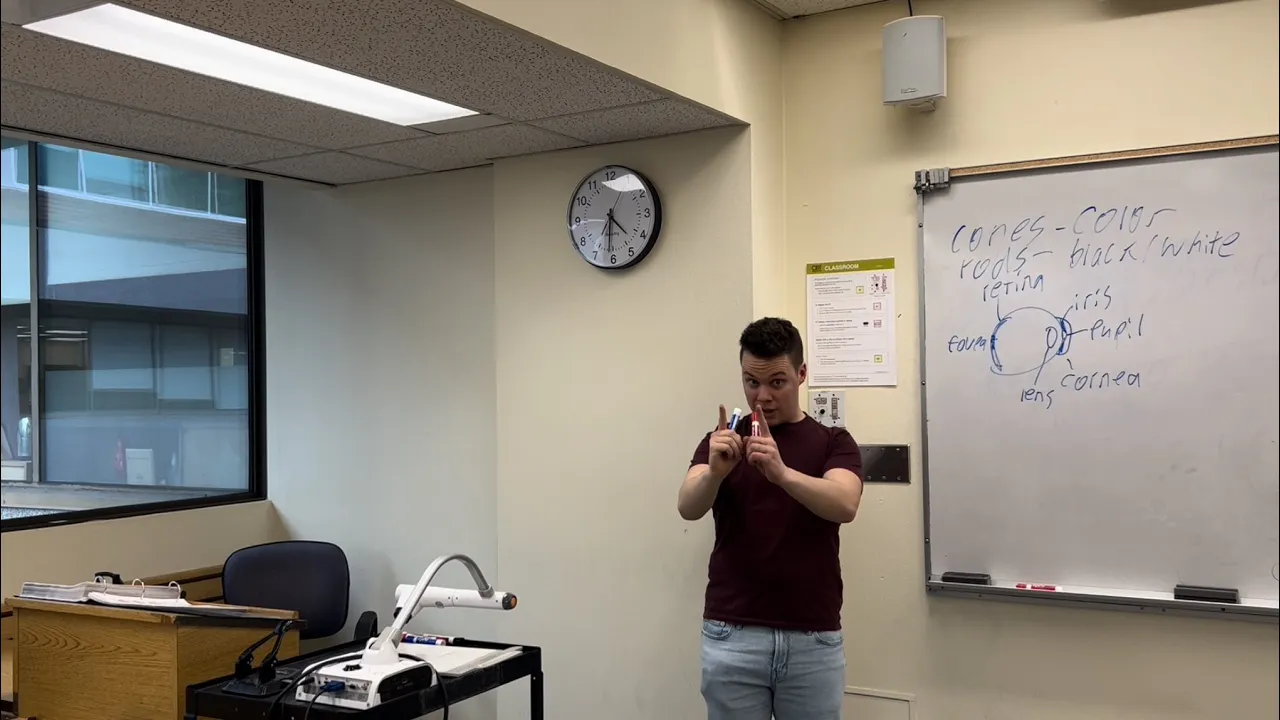
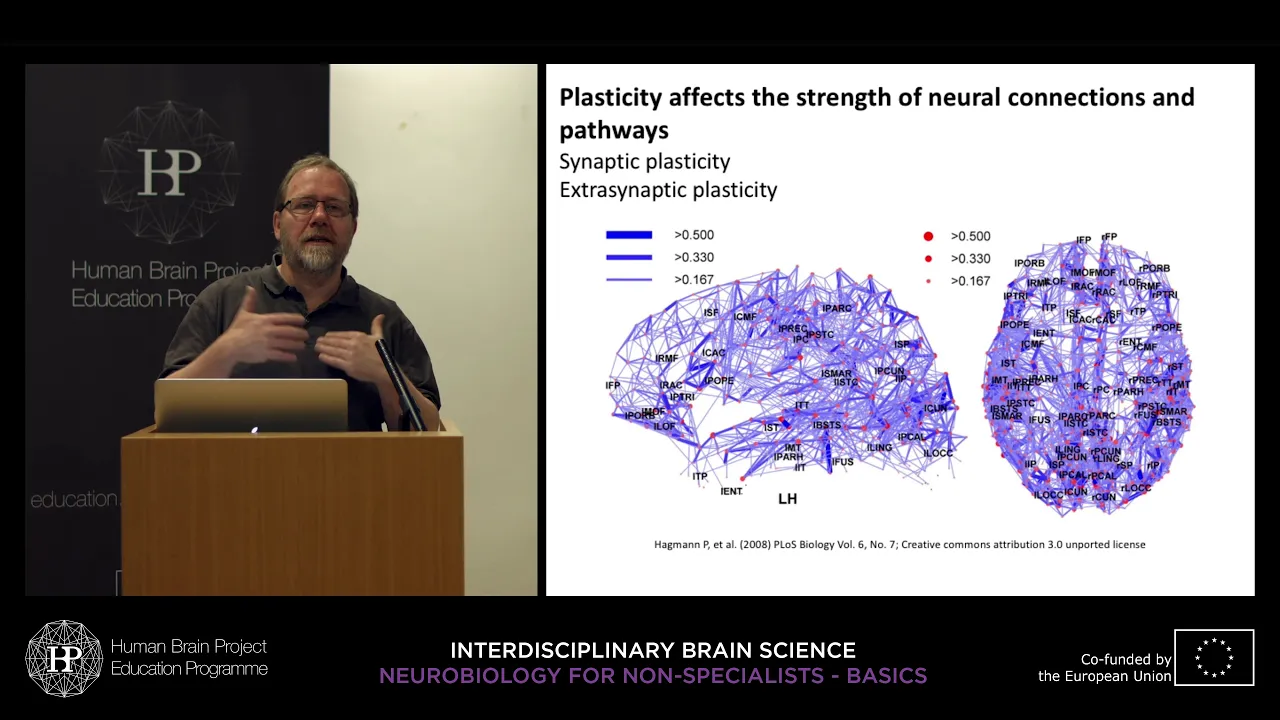
hello there and welcome to the unit one summary video for AP Psychology if you are a stressed AP psychology student try to remember everything from unit one fear not this video is got you covered my name is Mr sin and today we're going to review all of the concepts that you need to know for biological basis of behavior this unit focuses on how our biological system impacts our physical and mental actions and responses now before we get started I need you to click the link in the description of this video and get the study guide that goes along with the video these notes are part of my ultimate review packet this study guide will help you take notes on the video and when you're done you can make sure that you got all of the answers by going back to the ultimate review packet and looking at the answer key to check and make sure that you've got everything down trust me you are going to want to take notes during this video because this unit is packed with an insane amount of terms and Concepts and information that you need to know remember the key to learning is being active not passive so now that you have your study guide out let's start unit one off with an age-old question what has the most impact on human behavior and mental processes nature or nurture which to be fair this question is a little outdated it's no longer nature or nurture rather it's nature and nurture now when thinking of nature think of heredity this is the passing on of different phys physical and mental traits from one generation to another and when thinking of nurture think of environmental factors such as your family life your social groups education or societal influences just to name a few examples if we look at heredity and the envirment through the lens of different psychological perspectives we can see that they stand on different sides of the debate for instance The evolutionary approach which uses Darwin's theory of evolution as a basis for the approach leans more towards the nature side of the debate Charles Darwin focused on understanding how heredity and environment impacted an individual Darwin created the theory of evolution which stated that Evolution happens by natural selection individual traits that are beneficial to a species survive and would be passed on while undesirable traits would die off now Darwin was not a psychologist but his work became a fundamental pillar for The evolutionary approach of psychology unfortunately some individuals have used the principles of the evolutionary approach to support discriminatory practices such as Eugenics which is the belief in improving the genetic quality of the human population by selectively breeding for desirable traits and discouraging reproduction among those with traits considered undesirable individuals who are interested in exploring the relationship between heredity and the environment and their impact on shaping an individual's behaviors and mental process processes may study epigenetics which focuses on how the environment and a person's Behavior affect a person's genes and how they work here the focus is on how an individual's body reads a DNA sequence the DNA itself is not changing epigenetics happen slowly here different genes are essentially being turned on or off due to sustained environmental pressures epigenetics can help explain why identical twins which share nearly 100% of their genes will often develop vastly different physical and mental characteristics one study we can look at is the Minnesota study of twins reared apart which examined the similarities and differences in identical twins who are separated at Birth and raised in different environments in fact researchers have not only use twin studies to better understand the impact of heredity and the environment on an individual's behaviors and mental processes but have also conducted family studies and adoption studies as well such as the col adoption project which began in 1975 this longitudinal study follows the biological and adoptive families to gain insight into the influences that genetics and the environment play on the individual's cognitive abilities personalities and mental processes now I do want to highlight that epigenetics is different from plasticity which refers to the brain's ability to change and adapt as a result of experiences generally this involves the strengthening or weakening of neural connections plasticity allows our brains to be flexible and adapt to our changing experiences for instance as you're watching this video you are building and strengthening your neural connections related to the information in unit one from AP Psychology speaking of wonderful neural connections the next part of this unit dives into the nervous system to start we need to differentiate between the central nervous system and the peripheral nervous system the central nervous system or CNS for short is made up of the brain and spinal cord this system sends out orders to the body while the peripheral nervous system or pns for short consists of different nerves that Branch off from the Brain and Spine the peripheral nervous system connects the CNS to all of the body's organs and muscles our nervous system uses two types of nerves to deliver information these nerves are known as afren neurons which are also called Sensory neurons and E neurons which are also known as motor neurons AFR neurons send signals from the sensory receptors to the central nervous system while Efren neurons send signals from the central nervous system to the peripheral nervous system if you need help remembering this try remembering that afren approaches the brain and ephren exits the brain a for approach and E for exit now make sure you're following along in your study guide because we are now going to break down the different parts of the peripher pereral nervous system I will be honest it's super easy to get confused here but remember you can do this and you will do this to start let's review the somatic nervous system and the autonomic nervous system the somatic nervous system also known as the skeletal nervous system includes your five senses and skeletal muscle movements these movements happen consciously and voluntarily while the autonomic nervous system controls involuntary activities this is what makes sure that your heart keeps beating your stomach keeps digesting and you keep on breathing you know the important things that stop you from dying I mean if you think about it it would actually be pretty terrible if you had to consciously think about breathing and your heartbeating breathe heartbeat breathe heartbeat breathe heartbeat squirrel now the autonomic nervous system can be divided into two parts the sympathetic Division and the parasympathetic division sympathetic system mobilizes your body and gets it ready for AC ction this makes your heartbeat faster your eyes dilate and increases your breathing think about what happens when you see something scary you don't actively try to make your heart beat faster but you feel your heart beating rapidly in your chest anyway this is known as your fight or flight while the parasympathetic system relaxes the body it slows your heart rate increasing your digestion and helps you focus on saving and storing energy both of these systems work together in emergencies to help with your your fight or flight response this is commonly referred to as the rest and digest to remember parasympathetic think of it as a parachute it slows you down before you land on the ground if you're still feeling a little shaky with the nervous system don't worry I've added some exclusive resources in the ultimate review packet a video covering kind of the general mistakes that students make with the nervous system and also a practice quiz that goes over the nervous system and even breaks down the questions explaining why the answer is what it is just to make sure that you can fully understand these Concepts all right now comes the time to review the different parts of the neuron and review neural firing now there are two common types of neural cells that we are going to talk about the first is Galil cells which provide structure insulation and communication and waste Transportation these types of cells form the basis of the nervous system and are the building blocks of all behavior and mental processes gal cells are the most abundant cells in the nervous system and they support neurons through protection and also provide them with nutrients it is important to note that these cells do not process information which means they do not send any messages or signals for your body then there are neurons which are the basic functional unit of the nervous system neurons communicate with each other by using electrical impulses and chemical signals to send information throughout the nervous system now before we delve deeper into neurotransmitters and how neurons communicate and send signals between different neurons we need to review three types of neurons that work together in the spinal cord these neurons are what create a reflex arc the reflex arc is a nerve pathway that allows the body to respond to a stimulus without thinking it involves Sensory neurons motor neurons and interneurons say you touch something hot your skin receptors detect the Heat and send a signal through a sensory neuron to the spinal cord the signal then goes to Inner neurons which are neurons within the brain and spinal cord these neurons communicate internally and connect the sensory neurons to motor neurons within the CNS remember we talked about sensory and motor neurons earlier in this video Sensory neurons are also known as afferent neurons and motor neurons are also known as effent neurons now when the signal goes to the motor neurons it goes back to the muscles in the hand and arm to move resulting in your hand being pulled away from the hot surface all of this happens through the body's autonomic response you do not even have to think about it the reflex arc helps protect us it allows the body to respond to a threat before processing what is going on so now that we understand the reflex arc and how neurons within the central and peripheral nervous system work together to respond to external stimuli let's review the process of neural transmission but before we do I want to highlight that if you do need a breakdown on the different structures and functions of the neuron make sure to check out the exclusive review video in my ultimate review packet in order order for neurons to send a message they need to receive enough stimulation that causes an action potential an action potential is when a neuron fires and sends an Impulse down the axon in order for this to happen you have to have positively charged and negatively charged ions so your cell membrane separate the ions and creates an environment on either side of the barrier that is overall positive or negative this is what gives your neurons potential some ions are able to cross the membrane more easily than others which is a trait known as permability when a neuron is not sending a signal it has more negative ions in the inside than the outside which is known as resting potential to trigger an action potential a neuron must depolarize which happens when an outside stimulus is strong enough to meet the threshold that causes depolarization to occur and the neuron then fires in action potential if the stimulus does not meet the threshold there is no firing and the neuron will return to its resting state remember it's an All or Nothing Game here the neuron will only fire if the threshold is met when an action potential occurs it sends a signal down the axon to other neurons in the nervous system after that a neuron goes through the process of repolarization which brings the neuron back to resting potential during this process channels will be open to try and rebalance the charges by letting more positive ions back outside the cell membrane when this is happening and the signal is moving down a neuron's axon the neuron cannot respond to any other stimulus this is known as the refractory period which is a time period when the cell cannot fire and needs to wait until repolarization occurs and the cell goes back to resting potential now once a signal makes its way down the axon of a neuron it is sent down to the axon terminal where the signal is converted and sent to another neuron through a small pocket of space between the axon terminal of one neuron and the dendrite of another neuron this tiny space is known as the synapse speaking of the synapse we can see that there are chemical synapses and electrical synapses chemical synapses use neurotransmitters which are chemical Messengers that send messages through the nervous system electrical synapses areer messages that need to be sent quickly and immediately when neurotransmitters are sent they diffuse through the synaptic gap to deliver their messages the synaptic gap is a narrow space between two neurons specifically the pre synaptic terminal of one neuron and post synaptic terminal of another neuron the presynaptic terminal is the axon terminal of the neuron which converts the electrical signal to a chemical one and sends the neurotransmitters into the synaptic gap while the post synaptic terminal is where the neurotransmitters are accepted in the dendrite of the receiving neuron now once the neurotransmitters pass their message onto the post synaptic neuron they unbind with the receptors some of the neurotransmitters are destroyed and others get reabsorbed the process of taking excess neurotransmitters left left in the synaptic gap is known as reuptake this is when the sending neuron reabsorbs the extra neurotransmitters now depending on what receptors the neurotransmitters bind to we can see that the neuron will either get excited or become inhibited excitatory neurotransmitters will increase the likelihood that a neuron will fire an action potential through the depolarization process in the post synaptic neuron while an inhibitory neurotransmitter will decrease the likelihood that a neuron will fire an action potential this leads to hyperpolarization to occur which is when the inside of the neuron becomes more negative moving the neuron farther away from its threshold or intensity level needed for an action potential when remembering these chain of events remember them in the following order one we have an action potential that sends a signal down the axon of the neuron to the pre synaptic terminal two channels in the axon terminal are opened and the neurotransmitters are released into the synaptic gap three neurotransmitters diff ed through the synaptic gap and bind to receptor sites in the post synaptic terminal and four neurotransmitters unbind with the receptors and some are destroyed and others go through the process of reuptake now if this process gets disrupted it can lead to neurological disorders such as multiple sclerosis or mosia gravis multiple sclerosis occurs when the myON sheath is damaged which disrupts the transmission of electrical signals leading to symptoms like muscle weakness coordination problems and possibly fatigue mosia gravis is an autoimmune disorder that affects the communication between nerves and muscles antibodies block or destroy AIC Coline receptors preventing muscle contraction and causing muscle weakness and fatigue if you need more help with the processes of neural transmission don't forget to check out the exclusive resources inside the ultimate review packet for more practice now speaking of acet Coline let's review the different types of neurotransmitters and what they do we can see that each neurotransmitter has a specific function which connects to different behaviors and mental processes aoling enables muscle action learning and helps with memory substance P helps with transmitting pain signals from the sensory nerves to the CNS dopamine helps with movement learning attention and emotions serotonin impacts an individual's hunger sleep arousal and mood endorphins help with with pain control an impact in individual's pain tolerance epinephrine helps with the body's response to high emotional situations and helps form memories norepinephrine increases your blood pressure heartbreak and alertness norepinephrine is part of the body's fight or flight response glut on the other hand is involved with long-term memory and learning lastly Gaba helps with sleep movement and slows down your nervous system if we move outside the nervous system we can see that the body also has different hormones that perform different functions similar to neurotransmitters adrenaline also known as epinephrine helps with the body's response to high emotional situations it expands air passages in the lungs redistributes blood to muscles and is involved in the body's fight or flight response leptin helps regulate energy balance by inhibiting hunger it signals to the brain that the body has enough stored fat reducing a person's appetite while gin also known as the hunger hormone signals to the brain that we are hungry and also helps promote the release of growth hormones melatonin is produced by the pineal gland in the brain and helps regulate the sleep wake Cycles also known as circadium rhythms melatonin is released and helps promote sleep and is typically more prevalent in the evening in response to Darkness lastly there's oxytocin which is produced in the hypothalamus and released by the pituitary gland this hormone is also known as the love hormone because it promotes feelings of affection and emotional bonding now these hormones are part of the endocrine system which is slower moving it sends hormones throughout the body's blood to Target larger areas of the body all to help regulate different biological processes this is different from the nervous system which uses neurons to quickly send messages to localized areas of the body AP Psychology exam you do not need to know specific information about the gland of the endocrine system minus a couple exceptions like the pituitary gland but we'll talk about that later in this video okay so now that we understand the different neurotransmitters and hormones that affect behavior and mental processes let's explore how different psychoactive drugs affect behavior and mental processes to start let's review the difference between Agonist and antagonist drugs Agonist drugs increase the effectiveness of a neurotransmitter while on the other hand antagonist drugs decrease the effectiveness of a neurotransmitter aganus bind to The receptors that are in the synapse that are for neurotransmitters these substances increase the effectiveness of the neurotransmitters by mimicking them and increasing the production of the neurotransmitter or by blocking the reuptake that would usually absorb extra neurotransmitters which makes them more available in the synapse antagonist drugs on the other hand work in multiple ways they either block the neurotransmitters from being released from the pre synaptic axon terminal or they connect to the post synaptic receptors and block the intended neurotransmitters from binding examples of agous substances would be anti-anxiety medications such as Xanax which increases the neurotransmitter known as Gaba this decreases neural activity and can calm people down Prozac is another example of an Agonist substance it is used to treat depression this Agonist substance delays the reuptake of the neurotransmitter serotonin making it more available for the the body to use one last example of an Agonist substance would be opioids we can also look at examples of antagonist substances that would include medication for schizophrenia which blocks dopamine receptors or we could also look at alcohol which blocks the release of gluten mate which acts as a depressant for our nervous system now different psychoactive drugs have different psychological and physiological effects on the body remember psychoactive substances purposely alter an individual's perception conscious or mood these drugs can be broken down into a couple of different categories stimulants generally excite and promote neural activity these drugs give an individual energy reduce a person's appetite and can cause them to become irritable examples of this would be caffeine nicotine or cocaine depressants are drugs that reduce neural activity in an individual these drugs cause drowsiness muscle relaxation lowered breathing and if abused possibly death examples of depressants would include alcohol or sleeping pills hallucinogens include marijuana pyote or LSD these drugs cause an individual to sense things that are not actually there they can also reduce an individual's motivation and can lead to an individual to panic and lastly we have opioids which function as a depressant but have their own category due to their addictive nature these give an individual pain relief examples of these would include morphine heroin or oxyen it is it is important to note that using different psychoactive drugs can lead a person to develop a higher tolerance which would require more of the drug to be consumed to achieve the same effect this could result in addiction and withdrawal symptoms all right now it's time to talk about the different structures of the brain and I won't lie to you this part of the video has a lot of information so make sure you are taking notes in your study guide and pause the video if you need more time to write things down when looking at the brain we can see three major regions of the brain remember remember these are regions of the brain and not necessarily specific structures there's the hind brain which is located at the bottom of the brain the midbrain which is located in the center sitting above the base of the brain and our last region which is the forbrain the forbrain is the top of the brain and is what most people visualize about the brain when thinking about it let's explore the different structures of the brain that make up each of these regions starting with the hind brain first up is the spinal cord this is what connects your brain to the rest of your body think about this is the information Highway this allows for your nerves to send information to your brain and vice versa then there is the brain stem which is located at the base of your brain on top of the spinal cord it includes the medulla the ponds and the midbrain if this is ever severely damaged it will most likely result in death since it controls autonomic functions the medulla oblongata is right above the spinal cord and below the ponds this helps with the regulation of a person's cardiovascular and respiratory systems it also takes care of autonomic functions the ponds is the bridge between different areas of the nervous system it connects the medulla with the cerebellum and helps with coordinating movement the ponds also helps with sleep and dreams next is the reticular activating system which is part of the reticular formation this is a network of nerve cell bodies and fibers within the brain stem this system is involved in the regulation of arousal alertness and sleep wake Cycles the reticulating activating system also helps stimulate other brain structures when something important happens that needs are immediate attention located in the back of the brain just below the occipital loes and behind the ponds we have the cerebellum this is what helps with coordinating voluntary movements maintaining posture and balance refining motor skills and plays a role in cognitive functions this part of the brain is sometimes referenced as the little brain our next region is the midbrain which help helps with processing Visual and auditory information motor control and integrating sensory and motor pathways there are no specific structures or things listed in the CD for this part of the brain so we're not going to go in depth into the midbrain but now we are going to change gears and talk about the forbrain when picturing the brain you're most likely thinking of the cerebrum which is the largest part of the brain the cerebrum is what deals with complex thoughts we can divide the cerebrum into two hemispheres the left and the right and each hemisphere spere can be further subdivided into four different loes now the cerebrum is made up of gray matter called the cerebral cortex and also white matter the cerebral cortex is a thin outer layer of billions of nerve cells that cover the whole brain beneath the cerebral cortex is the Corpus colossum a thick band of nerve fibers that connect the two cerebral hemispheres this is what allows your hemispheres to communicate with each other now I mentioned that we can break down each hemisphere into four different loes the first lobe we are going to talk about is the frontal lobe which is located just behind your forehead this lobe deals with higher level thinking and is separated into two important areas the prefrontal cortex which deals with foresight judgment speech and complex thought and the motor cortex which deals with voluntary movement and is located in the back of the frontal lob the left motor cortex controls movement on the right side of your body and the right motor cortex controls movement on the left side of your body this is an example of the brain's contralateral hemispheric organization which refers to the way in which the brains hemispheres control opposite sides of the body and processes sensory information visually we can see the functions of the motor cortex represented by the motor homunculus which shows a visual representation of the amount of brain area that is dedicated towards a specific body part now before we move on to the next lobe I want to highlight broka area which is found only in the left hemisphere in front of the motor cortex this area of the brain is crucial for language production particularly in controlling the movements of the muscles involved in speech this area was first identified by Paul broka if this part of the brain is damaged an individual will experience brokas Aphasia which is the loss in ability to produce language individuals with broka Aphasia can still understand language and speech but will struggle to speak fluently up next is the parietal lobe which is located in the upper part of the brain right behind the frontal lobe here the main function is to receive sensory information this is what lets you understand things such as touch pain temperature spatial orientation the different senses and helps with processing and organizing information one part of the parietal lobe that I want to highlight is the somos sensory cortex which is situated parallel to and directly behind the motor cortex this is responsible for processing touch pressure temperature and body position remember the left sensory cortex controls Sensations for the right side of your body and the right sensory cortex control Sensations for the left side of your body speaking of sensory information we can visualize the amount of brain area that is dedicated towards specific body parts when looking at the sensory homunculus now just below the parietal lobe we have the temporal Lo which is located right above your ears the temporal Lo is involved in processing auditory and and linguistic information recognizing faces and assists with memory located within the temporal lobe is the hippocampus which helps us learn and form memories but remember it is not where memories are stored at the end of each arm of the hippocampus is the amydala these two round clusters are where you get your emotional reactions from so you can think you're amydala for your fear anxiety and aggression next is the auditory cortex which is located in the superior temporal gyus of the temporal L this is what processes the different sounds that you hear and allows you to recognize things like music and speech one other area that I want to highlight in the temporal lobe is W's area typically located in the left temporal lobe this area is responsible for creating meaningful speech if this part of the brain is ever damaged a person will lose the ability to create meaningful speech this is known as wores Aphasia if we shift our Focus over to the back of the brain just above the cerebellum we can see the occipital lobe which is responsible for processing visual information the occipital lobe contains the primary visual cortex which is What receives visual input from the eyes the occipital lobe not only processes basic information but more complex visual tasks as well such as recognizing objects understanding spatial relationships and perceiving depth and movement plus the occipital lobe works with the parial lobe and temporal lobe which shows that Vision does not confine to just just one area of the brain for instance the occipital lobe May detect an object's color and shape the temporal lobe helps with identifying the object and the parial lobe helps understand the spatial orientation speaking of sensory information we also have to talk about the thalmus which is located deep within the brain just above the brain stem the thalmus receives sensory information from your sensory organs for everything except for the sense of smell the thalmus relays information to the appropriate areas of the cere cortex for processing this is why people often call the thalmus a relay station for instance visual information from the eye is sent to the thalmus which is then relayed to the occipital lobe for visual processing now located on both sides of the thalmus is the lyic system which is made up of different brain structures whose main function is emotions learning memory and some of our basic drives some of the structures we've already talked about such as the amydala the hippocampus and the thalmus but I want to go into detail on one other structure of the lyic system which is the hypothalamus the hypothalamus helps keep your body balanced and allows you to have homeostasis this is also what controls your drive such as thirst hunger temperature and sex the hypothalamus also works with the pituitary gland to regulate and control your hormones the pituitary gland is often referenced as the master gland because it produces and releases hormones that regulate many bodily functions and controls other endocrine glands throughout the body today we know that the brain uses brain lateralization which is the differing functions of the left and right hemisphere essentially it is the division of labor between the two hemispheres each hemisphere has different areas that it is more efficient in at the end of the day we all use both hemispheres to accomplish different tasks and no one is simply just right brain or left brain overall we can see that the brain does have hemispheric specialization which we can see with the left hemisphere being better at recognizing Words letters and interpreting language while the right hemisphere is better at spatial Concepts facial recognition and Discerning direction if you need more help with the different structures of the brain you can check out my 1.4 video on YouTube or use the exclusive practice sheet and resources in the ultimate review packet now that we've talked about the different brain structures it is time to look at how we can examine the brain but before we get into neuroimaging techniques I want to talk Phineas Gage and split brain research both are unique and have helped us better understand the brain and its functions Phineas Gage was a railroad worker who was injured when a tamping rod shot clean through his head now the crazy part of this story is that Phineas Gage lived and even walked away from the accident without any cognitive defects but Phineas Gage did have a pretty severe personality change and it was discovered that it was because the rod had severed his lyic system remember these areas are are important for judgment and emotional regulation Phineas Gage's accident allowed researchers to better understand different brain structures another way in which researchers gain insight into the brain is by studying split brain patients split brain patients go through a procedure that cuts the Corpus colossum which is what connects the left and right hemisphere of the brain this is done to help treat people with severe epilepsy when the Corpus kosom is cut the right and left hemisphere can no longer communicate patients who had the split brain procedure done do not see any impact or change with their personality or intelligence researchers studying split brain patients test for cortex specialization which allows researchers to understand how different areas of the cerebral cortex are specialized for specific functions for instance researchers found that when patients were shown a word in their right visual field the patient was able to say the word without any problem but when the words were shown to the left visual field the patient would say they did not see anything however even though the individuals said they saw nothing they could draw the word with their left hand once they drew the word then they could identify it because now their right visual field would see the picture they drew this is because the left hemisphere contains language remember we have boka's area and waki's area located in the left hemisphere This research allowed us to better understand the different functions of each hemisphere and gave us insight into the different tasks that each hemisphere is more efficient in two other ways in which we have gained insight into different functions of the brain is with lesion studies and autopsies lesion studies are when doctors and researchers will destroy specific parts of the brain to gain insight into different functions of the brain today this can be done to try and treat specific disorders autopsies on the other hand is an examination of an individual's body who has died to discover the cause of death this allows individuals to better understand the extent of a disease help determine the exact cause of death and can also help provide important information for an individual's next ofkin as you can see the brain is simply amazing the human brain has the ability to change modify itself and even repair itself this is known as neuroplasticity throughout our lives we are constantly learning new skills information and growing all of this can lead to neuroplasticity to occur but unfortunately we can also run into different situations which can lead to brain damage such as infections neurotoxins genetic factors head injuries tumors or even a stroke just to name a few depending on the severity of the damage the brain may or may not be able to recover which can have life-altering impacts on an individual now I mentioned earlier that the brain changes whenever we are learning when we learn new information or even when we practice old skills the brain creates neural Pathways and the more you practice a skill the more you study information the more develop the pathways become now we can gain insight into the brain by using different Imaging techniques for this class you want to be familiar with two different techniques the first is an EEG which uses electrodes that are placed on the individual scalp this allows researchers to record electrical signals from neurons firing which can help with sleep and seizure research and the second technique is an fmri which are similar to an MRI but show metabolic functions this can help with better understanding brain activity this shows a much more detailed picture compared to other scans like a pet scan so that's the brain and now comes the time to talk about sleep hang in there future psychologist you are doing great trust me I know this unit is packed with a lot of information but you are doing amazing now comes the time to talk about sleep and to start we need to remember that when we are sleeping we are still conscious Consciousness is our awareness of ourselves and our environment there's actually two types of Consciousness that you want to be familiar with wakefulness and sleep wakefulness is when we are awake during this state we are typically aware of our surroundings and can think feel and react to events on the other hand sleep involves a lower level of awareness during this state we are not fully aware of our surroundings but our brains are still active and can process some information like sounds or Sensations when trying to gain a better insight into our Consciousness we can look at cognitive neuros science which studies how brain activity is linked with cognition now we are going to focus on sleep and start by talking about your circadium Rhythm this is your biological clock that is about a 24-hour cycle and involves changing your blood pressure internal temperature hormones and regulating your sleep awake cycle our circadium Rhythm impacts when we feel alert and awake and when we feel sleepy and ready for bed and over time we'll see it adjust with our age and our different life experience experiences now the circadium Rhythm can become disrupted for a variety of reasons for instance if you start working the night shift and are up all night or if you travel across time zones your internal clock will almost become out of sync with the local time this phenomenon is known as jet leg and it causes an individual to feel tired disoriented and sluggish when we sleep we go through different stages by using an EG we can visualize different brain waves to help us understand which stage we are in any EEG allows us to measure the frequencies of a wave which is the number of waves per second and the amplitude which is the size of the wave we can see that we have a variety of different waves alpha waves are slower waves that have a high amplitude then there's beta waves which are low in amplitude and are the fastest brain waves these generally occur when we're engaged in mental activities then there's theta waves which have a greater amplitude compared to Beta waves and alpha waves and even a slower frequency these are strong during times of relaxation lastly there's delta waves which have the greatest amplitude and the slowest frequency these occur when you are most relaxed often times during the deepest levels of sleep when looking at the stages of sleep we can see we start with nonrem stage one this is a very light sleep that only lasts about 5 to 10 minutes here your body will start to relax and your mind starts to slow the most common waves during this stage are alpha waves next is a transitional stage which is non-rem stage 2 this lasts normally around 10 to 20 minutes here an individual will experience K complexes and sleep spindles which are bursts of neural activity the most common waves are theta waves during this stage after that an individual moves into non-rem stage three this is one of the deepest states of sleep and normally lasts around 30 minutes here growth hormones are produced and an individual may experience sleepwalking or sleeptalking the most common waves during the stage are delta waves lastly we have REM which is the last stage and stands for rapid eye movement here your external muscles are paralyzed while your internal muscles and structures become active this is because your brain emits beta waves during this stage generally this lasts about 10 minutes here an individual may experience dreams or nightmares Ren sleep is considered paradoxical sleep since the brain waves during this stage are similar to wakefulness but the body is at its most relaxed as the Sleep Cycle progresses the periods of REM sleep become longer and more frequent now let's say an individual is deprived of REM sleep say for instance they keep getting up in the middle of the night maybe it's because they're hungry or maybe it's because they have a crying baby at 3:00 a.m.
4:00 a.m. and 5:00 a.m. that for some reason just does not want to sleep hypothetically of course well they will experience REM deprivation which may cause them to experience REM rebound which means that the next time time they sleep they will enter REM sleep more quickly and also spend more time in rem to make up for the Lost sleep now before we move into dreams and sleep disorders I want to quickly review hypnogogic Sensations these occur during non-r stage one this is when an individual experiences Sensations that you imagine are real these Sensations happen when you are in a light sleep for example if you feel like you are falling in a dream you may wake up quickly thinking that you're falling in real life speaking of dreams we can see that there are a variety of different theories that seek to explain the purpose of Dreams the activation synthesis theory takes the perspective that dreams are the brain's way of making sense of random neural activity during sleep when we enter REM sleep we experience activity in our brain and the Brain tries to make sense of this activity by creating a story or dream the consolidation Theory takes the perspective that dreams help process and strengthen in our memories and experiences while we sleep especially during REM sleep the brain organizes and strengthens the connections between neurons related to recent experiences and information the consolidation Theory focuses on the role of sleep in memory consolidation and learning dreams are merely a reflection of the brain's effort to process and integrate new information lastly the restoration Theory believes that we sleep because we get tired from daily activities and we sleep to restore our energy and resources today we can see that the memory consolidation Theory and the restoration Theory are two of the main current theories about why sleep occurs all right so we can see that sleep is crucial for the body's physical and mental restoration and at the end of the day we can see that we sleep for a variety of different reasons sleep is a way that we can protect ourselves as individuals different animals sleep for different lengths of time and at different times of day depending on when they are active and when other threats may be out sleep helps in memory consolidation it allows the body to strengthen the neural Pathways allowing for better recall in the future sleep also supports growth and conserves energy when we sleep we are able to conserve our energy and save it for when we need it during the day we can also see that when we sleep the pituitary gland releases growth hormones which help with muscle development lastly sleep and dreams can help an individual become more creative many individuals talk about the benefits of thinking about a problem before they go to bed or reference their dreams as what sparked their curiosity about an idea we all need sleep to be able to be our best selves but unfortunately sometimes we can struggle with falling asleep or even staying asleep we can see that many people will suffer at some point in their lives with insomnia which is a sleeping disorder where an individual will have trouble falling asleep or staying asleep this can be caused due to stress pain medication or an irregular sleep schedule another sleeping disorder is sleep apnea which is when an individual has a hard time falling asleep or staying asleep because they are struggling with their breathing this prevents an individual from being able to get a good night's sleep and go into REM since they keep waking up due to their breathing problems the next disorder is REM sleep behavior disorder which is a condition where a person acts out their dreams during rem's sleep normally the body is paralyzed during rem's sleep but in RBD this par is is absent or possibly incomplete individuals with RBD may be at risk for self-injury since they may leave their bed and could get hurt when acting out their dreams speaking of getting out of bed the next disorder is sambul ISM more commonly known as sleepwalking this is a disorder where a person gets up and walks around while still sleeping this most commonly occurs during stage three sleep when an individual is in the deep sleep it's more common in children but can also occur in adults there are also sleep Terrors or night tears which is when an individual will experience intense fear while sleeping which can cause an individual to experience sleep deprivation and a disrupted sleep schedule lastly even though it's rare there is narcolepsy here individuals will struggle to sleep at night and will uncontrollably fall asleep during the day now I realize I I keep saying this but I have added more exclusive resources inside the ultimate review packet to help you with the sleep stages theories and all o Sleep Disorders so if you do need more practice check out the packet after this video to test yourself on what you've learned check the answers also to the study guide and review any specific Concepts from this unit that you may be struggling with trust me the ultimate review packet will help you get an A in your class into five on that National exam all right we made it to the last section of unit one which is all about sensation also if you made it this far in the video and you have not subscribed yet what are you doing what are you waiting for it's free and it's a great way to support the channel plus you'll get notified when future videos get posted now sensation is the process of detecting information from the environment now this is different from perception which we'll talk more about later in unit 2 whenever you are taking an outside stimulus through one of your senses you activate your Sensory neurons which end up creating a sensation for you this is known as sensory transduction but in order for you to experience a sensation you need to hit the absolute threshold which is the smallest amount of stimulation needed for you to know notice a sensation at least 50% of the time sometimes we may miss a stimulus because we have experienced sensory adaptation which is different from habituation sensory adaptation happens when we have a stimulus that is continuous and doesn't change for example if you light a candle in a room at first you can smell it but as the day goes on eventually you can no longer smell the candle but if someone else comes into the room they will smell it right away habituation on the other hand is when you are repeatedly exposed to a stim Imus and start to have a reduced response to the stimulus for instance the first time a person does drugs they might get a strong reaction from the drug but if they continue to use the drug they will need to take more and more of the drug to feel the same effect remember with habituation you are learning from a repeated stimulus which then results in a decrease in your responsiveness to the stimulus and with sensory adaptation you are getting used to an unchanging stimulus another concept that you want to be familiar with when it comes to detecting changes in stimuli is the difference threshold this is the minimum change between two stimuli that is needed to cause an individual to detect the change for instance if you turn the sound up in your car or on your computer can you tell the difference between each of the different volumes at what point can you no longer tell the difference when trying to understand the difference threshold we can look at the Weber fetcher law which is the idea that for us to notice a difference between two stimuli the two stimuli must differ by a constant percent not a constant amount for example if I drop one drop of water in an empty glass you would be able to tell that there is one drop but if I have a glass that is half full and I add one more drop you will not be able to see the drop nor see that the glass is one drop Fuller now whenever we experience something in life our senses take in a variety of information when our sight hearing taste touch and smell work together it's known as sensory interaction our senses don't operate in isolation they constantly influence each other to help us understand and respond to the world around us for instance have you ever tried to eat Skittles without your smell try it the next time you eat some Skittles plug your nose what you'll find is that each color of Skittle has the same taste but if you eat Skittles while also smelling them you will experience different flavors for the different Skittles so we're about to break down the different sensory system starting with our visual sensory system but before we do that I want to quickly review synesthesia this is a neurological condition where one senses experience through another for example a person with synesthesia might see colors when they hear music or taste flavors when they read words in a book all right now comes the time to break down the different sensory systems to start we are going to talk about our visual sensory system and talk about the eye now for time sake I'm not going to review each of the different parts of the eye instead I'm only going to reference the parts of the eye that are specifically listed in the CED but if you would like a review on the different structures of the eye you can check out the exclusive video in the ultimate review packet that does just that whenever light enters the eye through the cornea it passes through the pupil where the lens focuses the light onto the retina at the back of the eye the retina is made up of layers of light sensitive cells known as photo receptors these convert the light into neural impulses that allow for the brain to process what the eye is seen when the retina captures light and visual information transduction occur the cells convert the light into electrical signals which are sent to the brain for processing the neural impulses travel through the optic nerve from the eye briefly stop at the thalmus then travel to the primary visual cortex where the information will be processed in the occipital lobe now there is a small area of the retina where there are no photo receptors this is where the optic nerve is located since there are no light detecting cells in this area it creates a small Gap in our visual field this spot is known as the blind spot since visual information can't be captured here however we normally do not notice this because our brain Fs in the missing information from the other eye and surrounding area now since I mentioned photo receptors we need to talk about rods and cones which are the two types of photo receptors located in the eye that help convert light into neural impulses rods are mainly located in the periphery of the retina and Cones are mainly located in the fobia which is a small depression in the back of the retina cones are what allow you to see find Details they allow you to have have Clear Vision and help you see color while rods are visual receptors that allow you to see in dim light but do not provide any color information if we change gears and talk about our colors we can look at the TR chromatic Theory and opponent processing Theory to explain our color vision the TR chromatic theory states that individuals are able to see color because different wavelengths of light stimulate combinations of three color receptors photo receptors work in teams of three red green and blue while the opponent processing Theory complements the TR chromatic Theory this theory states that information that is received from the cones is sent to Gangland cells this causes some neurons to become excited and others inhibited according to the opponent processing Theory color vision is based on three color pairings red and green blue and yellow and black and white the opponent processing Theory also explains the phenomenon known as after images which occurs when you stare at an image for a PR long period of time as you look at the image the active gangan cells responding to certain colors start to become fatigued then when you look at a neutral background the fatigue cells do not respond as strongly while the opposing cells become more active creating an after image in compliment colors did it work were you able to see it let me know in the comments down below speaking of color we have to talk about wavelength and amplitude we can see that cooler colors have a shorter wavelength and warmer colors have a longer wavelength while amplitude of the wavelength determines the brightness of the color for instance blue has short wavelengths and green has medium wavelengths while red has longer wavelengths remember short wavelength means high frequency and cooler colors while long wavelength means low frequency and warmer colors and the greater the amplitude the brighter the colors while the smaller the amplitude the duller the colors now since we're talking about colors we have to also talk about color blindness people who have a chromatism will only be able to see black white and gray because they lack retinal cones while individuals who only possess two of the three types of retinal cones may have die chromatism which may lead an individual to become confused between certain colors the most common type is red green color blindness if an individual cannot see different colors it is known as monochromatism this is due due to the absence or malfunction of cone cells in the retina resulting the indiv idual seen everything in different shades of one color lastly if an individual is able to see all of the colors they have TR chromatism another important concept related to our eyes and vision is accommodation which refers to the ey's ability to change shape to focus light onto the retina allowing us to see objects clearly at different distances now if the lens focuses light in front of the retina distant objects appear blurry a condition known as myopia or nearsightedness on the other hand if the lens Focus focuses light behind the retina close objects appear blurry a condition called hyperopia or farsightedness remember nearsightedness happens when the lens focuses the image in front of the retina while farsightedness occurs when the lens focuses the image behind the retina okay so before we move into our next sensory system I want to highlight two notable disorders that can come from damage to the brain primarily damage to the occipital lobe the first is prosopagnosia also known as face blindness this condition results from damage to the occipital and temporal loes individuals with prosopagnosia lose the ability to recognize faces even those of close friends and family they can still see and describe facial features but cannot identify whose face they are looking at the last one is blindsight which is a phenomenon that occurs when there is damage to the primary visual cortex in the occipital lob individuals with blind sight appear to be blind in part of their visual field as they cannot consciously see or respond respond to visual stimuli in an area however they can still respond to certain visual stimuli without conscious awareness for example the individual might be able to navigate around obstacles or identify the location of a light source even though they claim they cannot see it all right now comes the time to talk about the auditory sensory system if you do need more help with the visual system you can check out the practice quiz in the ultimate review packet let's first talk about sound which travels through the air as waves through the movement of air m molecules the wavelength of a sound wave is the distance between two identical parts of a wave for instance the distance between two peaks now in order to fully understand sound we also need to talk about frequency and amplitude frequency is the number of waves that pass in a given point per second this is what determines the pitch of the sound which is the sound's highness or lowness high frequency sound waves have short wavelengths and are perceived as high pitch sounds while low frequency sound waves have long wavelengths and are perceived as low pitch sounds lastly amplitude of a sound wave refers to the height of the wave which is found by taking the distance from the peak or trough of the wave and measuring it from the equilibrium amplitude is the strength of the sound wave and determines the loudness of the sound greater amplitude means more energy and louder sounds while smaller amplitude means less energy and a quieter sound so since we've been talking about sound we should also review sound localization this is the process by which the brain determines the origin of sounds in our environment it is what allows us to identify direction and distance of sounds this is a complex process that involves the auditory system in several auditory cues to determine the direction and distance of sounds now in trying to understand pitch and sound we need to talk about three different theories the place theory states that certain hair cells respond to certain frequencies hair cells that are located at the base of the ca can detect higher pitch sounds while hair cells near the top of the ca can detect lower pitch sounds with the hair cells at the very top near the spiral detecting the lowest pitch sounds so the brain determines the pitch of the Sound by identifying the specific location among the CIA where the hair cells are activated we can see that the plates theory is most effective at explaining the perception of higher pitch sounds but actually struggles with lower pitch sounds the frequency theory states that the fre quency of the auditory nerves impulses correspond directly to the frequency of the sound wave for instance a sound wave with a frequency of 100 htz would cause the auditory nerve to fire 100 times per second this theory is best at explaining low pitch sounds however it is limited by the fact that individual neurons cannot fire faster than about a thousand times per second while we can hear frequencies up to around 20,000 Hertz lastly the volley Theory seeks to address the limitation of the frequency Theory it suggests that groups of neurons work together to fire in staggered manner allowing them to collectively match the frequency of higher pitch sounds all right now the last part of the auditory system that we need to review is hearing loss if an individual sees a decline in the clarity loudness and range of sounds and are no longer able to hear as they once did it could indicate that the cyia in the auditory nerve may have been damaged this type of hearing loss is known as sensory neural deafness whereas individuals with conductive deafness experience a blockage or damage that prevents sound from traveling efficiently from the outer ear to the middle ear and inner ear if individuals are experiencing hearing loss they can get a cier implant which is a device that converts sounds into electrical signals these signals help stimulate the auditory nerve and allow for signals to be sent to the brain or an individual could get a hearing age which amplifies sounds to allow an individual to hear different sounds around them now I just mentioned the different parts of the ear if you need a review on the different structures and functions of the ear you can check out the ultimate review packet for an exclusive video and also a bonus quiz that goes over the auditory sensory system changing gears we are now going to move onto the chemical sensory system starting with the process of smelling we need to begin in the nose where the old factory receptors are located these receptors are specialized nerve cells found in the O Factory epithelium which is a small patch of tissue inside the nasal cavity when odor molecules enter the nose they bind to these receptors which triggers a series of chemical reactions here transduction occurs as chemical signals of odor molecules are converted into electrical signals that the brain can interpret unlike other senses smell is unique because it does not pass through the thalmus which remember is the brain's relay station for sensory information instead the electrical signals generated by the olfactory receptors are sent directly to the olfactory bulb then sent to various regions in the brain including the olfactory cortex and the lyic system which are involved in identifying and processing odors and emotions as well this is why certain smells can evoke strong emotions or bring back specific memories now I reference parts of the nose and similar to our other senses if you need to review the different structures and functions of the nose you can check out the exclusive review video in the ultimate review packet that does just that again I'm not including it in this video to try and keep the time down and because it's not specifically listed in the CD all right now one other concept you want to be familiar with with smell is phermones which are chemical signals released by an individual that affect the behavior or physiology of other individuals fairmon are detected by the old factory system and play a significant role in attraction social interaction and communication within the same species moving on to the next chemical system we have gustation which is the term for the sense of taste which consists of six different tastes sweet is associated with sugars and energy sour is typically caused by acidic substances and can tell us that food may have spoiled then there's bitter which is associated with potentially toxic substances and salty which is due to the amount of sodium in the food lastly there is unami and ustus unami is also known as Savory it is the taste of the amino acid Al glutamate which are found in foods like meat and cheese so essentially protein while Augustus on the other hand is associated with fats this distinct taste helps in the detection of the presence of fatty acids in Foods now in order for you to experience these different tastes we have to talk about your tongue and more specifically the pilli which are small structures located on your tongue that house our taste buds there are four different types of pil which allow you to experience the different types of taste each taste bud contains a variety of taste receptor cells that can detect taste when we eat food the food molecules dissolve in saliva and then bind to The receptors on The Taste receptor cells this triggers a chemical reaction that causes the taste receptor cells to release neurotransmitters the neurotransmitters stimulate Sensory neurons which transmit electrical signals to the brain the signals go to the thalmus which are sent to various parts of the brain such as the lyic system and the gustatory cortex which is the area responsible for the perception of taste now when it comes to taste we can see that the number of taste receptors on the tongue is related to how sensitive people are to taste generally we can see that people fall into one of three categories when it comes to their taste super tasters are individuals that have a higher than average number of taste receptors this allows them to experience tastes more intensely then there's medium tasters who are individuals with an average number of taste receptors who have a more balanced sensitivity to different tastes lastly there's non-tasters who are are individuals that have fewer taste receptors making them less sensitive to certain tastes these individuals may not detect bitter flavors as strongly and might prefer foods with stronger flavors one thing to remember when it comes to taste and smell is these two chemical senses interact closely to create the full sensation of flavor taste buds detect the basic taste while the old factory receptors identify the Aromas released from the food together these inputs are processed by the brain to produce the different flavors that we experience in fact if you removed your smell your taste sensations are either muted or not experienced if you have muted taste sensations it means that your perception of taste becomes significantly diminished this happens because details on specific flavors and Aromas of food are absent for instance we talked about earlier in this video what happens if you try Skittles without being able to smell them without your smell they all start to taste the same so that's our chemical sensory system if you need more practice you can check out the practice quizzes in the ultimate review packet now we're going to move on to our touch and pain sensory system the skin is one of the largest organs of the body the outside layer of your skin is the epidermis this creates a barrier to protect a person from foreign pathogens and gives an individual their skin color below the epidermis is the dermis which consists of two different layers this is connective tissue that is where your blood vessels and nerve endings are located this is also where you get your sense of touch and pain from lastly underneath the dermis is the hypodermis which is not really skin rather it is a layer of fat that helps insulate in individual's tissues and absorbs shocks when talking about touch we're talking about four skin senses pressure warmth cold and pain these give us our sense of touch our mechanical receptors are sensory receptors located in the skin that respond to pressure while our thermal receptors are sensory receptors that are located in the skin and respond to temperature changes for instance the sensation of warmth or cold is produced by the activation of warmer or cold receptors in the skin when we encounter a hot stimuli warm receptors are activated by an increase in the temperature these receptors send signals to the brain indicating warmth and when we are encountering a cold stimuli cold receptors in the skin are activated however when we encounter extreme heat our warm and cold receptors will become active when both the warm and cold receptors are simultaneously activated the brain interpretes the mixed signal as a sensation of hot this often occurs when the skin is exposed to high temperatures that excite both types of thermo receptors depending on the amount of pressure or the warmth or cold of an object we experience different Sensations when touch stimuli is detected by our receptors it is converted from physical stimuli into electrical signals these are then transmitted through the peripheral nervous system to the spinal cord and brain where the signals are sent to the thalmus and sent then to the appropriate regions of of the brain such as the somato sensory cortex which processes and interprets incoming sensory information to help us perceive the touch now we also have no receptors which are located in the dermis these are pain receptors they are sensory receptors that detect harmful stimuli such as extreme temperatures damage or chemical irritance the key thing to remember about no receptors is that they are involved with a sensation of pain speaking of pain we need to talk about the gate control theory which seeks to provide insight into how the the body processes pain the gate control theory suggests that the spinal cord contains a neurological gate that can either block pain signals or allow them to pass through to the brain this gate is influenced by the relative activity of different types of nerve fibers if the gate is open pain signals can pass through and will be sent to the brain but if the gate is closed pain signals will be restricted from traveling to the brain an individual's psychological State detention and other sensory inputs can influence the gates activity for instance if an individual is distracted it might reduce the pain perception by closing the gate but when the person becomes more focused on the pain the gate would open and cause the individual to experience more pain and since we're on the topic of pain I also want to talk about Phantom limb sensation which may occur with an individual who has lost a body part Phantom limb sensation is when an individual experiences pain where the body part they lost used to be there are different factors that could cause this sensation the first being neurological after amputation the brain and spinal cord may still receive signals from the nerves that once serve the missing limb these nerves can become hyperactive or misinterpret other signals as coming from the missing limb another Factor could be the brain the brain has a map of the body and even after a limb is lost the corresponding area in the brain's map May remain active and produce Sensations as if the limb was still there okay now I know this video is long but I knew you could do it we are on the very last part which is all about balance and movement when you think of balance think of the vestibular sense when you move your head the fluid inside the semicircular canals moves causing the hair cells in the canals to bend ultimately allowing you to maintain your balance resulting in nerve impulses being sent to the brain allowing your brain to understand the direction and speed of rotation now when you think of body movement think of kinesthesis this is the sense that provides information about the position and movement of individual body parts this sensory system allows you to know where your limbs are in space and how they are moving without you having to constantly look at them one of the ways in which the brain understands what is happening with our bod is by using information from our proprioceptors these are sensory receptors that are located in various muscles and tendons that allow for the brain to gain a better sense of position and movement of our limbs when looking at the the brain we can see that the Sarah balum plays a major role in coordinating voluntary movements balance and processing information on precise movements all right and just like that you are done with unit one of AP Psychology now comes the time to check your answers and take the unit 1 practice quiz plus don't forget to check out all of the other exclusive videos resources and practice quizzes found in the ultimate review packet trust me this packet will definitely help you get an A in your class and a five on the national exam as always I am Mr sin thank you so much for watching and I'll see you next time online
Up Next
5:10
The Science of Intuition: When to Trust Your Gut
@SciShowPsych
186.1K views•2018-11-08

68:32
Cognitive Skills for Differentiated Instruction | Teacher PD
@BrainWareLearning
631 views•2017-12-17

9:55
Thinking, Fast and Slow: Daniel Kahneman Animated Book Summary
@FightMediocrity
2.3M views•2015-06-05

6:40
The Nocebo Effect: How Beliefs Can Cause Real Harm
@CGPGrey
10.4M views•2013-12-23
Related Study Plans & Knowledge Roadmaps
Structured learning paths in Psychology
psychology
Neuroscience of Creativity: Networks & Training
01Foundations of Creative Cognition
02The Cognitive Neuroscience of Insight & Fixation
03The Triple Network Model of Creativity
+ 1 more learning modules
15h4 modules
Explore Roadmap
psychology
Imposter Syndrome: Etiology & CBT Framework
01Defining the Imposter Phenomenon
02Socio-Developmental Etiologies
03CBT Fundamentals & Thought Distortions
+ 2 more learning modules
15h5 modules
Explore Roadmap
psychology
Adult ADHD: Executive Dysfunction & Scaffolding
01Neurobiology of the ADHD Brain
02The Core Triad of Executive Deficits
03Executive Dysfunction and Emotional Regulation
+ 2 more learning modules
12h5 modules
Explore Roadmap
psychology
Loneliness: Evolution, Neurobiology & CBT
01Evolutionary Origins of Human Connection and Loneliness
02The Neurobiology and Physiology of Chronic Loneliness
03Maladaptive Social Cognition: The Psychological Loop
+ 2 more learning modules
12h5 modules
Explore Roadmap