

















![2023대비 7일 완성 생활스포츠지도사 무료 강의 [스포츠사회학] 2급 필기이론](https://i.ytimg.com/vi/UpXK0alQxaE/maxresdefault.jpg)





![“THE NATION STATE & MODERN SPORT”: Manthan w MUKUL KESAVAN [Subtitles in Hindi & Telugu]](https://i.ytimg.com/vi/2HbXohzfaSk/maxresdefault.jpg)





Sports sociology applies sociological theories to understand how sport is embedded within social, political, and economic conditions of a culture, using structural theories (functionalism, conflict theory, feminist theory) to examine large-scale patterns and constructionist theories (symbolic interactionism, basking in reflective glory/coring) to analyze smaller-scale social interactions and meanings that shape fan behavior and participant experiences.
Sport Sociology Basics: People, Culture, and Social Theories
Added:An introductory understanding of sociology as a discipline, including the definitions of social institutions and social structures.
Familiarity with foundational sociological paradigms, specifically structural functionalism and conflict theory.
A basic grasp of the concept of 'culture' and how societal norms, values, and ideologies are constructed and maintained.
An awareness of C. Wright Mills' concept of the 'sociological imagination'—the ability to connect personal challenges to larger social issues.
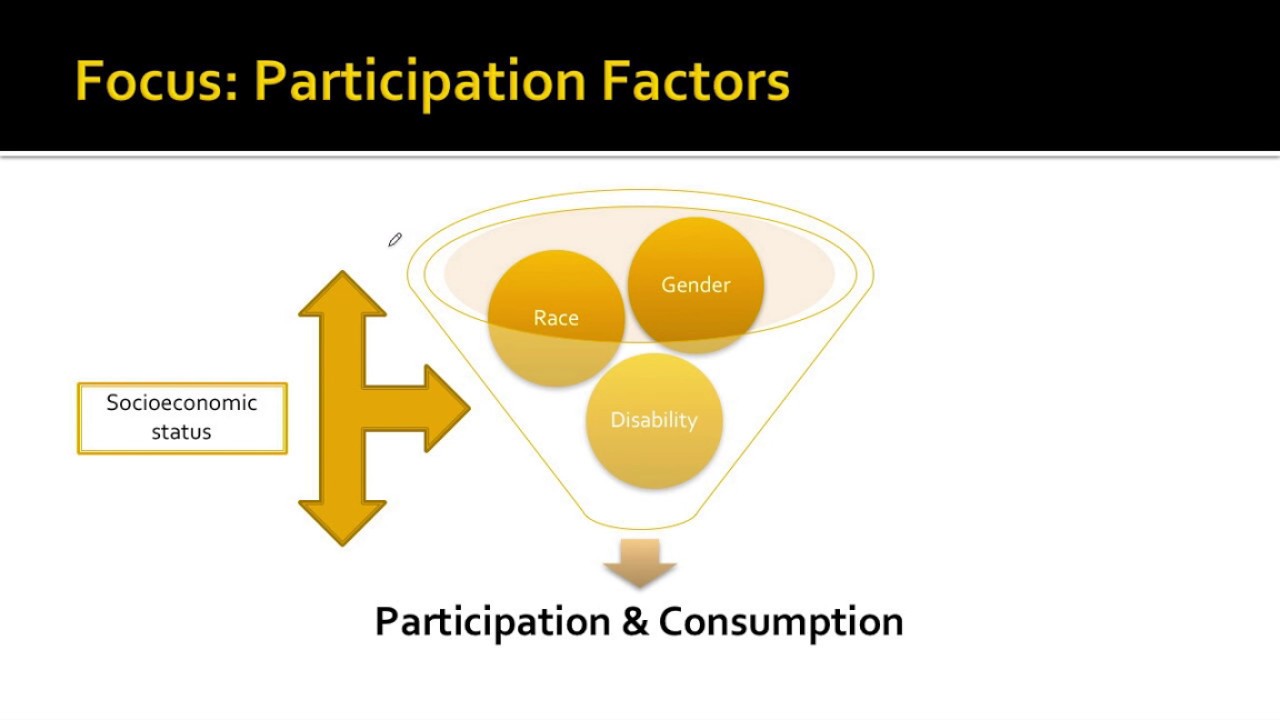
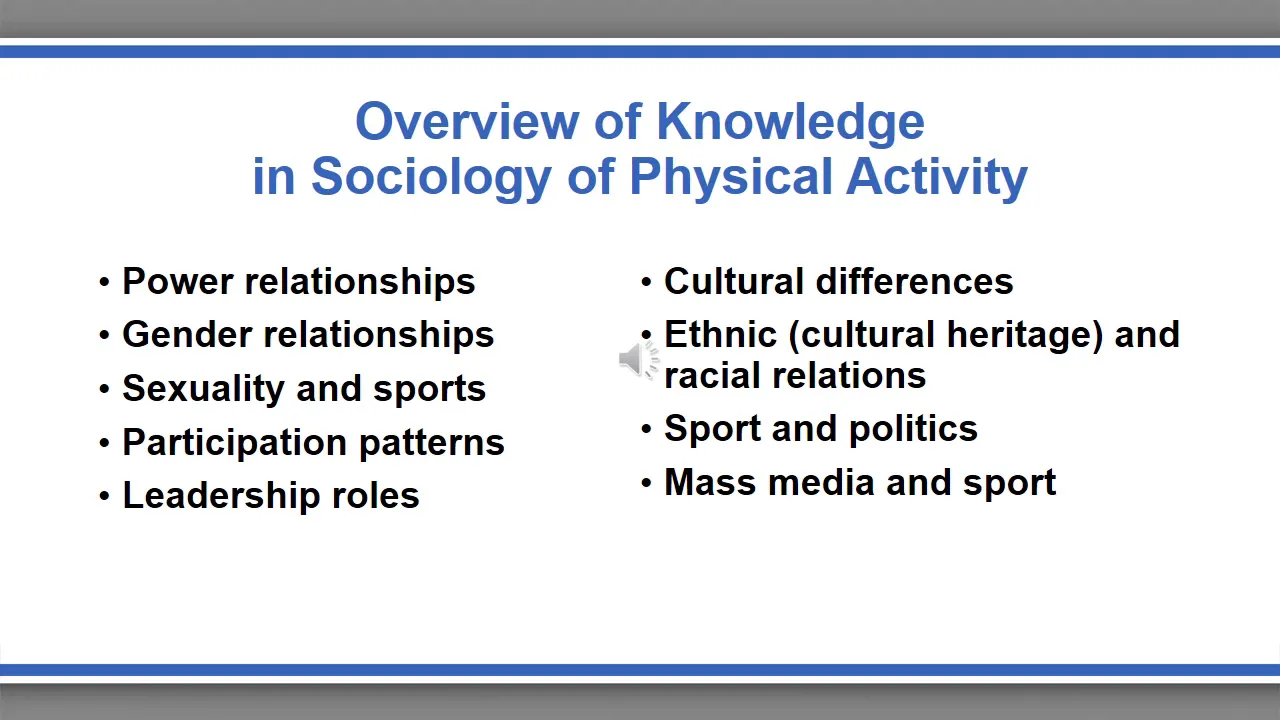
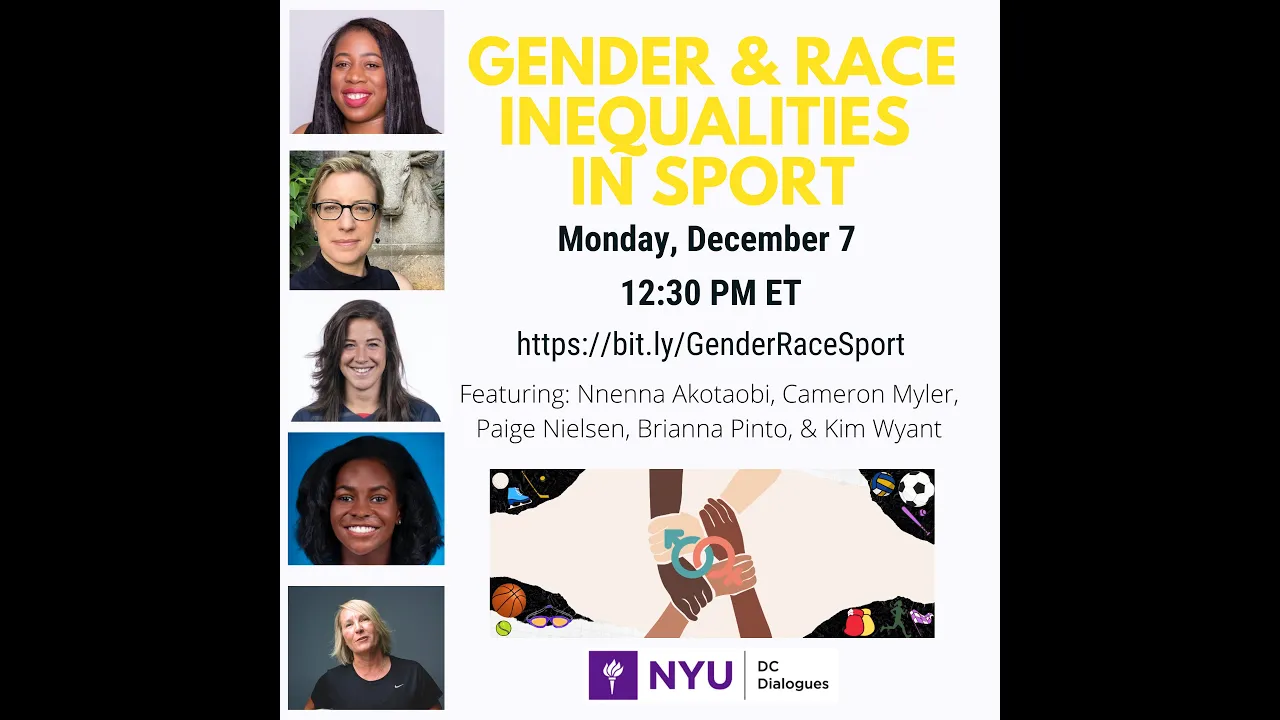
An in-depth analysis of systemic inequalities in sports, focusing on how race, gender, sexuality, and socioeconomic class affect athletic access and representation.
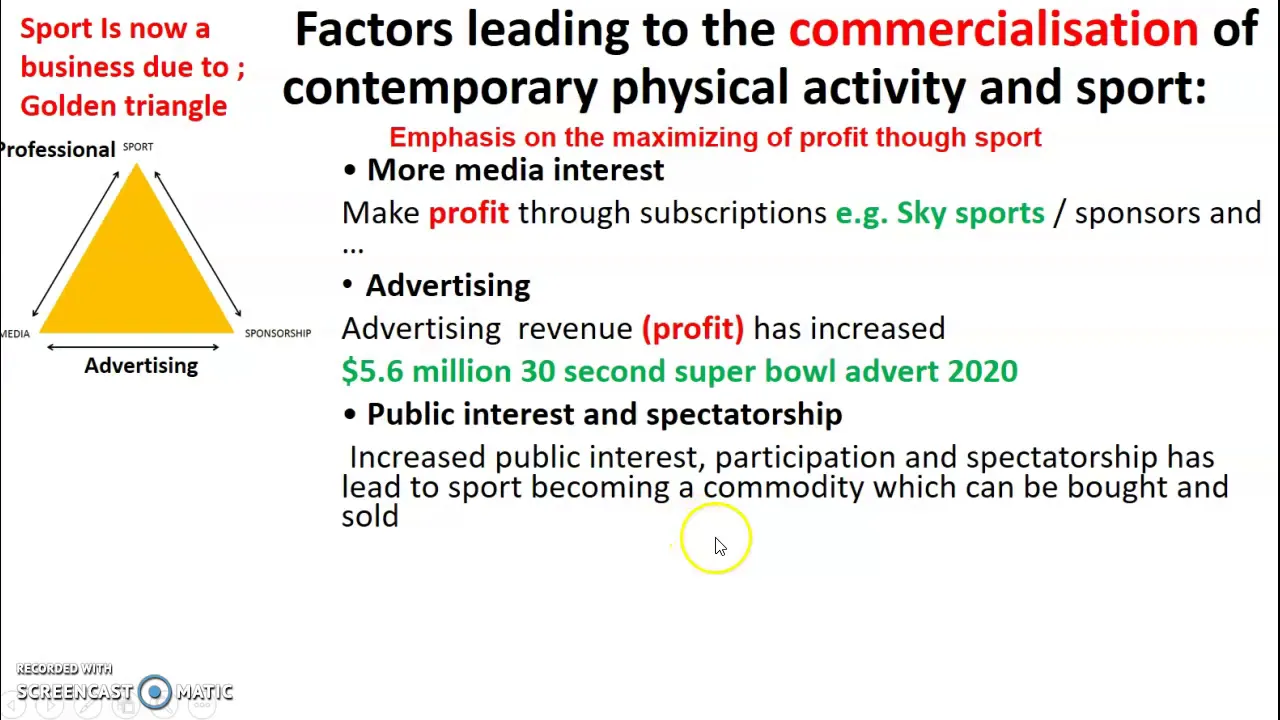
The study of sports commercialization, media representation, and how corporate interests shape modern athletic culture.
Exploring deviance, ethics, and social control in sports, such as doping, match-fixing, and athlete violence.
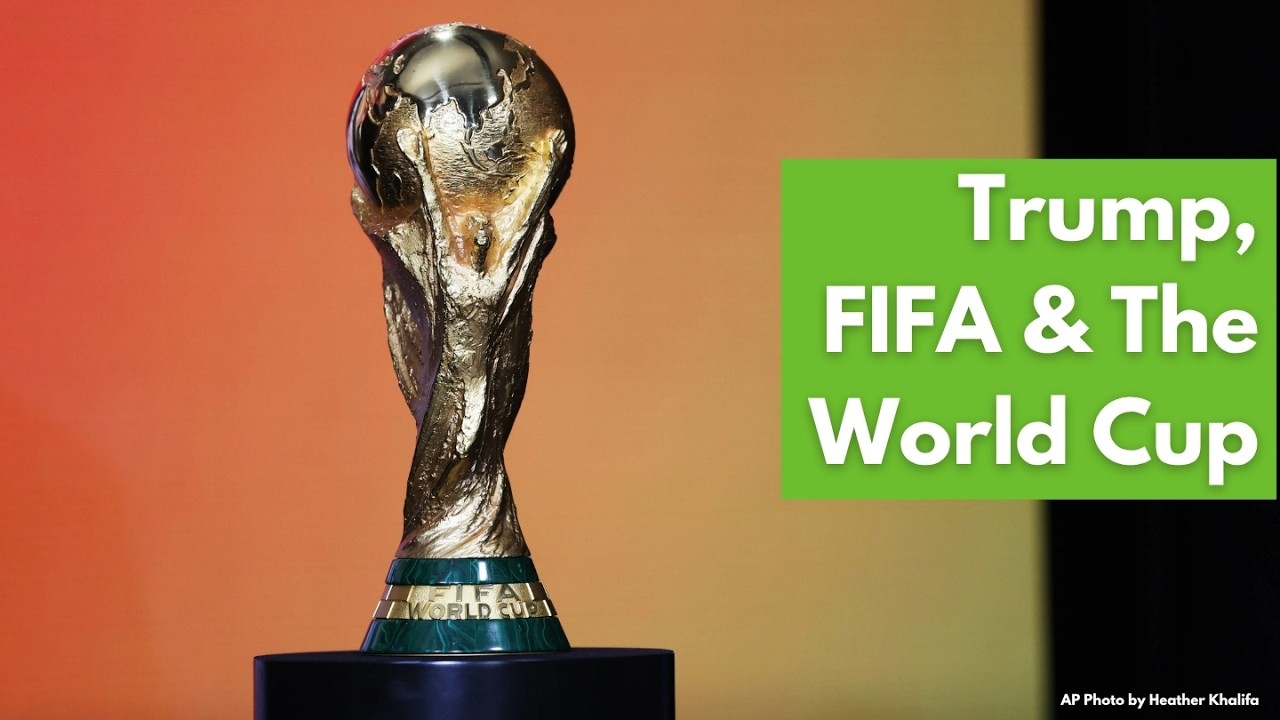
Analyzing the intersection of sports, politics, and nationalism, particularly during mega-events like the Olympic Games or FIFA World Cup.
Investigating the role of youth sports and community programs in fostering social mobility, public health, and civic engagement.
17.2K views226likes36:11Original Release: 2017-07-01
how you doing today today we want to take a few minutes to talk a little bit about some of the basics of sports sociology specifically we're going to be looking at people in sports as compared to individuals in sports that we did in the last section of of lectures Sports inherently are activities that are very social they're related to the cultural context in which we live every single day but Sports also Prov provide a way to understand the stories and the images and how that's connected with culture sport essentially provides us an opportunity to look at the window into a culture or Society for example think about professional tennis in Wimbledon which is held in England the event is very different not just the surface of the actual tennis court but the environment around it the players at Wom have the dress code of wearing white and fan participation and behavior is very conservative compare and contrast that with the US Open which is much more of a a rock and roll type of environment with loud music and the crowd gets very loud and you tend to have blimps and and there's just much more of a visual and audio Presence at the US Open as compared to Wimbledon ultimately it's still professional tennis and many of the same participants participate in these two tennis tournaments but what that those tennis tournaments allow us to do is see differences in these two respective cultures I really like it when sport managers or people that are going to be working in sport Recreation and physical activity look at and utilize social science specifically in regards to Sociology what I'd like everyone to really understand and focus on is how embedded sport is in the social political and economic conditions of a particular Culture by understanding who is participating and why they are participating in specific for sports or forms of physical activity that can actually help our industry and our organizations grow and provide better products and services for the entire course we want to understand how and why people associate with sport to do that again we're drawing from psychology which helps us to understand the individual we're going to draw from social psychology to understand more about group contexts but in this particular section we're going to draw from sociology primarily to understand the social context of which fan participant or other business related aspects of sport how they interact and how they behave what is sociology for a definition think of it as just simply the scientific study of social interactions in Social organizations within those two words interactions and organization though we'll find that there are a lot of different ways and a lot of different complex ideas that need to be fleshed out to understand sociology sometimes we take a what's called a micro point of view we tend to focus more on small groups perhaps even a little bit of of the individual or or you can contrast that by looking at a macro point of view sociology primarily was concerned with the macro point of view which involves something like Society or culture what is a society then if sociology is looking at studying you know one way that we organize ourselves as people Society is one way of doing that and that has a lot to do with people living in a very very similar geographical area so we talk about American society we talk about the the GE graphy that's associated with the United States of America one of the most important ideas that came out of sociology was developed by cite Mills in the 1950s and all he did was he articulated what he called the sociological imagination and it's the ability for us to see our own personal experiences and how they are related to larger patterns in society so if you enjoy a particular game or sport for example the game of American football if you enjoy football being able to see that your love of this game is something that you share with millions and millions and millions of other people not just in the United States but also globally that's an example of sociological imagination you you often times hear that sport is a microcosm of a particular society and what does this mean it means that sport represents the larger society that's it's embedded within here in the United States we tend to see organized team sport and other aspects of physical activity as positive things and this was articulated in the early to mid 1970s by very famous sport sociologist Harry Edwards he called it the dominant American sport Creed and basically he said that sport participating in sport provided discipline and understanding of competition the ability to build character mental and physical fitness an understanding of religion and nationalism so nationalistic Pride such as being proud to be an American and he said often times the people that are glorified especially athletes that are glorified often times they represent or reflect these characteristics of the dominant American sport Creed and a question to kind of think about moving forward yes we know that the popular assumption in the United States is that sports are positive and they help to build things like character and work ethic but take a moment and ask and then answer this question does Sport promote any negative values if so what are they often times as we start talking about sport sociology it becomes very important for everyone to have the same vocabulary specifically what is a sport now this definition is obviously very complicated very convoluted but our understanding of sport is going to be bolstered if we're all working with the same type of definition so we rely on Dr Jay kley who is one of the foremost sports sociologists in the world he said that Sports really are institutionalized competitive activities involving rigorous physical exertion or the use of a relatively complex physical skill by participants that are motivated by internal or external rewards what does this mean all right let's break it down sports are institutionalized competitive activities all right institutionalized meaning that it's common within a particular society or culture okay competitive how you Define competition we seek that answer from American culture okay so these institutionalized competitive activities involve rigorous physical exertion or a relatively complex physical skill is throwing darts is that a sport by this definition yes it is the final part of the definition is that the participants that are involved in these institutionalized competitive activities that may be involve a lot of physical activity or some sort of complex physical skill these individuals are motivated to be a part of these Sports by internal or external rewards maybe externally they receive um payment for their participation internally they feel satisfaction or gratification for participating now what this definition is there's a lot of jargon a lot of words there but ultimately what this definition means is it's very flexible so think about things such as cheerleading if you think about NCAA or cheerleading in the inter colle athletic environment is that a sport some say yes some say no there's a Supreme Court case that one University quinc um was trying to count cheerleading for title n purposes the Supreme Court eventually said that no it did not necessarily count as a sport but only in regards to Title 9 compliance so if you are engaging in cheerleading activities then you have to look at to define whether a sport you have to look at the social environment and that's ultimately what we think about an activity isn't necessarily good or bad it's not necessarily a sport or not a sport it's if it satisfies some of these criteria that we've already identified and to really understand that we look at the social environment so let's think about another kind of focus area of the sociology of sport we talked about it it was about organization so how people organize themselves well we know that there's society and culture and those types of things but there's also let's focus on how sport is physically logistically organized we know modern sport is much more complex than it has been in previous decades previous uh centuries and so to understand and really kind of flesh out that structure let's think about what sociology is Sport can provide and it provides Focus so three different areas different ways for understanding how sport is organized is through the institution and organization aspect and this is going to be your larger organizations uh if you're talking about something like putting on a global event like FIFA's World Cup or the summer and winter Olympics that's usually involving institutions and a multitude of organizations another way to think about it is through what they call Micro Systems okay and so if we're talking about women's professional basketball team or league in a particular country you're not necessarily looking at all of the professional basketball teams in that country you're looking at women's professional basketball teams in that particular country or culture okay so that's microsystem and then finally you have subcultures and subcultures May transcend different types of organizations uh just with the the prefix sub meaning it's probably not going to be um mainstream and extremely popular if you think about sport gambling and fantasy sports and things like that while very popular um there are a great number of fans and athletes that are involved in in heavily consumed sport that are not involved in different types of sport gambling so those are three just different ways of thinking about how sport is going to be not just organized but also how we can start to relate to and understand sport theories really help us to do this if we understand and identify the structure okay then the interaction within those structures how do we understand that theories help us ask the questions and help to see the way the world is and how people relate to it uh if we want to describe if we want to reflect or really examine and understand Sport and its impact on people theories provide us ways of doing that they also help us make decisions there are practical implications for thinking about and using theories moving forward now there are a large number of theories within sociology that can be applied to the sociology of sport I've chosen to try to keep it as parsimonious and slim as possible and so we're going to Focus primarily on structural level theories and then constructionist theories within those paradigms you have a couple of theories that we'll talk about you don't need to know everything about these theories but you need to know the basics and how they can help to view sport understand people's interaction with Sport and how these ultimately how these theories explain some of the issues that arise within the World of Sport the next few slides we're going to be talking about structural theories now might be a good time to pause this presentation and maybe take a small break if you took a small break and you're joining us again thank you for coming back and As A Brief Review we're talking about theories so that we can really understand how people interact with sport Recreation and physical activity there are two sort of large typologies of theories that we're going to talk about the first one are structural theories and structural theories deal with large scale things or phenomena this might actually include something like sport participation rates so if you think about the number of NC NCAA student athletes from the mid 80s to you know 2014 2015 you're talking about hundreds of thousands of participants or if you're talking about uh physical activity rates in the United States of children under the age of 12 those are going to be participation rates and those are great examples of large scale things a macr level approach for understanding social interaction and sport one structural structuralist theory that we'll talk about is called functionalism you also might hear it called structural functionalism and it basically says that Society is organized almost like a either an organism like a living entity or being or think of it as I drive a truck so I oftentimes I think about it as the engine of the truck and that's the way Society is organized everything has to work together sport is just one institution within Society it's one part of that system and so what functionalism allows us to do is understand sport participation and really the positive outcome that being involved in sport can have for both individuals and Society some of these ideas that are associated with positivity the notion of solidarity or Unity this is something that's big within a structural functionalist point of view you know oftentimes when you think about Unity you think about a sense of Oneness and that togetherness often times when we talk about different aspects of sport that's something in American culture that's promoted the other aspect of sport is maybe has a role model so think about how professional athletes are often times involved in their communities and they're involved in their communities in a variety of different ways but we look to high-profile people in our communities as a way of representing the values that are important to us as a nation as a community and as a group of people functionalism is very popular and oftentimes it's sort of the underlying lens that the sport media uses to approach and understand Sports however there are some weaknesses to employing a functionalist point of view to understand Sport and how people are associated with sport one is that it overstates the positive consequences of sport it assumes that all people that particip ipate in sports are going to benefit equally from that participation and we know that that's just simply not true it also does not recognize that sports are what we call social constructions meaning that sports are activities that may privilege or disadvantage some people more than others and this kind of goes back to the idea that one participating in a sport is not the same experience for every single person some people participate in sports because it's a way to transcend their economic realities and they need a scholarship to go to college or maybe they need a professional contract so they can help give money back to their family their Community those types of things so sports are not equal for everyone another way to look at a struct structuralist view of sport is what we call conflict theory conflict theory sees society as a system of relationships or structures that are associated primarily with economic forces when you think conflict theory you're going to think power and money Sports as a result are going to be looked at and try to be understood in the terms of economics and exploitation and so you can really start to see when people talk about exploitation within interc Collegian Athletics often times they're using a conflict view or conflict theory orientation what they really like to do is focus on how Sports perpetuate the power and privilege of certain specific Elite groups in a particular society for example we do know that professional athletes make a lot of money but what about the owners of professional franchises what about the commissioners of professional sports these people make exponentially more money all right so conflict theory is going to be focused on the idea of not just aggregate dollars but really how much are you putting into Sport and what you're getting out of it and that's the basis for understanding exploitation truthfully though many people do not like a conflict theory point of view because it it's very negative negative it identifies a lot of problems in society and then it applies those problems to the World of Sport it's seldom used in everyday conversation because it portrays sport as a distraction from from the awareness of social issues Carl Marx oftentimes associated with the conflict view from sociology said that religion was opium for the masses in that it an ized us so that we did not see the day-to-day struggle and inequities okay well that's not necessarily our Focus today but Frank defford a very well-respected Sports Illustrated HBO Real Sports a very well-respected uh sport journalist also a former student athlete at his time in the 50s in in Princeton I believe he played basketball uh he actually took that Carl Marx point of view and applied it to Sport and he said sport is the opiate of the mass so instead of thinking about people going hungry or how we can help out our community on Thanksgiving he said a lot of people sit down and watch football all day long and so it what sport does is it distracts us from some of the problems in society also what he said was that because of the entertainment aspect of sport that entertainment aspect just it really anesthetizes us or keeps us from really understanding the problems the social problems within Sport and within our industry student athlete exploitation in inter Collegian Athletics is a is a great example of people that use a conflict theory point of view now conflict theory obviously has its weaknesses as well and one is this almost exclusive focus on economics it ignores the importance of other factors such as gender race ethnicity age or maybe just the want of people to participate in sport and physical activity it really it loses sight of the fact that sport can be a personally and socially empowering experience for individuals or groups of people lastly we want to talk about feminist theories feminist theories there are a lot of them so we're just going to talk about in general um and what feminism tends to do is focus on the fact that there are gendered experiences within society and that those gendered experiences bleed over into understanding sport when we look at masculinity when we look at definitions of femininity if we look at understanding sexual orientation or sexuality or values associated with masculinity and femininity that is what feminist theories tend to focus on when you think about physicality and what it means to be to have a an appropriate body image or what people are looking for in terms of entertainment as Sport and entertainment have come closer and closer together we see that the same expectations that we have out of other entertainment venues such as movies and music and TV shows we have those expectations within Sport and so if masculinity and femininity are associated with different attributes such as competition so if masculinity tends to be associated with competition and aggressiveness then women that are aggressive and competitive are adopting masculine characteristics according to this sort of social point of view so where do they fit in how do we understand this and that's what feminist theories are trying to look at and understand obviously an a gendered view of sport is a very very appropriate and important way for examining Sports however there are some weaknesses associated with feminist theories and one is that there are are so many different feminist theories that we really lack clear guidelines for understanding and assessing forms of resistance and the value of ideas and actions in producing social transformation so if we want to address a uh sexist view in sport maybe a promotional campaign that exploits a female image how do we go about challenging that another weakness of feminist theories is that oddly enough and a lot of feminist research is trying to change just now is that they have not given enough attention to the connections between gender and other categories of experiences such as race and ethnicity socioeconomic status etc etc one thing that's going to be really important is that to adopt a feminist point of view or to look at and understand issues involving gender and sport does not mean that you have to dislike men or you have to disagree with how things have been portrayed in sport media currently what it does mean is that you're looking critically and understanding how these sport entertainment events what are some of the aspects that may be sexist not all aspects may be sexist but some may be and how do we go about assessing that understanding that again we're going to be shifting gears here so if you want to take a break break then please go ahead and press pause and we'll talk a little bit more about the last category of social theories in sports sociology if you stuck with me then we want to talk about constructionist theories and constructionist theories are basically the opposite of what we just spoke about in structuralist theories these are smaller scale phenomena so if you think about a subculture like fans of a particular team why do fans wear what they wear why do they paint their faces why do we tailgate why do why do fans go so crazy and just let out all those emotions at a sporting event these types of social theories that we're going to talk about tend to address those smaller questions symbolic interactionism or interactionism says that Society is created and maintained through understanding the social interactions that we as people have and so sports are a reflection of that are in studied in terms of how they create and give meaning to people so when people say I am a sport fan I am I am an owner of the Green Bay Packers I am a lifelong fan of the Green Bay Packers that that means something to me personally and that can be important for people that are part of sport Recreation physical activity management because we want to understand how different experiences of sport are associated with our identities as people and how this may manifest itself in sport participation or actually participation in some sort of sport culture those who use and try to understand how we as individuals relate to a sport oftentimes are going to employ what we call interpretive re research methods we talked about this previously in this course but what interpretive research methods try to do is understand instead of numbers and percentages they try to understand the social processes associated with with meaning with identity with with subculture and how and why we become involved in sports to begin with why we stay involved or why we may change our involvement in sports throughout the years symbolic interactionism was the was one of the first interactionist theories and it basically said that social inter interaction is possible because of the manipulation Evolution and creation of symbols that's how we as people really interact and we've talked about this before a symbol is something that stands for something else that's it and so some of these theorists early on you had Dr me who was a psychologist and what he really talked a lot about was uh how people would work together and you tried to understand and predict what other people were going to do do and he used a lot of sport examples Herbert Bloomer who is actually one of me's students and who helped to develop symbolic interactionism played college and professional football I just thought it was kind of nice it was it's sort of interesting we don't have a lot of theories um in sociology that are directly connected to sports but but Herbert Bloomer did play briefly for the Chicago Bears in the NFL symbolic interactionism one of the things that's really interesting about it is that it's very simple there's three basic assumptions and this is how we try to understand this Association that people have with sports one we respond to things in our environment based on their meanings or the understandings that we have so if you are a Dallas Cowboys fan that star on the side of the Helm of the Dallas Cowboys is something important to you to other people that are not fans or or maybe if they're not Rivals and they just don't care about football that star is just a star it's just something painted so that means the the meanings that we have about different symbols in life there's nothing inherently good or bad about them and that's what makes it a social construction the meaning the connection that people have with symbols is constantly changing those are the three basic assumptions of symbolic interactionism and it says those three things if you understand those three things then you will understand how we experience the social world or what they call our constructed reality is a professional football game a big event yes if you are a fan of professional football if you are not a fan of professional football then that event isn't that important to you if you like Opera more so than the NFL then maybe the Super Bowl isn't all that important to you or vice versa some of the weaknesses of interaction it doesn't really explain how these personal meanings and identities and things like that are connected with the larger social structures in society it tends to focus more on the individual so let's talk about CrossFit um and that's that's a great example of subcultures and the the connection the meaning the association the identity that people have with with being in a CrossFit box the the gyms where they work out and they push themselves and they push themselves right symbolic interactionism can help us understand that how and why they do that but it doesn't it doesn't really help us connect CrossFit to you know sport participation patterns or American culture things like that also symbolic interactionism tends to ignore or Overlook issues of power so if we're going back to the CrossFit experience how and why you're involved is a very personal thing but let it but symbolic interactionism doesn't talk about how CrossFit as a cultural mechanism does wield some power in American society and and globally as well there there are large decisions being made every single day that are calculated that are associated with how how crossfit's going to be produced as a product how it's going to be commodified how it's going to be sold to The American or Global masses so that it can be a very U efficient and productive Financial Force the last theories we want to talk about in regard to interactionism are berging and corfing and these are kind of interesting because in the mid 1970s researchers started talking about berging what does berging mean it means basking in reflective glory and what they noticed on college campuses is that students they actually wore team apparel on the Mondays after a football win on Saturday and so this is where you get the we we we played a great game we won we were part of it well hm about 15 years later we started to look at the other side of it yes we know that fan identity and selfworth were really covered in this basking reflective glory and that was a very powerful idea but what happens what happens if our team did not win on Saturday our college football team didn't win what happens that following Monday well you did not have people wear nearly as much team apparel and so research beginning in the late 80s and the early 90s came up with this idea of corfing or cutting off reflective failure where if the team lost you generally didn't say we lost the game you say the Packers lost or we won the Super Bowl see those are examples of Basking in reflective Glory or cutting off reflective failure they're very important they they help to explain a lot but there's a lot of holes it doesn't explain a lot of aspects of sport Dynamics it focuses almost exclusively on fans and we don't necessarily have a clear definition of what constitutes a fan are we talking about a casual fan are we talking about kind of an in-depth align fan uh does not adequately explain more marginalized sport experiences it tends to focus more on mainstream types of sports so while it does provide it what berging and Coring really do do though is it really connects social theories to other disciplines such as marketing communication consumer Behavior those types of things we've covered a lot of ground in this particular basics of sports sociology lecture there's a lot of information to digest but I want to take in a few points and just try to wrap up everything as succinctly as possible one we use sociology to understand people in sports because it's already developed it's a legitimate scientific point of view that already has theories and modes of analysis things like that it allows us to understand groups of people in sport Recreation and physical activity and it helps to see how Sports relate to or impact individuals people it also helps to see how Sports may impact a society or culture or what we'll talk about more in the future a community the way that we can really do and examine these connections whether it's in regards to how people behave or or why they participate or or why they connect or are involved in sport we can utilize the social theories ultimately what we do know is that the more you know about a community then the more you know know about people and the more you know about people the more you can connect your sport your products your services with them and ultimately those that are involved in sport Recreation and physical activity that
Up Next
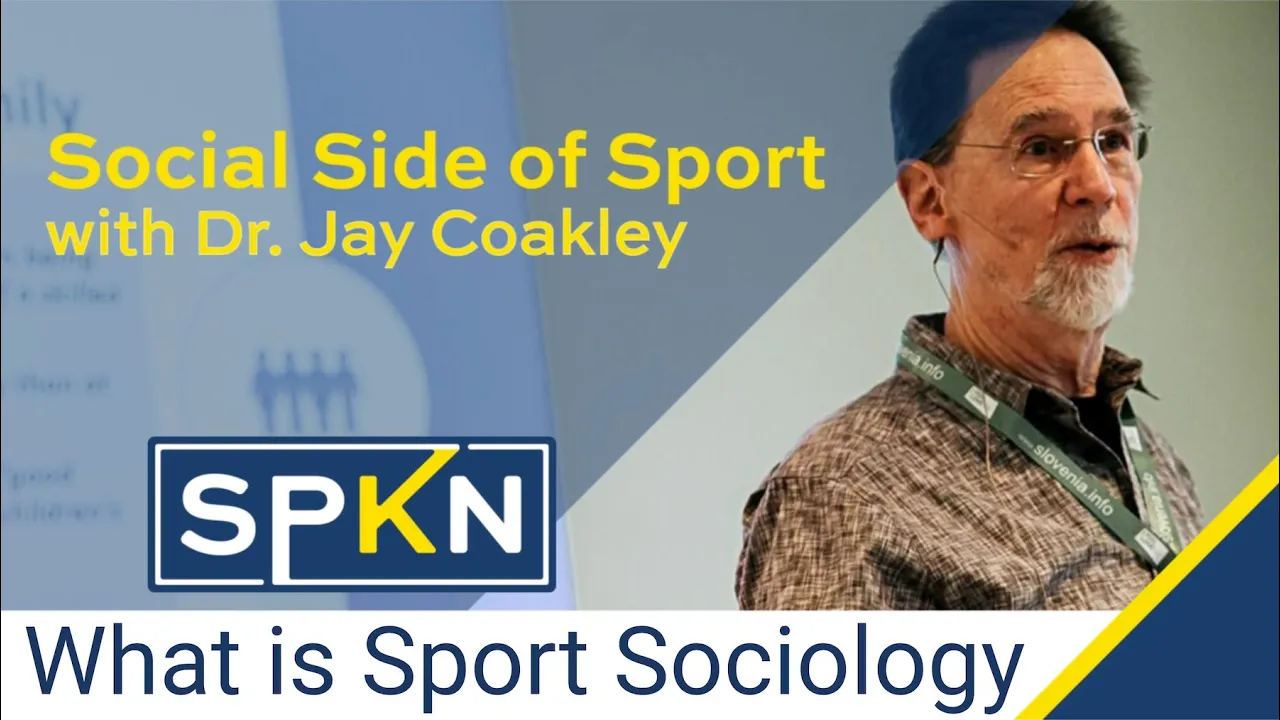
6:13
What is Sport Sociology? | Dr. Jay Coakley Explains
@SPKNmedia
8.8K views•2021-07-01

54:57
Contemporary Sociological Theory: Micro, Macro, Integrative
@NaSESYNC
45.7K views•2016-02-17

19:23
How to Analyze Conversations Scientifically | Elizabeth Stokoe | TEDx
@TEDx
1M views•2014-12-04
9:41
What is Sociology? The Sociological Perspective Explained
@crashcourse
4.6M views•2017-03-13
Related Study Plans & Knowledge Roadmaps
Structured learning paths in Sociology
sociology
Celebrity Culture: From Hollywood to TikTok
01Foundations of Celebrity Sociology
02The Rise of Micro-Celebrity & Digital Platforms
03Parasocial Relationships & Algorithmic Intimacy
+ 2 more learning modules
12h5 modules
Explore Roadmap
sociology
Hostile Architecture: Space, Power & Control
01Introduction to the Sociology of Space
02Social Control and Surveillance in the City
03Hostile Architecture and Defensive Design
+ 2 more learning modules
12h5 modules
Explore Roadmap
sociology
Loneliness Epidemic: Third Places & Isolation
01Foundations of Social Capital and Community Cohesion
02The Death of Third Places and Urban Space Erosion
03The Privatization of Leisure and Atomization
+ 2 more learning modules
12h5 modules
Explore Roadmap
sociology
Sociology of Tourism: Gaze, Power & Heritage
01Foundations of the Sociology of Travel and Leisure
02John Urry and the 'Tourist Gaze'
03Staged Authenticity and Cultural Commodification
+ 2 more learning modules
14h5 modules
Explore Roadmap