










![[ ĐGNL TEN+ ] ĐỊA LÝ 11: MỘT SỐ VẤN ĐỀ VỀ KINH TẾ - XÃ HỘI THẾ GIỚI](https://i.ytimg.com/vi/VKrKOHlK5F4/maxresdefault.jpg)












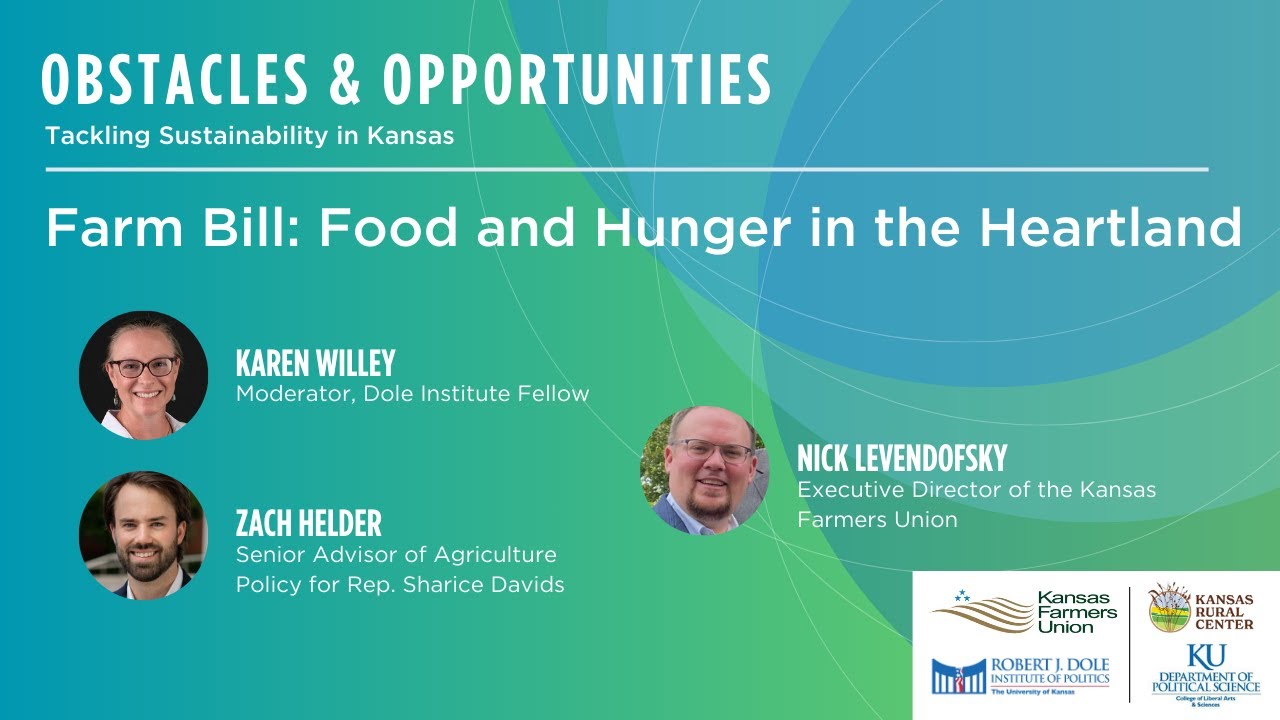
Government agricultural subsidies create trade distortions by artificially lowering prices and giving domestic producers unfair advantages over international competitors, which undermines global trade liberalization efforts and can lead to retaliatory measures from trading partners; the 2002 U.S. Farm Bill's counter-cyclical payment programs increased subsidy levels beyond WTO allowable limits, prompting complaints from Canada and Brazil, and highlighting the tension between domestic agricultural support and international trade obligations.
US Farm Policy and Global Trade: Subsidies and Development
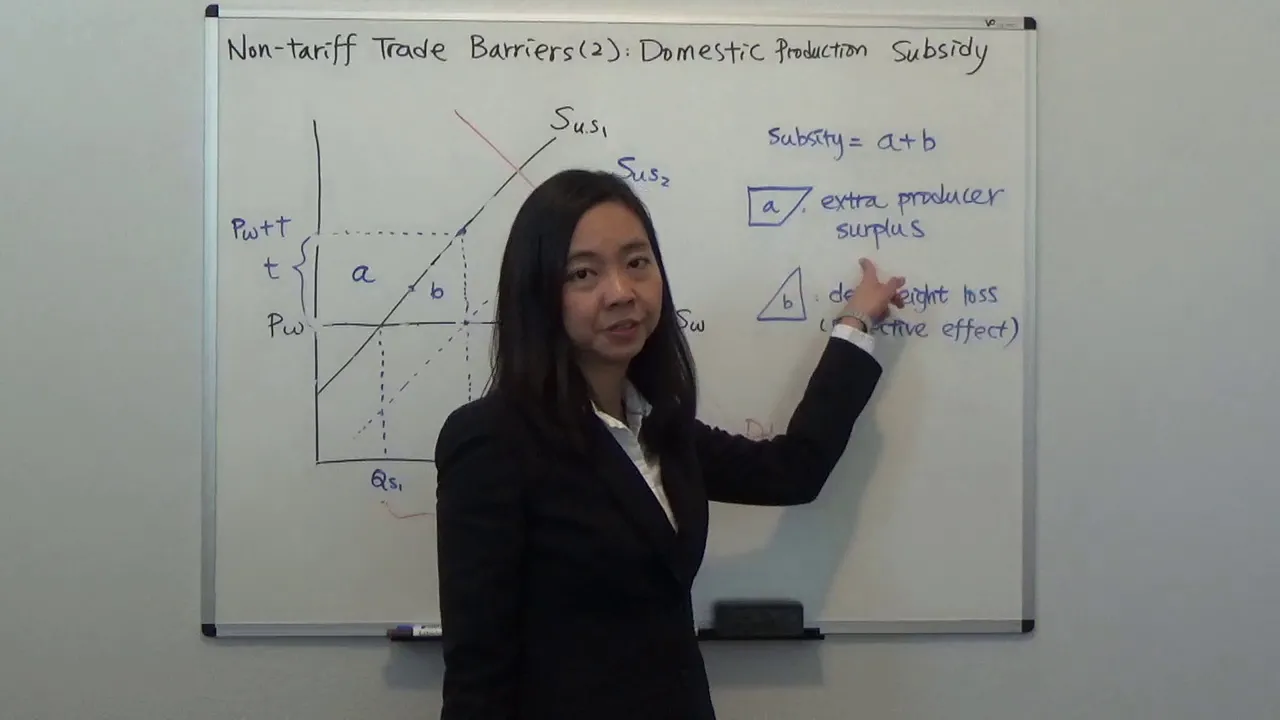
Added:Understanding the basic mechanism of government subsidies, including price supports, direct payments, and insurance subsidies to domestic producers.
Fundamental concepts of international trade theory, specifically how trade barriers, tariffs, and subsidies distort free market equilibrium and global supply chains.
The role and organizational structure of the World Trade Organization (WTO) in regulating international trade and settling disputes.
An introductory understanding of the economic differences between developed and developing nations, particularly their reliance on the agricultural sector for employment and GDP.
A deep dive into the history and current gridlock of the WTO's Doha Development Round, focusing on why agricultural reform remains a major sticking point.
Analysis of specific case studies detailing the impact of US and EU cotton and sugar subsidies on smallholder farmers in developing regions like Sub-Saharan Africa and Latin America.
Exploration of the 'Boxes' of the WTO Agreement on Agriculture (Amber, Blue, and Green boxes) and how countries classify their domestic support policies.
Evaluation of contemporary debates surrounding farm bills, food security, and the transition toward sustainable agricultural policies in a globalized economy.
303 views3likes28:30Original Release: 2013-10-01
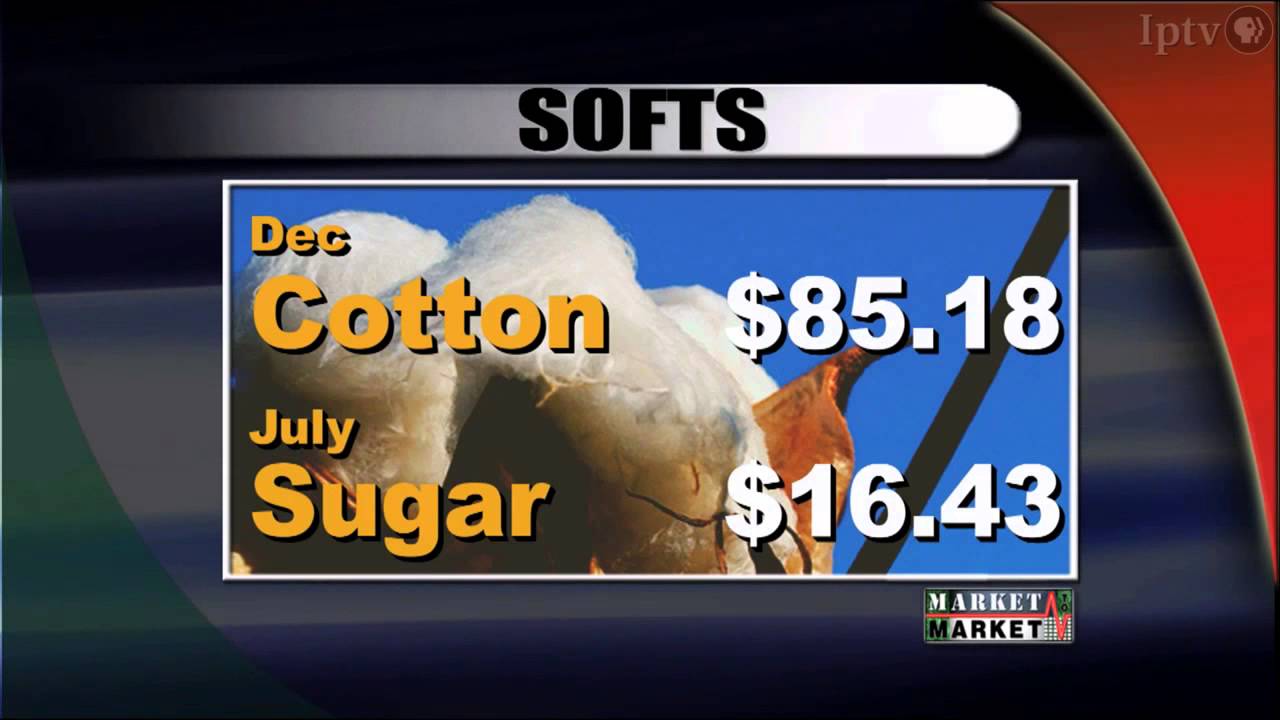
[Music] hello I'm George Liston CER welcome to dialogue a program that explores the world of ideas and issues in international Affairs history and culture it's symbolically fitting that the first contest of America's presidential season takes place amid the vast corn fields of Iowa for the man or woman who becomes America's next president will find domestic agricultural policy at the very heart of the country's international trade trade strategy one of the major accomplishments of post World War II industrial trade negotiations was the liberalization of trade in industrial goods while many prescribe similar remedies for the world's agricultural trade subsidies and tariffs remain as real challenges to this outcome understanding what is at stake as Congress considers us Farm policy is basic to grasping critical dimensions of international relations my guest is William Christ a senior public policy scholar at the woodro Wilson Center Bill Christ welcome to dialogue thank you George it's a pleasure to be here it's a pleasure to have you you're my favorite person to explain this topic which otherwise uh terrifies me but I think it's important to all of us Bill and in fact um my first question really concerns the past uh even more than the present or the future of this as I said in the in the introduction we liberalized we the world intern industrial trade fairly efficiently then there's been this move ever since that through rounds of negotiation to liberalize agricultural trade American Farm policy set in the mid 9s 96 to be precise seem to Echo that or mirror it but then there came a point 2002 to be precise when the farm bill we passed in America was viewed as by many as counterproductive or counter against the the trend why did that happen well I I guess the best thing to do is to go is to go back over what happened in Agri culture and previous trade rounds um we're we're in the current trade round right now there have been eight rounds before this one and um agriculture was basically Exempted from negotiations on all the previous rounds except for the last one the Uruguay round which finished in 1994 and basically what happened then the negotiators didn't liberalize trade in agriculture um so much as what they they did was set rules for agricultural trade and the intent was to uh reduce trade distorting and production distorting subsidies right and give a basis for future uh trade liberalization in agriculture so at that time after the the round was completed um there were Farm farms in America were economically pretty healthy um Congress passed the 1996 bill in a way that implemented the negotiated agreement right and then in the later 99s um there were a number of times when there was a crisis in agriculture um harvests were we down something like that happened and and I think everybody recognizes the importance of Agriculture of a good food supply and uh the importance of Rural Life to our our country's culture and everything so when there were these crises Congress passed emergency bills and then that comes into uh setting out the farm bill in 2002 and Congress decided to take those emergency programs and put them into a new program uh called counter cyclical payments I see so this kind of came as a as a surprise I think to our trading partners who thought we we were going to be progressively reducing Subs well they saw these counter cyclical payments is just subsidies by another name right yes absolutely right Bill uh that's a very helpful U background I'm intrigued by this uh my image of farmers I spent time working on a farm as a kid but it was an individual Farm it was you know individually owned Farm family-owned farm and such but when we're talking about these subsidies and what Congress did in 2002 um just in the very briefest sense who does that money go to is it are the Farms like they used to be or are these big agricultural conglomerates are they getting the subsidies well that's that's a very good point George um basically um most of the money goes to the wealthy big farmers and I think that's a complaint that a lot of people have about the programs for example in uh cotton production uh 25% of all the subsidies go to the wealthiest 1% cotton Farmers right 50% of all the cotton Farmers don't get any subsidies at all so basically what you have is you have the government weighing in on giving subsidies and and encouraging the big guys in in competition with the small guys so people who who look at that and analyze that think that it's having a counterproductive impact on uh us agriculture um that's not the part that I've really been looking at I've been looking more at the at the trade policy get to that trade policy but you're absolutely right about it it's distorting that way well quite frankly you're you're just the guy to talk to because you broke that down beautifully I think I I get that picture the moment where you and I are sitting here bill is as you know better even better than I is is a critical moment in all of this because there's two there's a 2007 trade bill under discussion in Congress now which would set the policy for the next five years very briefly bill just in the sense of characterizing that legislation what two things what's your sense of what it do that is to say will it move in the direction of more liberal liberalized agricultural trade and I guess secondly what are its prospects yeah uh well first off the the farm bill has passed the house in July and it um just passed the Senate six days ago so the next step on these two bills is they'll go to conference and try to reconcile them basically the farm bill uh provides about 288 billion in funding MH but the part that's really relevant for trade policy is Title One on the commodity programs and uh that's a much smaller amount um and but but basically what both the house and the Senate bills do is increase US Government subsidies oh they do yeah they they would have the effect of increasing government subsidies and I that distinction here is that um some of these programs only come into effect if prices are real low so right now we have real high prices on farm products and so some of two of these programs the subsidy level would be low right now yeah but if prices fall they have increased the trigger point so that the subsidies would be higher let's assume that the prices do fall that the subsidies go higher I mean just kind of a worst case scenario at least from one perspective but doesn't that complicate our Poss year in terms of what the world Community was pushing toward oh yes absolutely enormously um no you're absolutely right uh Canada and Brazil have filed a case against the US in the World Trade Organization our allowable measure of support for uh under these commodity programs under the World Trade Organization is $1 19.1 billion and Canada and Brazil argue that in some of the past years we've exceeded that level and that if prices fall in future years we would exceed that level and so they if their case prevails in the WTO they would be authorized and other countries hurt by our judged to be hurt by our subsidies would be authorized to retaliate MH and they could retaliate on a manufacturer product you know semiconductors or computers or whatever they could conceivably retaliate on a on a US Services export like Financial advisory services or something or uh even in terms of intellectual property protection for the benefit of lay people like myself and probably a lot of people out there watching a spill what um this is pretty dramatic but what could that retaliation amount to ultimately I mean because people love to toss around words like trade Wars and such but I mean how bad could it get well I wouldn't expect a trade War at all I think what would happen if they the dispute settlement process ruled in their favor which takes several years if that happened um What would most likely be the case is the us would have to very quickly change our policies to comply MH but wouldn't it be more foresighted to have a bill that changed I mean this sounds somewhat predictable if if you move in this direction you're going to get that if we do this this will happen this is going to happen the wisest thing if you're going to set it might be too late for the bill quite frankly but uh but for the next five years you you know yeah we should be we should be taking action to to minimize the chances that we're going to be suddenly caught in that trap and develop programs that avoid that but still help give a safety net to the farmers precisely so that's exactly what we should do so the levels of of possible sanction uh Brazil has already brought a successful case against us cotton that's right Upland cotton Upland cotton and they're um asking authority to retaliate on $3 billion worth of trade I think so I mean that's a significant it really is uh gosh this is fascinating stuff yeah one of the reasons it's fascinating too is something you alluded to earlier because you uh you do work primarily on trade issues and there's something called the Doha round in quatar which is it's ongoing is that correct right and uh of course that is focusing on something that bears very directly on this and that's the developmental aspects of trade so there is a real um question here as to how our policies if they seem to be injurious affect development issues worldwide is that right yeah no very much so uh George the um the I think that the Doha I personally think the DOA round is very important I think it's important that it succeeds it's it was started in November 2001 um shortly after uh 9911 exactly and one of the big motives for it was a national security concern that um it's in the US interest to to help countries develop um both National Security interest and also in our own economic interest in the long term the the way that these things have an impact um let's go back to Cotton okay that the estimates that I've read are that uh in recent years the US exported price of cotton is like 60% below the cost of production so I mean that's a made possible because we're subid because the sub because of the sub because of the government sub so the foreign competitor sees that as a terrible disadvantage oh it's a terrible disadvantage and these are largely poor countries are they that yeah absolutely um like the the four countries in Africa that have been pushing cotton the most um benine bkin Faso Chad and Molly mhm U cotton exports are 50% or more of their total exports and um a huge percentage of their population is dependent on growing cotton and cotton it's a big crop in a lot of countries like Uganda so I mean it has a a significant um developmental impact I think some people argue that that nullifies US foreign aid to those you know that's the first thing that popped in my mind is you talk Bill I said you know if there could be I'm trying to be wise and above the Fay but you know if there were a kind of a mutually agreed upon just fair system you much more could much could be done about the development of these countries by allowing them to sell their products at their prices rather than right use the a the aid mechanism so much right and they could sell their prices at their products at a higher price yeah and um presumably presumably produce more is it does this have any currency I this argument I'm really interested on the political aspect of this because that's where these things get decided are the men and women on the hill uh who decide these things are they I me they must be cognizant of the relation is the argument made that that an effective trade policy in this way would be an effective Aid policy in other ways well uh I think a lot of uh non-government organizations working on this issue have made that argument to to Congress um the farm bills are basically developed in the agricultural committees and they're basically I focused on domestic concerns yeah and uh the administration actually produced some very very thoughtful proposals for a new farm bill and I I think basically on this title one the commodity programs um Congress pretty much ignored them and I think that um Congress pretty much ignored the uh trade policy implications in what they're doing right now I don't there's been a some minor things but but not very much you know that's immensely helpful because I mean as a lay person I I just I'll be very candid about it I see we're living in a world increasingly interconnected and they old partition between domestic and international this may be a prime example is really fading you've got to consider both things that uh as powerfully and another interconnection I mean there's an interconnection now between our agricultural policy and our exports of products that we export like export like computers because we could be retaliated in those areas because of our farm policy that's right the the payback could come in that side of the ledger so to speak and I'm not sure that I think industry is really aware of that concern so you know the problem is how do you crack a is crafting a bill that supports the farmers without these trade and production distortions and that's that's the secret and I think the current Farm bills as are coming out of Congress basically continue the old programs and haven't really addressed that question wow this is this is I'm glad we're talking about I really am I mean at least for my education I think a lot of people's one of the interesting things that's going on in Doha or has happened their bill is it's very colorful to use that word uh classification and characterization of what subsidies are I refer to the Amber the blue and the green they correct me if this is wrong but to put it simply it seems to me they've taken subsidies that Nations can Us in particular can impose and those they they put in the Amber box are those that they view as most Troublesome I guess that are there in their in the World Trade organizations view just to promote production then the the the blue category has some of that you know promotion problem but it's limited in its scope and therefore it can be worked with then the green so-called green subsidies are okay because they're going for research and conservation so does the world see us first of all is that right and then does the world see us is having too much Amber yeah you're basically right and they do see us as too much too much Amber um the the kind of the W the World Trade Organization breakdown is is between what they call coupled and decoupled and a coupled subsidy means that it has an effect on production and in some way or other it will encourage production artificially in other words somebody will grow cotton who maybe otherwise would be growing soybeans or something else but he's growing that because of the subsidy and so that produces the distortions in World Trade so the green box that you've talked about allows for all a lot of different things as long as they don't encourage production of a commodity a specific commodity what would they be like well the US has a thing called direct subsidies that um we we've given that are based on historical acreage and they're given to a farmer and a lot of people are critical of these because they they may go to somebody who's no longer really maybe his fields are fow but they still have to be in some sort of agricultural production but um the WTO has ruled that those are not quite eligible for green box because the US law prohibits a farmer from growing fruits or vegetables in other words he has to grow wheat or cotton or soybeans or something he can't grow fruit or vegetables to to be eligible it it really has to not favor one product over another m they would be green box and those are kind of direct support to a farmer and as you mentioned um Environmental Conservation uh food stamps nutrition programs um there are a a lot of things that are eligible that countries can do to support the agricultural sector um but now there are there are some complaints about the some countries argue that the level of those can be so high that they can cause distortion that really is not a subject in the negotiations right now whether it's true or not as something to be left for another 10 15 years down the road you and I have referred numerous times to the negotiations the World Trade Organization and uh you mentioned early as something that U brings it all home and that specifically in the fact that Canada and Brazil neighbors and allies really have have brought complaints against us with I think Brazil's case some degree of success um and there's an argument and I to be very blunt about it because you could hear it particularly in a political season you know should we even care about this you know you he people say well let them bring the complaints let them even work toward their penalties it's a slow process it's a you know we're big and powerful um and we can and and and and if we had to U you know meet the penalty whatever it is it's so far off that we we'd make a lot of profit in between I trust you don't find that very persuasive no I don't um the the in the negotiations in in the World Trade Organization the countries basically do things that they think are in their own National Economic interest and that's what they agree to basically I think economists view subsidies as distorting efficiency it's it's very hard to have a subsidy program that doesn't create a lot of distortions and it's so you know right now our subsidies uh they're they're Farm wealthy farmers who who are making up to$ two and5 million dollars a year of income get subsidies well I mean is a taxpayer I don't find that inefficient why doesn't anyone take that up as a I mean that to me if I particularly in a political year oh I mean it's oh maybe because this is political eer it's tough to do it but I mean it's something it's something uh to be subsidizing to of people who are making two and5 million dollar a year well you know to me um and I'm learning as we go here in this conversation but you used the word that or use the PHR phrase that economists find subsidies troubling to me it strikes me it's an artificial element that's introduced into this right this otherwise I don't say it's a beautiful machine but it's kind of a naturally functioning one right yeah you want the market to dictate where where money should be in well when you say when you say the market Bill and uh we started by my reference to the fact that the agricultural focus of today Agricultural Development follows on the industrial experience so what does that tell us I mean when when industrialization I don't know if it's perfect yet but it went to a more free trade right posture right what's the performance well in particularly in view of the in terms of the US yeah now let me give you a personal example um in the negotiating round that I participated in the Tokyo round um which was the one before the last one I hate to give away my age but that's when it was and uh going into that round the US Chemical industry was totally protected we had a called American selling price and in the process of the negotiations the chemical industry decided to give that up and compete in world markets and that's what happened the US gave that up they've competed in world markets and I would think the chemical industry today is far healthier than it was in 1980 and I mean it's world class and uh so it really changed its strategy in agriculture unfortunately what has happened happened I think is that the agricultural Community historically was interested in exporting and foreign markets and I I think there's a tendency they've gotten used to subsidies they've they like the high prices right now like particularly for corn that's driven by ethanol and things like that and so they're less interested in exporting than historically they've been I can understand that particularly the way you you put it forth very straightforwardly yet it seems to me uh that is it's kind of like living in the past and and not seeing the way the world's going I mean that that can be unsustainable and create other problems I think that's at least interet I that's that's my personal view too I I think you're absolutely right I think that the direction that we're headed in right now is going to create problems for the United States down the road let's let's turn that around let's let's assume we're back in Tokyo for example and there's a there's a moment of um Enlightenment and and we the US given the size and power of this country were to take the well for lack of a better we we call a progressive position in this position in favor of liberalization Etc what would be the effect of that I mean is that in our in our national Interest really uh to do that well that's out in front of the game that's very perceptive uh in in all the previous rounds basically the rounds have succeeded because the US took a a very forthright position and we we set out and would say okay we will make these concessions if we get these things and really set a marker so other countries can say oh it's terrific I think that the US negotiators have done a a real good job on agriculture they've they've made proposals that go as far as they can within the legislative constraints and in fact the latest us proposals would require reductions in US trade and production distorting subsidies it could have to be switched into the green box or something else so it would require that I think they've done a good job but I think that us negotiators are are negotiating with one arm behind their back uh they go in and they say we've got to get rid of these subsidies and everybody else says well yeah but look at you guys are increasing your subsidies look at look at what you're doing now our agricultural subsidies are a lot smaller than Europe's Europe has a lot more but Europe has been moving in the direction of reducing them and and taking away the trade and production distorting elements and as you pointed out in your in your opening comment the US in 2002 kind of moved in that moved back and now we're moving back just a little bit more right you know you use the word again negotiations which are going on right now and I'm wondering in the character of these the do the Doan round which you're very closely uh watching bill um what what I guess the the tenor the climate the tone of things I noticed for example and and in reading about this that there are countries that are beginning to pool their interests and and as being against ours there's something called the G20 which I take are developing States primarily there's a g33 which something else but there groups that seem to be forming and maybe their positions are hardening as we speak so I mean is there a danger of things beginning to unravel well I think so I you know I think this this trade round it's in its sixth year the the last round took eight years to complete so it's it's not unexpected that it it takes a long time the the subjects are very very complicated there's a 152 countries participating in the negotiation so it's complicated stuff to get all of this put together um but I think the round is in a lot of trouble right now uhhuh okay and I think it would be a shame if it fails um we've talked about the impact of on the least developed countries I I think there's a lot of things right now that have been going on in this round that um would help further our environmental interests like there's a effort there to get rid of fishing subsidies that cause fish depletion so I think it's and then also we'll have a lot of liberalization and manufactured and services so it's a lot of things in the US economic interest I'm delighted with with this conversation Bill I'm I'm really glad you brought everything that you did up and I love the way you end that you know if we if we get wise and get smart this uh you know we can protect our interest and move things ahead yeah Chris thank you so much thank you very much for having I think I have a feeling you're going to be back this ain't going away no it won't thank you Bill thank you and that's our program we appreciate your comments and you can reach us at dialogue at Wilson center.org I'm George lonca and you've been watching dialogue at co-prod uction of the woodro Wilson International Center for Scholars and MHC networks dialogue is also on the MHC worldview Channel which is available to public TV stations Nationwide for more information go to www. mhcw worldview.
org please join us again right here next week and thank you for watching this week pH you were terrific I'm I'm amazed at [Music]
Up Next
15:20
EU Agricultural Subsidies: Economic Impact and Reform
@visualeconomiken
46.2K views•2023-07-16
5:07
Impact of Yuan in Indo-Russian Trade Amid Sanctions
@WION
261.9K views•2022-07-01
10:33
Behavioral Economics Explained: Rationality, Nudges, and Risk
@crashcourse
1.1M views•2016-03-12

113:18
The Age of Easy Money: Fed & Inflation | Full Documentary
@frontline
21.2M views•2023-03-15
Related Study Plans & Knowledge Roadmaps
Structured learning paths in Economics
economics
Sovereign Debt: Defaults, IMF & Restructuring
01Introduction to Sovereign Debt & Government Bonds
02Debt Sustainability & Credit Ratings
03Anatomy and History of Debt Crises
+ 2 more learning modules
12h5 modules
Explore Roadmap
economics
Market Design: Matching Theory & Gale-Shapley
01Introduction to Market Design and Price-Free Markets
02Two-Sided Matching & The Gale-Shapley Algorithm
03School Choice Systems and Mechanism Design
+ 2 more learning modules
10h5 modules
Explore Roadmap
economics
Impossible Trinity: Forex, Capital & Policy
01Introduction to Monetary Policy and Central Banking
02Exchange Rates and International Capital Flows
03The Mundell-Fleming Model
+ 2 more learning modules
8h5 modules
Explore Roadmap
economics
Healthcare Economics: Market Failures & Systems
01Introduction to Healthcare Markets and Market Failure
02Asymmetric Information and Adverse Selection
03Moral Hazard and Insurance Design
+ 2 more learning modules
12h5 modules
Explore Roadmap