




![[L1] TAXONOMY & CLASSIFICATION | OSSTET BIOLOGY | CHT | TGT CBZ| BIOLOGY BASICS @TheLearnerODISHA](https://i.ytimg.com/vi/RnwW3IGLup4/maxresdefault.jpg)






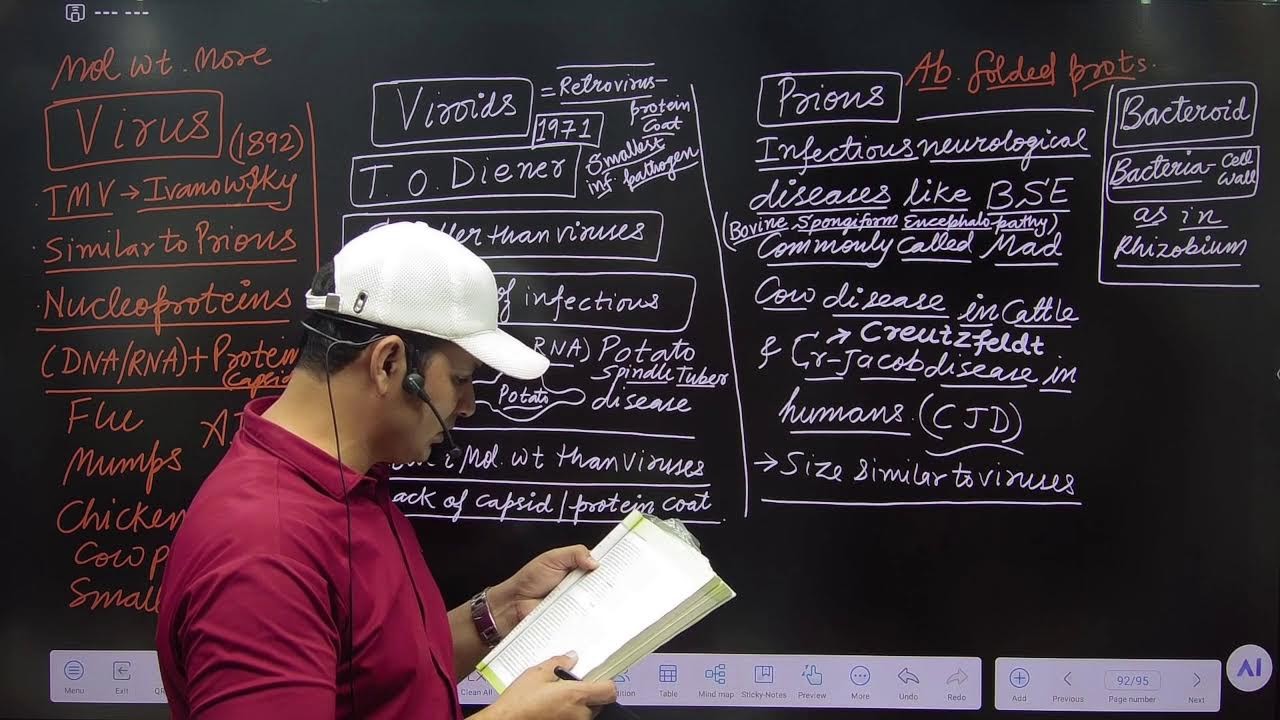






Protista are unicellular eukaryotic organisms that serve as a link between plants, fungi, and animals, classified into five categories: Cryptophytes (diatoms with silica cell walls forming diatomaceous earth), Dinoflagellates (marine organisms with two flagella causing red tides), Euglenoids (autotrophic/heterotrophic with chloroplasts and pellicle), Slime Molds (fungi-like with plasmodium and spore formation), and Protozoans (animal-like with locomotory structures like pseudopodia, cilia, and flagella). Fungi are heterotrophic organisms with filamentous structures (hyphae forming mycelium), classified into Phycomycetes (aseptate mycelium, asexual zoospores and sporangiospores), Ascomycetes (sack fungi with branched septate mycelium, asexual conidia and sexual ascospores), Basidiomycetes (mushroom fungi with branched septate mycelium, sexual basidiospores), and Deuteromycetes (imperfect fungi with unknown sexual phase). Fungi reproduce through vegetative, asexual, and sexual methods, with sexual reproduction involving plasmogamy, karyogamy, and dikaryotic stages.
Biological Classification: Protista & Fungi | NEET Biology 2025-26
Added:yes thank you hello students welcome to vantu nich English I am miss gopa your biology Master teacher some of you might be thinking why has ma'am word glasses is something happened to M's eyes no students can you see the similarity it's the same person okay so yes we are in a new look we are in a new series launch so we thought why not wear glasses now I can see everything okay so how are you all doing let me know yes hello hello you should also put the glass Emoji okay send that uh emoji with the glasses fast and then we are going to start the class okay some small error was there yes all gmas are ready those who did not see my glass look yeah it looks nice see how is it full uh talapa wibes you people should tell me are yes full yes yes new look I hope the new look is nice you like the new look yes awesome awesome so yes students we'll start the class this is all for fun okay so we have launched our RNA Series right uh basically RNA and DNA we know that RNA came first right right RNA came first so now RNA series is very very what to tell it's going to be awesome because our YouTube students are very happy in the launch right are you all yes oh DNA people also are here very nice okay so students last class what did we study we did the introduction we did the what is that we did the two Kingdom classification five kingdom classification and Kingdom Monera right this is what we did last class today's class we are going to complete protesta fungi Kingdom uh Animalia Plante and virus right okay yes okay awesome all of you are wearing glasses now we'll remove the glasses and start the class I hope all of you smashed the like button if you have been marked your attendance it's very very bad Mark your attendance then only sit in the class okay no bunking in the class like I always say now students the next topic today's topic is protesta fungi Plante Animalia viroids virus and lyans this is our topic see this chapter is all about understand no I would say this chapter is all about memorizing very less Concepts to understand but a lot to remember a lot to memorize so today we are going to do that together okay ready yes I'm doing awesome Angelina yes okay let's start students so protesta what is this protesta your protesta is like a person who is not sure if they have to be in DNA or RNA because I saw a lot of messages ma'am what is the difference between RNA DNA what is that what is this right so a student who doesn't know if they have to be in RNA or DNA is kind of protesta that means it is a link between your plants animals and fungi okay this acts as a link okay a link between your plants okay fungi and animals I'll tell you why did I say this but you will get to know it soon okay now protesta students via put who and all into protesta all of you tell me in the chat box very good already uh venila has already answered okay that is all the unicellular eukariotic organisms he let's do one thing let's put them into protesta right he told let's put them into protesta so our main people who are there is all unicellular eukariotic organisms okay eukaryotic organisms now why did I say protesta is like the students who does not know RNA DNA r no re right confusions people protesta also is like that a little confused it is because it has some characteristics like plants some characteristics like fungi some characteristics like animals how many of them in the class like that please raise your hands okay oh hi rasna okay how many of them in the class like that please tell me single cell UK carots okay so here what is happening they're also linking this Mona with the other organisms because Mona is the only one who is unicellular right so this prot make sure that it is linking this Mona also with fungi Plante and Animalia got it yes yes very easy awesome awesome now what is the next thing about them they have nucleus right nucleus is present because obviously UK carots means nucleus will be present and not only that they will also have membrane bound organal okay so students now what is happening little bit evolution is happening right membrane bound organal are you all with me on this are you all with me on this okay now what else in Pro protesta students I'm going to divide protesta what am I going to do I am going to divide protesta I'm going to divide protesta into cryofit dilates ugino slim protozoans don't take tension I'm going to make sure that you understand every single word in this class but I want all of you to stay back in the class don't leave the class because you have the freedom to live stay in the class the series is only launched for you the series is only for you you know other channels are not taking classes so this is a good time for you to prepare and be ahead of other people who are sitting and watching news every day okay yes oh got it are you all with me on this yes or no yes ma'am tell fast people yes ma'am how many of you mark the attendance what is the attendance now has it crossed hundreds okay now students the most big thing about this entire your protesta is they have filla they have Celia they have pseudopodia they have all the kind of locomotory organs okay so in the throughout this uh you know protesta you will see that we talk a lot about Fela we talk a lot about Celia we talk a lot about pseudopodia got it these are the things that we'll be talking about ciated hair like structure filla pseudopodia these are the things that will we'll be talking about now if I have to divide protesta right I'll divide protesta all of you know the division of protesta yes or no tell me one second students okay we are going to divide protesta I'm going to divide protesta into almost five of them what are the five of them let's see protesta I will divide them okay into few categories right now we'll write the names here rest we'll write later okay cryofit or kopites let's write kopite okay wait fights dilates dilates students I think I cannot fit it here one second all of you whoever learned this chapter should repeat after me okay dinoflagellates ug glenoids okay slim mold and the last one is protozoans okay are you with me very good awesome awesome very good very good I love the Jo okay very good cryo fights okay we have C kopites okay so is there kopites dilates ugino Li and protozoans so I categorize this entire protesta into some categories now how are these categories taken into you know consideration right how are these categories taken into consideration see look here if you see cryofit and dinate they have some characteristic that of plants okay they have some characteristic that of plants and if you see slim moles they have some characteristic that of fungi if you want you can tell all the three has some characteristics of plants why am I telling that because your ugen noids in the presence of sunlight can do autot tropism all of you agree on that okay so your one okay two and three can be very very similar to that of plants that's why I told you there are a link between right there are a link between your plants animals and fungi so they are very plant-like they are very plant-like and if I see slim moles they are fungus type okay they are fungi type because they you know form spores and all that so they are fungi okay they very fungi like and your Proto because of their Locomotion they are considered as animal like okay they are considered animal like so you should know this see pyq many pyqs I've put in the session so you can see how the questions come every year okay many students actually leave this chapter thinking that I have four marks eight marks but now you know no every Mark is valid every Mark is a competition by itself okay in one Mark difference there'll be a lot of students or in say five marks four marks difference one question let's consider four marks difference lot of variation will be there so this is how the protesta categories are divided into now let's go into each of them okay let's go into each of them first you have cryofit students in cryofit it's actually very simple it's like a story okay think of it is like a story under cryofit we have golden algae and Di atoms okay so now the Aquatic form all that I'll tell you later okay 1 second one second students let me just did you all Mark the attendance I'm checking your attendance as well as checking if there are anyone talking nonsense in the class okay yes okay fine awesome good students okay yes so students kopites okay kopites we tell faster cryofit okay but it's kopites in kopites basically you have to study about two people first is your diatoms okay diatoms all of you have heard about diatoms and the next thing that you have to hear is your death Smiths death Smiths you might have not heard but you definitely heard golden algae now what's so special about them ma'am see the most special thing about this diams and your Des especially your diams is that the cell wall so understand in your protesta every category when you are studying you will study a different types of cell wall okay different types of cell wall very good yes di atoms and golden algae or your desats okay very good okay now where are this people seen now if if I if you say normally they are seen both in fresh water okay both in fresh water and Mar students this chapter has lot to memorize okay this chapter is basically memorizing chapter more than a understanding chapter memorizing chapter so always you should you know continue or revise okay always you should keep revising okay got it yes fine now look here diams and desmat or golden a they found both in fresh water and Mar now as I told you every protesta when you're studying you'll have to study about the specialized cell wall okay specialized cell wall clear yes okay now what do I mean by cell wall ma'am what do I what are you talking about right they are first of all let me also write a little more characteristics about them they're microscopic and floats okay they floats like like Plankton students they will float this is your exact ncrt I have put ncrt snip as well because in this chap there are chances that we miss something conceptual matter we might talk but some words we will miss so that's why now the next most important thing this cell wall okay the cell wall is soap box like have you all seen a soap box okay the diatom cell wall are like soap box like this is how we draw and show you but I'll show you how they generally look like St they look like this okay they look like this okay like this this is how they will look that means they are soap box like of cell wall this cell wall is made up of silica and this silica will keep settling keep settling keep settling in the bed of the earth and form the dious Earth is this clear to all of you is this clear to all of you clear okay so this cell wall is a soap box type okay I'm erasing this cell wall is soap box okay basically they're overlapping right they're overlapping with each other and form a so box like pattern so cell wall is so box but that is not the most important thing the most important thing is it is made up of silica okay it is made up of silica and this silica is this undestructible that means silica is one of the strongest material so it is not easy to destruct it okay so it is non or IR destructible okay destructible and because of it they will go and keep settling on the bed of the earth okay they will keep settling in the bottom of the earth of the seabed I'll write okay of the seabed to form what students to form what all of you tell me in the chats to form yes very good di atomous Earth okay di atomous Earth this is one of the things that now also if you just go to Amazon and type dious Earth you will see a packet okay you'll see a packet which actually helps like they use it okay for different thing so this is called as dious Earth and students this dious Earth is nowadays used for multiple other things like polishing okay it's used for polishing even uh not only for polishing they also use it for filtration of the oil okay for filtration as well is this clear is this clear okay any doubt so far yes I think no doubts okay no doubts so far good okay diet Tous Earth so what did we study so far under kopites we have two categories that you have to study that is your di atoms and desm mits desm mits are also called as golden algas now they are found both on fresh water and my right they're microscopic and they float so we tell like flank TOS okay now cell wall is soap like that mean cell wall is basically overlapping okay cell wall is basically overlapping and because of the overlapping see because of the overlapping they look like a soap box kind of a structure okay like this a soap box kind of a structure and this soap box is made up of silica which does not you know distruct itself very fast so they will go and settle again and again on the seab bed to form a dious earth is this clear okay easy peasy lemon squeezy and I have even put the image you can see okay I have even put the image now why did I tell cryofit or kopites are very near to plants that is because most of them right most of them who fall under this category are photosynthetic in nature okay most of them have the ability to do photosynthesis okay photo synthesis that is the reason why I told they are plant like so for everything the question will be asked why did I tell it it is plant like right that question I'm answering now okay students here you can see cryofit the image is not clear but in the PDF the image will be clear okay yes yes correct correct aanisha a okay a okay CH next one Dino flates from the word itself some two something you're feeling know like that so Dino flates here mainly you'll be talking about fla and you'll talk about two Filas that is the most important thing clear yes or no very good many of you are answering many of you are chuma sitting okay chuma sitting and talking with each other all of you should answer then only you will understand you should keep answering even if it's wrong or right it's fine okay we're not here to do that now look here students this is also mostly Marine okay mostly marine and fresh water now see this questions are all won't come but in case some correct incorrect questions come we have to be prepared for it now the next thing again as I told you the cell wall here also the cell wall is like a plate like all of you tell me how is the cell wall tell me quickly okay they are also plate like now that is not the most important thing they form fos okay they form fos and from the fos The Fela will be arising that's what I told you Dino that means you talk about the Fela the most now the next most important thing about this people they are seen in almost all the colors yellow brown red blue green okay they are found in almost all the colors like yellow now I cannot go for all the colors but I'll try two three colors okay green red okay rest we'll write it with white okay yellow green red blue also we can write students we have blue easy accessibility of blue okay blue Brown and Brown These are the colors that this dilates come up with now you will be thinking ma'am wait m'am did I think about red tide okay red tide and all that right so again we'll come slowly into it but right now understand they are found in almost all the colors like red brown green yellow and uh students blue okay red green yellow and blue is this clear is this clear to all of you telegram link of vantu NE English or and biology by gopa now let's get into the cell wall the cell wall is very very easy to remember because students cell wall is like made of plates okay that means a strong background they giving like plates are formed so they have proper cellulosic plates okay cell wall are in the form of plates this plates will keep them very strong now as I told you this plates are not just covering the entire thing or it is not like a one structure they have Furrow in between okay they have Furrow in between and from this fos arises your fella from the fos what arises your Fela okay Fela arises don't think this is the organ ISM this is just a Farrow okay here you can see here you can see some f are there okay again see here you can see one Furrow is there and like this it's going see can you see Furrow are there so the cell plates does not completely cover okay the cellulosic plates on the outer surface does not completely cover that means they have small furrows and like ridges okay students furrows are there through from where the filla will come out okay cellulosic plates okay I didn't cellulosic now filla very simple thing that you have to understand about filla one will be longitudinal one will be transverse one will come out like this one will come out like this okay so if I draw one uh what it tell your dilates let's say I'm drawing like this friends it comes in different different shapes okay now what if one is coming like this one will go like this okay they'll be perpendicular to each other like this sorry like this okay one will go long itudinal one will go transverse so dilates the simple thing is one is longitudinal one is transverse is this clear is this clear okay so I'm writing it here they have two Filas okay they have two Filas where one is longitudinal arises longitudinally again from the fos don't forget that you will have questions from it and one is transverse is this clear okay one is transverse now the next thing about it because they are present in So Many Colors okay because they're present in So Many Colors we see that there are red tide formation that means uh there is one special Dino called GX name is very very important that will do rapid multiplication and it will give us an image of a red tide that means when the tide is coming the whole tide will look red in color because of the rapid multiplication of this gonx okay okay I'm writing it here so red tight formation students the name is important okay red tight formation is because of your gonx okay gonx how this is formed because of Rapid multiplication of this okay this is formed because of Rapid multiplication multiplication now the next most important thing about dilates is that they release toxins like neurotoxin or hemotoxins what the toxins do is they basically kill all other marine animals that means the toxins are so poisonous it can even affect humans but it also kills the marine animals that is your neurotoxin you can remember students for now even if you write toxins you'll get marks because only toxins since mentioned is mentioned in your ncrt so whenever there is any harm for this organism they will release neurotoxins which are actually lipid soluble toxins so they also harm other organisms as well as for us also okay got it very very important fine any doubts just look at the board okay just look at the board and just tell me if if you have any doubts yes yes they are also photosynthetic okay they marine and they are also photosynthetic that is why see students whichever I told under plants they are all doing photosynthesis that is the only reason why I put them under plants okay that is your cryofit dilates and your ugino somewhere or the other they are doing photosynthesis that's why I put them under plant is this clear who asked me Prine are you clear yes okay clear okay ma'am clear clear any doubt so far please ask me now otherwise we'll go into ug glenoids okay so dinoes structure has to be clear this is very important transvers and longitudinal now students next one is ug glenoids now about ug glenoids if you see you would have all seen ug glenoids very commonly because from small age you would have studied ugina ugina as an example yes or no ugina ugina you keep telling again same thing filla will be there but the most important characteristic of this ug glenoid is that when in presence of sunlight okay in presence of sunlight they do autotrophic nature that means they do they make their own food okay autotrophic in nature they form their own food but when sunlight is not there when sunlight is not there that means in absence of sunlight what this fellow will do this fellow will be okay I'll eat smaller organisms than me that means it will suddenly become heterotrophic in nature this is all again like a natural selection survival of the fittest it cannot wait for sunlight so what it will do whenever sunlight is not there that means especially during the night times it will consume organisms which are smaller than them okay it will consume organisms which are smaller than them this is one of the most important characteristic of it now they are found in fresh water stagnant water okay they found in fresh water that is especially in the stagnant water now they also have filla students they also have a presence of filla one is short and one is long can anyone tell me about the cell wall hi chandan can anyone tell me about the cell wall in your ug noids do we have a cell wall or something else is replaced or some protein is there so here also students in this entire protesta please make a note sear about all the cell walls here also cell wall is absent but they have another okay like a replacement they have a protein okay they have a protein layer called as a pellicle okay protein layer which is called as a pelic so instead of that cell wall is not there okay cell wall is absent but they have another layer called the pellicle very good yes absence of cell wall but they have a protein Rich layer called the pellicle so here I'm writing cell wall do you want me to write it down here okay because some students later learn from the notes they might not understand so I'm writing it here cell wall is absent but they have a protein Rich pelic done now next one I told was about the filla okay filla filla here also two flas are there one is short one is Long Easy no one is short one is long okay now students here also if you see your ug glenoid like this okay your ug glenoid is like this one long one will be there one short one will be there this is how your ug glenoid will look like okay yeah mine looks like it's going to Target someone otherwise no okay yes Rani is talking busily what happened rnie okay so now students this Ugo I feel bad for the ugina okay so we'll draw one good one see perfect okay this is the long one and this can be the short one and this is a ugina now the very special characteristics of ugina is that I put them into plants ma'am on what basis you put them into plants okay they do autotrophic nature but for them to do autotrophic nature that means they have the same pigment as such of higher plants okay they have the same pigment okay same pigment is present like higher plants that means your chlorophyll a like that okay same pigment as higher plants I'm writing it in green so you understand that's something to do with plants got it they have the same pigment as the higher plants this is all about Ugo very quick revision tell me fast okay tell me fast that is sunlight it's in the presence of sunlight it will do autotrophic nature in absence of sunlight it will do heterotrophic nature that means it will start consuming consuming all the smaller organisms then students it present in fresh water stagnant water and protein layer that means cell W is absent so they have a protein Rich layer called the pellicle are you all with me so far now filla two typ two Filas are there one short one long and why did I put them into plants yes they do autotrophic nature for them to do that they have the same pigment as such of your higher plants okay and the example is yalina yulina yes yes braine you can say that ugina is a connecting link between plant and animal mainly because of this characteristic okay because of this nature you can tell they are the link between plants and animals okay plants and animals I've have read this in some books but yeah since it's not an ncrt you see you will understand no because autotop atrops both will be there ready okay now let's let's get sorry s next okay next that is slime mold now slime mold I told you it is like your fungi that means it does some characteristic like fungi what could be the characteristic can any of you guess and tell me what could be the characteristic that it does like fungi maybe it forms pores or maybe it forms some body some Aggregates yes tell me fastly what is it do first of all simple thing about funi they are found very terrestrially okay they are seen terrestrially okay they are found terrestrially and not only that students they are heterotrophs okay they heterotrophic in nature one of the characteristic of your fungi they are saprophytic also parasitic also main thing they fall under that no they are heterotrophs very good ma'am that is Spore formation okay yes Spore formation correct very correct okay yes what are you telling huh correct okay fine now as I told you they are also saprophytic in nature okay they are also saprophytic in nature now why did we call them under fungi mainly because they form an aggregate of sports called as plasmodium what do they form an aggregate of spores called as plasmodium see all of you open your ncrt you will see a structure like this and there'll be some dots in that okay some dots in that those are your spores students please don't get confused with your plasmodium V wax and all that this is an aggregate called as plasmodium okay this aggregate is called as plasmodium that means spores get aggregated plasmodium they do this during un favorable condition and they wait see every time conditions will not be favorable so when the unfavorable condition come they will let this to you know mature form spores get scattered they will store them and keep and the moment the condition gets favorable again they will scatter this okay they will scatter this so this entire your fruiting body we can tell it as a fruiting body you know because pores are there inside this this will undergo like during the favorable condition all this is happening during favorable condition okay favorable condition otherwise students this entire thing will get wasted no this entire slime mold no multiplication will happen nothing will happen right so during favorable condition they will form the plasmodium and when unfavorable condition comes right when unfavor able condition comes they will allow this to form Sports and wait for it to get scattered got it all of you yes or no yes or no yes okay so what will they do they'll wait for it to become fruiting bodies okay again all this just maturing students fruiting bodies and that's fruiting bodies will start forming Spore okay Spore formation will happen and when the condition get you know favorable they will start dispersing okay they will start getting dispersed that's all that's all this is the main reason why I called it under fungi okay why I called it under fungi clear yes ma'am got it okay clear or not yes now one very special thing about this your entire ugina is that during the sports right when the sport formation sports are formed they will have walls okay spores are formed they will have true walls they will have true walls which are not present in your adult that means your in your mature ones okay mature ones will not have any true walls but in the sports the presence of true wall is seen this is one extra characteristic of your slime mold very important that means when the spores are formed there will be a true wall formation now for what is that for protection basically because the spores have to get dispersed right if walls are not there they will get completely damaged so during the sport formation they have walls but once they mature right they will not have walls clear okay yes they are very very resistant for them to become resistant they giving this walls okay to like for them to be resistant only they giving this walls otherwise it will be difficult now the last one is your protozoan students slol understood ugino understood cryy understood dilates understood please tell me in the chats please tell me in the chats if you understood all of it yes the likes are not increasing many people are not marking your attendance I know for sure okay yes now students protozoans protozoans uh we put them into animals main reason for them to be put under animals is because of their locomotory structures okay because of their locomotory structures who does Locomotion animals does Locomotion so they locomotory structure is the main reason to put protozoans like call them as animals now under protozoans we have four of them okay depending on The Locomotion like what are they using for Locomotion we have four of them first is amibo okay first one is amibo protozoans next one is felated next one is ciated okay next one is your sporo okay sporo now just looking at the names all of you tell me what is the locomotory organ that they using or the structure that they using tell me quickly in the chat I'm checking your chats all of you tell me yes yes what are the locomot structures yes all of you faster yes amid what will be it very simple ma'am amibo pseudopodia will be there don't tell amiba I'll hit you people okay pseudopodia will be there some of you will tell amiba ma'am pseudopodia will be there flated obviously filla will be there only few of you are answering okay I can see ciated Celia will be there that means hair like structure hair like structure sporen Spore will be there Spore M Spore how does it work St spores also scatter and they do the job right they do the job very good Celia filla pseudopodia now under this also you be able to know many other examples now we will go one each of them like amid what is there flated what is there cated what is there and spor what is that main thing for them to be put under animals is simply The Locomotion so the basis of classification okay the basis of classification is also based on the locomotory structure okay this is also the basis of classification yes okay now we will see ncrt okay we will see ncrt what is ncrt telling about each of them look here students ncrt first we'll talk about your Ami boid protozoan I will teach you but now let's see this flated protozoan this members of this group are neither Free Living okay this is visible right free living or parasitic they have filla obviously you know that the parasitic form causes diseases such as your sleeping sickness okay sleeping sickness which is caused by your Triano Soma now remember this names and keep I'll ask you questions okay I'll ask you questions now very simple only one name you have to study that is your sleeping sickness is caused by your flated protoman they have filla they can be parasitic or they can be free living okay now cated protomans they are aquatic actively moving organisms because of the presence of the hairlike structure called Celia they have a cavity called the gullet that opens outside the cell I'll teach you about that again don't take tension the coordinated movements of rose that causes water Laden please do understand all these organisms have this this locomotory organs they are not just for you know moving they're also for capturing the food engulfing the food you know engulfing any um disease causing anything like that any other foreign particles they will engulf them okay they will engulf them so the coordinated movements of rose of Celia causes the water Laden with the food to be steered into the gallet that means with the movement it also takes in food sporo do include diverse organism that have an infection spor like structure okay example is parium I'll show you parames and teach you this sporozoan this include diverse organisms that have an infectious Spore like stage okay uh life cycle the most one is plasmodium so don't get confused with this plasmodium and your slim mold plasmodium here they talking about your plasmodium VX that causes malaria in malaria you all know there is a stage or there is a formation of sporo zooids right sporo which will be in the salivary gland of the mosquito it will go and bite the host and then it will get into the blood of the human all of you remember this okay all of you remember this yes or no fine so this sporo will go into the our human blood and then it will help in the formation of gites after that it will release a hemozoin that will causes fever do not forget again we have to come to human health okay malarial parasite which causes malaria okay can you all revise faster tell me what in all did we study first we studied about felated protoman then we spoke about sleeping sickness which is caused by whom which is caused by your Triano Soma second thing what did we study about your Celia in Celia you're going to remember that CH slipper shaped slipper students Chapel we say Chapel which you which we all get hittings from or your slipper which is your parames okay and nowadays no one gets hittings earlier olden days our brothers and our uh parents would have got hittings nowadays we don't get no sporo Zin again it is because of plasmodium that means Spore formation okay plasmodium got it Cho now I'll teach you about amib boid okay I'll teach you about amib boid and I'll also teach you about Celia Celia you have to know some uh what it tell uh uh diagram okay are you all understanding so fast slipper like yes exactly slipper like okay now students about Ami boid nothing is there it's free fresh water okay they see they're seen in fresh water and they Free Living okay fresh water they can be free living the most better thing about them is they have pseudopodia not only they engulf not only they do Locomotion they also engulf food okay they engulf food and also important thing about them is the Marine form will have a silica covering okay the Marine form will have a silica covering I'm writing it here Marine amid protozoans will have silica covering okay silica covering so you can imagine how much silica is there in a sea right in the sea in fresh water so much silica coverings are there plates are there just to protect them okay this all fresh water free leaving they engulf who engulf food your pseudopodia or your false feed they engulf food they also help in Locomotion yes are we good to go yes or no fine okay now I'll teach you about your Celia okay Celia diagram is important see I'll teach you about few things in your Celia is the diagram clear okay now students if you look here you will see two Sun um like a sunflower okay two flowers will be there one big fellow is there one small fellow is there this big fellow this big fellow is called as macro nucleus okay macro nucleus this macro nucleus actually does not not help in hereditary hereditary means basically in your entire reproduction it will not help okay then you will see one more here okay one more here that is your micro nucleus that means smaller one okay micro nucleus this fellow even though he's small he's very active Okay very active very good boy is he will help in reproduction and also in herit okay reproduction he will help because of reproduction obviously variety will come right hereditary will come is this clear any doubts so far please tell me quickly in the chat box okay any doubts fine no doubts okay now students here you see one uh like a a small like your slipper only it looks but here you can see one small projection types here this is your oral cavity okay this is your oral cavity this portion is your oral cavity and what did they say they will bring all the food and this this is your gillet okay through this it will go out okay through this it will go out so what and all did we study macro nucleus micro nucleus this one which you're seeing this round ones are your contractile vacuum again not very important for you to remember but if you remember good okay if you remember it's very very good contractile vacuum now what is happening students the food will be taken in it through the oral cavity it will come to the uh gillet and from the gillet it will be expelled out is this clear okay yes yes macro will help them in metabolic activity or your simple way growth micro will help in reproduction and hitory this is only for your growth okay metabolic activity and your contractile vacu is there gullet is there oral cavity is there now this is the only word according to your ncrt other things are just to bring the connection for you okay just to bring the connection for you okay ma'am clear fine okay Now notes everything you'll be getting on vant N English telegram as well as on biology by gopa now shall we do some pyqs shall we do some pyqs let's see how much how many of you understood ready yes ready ma'am no ma'am yes ma'am ready okay Chell let's do the pyq first question to all of you I have also asked from Mona okay the Primitive Pro carots responsible for the production of Bio gas from dunk of r animals include this was asked in your need 2016 that time you KN no separation was there so it was asked that time tell me the answer a b c d methanogens UB bacteria Hils Thermo acidophils the Primitive procario responsible for the production of Bio gas from the dunk of ruminant animals yes you people are singing or crying what are you telling answer some are telling ah yeah how many of you did not Mark your attendance I can understand okay peoples Mark your attendance now all of you those who joined right now faster yes ma very good methanogens is the answer because you know methanogens releases methane and this methanogens are present in ruminant animals like your cattle cow right from cow you get cow dung that you'll use it for biogas again all this topics you will touch a little bit in microbes as well as your human health and diseases okay okay so next question given pH given figure is of a filamentous blue green algae no identify the parts marked as a and b and select the correct option students this is the a this is the B okay look at it properly and answer I hope the diagram is clear yes clear no so some questions will be ncrt based some questions will be pyq based some questions will be intext question okay this is the P we going to follow so do not forget you have to answer see this is a ncrt based question that means ncrt diagram direct question of ncrt okay this is also a chuma don't tell people it's not a it's not a no plan Kingdom basa will take okay I'll do Animal Kingdom students I'm zoology teacher why will I take and plant kingdom a for amazing gopa ma'am okay because you told that I will agree okay yes a is the answer because it this one is your heterocyst what is the use of hosy all of you tell me in the chats heterocyst function you have to be faster or else ially tell the answer hosy function yes very good it helps in nitrogen fixation it helps in nitrogen fixation they are specialized cells which are present in your uh nosto and many other categories of your cob bacteria which helps in nitrogen fixation and mucilaginous Sheet covers the entire colony for protection okay muc sheet or your mucus layer gelatinous sheet all these words will be used okay CH next question Dash bacteria oxidize various inorganic substances such as nitrates nitrites n nitrates and ammonia and use the released energy for ATP production they play an important role in recycling of the nutrients again ncrt based question every word is ncrt I just just removed one word okay removed one word yes clear I just removed one word so by now you should be able to tell one second students just change the AC settings yeah tell me the answer B okay many are telling B is there any other different answer 3 B okay three and okay B okay fine that is chemosynthetic autotrophic autotrophic chemosynthetic autotrophs is shown by whom shown in Mona they they are the only only only Kingdom that can show chemosynthetic autotrophic nature yes Cho okay very good now let's get back to the class again questions will come after I do fungi now students fungi we have again some more to understand about fungi fungi okay otherwise it's easy all of you drink water someone tell my name and give what do people are like this no helping naturally okay let's start with fungi okay fungi what do they do students first thing is as I told you they're heterotrophic okay heterotropic again every line of your ncrt will be covered I have also put ncrt snip so we know okay heterotrophic under heterotrophic two types are there saprophytic okay saprophytic and parasitic okay saprophytic and parasitic now saprophytic parasitic saprophytic means what dead and Decay organism parasitic means they live inside we know that wherever there is some amount of moisture content that means if the place is a little moist okay or damp places damp places or if the temperature is little warm okay temperature is warm there everywhere fungi will grow as well as bacteria will grow okay fungi will grow as well as bacteria will grow clear or not yes they are all gopika M Army I hope now you got the answer my name is very clear okay they have typed it many times so students fungi will be found in all places wherever there is little wetness dampness will be there temperature has to be warm okay that means it has to be a little hot temperature 30 to 36° is fine that is the reason why we refrigerate our food right we keep food or anything we keep it in the freezer we keep it in the fridge so that no fungi or the bacteria will affect us okay this is basic things about fungi is this clear now students I can also say fungi is Cosmopolitan in nature that is because they have a great diversity again you can check ncrt all these words are from NCD okay great diversity and I can also say they are cosmopoltian like your bacteria okay Cosmopolitan like your bacteria because wherever okay possible they'll be that wherever possible they'll be there there are one problem also but at the same time uh again many things are being found because of them right we are going to study some of the antibiotics and all of that yes are you all with me on this yes awesome awesome now as I told you they're not just like you cannot always say that the bad people they're also good people why because they do symbiotic associations okay symbiotic association with two people okay the whole thing is microa this is one okay micro Risa and your lyans lyans microa is when fungi okay comes in contact or stays with your higher plants in the roots of your higher plants right that is where we talk about your fungi so here it is basically fungi okay plus your higher plants higher plants that is in the root nodules of the higher plants example you can think of pinus okay example you can think of pinus now lyans if I talk about what lyans is basically algae plus fungi okay alga plus fungi but now what you need to know students alal component of your lyan is called as your FICO okay FICO and the fungal part of your algae is called as your I mean lyen is called as your micob am I right or wrong all of you tell me in the chats am I right or wrong yes yes right or wrong tell me quickly fast fast fast okay fast fast you have to answer yes very good okay so understand that fungi even though it is heterotrophic saprophytic parasitic they also do biotic Association that means they'll help themselves they'll also help another person same way like both the people are mutually happy okay here also you can see fungi and plants they're present in the higher plants root nodules example is spinus lyans also you can see alga is there fungi is there algae will give food to fungi fungi will do protection to algae this is the symbiotic mutually okay your mom is happy you're also happy you're your mom is angry you also you're in trouble okay so that kind of a symbiotic relationship will happen between these people okay FICO is the algal component of the Lyin and micob is the fungal component of the Lyin now what else do we know about fungi fungi what do we know we know that they form they filamentous in structure okay they filamentous in structure and not only that we know few more things like students I can't move this no okay we know few more things that fungi are two types mainly that is first one is unicellular and multicellular okay unicellular and multicellular unicellular we have only one hero here that is your East this fellow was supposed to go to protesta but then we gave exception and we put them in fungi because we can study them under fungi okay now multicellular students almost everything else comes under multicellular okay now all the types that you're going to study will fall under multicellular fices bases whatever example you're going to study everything will fall under multicell because the only unicellular one is East now what did I tell you fungi is filamentous okay filamentous now you'll study more about filamentous so far good so far good I know the chapter might not be that interesting like a human physiology but understand this chapter takes a lot of memory okay we even we forget so many things it's full of words it's just words after words okay CH students when I'm teaching that topic you people tell now only if few people tell now only they're telling ma'am what is uh what is that your sexual spos and all now let's understand I told fungi is filamentous now what do I mean by funi filament is they are formed by a threadlike structure okay a thread like structure I will call This Thread like structure as hyi what will I call threadlike structure as hyi thread like structure as Hy now if I form a network okay if I form a network of Hy I'll call that network of Hy as melium what will I call it network of Hy as melium network of Hy is called as melium so we got to know fungi is filamentous and that filamentous structure is because of the presence of Hy and a network of hyi is called as melium clear okay now I can divide hyi I can just not just just not be like okay one no I can divide High into two types okay now we'll draw one network students again Network can look different different okay Network can look different different it can go from anywhere to anywhere if you have seen it I think you would have done it in your pu have you all done it in your pu you have done an experiment to see your high so this will be like a network of highi will be there which forms a myum now if I have to divide my my celium or say Hy itself I will divide Hy into two parts okay two types H will be divided into two types depending on septum okay septate and aseptate or coenocytic okay stent this words have to be in your memory okay coenocytic now what do I mean by septate very simple septum means what we have studied it in heart we know that there is a nose Bridge septer means like a boundary like a barrier right so if I draw septate how will it look like if I draw septate it will look like this okay it will look like this right septate that means branches are there or boundaries are there they're categorized into compartments but if I draw a septate a septate has no boundaries nothing is there okay nothing is there no boundaries nothing is there they just scattered okay they are multinucleated and they Pres in the cytoplasm okay they multinucleated and they're present in the cytoplasm whenever they are multinucleated present in the cytoplasm and they are like you cannot properly break them into compartments you can also say it as coenocytic hyi any doubts yes septate and as separate but many places you'll see this word so please understand they both are similar meaning itself multinuclear cytoplasm we call it coenocytic as well clear yes barriers are not present very good yes yes Savita awesome awesome okay Cho now we'll try to understand who has what okay who has what now who has what I have brains okay so now septate and aseptate septate is especially seen in higher okay in higher fungi now what do I mean by higher fungi I'll tell you once I finish lower fungi okay here this is present in lower fungi can any of you tell me which is the lower funi like that means primitive very primitive kind of fungi out of pyes as ascoy bomes and dutes which is the most primitive one if you want I'll give you clue okay if you want I'll give you clue yes cell wall of fi is made up of kiten okay kittin and polysaccharide which is non cellulosic okay non cellulosic okay students look here the lower fungi is FICO mys okay FICO mys got it FICO mys and in your higher organism everything else you put off ascoy seeds Bido mys okay dut mys all this fellows will have septate septate Hy yes yes clue clue I gave Now full full I wrote off okay FICO my seats ASCO my seeds bidio my seeds jutro my seeds please understand when you're writing the characteristics you have to know who is falling under what okay yes the cell wall is made up of kiten kiten they say kiten and polysaccharide and they put non cellulosic okay kiten is the main one got it now this is this is so far good understood okay now students under your septate or sorry under your a septate we can go and divide them further okay we can divide them further I'm doing the division here itself now we are going to divide them one second students H we can divide the septate into further into two categories okay depending on how many nucleus is present depending on how many nucleus is present like mono Carion okay mono carotic you can say carotic or Caron and diotic okay diotic very simple if I draw a structure you will understand it in 1 minute okay this is your mono Carion that means single one okay like this only single one if I draw di Carion I'm drawing the same structure but I will be drawing wait I'll draw the okay nucleus you will see that two types are there can you see I've drawn it in two different colors right two types are there okay is this clear students you don't go into aligo that this and all come into that kindly try to understand only this much okay that is your high that is your filamental structure thread like filamental structure is divided into two types septate and aseptate whenever you hear the word septum that means a barrier a boundary a proper compartmentalization will happen so septate you can see proper compartments are formed this is present in your ases bides and your duty okay now aseptate it's in lower fungi like ficom myit where entire thing like in the sense the nucleus is scattered okay nucleus is scattered clear or not yes yes okay so that is they will be scattered everywhere so this will be simply called as okay simply called as multi okay multi- nucleated cytoplasm okay multinucleated cytoplasm that means many nucleus are just scattered in the cytoplasm now if I divide aseptate or coenocytic into two types I'll get mono carot and diotic mono means only one nucleus is there di Carion means two different genetically dissimilar nucleus is there okay genetically dissimilar nucleus is there okay love from me also from Kerala okay okay yes fine here you can see that two different please do understand the nucleus is die that means they're different genetically they're dissimilar genetically they are dissimilar now please do understand from here in your diaran stage students if there is a region okay if there is a state where both the nucleus are not fusing together okay both the nucleus are not fusing together they are called as die Carion face okay di Caron face that means both of them will not fuse with each other that will be called as your die Caron face again slowly you will study this I think DNA students are already doing it now this chapter yes or no any DNA students in the class who are doing this chapter yes fast fast respond fast yeah you people are very very slow day by day people are becoming slow and slow okay yes any DNA students in the class who is doing this chapter fast fast tell me in the chat box okay now by the time they answer we will continue our class okay we will continue our class J ji smash the like button and Mark your attendance so is this whole thing clear okay here I will just write about the uh cell wall students because again when you study you might miss this out so cell wall okay is made up of kiten and polysaccharide again they non cellulosic okay that is the most important thing now let's go into the next part that is your FICO mys now so far good so far good did you understand now now we have to go into each of them but before I go into each of them I'm going to tell you some more things wait one second one second one second okay we will do here we will do here reproduction so the terms are clear for you okay terms are clear for you CH let's do reproduction okay is this clear board is clear yes yes okay CH let's do reproduction in fungi you will understand uh the different terms that are present okay reproduction students understand reproduction in fungi happens by three methods that is sexual vegetative and asexual now we'll start with vegetative okay vegetative method that is generally vegetative reproduction happens because of your binary fion okay binary fusion others tell me which are the other ones fragmentation does budding come into this does budding fall into this all of you faster yes sexual fa is remaining yes budding also very good budding also fall into this so This is the vegetative phase now the asexual phase okay vegetative phase is done now your asexual phase includes some of the spores in it now why do I say it asexual spores is because they are formed mitotically they not formed okay by meosis they are formed mitotically that is why they called as asexual spores okay so asexual formation is because of spores like your zo spores okay zo spores sporangiospore sporangiospores and your conia conio sports is this clear is this clear yes facultative is when there is absence of oxygen they will do uh like they will do carbon dioxide they'll breathe in anerobic that means depending on the situation they will do that kind of adjustment okay CH look here asexual reproduction is because of spores that is your Z sp spango sp and coridos SP now please do understand your zo sp spango sp and corio SP have their own characteristics so we have to understand their characteristics as well okay like what are the characteristics are they motile do they have filla are they a Planos po Planos po so we will make a box out of it got it so Chell let's get ready with that but before that let's also understand the sexual pH after that I'll tell you about this spose now that you understood vegetative and asexual let's understand sexual face write it here students okay sexual face that means what is happening what are the spores present or is there something else during the sexual phase of this fungi in the sexual phase also you will see o spores okay or your zygos spce okay in other words you can write zygos spce acidos spce acidos bidos students whom did I miss students who BOS and zygos will go into ficom myties okay fices tell me whom did I miss this is under FICO this is under acidos po this is under basidio po tell me whom did I miss which is the fungi that I missed out of all four of them fast fast tell fast which is the fungi that I missed out of all four of them okay now these are the sexual reproduction these are the sports that will help in sexual reproduction now we also have sexual face okay that is your plasmogamy kogami and miosis okay whom did I miss I think the chats are not moving anywhere here okay tell me Asos POS have yes ASCO my seeds have ASCO SP okay ASCO sp besio sp right who is missing yes who is missing fast fast okay ask Co SP sorry sorry sorry spelling mistake okay Asos spce okay bidio sport I forgot very good very good who is that I can't pronounce your name but yeah very good whoever told that very good that is I forgot Dutro my cities why did I forgot forget dut ises because uty sexual face is unknown okay dyes sexual face is unknown that is the reason we forgot this fellow okay dut fellow's sexual phase is unknown sex reproduction I'll write reproduction face will become wrong word so sexual reproduction is unknown that means we don't know if there is any spores any formation we do not know that yet okay that is why this fellow is called as the imperfect fungi because it's veget vegetative and asexual face is known but their sexual face is little unknown or maybe they have put them into some other category okay so di Caron phase is when both the nucleus will not fuse with each other and they will stay like that only usually they will fuse but when they don't fuse they stay like that it will called as the DI Carion phase yes this is called as imperfect fungi or incomplete fungi okay imperfect or incomplete yes clear now now we have to learn about now we have to learn about the sexual faces okay sexual faces that are present in your entire fungi students now I'm introducing you to the words so when we do ficom myit and all you will understand very fast okay I'm introducing to all the words got it so now students sexual face face means what what is happening right what Fusion is happening sexual phase first sexual phas is Cario sorry plasmogamy from the term itself what do you understand something related to plasma right plasmogamy can you tell me what do you understand from the word plasmogamy okay first is plasmogamy then comes your kogami okay next comes your kogami and next comes your zygote that is your zygote formation I'll write zygote formation zygote formation yes plasmogamy can anyone tell me what do you understand by plasmogamy is there any Fusion is there anything yes there is Fusion between which plasma like plasma plasmogamy right which plasma protoplasm cytoplasm okay very good Fusion of of protoplasm okay Fusion of protoplasm Fusion of protoplasm between two motile okay to motile or your non morti gtes now please do understand that these gtes are not just present one cell modifies itself to form a gamet and then they fuse with each other okay now you can see that this is one okay this this is another cell now they do not have gites one of the cell right one of the cell fuses itself I mean they modify themsel and do protoplasm that is plasmogamy where the protoplasm Fus together between two motile or two non morti okay two motile or to nonmotile is this clear easy yes right easy right now kogami means students Cario means what obviously Fusion of your nucleus yes or no yes please answer okay very good yes very good yes okay now kogami means what Fusion of nucleus right Fusion of nucleus Fusion of nucleus again between two motile or two non-motile gamits okay two motile or two non-motile gamits okay fine now students understand between your plasmogamy and your kogami there's an inter intermediate stage okay there's an intermediate stage okay intermediate stage which is called as your di Carion stage okay di Caron stage this di Carion stage as I mentioned again both the nucleus that is gentically different nucleus will not get fused okay two nucleus will be there two nucleus will be there like this see like this let's draw it with two different color one pink is there one blue is there and they will stay like that only they will not fuse so that time what will happen two nucleus will be present okay two genetically different nucleus will be present this is called as your Dion stage okay Dion stage it's an intermediate stage between your plasmogamy and kogami that means nucleus has to fuse next so there's one intermediate stage that will stay in some okay and this diaran stage is mainly seen in your ASCO and bomes okay ASCO mys and your bidio mys if di Caron stage is there they will form their own fruiting bodies okay askco my seeds and bidio mys and if this di Carion stage is present they'll end up forming their own fruiting body okay they'll end up forming their own fruiting body that is the reason why they have ASCO spos and bidio I mean ASCO carp and bidio carp any confusion any confusion a little tricky but try to understand between your plasmogamy and Kio there's an intermediate stage or intermediate phase where both the nucleus will stay like that instead of fusing that is called as your di Carion phase or your daaron stage this is mainly seen in your ascoy and bidio that means when intermediate stage has come okay that will help them to form fruiting bodies that is the reason why they have ASCO carp and bidio carp yes fine what is uh yes clear ma'am all of you I I want every everyone to answer not just one person okay everyone should answer fine if that is clear zygote formation that is students the last stage is basically your Fusion okay Fusion of your git simple right Fusion of your gites to form zygote okay Fusion of your gites to form zygote and this will happen meiotically okay that is your two in okay 2 N states that is there you study mical asexual reproduction spores are m here what you're studying netically okay n plus n and this Fusion of gamits will form your zygote fine this is your sexual face any doubts here please ask me right now sexual face is this now we have to study about your asexual sport little more detail you have to study like who is doing what are they motile are they nonmotile all this okay very easy students don't take tension okay don't take tension once you uh finish this class once again if you go read the notes you'll be clear now it might be like Oh I'm not understanding anything but then you will understand okay slowly you'll understand again we'll take this chapter that you'll understand more okay let's divide them sorry one second yes yes okay tell me which are the asexual spores or all of you in the chat don't chat with each other tell me what is the what are the types of asexual spores I taught you yes yes fast fast tell me each of it each of it first one was Zoo SP second one was I forgot so you should tell zo SP fast fast I'm waiting for you think and tell me after zo SP what did you study there you studied bidos SP Asos SP after this what did you study yes conido or before that you have to remember sporangiospore okay sporangiospore and then you studied your conidio okay now let's study if they have filla if they don't have filla what is the condition so zo SP they have filla okay filla is present here no filla or filla is absent no filla obviously because this fellow has filla I will call it motile right because it can move I will call it motile this fellow will become nonmotile this fellow will become non-mortal this fellow also will become non-mortal now other than this there are some more terms okay for no nonmotile we also say a Planos POS okay a Planos POS and Planos POS that also we will study okay are you all with me on this again exogenous endogenous I'll be telling you okay exogenous endogenous I'll be telling you before that try to understand since this is motile we call it Planos spce okay this will be non-mortal a Planos again a Planos so much to write no so much to write you'll get this notes today okay without writing you'll get this notes Now understand this fellow will be inside okay endogenous or endospores they are they will grow endogeneously that means inside the fruiting body they will grow okay this fellow also is endogeneously endogeneously conos sport is the only one that grows exogeneously among this three okay exogeneously among this three what do I mean by exogeneously this is your conia okay this is your conia this is your conia okay conio sport okay this becomes your conio sport clear yes Plano Sports okay that also I will tell you morti non morti again you'll study many places Plano also can be there a plan also can be there that we have to I'll make you understand okay don't take tension I'll make you understand now this much clear this much clear this is all you have to know now examples again under sporio Force you can study the example of ropas and muca okay again you'll study it under the classes as well okay Riso personel muc okay clear now conos force is mainly seen in your Asom and your dutes okay Asis and your duty yes fine next one students what was the classification based on your entire fungi classification classific classification of them into FICO aido how did this happen basis of classification okay basis of classification this question had come last year okay 2024 basis of classification was mainly based on first what is the first normal thing we classify anything into morphology okay based on their morphology okay based on Spore formation okay based on Spore formation and the last one see first one was morphology okay second one was poor formation then what will be the third one definitely it has to be fruiting bodies because now you see that you can categorize your ascoy and your B depending on the presence of rooting body that they have ASCO card bidio card right so this kind of category was the basis of classification now the next word in your textbook okay next word in your textbook is uamas and isog gamas isog gamas an isog gamas and ug gamas what are these terms terms are simple students I'll draw and show you okay wait we will move this okay I'm pushing it here Cho okay now we are going to learn the types okay that is uh depending on how the gametes are you can divide them into three types okay gametes that means gites how they look right how they look how are they formed like that you divide them into three first one is isog gamus okay first one is isog gamas next one is an isog gamus an ISO gamas third one is ug gamas now let's see individually what these people are capable of or what are these people right first one is isograms isog gamus students isog gamus is very simple I'll draw a diagram and I'll show you you will understand next minute only what does it mean what does it wait my diagram will make you confused wait I'll draw once again what does it mean students looking at it what do you think yes very good ISO means same okay ISO means same that means both are motile same size and shape okay next is an isog gamas an ISO gamas now I'm introducing you to words so that you for you the rest of it will be easy okay so please do listen that is one fellow will be big one fellow will be small but one will both will be motile okay both will be motile one fellow will be big maybe the female is Big male is small okay this is different different different okay that is different by their size okay different by their size mainly now the last one is your ug gamas okay ug gamas now what do you know about ug gamas ug gamas is like like in humans right one is big nonmotile one is small motile okay one is Big M nonmotile one is motile okay this is both different in their different in Mobility okay different in mobility and size okay and size is this clear okay shape also can be different in some okay shape also can be different in some is this clear so these are the three types of category depending on the gamines present is it isog gamas an isog gamas or uamas these are the terms that you're going to learn okay these are the terms that you're going to learn I hope everything is covered check your ncrt and tell me if everything is covered okay yes female is nonmotile male will be morti okay CH now here students huh here one more thing we'll add that is the most common Spore okay this is the most common one if you see the majority this is the most common type of asexual sport that is your Kia CH now we'll start with FICO mys okay FICO mys I'm going to I have put the uh snip so with the snip only we will study the whole thing because now you know the terms now it's only a matter of understanding it all the terms that will be mentioned here you already know okay so members of hom mys are found in aquatic habitats okay and on decaying Woods in the moist and damp places or in as obligate parasites on Plants these are the three or four places where they are found which are the places they are found we'll write it this side only they're seen in aquatic habitats okay aquatic habitats they are seen on decaying Woods basically wherever wherever okay moist condition is there they are found all those places okay students who are going to stay till the end of the session is going to not even miss one question from this chapter okay uh decaying Woods that is Dam places Dam places and they're also found as obligate parasite okay obligate parasite in Plants okay obl obligate parasite in Plants okay now look here the melium is aseptate and coenocytic this also we studied right we studied that FICO is the only one who has an aseptate that is your aseptate kind of melium got it so melium I'm writing it in the side again okay melium is aseptate and coenocytic okay coenocytic hph face press okay now aseptate and septate can be seen as melium as well okay so don't get it confused takes place now students look here asexual reproduction takes place by Zoo spce this also we understood now as I told you it can be motile or it can be non-motile zoos SP can see here it can be motile or they can have a Planos spce that are nonmotile because wherever you studied your sexual phase also you studied both morti non-motile got it so both will be there these Poes are endogeneously produced in the sporangium endogeneously produced in the sporangium understand that sporangiospore also right not only Z Spore your sporangiospore also example what did you study ropas and muca this both fall under your ficom mys okay ficom myits got it so zo spores pangio spores both are present in your ficom myits now endogeneously produced a zygospore is formed by the fusion of two gametes these gametes are similar in morphology isog gamas and isog gamas or ug gamas in condition okay isog gamas and isog gamas and uamas okay what okay as you say I will do in my life okay sure yes clear got it yes clear Cho now students listen some common examples are mua see can you see that means Zeus POS and sporos spose because here the word came sporangium sporangium means what inside that who will be there sporos spose okay muca risus and here students the Alo that you were talking about is a white rust on mustard okay very important white rust on mustard okay got it white rust on mustard clear okay now ficom just keep everything in your mind we will draw a tabular column and understand but what did we study about ficom mises they their members are present in aquatic habitats any damn places where it's there and they are also seen as obligate parasites in plants their melium is aseptate or coenocytic now what about the asexual spores asexual spores are zo spores or sporangiospores that grow inside the sporangia now here if you talk about sexual spores sexual spores is your zygos sport and it is formed by the fusion of gametes the both gametes can be morphologically similar that means they can be isog gamas and isog gamas or ug gamas in nature examples are ropas your Muer and your albo which is a white rust ropas is your your bread mold and your Muer you don't have to know anything about it are we good are we good to go are we good to go tell me faster yes fine okay fine yes okay now students askco my seeds Okay askco my seeds now askco my seeds also I have put the snip we will learn it from the snip look here commonly known as sack fungi okay they are known as sack fungi Asom myed are mostly multicellular that is penium okay or rarely unicellular like yeast so this is the most important thing is they called as sack fungi okay they called as sack fungi students give me 1 minute 1 minute 1 minute 1 minute yes students clear voice is clear okay Chell now see the most important thing is who is called as the saak fungi that is your ascom mys now penium multicellular rarely East is unicellular they are saprophytic decomposers parasitic or coopis that means what they mainly seen in cow dunks okay they'll be seen in cow dunk even they will be seen in your nails and all of it that is keratinous okay keratinous yes students with ncrt what does it use is you will learn ncrt as well I can write how much ever I want but you should also know which word of ncrt is important now look here the melium is Branched and septed I'm going to write the important words this side melium okay mycelium is Branched and septate as you know already know branched and septate I hope this is clear now the asexual spores are conidia okay asexual spores are conia sposa Kia got it they are conia which are produced exogeneously on the special melium called as conos spose this don't take tension you already know conia is exogeneous in nature conia on the germination produces myum sexual spores a Asos spor see this Asos spor formation is because of your D Carion stage right daaron stage is there they can form their own fruiting bodies right they form their own fruiting bodies and because of the fruiting bodies this ascoy seeds have their own fruiting body called as ASCO carp okay inside the ascore cap your as asore Sports will be there which are produced exogeneously in a sack like asai okay singular these Asis are arranged in different types of rooting body called ASCO carp okay ASCO carp see same thing I had written any doubts any doubts tell me fast yes Ram yes yes following ncrt is the best thing okay how much ever I write you should know what is that in your ncrt look here is this clear to all of you okay ascus is there that means your sports will be arranged and kept inside fluting body called as ASCO carp okay some examples are aspergilus calps and neurospora neurospora is genetically used a lot okay neurospora is genetically used a lot so what are the examples examples where will we write we'll write it here on the top okay that is example aspergillus students aspergillus remember ASP gillus caleps okay and your neurospora okay neurospora neurospora is genetically used that means it is used for many genetic works okay many genetic works are we good on this now see look here other things also also are there like your murals and truffles this also is asked almost many years this question has come about your murals okay murals and truffles students this will be given if any of you have gone to Korea you will know when you for ramen put a very mushroom like black color thing on top of the ramen okay you have seen it in your kramas as well they put one they scrape it like this and they add that is your murals and truffles which are edible okay which are edible so the question will come which is edible are we good to go are we good to go yes okay okay done I think many of them got tired and they ran away okay they ran away penium also is an example East also as an example write that otherwise go for all of this okay go for all of this the most important word is sack like okay most most important word is sack like don't forget this word got it Cho next one next one bidio mys bidom commonly known as maybe the text is a little small in pedf it will be visible okay commonly known as like commonly form mushrooms bracket fungi and your puff balls they grow in soil on logs and on the tree stumps basically terrestrial very terrestrial they are and they live on plant bodies as parasites example rust and smuts very important we will be learning that okay the melium is Branched and seped students you already learned all of this so now it's just basically memorizing okay memorizing that is your melium is Branched and septed okay branched and septate now look here the asexual spores are generally not found but vegetative reproduction by fragmentation is common I told you when I added the entire thing in bidio my seeds for B myis I did not give any uh spores did you all notice that look here the asexual spores are generally not found they're not found that means they do not have Zoo spores or your conido spores or your spanio SP is this clear any lag is there Rani is putting lag any lag no lag right okay students there's no lag I can see the live okay that is bidos my do not have an asexual phas dutes do not have a sexual phas think like this okay they very sibling sibling like that that fellow does not have a sexual Spore I do not have an asexual Spore like that okay yes but vegetative reproduction is mainly by fragmentation the sex organs are absent but sex organs are absent but plasmogamy will happen this is where what I told that time you should understand that the cells modify itself as gametes and form plasmogamy that means the protoplasms fuses together because one cell itself modifies so this is the little interconnection that you do when you read ncrt by yourself you will not understand this that's why you need a teacher's help to understand this clear so look here plasmogamy is brought about by the fusion of two vegetative or your somatic cell is this clear so what and all did we study here we studied that asexual spores are absent okay asexual spores are absent I'm taking this chapter very slow so so you understand every single word okay otherwise I can go faster than this now after that what did I tell plasmogamy happens okay sex organs are not there but plasmogamy is happening because of two that is because of fusion of vegetative cell that means cells have modified itself to fuse together vegetative or somatic cell okay somatic cell is this clear okay very very important Point these only questions will come sex organs are absent this is what I told you in the starting now look here cells of different strains or genotypes now the resultant structure is diotic this Al did I tell you in the class okay this Al did I tell you in the class yes okay that is bases and Asom myces have a d carotic stage or your dareon stage know diotic stage which ultimately give rise to the B bidum that means your fruiting body kogami and meosis takes place in the basidium producing four basidiospores the bidos spores are exogeneously produced on the bidum the bidia are arranged as futing bodies called as bidio cups so there we saw asai Asis will be arranged in the futing bodies to form ASCO carp here your bidia will be arranged to form your bidio carp okay I'm writing it here what did they say after plasmogamy there will be a die Caron stage okay they will will be a diotic stage after that it will be followed by kogami okay kogami plus meosis that is your zygote okay meosis to form four okay four bidio spores okay four bidos spores that four bidos spores are exogeneously produced on the bidum okay this will be formed okay XO I'm writing here on the basidium this basidium will be arranged right see look here the bidia are arranged in fruiting B is called as bidio car is this clear is this clear yes or no tell me fast my oxygen is over okay Bia Bia B oxygen got over now some common members are agaricus mushroom don't forget this one is very important your yusto and your pinia this question will come okay this question will come the question is who is your this fellow okay they we told in the starting that they can form rust or smuts see they will form smut students you can search this in Google you will see how they are formed on Plants okay on wheat plant on sugar cane plant they will form Red Rod red rust and all that okay and your pinia pinia will form your rust okay just search this in Google I forgot to add the image you can search this and you will be able to see okay is it clear you'll be able to see yes pinia okay yes fine are we good to go last one is your duty seats dut mys will be the end of the fungi let's drink some water yes D my ready CH let's do dyes okay dyes is commonly called as imperfect fungi only because they have their asexual or your vegetative phase but sexual pH is unknown okay so they have been first they were moved into different class then they were not properly fitting so they were rightly moved back so like that kind of changes happen that's why it's called as imperfect fungi almost till here all stories they have written okay now from here the fungi were correctly identified and moved out of Duty once perfect sexual stages of members of utrom mises were discovered they were often moved to ascoy that means uty and ascoy had a very common similarity so once their sexual face was known from uty they moved to the ascoy okay now the duty reproduced only by sexual spor known as conidia okay conia now the melium is septate and bran some members are saprophytic or parasitic while large number of them are decomposers students this word we are coming across now Duty decomposers okay some of the members are decomposers they are the litter that means whatever we like you know whatever waste is there this they consume the organic matter and help in Mineral cycling okay they help in Mineral cycling some examples are alternaria okay again alternaria and tricoderma you can remember okay colro trium it be difficult to remember so what are they telling sexual pH is unknown sexual phases unknown or sexual pH is not known because of that they were shifted okay unknown and the next thing that you need to know is they are asexual reproduction right asexual spores are your Kia which is the most common one and examples are alter areia okay and your trod Derma again tricoderma and all you'll be studying in your health human health and diseases H is it did you shat searched it good boy okay good boy is this clear huh students one more more special thing about them they are decomposers some of them are decomposers right some members are should give respect okay don't tell that fellow this fellow some members you should tell some members are decomposers who will do mineral recycling okay mineral cycling clear okay done D my seeds done now your job is to study this properly okay your job is to study this properly ready for pyqs ready for pyq symbiotic Association we did microa pinus and glomus you can remember for your um types EXO and Endo okay microa EXO and Endo again you will study in some other chapter I believe I think one of the botney chapters you'll study that EXO and Endo microa inside and outside okay so that under Endo you can remember glomus and Orchid fine yes yes yes ma'am clear okay ready for pyq ready for pyq okay CH do the first pyq it is a p so fungi usually stores the reserve food material in the form of I kind of forgot to tell the so I put the question here now I'll write it here okay after that we'll come back students fungi so many things about fungi see this is why you should put question they store their food in the form of glycogen okay like animals they store their food in the form of glycogen now the question will be very easy to answer yes or no right I told the answer what is the answer yes glycogen and oil is the answer the fungi usually stores their Reserve food material in the form of glycogen okay next question which question uh this question 2024 favorite year of NE 2024 right very good many of you answer which one of the following is not a criteria for the classification of fungi if any student make mistakes beatings okay beatings will come that is just now I taught you this I've taught you everything then only I've put question answer now answer now fast fast those who did not like like the session fast this much you people should do I'm writing the whole ncrt for you yes what's the answer one two anyone is telling one all one mode of nutrition mode of Spore formation fluting body morphology of melium very good answer is one because this three is the main reason for basis of classification we just discussed okay good people okay you got saved by hittings now this one also answer let me see how many of you remember the examples if you cannot see tell me ropas is there yigo is there pinia is there agaricus is there okay CH answer answer if you cannot see just let me know I'll read it for you I finish reading risus ygo pinia agaricus very easy no come on fast again KN 2024 question okay I was solving this during the paper analysis I think the chats are not loading tell it here one is for this oh okay people are trying to find the answer okay okay take your time take your time take your time I forgot it was a fill in the blanks four very good let's see which are the ones risus bread mold that is A3 okay A3 only two options are there two and four you still go small fungus okay pinia rust fungus agaricus mushroom okay so the answer is going to be option number four right answer is going to be option number four very good okay chello students now we are going to start with Kingdom Plante kingdom Animalia because they are by itself a chapter I'm not going to tell anything but just basic things okay what is plant kingdom Plante includes all UK carotic chlorophyll containing organisms commonly called as plants that means anything that can do photo synthesis anything that has chlorophyll as the main pigment will be put under planted okay a few members are partially heterotrophic such as intive orus plants or your parasites so this is very important your piter plant your Venus flly trap all of this come under insc orus that means they take a smaller organism and they consume them Chell okay now bladder words and Venus FL traps are the examples of Inc orus very important cuscuta is a parasite okay cuscuta is a parasite plant okay the plant cells have a eukariotic structure with a prominent chloroplast and cell wall mainly made up of cellulose this is the reason cellulose is the most hard to digest right let's say animals eat it and we don't eat raw plants you will study this in the chapter now life cycle of plants has do two distant phase the diploid sporophytic phase and a haid gametophytic phase all of you know from a spori a gy will be formed from a ghy spori will be formed this cycle will keep continuing like you saw it in your bopy terites and all of that right where you have a protonema stage and you have spores forming then you have your aronium antherium all of this like that this is what they're talking about okay I'm telling about plants okay I hope no mistakes is there right now look here the lens of hloy and deploy faces are whether these faces are free living or dependent on others again alternation of generation which you study in your angiosperm right your die Carri hloy diploid stage is not there now for you diplontic and haplontic Stage that portion is not there for you now otherwise you would have studied alternation of generation but now you're studying it in bopy edyes also no spori to geophy geophy to sporo that's all about your animal I mean plant now your animal they are completely heterotrophic eukaryotic organism that are multicellular and their cells lack cell wall this is the main characteristic how RH vaker or all the scientists put the animals and plants plants okay Cho they directly or indirectly depend on plants for food they digest their food in internal cavity and store food reserves as glycogen or fat okay same as fungi now the mode of nutrition is by holozoic that means we ingest the food we break it down then we digest it right that okay that breaking down they telling and again we have U definite shape size higher form show elaborate sensor and neurom motor mechanism we're going to start breathing and exchange next class okay the sexual reproduction is by copulation of male and female followed by embryological development whoever did not after this session your homework is to go and like breathing and exchange or else I won't take class okay breathing and exchange you have to go like the session and Mark your attendance okay why will I do it for free you people tell me okay now students we are going to talk about virus viroids and your uh your pron okay pron pron however you want to pronounce you can pronounce again it has many many pronunciations we all know virus is one of the main dangerous reason why we do not get cure fast why because virus can form its own variance multiple times okay here I've added a paragraph of your new ncrt some people might not have this paragraph in your old ncrt so that's why I've added it this year so that when I send you the PDF this is already there okay so look here virus means Venom or poisonous fluid and your evenoski in 1897 recognized certain microbes as casual organism of mos disease of tobacco okay tobacco Mosaic disease these were found to be smaller than bacteria because they passed through the bacterial proof filters then you had in 1980 uh 1898 demonstrated that one more experiment was done depending on your infected plants of tobacco uh could cause infection in healthy plants and Nam the new pathogen as virus and call it as fluid contagium vivum fluidum that means which can spread right and infectious living fluid Stanley showed the virus could be crystallized or Crystal consisting largely of proteins they are inert outside their specific whol cell virus are obligate parasite like a story I finished reading it now I'll tell you what is the content of this so students um starting they got to know that something is causing some kind of infection and when they looked into it they noticed that they are smaller than bacteria because they noticed that this is passing through the bacterial fillers okay bacterial fillers should stop the bacteria right so they were like okay something is wrong then many other scientists came and they checked that okay this is actually causing infection on even you know normal plants and everything and then they came up with the name called as virus now virus is also called as your infectious living fluid okay contagium vivum fluidum and now they understood that Stanley was the person who told that maybe outside they have a coating and inside there is something that will get transfer that is your outside protein code and inside your genetic material all of you know your bacteria fud all of if you remember your bacteria right bacteria is there like this structure it is right this structure now in this structure you know this is the protein code and inside one DNA or anything RNA DNA any kind of material is that this is inactive right this is inert when this will become active all of you tell me when this will become active the moment it comes in contact with a host this will get active and it will release this genetic material into the host and once it released the multiplication is so high rapid multiplication will happen and because of this this is very very contagious okay yes yes got it clear or not so far understood okay this is about virus okay nothing much about virus you just have to know about the protein code now you know that they are made up of capsomers right small capsomers I've added the image so we'll just write this okay virus could be crystallized okay they have a protein code okay they have a protein coat virus okay I'm talking about virus not about viroids they have a outer protein coat and they have inner genetic material okay inner genetic material now this whole thing is inert right their whole thing is inert they get active right only when they come in contact with the host this is General thing what you know and they viruses are obligate parasites okay they're also obligate parasites now students get confused between viroids virus and crons so I I'll make that classification clear for you now look here in addition to protein virus also contain genetic material that could be neither RNA or DNA again molecular basis it is no virus contains both RNA and DNA a virus is a nuclear protein and a genetical material is infectious in general virus that infects plants have single stranded RNA and virus that infects animals have neither single or double strandard RNA is this clear to all of you what are they trying to say very simple that is virus okay virus that infects plant okay that infect plants will have SS RNA that is single strandard r but if they are affecting animals okay if they are affecting animals they can have double strandard sorry students or single stranded or double standard DNA RNA or they can have double standard DNA that's all that's all okay now bacterial virus or bacterial FES are usually double standard DNA virus the protein Cod protein Cod called capsid of small subunits called capsus okay so they have small capsomers like this okay small capsomers like this okay forming the capsid in your textbook it's there no green color image this is your capsus like a peacock I have drawn but it is not like this beautiful also students but yeah okay these are capsom together they form the capsid basically the protein code okay basically the protein code clear yes capsom so many capsomers together will form a capsid that is forms the protein code okay is this clear now protects the nucleic acid why this whole protein is there just to make sure that the nuclic acid does not get you know lost or anything nothing should happen to the genetic material because that has everything okay it has the ability to manipulate the host nuclei these capsom are arranged in a helical or a polyhedral geometric form virus cause diseases like mums small poox herpes influenza AIDS in humans and it is also caused by virus we all know many diseases are there right now your covid in Plants the symptoms can be M formation Leaf rolling curling alloing and vein clearing so understand in plants to know okay if this is that is virus is affected or not it will be Leaf rolling Mosaic formation Leaf rolling in curling ELO vein clearing dwarfing and stunned growth basically everything students everything that can damage the plant will be done okay Cho now viroids what is viroids I'll tell you in simple words what's viroids you don't have to take tension okay viroids are basically protein Cod will be absent in virus what is there protein Cod is also there genetic material also there in viroids protein Cod will be absent but the genetic material will be small okay that's all about your viroids you don't take tension just know this okay viroids main thing is protein Cod is absent okay cot is absent but genetic material is present okay but genetic material is present don't forget that that means a free free genetic material will be present yes or no okay so there will be a free RNA particle free RNA particle yes easy peasy lemon squeezy okay yes they'll also have low molecular weight low molecular weight they causes a lot of diseases for plants okay now look here they're smaller than virus cost potato yes here I'm writing they cost cause potato spindle potato spindle tubber disease okay students until they cause a disease we will not know who this fellow is okay so potato spindle tuber disease was caused it was found to be a free RNA it lacked the protein Cod that is found in virus so virus what is there protein Cod also is there genetic material also is there it can be RNA or DNA it can be single standard RNA double standard RNA or a double standard DNA here what is happening protein code is absent only one free RNA material was there which caused potato spindle tuber disease is this clear or not yes or no okay pstd disease was caused right and this was found this was found by your to diner okay to diner was the person to first ever coin this name viroids or find viroids okay discovery of viroids was by this person to Den now pron what is this stents the pronunciation can be different okay prons don't tell crayons except you tell anything okay because you don't have pronunciation exam no so yes this fellow is totally different no nucleic acid only then you'll be like huh what are you telling no nuclic acid means who is going to do the job yes is that your doubt all of you tell me no nucleic acid yes but how are they causing disease doubt is there because they have free proteinous particle so this fellow is KD number KD of KD okay this fellow has no protein no sorry no um genetic material no no nuclic acid L right no nucleic acid but this fellow has some proteinous free proteinous particle that is more than enough to cause disease and this fellow mainly affects animals that person mainly affects plants okay this caused the cry Jacob disease okay and also your mad cow okay disease yes mad cow disease and your Jacob disease was caused by this fellow who has a free proteinous particle but no nucleic acid but protein also turned out to be harmful yes or no okay protein also turned out to be harmful this is causing disease only in animals and this one's molecular weight is larger than this one okay molecular weight will be larger should I write it with a different color students I think this corner page not seen wait I'll write it again neatly so much I wrote so yes here I'm writing it causes disease only in animals okay and the disease that it caused was mad cow disease okay mad cow disease and your Jacob disease again you'll study this in biotechnology okay little more you'll study this in biotechnology is this clear and the molecular weight is higher than this one okay weight is higher clear students yes tell me all of you in the chats I'm checking your chats all of you tell me yes clear this mainly happens in Plants okay this mainly happens in this causes disease in Plants yes fine done yes everything clear so much we studied everything is clear vaa so many ncrt Snips I've added because you should know that this chapter Works only with ncrt how much ever I write okay some chapters are like this now human physiology I don't have to put ncrt other than that I can explain but here so much is there in ncrt so students this is your bacteria this is your capomos together forming your capsid and this is your RNA material this whole setup is to protect the genetic material okay are we good to go tell me if you have any doubts and students go through the notes if you want to you know write something out of it definitely write out of it and don't make mistakes okay don't make silly mistakes clear yes all of you answer let me see I would request all of you as soon as you finish the class write a tabular column for fices ascoy bomes and utrom myis when I'm doing this chapter again I will make the box and give you okay but now you have to do it because now that you understood the concept you have to do that okay again see we have written a lot all this notes you will get it on vantu need English telegram so run and join the telegram okay see so much we have written got it yes any doubts students wherever ncrt snip is possible I've added there so that you understand the snip and because some of you have the old book some portions are missing so I've added that also and students if you're starting preparation right now the most important thing that you need is a book right so I would request all of you to buy tatwa books because we personally use tatwa books for preparing our notes and the books are amazing every single thing that you need is there in that book you will not even have to refer ncrt that much you know every word of ncrt is there again additional information is there so with ncrt if you see the entire flowchart will be there now the box as I told you know that box also is already there in tatawa okay the link is in the description so quickly go and buy the book right now if you've not invested your money into DNA bash then you should invest your money here because this is the best option for you to learn I'll tell you one more use of it look here now using the QR code you can find concept videos of the theory progress from basic to advanc and previous year questions use the QR code to find detailed solution that means basically you're getting so many things for this money right you have to scan the QR code you'll get a video after going through the QR code you will get previous year questions right so everything is connected so make your choice wisely okay yes thank you so much do not forget to comment how the class was and also smash the like button and if there is any doubts definitely put it in the comments and that's it thank you so much for joining see you all T bye-bye don't forget to comment okay I'm Miss watching I'm watching you people thank you so much
Up Next

Nitrogen-Fixing Symbiosis: Plant Genetics & Cell Response (Part 3) | Sharon Long, Stanford
@scicommlab
12K views•2011-04-23
Bacterial Communication: Quorum Sensing and Biofilm Formation Explained
@JHUAAP
12.6K views•2011-06-28

Enteric Nervous System Explained: The Gut's Brain | Neurobiology Lecture
@alumniu6029
438 views•2018-09-12
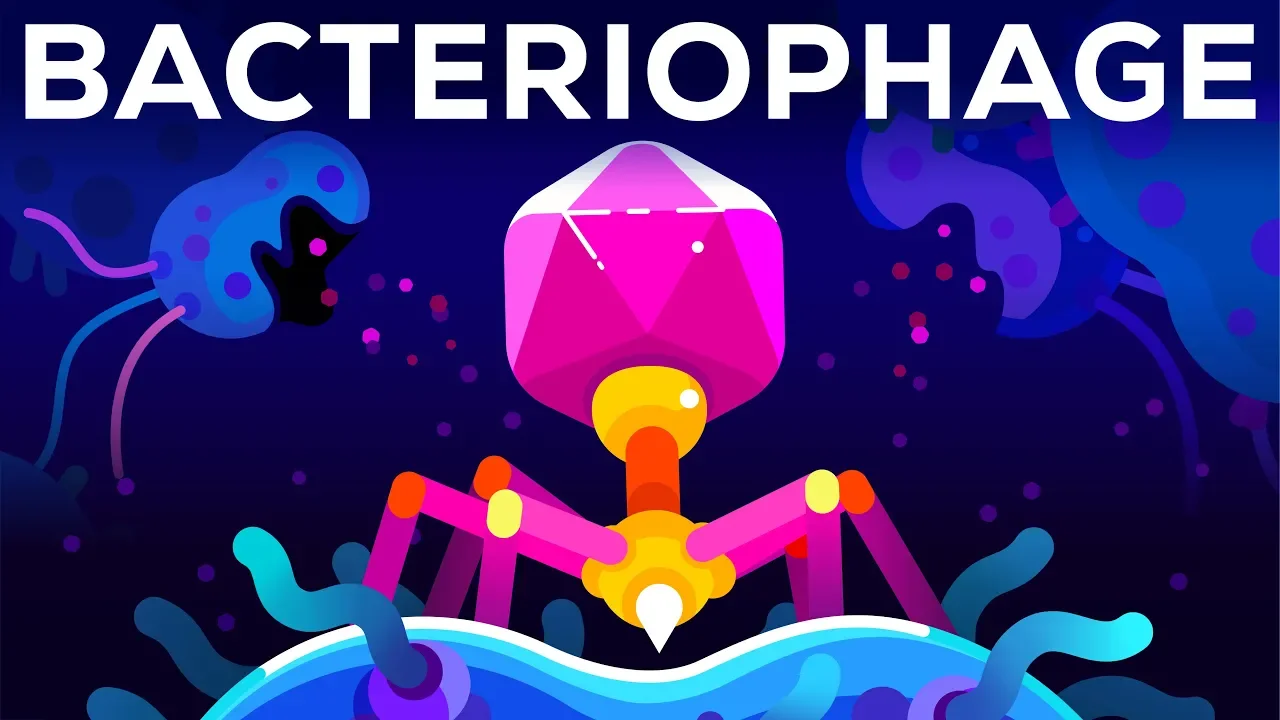
Bacteriophages: Earth's Deadliest Killers and Future Antibiotics
@kurzgesagt
34.6M views•2018-05-13
Related Study Plans & Knowledge Roadmaps
Structured learning paths in Biology