



![10. INDIAN ECONOMIC SERVICE (IES) 2018 QUESTION PAPER SOLUTION DETAILED EXPLANATION | PART 2 [HINDI]](https://i.ytimg.com/vi/vm0WF2v_c44/maxresdefault.jpg)


![Economía institucional y Políticas públicas [Sesión I: Fallas de mercado] | Martín Krause](https://i.ytimg.com/vi/Q5mNwkQt6hA/hqdefault.jpg?sqp=-oaymwEmCOADEOgC8quKqQMa8AEB-AHeA4AC6AKKAgwIABABGGUgZShlMA8=&rs=AOn4CLAUN4XtFzNxHPl2oCYafZAGnzfdew)



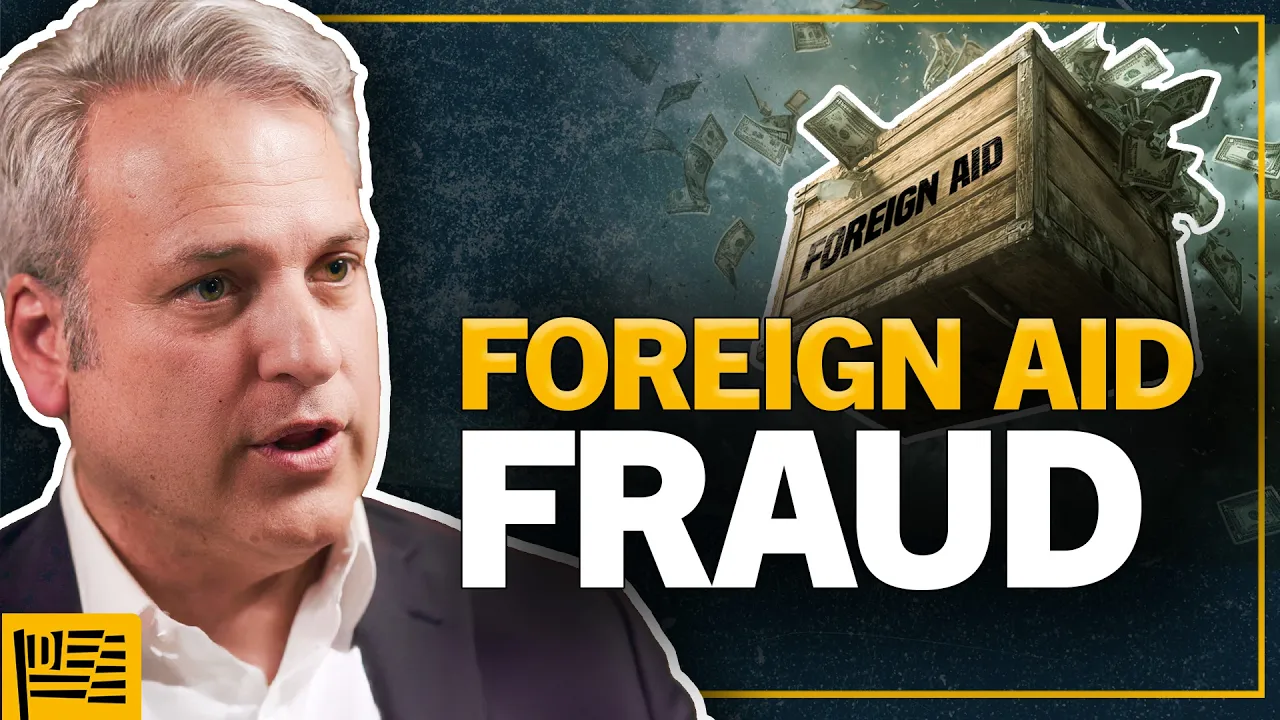







Foreign aid has proven counterproductive for developing nations, as it creates dependency, undermines government accountability, and distorts markets; instead, sustainable development requires building strong institutions, encouraging private sector growth, and allowing countries to develop through their own economic policies rather than relying on external assistance.
Economist Dambisa Moyo on Foreign Aid and Growth
Added:Understanding the distinction between types of international aid, specifically humanitarian emergency relief versus systemic, long-term development aid.
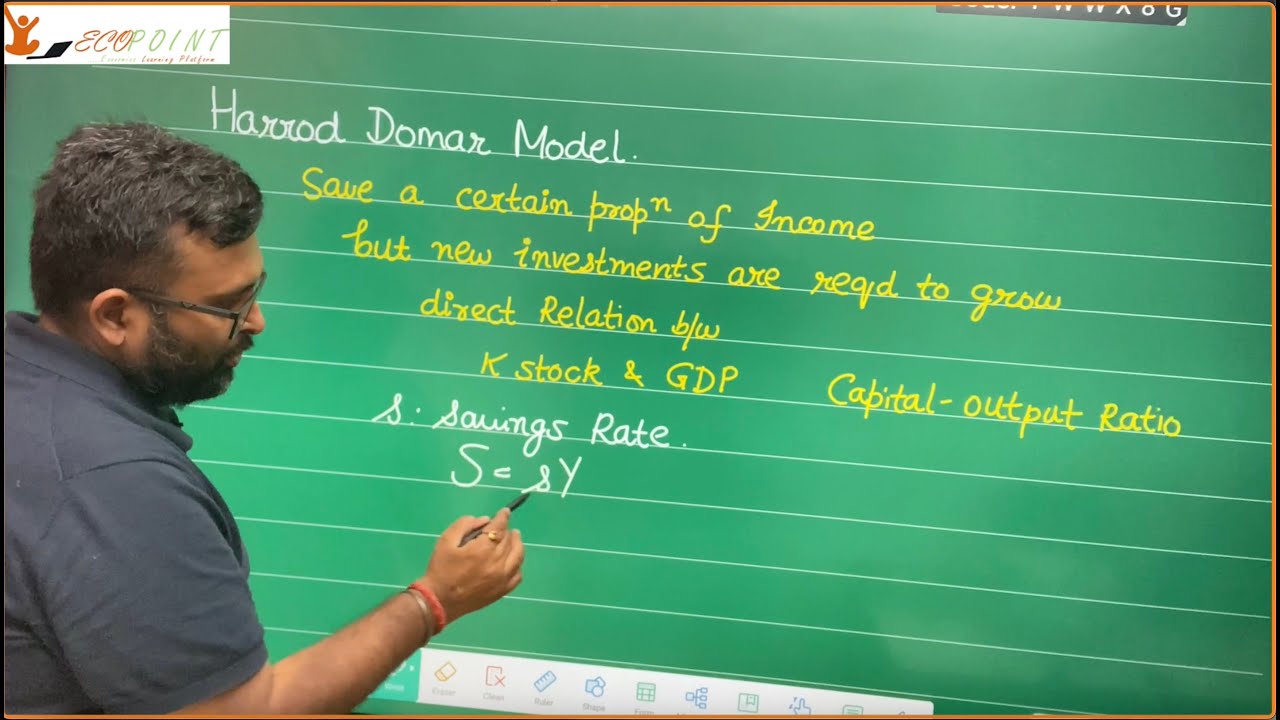
Fundamental economic growth theories, such as how capital accumulation, investment, and productivity drive gross domestic product (GDP) growth.
The basic principles of institutional economics, particularly how property rights, rule of law, and government accountability influence market efficiency.
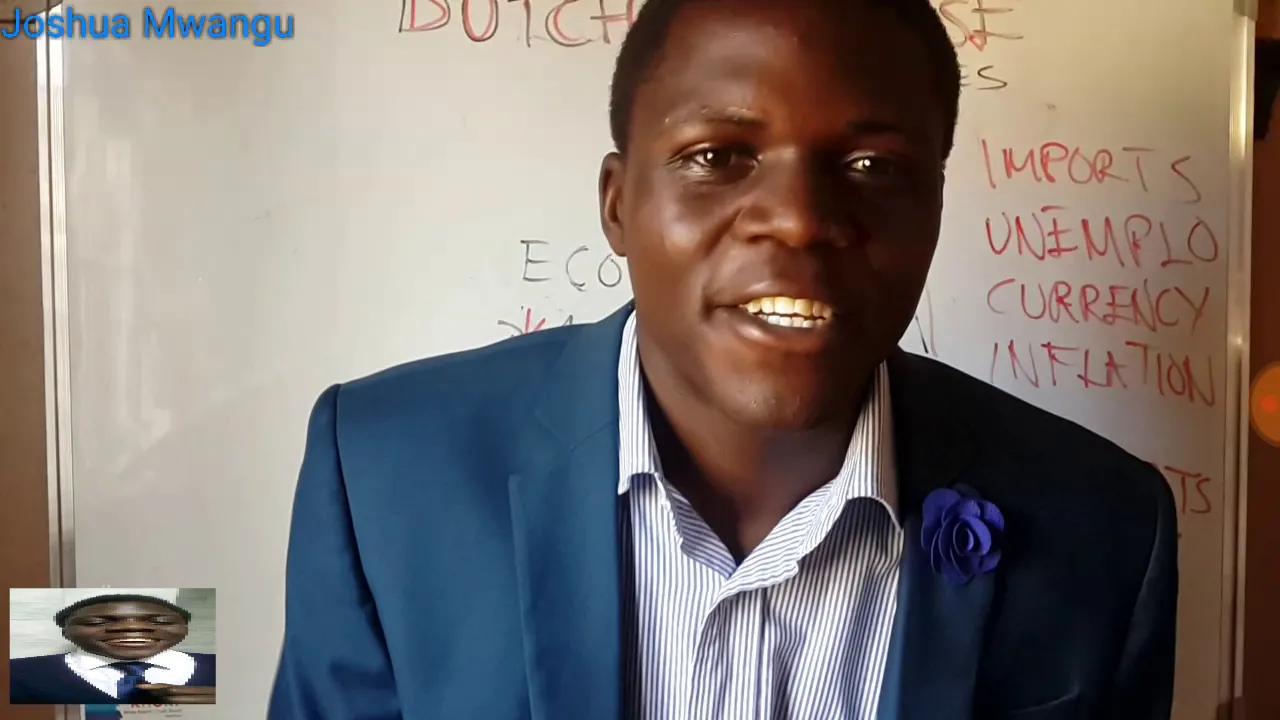
The concept of 'Dutch Disease' and how massive capital inflows (whether from natural resources or foreign aid) can distort a developing nation's currency and domestic industries.
Analyzing the academic debate on aid effectiveness by comparing Dambisa Moyo's arguments with those of other prominent economists, such as Jeffrey Sachs (pro-aid) and William Easterly (reform-aid).
Exploring alternative financing mechanisms for emerging economies, including Foreign Direct Investment (FDI), microfinance, sovereign bonds, and remittances.
Studying the role of trade liberalization and regional economic integration (such as the African Continental Free Trade Area - AfCFTA) as drivers of sustainable development.
Investigating empirical research methods in development economics, such as Randomized Controlled Trials (RCTs), to evaluate the success of specific, localized development projects.
6.3K views32likes1:02:55Original Release: 2013-08-19
uh that book of course is dead Aid why Aid is not working and how there is a better way for AFC her next book was How the West Was lost 50 years of economic Folly and start choices ahead and uh then after that we're going to take all China's race resources and what it means for the world you know thinking about about your work and your role as Economist that was struck by J famous statement about uh looking for oneand EC one fir she convinced that it is right what what I thought I'd do before we open it up to all of you is is uh have a conversation about a number of the themes of books that she has written about and then uh hand into a conversation about some uh contemporary uh International economic issues but I thought best to maybe start with a book that you'll see outside in the book that really catapulted it to um uh to fame uh as a matter of fact uh I think it the New York Times uh called the antio was sense uh illust of just how famous she became and also in many context like people referred to her just as one name asame because it was an extremely Prova important uh book uh written in 2009 and let me just read one uh one very short uh uh excerpt from that the notion that Aid can alleviate systemic poverty and has done so is a myth millions in Africa are poor today because of Aid misery and poverty have not ended but increased Aid has been and continues to be an unmitigated political economic and humanitarian disaster for most parts of the developing world so you said that Aid you know not only doesn't work but it's actually harmful can you justly explain the Ence of of youris so thank you very much I'm delighted to be here um it's a very big thrill for me to be able to participate in the program this evening um I just want to say off the bat that I I absolutely despise terms like controversial and provocative and I hope that by the time this uh we conclude this evening you'll see that actually my my comments are actually very obvious which is what U people in the Emerging Markets um have said to me when I've traveled I've been very fortunate I've traveled to over 60 countries um in bulk of them in the emerging markets and and people kept saying to me what's all this hoo-ha about your book Dead a it's so obvious and so it's only westerners actually who think it's so controversial um but hopefully yes I suppose so and it's the second thing a very close second thing that I really despise is the uh is the sort of a link to the celebrity culture which we can talk about later because I think that that actually is a red herring for some of the really big issues that the world is facing and to me that was a real great disappointment in in the of course but we'll get to that in a minute um so I guess the the reason I um wrote the book was not because I didn't have anything better to do it was because um I had had a really good fortune to um spend time in the United States in Britain and I was quite astonished um particularly uh living in Europe at how few um Africans and also people from other parts of the emerging World um South America uh Asia were actually um infiltrating if you will um many of the large development institutions but also private sector companies that argued or claimed that they were doing business in these regions um 90% of the world's population lives in the emerging markets and I come from a very sort of argumentative family so we would have these vicious discussions throughout my childhood um about politics and economics are in B basically very um heavily linked in a place like Zambia which is where I come from but um I think if I may just give you a quick history lesson as to why it is that Aid actually um came into the first place came into into being and I should say that uh had I been around in the 1960s uh 1950s and 1960s at the time that the aid regime was being constructed I probably would have been a supporter of Aid um the idea was very clear it was supposed to deliver two things it was supposed to increase economic growth and supposed to reduce poverty and on those two metrics it's absolutely the case that it has not helped um in fact over the past 50 years uh African countries have seen a um reduction in economic growth and an increase in poverty so just to give you some statistics um in the 1970s 10% of the African Pol population lived on less than a dollar a day by the time we're getting to the Millennium in 2000 70% of Africans are living on less than a dollar a day and um this has happened when the amount of Aid to Africa um some certainly to developing developing countries in general but certainly to Africa specifically has gone over a trillion dollars so the question then is why is that the case and I should say that um the thing that I found find quite disturbing is that we actually have a lot of evidence of what economic how we can get economic growth um the United States and European countries um for 300 years have shown what those tools are the United States has not relied on aid from somewhere to Spur its economic growth or reduce its own poverty um which was quite rampant here in the 18th 19th centuries um but also more than that we are you know living at an amazing an amazing time when we've seen very rapidly growing countries like China and Brazil the bricks um really post significant economic growth but also meaningly put a dent in poverty moving hundreds of millions of people out of poverty again without relying on Aid so the question is what is it about this AIDS system U particularly in the context of Africa that uh is distortionary why why did I say that I I could have said it was it was a bad thing um it it wasn't it wasn't doing what it was supposed to be doing but I actually went further I said actually it's making things worse so the question is why and there's a whole list of of reasons I I don't want to spoil it because I'm sure you'll be rushing out to buy the book so um but I'll give you a bit of flavor I mean and and by the way um you know if you went out and pulled a 100 people right now and say why do you think Aid is bad most of them would say correct coruption and I would say that that is probably amongst the least of the uh negative things that Aid has done to um to my continent but to the emerging markets in general things like leaving a massive debt burden that countries can't repay um this idea of Dutch disease so dumping in US Dollars into a country that has um pesos or Shillings as a currency means that their currency becomes relatively scarce this can kill off their trade because their currency becomes very expensive um things like uh War um in the 1990s Africa had more civil unrest than the whole world put together and a lot of that has been linked to the fact that these factions are constantly trying to capture the state so that they can actually um gain access to to the aid money um but there's a whole list of things but I I I would just leave you with one particular uh reason that Aid has been so damaging and this is because it actually undermines our ability as individual citizens to hold our government accountable so if you forget everything else that I say this evening I think it's really important that you remember that um if you think about the way the United States functions and most successful Democratic societies um they they are able to function because you're able to hold your government accountable um and the role of government which we I'm sure we can discuss at some point is in essence about the delivery of public goods like education and health care and infrastructure and National Security but it's also about government um providing a great policy environment to incentivize people to do the right things in a place like Africa um the Aid System actually severs that contract between me as an individual and my government because the government doesn't have to care about what deis moo thinks the government is going to very rightly and rationally focus on American donors um British donors and so on and they their their incentive their motivation for giving Aid itself is is rather tainted it's not the case that they're giving Aid um for purely altruistic reasons they're reasons to try and win favors they're trying to win votes in the UN Security Council I mean there are numerous reasons why Dona countries give aid but it's very often not because they believe that uh um things are going to get better and if I may just quote um one African president which I think this really captures the essence of the problem he said um the problem is that in effect Aid is a reward for bad stuff so the more poverty you show the more Aid you get the more AIDS you can show the more Aid you get and so there's really no incentive for governments particularly lazy governments to actually try and solve these very intractable problems or seemingly intractable problems because the government's abroad this this very Insidious um sort of awful system that is perpetuated by these by these negative incentives G given your views on Aid uh it's not surprising that someone like Bill Gates has had uh has had things to say about it and he disagrees with it but in fact you both care passionately about Africa and I'm just wondering if you've ever sat down with Bill Gates to see if in fact you are in disagreement across the board or or whether it's a it's a more discreet and focused disagreement that you have so um I have sat down with Mr Gates and I thought actually we had a very constructive conversation when we met I mean we don't agree on everything and and I think the areas where we don't agree um there there is a bit of blurred um understanding and I I think there was really scope for discussion I do think that um Cate categorizing or classifying people's work as um evil or um sort of with a a sort of a a negative bent is a disservice um not only to you know perhaps my ego but did did he apologize for that for for saying that um no he didn't actually but don't worry I'll sort him out um he it's actually quite interesting because I I believe I think you you've said it correctly we have we have the same goal and you know I when I first met Mr Gates I mean he I I must say he was he his introductory remark to me was I thought rather obnoxious and I let him I let him know that he he said I think he was expecting a shrinking violet from Africa so you got the wrong you got the wrong message I showed up and he said well I hope you're happy because of your book hundreds of millions of Africans have died and I said that's completely unacceptable that you'd speak to me like that and he sort of I think he kind of liked getting bullied a little bit by a woman so but anyway um on a serious note I think that the the you know I have visited Microsoft and at their invitation on a number of occasions I visited the Gates Foundation um there's certainly constructive things that they could be doing um there are also problems you know that they've left in my country you know for example ciders which is the largest HIV AIDS program in Zambia a few my best friend um was running that program and um you know the Gates Foundation gave them upwards you know nearly $10 million and nobody ever went back to find out so what happened to that money so would it be fair to say that you think that Bill Gates would have done more for Africa if he built Microsoft facilities than investing in polio eradicating polio or eliminating diseases she can do them in tandem but I just think that what that that what the continent needs what the world needs is not another um sympathetic sort of I would say arguably condescending approach to the African people but also to people around the world um you know Bill Gates is Bill Gates not because somebody gave him Aid it's because he actually had an lived in grew up in an environment where the incentives gave him space to to you know for Ingenuity for creativity I think it would be a much more powerful signal if he became the embodiment of that for the rest of the world and I'm not saying that these um other aspects are mutually exclusive but I think you know to have him basically hitches his reputation on only these social problems that ultimately are the responsibility of these governments um I think is it's to me it's rather disappointing but you know he's he is who he is and just just one more thing on on Aid I mean it it since the book has been written and had had so much influence many people have have argued that Aid has become more focused and more tied to accountability of government are do you do you think there are such things now as good Aid and bad Aid or do you still feel by and large the fundamental problem creates an aid dependency and and inhibits the development of proper markets and accountable governments and I mean or as an example what about humanitarian Aid should we give Aid to Haiti after a hurricane or is even that problematic so fantastic questions I think maybe I should have started by clarifying that in essence there are three types of Aid there's humanitarian Aid which you just give an example of Haiti tsunamis earthquakes um and I believe that we have a moral imperative as humans to act when that happens wherever it may be it could be Katrina it could be a tsunami or whatever so that is not the type of Aid that I consider problematic um the second type of Aid is what I consider sort of NGO Aid so it's Christmas time send $20 to build a well in India or something um these two types of Aid are not the the focus of my my work um and I I think it's worth saying that on a relative basis this is small amount of money that we're talking about um I'm talking about the multi-billion dollar programs of Aid that are going to Africa to India to Asia South America every year that I consider to be particularly um negative and you know perpetuating a very negative feedback cycle of poverty um I I think it's really important that people understand that there's not a single country in the history of the world ever developed or developing uh developing that has achieved economic growth in a sustainable way and has reduced poverty in a meaningful Way by relying on Aid it just has not happened and so the notion that African governments and African countries should be operating with 70% of government budgets government purse being Aid money to me as an African is a signal that people do not believe in perhaps in their very deep core in their psyche they do not believe that Africans um are able either you know capable of running their countries um properly or um at the extreme perhaps they just don't believe that Africans ultimately deserve democracy because if you think about it so sort of a a new form of a patronizing colonialism then yeah I mean I don't use that type of language in my book because really I'm trying to appeal to people's rationality it's logic and evidence and you know I mean when I critical feedback that I received from a number of friends is that they thought that I should have been much more sort of Pander to the humanity of it because people you know they unfortunately respond to blood and gore um and my view is I I believe in human beings I believe that Fai when faced with real information they make the right decisions and I see no reason to use African children um as tools for raising funds and that's one of the things I find completely objectionable um you know showing desperate children showing desperation around the world and I I just think that there's a better discussion to be had and I think you know when I think of Bill Gates I think it would be much more constructive for people to have a perspective of the conversation that he and I had as opposed to it being sort of sound B that we're sort of at each other's throats let's stay on Africa but move FID for a second I mean subsaharan Africa has now I think you know the statistics better than I has has grown at close to 5% a year I mean it's it's how how bullish are you now on African development leaving aside the issue of AIDS and what are the biggest challenges you see I mean is it is it the quality of political leadership is it is it corruption is it is it the lack of Market systems are a are you feeling bullish now uh or and and be what what are you most worried about in terms of continuing as African development so this is probably as optimistic as I've ever been in my life about the continent I think that there's a real realization by many presidents um in Africa that the solutions are going to have to come from Africa that does not mean that we don't need support from the United States or from Europe or from China or from wherever but the the the African governments themselves and African people have to take the lead in this discussion so I'm pretty optimistic there um also I I think in a strange way the financial crisis has been a fantastic thing for Africa because it did you know first of all it did Force governments to rethink how they were going to raise funds I mean to me it's completely absurd that the United States is up to its eyeballs and debt that it's borrowed from China to basically then give money to Africa and a I mean it's that kind of logic that just you know I mean I'm a simple African girl so maybe I'm just missing something but you know that's the kind of thing that I'm really challenging you know that that makes absolutely no sense um and so I'm pretty optimistic we've had six African countries issue debt in the capital markets I mean that is an amazing feat I remember when the book came out one of the suggestions I had um put forward a proferred in the book was that African government should be raising capital in the international markets this is what other countries do it it makes governments more transparent more accountable and people were outraged how can you say that you know in the middle of a financial crisis and here we are you know four years later even Rwanda which 1994 was devastated by a genocide um just did a $400 million bond issue I mean that is stuff we should be very proud of and we should be supportive of and excited about and you know the population in Africa 70% is is under the age of 20 25 in places like Uganda 50% is under the age of 15 so we've got to do something and it's not going to be Aid you know I mean it's just these we've got to come up with real solutions we've got to create jobs we've got to create opportunities for these young people otherwise coming to your if I may very quickly just say what are the things I really worry about income inequality definitely um China slowed down obviously have significant impact on on the continent if it if it picks the momentum we'll come back to China perhaps let's let's you your your second work and much of what you've done since then and what you've written about is about other developing countries but you also you also in your book How the West Was lost uh you the opposite of your optimism about Africa today you were very pessimistic about the United States and the economic policy that the United States was following and and and felt that the West generally in the United States and particularly uh had made critical mistakes that made it vulnerable to seeing China and other developing countries pass but you were particularly uh uh despondent about American prospects and I wonder if you could just share what your your thesis was uh about why America was moving so rapidly in the wrong direction so I guess it's largely born out of annoyance um I grew up in Zambia and you know when I was growing up we had television only on from 5:00 to 10:00 at night and all we watched was American shows so Dallas and greatest American here and people some Americans look at me and say what we never watched that here but anyway you exported this high quality television to my country and we were fixated on uh you know and and actually I think um fared zakaran and other people who have come from abroad come to the United States you know we have such fond memories of that sort of Americana it was so can do so positive um you know we can put a man on the moon you know we can do anything and slowly I would say over the past decade for sure the tone has just become so sort of desperate it's China's fault China cheats you know the everybody it's everybody else's fault exactly and not Americas and so this book was really going and breaking up the three key drivers of economic growth which are capital labor and productivity this is what economists focus on only these three things and I really wanted to show how very deliberate policies in the United States have has caused the erosion of these three key ingredients I mean I can't I won't go into grave detail but just to illustrate um there's this running theme actually through all my books that you have good intentions but you actually end up with bad outcomes so Aid to Africa we see poor people in Africa we want to help them let's send them Aid well guess what it's a good intention but it has bad outcomes um but in the United States let's think about capital for example the um housing for all great great idea we want everybody in America to have a roof over their head but the manner in which it has been executed has actually eroded capital in this country mean making mortgages available to people who couldn't afford them absolutely I mean in Europe particular places like German ger people don't own homes you know and in effect the role of government this goes back to the role of government I I touched on earlier the role of government changed from being a regulator and a policy maker into basically being a portfolio manager and saying don't buy stocks don't buy bonds don't buy Commodities buy real estate and they did that through interest rate policy through um Fanny May Freddy Mack you know as as people know in this room and I think it's again boils down to incentives why is government meddling and would deliberate policies that worked out poorly or did the United States stumble into the predicament that you described I mean for example some Scandinavian countries northern European countries Germany you mentioned Scandinavian countries chose to become more of a welfare state and and they've done that rather well we we did not make that choice in in in in in your argument you're asking such a fantastic question and it's got so many more subtleties than I'm I'm afraid we're going to have time to discuss but before I answer it let me just you brought up Europe um Angela Merkel the chancellor of Germany pointed out in January this year that um this there's something what she that she calls the 72550 rule Europe today is 7% of the world's population it's 25% of world GDP and represents 50% of all welfare payments of the world 50% in for 7% of the public that is completely unsustainable but coming back to your really really subtle but a really critical question is why did the US government why have Western governments gone onto this treadmill of providing these policies that actually have in in effect eroded um their prospects for long-term economic growth and I would argue that a lot of that emanates from the political system particularly in the United States where you have elections every two years um you have every four years for president but you're constantly in the election Cycles now I am absolutely a supporter of democracy and um I don't want to people to leave here because I have been accused of being sort of anti-democratic and I'm not that at all that but the the goal here is to be able to create liberal democracies that can sustain themselves over a long period of time but we also want the government to be doing the right thing and unfortunately um I believe the United States but Europe as well has got into this strange rut where governments will do anything I mean and will come to Hayak I'm sure later but this is almost almost the culmination of a lot of the thinking that has come has gone before our time around what are the risks of capitalism um and the risks of of how over a long period of time you can end up with a very large socialist estate welfare state um in a way inadvertently as an artifact of the political system so I've just appointed you a member of the Council of economic advisors to President Obama so easy not kidding we have magical powers here in Aspen so so what would you your priorities be to to turn us out of what you see as a continuing movement in the wrong direction whether intended or otherwise do I get complete free reign or am I going to have to deal with the Congress forget Congress everyone else does if I have a magic wand I can delete them all delete them delete them well I suppose there are sort of two aspects to this one is what I'd call tactical short term things I mean clearly the United States is still in in I would say an emergency situation post on the aftermath of the financial crisis so that's one sort of set of of things we need to deal with the other stuff is what I consider to be more structural long-term problems I mean if PE people in this room understand people understand that the problems that are is that are pervading the United States today around Capital labor and productivity are things that are long-term in nature the um lack of investment in education I mean the United States has underinvested um for decades and now you're going to have um many states already minority majorities so minority um African-Americans Latinos Asians um but in not too long from now they will be the majority in this country and you've underinvested in education so how are you going to compete in a world where manufacturing so lower skilled jobs have effectively been U moved offshore and I know people are saying they're coming back but for a minute let's think about it so you've got these Emerging Markets where they've got lots of unskilled people and how does the United States then compete as a um R&D high-end service sector when it's got masses of its population that have not been invested in so what would I do tactically I think there that there's still a lot of issues um around you know whether we should do QE what the implications are in fact I will be attending Jackson Hall next week um for the Symposium there which I'm very much looking forward to and that is the theme what are the implications of unconvention policy on asset prices and and the world in general but this to me the big weaknesses in the United States are the structural problems so infrastructure education things that you we've all heard about but there's no incentive in the US government based on the on the political system to solve them so if I may come full circle what would I then do if I had free reign I would really think about restructuring the US political system um here's how I would suggest it yeah and um I think there are sort of two things in particular I would I find particularly interesting worth thinking about at least one is extending terms um and limiting terms so you have so if you go to places like Mexico Brazil even Nigeria are now reviewing their constitution so you'd give a president one term nine years or eight years um but he only gets one term that just it sort of sucks out all or she a lot a lot of women presidents I'm going to come to the she's in a minute because this is why we're even more helpful now about the continent women don't aren't easily swayed um so I think that's one big aspect of it changing that system which I know is very hard because Americans are wed to their constitutions and and and rightly so but I think that's one thing people have to be open-minded about the other thing is I touched on the the fact that one of the biggest problems with policym around the world but in the United States is this idea of incentives this idea that um governments you know the administrations are rewarded for bad behavior so the more free stuff they can give the electorate the more likely they'll be elected so there's there's an issue here again Emerging Markets these are some of the really clever things that are being are are being tested right now is to try and re-embed or to embed um incentives let me give you a specific example of what I mean there's something called conditional transfers um so in Mexico and Brazil in particular they've done this very successfully Mayor Bloomberg in New York is got a pilot program using his own money to try this out but what you do is that you reward people you pay them for doing the right thing so you send your kid goes to school 90% of the time grade attendance record you get $100 your child gets inoculated for whatever disease you get $200 um and they're they're clearly issues right because is this the world we want to live in that we want to start paying people to do what we think they should be doing for their children anyway probably not but it is a way of thinking about incentivizing people to do the things that they're not doing right now so in the context of the United States um you might want to pay people to instead of going onto the X Factor or America's greatest talents maybe you pay them to go and do a degree in science or um get through college or high school you know clearly this notion of incentive is Central to your your economic worldview let let's let's let's move on to your third book and some of the other things you've done you've talked about you mentioned China if you talked about the bricks your third book winner take all you you talk about how there are really two models available to the developing world and and not surprisingly you find that many developing countries looking at the Chinese model and looking at the American model are are saying you know the Chinese model may actually be more attractive talk to us a little bit about that and and why uh and and then we'll move perhaps into whether there's some you know clouds on the horizon about China's economic development but uh do you do you see a a a a battle going on between even not intentional between Chinese and American models as developing countries merge so the short answer is absolutely um and let me just set up the the question that um policy makers and individuals are grappling with all around the world in fact not just Emerging Markets probably in developed countries as well United States largest economy in the world $15 trillion GDP um has democracy as its political stance liberal democracy I should point out um I I'll tell you why in a second it's important that it's liberal um and it has private capitalism as has been its main economic ethos you have China second largest economy in the world it has deprioritized democracy as its political uh stance and you have um State capitalism as its large economic model um by 2016 according to the oecd China will be the largest economy in the world so 2 and a half years from now but the thing that I think was for me quite startling is that these two countries the United States and China have the same gene coefficient which is the measure of income inequality and the income inequality in the United States has worsened over the past decade and it's actually improved in China so when I travel around the world to emerging markets and I say you know and by the way I I mentioned earlier I'm a supporter of democracy I'm also very much a supporter um of uh of um private capitalism and market capitalism which is why I believe in incentives it's not at the to the exclusion of Keynesian role of government but I am really um of the belief that incentives if we incentivize people to do the right thing it's a better for there's a better outcome for the um um for the world um but to think about this for a second this is the question that countries are dealing with places like Egypt turkey you know large populations hundreds of millions of people they've got to deliver economic growth as quickly as possible to their populations otherwi they've got a political problem on their hands which model do they choose and to me I think the United States certainly over the past 10 years has done a very poor job of being a model for why it is these countries should be picking private capitalism and democracy and you know perhaps unsurprisingly Freedom House has got great data on this they're now um 50% of the world is uh world countries are Dem considered democratic 70% of those are illiberal democracies so people are living subjugated by what are essentially governments that are worse than authoritarian governments but they still are considered uh Democratic so is there a battle an ideological issue that is looming yes I believe that is is the case um I do fear that many more countries particularly in South America are pivoting towards the Chinese model Africa also but CH I mean if you go to South America it's much they're much more vocal about this and um until the United States credibly can go around to these countries and really explain how it is trade foreign direct investment and and other tools Capital markets can be real drivers to meaningfully transform people's lives I'm afraid they're going to be on the back let's talk about one other thing that you've written extensively about relating to China and that's how it's it's behaved around the world given its voracious appetite for Commodities uh minerals oil gas water uh and and certainly in in your native continent in Africa wherever one travels one sees the Chinese uh whether it's mining or building infrastructure building hospitals tell us what you think the implications of future commodity shortages are and and the the Strategic bet that China has made with respect to Commodities so the the way I think about it is um it's very Bare Bones this is just about demand and supply and I'm sure many people in this room will be familiar with Thomas malthus's work going back I think it's 1768 the club of Rome in 1970s they've all written about the sort of coming shortages of Natural Resources so one very valid question is well why is my argument which is also that we're in for some shortages why is it now so um valid because technology has clearly bailed us out in the past and what the one thing if there's one thing that is different today than in the past is the population size of the population and if you speak to demographers we are since the 1960s we have witnessed an insane increase this is fantastic graph in my in in one of my books um you don't have to buy it but I I would urge you to if you're interested in this but it's a fantastic graph about how for centuries the world population's been tiny and flat 1960s it's about the world population is about 3 billion and since then is today 7 billion in just 40 years um the world population will not Plateau out until 2100 when we'll be 10 billion people on the planet India is putting a million people a month on the planet the world population is adding 60 million which is adding a new Germany every year it's simply unsustainable you know when you have those pressures of the size of the population increases in wealth increases in urbanization particularly from the developing World um against the scarcity the finiteness and the depletion of Natural Resources um it's very clear that there's an imbalance here and this is why I get kind of annoyed with the United States because we expect much more from you we need you to be there innovating looking at you know ways to get water from IR Rock um instead of squabbling about silly things in Congress you know and I think this is why um I write my books because I hope it's going to be some kind of an impetus to policy makers um particularly in the United States but in developed markets more generally that they there there are real issues um that that people are facing around the world that need to be addressed and if the United States does not take a leadership role and take these matters very seriously it's not just about what's happening over there it will come home to roost uh I'm going to open it up but I want to make ask one last question in the context of actually congratulating you because I understand that you have just been uh named the recipient of the hyek award uh uh great Austrian uh Economist and philosopher and you mentioned canes a little bit earlier in your remarks too I think many people would believe that canes and Hayak sort of op we're on different planets uh but but in fact they a little bit like you and Bill Gates agreed on on PR in public we need to give a good show so so just tell tell us about this this this prize and and what it means to you and and have do you have to write a speech or what do you have to do for this prize Well um I have to say when I got the email my my office got the email I actually thought it was some kind of a joke I didn't even bother responding and then they called me up you know about 10 Days Later said you know actually we're expecting a response from you and so it's um it's I'm incredibly flattered I'm a bit worried that it's a Lifetime Achievement Award because I haven't got to 45 yet um but uh you know given that the life expectancy in my country is 35 I'm I'm on borrow time already um so I have decided to write a speech I am writing a speech I mean it's a great honor Hayak um absolutely one of the great economists of the 20th century um I think think that again uh economists with our massive egos have missed the subtleties of the debate between KES and Hayak um first of all they were coming from very different backgrounds I mean they were talking about world World War I World War II um you know Hayak was in a hyperinflation Germany Austria is where he was born um canes was in a depressed Britain and so the fact that canes felt that government needed to step in do something quickly um is perhaps not surprisingly but at the same time the fact that Hayak felt that government too much government involvement can be detrimental not just for an economy but for the political system as well is also not surprising he was living in hyperinflation where government's Behavior had led to um hyperinflation but the thing I love about the two of them and I wish they were still alive I I never met either of them but is just that they agree to disagree I mean KES has this great statement he wrote to Hayek you know saying you know I've read your book his famous book is called the road to serfdom you can buy that after you bought my three books but um and he wrote it when he was 45 which I'm going to be 45 in February so this is my intro to the speech this is the only thing I have in common with Hayak is that um but the thing about them is that they understood that their subtleties it's clear that we need governments to be involved but we also clear that we need governments to behave properly to be incentivized correctly and I think I really miss that I miss that I think we all miss that we don't have notion that that there is a role for both that you can't have just markets or you can't have just the government abolutely I think that's pretty clear and it sounds kind of banale to say it like that but in a world where people are so doggedly focused on saying I'm Keynesian keynesians are right and everybody else is wrong or I'm an Austrian Economist I I you know I believe in austan economics and everyone else is wrong it's it's it's that kind of absurdity I mean I'm sure they're physicists in the room but you know physics thrives with competing you know they're still looking for this unified theory of physics um Economist or not our egos are just so huge well let's open it up to uh questions from the audience and I think we we want to wait for a microphone because this is all being taped uh want to come down to the very front row please and we could just your name and and and a short question thank you uh Mark Davis I'm curious whether how you react to the American or other countries internal welfare systems uh you seem very negative obviously on external welfare systems coming into a country uh do you do you view those the same differently what's your your take on that so I guess I should I should just clarify that I think that there absolutely is a role for Aid um and I should have said earlier I mean welfare to me is just is is a trans transfers um Peter Bower who had dedicated the book to was a Hungarian Economist who had this great saying he was very much against Aid completely ostracized all you know all his life from the economics establishment is only much later when they sort of brought him into the fold when they realized he was right um but he has this great saying that Aid is basically taking um money from poor people in rich countries to give it to rich people in poor countries and uh and so you could arue uh I think there are lots of similarities to that in the um in domestic welfare programs now I'm way out of my depth here because I do know I do read a lot and I do know about welfare systems um but I think it would be um it would be really quite disingenuous for me to say um the only thing that I would have a gripe with about welfare systems is the fact that they erode this incentive issue so I think it's absolutely necessary that we provide support to people during difficult times but um the notion that uh we should then provide an open-ended um systems I think is is not fair not only to the economy or to our communities but it's not fair to the individual themselves who also are seeing um their own talents not realized because of the welfare system thank you uh yes in the in the first row there and then we'll come back to the second row thank you very much I'm not American I'm Canadian and we never had sub subprime mortgages so we didn't go into the financial catastrophe like you I've traveled a lot I've been on 103 countries and Africa is my passion for the cost of a an expensive cafe latte every day I support six children in Africa they're all girls and I know it works because I've been to visit them and I've some seen two of them twice I've seen the difference it's made in their lives the mother of one who was smaller than an average North American 10-year-old was carrying bricks on her back for a dollar a day was a Sole Provider for that family the organization I provided the aid through I asked if they would train her and we trained her or they trained her in what she wanted and she's now a hairdresser and the income level in that family has risen tremendously and they are not at risk in another family an 18-year-old sister was doing nothing and she wanted to be a dressmaker and the organization offered her a course and it took two years I said I would buy the materials as I did for the hairdresser at the end of the course she's now supporting herself and helping her family I'm an ordinary individual I'm not rich but I'm by making a difference in the lives of these people and if you know Stephen Lewis who was the AIDS uh at the UN he's making an incredible difference he's a Canadian helping to stem AIDS in Africa those are inspiring stories do you have a a question for I'm just saying that there is some Aid that works and I I think you um I'm not talking about Bill Gates I'm talking about everybody in this room who can make a difference without lowering the self-esteem of the people you're helping so I should have said actually and we didn't get into it um one of the programs that I support I think is a brilliant program that actually does similar work to what you just described is a program called Kaa which actually allows you on the interface to loan you know you can lend as much is $25 but the operative word is lend um and so you lend people it could be anywhere somebody in bangl wants to start a a pig farm you can let them $25 if they need $500 they can get 50 from somebody in Japan 20 from somebody in the UK you adds up and then they get enough money to start their businesses um you know all of that is laudible and you know thank you um for for all your efforts but please understand that the African continent has a billion people we need to grow at 6% a year in order to put a dent in poverty so this is not a judgment call on your efforts it's it's just that we have to also appreciate that the task before us is enormous and we really need the correct policies in place Africa with a billion people is less than 2% of World Trade less than 2% of World Trade the United States and Europe have maintained subsidy programs that has locked out African produce those are the kind of things that are incredibly damaging to the African possibilities of an African success story um there are numerous ways which the United States and European countries can really transform people's lives if they really wanted to and that's what I'm trying to highlight it's not to say that your efforts are zero have no value but you know you could tomorrow decide you're no longer interested in doing this I would ever do that you might not but there are many people I mean I grew up in on that continent I went to Primary School to secondary school and University in Zambia I've been sick in African hospitals so when people say with all due respect and I I admire Steven Lewis but you know Steven Lewis is doing great things you know maybe ask the Africans what they think for a change I mean especially with Visa the Chinese there's a wonderful survey people hear you know you pick up the newspapers people say oh Africans are being raped and pillaged and neocolonialism and slave labor the Pew survey Pew Institute went to Africa and asked Africans what do you think of the Chinese by wide margins 98% 97% Africans said we love the Chinese we think they're great they're changing our lives they're building roads and they're helping us get opportunities they're buying our Commodities we're being being and given the opportunity to be part of a global system it's that we need to listen to you know I don't want to hear about what the view of Bill Gates or Bono all these guys is that's great but what are the Africans themselves saying and and and this is really important for what happens long term for this cont okay uh to the second row please and then we'll go back on the side and then we'll go to this gentleman woman in the white Twitter yeah we're waiting for your microphone I'm Ruth Abramson I have a grandson who's in the Peace Corp and he's in Zambia great and he is an HIV caretaker uh right now he's in Mamba to make way for the next person who comes but he has volunteered the third year to um administer what my question is Peace Corp which has done a lot for this little village and parts of Zambia and for instance uh Oprah Winfrey with their schools how do you feel about their aid and what do you give back in Your Capacity so um the with all of these you know there I'm sure numerous hundreds of thousands of organizations I mean some of them I'm involved in some of them I'm not that have been on the African continent have been in India I've been you know across the emerging World for for decades the question we need to ask ourselves you don't need to ask me you should ask yourselves is is is this thing sustainable so when I think of healthcare and this is one of the points of departure with Bill Gates which I think I actually am sympathetic to his view I mean a lot of the other stuff I I I disagree with quite vehemently but to me Zambia is one of the most HIV AIDS ridden countries on the planet as far as I'm concerned it's the responsibility of the Zambian government to prioritize that and to do something about that to the extent that the Zambian government is not doing that because they think used or pepar program or your grandson's going to do it I consider that to be a problem because when if your son leaves it's no it may no longer be sustainable and the odds are that it has not been sustainable um Peace well but peace core is I I would argue has got a quite a different agenda I mean it was established for um really uh I would say bilateral relationships as opposed to trying to create economic growth reduce poverty and provide healthare I mean I think a lot of the the approach of the Peace Corp is young people going in and spending time in these places it's almost it's it has the the element of a gap year um what they would call it in Europe so it's kind of a bit I don't mean to be um pejorative but I'm just saying understand that it's a very different thing than sending hundreds of billions of dollars to a country every single year so you know in the interest of time I think what my real Essence would say is we really need to focus on this idea of sustainability you you know how are we going to get these things sustainable we've got to get the governments to behave correctly first and foremost cuz there's nothing that's going to happen in the African continent or anywhere if the government's not behaving properly and unfortunately um I know this for a fact because I was born raised in you know formative years in these countries um in in Zambia specifically um governments are far too easy and susceptible to having somebody else do it and that actually means that the government it under undermines democracy but it means that our governments are not taken seriously you asked very quickly what what sort of things am I involved in um I'm actually involved in an array of things I do a lot of stuff with HIV AIDS um I do a lot of women's things that we can talk about them specifically which ones I'm I'm involved in if you're interested um we were just talking on the way here I'm doing some a lot of stuff in African leadership as well and we're just talking specifically about um one of the things I'm really interested in right now is moving away from these outcome based sort of things you know oh we want to have 50% of girls getting educated in 10 years or we you know goals are all great you know want to cut HIV AIDS by 80% by 2015 those goals are great but I think the big missing piece uh in in economic development in um in programs around improvements in people's welfs and economic growth um are around processes so we've failed in the the processes are rotten to the core you know we've got these big bloated organizations that aren't really delivering what they need to be doing so I'm that's a big area of focus for me and I do spend a lot of time with what I would consider are the better African governments I've been unfair to this side of the auditorium so it go to this gentleman over here John Blum um I haven't read the book so maybe you're going to take care of that in that section but I think AIDS as a potential of this great country great continent called Africa is Tiny so you're focusing on a tiny implus on what's possible talk to me a little bit about the leadership in all of the new countries that have been developed in Africa leadership that is not performing for the people is not having any economic growth potential but certainly taking care of themselves is that a problem do you see that as a problem because I certainly do yes I mean it's certainly been a problem um but the this goes and I have addressed it in the book because the question we should be asking is what is it um what are these governments stealing they're stealing Aid money so you know if you get rid of the rent the thing that they're stealing then at least they're forced to have to you know meet their maker so to speak and have to deal with this I mean let me let me tell you about what what I would consider to be probably the worst meeting I ever had during my book tour um for dead Aid it was a meeting with um I wonder if I can say this I maybe I'll keep the names out for now but um just trust me I don't to get anybody into trouble but um I met with one of the leaders of the you can probably guess who this is but um I met with one of the leaders of the two largest Aid organizations so that's vague enough but I'm sure people will figure it out and um during my book tour I actually have to say it was really remarkable because behind closed doors I would hear from developed countries and developing governments uh presidents and so on DEA we agree with you but you know we need to win votes I mean I've heard this we need to win votes and the the way we win votes is by saying yes we're going to support isn't it so awful what's happening in Africa I find that you know obnoxious and find it rude but here's the worst meeting I ever had I get an invitation to go and visit with this gentleman go to his office and uh he says to me look I've read your book I agree with most of it but not everything okay fine he says but I want to let you know that in Africa today there out of 53 countries so this is 09 I went to see him there are only two countries that the International Community feels comfortable leaving the government to write a report on any key area such as Education Health Care maybe even infrastructure now that might seem to you to be a pretty innocuous statement but that was the most damning thing I could have ever heard as an African um particular as an African who was born after the colonial era you're telling me that in 60 years we have got a population of a billion people and there are only two countries and you're probably asking which two countries he didn't tell me which two because I did probe him but I think he was talking about South Africa and Botswana every other cont country on that continent whether it's Kenya Zambia Nigeria cannot write a report about education about their own Health Care Systems without the help of an international a Aid group that to me was the most unacceptable and disgusting thing I heard so when you come back to this question about leadership which is absolutely ESS ential um I I mean I walked out of there really quite brokenhearted because the experiences my parents had to fight for independence their expectations of what their lives were going to be like and what the the lives of their children would be was completely transformed by this that one damning statement we've spent 60 years over a trillion dollars and we've built no leadership um on this continent the really good smart people are not interested in going into government because they don't want to be a party to the corruption that exists in those the societies so on a positive note what is it that we should be doing what should we do to ensure that we can have the leaders that we need in the time over the period um in the years to come and to me those are the hard choices that we have to make we have to say to Africa listen we've given you a trillion dollars these Aid programs have not worked the way that we want them to work some of them have but most of them have not and the ones that have not we're going to change now we're going to actually engage with you as peers we're going to trade with you which is why Africans love the Chinese because the Chinese There's No Illusion that they're going to bring democracy or religion they're there purely for business and we need that we've got 70% under the age of 25 you know and our leaders are going to face that music they are just think about what happened in June July of this year you had three um demonstrations you had demonstrations in Turkey you had demonstration in Brazil you had a demonstration in EG you know people kept saying to me oh they are so desperate no they're not all of these countries are dealing with the same difficult challenge too many young people unemployed the aid system cannot support them how are we going to deliver economic improvements for those people we need that leadership and to me without the Aid System providing a support a hedge to these bad governments you're actually now going to get them to be very serious about dealing with these issues let me just as a way to wrap this up but I I think thanked Tom and Bonnie mclusky at the beginning of our remarks but one of the programs they support here at the Aspen Institute is our uh Aspen Global Leadership Network and particularly our our African leadership initiative where we actually uh recognize and incent an important word for damisa outstanding young African leaders who overwhelmingly have chosen to work in the private sector and have become very successful entrepreneurs and Inspire them to continue to to perform in their own countries and Aspire in many cases to positions in political leadership because the political systems in so many of those countries are now uh corrupt and and unattractive but our hope is in time that we'll not just vitalize the commercial sector but in time get the same kinds of people uh involved in in providing Africans with the kind of government that they really deserve may I just may I just very quickly just say that I hope in years to come and I'm sure you've done this already that you will bring African presidents here and put their feet to the fire you know what have they been doing what is going on these are countries that are presiding over the world's largest natural resources we've had a massive commodity boom where has that money gone you know why are they not standing up and defending their people you providing some dignity some element of self-respect to the African people there are more poor people in India than there are in Africa more poor people in China than there are in Africa but somehow this stigma of desperation and poverty you know corruption and disease is ascribed to Africa and that's because African governments have not taken on their leadership role to articulate we did bring Joyce band the president of the joining country to you Malawi to Aspen last year and and she is working very very hard on many of these kinds of of issues ladies and gentlemen deiza MOA and she will be signing books after [Applause] h e e e e old estimates this is cost you $2,000 for a cataly converter to Stop Smog how who can afford that okay so if you go and you Google aftermarket catalytic converters today uh you'll find they cost $200 but that's retail which
Up Next

17:17
Esther Duflo: Randomized Trials for Poverty Reduction
@TED
490.2K views•2010-05-04
5:07
Impact of Yuan in Indo-Russian Trade Amid Sanctions
@WION
261.9K views•2022-07-01
10:33
Behavioral Economics Explained: Rationality, Nudges, and Risk
@crashcourse
1.1M views•2016-03-12

113:18
The Age of Easy Money: Fed & Inflation | Full Documentary
@frontline
21.2M views•2023-03-15
Related Study Plans & Knowledge Roadmaps
Structured learning paths in Economics
economics
Sovereign Debt: Defaults, IMF & Restructuring
01Introduction to Sovereign Debt & Government Bonds
02Debt Sustainability & Credit Ratings
03Anatomy and History of Debt Crises
+ 2 more learning modules
12h5 modules
Explore Roadmap
economics
Market Design: Matching Theory & Gale-Shapley
01Introduction to Market Design and Price-Free Markets
02Two-Sided Matching & The Gale-Shapley Algorithm
03School Choice Systems and Mechanism Design
+ 2 more learning modules
10h5 modules
Explore Roadmap
economics
Impossible Trinity: Forex, Capital & Policy
01Introduction to Monetary Policy and Central Banking
02Exchange Rates and International Capital Flows
03The Mundell-Fleming Model
+ 2 more learning modules
8h5 modules
Explore Roadmap
economics
Healthcare Economics: Market Failures & Systems
01Introduction to Healthcare Markets and Market Failure
02Asymmetric Information and Adverse Selection
03Moral Hazard and Insurance Design
+ 2 more learning modules
12h5 modules
Explore Roadmap