








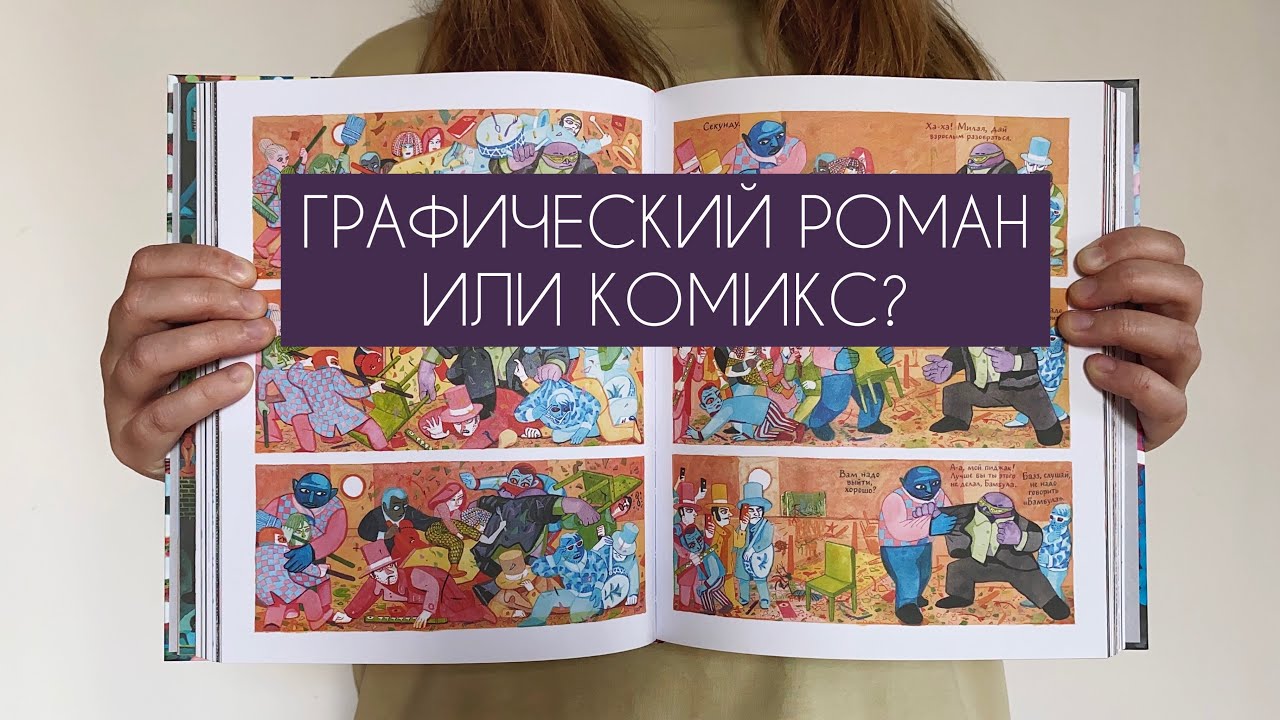


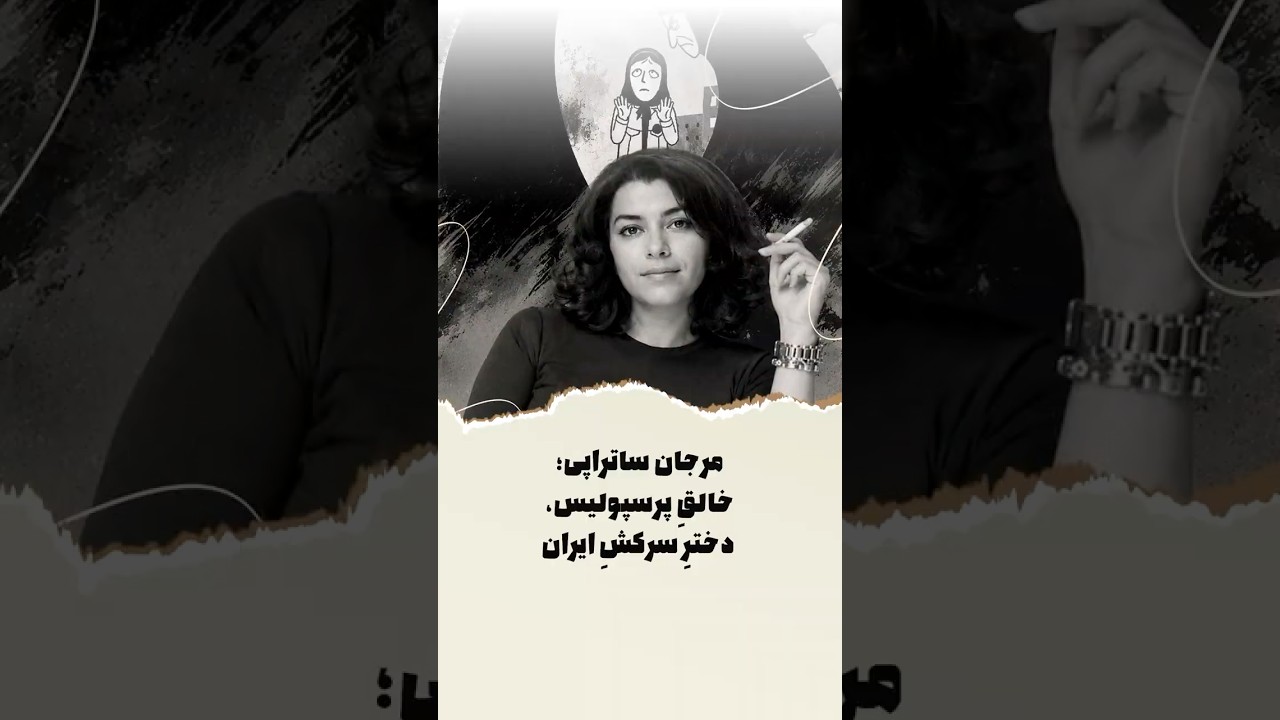





Persepolis by Marjane Satrapi is a graphic novel memoir that uses authorial choices such as black and white color symbolism (black representing negative events, white representing positive memories), juxtaposition of images to highlight contrasts, and graphic weight (elongated panels to emphasize importance) to convey the impact of the Islamic Revolution on her life and identity. The novel explores themes of identity, education, and the loss of innocence through the protagonist's journey from a religious child aspiring to become a prophet to a critical thinker questioning the regime's propaganda.
Persepolis Graphic Novel Analysis | Marjane Satrapi AP Literature
Added:Historical context of the 1979 Iranian Revolution, including the overthrow of the Shah and the subsequent rise of the Islamic Republic.
Basic vocabulary of visual literacy and comic book terminology, such as panels, gutters, foregrounding, and the use of high-contrast black-and-white art.
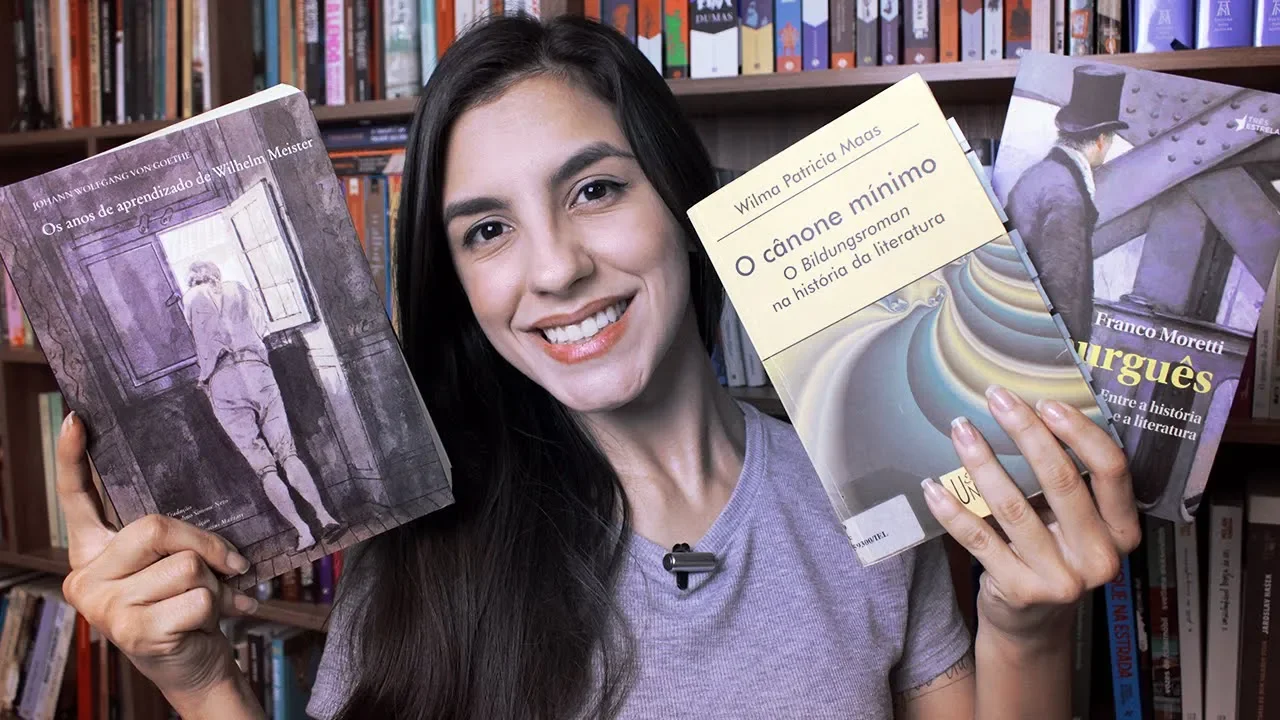
The concept of a 'Bildungsroman' (coming-of-age novel) and how authors depict the psychological and moral growth of a protagonist.
The distinction between objective history and subjective memoir, and how personal narratives are used to document historical trauma.
Comparative analysis of 'Persepolis' with other foundational graphic memoirs, such as Art Spiegelman's 'Maus' and Alison Bechdel's 'Fun Home', to explore how the medium handles historical and personal trauma.
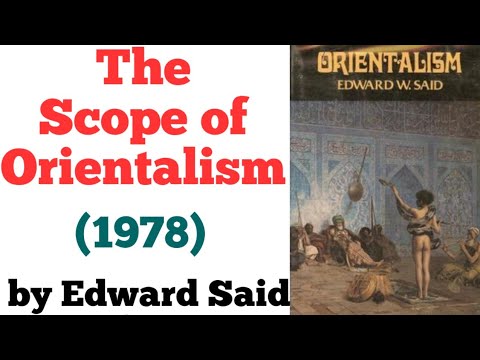
Application of Postcolonial Literary Theory to analyze how Satrapi challenges Western stereotypes of Middle Eastern culture and the concept of 'Orientalism'.
Advanced study in visual rhetoric, focusing on how graphic novelists utilize minimalist aesthetics to foster reader empathy and universal identification.
Feminist critique of the text, specifically investigating the intersection of gender, state control, and bodily autonomy in post-revolutionary Iran.
20.9K views427likes45:13Original Release: 2023-04-11
Hello you guys. So I know it's been a while. I actually really missed uh filming videos and anal an anal analyzing with you. So today we're going to be anal an analyzing Pipilus by Marjan Satropy. So this is kind of a different uh book meaning that this is a graphic novel. So the analysis is quite different. It's actually a bit more fun especially if you're a visual person and you like art. Um this would actually be really nice for you. So today I'm just going to be like guiding you on how you actually analyze perceptilus and not only how you analyze how you like you know see beyond um like um Satrope's words and yeah basically so let's begin.
So what I'm going to be doing is just I'm going to be overgoing like certain events but not every single event that that way you can like actually focus more on the analysis tools and techniques and the graphic tools as well but at the same time we'll overgo the events and of course the typical literary analysis as well. So let's begin. So, first I'm just going to give you a small small overview o over the author's choices, even though there are many many authoral choices throughout the graphic novel, but we'll go over them throughout the analysis. But this is just the main stuff you should know before. And again, it is preferable that you have read the novel, even though it does not take a long time. If you sit maybe for maybe an hour, hour and a half, you can finish it for sure. So, I do recommend you do read the novel before um watching the video. But if you don't, I guess you'll kind of understand because you are overgoing the events as well. So now uh the author's story is firstly it is a graphic me memoir meaning that the writer is also a character in the story and in this case the writer is the main character of the story. Second it's in black and white.
Now the significance of black and white is that black kind of resembles negative and white resembles positive. Meaning that usually when events are like they have a black background or so. This means that this is a certain negative um aspect in Satrop's life whereas white is more of a positive memory in her life.
Meaning that whenever something's like negative or she like correlates this event with negativity and it's like a bad chapter in her life, let's say, she's gonna put the background in like negative. Maybe when someone in black, maybe when someone dies, just something sad in her eyes. And then white something like it represents her triumphs, her happy moments. So yeah, and sometimes it's even a mix and it's it's really used for it's actually well it's using color symbolism and not only that but it's it's used um in many ways to just pipose. Now we're going to be talking about the justositions a lot because she does use this a lot to you know highlight many aspects throughout the novel. And then this is like verban narration meaning that she's looking back at it like now like basically in the narrative voice um it's a perspective and emotional response of the author meaning that she's about approximately 30 years old when she was actually writing that novel. Um, and basically she's looking back in retrospective events and by retrospect I mean that with the knowledge she knows as an adult because as you know she was a child especially because we're talking about the first volume of procilis she was a child meaning that she did not completely understand her surroundings and she did understand to a certain extent but now looking back at it she has so much more knowledge especially as an as an adult and looking in retrospect she's going to be talking about the significance of these events and how they actually affected her and those around her especially when it comes to the political side of the events and then the structure and narrative sequence. So basically what Satropy did which is again another authoral choice and analysis tool as well um is the way she she positions or sequences the certain images. Basically many justositions happen between these images and um what she does is that she uses graphic weight. Now graphic weight is another um tool we're going to be talking about throughout the video.
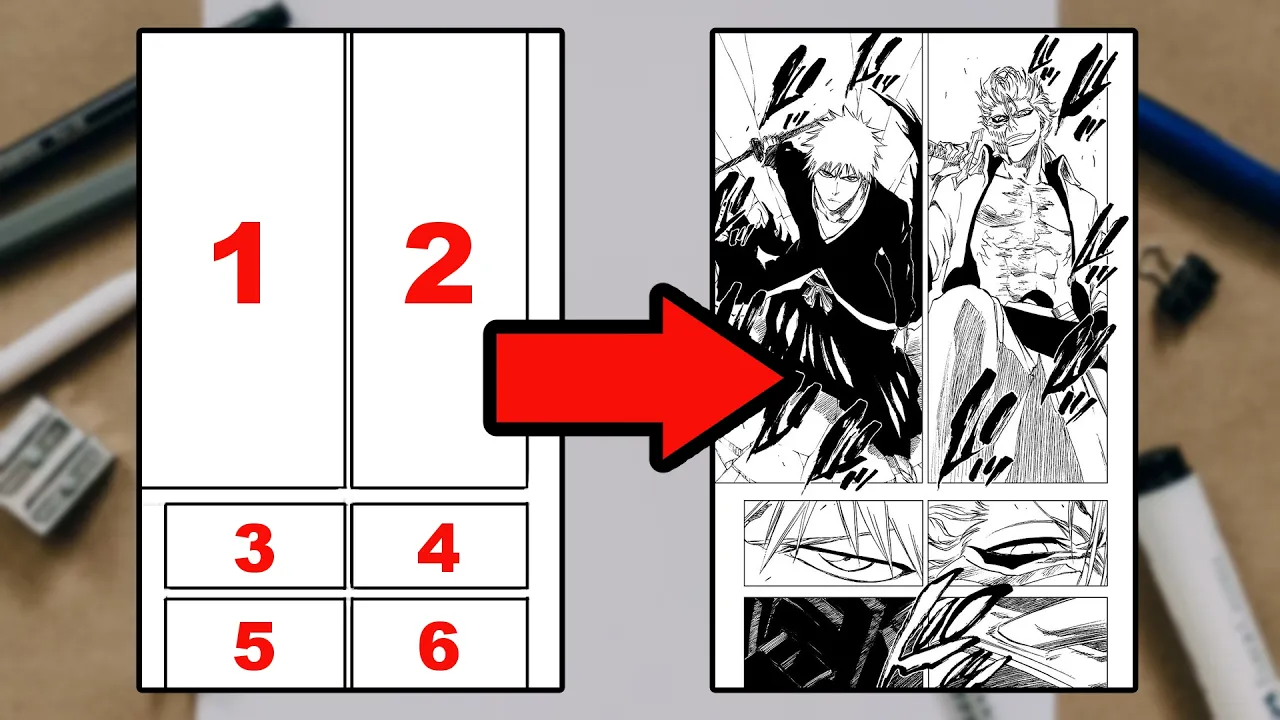
Basically, when she made basically elongates one panel more than the other, if she use a specific sequence, she enlarges one panel, she centers one panel, the way she just puts these panels in a certain page is because she maybe wants us to look at one panel more than the other. Maybe she wants to showcase the importance of a certain event or certain conversation. So, that's what she does or certain theme or certain idea. So basically she elongates and enlarges depending on um the message she's trying to convey to us as readers and the montage is basically when you combine many images to create one effect and then it's a it's an autobiography of her life. So now chapter one reveal. So the setting is which is the capital of Iran and it begins at the same time as the Islamic revolution which we know was a very important event in Iran because it changed the Iran especially like Iran we know today is the Iran we know today because of the Islamic revolution. So as you know one of the confusing aspects especially for maybe young readers is that um this a lot of history and politics is embedded into this novel. Um so basically in the Islamic revolution especially at the beginning in Iran before that they did not have to wear the veil. It was not obligatory but after the Islamic revolution or or during it let's say it became law it became a rule that you have to it's obligatory to wear the veil and this was um this well it can be interpreted as a symbol of misogyny and the veil not itself but this event uh can be interpreted as that why so because Marjan and her mother um they did not wear veads and many young girls did not wear veils because as we'll see that we'll talk about that in the next slide but did not wear veins. So, like I said, especially young females. So, they were not fond of wearing them and they didn't understand the reason they had to wear them. So, it was kind of very um controversial and there was a lot of um disagreements in the country. But the the the part that was misogynistic about it wasn't the fact that you had to wear it, it was the way you you were forced to wear it. Meaning that these women were threatened with their lives. They were beaten if they didn't wear these ve and especially the dictatorship that was happening, the tyranny that was taking place in Iran. That's that's why it was seen as a misogynistic thing because these men were forcing them to wear the braids. It wasn't out of their will. And before the revolution, Marjan used to attend a bilingual school, meaning that they used to like learn two languages there. And it was a French school. They learned French and then they learned their actual language and both girls and boys attended the school. But this change they were segregated. And we're going to also talk about that in the next panel. Therefore, the changes were hard on her and she didn't have a very good view of what was happening and she wasn't very content about what was the changes taking place in her life. And then uh her mother is a feminist icon suggesting that she is a modern woman who pertains a modern ideology. And we can also see there's always this contrast between the actual revolutionary the Islamic revolution um point of view and then we have Marjan and her family's point of view which is very modern very westernized and then we have the point of view of those around them and you can just see them juxtaposing the whole time and contradicting each other and this is this is how we like we get to see the different point of view uh and this is how we actually get to understand the Iranian point of view it's because of the contradictions taking place and then the author is extremely religious and dreams of becoming a prophet. The Islamic revolution and its regimes are making her have contradictory thoughts and questions her question they make her question her ideas on Islam which is ironic. Furthermore, it falls under the theme of identity. Okay, so basically this is actually very like this is actually the kind of the the main point at least in the first half of the novel.
Why? Because we know that the fact that she wants to be a prophet shows how much she loves her religion and shows how important her religion is to her frankly. But the thing is that the Islamic revolution this this highlights the fact that the Islamic revolution isn't they're using the word Islam as a way of propaganda. Why? Because they're saying this is Islam you have to do it.
And because of the people they love the religion they're forcing these people to omit to certain rules that aren't particularly particularly linked to Islam but they're using it as an excuse.
They're using it as a disguise for them to actually do what they want, which is actually propaganda. And they're making little Marjan um confused about what she believes in and whether um Islam is what she really wants to be a part of.
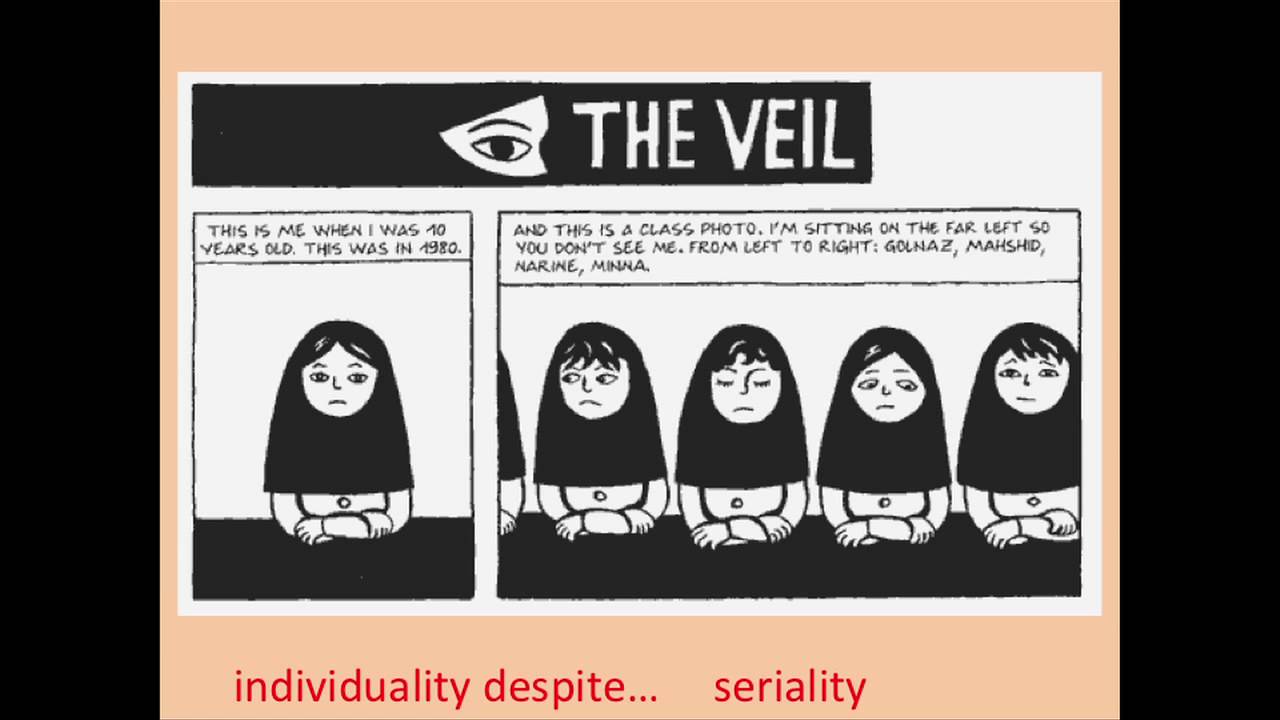
So now we're going to begin with the graphic analysis and teach you bit by bit. So basically in this image, 10-year-old Marjan seems upset and you can like you can tell by her face expression. always talk about the face, what you can see, and you can always say that the eyes are truly um the window of the soul. But here we can see that her eyebrows are partly arched. She's not happy. She's looking that straight at the camera. And um because she opposes the fact that she should wear a veil, um the Muslim regime of Iran thinks differently. They think that the woman should have to wear the veil because everyone in Iran needs to follow their religion. Again, the propaganda, you can see the propaganda and how they're making people follow certain rules because of the religion. So, they're using it. They're actually abusing religion and clothing is an important part important to Iranians because the smallest changes show your allegiance.
Uh, now we're going to um uh analyze the certain quotes again the literary part.
the year is be uh the year is become obligatory to wear the veil at school.
So the word obligatory it has a negative connotation to it because it suggests the fact that the author is not fond of wearing the veil as she wears it against her own will. Um uh this should be an I I'm sorry shedding light on the fact that the Islamic revolution is decreasing liberty throughout the nation especially for women highlighting the theme of gender inequality. So we can also see the theme where women are actually losing certain rights and they're actually pinning it on Islam even though it is actually sexism at its finest.
And so now this is um a note I took at the class lectures. So um in the first panel we see 10-year-old Marjan frowning and it's well I actually me mentioned that from her uh arched eyebrows. And the second panel, all the girls are are looking straight into the camera. And the thing is, um, they all look like they're the same girl, which except their hair actually, which uh shows that they're all actually not content and that the veils actually making them all lose their identities to a certain extent. And we can actually see Mahan's actually like cut out from this image.
And now um this is the justosition is what I keep talking about. Um on page three, I don't know which version you have of the novel, but mine is the the version which has like the red background. Um so basically on the third page, um there's a photo which we just talked about that have been taking place after the revolutions where all the girls were like frowning, they were looking downwards or they weren't looking or they were looking sideways.
And we can just see that their eyes they were they were either like frustrated or they were sad. Like it was just both of both of these negative um emotions. And then on page four, we see um an image taken before the revolution and had both boys and girls like I previously mentioned. And they were all like just together. And even though they didn't all look happy, they looked like typical kids, you know, like kids like this is what a typical class background looks like. A typical class photo. You can just see how now they just don't want to look at the camera. And here like most of them are looking at the camera and if they weren't they just distracted like typical children. You can see their childhood being stripped away from them.
And you can just see the toll that this revolution has taken on them. And again, this is part of the justositions that Sati um like does. This is just how she conveys certain messages without actually having to say certain things explicitly to readers. So now we're going to talk about this. This is actually maybe one of the most if not the most important panels in the whole novel. So firstly in this panel color symbolism is used where the women wearing hijabs are are in black and this is actually villainizing them making them look like they're villains making them look as if they are wrong and the women on the right are in white portraying them as innocent portraying them as angels uh perhaps.
And then the woman the women wearing hijabs as well they have their eyes closed indicating that they have their minds closed and they don't want to hear anything else and they don't want to see anything else and they don't want to hear the the side the other side which shows that they aren't open-minded.
They're close-minded. And then they're wearing the women as well wearing the hijab. They're looking upwards and they have their noses upwards which shows how how they think they're superior and how they think that no matter what the other side has to say they will always be right. And then the non-Hijjabi women, they all have different hairstyles.
Meaning that they all are individuals of their own. They have their own identity and they they actually refuse to be brainwashed as they are focused and they are filled with emotion and passion.
They actually have something to say and they have a mind that's working for themselves. Whereas these other women, they just have nothing going on for themselves. They just want to say the bail, the bail, the bail, the bail, and that's it. And this is actually very important and this is what I talked about the sequence and like the way she positions stuff. It's actually like Satropy. She's brilliant. um she placed the non-habi woman on the right side and the uh hijabi woman on the left side.
Why did she do that? because she want it's just her indirect way like I said her her way of putting her own opinion and like implementing her own judgments in her novel in her autobiography um without you know making it explicit and this is why she put these women the non-habies on the right because she personally thinks they are right and she's vouching for them and now we're going to talk about the event where the author's mother dyes her hair um I think yeah her name is Taji and um this just sheds light on the fact that um her old self who lived in modern Iran in the modern world has now died.
It also highlights the fact that the Islamic revolution stands for deteriorating human rights and it's using Islam as a weapon and it's abusing it at the same time to do so. Um because [clears throat] as we know human rights are to express ourselves freely and it gives insight on the government's propaganda and totalitarian regime. And as you can see, the author's mother looks at her reflection in the mirror, devastated, as she comes to the realization that everything has changed.
And the more that the revolution progresses, the more she can sense her old life slipping through her fingers.
And as you can see, we can also tell if you want to like analyze graphically.
[clears throat] We can tell she's looking at the mirror with the sad expression. As you can see, she's frowning. Her eyes look like they're like sad. She's just in a melancholy state of mind and she's just looking at her reflection and this is one of the last times she can maybe even recognize herself.
Now we're going to talk about the second chapter, the bicycle. So basically it's also set in it begins at the Okay, basically it's the same setting as chapter one. Um now we're just going to be talking about a specific quote. So I put my prophetic destiny aside for a while. So this is said uh in page 10 as well if you have the red book. This quote highlights the propaganda and total to total terroristic regime of the government due to the fact that dur that during the Islamic revolution relig religious individuals like Maria are putting their religion aside in order to prioritize other aspects of their lives that are falling apart due to the government's regime. Therefore, it's ironic that the Islamic revolution is the Islamic revolution, but it's actually parting the nation citizen from the religion of Islam and it's actually promoting things things uh that are against Islam. So, you can just see the irony and the propaganda taking place.
[clears throat] Furthermore, in this chapter, the theme of importance of education is introduced as it can be deduced by readers that the author is able to understand complex events that are taking place around her due to her knowledge that due to the knowledge that she is having access to through books.
So again, many themes are highlighted because again, this is a coming of age novel. This is a um this is a biography of her life, especially when she was a child. And when you're growing up, there's many many things going on in your life, especially during this like certain event where she's actually during a historic event that actually altered a country's history, maybe even other countries histories, but of course mainly Iran. So we can just see um how um different aspects of her life are changing while and how politics is affecting it. So now we're going to talk about this panel. So the revolution is like a bicycle when the wheels don't turn it falls. So basically this is a simile uh which is comparing the revolution to a bicycle and uses the comparison to like. I always talk about comparison tools like um and as and this is the same thing here. In a deeper sense, the author means that if the people do not start moving towards making changes, no change will take place and the events that are taking place will continue to take place uh such as the abuse um the totalitarian regime and all of these things. In addition, the bicycle is a symbol of the revolution as an effort needs to be exerted in order for it to actually move or else the bicycle will end up falling.
The same applies to revolution thus making it a symbol. Moreover, we can interpret from the quote that the author is an extremely wise individual despite her young age and she's able to understand the components of a successful revolution despite many individuals who are older than her age who are not able to. So, okay. So, this is very important because many people who are older than Marjan because she's very young you know uh that are actually participating and active in this revolution whether whether actually despite any of the sides therein we can know that Marjan has such an insightful outlook because she is educated. We just like kind of this is just like on the side you just kind of learn how important education is and not only that but they do talk about in the novel and maybe it's in the in these slides that I have prepared but we do they do always talk about how they make young men and they actually started closing universities and making them not continue their education not pursue uh their education because they don't want them to be educa educated because education is the key to everything. It helps people fight. It helps them see the world in a in a more you know um holistic point of view. Therefore, you also get to see how important it is to be educated and how easily it for it is for a person or individual to be brainwashed when they're not. So, education is a key weapon that every person needs in their life. Uh and also a symbol of a bicycle. It basically takes a lot of riders to keep it going and they have to be in sync. If one person stops the whole thing is going to trip over, tip over. So basically the whole point is that many people need to be in this need to be in it together in order for the revolution to actually be successful and this is actually like a um it's just an like illustration of the simile. It just like gives a point like it just explains it technically and all that but we do know that this is a graphic novel. So everything is explained using literature and non literary elements. to both.
And now um we're going to be talking about certain concepts. Again, like I said, politics is deeply ingrained in throughout this novel. And there are many concepts that one might not be familiar with, especially if they're not really uh into history and politics. So basically, dialectic dialectical materialism is a way of understanding reality whether it's through thoughts, emotions, or the material world. This is important because as we mentioned in the novel, the book dialectical materialism is the author's favorite book. This can be emphasized or confirmed when when she says for revolution to succeed, the entire population must support it. And this is on page 17. This quote indicates that the author has a good understanding of what's happening around her as she she's able to identify the flaws in the people's actions such as the lack of strength or even the most important thing is the lack of commitment because many people are not committed to the to actually like stopping what's taking place. And now we're going to be talking about the water cell. So basically um I'm going to also be introducing some concepts because like I said there's many complicated concepts throughout this novel. Putish basically putish is a uh the definition is a violent attempt to overthrow the government. uh and both are radical far-left and revolutionary movement founded founded in the Marxist ideas and actually um Marxism um is deeply talked about throughout the novel and it's it has to do with sociology and he was technically a sociologist who a so um Marx was a sociologist who actually created um the concept of communism and he was actually found crazy and he was kicked out of several countries and he was homeless and he had many any problems. That's more in the realm of sociology. But he did the most important part we should know is that he was the creator of communism and he's deeply talked about throughout the novel which is very important. The event where the author states that her states to her parents that she believes the king was chosen by God and her father is elo.
That's what they say. It showcases that academic the fact that academic institutions are beginning to brainwash their students and adopting the regimes of the Islamic revolution. Because as we can also see throughout the novel, what happens is that these certain um institutions and they start changing what they used to say before the revolution to to after the revolution these two things what they're teaching these uh students change and it's actually contradicting each other which is actually brainwashing and propaganda and for people smart enough so like Margie who are actually you know they they they get their they're in charge of their own education meaning that they learn inside outside of school no matter where they are. These are the type of people who are able to see right through um such uh propaganda but others are not. So this just shows how um education is also uh vastly vastly vastly affected by um by the uh political events taking place and it suggests that there are various reasons for the events that are taking place as well as it suggests that the other side is wrong and there's a dispute on who is right and now we're going to analyze another quote I think you are old enough to understand certain things you should know dot dot dot this is on page 22 as well this quote falls on the theme of losing innocence because we get to see especially this is very important because what's happening throughout this autobiography is that Satrai is showing us how she her her her view on the world changed she had such an innocent view before this uh this revolution took place and how she actually got to see the world on how it truly is and all of these brutal events taking place uh in the sense that in the first chapter of the novel the author was uh was extremely religious to the point where she had aspirations to become a prophet however However, the more the novel progresses, she begins to question her faith and her father tells her in an indirect manner that God is not associated with every event and bad thing that takes place that happens. The event where the author takes a bath in order to emphasize with her grandfather, empathize, I'm sorry, with her grandfather exhibits the fact that she is an empathetic and curious character.
So again, through certain events, we get to know more about Margie. We get to know more about the individual that she is.
And now we're going to be talking about this certain panel. Um, Islam was used as a holy symbol and as a tool against people like I previously mentioned in a deeper sense, the emperor would make rules and regulations that would make him more powerful that were convenient for him by using Islam as a cover by by abusing it technically. Uh, furthermore, he would forbid freedom of speech or any type of liberty to secure his position as an emperor. And lastly, he would make it seem as as if he was sent by God.
Thus his citizens will view him as a god as if as he as if he can do any I'm sorry as if he can do no wrong and they will not question any of his decisions decisions and he will have to be and they will have to be content with living in an oppressed manner while he lives in a luxurious and comfortable life. So basically this is just this basically just shows how propaganda was taking place and how uh basically people were brainwashed into giving um the emperor all of the power that he wants in order to make in order to make all the decisions that he wants to do for him to get as much power as he wants to. And then chapter four, we're just going to analyze one uh quote. I read all the books I could. So in the uh so this is on page 32. The fact that the uh that at the time the young author read all the books she could with the aim of understanding the events going on on around her displays the fact that she's an intellectual and curious character. So we're going to like re-emphasize on that more evidence to that which can be seen as a recurring motif since in the last chapter she sat in the math for hours in order to satisfy her curiosity regarding her grandfather's situation. Moreover, this also relates to the theme of loss of innocence as the author has to understand political, economic and sociological concepts as I mentioned in order to gain uh and understand uh the events that are taking place around her forcing her to grow up fast and not be focused on the things. So basically like Margie she was a child usually play games they read simple books um fun books fantasy books fictional books but uh in her age she's actually like learning these really really really complex um concepts which people usually like maybe late like teenagers maybe at late late teenagers start getting introduced to such concepts especially at even they get introduced uh about it through academics they do it through like educational institutes, but she's actually doing it individually at a super super young age, which actually shows what where where she's at because of the situation actually also shows um how deep her understanding is and how far an educated person can go.
Now, uh this is a graphic analysis. So in page 27, the image where the king is on top of a tower with his wife is a symbol of his power and the fact that he sees himself as superior to his people as he is above all of them physically and metaphorically. Furthermore, he is wearing a huge crown on his head which emphasizes on the previous point mentioned.
Furthermore, the king's words contrast his contrasts his words meaning that um or the reason is that I am the light of the arans which is basically in page 27 which is ironic because there's a night sky behind him. Moreover, this can be interpreted as foreshadowing as he says that he will bring light which is something positive. However, the region will become a darker place due to his ruling and his regimes. So what he says and what he does, his actions and his words completely completely contradict each other which again uh takes us back to the theme of propaganda.
And now we're going to be talking about chapter 5 the letter. So basically she says I finally understood why I felt ashamed to sit in my father's cat Cadillac. Uh this is chapter 20. No not chapter I'm sorry this is page 33. This quote highlights the difference in social class, especially in the book's setting. Furthermore, it can be deduced that Margie is a realistic and sensible character as she views her surroundings and is able to comprehend the significance of the events that are taking place. Um, and this also highlights um story with Hussein. So basically Mihi is Marjan's maid and uh they basically I think she left her house uh well her house me used to live in a farm and she had like many many many siblings. So her father gave her um to Marjan's family for her to be a maid in exchange for her to be fed and at least you know given basic human being uh needs such as you know food, a place to sleep.
She fell in love with Hussein who was the um next door neighbor and because uh Hussein was Hussein was sending her letters but Mahi is illiterate so Margie would end up writing the letters for Mahi the minute or actually the moment found out Mahi was a maid he cut off all ties with her furthermore the author's father says because in this country you must stay within your social class so this was on page 37 this quote is self-explanatory because because it suggests that people from different social classes cannot be together or even be associated with each other also shedding light on the nation's ideology and social hierarchy and the way things are done and this is chapter six the party in this case as long as there's an there's oil in the Middle East uh we will never have peace so this is in page 43 uh this quote said by the author's father highlights the reality of the situation due to the fact that the leaders of these countries are participating in corporate activities in order to aggrandise their power and the event where the author is confused when her teacher announces to the class that they shall tear out tear out the pictures for from the sha of the sha I'm sorry of the sha shed light sheds light on many points firstly the school system is often brainwashing their students by constantly changing their perception of what's right and what's wrong so basically brainwashing them furthermore this setting can be interpreted as a total totalitarianism which is a form of government and political system that prohibits all opposition parties. So like we talked about uh outlaws uh individual and group opposition to the state and and its claims. This can be interpreted as the children shall believe contradicting views depending on the political events that are taking place currently in the country. And the last thing is that this event showcases the author's liberate personality as she thinks for herself and is not succumb to brainwashing as she is not a sheep.
basically by sheep sheep's a symbol because they follow whatever uh they they they see they do not think her reaction juxtaposes her classmates reaction as her classmates did not question they just followed what was said by the teacher however she did ramen whose father killed many individuals is a representation of Iran a reason being that Ramen is judged for his father's actions not his own and Iranians are just judged and misinterpreted by the government so basically this actually happens a lot not only in Iran but in the Arab world itself because these certain polit politicians are um you know undergoing certain activities and coming and like doing things that are not morally acceptable and morally and ethically also acceptable. However, they are however these people are being judged by the actions of their politicians and this is uh shown and uh as an example through ramen.
Uh so the this um the the the the header uh the fireworks in the header represent celebration and festivity but they also represent danger and hazard.
uh therefore although the shaft's resignment is positive it contains underlying negativity since the political unrest remains prominent in the country.
So now we're going to analyze this. So bird's eye view angle creates an honest perspective and emp emphasis uh and emphasizes the amount of lives lost as a result of the massacres. The individuality of the dead man is subtle but shown. It implies that individ individuality is discouraged. I'm sorry, discouraged and punishable. And the black clothing emanates the mention of Black Friday through Anchorage and represents the negativity of totalitarian regimes as well as the dark and disturbing events uh of it on society.
Now the eyes, the symbiotic being rolled back represents knowledge being suppressed and extinguished.
So now we're just going to like because this is all about the sha. So I'm not going to focus that much on the sha but I'm going to focus more on next chapters as this video won't end.
So let's go to further analysis. So we're going to jump all the way to the passport when they're leaving. So basically the significance of the banner. So the image reflected in the banner and the title of the chapter is somehow ironic as it plays a role in foreshadowing the purpose of this section and allows the reader to realize the ironic meaning hidden behind the passport which is illustrated. So the password the passport itself illust represents Margie's freedom and it's the most important symbol. Margie encounters a number of uh uh bureaucratic obstacles when she applies for the passport that she's unable to get. These obstacles stand for the limitations imposed by tyrannical dictatorship on her freedom and identity. So now let's go to these panels. We're gonna because I realize that we're just talking about the literary analysis but I need to delve more into the language more into the graphic analysis. So in the first panel uh here um the narration box indicates a setting where the main topic of the discussion in is martyrs. This may be manifested as a foreshadowing for the f I'm sorry for the future events as uncle Taher dies as a result of the totalitarian regime of the Iranian government. And the same applies for marters who lost their lives due to the internal war. In the second pan in this one, uncle Dah and his wife exchange looks both of them having disappointed looks on their faces. His wife is disappointed because uncle Taher is smoking and this is suggested by the fact that the color of the smoke from which the cigarette is black illustrating her point of view like I said negative positive illustrating her negative point of view which using color symbolism which is associate which means that she associates cigarettes with negativity. Uh so basically then there's a transition to the third panel uh uh where the there's like a moment to moment transition uh in the fourth panel the graphic weight is utilized by satropy in order to depict I'm sorry to depict unclear's perspective on the use of cigarettes as the colors used justapose the panel above as the background is black and the cigarettes are white showcasing the contrast between his and his wife's perspective.
So you can see what what I meant by all of this to like summarize it is that uncle now we're seeing things from his wife's point of view. The smoke of the cigarettes black because she thinks it's something bad. Uncle Taher is like deteriorating his health. Whereas here it just shows uncle alone and shows that the flames of the cigarette are white showing that it's something positive for him and helps him forget about all of the stress he's feeling due to the state of the country.
which is again a justosition. And uh here in the first panel, Uncle Dah is complaining about the fact that he's not living with his son while blaming his wife simultaneously since she did not want to leave her country and family.
His body language where his arms are raised demonstrate his anger, his frustration, the fact this they just help us like visualize the moment and just see the tone. And then in the second panel, everyone is looking at Uncle Tah except his wife. um because she's not able to see her husband in such a devastating state. The fact that the cigarette is black and span revealed that it's correlated with negativity in everyone's point of view excluding Uncle Tah. In addition, Uncle Tah represents the phrase they kill me. Meaning that I'm [clears throat] sorry, repeats the phrase they kill me twice, foreshadowing his death. Furthermore, the mood in this page is common for all characters excluding uncle of course. And then in the third panel here, Margie's parents are disc are discussing Uncle Dar's emotional state. The gutter between them. The gutter means the space. The space between them illustrates the tension in the room because usually like um authors usually use gutter to like show showcase tension. In the second panel, uh, Margie makes a sound uh t like that. Like I don't know how to say it exactly, but it's like it's like a onomatotopia, which implies that she's a node. It's basically a literary tool like crack um ouch like like these kind of tools.
They're ontopas.
And then in the third panel, the dark background represents Margie's blunt nature. It's also demonstrated by her parents' shocked face expressions.
You can see that her mother has a question mark over her head. Um, and their their eyes are wide open in shock.
Um, which expresses their confusion.
And, uh, here in the fourth panel, which is technically the fourth panel on the slide, I'm sorry, the fourth panel in general, like on that page, but it's the first panel in this slide, um, showcases the mother giving advice to Margie in order to prove to her that she is still in need of her parents' guidance.
Because again we do know that Margie is very independent. We know that she gets information on her own that she does not need much to help herself but at the end she is still a child and she seems annoyed because uh she responds to her mother without making eye contact with her. In the fifth panel um which is this panel the second panel on this slide there's foreground uh where Margie is walking away. However, her eyes are still towards her parents suggesting that she can still hear them. So basically you can you can see that she's just like she's not looking at them directly but she is looking at them kind of like she's still listening to them and she's still kind of with them but she's exiting. And then in this panel the third panel which is the sixth panel on the slide is the midground because the black background the black background symbolizes Taji's worry. Taji is her mother.
um uh which juxtaposes Margie's father's optimism uh towards Margie's positive attitude because we do know that Margie's father, he's the one who kind of got her into all of these things, into reading books, into getting some political interest because he's the one who like kind of huge started this. He's the one who gave her all this information.
And then in the fourth panel on the slide, while Marty's parents are having a heartfelt moment, the phone rings loudly and suddenly. And this is evidenced from the zigzag shape around the bubble. So this is like a zigzag shape. It's kind of a manata if you want. And then in the ninth panel, another zigzag bubble is used to illustrate how loud Margie's father was and the chaotic tension in the house at that moment.
And this is the last panel we're going to be analyzing. Maybe there's one more panel. Um, okay. So, we're going to analyze these three more panels. Um, three more slides, I'm sorry. So, in the first panel, the car is in the air and the lines behind the car indicate that the car is moving extremely fast. Uh, so you can see like these lines behind the car. And then the second panel which is elongated. So this is like another tool used by Satropy suggest that that the event taking place highly altered Margie psychological state and the typog typography used uh where the man says give blood like all in bold suggests the urgency and the anxious and chaotic atmosphere. In addition, the fact that Margie and her parents are still standing behind the ambulance displays how headless they are in the situation. The fact that they really can't do anything about it. Um and here from this this panel it's evidence it's evident that there's nothing that there's not enough place to accommodate everyone in the hospital because everyone's either injur injured or ill from the protests from all of these thing from the government's regime.
Whenever someone does something that um that's basically a a basic human right but again goes against the the political regime that's taking place then they're going to obviously um get physically assaulted, injured. So as we can see people are scattered everywhere. Uh and this can also refer back to the the chapter 13 of the book which is the key where it's mentioned where it's mentioned like I talked about before that young boy young men or young boys are brainwashed into believing that there's a plastic key they would receive for for going to war. Okay. It's basically in the key it was mentioned that um basically young boys were given plastic keys and they were told that if they go to war but with this plastic key was given the ability to go to paradise to go to heaven and they'd have everything they want there. So basically this is again when uneducated people especially from lower classes who don't have money like because Marjan was privileged at the end of the day and it does me it is mentioned that her father does have a cat Cadillac. So we're just seeing here how um these boys were brainwashed. It just talks about how many people end up injured and having their lives deteriorated because of this um totalitarian political regime.
Now here this panel on the first panel the walls of the hospital are light. The reason being that the hospital is supposed to be a place where people are healed or saved from death which symbolizes it life. As we know there's this quote that a hospital has heard much much more prayers than an actual church.
Yet all the individuals in this panel are wearing black reflecting their pessimistic mood and even foreshadowing for for their events. On the second panel uh on the second panel the panel is elongated showcasing that there's a major event in the speech bubble there are many many ellipses as she's taking deep breaths as she speaks. As you can see there's many many like lines here dots I mean there's many dots. She's taking deep breaths as she's crying because she can't constantly talk cuz she's crying. And then in these three panels here, they all all shed light on the major theme of one of the major themes in the graphic novel, which is the totalitarian regime of the Iranian government, which we mentioned constantly throughout the video. Part of this regime includes abusing religion and using it as a way to brainwash individuals and the fact that the man says if God if God wills it, meaning that he's he's trying not to give her an answer. He's trying to just like in a sense shut her up, keep her quiet. So he just said if God will he just throws it on God and uses because he he knows that everyone is religious so he just uses religion against them that way they can't say anything about it. It's a power play rather than a devotion to his religion. Like I said this point is emphasized when uncle's wife says all that all that creepy window washer had to become a all that creepy wish window washer had to do to become a director was grow a beard and put on a suit. So basically as you can see everyone um now doesn't h does not have to be educated. They don't have to do anything. All they have to do is just um abuse the religion um um succumb to the basic um basically prop like propaganda to the to the propaganda to the to to the totalitarian regime of the government. And you know what they'll get what they want. Uh and this just shows the frustration.
And then this is the last panel we'll be analyzing. So in these two panels uh which juxapose each other um as the white dot view of her parents represents who they truly are whereas the second panel makes her mother seem unrecognizable in Margie's words. The series of panels sheds light on the theme of oppressive Iranian regime that forces individuals to comply to certain regulations that they may not want to comply to hence robbing away robbing them away from their freedom but not also from their freedom but from their identity. because we can see how her mother actually looks like here. And look at how she looks like in the passport.
And then here in the last panel, we're going to be analyzing to establish a striking contrast between the woman and Marjan physically. High graphic weight is utilized on the woman's scarves.
In the first panel, while light graphic weight is used on Margie, the contrast in their physical characteristics, however, actually represents differences spiritually. Basically, they mean like their ideologies. So you can see like Margie looks so tiny next to them and like she's wearing this mini mini hijab that barely actually covers her hair because you can see some of the hair here whereas they are fully fully fully covered and the shoes uh on in the second panel stand uh in for Marjan's loss of freedom uh of speech as a result of the dictator dictatorial Iranian freedom of speech as a oh no as a result of the dict I'm sorry uh of the dict dictatorial Iranian government. The woman also orders her to stop to stop up uh to shut up uh giving shedding light on the Iranian dictatorship's side. Last but not least, the phrase it was evidence evident that she had no notion what the punk was highlights the woman's brainwashing and they actually don't know what they're talking about. They're just saying what they've been told to say. And then in this panel, Marjan's body language and height reveal her innocent childlike nature because she is smaller and appre more frightened than the other women. So this is it guys. I hope you liked the analysis on precipilus. I hope this wasn't too long of a video and I hope you understood everything. Thank you so much for watching. If you want actual notes and you want access to my email, then please join my Google classroom in the description below. Thank you for watching. Bye-bye.
Up Next

4:35
The Best We Could Do: A Graphic Memoir of Family & Vietnamese Refugee Experience | Thi Bui Book Review
@LiterallyGraphic
1.5K views•2022-05-14

13:43
Formalism in Literary Criticism: An Academic Lecture Overview
@mattalberhasky9952
39.1K views•2015-08-05

6:08
Point of View in Fiction: First Person vs. Third Person
@magicalthriftyteacher
153.8K views•2014-03-31

15:25
1984: Orwell's Dystopian World and the Mechanisms of Totalitarianism
@AlternateHistoryHub
7M views•2017-03-04
Related Study Plans & Knowledge Roadmaps
Structured learning paths in Literature
literature
Graphic Memoirs: Visual Art, Trauma & History
01Foundations of Sequential Art and Visual Language
02Autographics and Processing Historical Trauma
03Visualizing Personal Trauma, Grief, and Graphic Medicine
+ 2 more learning modules
14h5 modules
Explore Roadmap
literature
Campus Novels: Evolution, Themes & Critique
01Introduction to the Campus Novel Genre
02Mid-Century Satire and the Post-War Academy
03Dark Academia and the Critique of Privilege
+ 2 more learning modules
14h5 modules
Explore Roadmap
literature
Theater of the Absurd: Philosophy & Plays
01Postwar Existentialism & Historical Roots
02Dismantling Narrative: Esslin & Absurdist Conventions
03Samuel Beckett and Tragicomic Existentialism
+ 2 more learning modules
12h5 modules
Explore Roadmap
literature
Revenge Tragedy: Justice, Madness & State
01Foundations of Early Modern English Theatre
02Anatomy of Revenge: Structural Conventions
03Psychological Complexity: Madness and Melancholy
+ 2 more learning modules
15h5 modules
Explore Roadmap