



















![[전공에 강한 대방열림] 2022 보건연구사 시험대비 역학 및 보건학 최신 문제풀이 강의 안내](https://i.ytimg.com/vi/2Ee8UPs3zKg/maxresdefault.jpg)






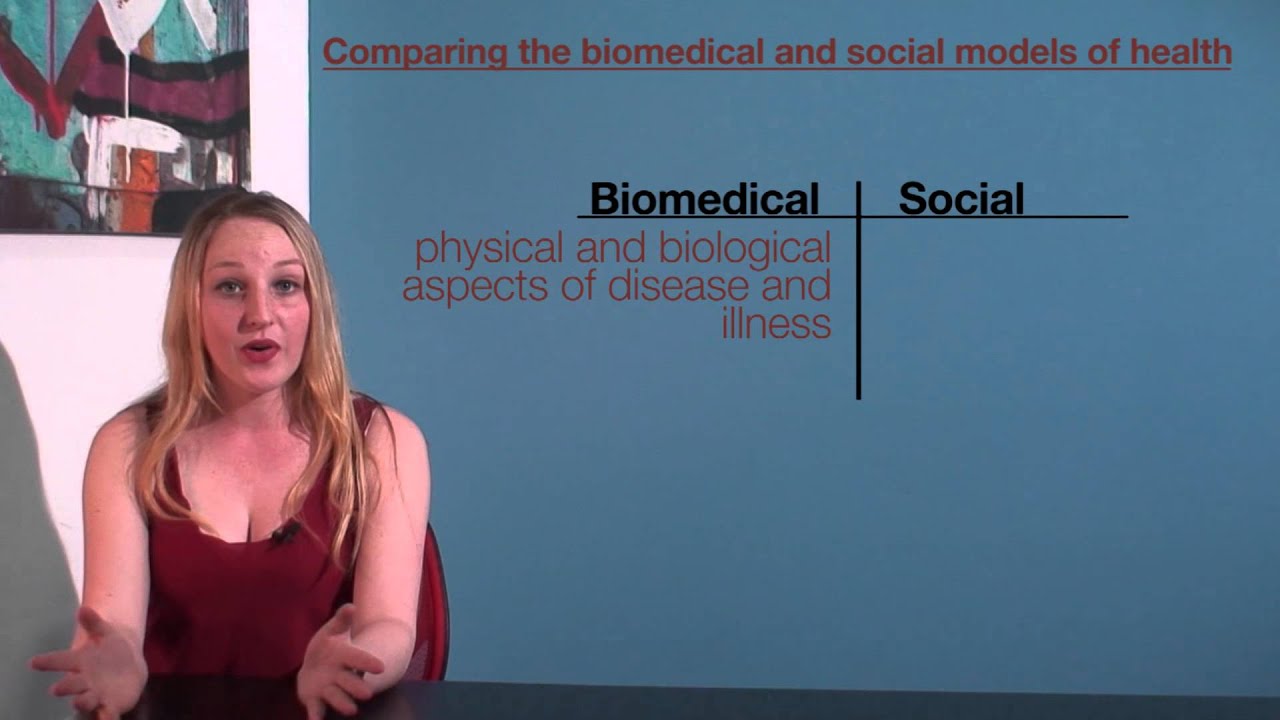
Health can be understood through two primary models: the biomedical model, which views health as the absence of illness and focuses on diagnosis and treatment through medical interventions; and the social model, which recognizes health as a broader state encompassing physical, mental, and social well-being influenced by social, cultural, environmental, and economic factors. The Ottawa Charter of 1986, developed by the World Health Organization, established health promotion as the process of enabling people to increase control over their health, based on three principles—advocacy, enabling, and mediation—and five strategies including community action, skill development, creating supportive environments, reorienting health services, and building healthy public policy.
Biomedical & Social Models of Health & Health Promotion
Added:okay welcome to this quick mini lecture on understanding health and health promotion so health can be a pretty broad and complex topic with a lot of different concepts that are involved so a little more specifically what we're going to talk about here is first the biomedical model of understanding health the social model of health finally we'll talk about health promotion and how this came to be what it is today and then I'll provide a few application questions so you can think about how this applies to your real life so first we have the biomedical model the biomedical model has a long and very developed history when we think about healthcare so it's often what comes to mind when we first think about accessing healthcare so this can involve a process of seeking out a diagnosis and then obtaining treatment or a cure for an aspect of disease or illness so this approach focuses on the biological or physical aspects of illness and/or disease so based on that health could be defined as simply the absence of illness or disease so this approach really focuses on the practice of medical professionals as well as the advancements of technologies so things like equipment that allows for more sophisticated healthcare treatment or pharmaceuticals and drugs to cure disease or illness now this model drove many advancements in healthcare and has really developed field in a lot of ways however it doesn't necessarily address all health factors equally so when we consider chronic diseases or diseases that are acquired as a result of lifestyle factors the biomedical model falls short in some ways on treating or curing those diseases and further this is a very costly and can be sometimes an ineffective way of pursuing health so this leads us to the social model the social model is a more broader conceptualization of health that sees health as more than simply the absence of illness or disease the social model of health addressed is a much broader scope of factors which influence health these factors can be social cultural environmental and economical and this model recognizes the need to address these determinants and not simply address aspects of illness and disease by providing a treatment or a cure you could call this a community approach because it could be more focused on prevention and addressing lifestyle factors that influence health as you can probably tell this process or this approach is much more complex and interdisciplinary and requires input and collaboration from various sectors so notably sectors such as education who can provide people with the knowledge and tools to prevent health issues or to seek out more healthful practices as well as sectors such as communities who create the policies and structures that allow people to access health resources so what does this mean for health promotion health promotion is a relatively new idea that really gained traction after the World Health Organization released the Ottawa Charter in 1986 the Ottawa Charter recognized health as a state of complete physical mental and social well-being in which an individual or group is able to identify and realize their aspirations satisfy their needs and change or cope with their environments so with this definition the Ottawa Charter defined health promotion as the process of enabling people to increase control over and to improve their this charter was based on three principles firstly there was advocate which is advocating for the creation of favourable social cultural environmental political and economic circumstances for people to be healthy second was enable so enabling control over health and striving towards reducing inequities in health among different populations and finally was mediate so mediate the interest of various sectors and organizations both within and outside of health so a notable example of this could be mitigating private interests of private corporations for example who are seeking to make money versus the interests of the public who need certain circumstances to be healthy so based on these principles the Ottawa Charter identified five strategies for health promotion the first is Community Action so this involves increasing ownership and control of communities by setting priorities and making decisions planning strategies and implementing these strategies at the community level second involves addressing and developing personal skills this involves providing education information and the skill individual skills to pursue healthy behaviors and healthy lifestyle choices third is creating supportive environments so these are the living and working conditions that are safe stimulating satisfying and enjoyable and in particular this can involve the organization of work and leisure to allow people to pursue these healthy lifestyle choices fourth is reorienting health services towards prevention and to help support the needs of individuals and communities in pursuing a healthier life this also involves opening channels between the house sector and other social political and environmental circumstances and these are all part of the broader strategy of building healthy public policy and this is in both health and non health sectors and involves the broader goal of addressing different factors and circumstances in order to reduce health equities among different populations so how can we apply these and think about these in our everyday life consider these questions and think about how they might play out for you so first how am I your health be affected by different social cultural political and environmental contexts and how do you think your health status might change if one of these contexts change next how does your most recent experience accessing health care relate to the models that we discussed was it simply obtaining a diagnosis and receiving a treatment or did you address the cause of your illness or disease and did you talk about ways you can prevent it in the future third how can your leisure time activities be implicated in both the biomedical and social models of health also how can leisure activities be involved in health promotion more broadly for individuals and communities and finally what strategies of Health Promotion might be most effective or useful for you in your community where you work in an organization you're a part of or the campus for you studying think about these and think about how understanding these models can inform how you understand health and health promotion in your life thanks for tuning in catch you next time
Up Next
Sex and Gender Differences in Medical Research | Alyson McGregor | TED
@TED
257.6K views•2015-11-05

Graphic Medicine: Comics for Collaborative Healthcare Communication
@nationalpatientadvocate
189 views•2023-12-04

Neuroanatomy: Central and Peripheral Nervous System Divisions Explained
@AKLECTURES
136.2K views•2014-09-20
Stages of Labor and Vaginal Birth | Childbirth Animation
@nucleusmedicalmedia
52.1M views•2017-08-18
Related Study Plans & Knowledge Roadmaps
Structured learning paths in Medicine