





















In defamation cases involving public figures, the plaintiff must prove that the defendant acted with actual malice, meaning they knowingly published false information or recklessly disregarded the truth, and the court may award both compensatory damages for harm suffered and punitive damages to punish the defendant's malicious conduct.
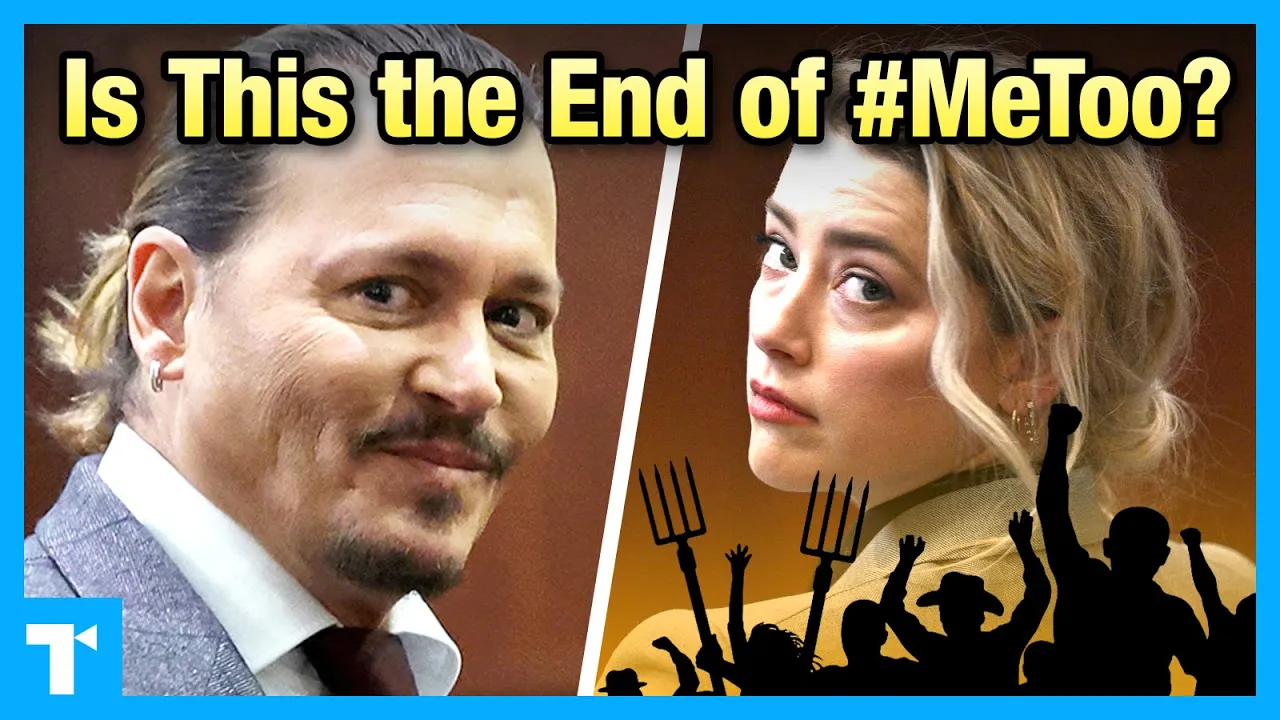
Depp v. Heard Trial Verdict: Defamation and Damages Explained
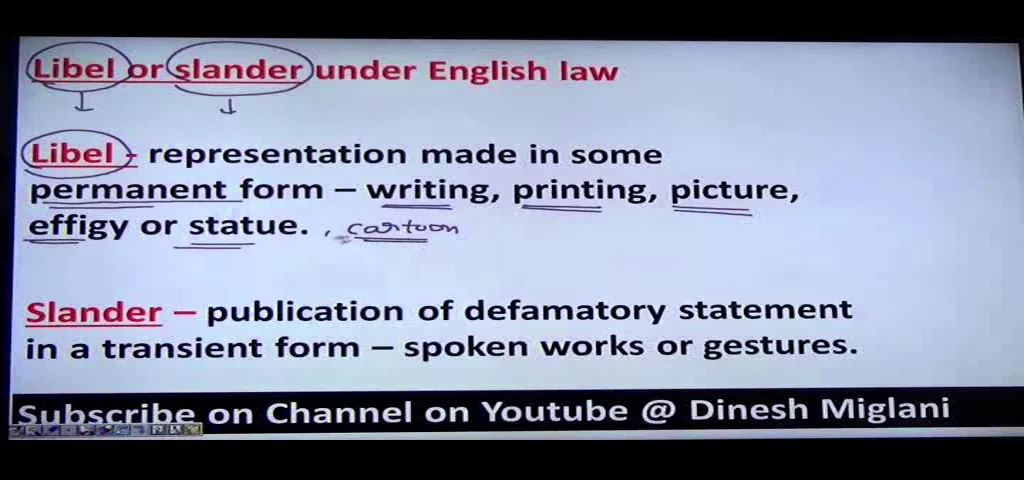
Added:Understanding the legal definition of defamation, including the distinction between libel (written) and slander (spoken).
The concept of 'actual malice' and the higher burden of proof required for public figures under defamation law.
The basic structure of a civil lawsuit, including the roles of the plaintiff, defendant, and the mechanism of a counterclaim.
The fundamental difference between compensatory damages (meant to make the victim whole) and punitive damages (meant to punish the wrongdoer).
Analyzing state-specific statutory caps on punitive damages, specifically looking at how Virginia law reduced the jury's $5 million punitive award to Johnny Depp.
Investigating the role and impact of Anti-SLAPP (Strategic Lawsuits Against Public Participation) laws in protecting free speech in public forums.
Exploring the civil appeals process, including the grounds on which a jury verdict can be challenged or negotiated into a settlement.
Examining the societal and legal implications of highly publicized, televised trials on public perception, social media discourse, and future domestic abuse litigation.
676.9K views6.6Klikes10:34Original Release: 2022-06-01
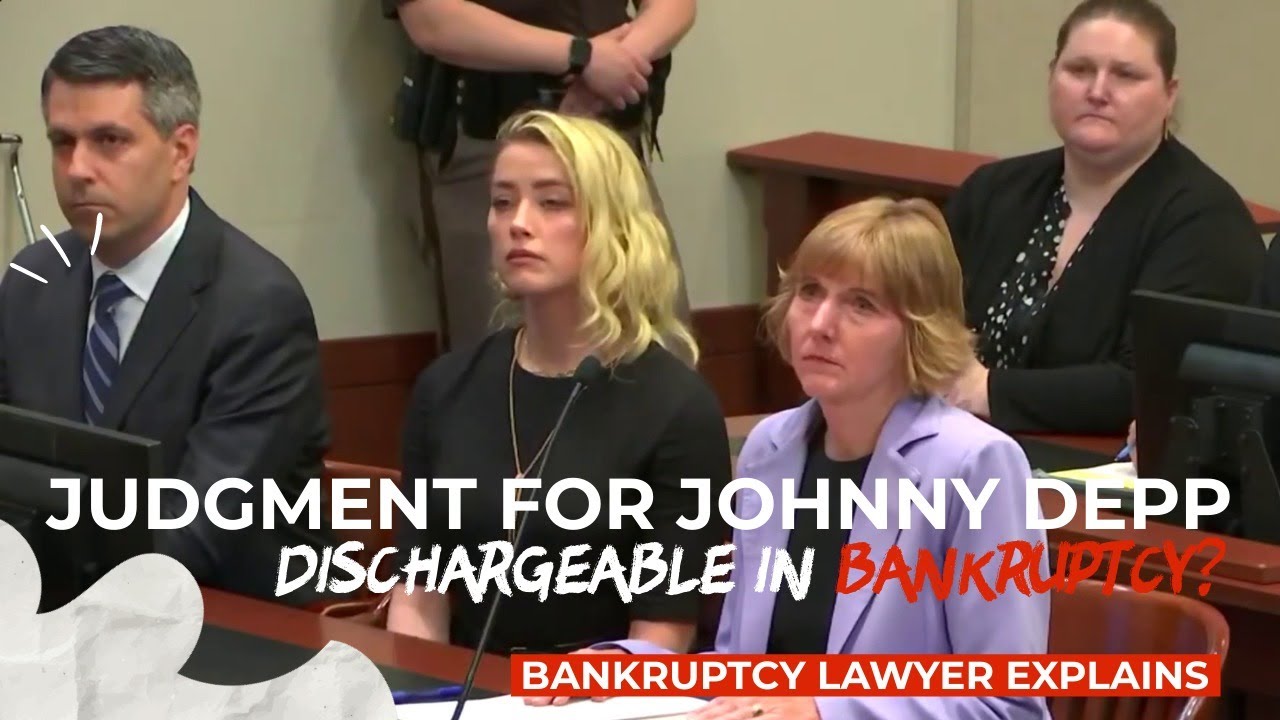
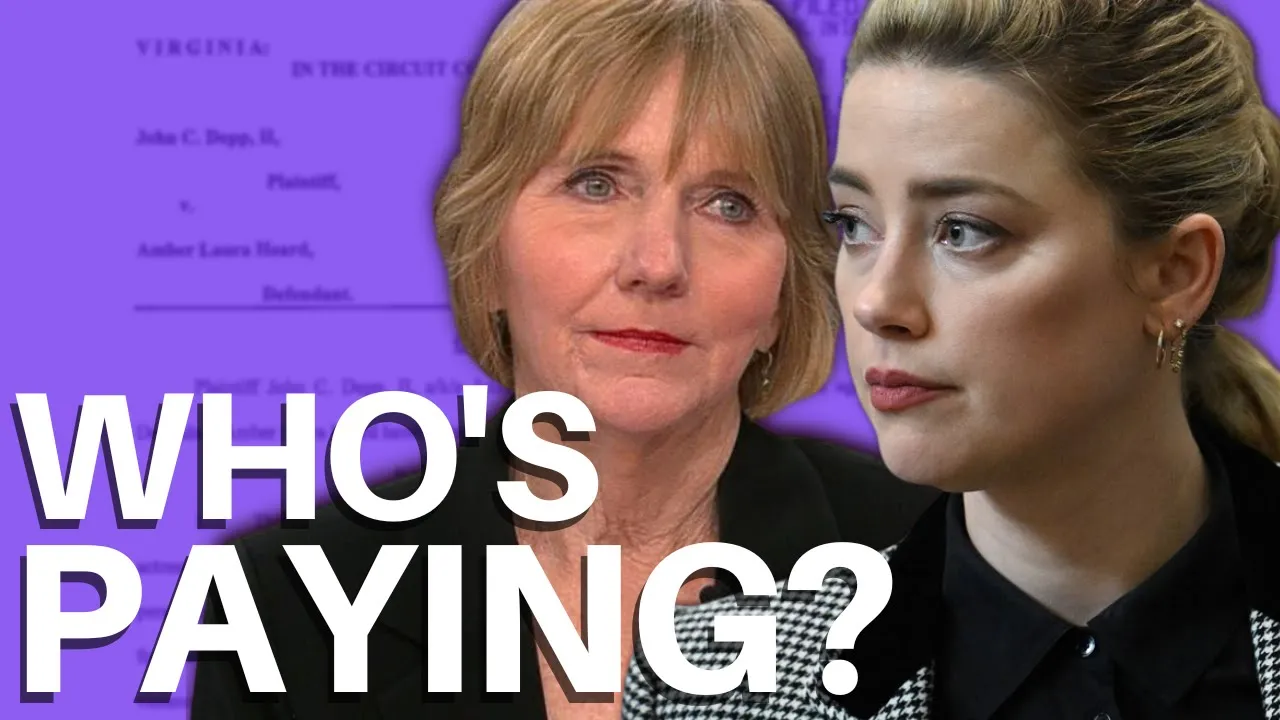
in civil case number cl 2019-2911 mr depp's claim against ms heard one as to the statement appearing in the online op-ed entitled amber heard i spoke up against sexual violence and faced our culture's wrath that has to change in the washington post online edition quote i spoke up against sexual violence and faced our culture's wrath that has to change end quote do you find that mr depp has proven all the elements of defamation answer yes has mr dent proven by a greater weight of the evidence that question the statement was made or published by ms heard answer yes the state question the statement was about mr depp answer yes question the statement was false answer yes question the statement has a defamatory implication about mr deb answer yes question the defamatory implication was designed and intended by ms heard answer yes question due to circumstances surrounding the publication of the statement it conveyed a defamatory implication to someone who saw it other than mr deaf answer yes do you find that mr depp has proven by clear and convincing evidence that ms heard acted with actual malice answer yes two as to the statement appearing in the op-ed entitled a transformative moment for women in the washington post print edition and the online op-ed amber heard i spoke up against sexual violence and faced our culture's wrath that has to change in the washington post online edition quote then two years ago i became a public figure representing domestic abuse and i felt the full force of our culture's wrath for women who speak out end quote do you find that mr depp has proven all the elements of defamation answer yes has mr deb proven by a greater weight of the evidence that question the statement was made or published by ms heard answer yes question the statement was about mr depp answer yes question the statement was false answer yes question the statement has a defamatory implication about mr depp answer yes question the defamatory implication was designed and intended by ms hurd answer yes question due to circumstances surrounding the publication of the statement it conveyed a defamatory implication to someone who saw it other than mr depp answer yes do you find that mr depp has proven by clear and convincing evidence that ms hurd acted with actual malice answer yes three as to the statement appearing in the op-ed entitled a transformative moment for women in the washington post print edition and the online op-ed amber heard i spoke up against sexual violence and faced our culture's wrath that has to change in the washington post online edition quote i had the rare vantage point of seeing in real time how institutions protect men accused of abuse end quote do you find that mr depp has proven all the elements of defamation answer yes has mr deb proven by a greater weight of the evidence that question the statement was made or published by ms hurd answer yes question the statement was about mr deb answer yes question the statement was false answer yes question the statement has a defamatory implication about mr depp answer yes question the defamatory implication was designed and intended by ms heard answer yes question due to circumstances surrounding the publication of this statement it conveyed a defamatory implication to someone who saw it other than mr death answer yes do you find that mr death has proven by clear and convincing evidence that ms heard acted with actual malice answer yes as against amber heard we the jury award compensatory damages in the amount of 10 million dollars as against amber heard we the jury award punitive damages in the amount of five million dollars in civil case number cl 2019 2911 ms heard's claim against mr depp one as to this statement appearing in the april 8 2020 online edition of the daily mail quote amber heard and her friends in the media use fake sexual violence allegations as both a sword and shield depending on their needs they have selected some of her sexual violence hoax facts as the sword and flick inflicting them on the public and mr deb do you find that ms heard has proven all the elements of defamation answer no two as to this statement appearing in the april 27 2020 online edition of the daily mail quote quite simply this was an ambush a hoax they set mr deb up by calling the cops but the first attempt did not do the trick the officers came to the penthouses thoroughly searched and interviewed and left after seeing no damage to face or property so amber and her friends spilled a little wine and rough the place up got their story straight under the direction of a lawyer and publicist and then placed a second call to 9-1-1 end quote do you find that ms heard has proven all the elements of defamation answer yes has ms heard proven by a greater weight of the evidence that question mr waldman while acting as an agent for mr depp made or publish the statement answer yes question the statement was about ms heard answer yes question the statement was seen by someone other than misheard answer yes question the statement was false answer yes do you find that ms heard has proven by clear and convincing evidence that the statement by mr waldman was made with actual malice answer yes three as to this statement appearing in the april 27 2020 online edition of the daily mail quote we've reached the beginning of the end of miss herd's abuse hoax against johnny depp end quote do you find that ms heard has proven all the elements of defamation answer no as against john c depp ii we the jury award compensatory damages in the amount of two million dollars as against john c depp ii we the jury award punitive damages in the amount of zero dollars does either side wish to have the jury pulled yes your honor all right jamie members of the jury if this is your verdict please answer yes if this is not your verdict please answer no juror number six juror number 10 juror number 15 juror number 16 your juror number 22 yeah jared number 27 gerald number 29 yes i do find that the jury's verdict is unanimous ladies and gentlemen this concludes your service in this case i want to thank you again for your dedication and your hard work during this trial i know i speak for everybody here when i appreciate tell you that we appreciate your sacrifices and your time and your public service in this matter okay so i'm going to have you go back to the jury deliberation room for one more uh time and then we'll release you from there okay all right thank you all right okay in accordance with law i will amend the punitive damages um award to the statutory cap of 350 thousand dollars on mr depp's award okay um i will set this down for entry of an order and can we do it on june 24th at 10 am if that's available all right mr two if you could prepare that order and then circulate it to miss frederhof and we can have all the objections noted on it all right all right and if i get it before that date i'll take it off the docket okay all right again thank you to all the attorneys uh for your professionalism and uh you're welcome to come to my courtroom anytime we'll give me a few weeks but then you can come any time okay all right report is adjourned thank you all right
Up Next

8:04
Defences Against Defamation | Legal Defenses Explained
@LexCliq
108 views•2021-06-20

6:55
Understanding Copyright and Fair Use in the Digital Age
@techquickie
144.1K views•2016-07-22
5:27
Forensic Phonetics: Speaker Identification in Legal Cases
@nptel-nociitm9240
539 views•2025-03-19

24:42
Police Interrogation Tactics: False Confessions & Legal Reform
@LastWeekTonight
7M views•2022-04-18
Related Study Plans & Knowledge Roadmaps
Structured learning paths in Law
law
Analyzing Mergers: Clayton Act & FTC Rules
01Introduction to Antitrust Law and Market Competition
02Corporate Mergers and Section 7 of the Clayton Act
03Defining Markets and Measuring Concentration (HHI)
+ 2 more learning modules
10h5 modules
Explore Roadmap
law
Self-Defense Law: Imminence & Castle Doctrine
01Foundations of Self-Defense Law
02Imminent Threat & Reasonable Belief
03The Principle of Proportionality
+ 3 more learning modules
12h6 modules
Explore Roadmap
law
Defamation Law: First Amendment & Actual Malice
01Introduction to civil torts and the First Amendment
02Elements of Defamation: Libel and Slander
03Public Figures vs. Private Individuals
+ 2 more learning modules
8h5 modules
Explore Roadmap
law
Hearsay Rule: Trial Evidence & Exceptions
01Introduction to Trial Evidence & Courtroom Basics
02Demystifying Hearsay: The Core Definition
03Non-Hearsay: Exclusions Under FRE 801(d)
+ 3 more learning modules
14h6 modules
Explore Roadmap