














STR (Short Tandem Repeat) analysis is a DNA fingerprinting technique used in forensic science and genetic testing that examines repeated DNA sequences (2-4 base pairs long) found in non-coding regions of DNA; the process involves using PCR to amplify specific STR loci and gel electrophoresis to separate DNA fragments by size, allowing comparison of genetic profiles between individuals to determine relationships or identify suspects, with the FBI's CODIS system using 13 specific STR loci to minimize the 5-20% chance of random matches between unrelated individuals.
STR Analysis and DNA Fingerprinting Explained | Genetics
Added:Basic DNA structure and genetics, including the concepts of chromosomes, loci, alleles, and the difference between coding and non-coding DNA.
The fundamental mechanism of Polymerase Chain Reaction (PCR) and how it amplifies specific target DNA sequences using primers.
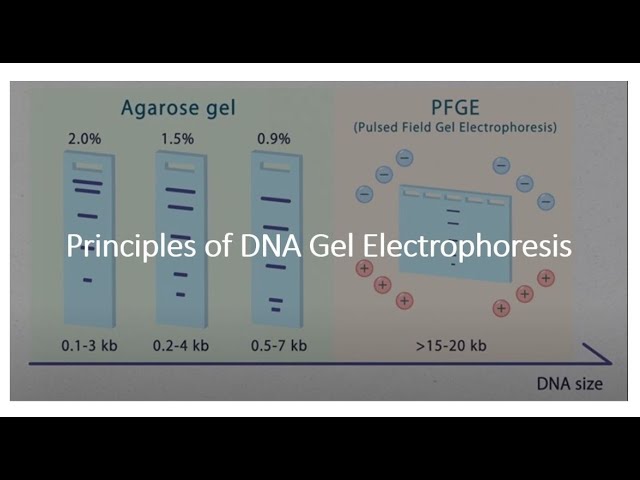
The principles of gel electrophoresis, specifically how nucleic acid fragments are separated and visualized based on molecular size and electrical charge.
The basic rules of Mendelian inheritance, explaining how an individual inherits one allele from each biological parent.
The structure and operation of national forensic databases, such as the FBI's Combined DNA Index System (CODIS), and how they match offender profiles.
Modern high-throughput analysis techniques, including multiplex PCR and capillary electrophoresis, which automate STR profiling.
The statistical mathematics of DNA profiling, including how allele frequencies in populations are used to calculate random match probabilities.
Next-Generation Sequencing (NGS) and Single Nucleotide Polymorphism (SNP) analysis, and their applications in investigative genetic genealogy.
34.8K views607likes18:32Original Release: 2020-04-14
[Music] hello everyone and welcome to today's little video on DNA print fingerprinting or STR analysis so STR stands for short tandem repeats STR so what is this this is what's used in a lot of different settings so in our crime-scene analysis maternal but ternal or maternity test all sorts of things I'll go through a little background on this and then we'll go through some examples for how it's done so we're going to talk about some key biotech biotechnology methods that are used to do these studies so here first a little background on STRs what they are so I said STR stands for short tandem repeats they are exactly what that means so two to four bases and they repeat so meaning here we have one two three GGC there's one there's another there's another so this STR short tandem repeat from person a has three repeats this one has one two three four five five repeats so what is significant about this how can we use this as a diagnostic pool so this can be used in criminal cases maternity or paternity test if we find unruhe unknown remains or you can use it as a tool to maybe determine whose remains they belong to and then this can also be used for genetic disorder testing so a lot of different ways these STR can be used and so now what's the differing so these are the same STR so this is looking at STR from person a and person B this one has three different this one has five so we can actually distinguish these two individuals based on their STRs this is why this is sometimes referred to as DNA fingerprinting we all have our own fingerprint of these short tandem repeats so where do we find these these are found in non-coding DNA region so these are called the introns in our DNA we have these known repeats so there are tene low sigh or charter these repeats recognized in the United States via the CODIS system within the FBI so whatever crime-scene analysis is done and you're comparing suspects to DNA found at the crime scene they are compared using 13 different ones why do we use 13 some countries used more or less I think UK uses 17 so we have just 13 generally recognized ones here that we use and because we can't just use one there is I think a five to twenty percent chance that your STR one is the same length as someone else's STR so you have to do multiple tests multiple STR tests in order to increase the likelihood that is an actual match and then PCR now so a crime scene this DNA analysis alone isn't enough to convict someone you still need more substantial evidence in order for the conviction but it it allows for further proof of it so like I said there is a small chance that same low sigh has the same number of repeats between two people so whenever we read these results here we're looking at multiple low sighs so you want to compare more than one so that's background on this is where it's used how it's important and the differences we have in our DNA so let's go right into an example now so let's say we collect DNA samples from two suspects and we had a sample that we found at the crime scene so we want to test these DNA's and compare their sequences so we want to do STR analysis with these now what is the first step we have to do so we have three different DNA samples what do we need to do that DNA so we have to do this technique called PC R or polymerase chain reaction so what is polymerase chain reaction it's a very very common technique used in biotechnology so let's say we had you know one let's just go through one example here of one person's DNA PCR polymerase chain reaction uses DNA polymerase to replicate this so this is mimicking train not transcription DNA replication is getting ahead of myself though minutes mimics DNA replication so we're just making tons and tons of the same little sequence so when you get when you give your DNA if you're a suspect you give your entire genome and one of your nuclei and you will it would take multiple cells when you do a cheek swab now that we want to then focus on just those STRs how do we just get those short tandem repeats out well we can label for them let's say let's change color here let's say that short tandem repeat was this little red region right here and it say let's say this is person a and we're only showing this example for person a so what happens is that goes through what instrument or device called a thermo cycler so well yeah we'll stay with red here so the first step is denaturing so denaturing breaks these strands in half but it's the naturing step separates these two strands and now we do have the region of interest in the middle there bill as well but I'm not going to continue I'll draw it on this one well we have that region of interest or that STR that certain number of repeats right there so next step we need to anneal a nail is when you attach these things called primers to the sequence so a primer matches the base pairs that are sticking out right here so there's a forward and a reverse primer so those primers come in and then they fill in the new sequence here they go either forward or reverse and then they would continue going down through and doing this cycle so then you anneal you stick that primer in and then the next step is elongation so elongation then fills in the remaining sequences but then you continue filling in these sequences and then so I drew this backwards one would be a forward one and one would be a reverse one so you'd have one going that way then as well let me fix this have a forward and reverse primer in the end you'd still have the parent strand remaining but this is so you have denaturing annealing and then elongation elongation is unique because it uses an enzyme known as tack polymerase this is isolated from thermophilic bacteria meet thermophilic meaning heat-loving so this attack polymerase actually works best at 72 degrees Celsius denaturing happens at around 94 degrees Celsius so you heat it up really hot and that separates the hydrogen bonds that are formed between these two strands of DNA you then break it in half you break all those hydrogen bonds and you anneal and the annealing temperature depends on the base composition of your primer let's just say in this example it's at 52 degrees Celsius so we put it at 52 degrees Celsius we attach the primers and then we increase the temperature to 72 degrees that activates tact polymerase tack polymerase and comes in and throws down new nucleotides now let's just focus on the region of interest or the STR so this was one cycle now each of these would then go again and then we'd form two from each of those and then each of these would then double again running out of room I'll just draw one more down here so boom-boom-boom-boom now these are double stranded DNA s trust me but it's just focused on the STR so we have one two three four five six seven eight eight strands of just the STR after just three cycles of this so here you do the whole process again you do the whole process again and a typical PCR runs for 35 cycles that's 2 to the 35 DNA it's billions of copies of justice 1 STR so the whole purpose of this polymerase chain reaction here is to replicate that DNA because you can have a little bit of DNA from a crime scene and then end up with billions of whatever that DNA is now we just isolated that one STR so this is how it's done or one low site let's say this is STR one so you have to do this for each low site you're checking and also each suspect DNA needs to be digested in going through this PCR analysis separately so now what do we do what's the next step we have all of this DNA and we have a high enough concentration now we can analyze it so we do something called gel electrophoresis so what is gel electrophoresis gel electrophoresis is when we load those DNA samples into a gel so this is just a top-down look at this gel if we look at the side of this gel and magnify int it's this porous matrix and as drawing it like that so now imagine some STRs are this length there's a DNA double strand some are a longer length like that and some might be more of a medium length so now this is how we now separate these based on size these shorter fragments are going to move through this matrix much faster so down here these ones are going to be the shorter ones further it goes the shorter it is the longer ones are going to be think of a you know a kid running through a forest compared to a parent running or adult running through a forest adults are going to get stuck into brush and so forth the kid can run right through so these ones are here are the longer bands though longer and then the medium sized bands will end up in the middle though medium yes medium.there so that's just the general features of how this works so how does it separate so DNA typically carries a negative charge in gel electrophoresis so we just described the gel component now the electro opponent so it runs the DNA it separates the DNA based on a charge it runs it through a charge gradient so DNA is given a negative charge because of those oxygens in those phosphate groups and also you usually use something called SDS which gives it a negative charge as well it makes them all the same charge so when you put it in this electrophoresis chamber so this chamber is this little structure here you put the gel right on top right here and then you have an electrode on this end an electrode on this end you put a solution in here that is called a buffer that's an ionic solution and then here you'd have a positive electrode here you'd have a negative electrode so charge would flow through this and then DNA if put down here would flow that way so remember opposite charges attract so if you put this gel in backwards and you put the DNA on the negative the wrong side on the positive side it will run right off the back out of the gel so the terminology is always run to red though red electrodes are usually the positive electrode black electrodes are the negative electrode so you always run the red the DNA will separate then based on size since the charge is pretty Universal or crossed it so now we can compare the samples now this isn't looking at a specific STR analysis this was just to give a little introduction to gel electrophoresis and that's important to now understand so we have all these STR so let's say we did three we had STR one through three and we did the PCR and we ran it on the gels let's look at our results so we performed STR analysis on our three DNA samples or three different loci so these are the examples below so do either of your suspects match the crime scene sample how do you know so let's do an analysis actually I'll switch back to red here so let's look at them so here's STR one person a why are there two lanes here so if we're just looking at STR one think about it you get your genes from your parents that means you got one chromosome from your mother one chromosome from your father your mother and father likely had two different sizes in that STR so you might have gotten three repeats from your mother and six repeats from your father so you'd have two different sizes there and that's why most of these well all of these have two lines on them those two lines represent one night you got from your mother one that you got from your father if there was an example here I should have included one actually let's imagine those two weren't there and you just had one line that means you're homozygous at that STR or the one from your mother and father are both the same number of repeats so it's very likely that there's a chance that you could have one line if you're doing STR analysis on yourself and that tells you you're homozygous and gel electrophoresis is kind the old school way to do this now they use this laser technology where they can see the peak size so two little Peaks are for STR one it means you're heterozygous at that one from other one from father two different lengths a larger peak large energy peak there suggest you're homozygous at that but I'm representing just reading gel electrophoresis results here so STR locus one let's see what our results are post person a matched person B here so we're matching the distance right here also match the crime scene now the other one from the crime scene also matches person a remember there's a chance now that person a might be the culprit however there's that chance that STR are the same between two individuals like 5 to 20% chance then person B here has no match right there person B matched there there would be a line right there okay so that's str1 and person a could be the person str to now they all match again there's a chance there's always a chance this could happen your crime scene person B in person a match maybe all these people were in a similar family or cousins they're closely related or something like that so a higher chance of matching and then person a and then here SCR 3 let's look at this one now now person a matches with the crime scene for that length of the STR also for the second one so that both heterozygous here and then person B matches that bottom line now actually it does person B doesn't little little shorter for these ones so there's no match but person any matches here person a matches here in person a matches here so this suggests that person a matches the crime scene DNA so now you know further investigation can be done here but we can only present the science of the STR analysis and again this is showing three we can do up to thirteen with the FBI okay I just want to show one other example here how this could be you so a woman is suing her former lover for child support but he claims that he is not the father of her child and STR analysis was performed for the case and is shown below so this is a Maury show now whose claim does the analysis support how do you know so let's read this and see if we can figure it out so here's the mother the child and the father so we want to know if the father is the father of the child well this is a little different so now we know that child should have half of its str genes from the mother half of the str genes from the father so one of the bars should match from eats each let's look so here the child on this one it matches the mothers this one matches the father's so that one checks now let's look at the next one child here matches the mothers child here matches the father's check now let's check the last 100 there's only one so the child is homozygous right here got the same length from the father and a mother so the mother has at length and now the father also has to have that length so this one could be true too so here it could prove that the father is the father so this would support the mother in this lawsuit here so this switch again it's only checking three loci but it's suggesting that the father has enough of genetic matches the child and this one is especially important because there's a low chance that's someone else also carries this same one so now if the child got this one it would also prove it but the child may have gotten this one here so this was just a little introductory thing yes doing this in a laboratory in a you know clinical and or actual crime scene lab would use you know the laser technique some might still use a PCR analysis but I just wanted to go over this little example we could see this on an exam or something like that analyzing one of these and trying to figure out who's the father who's the mother is the child the child and so forth but if you have any questions on this feel free to let me know if not I hope you have a great day and I'll see you all next time and bye bye [Music]
Up Next

46:41
How Forensic DNA Profiles Are Generated: STR Analysis Explained
@FBSLectures
25.9K views•2013-04-08
50:12
Bacterial Communication: Quorum Sensing and Biofilm Formation Explained
@JHUAAP
12.6K views•2011-06-28

5:35
Enteric Nervous System Explained: The Gut's Brain | Neurobiology Lecture
@alumniu6029
438 views•2018-09-12
7:08
Bacteriophages: Earth's Deadliest Killers and Future Antibiotics
@kurzgesagt
34.6M views•2018-05-13
Related Study Plans & Knowledge Roadmaps
Structured learning paths in Biology
biology
RNAi: Biogenesis, RISC & Gene Silencing
01Molecular Biology Foundations: DNA to Protein
02Introduction to RNA Interference (RNAi)
03Molecular Biogenesis of miRNA and siRNA
+ 2 more learning modules
10h5 modules
Explore Roadmap
biology
Mycorrhizae: Signaling, Biophysics & Ecology
01Foundations of Mycorrhizal Symbiosis
02Molecular Signaling and Root Colonization
03Biophysics and Bioenergetics of Nutrient Exchange
+ 1 more learning modules
11h4 modules
Explore Roadmap
biology
Circadian Clocks: TTFL, SCN & Periphery
01Foundations of Molecular Biology & Gene Expression
02Introduction to Chronobiology and Actograms
03The Core TTFL: Molecular Architecture of the Clock
+ 3 more learning modules
14h6 modules
Explore Roadmap
biology
Population Genetics: Math, Drift & Selection
01Genetic & Probability Foundations
02The Hardy-Weinberg Principle and Baseline Models
03Mathematical Modeling of Natural Selection
+ 3 more learning modules
18h6 modules
Explore Roadmap