











![Lichtabhängige Reaktion /Lichtreaktion /Primärreaktion der Fotosynthese [1/2] -[Biologie, Oberstufe]](https://i.ytimg.com/vi/fQd2Lo4-EhE/hqdefault.jpg)













Chloroplasts are double-membrane-bound organelles in plant cells containing chlorophyll that perform photosynthesis; they consist of an outer and inner membrane forming an envelope, a granular stroma containing ribosomes and DNA, and a lamellar system of stacked thylakoids called grana where light reactions occur, with the stroma hosting the dark reactions; chloroplast DNA (cpDNA) is circular, approximately 120-270 kilobase pairs in size, containing around 100 genes including ATPB (beta subunit of ATP synthase), RBC-L (large subunit of Rubisco for carbon fixation), MATK (maturase K for RNA splicing), and NDHF (subunit of NADH dehydrogenase).
Chloroplast Structure and Function | Advanced Cell Biology
Added:Basic plant cell anatomy, including the structural differences between plant and animal cells.
The fundamental process of photosynthesis, specifically the basic inputs and outputs of light-dependent and light-independent reactions.
The Endosymbiotic Theory, which explains the evolutionary origin of double-membrane organelles containing their own DNA.
Introductory molecular biology concepts, including the central dogma of molecular biology (DNA replication, transcription, and translation).
The biophysical and biochemical mechanisms of the photosynthetic electron transport chain and ATP synthesis across the thylakoid membrane.
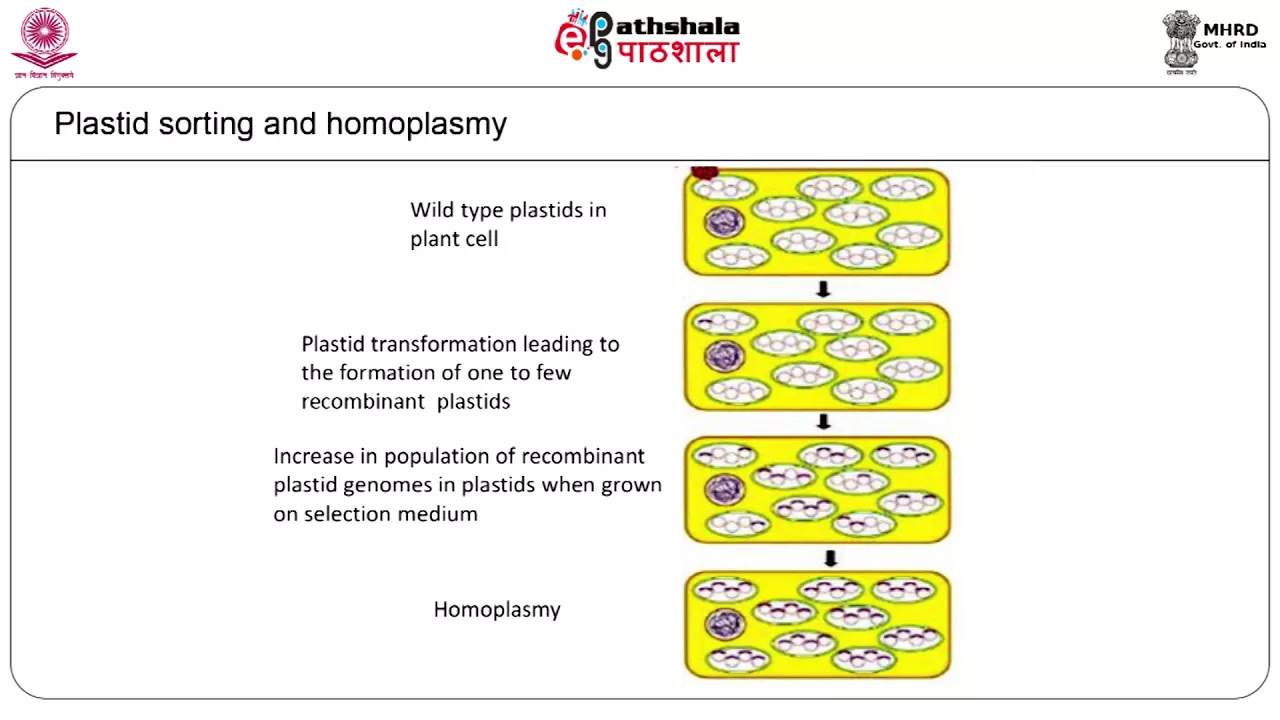
Chloroplast genetic engineering (transplastomics) and its modern applications in developing climate-resilient crops and biopharmaceuticals.
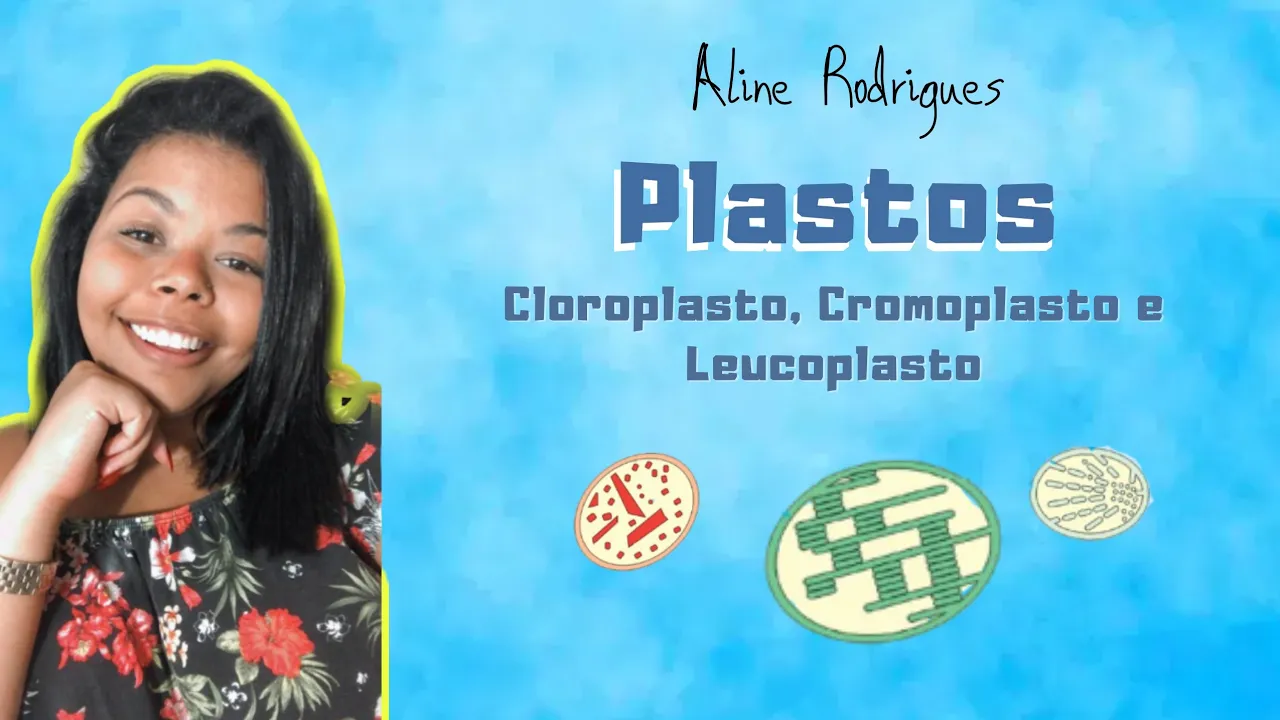
The evolutionary lineage, differentiation, and interconversion of plastid types, such as proplastids, amyloplasts, and chromoplasts.
Retrograde signaling pathways, exploring how chloroplasts communicate with the cell nucleus to coordinate gene expression and stress responses.
The specific structural and metabolic roles of plastoglobuli in lipid storage, thylakoid maintenance, and senescence.
118.4K views1.7Klikes13:09Original Release: 2022-02-01
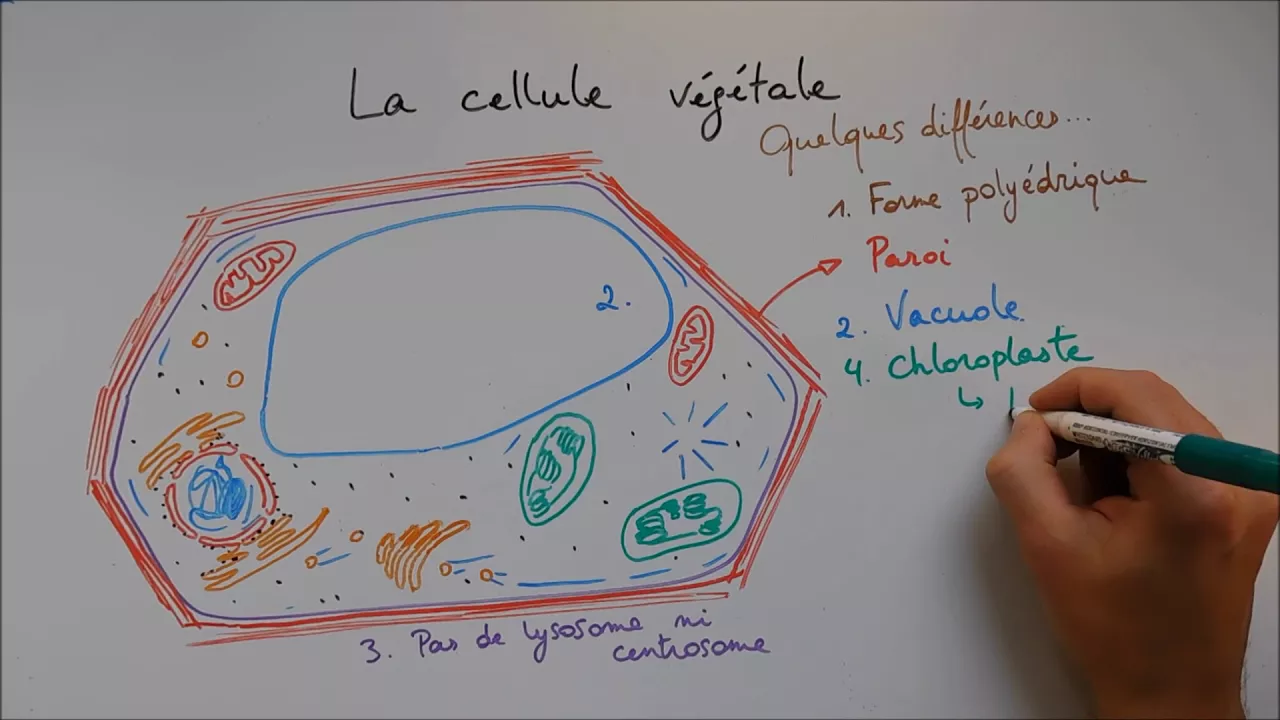
hey friends welcome back to another video from show moose biology in this video lecture we want to talk about chloroplast structure and function so basically i have already made a video regarding chloroplast structure and function but that is for the basics now in this video i'm going to share some information that i definitely believe that you did not know so something new that you can learn from this video so let's begin to talk about the chloroplast structure and function let me take a color and let's start the very first thing that i want to say what is chloroplast when whenever we say the stem chloroplast we know that that is a green colored organelle membrane bound obviously double membrane organelle that is present in plants basically that ah carries the antenna pigment that is chloro chlorophyll and that helps in the light reaction of photosynthesis and that's quite the normal thing if you look at this is the this is how the chloroplast looks like the the green color the great illustrations of all now in very simple terms i can say there are plano convex structures and about five micrometer in diameter and two to three micrometer thick okay the chloroplast comprises of the components so what are the components that the chloroplasts usually have if you look at this picture you can clearly see it has double layer so the layer the membrane is double layer outer membrane and inner membrane two different layers are there okay the second thing a granular stroma and matrix so basically when you talk about the stroma and matrix so this is the region okay this is the region uh we can say the stroma or we call it as a matrix as well in mitochondria that is matrix here is stroma is very similar structure between mitochondrion and chloroplasts in terms of outer layer and stroma and this is granular because a lot of components are present in the stroma then a lamellar system is all also present there a lamellar system and the lamellar system here what we say the stack like structures we can clearly see that apart from the stroma this is the lamellar system in the stroma that is present stoma lamellae okay so i don't know whether you heard that earlier or not but basically the stroma is filled with uh granules components which will be beneficial and required for different functions that we are going to study later on but they are lamellar in nature apart from that there is stack like structure which is thylakoid okay which is not listed here this is thylakoid so stack like structure which is stacked with one another that is thylakoid basically thylakoid is separated and uh between the outer membrane inner membrane there is a inter membrane space obviously and when we say the stack of thylakoids together the thylakoid is individual stacks and the stack of thylakoids together is known as grana so basically when people say this decipher the structure of chloroplast we say grana which is stack and then matrix which is stroma but apart from that the stroma is granular and it contains lamellar structures and then this outer membrane membrane in intermembrane space that concludes the structure of chloroplast but that never stops there is another the osmophilic globules are present inside the chloroplast and they are known as plasto plastoglobuli this is something i think new that you've learned now plastoglobuli which are known as osmophilic globules and they also contain their own dna chloroplast dna so chloroplast dna is something that you need to understand when you are studying advanced and also plasto globulin the function of plastic globally which will come afterward later so now what we intend to talk here is the component so very first component we are going to talk about the envelope okay composed of system of double membranes okay each of which 50 to 80 tanks from thick you don't need to understand and remember this how much thick or not but just remember one thing it is composed of double membrane not a single membrane double membrane the outer membrane is separated from the inner membrane via the inter membrane space which is off about 10 nanometers if you look at this is a detailed drawing where we know that this is what we are talking about the envelope outer membrane inter membrane space this is outer membrane this is inaudible so this is in your membrane this is outer membrane and this is the inter membrane space okay this is the envelope part got it the granule thylakoids are already mentioned there and other structures plasto globulars which are present there starch granules can be present nucleoids ribosomes are also found inside the chloroplast so that is also included in this particular picture so this is a very good illustration you should always keep this picture in your mind you can write it down and try to write it on your brain to understand the structural components of chloroplasts the second structural component we are going to talk about is stroma okay it fills most of the volume of the chloroplast because that is the matrix like it contains 50 percent of the proteins of the chloroplast and contains ribosomes and dna molecule which is something that we did not talk about so it has ribosomes okay and it also has their own dna which is known as mitochondria i mean sorry in this case chloroplast dna okay so this is very basic schematic drawing where we have stroma so we are talking about the rest of this light blue colored region that is the maximum constituent now the third thing we are going to talk about is thylakoid consists of flattened and closed vesicles arranged as membrane of network so basically they are vesicles vesicles means what they composed of membrane and they have fluids in the center so that's basically so vesicles are stacked together upon one another okay maybe stack like a neat pile of coins forming grana okay there may be 40 to 80 grana in a matrix of a single chloroplast and thylakoids include light absorbing pigments so basically the chloroplast that we are discussing about the most important factor of chloroplast holding on to the antenna pigment that is chlorophyll is actually present in the thylakoid so basically the thylakoid membrane is the structure where the light reaction of photosynthesis is carried out now fourth thing is plasto globulin remember plasto globular plastoglobulus these are osmophilic bodies lipid rich granules present in stroma so basically what we know about this is that the lipid rich component which are present in the stroma okay that is something new and the fifth thing the fifth component here starch granules are present which are not going to talk about but chloroplast dna is something that we need to talk about chloroplast dna is also known as cp dna just like mitochondrial dna is known as mt dna okay also known as plastic dna or pt dna so if if you if you write it down that pt dna or cpdna they are same thing chloroplast cp4 chloroplast pt for plastid circular dna so the dna is obviously circular in this case double stranded dna molecule if you look at this the right hand side this is the constituents of the dna you do not need to recall and remember all this but just remember the number of base pairs that are present okay approximately genome size is 120 to 270 kilo base pair majority of the plants fall into 120 to 160 kb some cases only ah plant a few example one example is given here which has more than 200 kb but generally the plants have less than 200 kb size of the my of the chloroplast dna it contains about 100 genes to synthesize proteins so see think about it it's not that simple it's not like two three genes hundred genes are there inside even a chloroplast dna that makes the eukaryotic cell so complicated even an organelle dna contains 100 genes cpdna regions include large single copy lsc region and small single copy ssc regions and inverted repeat sequences i r a i r b sequences conifers and a group of legumes lack the inverted repeats apart from this rest of the plants they all have all the structures okay it includes large single copy lst region small single copy ssc region but the conifers and legumes only lack the inverted repeats while others contain inverted repeats too okay this is the component of cp dna or pt dna now there are few genes that i actually enlisted here which i found really important in terms of their function which you can remember and think about rest of the 100 genes you don't need to go for so there are four genes listed atp b gene uh atp genes location large single copy region remember large single copy l s c region of the chloroplast basically ls region of the chloroplast means in the whole genome there is this lsc region and ssc region and inverted repeats okay three regions so this atp is present in the large single copy region segment or large single copy region area okay right okay what is the function beta subunit of atp synthetic synthesis beta subunit of atv synthesis which functions in the synthesis of atp via proton translocation so basically in the light reaction uh the electron transport chain is carried out and in that case we need the atp synthesis enzyme to produce atp so that enzymes beta subunit is produced by atp b gene rbcl again the location is large single copy region of the chloroplast dna what is the function large subunit of regulars 1 5 bis phosphate carboxyl oxygen which is rubisco which functions in the what initial fixation of carbon dioxide so rubisco is the primary enzyme in the ah process of carbon fixation carbon dioxide fixation into the sugar okay in the uh light independent reaction so rbcl region actually codes for the large subunit of ruby's enzyme it's very very crucial enzymes both of them very very crucial genes so now if they ask you a question that if rbcl region rbcl is mutated in such a way that the large segment is not being produced in the plant so plant cannot have photosynthesis plant can have light reactions but the impact will be in the light independent reactions carbon dioxide fixation cannot be done now third one is mat k large single copy region so again lsc region is the place where mat case is present matures enzyme is coded by this gene which functions in splicing type two introns from rna transcripts and this is also important because in order to make mature proteins mature enzymes which will be involved in different functions you need large you need this matt k gene so matt k genes functions are important and the last one is ndhf which is present in small single copy small single copy region of the chloroplast dna it produces subunit of chloroplast nadh dehydrogenase which functions in the converting nadh to nad plus driving various reactions as well as driving the respiration process so basically ndhf this particular gene is responsible for producing the subunit of the chloroplast nadh dehydrogenase enzyme so chloroplast nadh dehydrogenase enzyme remember the dehydrogenase enzymes job is to shuffle between the nadh and nad plus and we need both the types nadh and led plus nad plus in the oxidized form and adh is the reduced form and in order to drive different chemical reactions in order to drive respiration of the cell and without that the cell will fail in the respiration and as a result the energy production in the cell will be reduced and as a result of which different physiological activities in the cells will be reduced so this gene ndhf is also very important but it is a part of ssc this region okay so these are the four important genes that are that are present in the chloroplast gin uh dna it's really important now what are the functions of chloroplasts let's see the functions the biggest functions listed here that is photosynthesis we know that is the site for photosynthesis light reaction light reaction of course obviously site for photosynthesis light reaction also other light independent reaction thylakoid membranes uh thylakoid membranes for the light reactions dark stroma for the dark reactions okay thylakoid membrane for the light reaction stoma for the dark reactions and chloroplast is the site for photorespiration as well because basically the enzymes that are involved in the process of carbon dioxide fixation that is rubisco most abundant protein there so the rubisco can do both it can fix carbon dioxide it can fix oxygen okay if it fix oxygen it will become photorespiration which is not good which is bad for the plants and if it fixes carbon dioxide carbon from carbon dioxide then it will produce food that is desirable so all these things are possible as a part of chloroplast function and the chloroplast structure is is designed in a way to have that kind of functions okay so that's the overall idea about the chloroplast structure and function i believe you've learned something new from this lecture if you learn something new please share that in the comment section like this video so that we'll make more cell organ videos in future thank you bye
Up Next

27:27
Photosynthesis Part 2: How Chlorophyll Absorbs Sunlight
@TomKennedysScience
3.8K views•2020-10-31
50:12
Bacterial Communication: Quorum Sensing and Biofilm Formation Explained
@JHUAAP
12.6K views•2011-06-28

14:34
RNA Interference Mechanism: siRNA and shRNA Pathways Explained
@shomusbiologyofficial
379.7K views•2015-02-21
7:08
Bacteriophages: Earth's Deadliest Killers and Future Antibiotics
@kurzgesagt
34.6M views•2018-05-13
Related Study Plans & Knowledge Roadmaps
Structured learning paths in Biology
biology
RNAi: Biogenesis, RISC & Gene Silencing
01Molecular Biology Foundations: DNA to Protein
02Introduction to RNA Interference (RNAi)
03Molecular Biogenesis of miRNA and siRNA
+ 2 more learning modules
10h5 modules
Explore Roadmap
biology
Mycorrhizae: Signaling, Biophysics & Ecology
01Foundations of Mycorrhizal Symbiosis
02Molecular Signaling and Root Colonization
03Biophysics and Bioenergetics of Nutrient Exchange
+ 1 more learning modules
11h4 modules
Explore Roadmap
biology
Circadian Clocks: TTFL, SCN & Periphery
01Foundations of Molecular Biology & Gene Expression
02Introduction to Chronobiology and Actograms
03The Core TTFL: Molecular Architecture of the Clock
+ 3 more learning modules
14h6 modules
Explore Roadmap
biology
Population Genetics: Math, Drift & Selection
01Genetic & Probability Foundations
02The Hardy-Weinberg Principle and Baseline Models
03Mathematical Modeling of Natural Selection
+ 3 more learning modules
18h6 modules
Explore Roadmap