















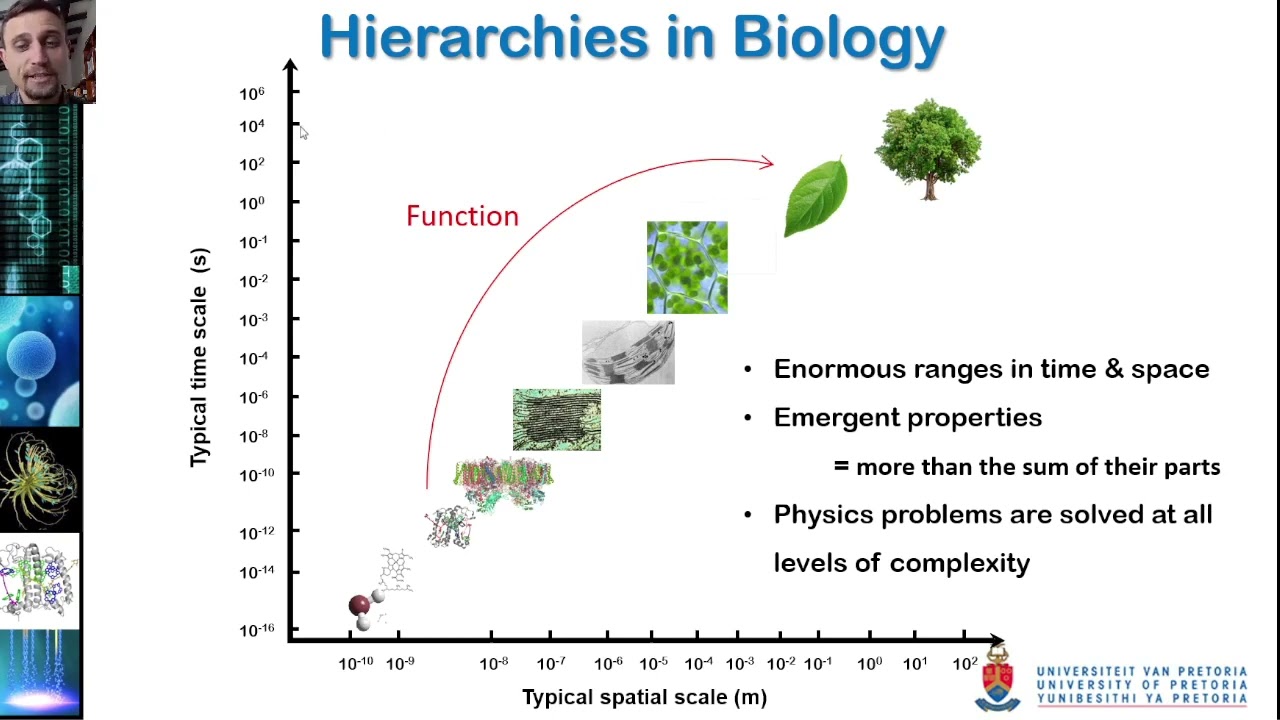



Chlorophyll molecules achieve near-perfect 98% energy transfer efficiency through quantum coherence, where excited electrons explore multiple pathways simultaneously before collapsing to a single path at the reaction center, explaining why plants appear green despite green light having higher energy than red light; this quantum mechanical explanation challenges classical random walk models and has implications for developing more efficient solar cells and quantum computers.
Photosynthesis Part 2: How Chlorophyll Absorbs Sunlight
Added:The overall chemical equation and purpose of photosynthesis (converting light energy into chemical energy).
The electromagnetic spectrum, specifically visible light wavelengths and the nature of photons.
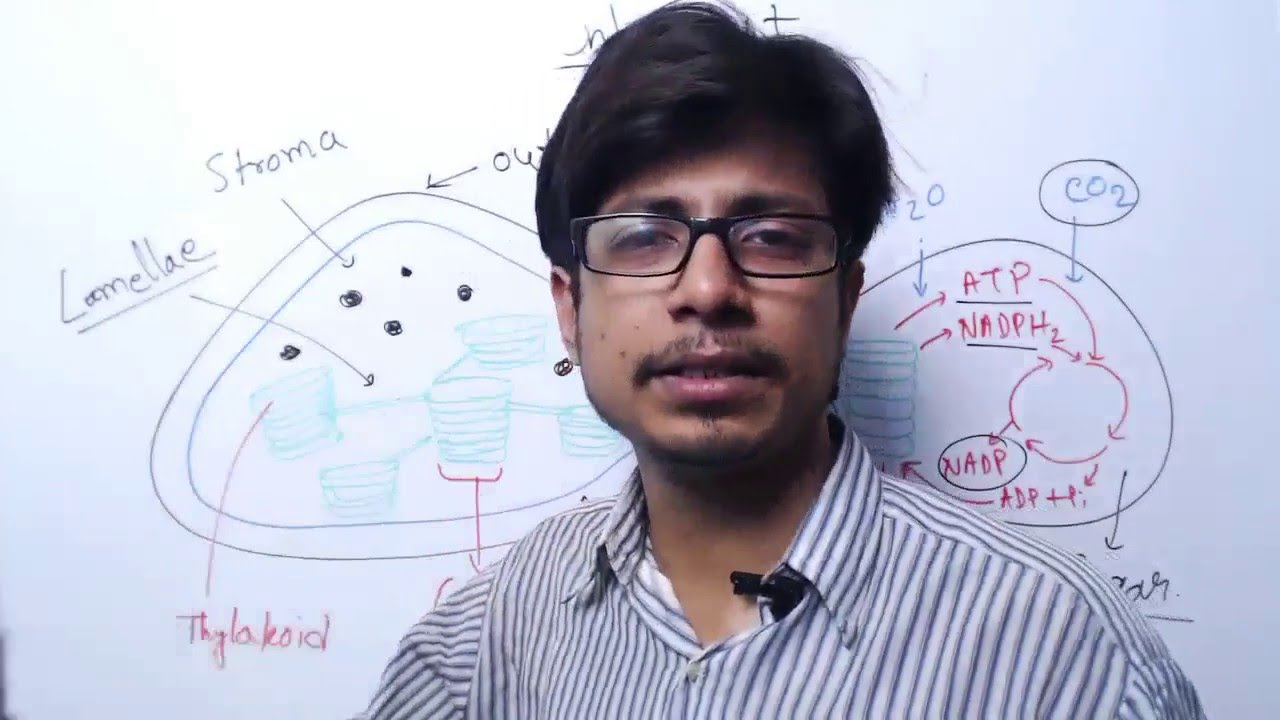
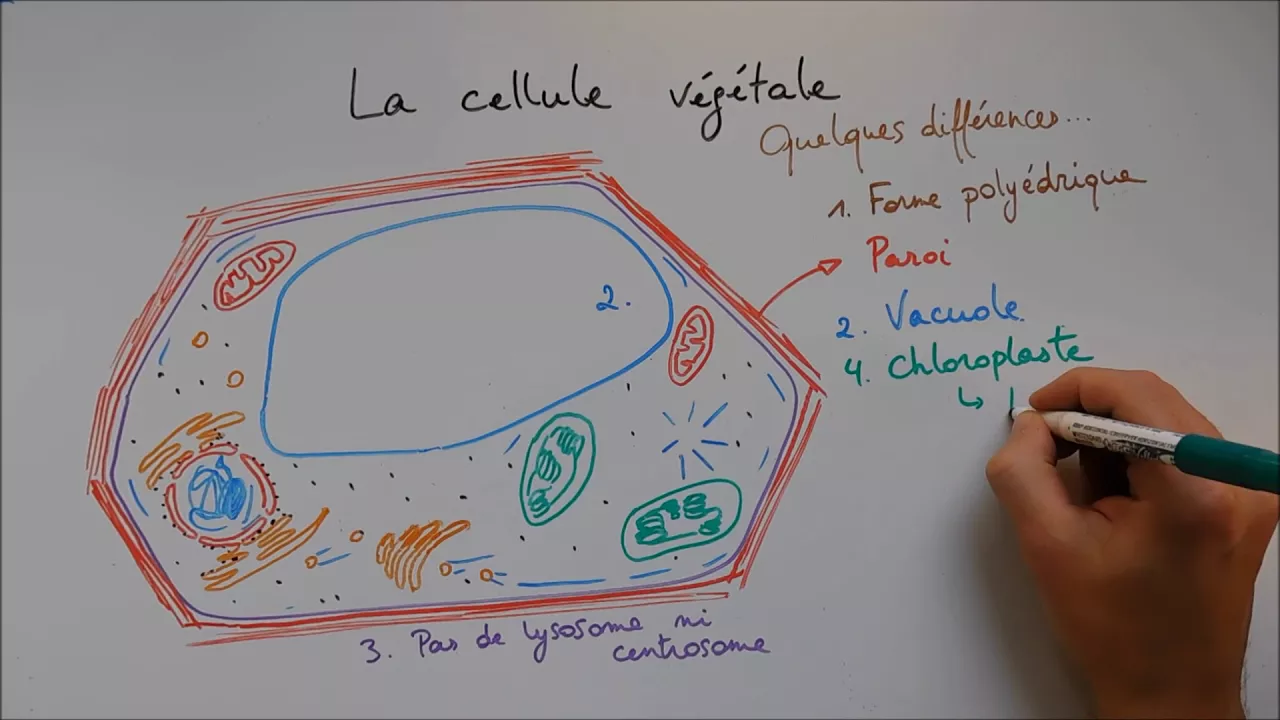
Basic plant cell anatomy, with emphasis on the structure and function of the chloroplast.
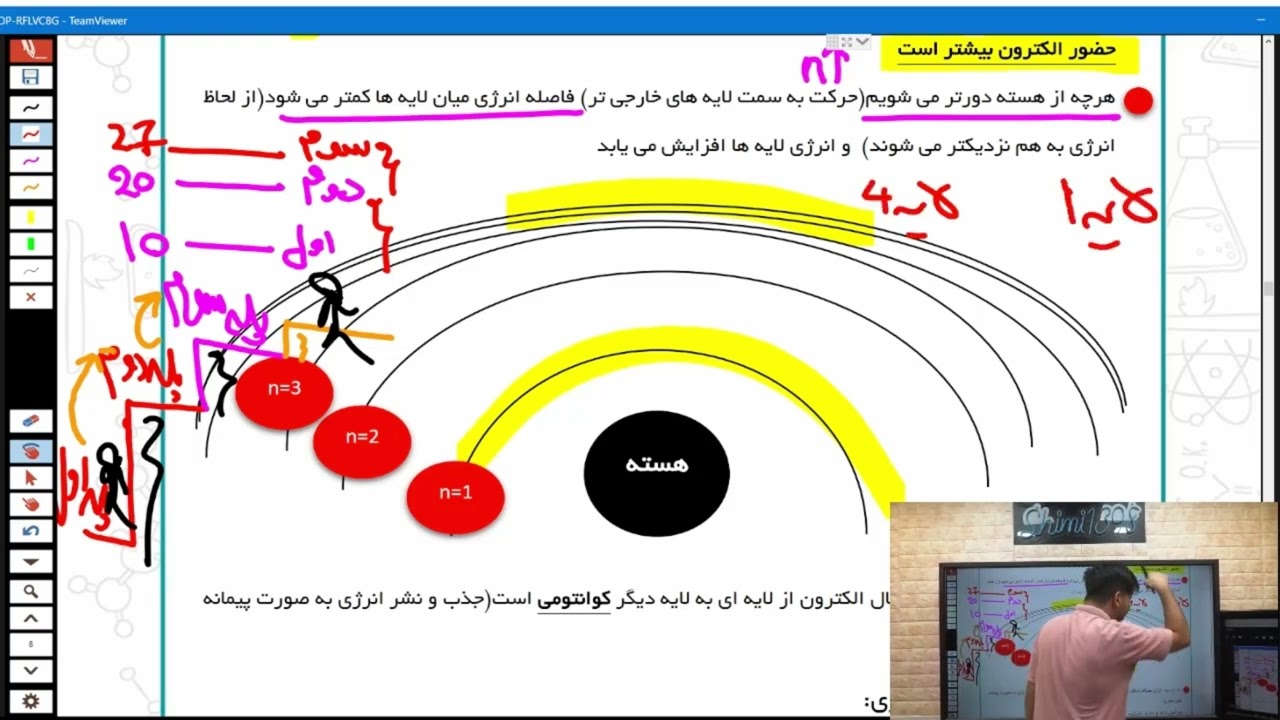
The fundamentals of atomic structure, electron shells, and how molecules absorb energy to enter excited states.
The detailed mechanisms of the light-dependent reactions, including Photosystems II and I and the electron transport chain.
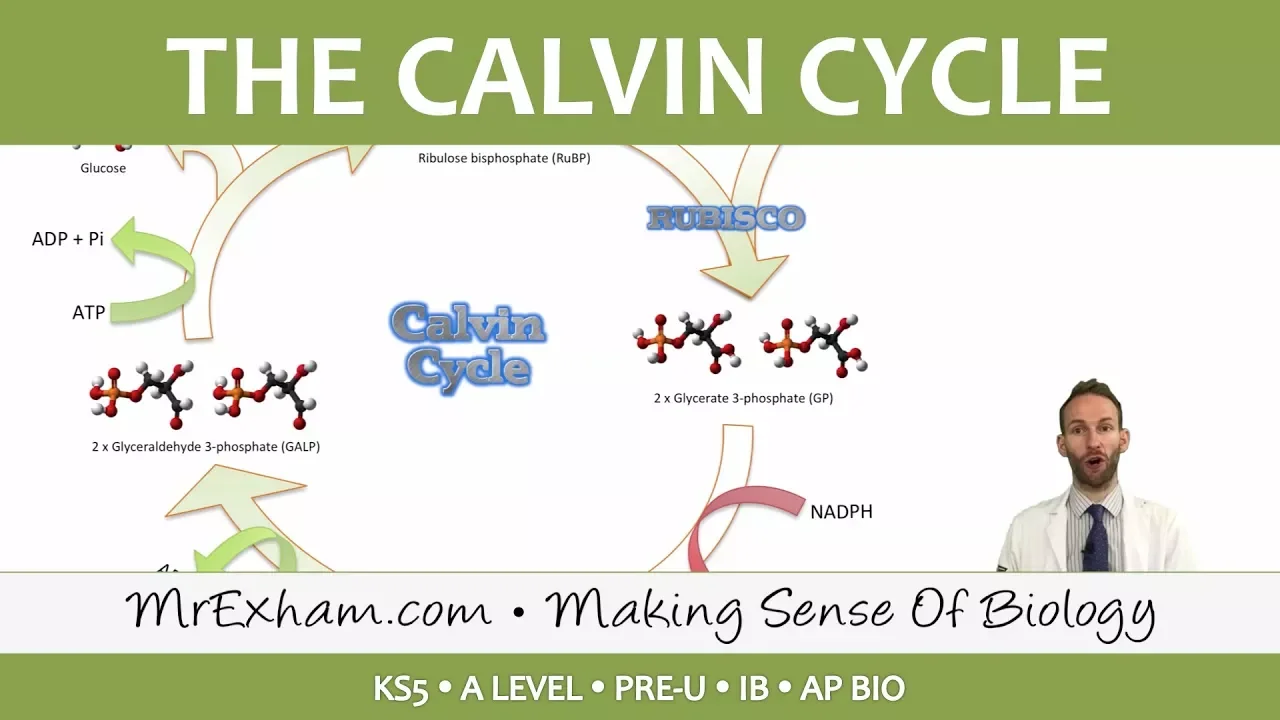
The Calvin Cycle (light-independent reactions) and how ATP and NADPH are utilized to fix carbon into glucose.
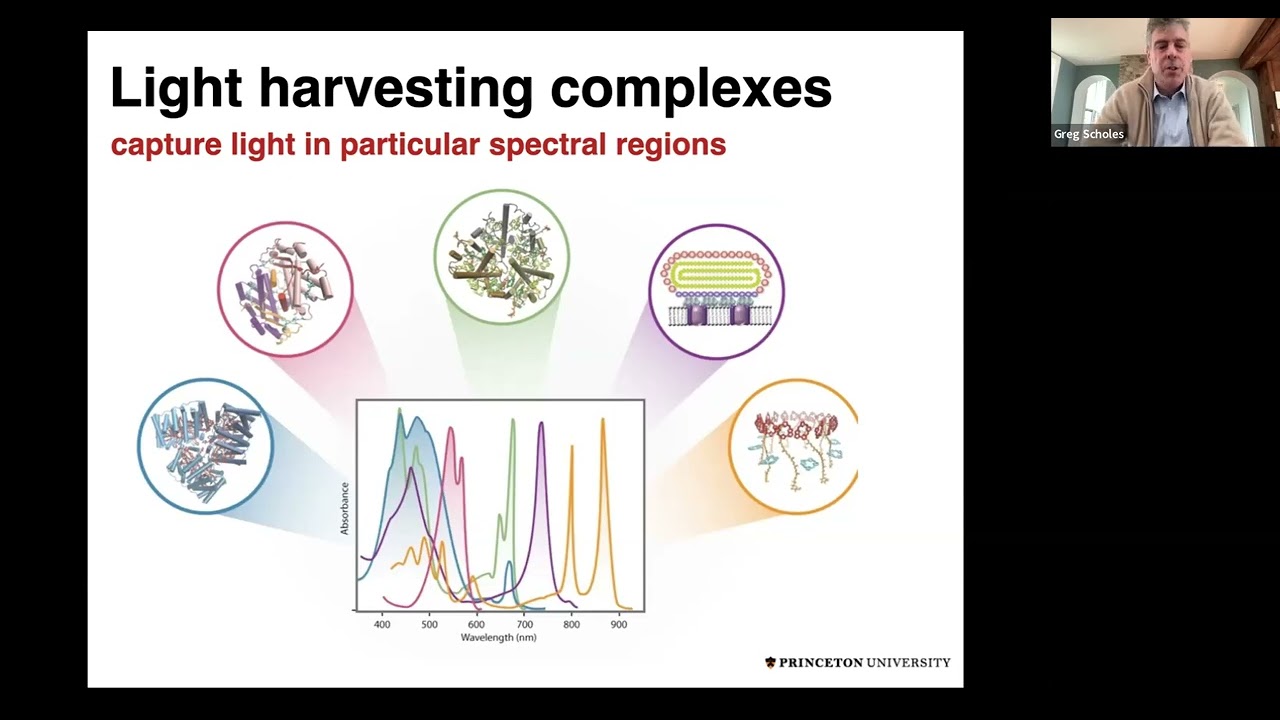
The emerging field of Quantum Biology, specifically quantum coherence and exciton energy transfer pathways in light-harvesting complexes.
Applications in biomimicry, such as artificial photosynthesis and the development of highly efficient organic solar cells.
3.8K views82likes27:27Original Release: 2020-10-31
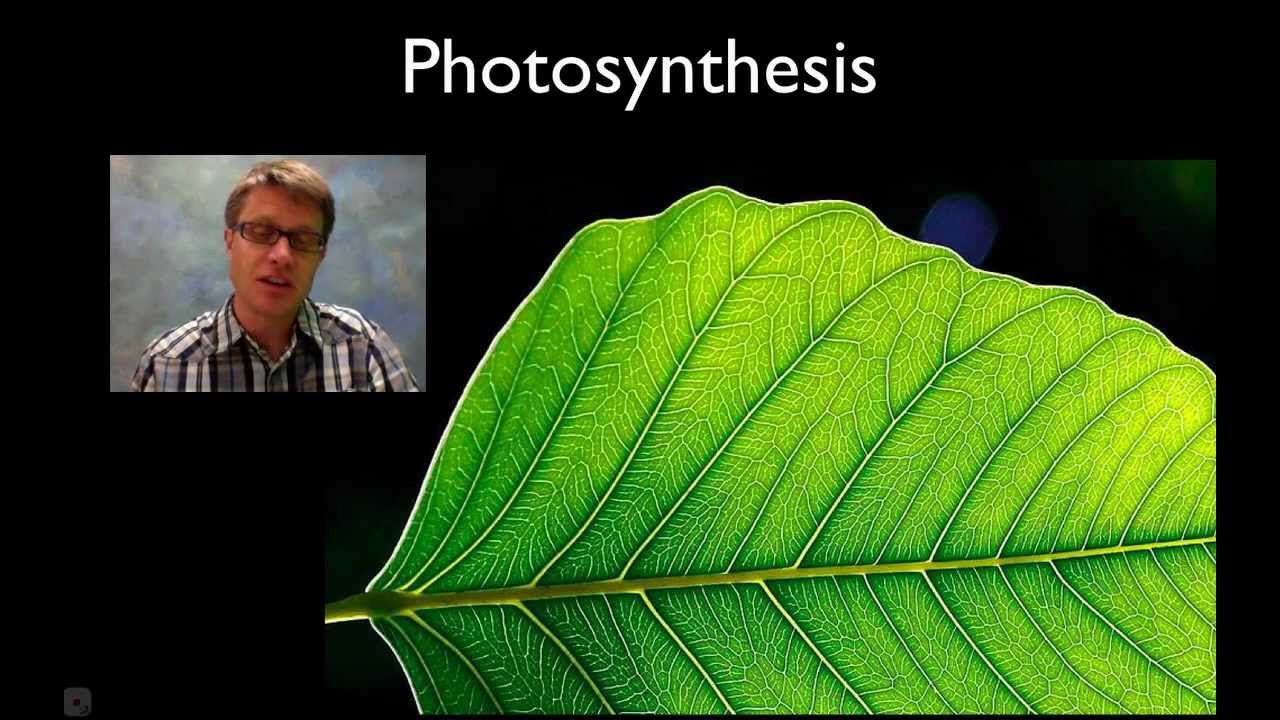
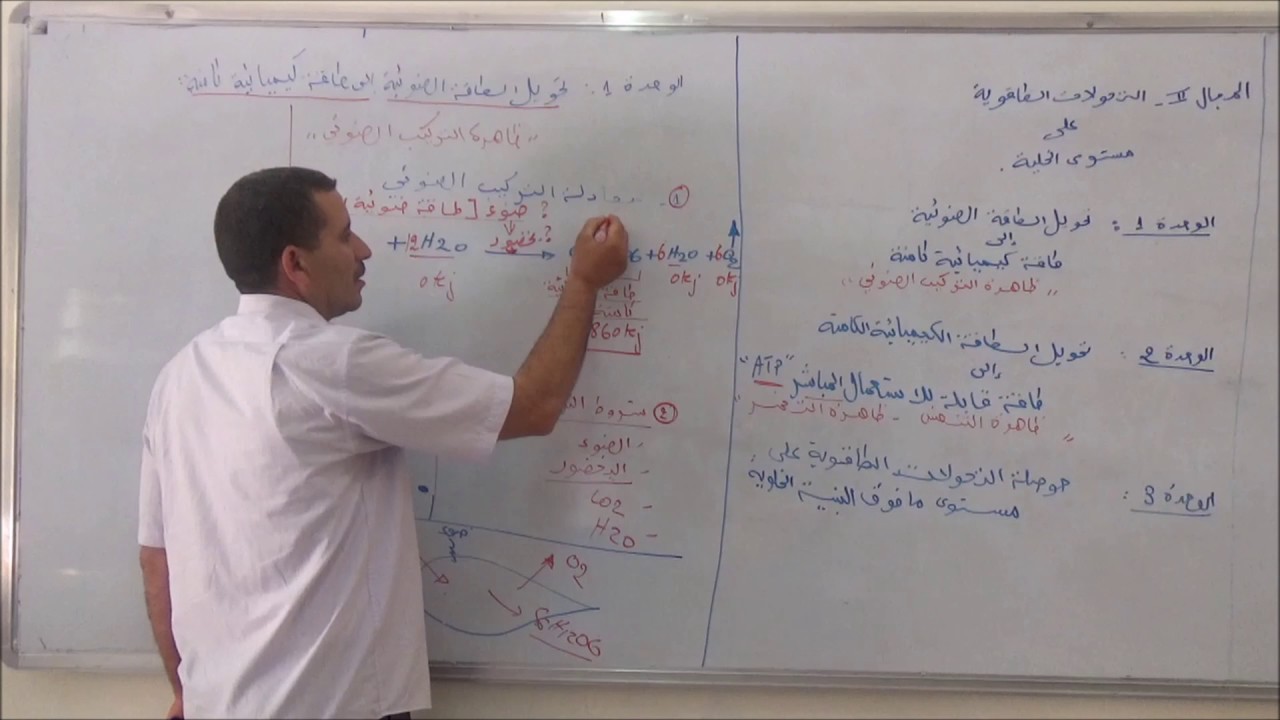
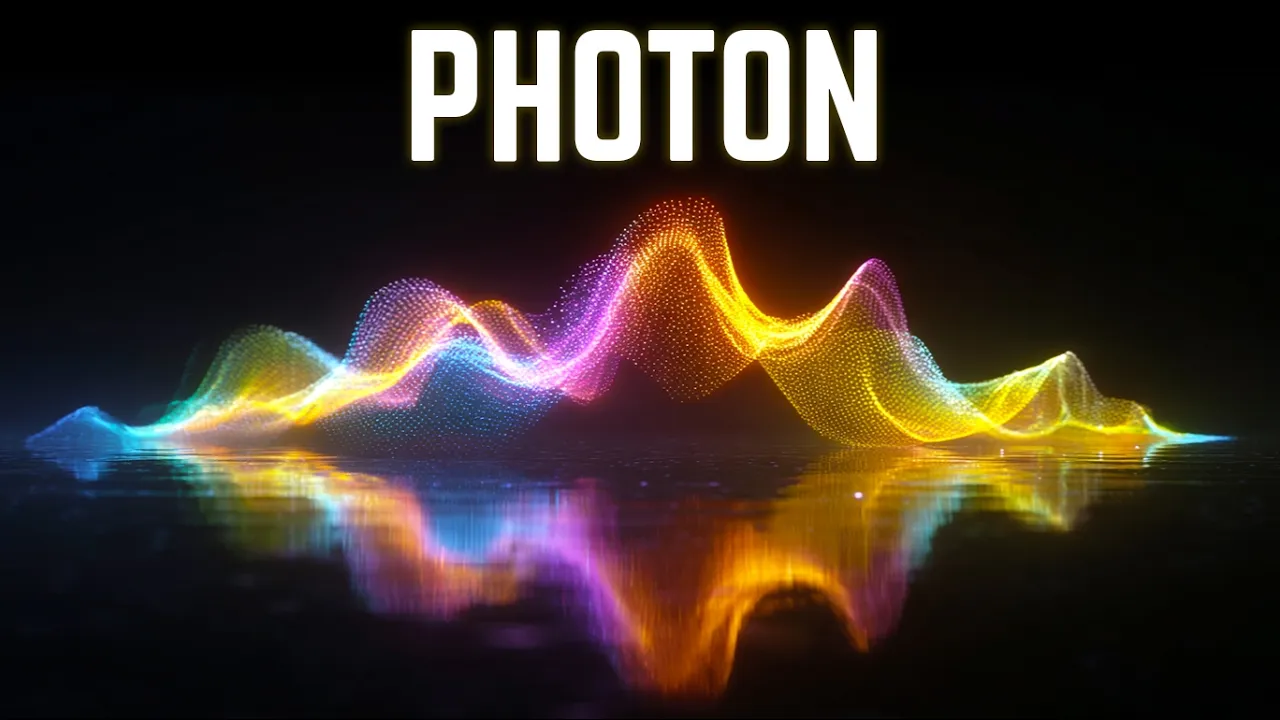
hi and welcome to another episode of tom kennedy science and i'm of course your host dr tom kennedy now in this video lecture today i'm going to continue on in my series of photosynthesis and we're going to talk about something really interesting today and that is how pigments actually capture light energy now to to understand this we need to know of course the nature of light and that will explain how or at least to help us understand how the pigments capture light energy now of course um i have always been intrigued with quantum mechanics and relativity but the world at the scale of atoms is really weird right and that's important because when you think about it photons which are subatomic particles interact with a molecule of um chlorophyll to excite an electron we're going to talk about all of this that's at the quantum scale right and there's some interesting things going on some weird things going on with photosynthesis i'm going to take a deep dive at the end of this lecture and i'm going to go into some of that potentially quantum weirdness that goes into biology hmm interesting so before we dive into how pigments actually absorb sunlight let's take a step back let's look at the big picture of photosynthesis and why we need sunlight in the first place for this so photosynthesis you know photo means light synth means put together so in photosynthesis we're going to put something together using light so we're going to take some carbon dioxide right that's inorganic carbon there's no hydrogen to it and we're going to take some water and we're going to combine those two to form glucose and as a byproduct of this we're going to release some oxygen okay so let's think about this carbon dioxide plus water these are you know carbon and carbon dioxide is fairly oxidized so to do photosynthesis to fix carbon which means taking carbon dioxide and sticking it onto an organic molecule that's carbon fixation you make it available to life you need a couple of things you need a source of hydrogens you need a source of electrons and of course water when we split water we're going to supply those hydrogens and electrons from the water and then this is an endergonic reaction right because your product glucose some kind of a complex molecule right i mean it's not that complex but it's way more complex than carbon dioxide or water it's got a lot more stored energy so this is an endergonic reaction so if you're going to have an endergonic reaction you need a source of energy and ultimately that source of energy is coming from sunlight well you know i mean sunlight hits me all the time right it hits everything around us doesn't mean i can use it so for plants to use sunlight they need to be able to absorb it and that's where our pigments come in now let's talk about light for a second okay let me flip over here now when it comes to photosynthesis we all know it uses sunlight right and sunlight comes from our star i know our sun is a star like all the thousands that we see in the night sky but stars get their energy what happens is you know our sun which is a million times bigger than the earth at the center of it the the the core of our sun it's so hot it's so dense that it takes hydrogen atoms and it just rips apart the electrons from them but not only does it do that there's so much kinetic energy that the protons just slam into each other and they fuse and you can actually slam these electrons and protons into each other and get neutrons and then you get neutrons slamming into protons and protons slamming into protons and you build up helium nuclei you're making helium and that process is called nuclear fusion and every time that happens whenever a proton fuses together with another proton that releases energy and we see it as heat and light and it's kind of weird like you know the sun it's big but it's you know it's not enormous it takes like a thousand years for a photon of light to make its way through the sun and go from the core of it to the surface but you know what it only takes like eight minutes to travel 93 million miles from the sun to get to the earth now light what what is light okay so whenever these protons fuse okay it releases energy now when i slam my hand that releases energy you hear it as a sound wave now these nuclear processes they release energy is electromagnetic radiation now electromagnetic radiation is made up of these little tiny packets of energy called a photon okay now photons travel in waves and the distance between the wavelengths or the distance between the peaks and the troughs that is your wavelength and the shorter the wavelength the more energy it has and the longer the wavelength the less energy it has so if you're thinking about radio waves microwave infrared these are photons that have a wavelength that's long enough that we can't see it in fact radio waves easily pass through our houses with no problem now when you get around a wavelength of 700 nanometers nano means billionth of a meter what happens now is you can see that light as red light right so infrared is anything longer than than that 700 nanometers now the wavelengths get shorter and shorter and shorter and we could quickly run through our colors of red orange yellow green blue and violet and violet has a wavelength of about 400 380 nanometers right around there you get shorter than that 350 you're in the ultra violet and then you can go from ultraviolet light and that carries a lot of energy right we can't really use ultraviolet because it's powerful enough that it can damage proteins right it breaks them apart and then you get to things like x-rays and even shorter ones which are gamma rays and these carry enormous amounts of energy so when we look at plants and they're all green that is because they are absorbing visible light mostly in the reds oranges and blues and um violet so that's what they do they absorb light so light is a form of kinetic energy right so electromagnetic radiation is the entire spectrum from radio waves to gamma waves right visible light is a tiny tiny tiny portion of that and like i said from just 400 nanometers to um 700 nanometers and you can literally get wavelengths of light that are a meter long you know a billion times bigger but the point here is that our pigments like chlorophyll and carotenoids they absorb different colors of light so and they reflect the ones that they're not absorbing so all of our plants almost all of our plants anyway are green which means they are reflecting green light and if you're carotenoid in your orange you're absorbing the greens and the and the blues and the violets and you're you're reflecting the orange light now let's think about that the world to us is green right but why do plants not use green light how do we know they don't use green light well there's this really cool experiment it was done back in the 1800s um by henkel i think and he was like you know our what what frequency of light are these plants using obviously we think it's you know not greens they're reflected so he did these this kind of cool experiment and he put these photosynthetic bacteria on a slide and you know cyanobacteria if they're photosynthetic they're going to release oxygen well there's also bacteria that use oxygen right so what he noticed after a few hours is that the bacteria that used oxygen migrated to areas of the slide they were under purple or red light and they moved away from the areas that green light what that showed is that those oxygen-using bacteria were moving to areas where these photosynthetic bacteria were creating oxygen and we know if you're making oxygen if you're releasing oxygen you're doing photosynthesis okay so here we go we know that the different pigments uh there are different forms of chlorophyll there's chlorophyll a chlorophyll b there are different types of carotenoids and this is their absorption spectrum and that lines up right along with their action spectrum their action spectrum of course being where they're actually absorbing and using uh to capture energy their absorption spectrum is what they're actually absorbing is light and like i said we um we see them as green because they're reflecting it hmm i know why wouldn't a plant just be black right or or why not red you know why would you reflect green light when it's clearly got more energy than red light or why not be black why not have a black leaf that is what absorbs all the frequencies of light hmm there must be an answer to that so let's take a look at our chlorophyll molecule it is an organic molecule it does not fit neatly into one of the four macromolecules it's got a long hydrophobic tail made up of a molecule called isoprene so it's an isoprenoid tail it's hydrophobic yeah that makes sense right it's embedded in the thylakoid membrane the interior of a membrane is hydrophobic so you want an isoprenoid tail which is mostly carbon and hydrogen to react with that then if you notice there's a there's a head region up there it's got all these ring structures and in the one of them it's got a cinder of nitrogen that holds in magnesium magnesium is not carbon nitrogen or oxygen obviously it is a metal and what that means is in group two that the valence electrons of magnesium are pretty far away from the nucleus it doesn't hold on to them very tightly which means magnesium can easily lose its electrons it's easily going to lose its electrons we can use electrons to reduce um carbon we need a source of electrons which is going to supply that magnesium it's going to be water and there's some things going on here so when light strikes this molecule strikes chlorophyll it's going to absorb it and what it's going to do is it's going to kick these electrons up in energy levels and this is getting to the answer of why plants are green like i said it's it's an interesting thing here and then there's these other pigments called carotenoids you've seen carotenoids this is what like beta carotene is a type of carotenoid these are things that make stuff orange sweet potatoes carrots golden rice those are correct these colors come from these pigments and you know they're used to help protect the chlorophyll you see chlorophyll is absorbing all of these different wavelengths of light and if you're absorbing things like in the ultraviolet and stuff that can become damaging so carotenoids actually help protect the plants from ultraviolet radiation okay now in my classes you know one thing that i'm always trying to get people to understand it's a difference between superficial knowledge you repeat a statement but versus real understanding do you understand what you're saying and i've been talking about these plants are green right and the superficial response is oh yeah you know plants plants reflect green light you know uh they're absorbing all the other frequencies but they're they're reflecting green light okay that's not a wrong answer but it's a superficial knowledge right because you don't understand why here's where it becomes important to understand why because the question is why would a plant reflect the frequency of light that has more energy than red light right i mean the whole point here is to take the energy and sunlight and transform it into chemical energy that can be used by the plant and life in general right so why reflect a wavelength of light at all especially why reflect green light that's way more energetic than red light the answer lies the bizarre bizarre world of atoms right i mean at the atomic level the world does not behave the way it does in our macro world our large world and i'm going to come back to that in a few minutes but basically here it is these you already know that atoms have a nucleus of protons and neutrons and surrounding that nucleus is a cloud of electrons and these electrons occupy different orbitals each orbital being further away from the nucleus and these orbitals are probability function of where you're most likely to find the electrons i know weird isn't it and not only that the orbitals and these electrons exist in different energy states so ground state would be zero and then you can either exist in state one or an excited state two you cannot exist in between 0 and 1 or 1 and 2. all right i know that's weird so here's what happens red light has enough energy to excite an electron from its ground state up in orbital or up an energy level to a level one blue and um violet light have enough energy to pop it up even more to a second energy state green light on the other hand cannot excite an electron to a discrete energy state so when green light hits an electron or hits the magnesium atom and gets or hits a chlorophyll and it transmits it to the magnesium ion atom what happens is it'll pop it up in an energy level but then it falls back down and when it does that it emits um heat or some light but it's been degraded right so entropy is taken into effect so the issue is here green light cannot excite an electron to a specific orbital and you've actually seen this before right like glow-in-the-dark stickers what happens is you turn your lights on you're turning your light off the electrons get excited and as they fall back down in energy they emit heat and they also fluoresce so they will emit photons as well but here's an interesting stat about photosynthesis about chlorophyll in general this is crazy the amount of energy that is transferred to the reaction center in a in chlorophyll and that's something we'll talk about here in a bit is 98 chlorophyll molecules i mean once a photon hits it it is capable of transmitting 98 of that energy only two percent of it or less is lost as heat and degraded light that's amazing that is one of the most efficient methods of energy transfer known to mankind i mean think about it 98 that is almost unreal right okay now that we know that white plants are green that discrete energy state and then that extreme efficiency of photosynthesis is interesting okay we're going to come back to that soon so there's energy transfer and the fate of the electrons inside our chlorophyll molecule so now we have what is called an antenna complex and the antenna complex is made up of a bunch of what is called chlorophyll b and then it's got these carotenoids and then there's like two to three hundred of these chlorophyll b molecules surrounding a reaction center which is made up of a dimer with uh a couple chlorophyll a molecules and it's centralized here okay so that's the reaction center so basically you can think of uh the antenna complex as like a satellite dish right the the light comes in it it excites these electrons and then it transfers the energy to the reaction center and then shoots up um uh an electron high in energy and then what happens is it gets picked up by an electron acceptor okay and that's how we actually that's how um these antenna complexes and chlorophyll molecules actually like transform the kinetic energy of electromagnetic radiation into chemical energy stored as potential energy in the in these high energy electrons now this is where it gets really cool now the textbook talks about inductive resonance that the energy is transferred by a resonance if you've ever seen a wave at a football game everybody stands up goes wave sits back down the next person stands up sits back down so the idea is the energy is transferred without a single person ever leaving their seats the energy is transferred without the electrons actually ever leaving uh their their magnesium ion they just go up in energy they go back down the energy's transferred and if you notice on that diagram it shows it as a random walk just going from one chlorophyll molecule to the next until it reaches the reaction center um yeah i don't think so i i don't think so um i know the book shows that and everything but let's point out this here's our here's an observation we don't we don't know everything right 98 efficient you know that random walk doesn't make sense and and like i said textbooks often present stuff as though we know exactly how it works like it presents with all these facts and they'll sometimes say yeah we don't know this part but i don't think we know how this works very well and i think that they're we're still trying to figure this out so the answer to how that works might rely on the weird world of quantum mechanics and it's been thought for a very long time that quantum mechanics of that weird world of how things work that's way different from us doesn't really work in biological systems we can explain almost every biological function through classical physics and chemistry and maybe we can but i don't think we can so to understand why i think that this model is wrong and i'm not i mean i didn't come up with this on my own i'm i mean i'm reading what other people are doing this is not my ideas but let me let me explain to you a quick thing about um quantum mechanics for those of you that understand the world of subatomic particles protons neutrons electrons atoms and even small molecules is bizarre right the the hardest thing for us to wrap our heads around is they don't act like we do i'm right here right now you know exactly where i'm at and what i'm doing the subatomic particles like an electron and that's what we're moving around here they can act as a wave they can act as a particle and not only that they can do it at the same time they can be both a wave and a particle they can they can it's called superposition right they they can do multiple things at once which is really odd you know i'm either moving or i'm not well not not necessarily an electron it also means they they can be in multiple places at one time let me restate that an electron can be in many places at once it can be at one place and in fact they're everywhere until you look at them and then they decide they're going to be in one spot right they it's called d coherence well actually quantum coherence is this property the electrons can be a wave or a particle they'd be both and they can be everywhere all at once and then when you measure them they go through what's called decoherence and they cease being everywhere or a wave all of the time and they are in one spot i i know we never think of a particle being in two places at once but there is over a hundred years of experimental data and enormous amounts of theoretical underpinnings and experimental data showing that yes subatomic particles can be in multiple places at once weird so this is not in the book you'll never see something like this in intro textbook but this is just way too cool for me to let go and this is important too right i've got to go on my little tangent about science right the importance of making observations asking questions challenge what you know this i mean this is the heart of science right science is about a curious mind wanting to understand our universe it's not a collection of facts so let's go do some science here's my observation photosynthesis these chlorophyll molecules are 98 efficient at collecting the energy of photons when they hit them that's crazy 98 of the energy gets transferred to the reaction center this is one of the most efficient processes known that's my observation question how is photosystem 2 how is this photo system so efficient how does it transfer so much energy here okay here's the challenge i make this show is a random walk now let me explain to you what a random walk is random walk is you're just randomly moving from one place to another until you make it to the reaction center here's a problem with that at a random walk basically the distance you're going to cover is related to the square root okay i know so imagine if you covered you're out randomly walking around looking for your keys you lost them actually we know that keys yeah we'll go there you lost your keys you start doing a random walk in one second you cover one meter sounds good okay after four seconds take the square root of four you cover two meters after nine seconds take square root of nine you have three you covered three meters so as your as your distance gets bigger and bigger and bigger or you spend more time you cover less and less distance that's important so if you're doing a random walk there's no way there's no way you could be 98 efficient you would the energy would dissipate and it would it would take time this is almost an instantaneous process so do you think there's another explanation so do you think there's another explanation i do i mean let's think about this this is our challenge this is where science moves forward okay so do we need another explanation here let's find out now let's say we apply some quantum effects let's say we think about quantum coherence i know this is way far from our biology but bear with me these electrons they get bumped up in energy from the photon that hits them right okay well now they can start acting as a wave they can explore all possibilities to the reaction center at once i know wow and then once it finds its reaction center it undergoes de-coherence and is a particle right there the reaction center and the electron almost instantaneously found its way to the reaction center rather than doing the random walk is there evidence for this oh yes there are there is evidence and in fact you guys should go look it up plant some quantum computers there's some really interesting stuff on the web about that so that quantum effect might explain the efficiency of photosynthesis and in fact the founders of uh of quantum mechanics back in the 1930s and 40s like schrodinger and feyman and heisenberg these guys basically predicted that quantum effects would have a large impact on biology and in this case uh the quantum effect probably really matters for the efficiency of photosynthesis and full disclaimer not everyone fully agrees with this right other scientists are unsure of the evidence they say well you know maybe it could be another explanation but the point is we probably don't know exactly how this works and people challenging you know what they see is important and trying to overturn that and who knows i mean this could be revolutionary it could be a dead end i don't think it's going to be a dead end it's almost certainly going to be revolutionary i think we're in a biology revolution right now in terms of understanding the importance of quantum effects on biological systems now this is really important i mean i i talk about this and you're going ah why do we care about the efficiency of a chlorophyll molecule why do we care about the explanation this has enormous implications for our life right now we need energy and in fact we've gotten in the past most of our energy from the burning of fossil fuels we know what that's doing is causing global climate change but imagine if we could build really efficient solar panels that mimic what happens inside of plants that would revolutionize our energy productions also i don't know about you but i i need a fast computer all the time imagine if we could do quantum computers that could simultaneously figure out all the answers and then zone in on one at one time i mean it would be almost infinitely fast that'd be amazing the point is um for us to like make these breakthroughs in things like solar cells or quantum computers we need to understand how nature does it first and nature's been figuring out how to make photosynthesis incredibly efficient for over 3 billion years and we're getting close to figuring this out so let's think about this i want to take a step back we took a little segue here these pigments what they do is that they are going to take the energy and sunlight and they use that to excite electrons to different energy levels and then that makes its way to the reaction center which then sends up an electron very high in energy and is picked up by an electron acceptor and of course that electron acceptor gets reduced and the reaction center uh gets oxidized and it actually creates a a hole a positive hole right there and we're so we're breaking apart that charges is called charge decoupling so these um so for photosynthesis to work we need a source of electrons and then we also want to know what happens to these electrons once they get picked up from their reaction center onto the um electron carrier and so next we're going to look at photosystems to understand that and you're probably already realizing what the source of electrons is for photosynthesis it comes from the splitting of water which we needed sunlight to do so these photosystems not only capture energy to elevate electrons they're also doing it to rip the electrons away from water okay well this has been another episode of tom kennedy science next one we're going to do photo systems
Up Next
4:14
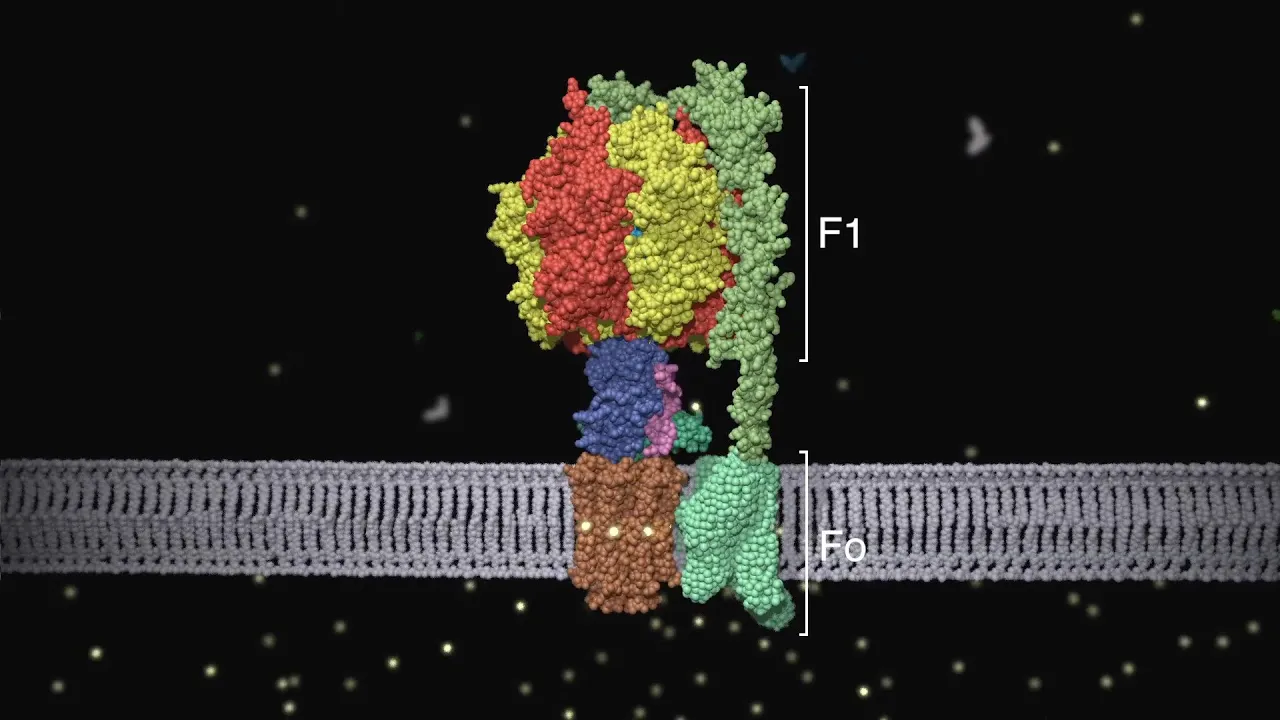
ATP Synthase Structure and Function | F1F0 Molecular Motor
@StewartLab
381.3K views•2016-04-14
50:12
Bacterial Communication: Quorum Sensing and Biofilm Formation Explained
@JHUAAP
12.6K views•2011-06-28

5:35
Enteric Nervous System Explained: The Gut's Brain | Neurobiology Lecture
@alumniu6029
438 views•2018-09-12
7:08
Bacteriophages: Earth's Deadliest Killers and Future Antibiotics
@kurzgesagt
34.6M views•2018-05-13
Related Study Plans & Knowledge Roadmaps
Structured learning paths in Biology
biology
RNAi: Biogenesis, RISC & Gene Silencing
01Molecular Biology Foundations: DNA to Protein
02Introduction to RNA Interference (RNAi)
03Molecular Biogenesis of miRNA and siRNA
+ 2 more learning modules
10h5 modules
Explore Roadmap
biology
Mycorrhizae: Signaling, Biophysics & Ecology
01Foundations of Mycorrhizal Symbiosis
02Molecular Signaling and Root Colonization
03Biophysics and Bioenergetics of Nutrient Exchange
+ 1 more learning modules
11h4 modules
Explore Roadmap
biology
Circadian Clocks: TTFL, SCN & Periphery
01Foundations of Molecular Biology & Gene Expression
02Introduction to Chronobiology and Actograms
03The Core TTFL: Molecular Architecture of the Clock
+ 3 more learning modules
14h6 modules
Explore Roadmap
biology
Population Genetics: Math, Drift & Selection
01Genetic & Probability Foundations
02The Hardy-Weinberg Principle and Baseline Models
03Mathematical Modeling of Natural Selection
+ 3 more learning modules
18h6 modules
Explore Roadmap