




























Tennessee Williams pioneered 'plastic theatre,' an expressionist approach that uses unconventional techniques like direct audience address, symbolic stage directions, and sensory elements (music, lighting, shadows) to access emotional truth rather than physical realism, as demonstrated in his plays Glass Menagerie and Streetcar Named Desire; his work explores themes of illusion versus reality, class conflict between Old South plantation culture and New South industrial society, and challenges traditional gender roles by portraying women with sexual agency while simultaneously exploring complex masculinities and the tension between personal desire and social expectation.
A Streetcar Named Desire: Literary and Social Context
Added:A basic familiarity with the plot, major characters (Blanche DuBois, Stanley Kowalski, Stella), and setting of Tennessee Williams' play 'A Streetcar Named Desire'.
Understanding the historical shift from the agrarian 'Old South' (antebellum plantation culture) to the industrialized, urbanized 'New South' post-Reconstruction and post-WWII.
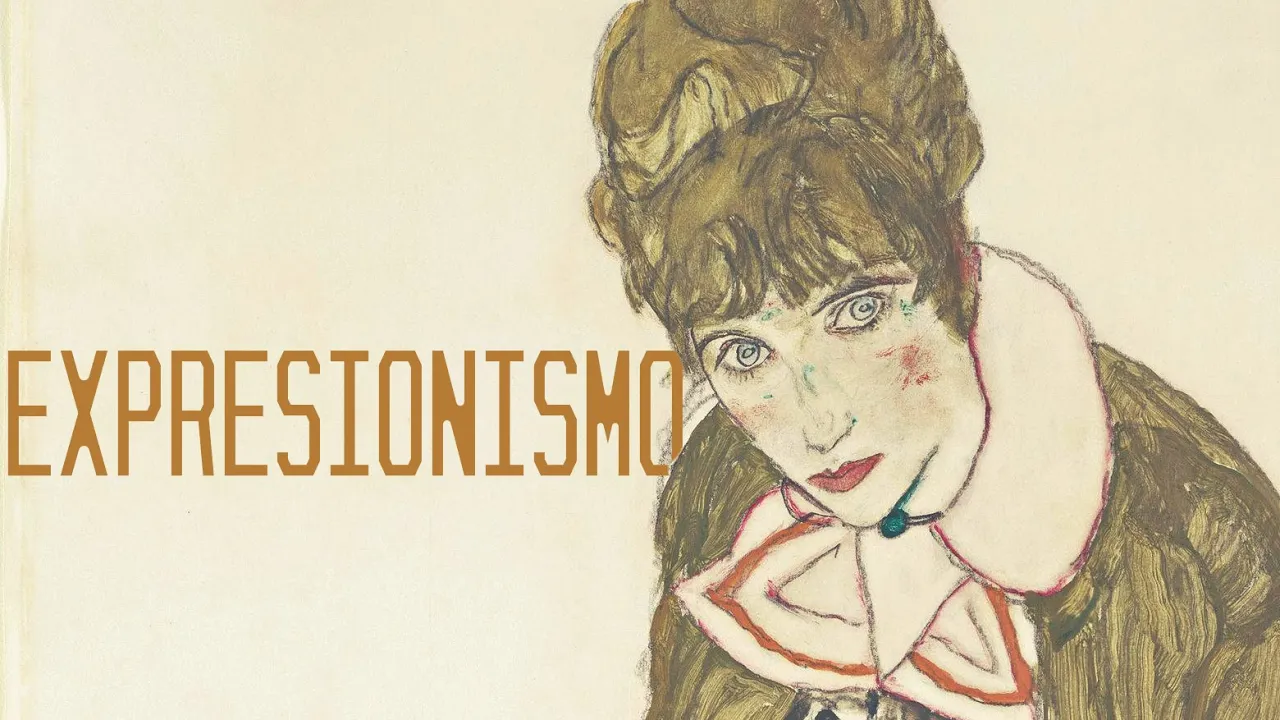
Introduction to Expressionism as an artistic movement, specifically how it seeks to express emotional experience rather than objective reality.
An awareness of the rigid gender roles and socio-economic class divides in mid-20th-century America.
Analyzing specific symbols and motifs in 'A Streetcar Named Desire' (e.g., the paper lantern, bathing, and the Varsouviana Polka) through an expressionistic lens.
A comparative study of Tennessee Williams' other works, such as 'The Glass Menagerie' and 'Cat on a Hot Tin Roof', to identify recurring themes of Southern decay and marginalized characters.
Deepening exploration of the Southern Gothic literary genre, comparing Williams' work with contemporaries like William Faulkner and Flannery O'Connor.
An investigation of psychoanalytic literary theory applied to the characters' coping mechanisms, trauma, and desire in the play.
Analyzing how historical adaptations of the play, such as Elia Kazan's 1951 film, navigated the censorship and social mores of their respective eras.
26.5K views730likes35:12Original Release: 2020-04-01
okay this is a video that's gonna look at the literary political and social context and some of the things you need to know about Tennessee Williams and the things outside of the texts that we study of his to really understand maybe the the functioning within the text there's Tennessee sitting on the stage of the 1947 streetcar named desire cousins production stage production blockbuster hit in New York in 1947 and what we're gonna look at is again the some of his other plays some of the concepts in his artistic repertoire and then the the politics and the social aspects that are informing the text so we began oddly with a painting from 1893 this is Edwin monks the scream monk said he was walking in I believe it was in Norway and he was walking on a bridge and all of a sudden he felt this surge in nature of this this howling scream this despair and then this was the image that came to him and it seems really odd and really visceral and the colors are really strong and it seems really strange it's not realistic at all it's really unclear what it's trying to express until you really start to get into the idea that it's a scream and that we're almost watching what the character is experiencing and that's what Expressionists are trying to do they're trying to express the meaning of emotional experience rather than physical reality moving beyond realism into some kind of visceral experience this this moniker Expressionism could be one way of approaching Tennessee Williams work in his first major hit Glass Menagerie of 1944 he has an introduction where he really justify he talks about something he calls terms the plastic theatre and it's and he realized himself with Expressionism Expressionism and all other unconventional techniques in drama have only one valid aim and that is a closer approach to truth when a play employs unconventional techniques it is not or certainly shouldn't be trying to escape its responsibility for dealing with reality or interpreting experience but is actually or should be attempting to find a closer approach more penetrating vivid expression of things as they are he complains about plays on Broadway where there's a real fridge on stage and real ice cubes and the characters speaking the way the audience speaks and this is kind of closer to reality and he says no that's more like academic and more like a photograph and actually for him it's a photograph Photography is unimportant because it's it's that truth life or reality is an organic thing which the poetic imagination can represent or suggest in essence only through transformation through changing into other forms that those which were merely present in appearance so he was saying okay look this this applies that this play you're about to read Glass Menagerie but it could be about any of the work that I'm really interested in me Tennessee Williams it's a new Pollock now plastics a really interesting word I think plastic I think he's playing with that word it implies something artificial but also something malleable and twistable plastic theater which must take the place of the exhausted theater of really realistic conventions if the theater is to resume vitality is a part of the culture so some examples in Glass Menagerie in the stage directions there's these instructions for these shadows of shapes to take place often and in streetcar there's music and shadows and all sorts of these techniques that were kind of off-putting to some more traditional realist audiences of Tennessee Williams work where he was saying he was looking for a three-dimensional theater that went beyond just the words on the page but it could cost you movement voice all the elements on the stage to create an experience that goes to a deeper truth the emotional truth as opposed to the realist truth and that was something that is really important in terms of his artistic approach that you should think about in terms of his plays you know the number one way to really understand an artist you can't read one text you you should read as many texts of them as possible and then you'll start to see trends understand what's what's going on and you'll understand they have a literary context I think putting streetcar in that literary context is gonna help you so Glass Menagerie was his first big head it was a huge hit in 1944 in fact I have someone written Glass Menagerie in 45 received 24 curtain calls on opening night 24 they could not get over how amazing this play was and it was a game changer room and it's introduced by a character called Tom the narrator and protagonist and he talks straight to the audience and he explains it's a memory play and it's on his recollections of his mother Amanda and his sister Laura and as a memory play it's going to be distorted because memory is distorted he obviously says and his direct address to the audience is unusual and interesting and Amanda is this mother she's a father faded southern belle we're gonna talk about what that is I mean she shares the apartment with our two kids Tom who dreams of escaping a shoe factory and wanting to leave home and Laura she's fragile as the glass figurine she keeps and she's unmarried and her mother's really worried about her and Tom brings home someone who would be a potential suitor but it doesn't work out this place filled with hope sweetness nostalgia desire madness absolutely and escape these themes haunt Williams work and it's too easy and too obvious to talk about Williams own biography and but if you're interested you can look this up his sister Rose his is his upbringing his home life Glass Menagerie isn't simply a one-to-one on a biographical account of his his youth but it is an exploration of some of those themes and it initiates this kind of new theater that he's talking about this is a painting by Vincent van Gogh called the night cafe and the streetcar mentions this explicitly I believe in scene three of the poker night so this this actual painting is name-checked look at it it is it has those aspects of Expressionism its Van Gogh's thick paint work the gaudy lighting them vibrant scene the depressed almost collapsed figures this scene is showing us night time in a vibrant hallucinogenic way and implies more than just realism or a photograph could ever convey and those emotions are the things that he's really trying to do so the production the main production was in 1947 Elia Kazan directed it Elia Kazan we're gonna talk about him a little bit later his legendary film production was in 1951 he directed both the stage and the film version there are many aspects of streetcar that makes it seem realistic the clothing people wear the way they move around stage you know but there are things you have to pay attention to closely that really disrupt that idea you have the idea of the music in particular the Versa viana which I'm gonna back to in a second this music that haunts Blanche the night her her husband committed suicide when she accused him of seeing him in bed and how he disc with another man and how he he disgusts her that music is constantly playing in her head it's punctuated by other forms of music the blue piano is the one that comes to mind but there's the radio music there's all sorts of different music the lighting is really important Blanche buys a Chinese lantern to soften the light that the idea of shadows those those those aspects aren't just random aspects of the play they're crucial for Tennessee Williams and creating the atmosphere when you read his stage directions are written like poetry there they're there they're very they're extremely lyric and abstract and visual and he's trying to get the directors the actors to really feel something that's much larger the ultimate truth of what makes it really expressionist is the fact that the audience themselves can hear the Vesuvio know that plays in Blanche's mind we the audience in streetcar or inside of Blanche's mind and we're witnessing the erosion and a devastation that's going on there and this is something that maybe you don't notice even in the film because we're so used to the conventions of hillman it seems obvious that music and light convey characters in her mind but that's really what Tennessee Williams is trying to do in this play to a very large extent um in terms of context you may also want to investigate how liaisons film version of streetcar has a different ending than the play and that different ending came through censorship and through kind of different expectations different meanings it's just another thing to think about or look at again to think about context we can think about the literary devices I sorry the literary movements and things he's participating in but also different versions of the play in the movie um Expressionism is also another thing that it's known for is being episodic these little moments almost like a little poem um each scene each scene is its own play it's almost like a little little play and if you look it is I think is an amazing kind of walkthrough of the play scenes 1 to 4 in may 5 to 6 in August and it's September and then the end which is some weeks after the devastating events of Blanche's birthday party this is from the critic rook semester a really helpful idea of really provocative and interesting idea the first four scenes are comedy then come to scenes of elegy mood romance and then five scenes of tragedy again it's just an interesting thing to think about Expressionism is being episodic but also the idea that the play takes place in a very concrete period of time and that actually structurally it moves from comedy to romance to tragedy Cat on a Hot Tin Roof was his next major hit its 1955 and what we have here is on the stage on this stage of gold we have you know we could leave the poverty of New Orleans and the Elysian Fields and we go to the super wealth of the Paulette plantation in the Mississippi Delta and we have a gold prison almost for these two characters here we have brick who is who has a broken leg because he was on the track field the night before drunk and broke it he absolutely hates his wife here played by Sienna Miller this production was in London a few years ago he's he just hates her and he's throughout the courses play he just drinks in Norman he's almost silent he hobbles around stage and all he cares about is drinking and it seems he's almost suicidal and what we find out is he can't really face the death by suicide of his best friend skipper we have Maggie who I mean the Sienna Miller just did an amazing job of this production she Maggie yearns for brick emotionally sexually and she needs familial attention because the thing is brick is about you know even though he's the second son he's the favorite son and he's the favorite son and he's gonna inherit this huge huge fortune and it's his father's birthday tonight and the whole play takes place in real time in a way the over the course of a night of his father's birthday and there are everyone in the families pretending that they that he doesn't have terminal cancer but he does so they know he's gonna die and he doesn't have a will and she fears being left out of it and so at the end he want me in a brick won't sleep with Maggie he's disgusted by her he hates her so she fakes her pregnancies and then sexually blackmails him in this really odd ending to this play the other major character there are others but I just wanted to focus on these three is Big Daddy he loves his son brick so much he loves him more than his eldest son Cooper it's strange but he inherited the plantation from a pair of gay lovers who he just ended up working on their plantation and there's some interesting tension there and skipper admitted he was in love with brick and bricks had nothing we find out through Big Daddy brick daddy's interrogation of brick and the wound of this action cannot be as easily explained or healed as one may want to wish Oh Tennessee Williams makes a point of saying this isn't just about brick being gay or not gay or struggling with his sexuality it's not the the the issue I'm trying to capture in a net I can't remember the metaphor Hughes is he says it's a lot more complicated than that and there's something to think about and you know we're gonna get to homosexuality in in a moment but the way Tennessee Williams himself as a gay playwright explored and thought about those issues is really interesting this is a really interesting play and it's part of his three major works cuz on worked on this play too and he really pushed back Williams on act three because an act three in in Tennessee learns version Big Daddy doesn't return in Kazan said okay bring him back and Williams then in a note to the place as he really regretted that move he didn't like it he wanted to and they you know there's a tension again and there was a movie version as well but because of censorship they they almost delete all mention of homosexuality or even suggestion in the play with Paul Newman it really loses its main thrust or sense of things other than this thing that Williams brought just theater which is an exploration of perhaps depression so let's move now to the issue of the plantation what is a plantation and how does Tennessee Williams treat it and what is the myth of it what's the memory of it and this decay so in the south agriculture particularly cotton farming was a major form of industry and it generated an enormous amount of money and these these plantation than these buildings these plantations were built with these immense mansions and the southern culture that emerged from this enormous wealth generated from the land built up a culture of high culture manners formality tradition and this was built on a slave labor of slaves purchased and brought to America black slaves to work the land and to create this wealth that was that that that facilitated this lifestyle this is an oversimplification but of course America had a civil war the major issues at stake was the right of the south to have slaves this was a major rift and wound in American society the South lost and gradually led to what we could see is the kind of the decay of the South the end of slavery in name but in practice we could debate that but that this kind of lifestyle and wealth kind of decaying and falling apart and the dream is something that is this romantic past this nostalgia and that leads us to thinking about illusion so here we have a southern belle what Blanche might have been in these elaborate dresses and clothes accompanied by gentlemen and versed in poetry and music and art and culture all this and here we have this dream of Belle Reve this beautiful dream of course for the French from beautiful and and this this place that once held wealth until the epoch fornications of Blanche and Stella's parents and grandparents meaning they just squandered their money they had no way of maintaining they just live this nice lifestyle and this nostalgia this dream for this past is a great deal of what's happening in streetcar named desire this totally fictitious illusion of Belle Reve this dream we're simultaneously it's a horrific place that's almost been utterly decimated occupied by death only thing they own left is a graveyard eventually that's taken away it's just an absolute horrific gothic setting as well when it lives in the play you know Stella has a picture of Belle Reve that she keeps we never see that but she shows it to everyone she shows it to Eunice she shows it to Stanley and he says I you showed me the place with the columns and I pulled you off those columns you know she he made her pull away from that lifestyle into New Orleans and she has some memory of that life via Blanche but she doesn't seem really attached to it what this place represents in the American imagine and the imagination of these characters is really important for you to think about so slavery's part of this wealth and culture is part of this decay is part of this in I don't know hunter if it's a little bit different because we have a plate that's actually set on a plantation and it isn't decaying it's actually blown up it's a it's an absurd amount of wealth it's ridiculous money you know what's the big daddy says he could solve all the problems of Morocco or Spain or just he could solve poverty he doesn't care and his basement is just rotting all this European art he has so much money and we have an echo of slavery because all the servants are still black and they're present but they're not involved in the narrative the South looms large in Tennessee Williams imagination and in his plays and what they mean and and and the baited glory and the decay and the and the lies of the myth and the distorted memory and the reality of the of the plantation is a major part of what he's doing and exploring in these plays in contrast to the plantation we have the idea of the new south ok so particularly in streetcar it's New Orleans you could also think of the new south as the Paulette farm which is this new vulgar kind of you know it's not you know Big Daddy isn't a gentleman farmer as Maggie says in a complimentary way he's he's honest he's brash he's rough there's no more this genteel manners all the all the you know the cotton queen Fair is made fun of these things mean nothing now in the modern because what we have now is a country of industry not Al Gore culture which brings in immigrants Stanley is the son of Polish immigrants you have a mixture of races and New Orleans particularly blacks and whites mixing mixture of cultures it's the birthplace of jazz you have French Spanish English you have you've all these cultures mixing here in this amazing unique place and it is also a place that had permissive morality it's a place where Tennessee Williams argues in his memoirs he could be he could be BK openly for example for the first time in New Orleans and of course there is this famous streetcar that goes in one way to the cemetery and another way to desire and that kind of capsule AIT's the whole metaphor of the play but what I really want you to think about is how different this industrial mixed-race kind of culture of New Orleans is how different that is then what is going on in the plantation in street cards the plantation of the mind and the imagination on the pollak farm it's the actual modern-day place but this this this tension between New South own cells between Blanche and Stanley this this is the center this is the central conflict and the more you understand about this and the more you understand about where blood just come from and where she's ended up the more you'll really understand the play I'm gonna move on to talking about some social context I'm going to talk about women so we've talked about the southern belle this this kind of well mannered well versed and art and literature and cultured woman who is very prim and proper and speaks in a particular way and relies on men and knows how to prop up a man and knows how to keep conversation or all those things you see in blanche you see Dan Amanda as well these false fallen manners the decay again Blanche was a teacher a teacher was one of the professions than women were expected to which they had access to in America at the time she has no money now because of course she's been fired um and when you think about the actual opportunities for women at this time and the roles they had to play it's worth thinking about what is what is what is the conception of a 1950s housewife for example and in contrast you have Williams Williams who portrays women who have agency and power here is Stella coming down the stairs after being hit by her husband and him howling her name in the darkness calling her out in a kind of moaning callin her taking power the sexual power in the interposition coming down the stairs second most famous balcony scene in all of history and and and then having a night of passion with him she is powerful as is Maggie in Cat on a Hot Tin Roof and this is a different type of woman that Tennessee Williams is bringing us to and this way of playing with the conventions and against the conventions of what was expected of women is really important his introduction to sexual agency is particularly powerful I'd say in his portrayal of women it's worth thinking about the character who was cast in the movie Jessica Tandy played Blanche on stage but for the film they call Vivien Leigh and some of the cast were a bit upset but then they she got there in the end I didn't I can't believe I didn't know this until recently but you know she Vivian Leigh won two Oscars she won one for the portrayal of Blanche in streetcar but she wanted for Gone with the Wind in 1939 and Gone with the Wind is a kind of nostalgic look at southern plantation culture and it's as epic story of a plantation and the fall of the south and and it's just absolutely remarkable because what we're actually seeing is the exact same actress taking the nostalgic like vision of Scarlett O'Hara the Scarlett the red Scarlett O'Hara this powerful feminine heroine from gone with the wind and transposing it into the modern southern belle faded her dress her clothing look at it it totally doesn't fit the scene anymore and she is out of place completely and who better than Vivien Leigh to play that faded changing southern belle I just think that's really interesting interesting also that in a fight with her husband in I believe it's her husband the play by Rhett Butler I said her husband I can't remember anyway there was a scene where she is you know some people say ravished it's I would say raped and of course in in streetcar Blanche is also going through this immense moment of physical violence and I just think it's again it's interesting to think about this character of the southern belle and the way Vivien Leigh inhabits her in in her clothing and her manners and her just in her mentality and the kind of faded blunt in the way Blanche is the faded version of Scarlett I think it's worth thinking about why this violence on the southern belle why this violence towards this character what is the anger emanating from this it's something to think about okay well let's now move to men what is you know there's some lines that are interesting my sisters married a man Blanche says I assure you I wasn't just blind to by all the brass is something Stella says when she thinks about her husband in uniform what was what was a man in 1950s his James Stewart here's mine 1950s man every man in his suit with his hat and his tine is white shirt and his authentic everyman honest way of being I mean he's so great but he's a kind of square if John Wayne who's the kind of masculinist aggressive post Second World War soldier killer of Indians pure tough guy version of masculinity but then you have these other ones that come in so you know you got this every man is a king Stanley says and here we might think of John Wayne and we might think about the fact that Stanley and Mitch were in the Second World War but then you have this other one where where they're talking about Allen the boy that the poet the homosexual poet the Blanche Mary who killed himself and Stella turns and speaks of him as a beautiful in talent and young men was it was a degenerate degenerate sticks out because what she's referring to his homosexuality and and beauty and men and here we have the great James Dean the great rebel without a cause and the the beauty of men the softness this this different this different type of masculinity emerges and you have Rock Hudson who also was known for his beauty what he was also known he was it was it was homosexual but completely closeted that was Matt meant he couldn't you couldn't come out as gay openly gay in Halle in 1950s America it was one of the things that was chased after by the by the McCarthy trials it was so was that there was a social stigma but there were gay obviously there were and there has always been gang people and gay men doing things and some like Tennessee Williams could be opened about in some situations and couldn't in others but this changing vision these multiple men are worth thinking about from the violent men to the beautiful man to the men and to the to the coded homosexual man all these different visions of masculinity enter into or not all but many many these the these kind of types emerge in the work of Tennessee Williams and he really explores this and I think person really think about that just like we thought of Vivien Leigh we think about Marlon Brando because as Gore Vidal's said in 1947 when Marlon Brando appeared on stage in a torn sweaty t-shirt there was an earthquake Kowalski changed the shape of sex in America before him no man was considered erotic a man was essentially a suit not a body we get that smoldering good looks of Marlon Brando Marlon Brando whose addition for streetcar with Tennessee's are really interesting and hilarious story they loved him they thought he was perfect he was animate this was this really huge breakout role when he performed with Jessica Tandy apparently it was really problematic because Marlon Brando was so magnetic that audiences for this enormous hit play were rooting for Stanley and that is confusing to me you know I mean it's interesting and it's powerful to think about Stanley being so magnetic Marlon Brando being so magnetic and this roll then he switch it that he kind of pulls the audience sympathy and it says a lot because I think nowadays personally no one can really match the kind of ikana sysm of this performance but it's a really hard call to get anyone to have that full sympathy with Stanley in addition and I'll do this for my students this was the first scene where a man's takes off his shirt he brenda takes off his shirt in the first scene of the movie and the camera kind of caress and Blanche kind of looks down at his torso and the camera caresses his his body and as just every student I ever teach and it's worth thinking about this is the first real camera shot of a man's torso and I think it's getting interesting to think about Tennessee Williams as a gay man as a gay gays as a female heterosexual gays as a male heterosexual gays as looking and spectating the body of this character and why it's so such an important thing it makes us again think about the body masculinity you know Mitch is worried about getting fat for example these these ideas about what the body of Blanche is worried about aging how masculinity is articulated formulated and performed in these texts is really worth thinking about and you go much further than to say something banal about the role of men and role of women in the play I'm gonna look at finally I'm gonna talk about class okay so we talked about I pulled you down off them columns and how you loved it this isn't just wealth in class here isn't just about wealth Bellerive was broke but Blanche and Stella grew up with an established set of manners rules culture there's a world art I'm in contrast you have the bowling of Stanley you have the unrefined type he says here's a really amazing scene when they're breaking into Blanche's trunk and all this costume jewelry and all this cheap fur it Stanley feels he's just found out they've lost belle reve and he feels that everything has been spent on this woman wasting all this money he can't see is that what he thinks is that diamonds just next door to class and I think here the dubois z-- and the coal skis have very different notions is a really powerful line because what we see is just even through his eyes Stanley can't see value and here we see a division of class articulate adapt again what does that mean what does it mean to have class what does it mean it isn't simply wealth it's something else it's this it's this division and it plays into the tension and lines in the play a lot brutes Apes pinks that's how Stanley's discussed pearl before swine and then there's this magical dreamland of manners and poetry and Rosenkavalier and bow a bow all of these dreams and performances of class and taking strength and identity from these activities is all playing in the play and you know you have the dream of romance and performance in the play and not putting out and then you have the idea that desire is something else and there's something but that happens between a man and a woman in the dark that sort of makes everything else seem unimportant well he was brought out just a true I excuse me a vibrant energy and electricity to exploring sex the body and pushed America forward because he could identify in the mythology and go beyond it at the same time so class is something to think about finally I want to just mention briefly Kazan stage production from 1947 his film adaptation in 1951 absolute masterpiece she watch it as much as you can I would add his streetcar notebook is really great I'm not going to go into this in detail but you could pause the slide but I would in fact invite you to read his notes from his notebooks because it's the best stuff that's ever been written about streetcar as far as I'm concerned and it's so it pushes the envelope and really challenges interpretation helps you understand here Kazan renamed every scene using planche as a kind of a pin you can just look at that in your own time another major idea is his his notion that every character kind of has a spine so planche his spine is to find protection something to hold on to Stella's spine is to hold on to Stanley and Blanche's the antagonist really interestingly she argues Stella kind of hates Blanche Stanley's spine is he's worried that Blanche is gonna wreck his home and Mitch's spine I think's really funny is to get away from his mother again these productions are really interesting even though critics aren't necessarily assess the sounds ideas about streetcar are worth you looking at and thinking about because they can really help push your interpretation but also detail your notion of context and a richer way and then simply to say something banal about New South Old South class or the role of women I think you can go much further to find relevant things to talk about so just to cap up we've looked at Tennessee Williams notion of context the literary context I strongly recommend you should know at least three of his plays you can look at sweet bird of youth if you want to keep going there are other plays of course as well short stories poems all sorts we talked about the South the plantation culture and the new south of New Orleans we talked about femininities masculinities class and I asked you ooh I said miss spelt it but I asked you to look at closely cousins production so I hope all of those things help you with context and please do go I strongly urge you to go back to cousins notes and I can't think of a better critic than Kazan alright I hope this video helped and happy writing
Up Next
24:09
A Rose for Emily by William Faulkner | Summary & Analysis
@neuralsurfer
6.9K views•2025-01-22

13:43
Formalism in Literary Criticism: An Academic Lecture Overview
@mattalberhasky9952
39.1K views•2015-08-05

6:08
Point of View in Fiction: First Person vs. Third Person
@magicalthriftyteacher
153.8K views•2014-03-31

15:25
1984: Orwell's Dystopian World and the Mechanisms of Totalitarianism
@AlternateHistoryHub
7M views•2017-03-04
Related Study Plans & Knowledge Roadmaps
Structured learning paths in Literature
literature
Graphic Memoirs: Visual Art, Trauma & History
01Foundations of Sequential Art and Visual Language
02Autographics and Processing Historical Trauma
03Visualizing Personal Trauma, Grief, and Graphic Medicine
+ 2 more learning modules
14h5 modules
Explore Roadmap
literature
Campus Novels: Evolution, Themes & Critique
01Introduction to the Campus Novel Genre
02Mid-Century Satire and the Post-War Academy
03Dark Academia and the Critique of Privilege
+ 2 more learning modules
14h5 modules
Explore Roadmap
literature
Theater of the Absurd: Philosophy & Plays
01Postwar Existentialism & Historical Roots
02Dismantling Narrative: Esslin & Absurdist Conventions
03Samuel Beckett and Tragicomic Existentialism
+ 2 more learning modules
12h5 modules
Explore Roadmap
literature
Revenge Tragedy: Justice, Madness & State
01Foundations of Early Modern English Theatre
02Anatomy of Revenge: Structural Conventions
03Psychological Complexity: Madness and Melancholy
+ 2 more learning modules
15h5 modules
Explore Roadmap