


![Суть линейной алгебры: #3. Линейные преобразования и матрицы [3Blue1Brown]](https://i.ytimg.com/vi/fXNPMs1ZgTI/maxresdefault.jpg)













![[Legend 13] CNN의 모든 것 - 1/2](https://i.ytimg.com/vi/GAD4P5ektas/maxresdefault.jpg)
![[Deepmath] 14.1. Reconnaissance de chiffres - convolution - tensorflow - MNIST](https://i.ytimg.com/vi_webp/F4RdAcjM2cI/maxresdefault.webp)


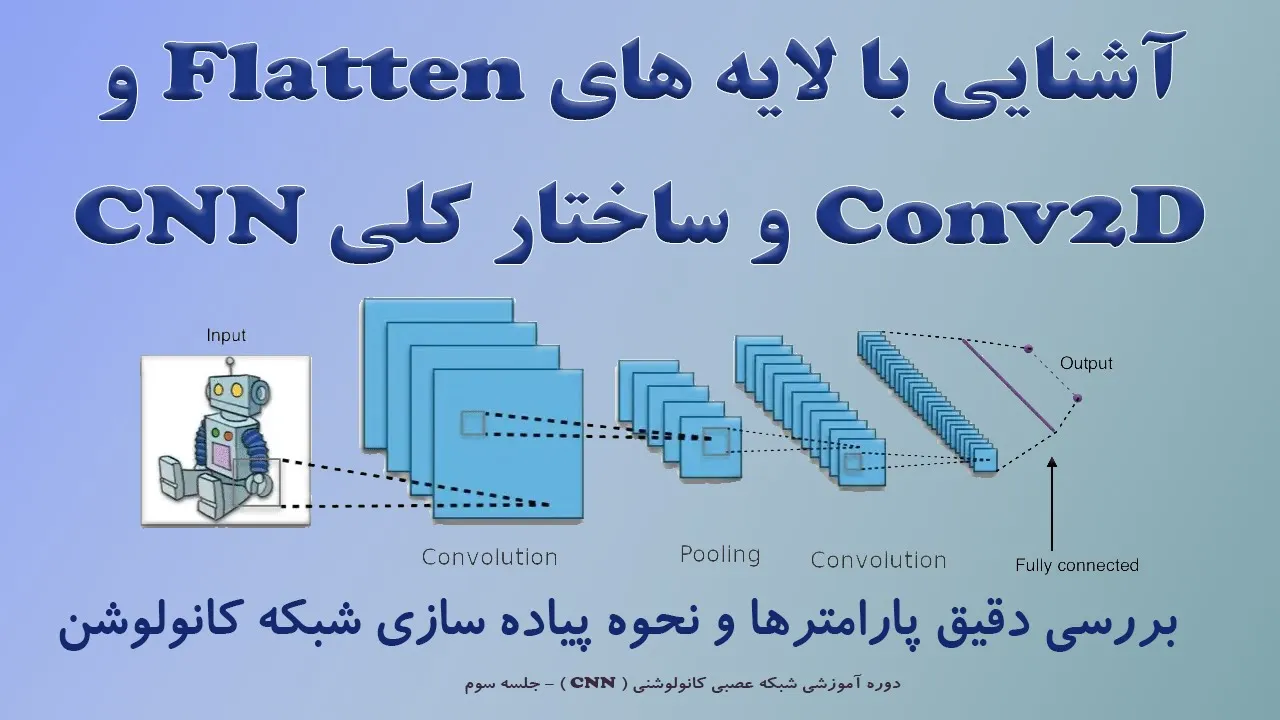





![(New!!) [인공지능 특강] 21강. CNN의 활용 | 분류 | 객체탐지(Object Detection) | 분할(Segmentation) | IoU | PART2.딥러닝 |](https://i.ytimg.com/vi/iwCK-wXHZeU/maxresdefault.jpg)


![(2024Ver) [인공지능 특강] 21강. CNN의 활용](https://i.ytimg.com/vi/aXJflIs36eI/maxresdefault.jpg)

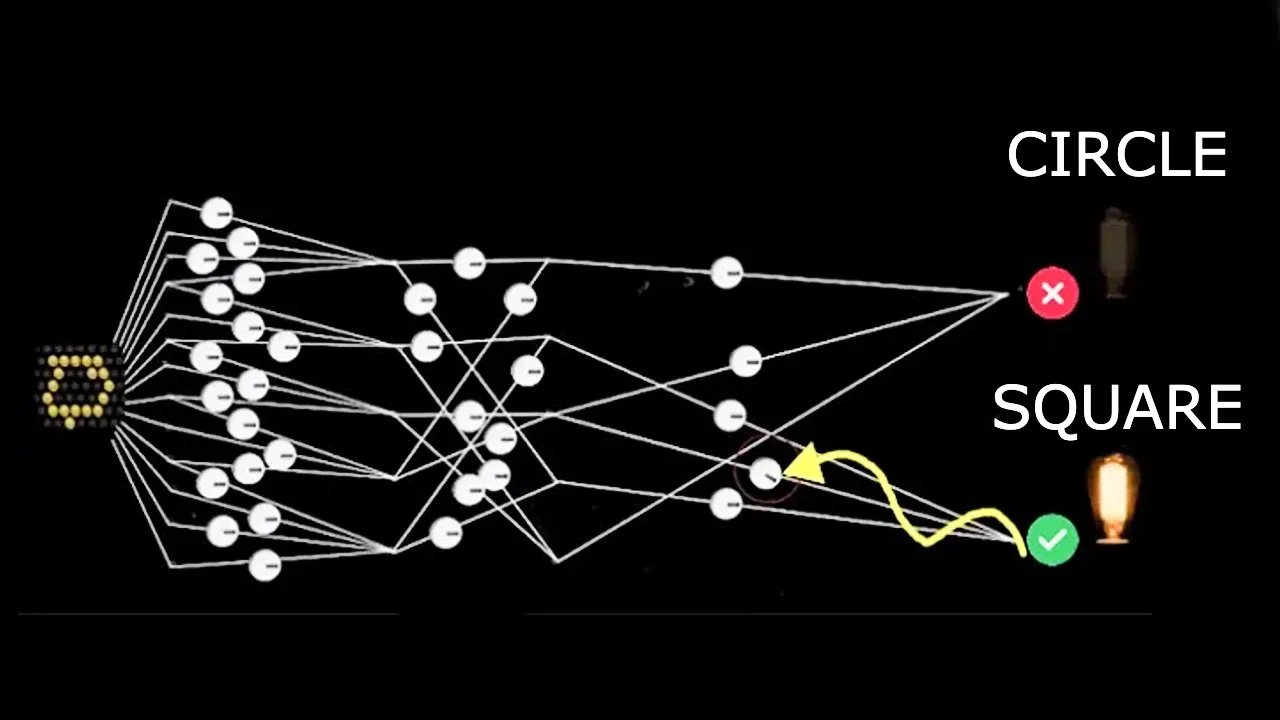
Convolutional Neural Networks (CNNs) are specialized artificial neural networks designed for image analysis, featuring convolutional layers that use filters (small matrices) to automatically detect patterns such as edges, shapes, and objects in images; these filters slide across the input image, performing dot product calculations to identify patterns, with earlier layers detecting simple features like edges and later layers detecting more complex objects like animals.
Convolutional Neural Networks Explained | CNN Tutorial for Deep Learning
Added:Basic understanding of Artificial Neural Networks (ANNs), including neurons, weights, biases, and activation functions.
Fundamental concepts of linear algebra, specifically matrix multiplication and 2D grid representations.
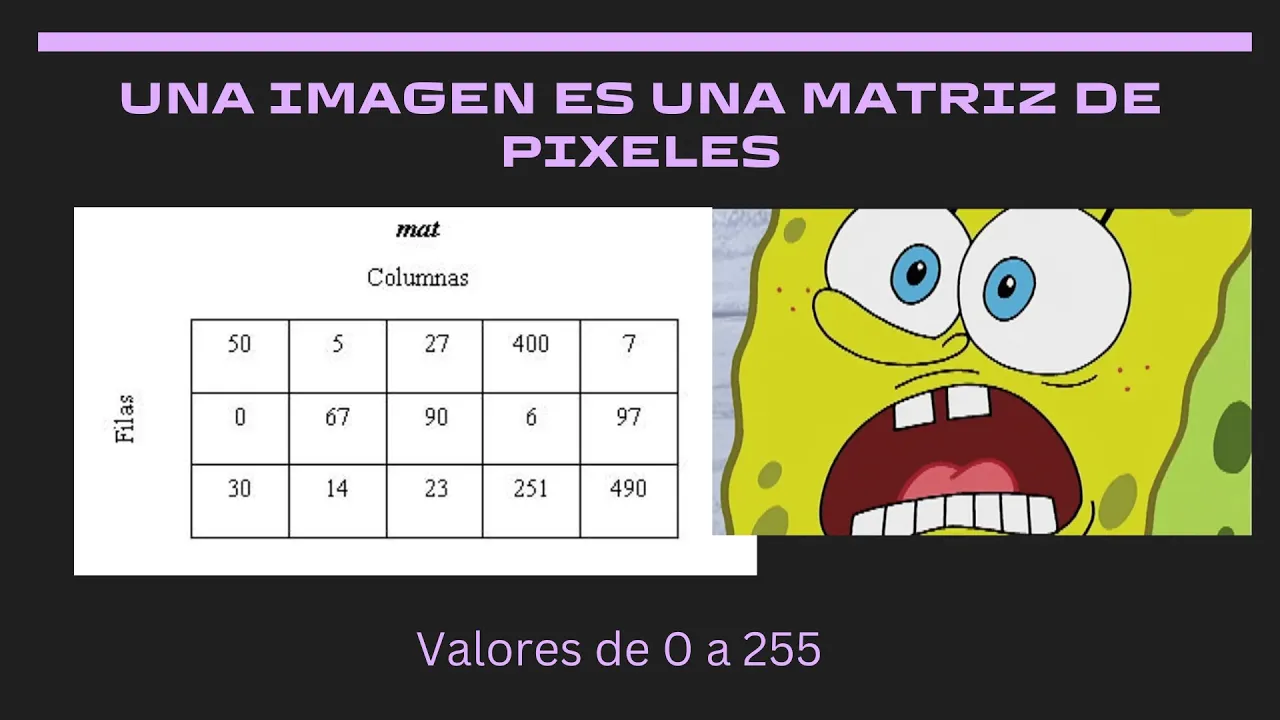
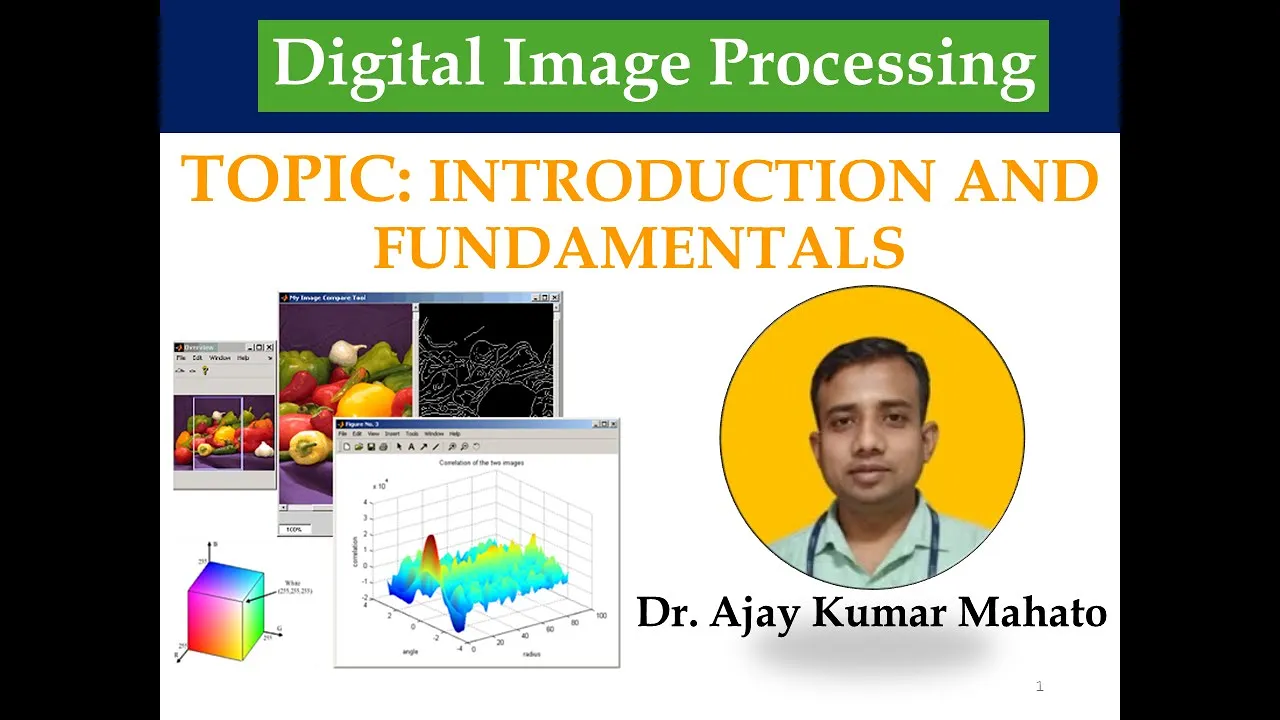
How digital images are represented as matrices of pixel values (grayscale and RGB color channels).
The core concept of supervised learning and how neural networks learn via backpropagation.
Understanding Max Pooling and Average Pooling layers to reduce spatial dimensions and prevent overfitting.
Implementing CNNs using deep learning frameworks like TensorFlow/Keras or PyTorch on standard datasets (e.g., MNIST or CIFAR-10).
Exploring classic CNN architectures such as LeNet, AlexNet, VGG, and ResNet, and the concept of Transfer Learning.
Applying CNNs to advanced computer vision tasks like object detection (e.g., YOLO), image segmentation, and facial recognition.
1.5M views36.5Klikes8:37Original Release: 2017-12-09
[Music] in this video we'll be discussing convolutional neural networks a convolutional neural network also known as a CNN or comp net is an artificial neural network that is so far been most popularly used for analyzing images although image analysis has been the most widespread use of CNN's they can also be used for other data analysis or classification problems as well most generally we can think of a CNN as an artificial neural network that has some type of specialization for being able to pick out or detect patterns and make sense of them this pattern detection is what makes CNN so useful for image analysis so if a CNN is just some form of an artificial neural network what differentiates it from just a standard multi-layer perceptron or MLP well a CNN has hidden layers called convolutional layers and these layers are precisely what makes a CNN well a CNN now CNN's can and usually do have other non convolutional layers as well but the basis of a CNN is the convolutional layers all right so what do these convolutional layers do just like any other layer a convolutional layer receives input then transforms the input in some way and then outputs the transform input to the next layer with a convolutional layer this transformation is a convolution operation we'll come back to this operation in a bit for now let's look at a high-level idea of what convolutional layers are doing as mentioned earlier convolutional neural networks are able to tech patterns and images more precisely the convolutional layers are able to detect patterns well actually let's be a little more precise than that with each convolutional layer we need to specify the number of filters the layers should have and will speak technically about what a filter is in just a few moments but for now understand that these filters are actually what detect the patterns now when I say that the filters are able to detect patterns what precisely do I mean by patterns well think about how much may be going on in any single image multiple edges shapes textures objects etc so one type of quote pattern that a filter could detect could be edges and images so this filter would be called an edge detector for example some filters may detect corners some may detect circles other squares now these simple and kind of geometric filters are what we'd see at the start of our network the deeper our network goes the more sophisticated these filters become so in later layers rather than edges in simple shapes our filters may be able to detect specific objects like eyes ears hair or fur feathers scales and beaks even and in even deeper layers the filters are able to take even more sophisticated objects like full dogs cats lizards and birds to understand what's actually happening here with these convolutional layers and their respective filters let's look at an example so say we have a convolutional neural network that's accepting images of handwritten digits like from the amnesty ADA set and our network is classifying them into their respective categories of whether the images of a 1 2 3 etc let's now assume that the first hidden layer in our model is a convolutional layer as mentioned earlier when adding a convolutional layer to a model we also have to specify how many filters we want the layer to have a filter can technically just be thought of as a relatively small matrix for which we decide the number of rows and number of columns that this matrix has and the values within the matrix are initialized with random numbers so for this first convolutional layer in this example of ours we're going to specify that we want the layer to contain one filter of size 3 by 3 now when this convolutional layer receives input the filter will slide over each 3x3 set of pixels from the input itself until it slid over every 3x3 block of pixels from the entire image this sliding is actually referred to as convolving so really we should say that the filter is going to convolve across each 3x3 block of pixels from the input to actually illustrate this I'm going to use an example that Jeremy Howard used in one of his lectures for fast AI his example really gave me a lot of insight behind what was going on within a convolutional layer so I'd like to share that with you all too I've also linked to his lecture in the description of this video so here we have our matrix representation of an image of a7 from the emne status set the values in this matrix are the individual pixels from the image alright so this is our input and this input will be passed to a convolutional layer as just discussed we've specified this layer to only have one filter and this filter is going to convolve across each 3x3 block of pixels from the input so here's our 3x3 filter of random numbers here when the filter first lands on the first 3x3 block of pixels the dot product of the filter itself with the 3x3 block of pixels from the input will be computed and stored this will occur for each 3x3 set of pixels that the filter convulse so look we would just take the dot product of the filter here with this first 3x3 block and then we'd store it over here now we slide to the next 3x3 block take the dot product and then store the value here if we look at the formula for each of these cells we can see that it is just indeed the dot product of the filter with each 3x3 section of pixels from the input so here we have this first value is the dot product of this input with this filter and then if I click on another random value over here we can see that this value is the dot product of the filter with this input so after this filter has convolve the entire input will be left with a new representation of our input which is going to be made up of the entire matrix of those store dot products we got from the filter this matrix of dot products is going to be the output of this layer and is represented here this is what will then be passed to the next layer as input in this same process that we just went through with the filter will happen to this new output with the next layers filters now this was just a very simple illustration but as mentioned we can think of these filters as pattern detectors so we can't really observe any specific pattern that was picked out from our filter in the example we just looked at in Excel but let's show our original image of the 7 here and now let's say we have 4 3 by 3 filters for our convolutional layer and these filters are filled with the values you see here and these values can be represented visual as these filters where the minus ones correspond to black ones correspond to white and zeros correspond to gray so if we convolve our original image of a7 with each of these four filters individually this is what the output would look like for each filter we can see that all four of these filters are detecting edges and the output that brightest pixels can be interpreted as what the filter has detected so this first one we can see detects top horizontal edges of the seven and that's indicated by the brightest pixels here the second detects the left vertical edges again being displayed with the brightest pixels the third detects bottom horizontal edges and the fourth detects right vertical edges now these filters are really basic and just detect edges these are filters we may see towards the start of our network more complex filters would be located deeper in the network and would gradually be able to detect more sophisticated patterns like the ones shown here we can see the shapes that the filters on the left detected from the images on the right this one here detects circles and this one at the bottom is detecting corners and as we go even further into our layers the filters are able to detect much more complex patterns like these dog faces being interpreted in this filter or even the bird legs detected in this one all right so now if you're interested in seeing how to work with cnn's and code then check out the CNN and fine tuning videos in Mike Harris deep learning playlist so I hope that you now have a basic understanding of convolutional neural networks and how these networks are made up of convolutional layers which themselves are made up of filters and I hope you found this video helpful if you did please like the video subscribe suggest and comment and thanks for watching [Music]
Up Next
78:20
CS231n Lecture 9: Visualizing CNNs, Deep Dream, Neural Style & Adversarial Examples
@andrejkarpathy4906
66.4K views•2016-02-04

57:48
Secure Multiparty Computation (MPC): Foundations & Challenges
@SimonsInstitute
7.3K views•2015-05-28

13:03
Bypassing Tor Censorship: Bridges and Pluggable Transport Guide
@Coding_ForEveryone
397 views•2024-06-11
18:41
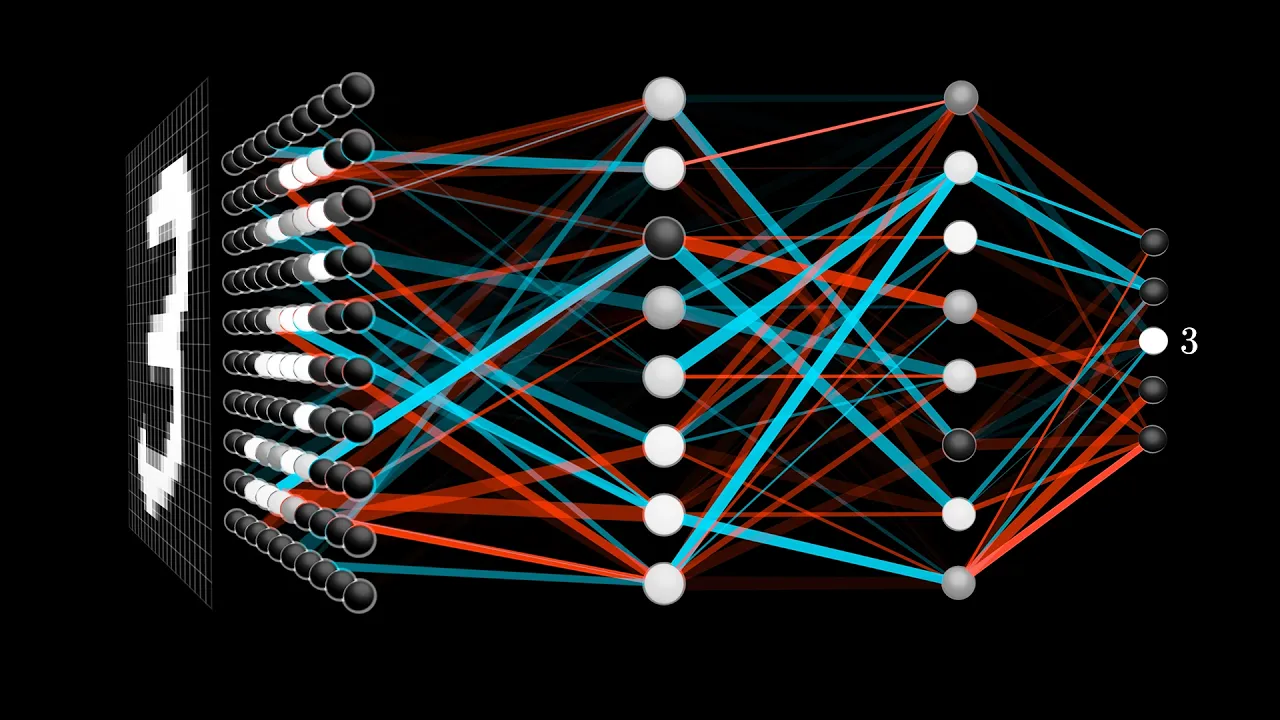
Neural Networks Explained: Math, Layers, and Learning Fundamentals
@3blue1brown
21.9M views•2017-10-05
Related Study Plans & Knowledge Roadmaps
Structured learning paths in Artificial Intelligence
artificial-intelligence
Aligning LLMs: DPO, TRL & Custom Datasets
01Foundations of Python & Machine Learning
02Transformers and Large Language Models (LLMs)
03Aligning LLMs: SFT and RLHF
+ 3 more learning modules
24h6 modules
Explore Roadmap
artificial-intelligence
Federated Learning: PyTorch, Flower & Privacy
01Python & Machine Learning Foundations
02Deep Learning Basics with PyTorch
03Introduction to Federated Learning
+ 2 more learning modules
35h5 modules
Explore Roadmap
artificial-intelligence
Securing LLMs: Guardrails AI & NeMo Gateway
01Introduction to LLMs, Python, and APIs
02Understanding LLM Vulnerabilities & Threats
03Defending LLMs with Guardrails AI
+ 2 more learning modules
15h5 modules
Explore Roadmap
artificial-intelligence
Building Recommenders: Two-Tower & Vector DBs
01Foundations of Python & Machine Learning Basics
02Introduction to Recommender Systems
03Deep Learning & Representation Learning
+ 3 more learning modules
75h6 modules
Explore Roadmap