











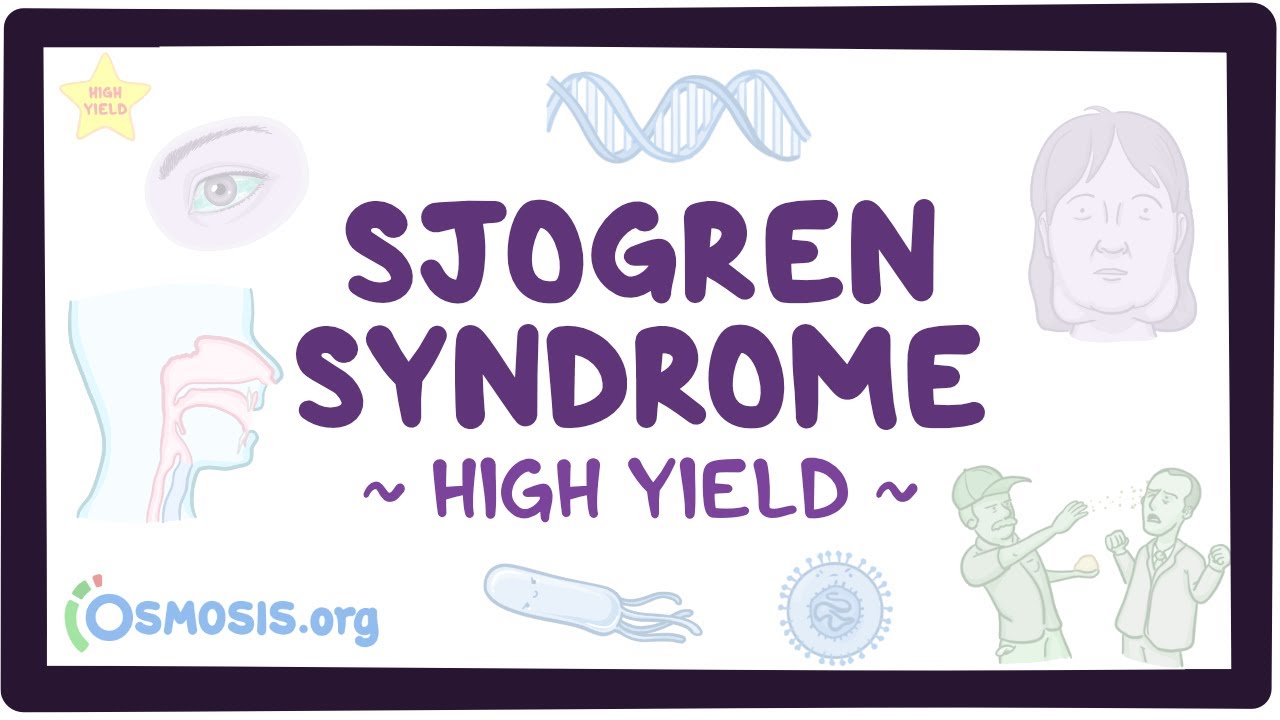



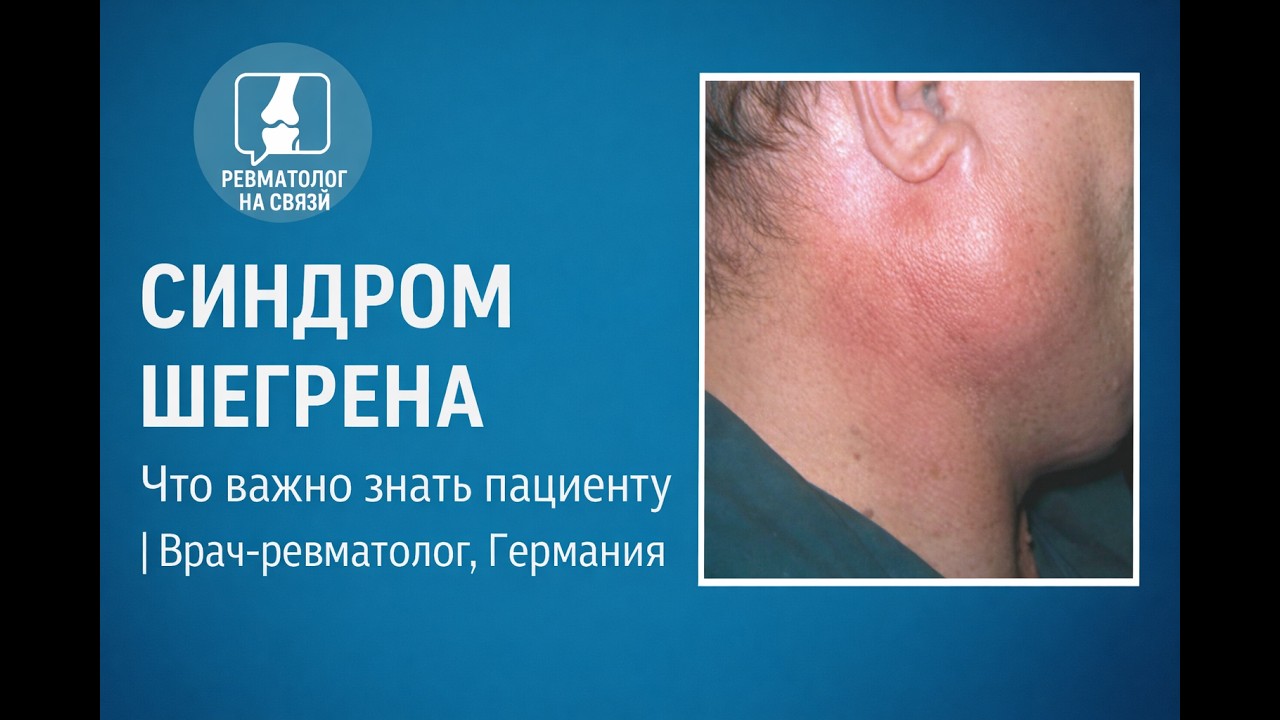



Sjögren's Syndrome is characterized by persistent, daily dryness of the eyes and mouth that significantly impairs daily functioning, requiring frequent artificial tears and water sipping; beyond these hallmark symptoms, patients commonly experience disabling joint pain, brain fog, and severe fatigue, while approximately 20% develop serious complications such as peripheral neuropathy affecting nerves in the skin and limbs, and 5-10% face an increased risk of lymphoma development.
Sjögren's Syndrome Symptoms: Dry Eyes, Mouth & More | Johns Hopkins
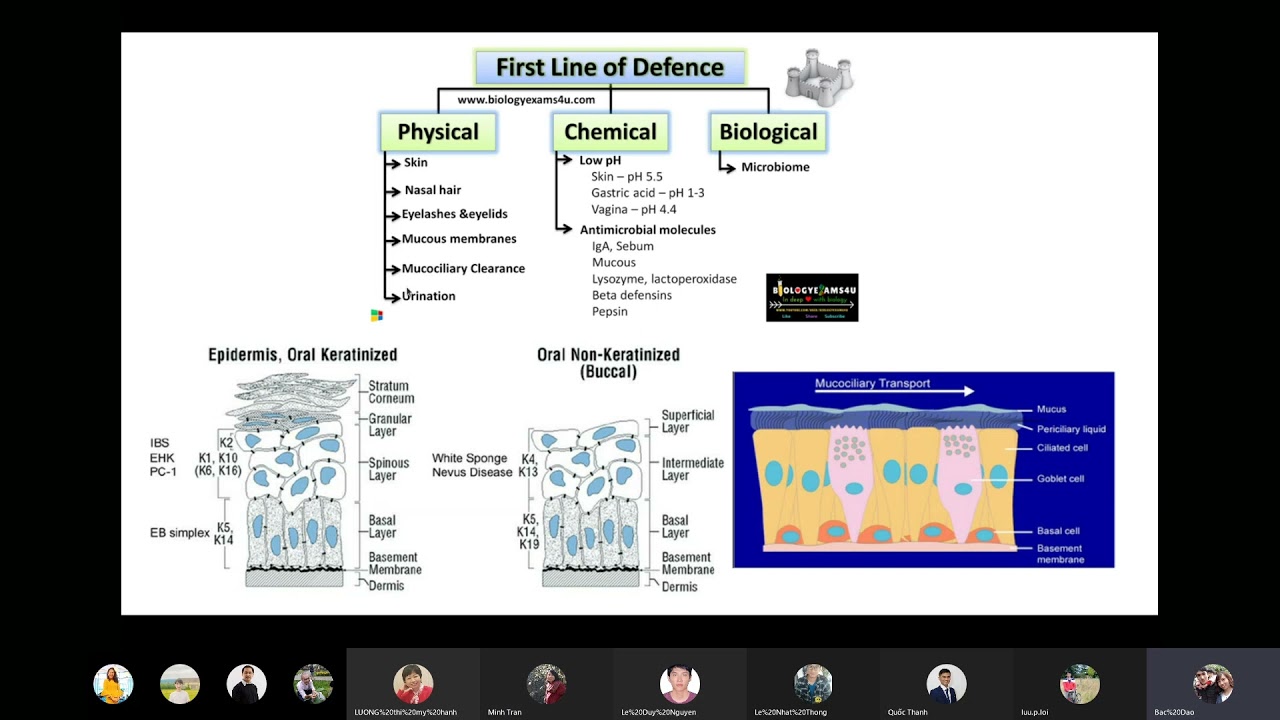
Added:Basic understanding of the human immune system and the general mechanism of autoimmune diseases, where the body's defense system mistakenly attacks its own healthy tissues.
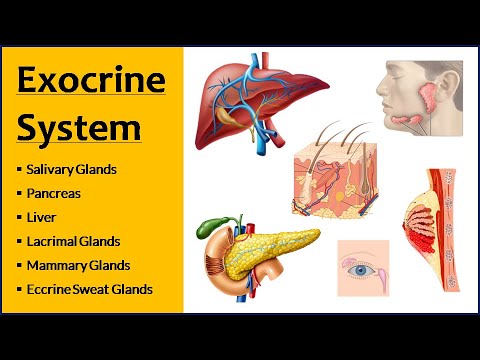
The anatomy and function of the exocrine system, particularly the lacrimal (tear-producing) and salivary glands, and their role in maintaining moisture.
The concept of systemic inflammation and how immune-mediated inflammation can manifest as widespread symptoms like fatigue and joint pain.
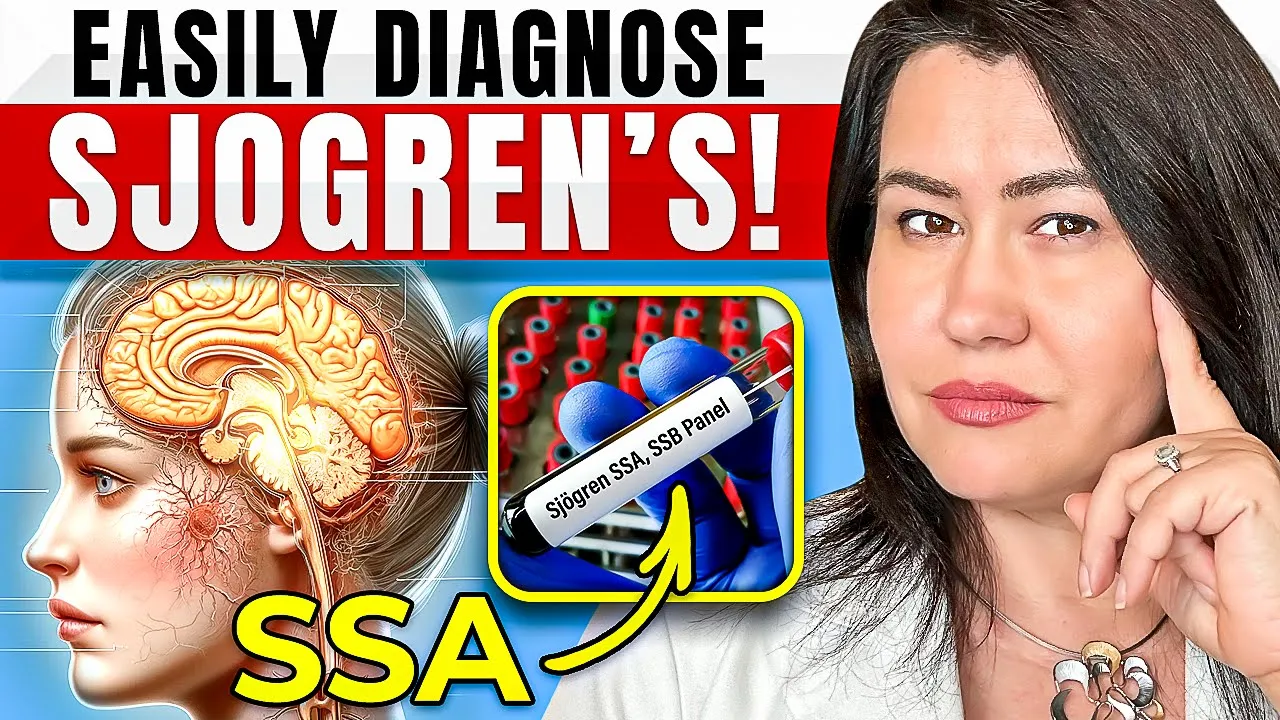
Diagnostic methods for Sjögren's syndrome, including blood tests for specific autoantibodies (Anti-SSA and Anti-SSB), Schirmer's test, and salivary gland biopsies.
The clinical distinction between Primary Sjögren's (occurring alone) and Secondary Sjögren's (occurring alongside other autoimmune diseases like Lupus or Rheumatoid Arthritis).
Current management and treatment strategies, ranging from symptomatic relief (artificial tears and saliva stimulants) to systemic immunosuppressive therapies.
Long-term monitoring and serious potential complications of Sjögren's syndrome, such as an elevated risk of developing non-Hodgkin lymphoma.
241.3K views2.1Klikes3:15Original Release: 2018-07-17
(light electronica music) - So the majority of patients with Sjogren's Syndrome have dryness of their eyes, dryness of their mouth.
Now that is a fairly common set of symptoms that patients who are perfectly healthy may experience from time to time.
But what's so different for patients with Sjogren's Syndrome is that these symptoms are there every day and they're quite disabling.
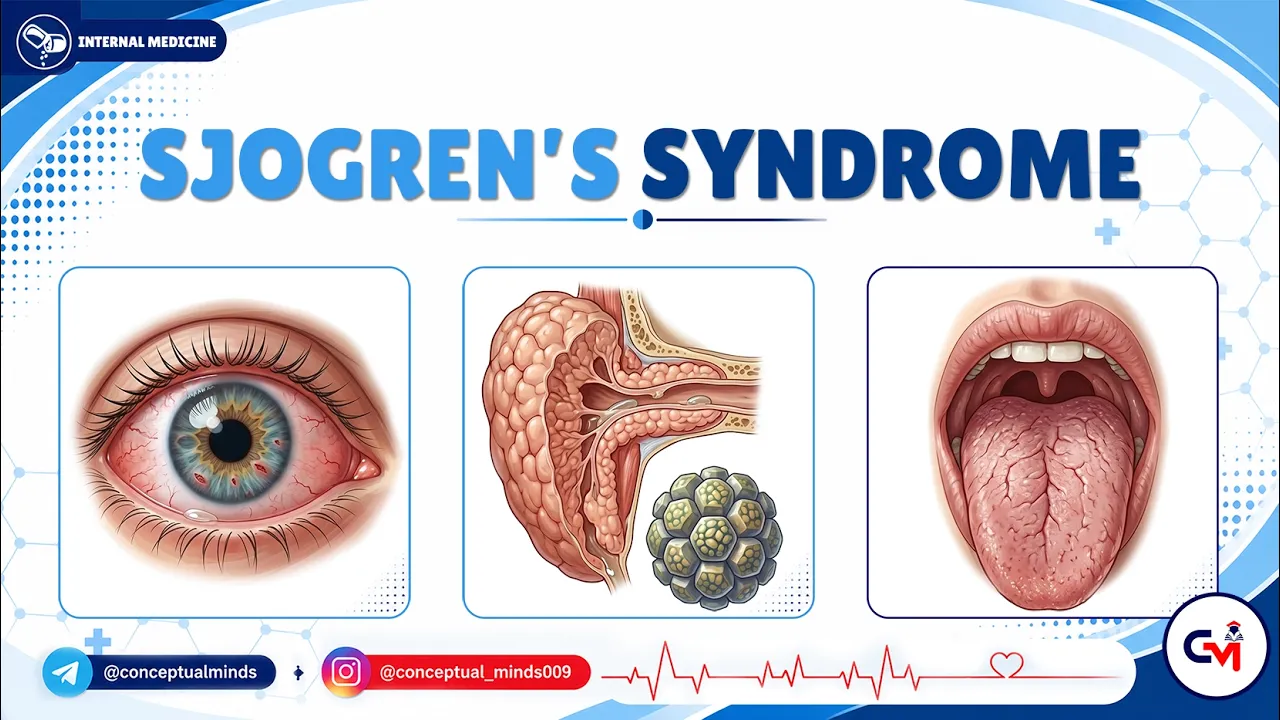
So the dryness of the eyes limits their ability to work at a computer, leads to a constant sensation of sand and grit in their eyes and it may blur their vision, so this kind of daily persistent dryness of the eyes is what's so characteristic.
And they have to use drops, artificial tears three or four times a day to gain relief.
And similarly for the dryness of the mouth, it's a daily persistent symptom that interferes with their ability to eat.
They often have to sip water to chew and swallow something dry.
They may get burning of their throat from the dryness.
They're very much at risk of developing dental carries, so it's a very different dryness than you and I experience when we're a bit nervous or have been working out all day and haven't had much water.
But this is a daily persistent symptom.
And not only the dryness, but patients of Sjogren's Syndrome have a lot of other symptoms which are very disturbing.
The majority of patients record that they have joint pain and stiffness, they have brain fog, they have this fatigue that's incapacitating.
These are things that they report and are very disabling in terms of their daily lives.
(light electronica music) Now in addition to the dryness of the eyes and mouth, Sjogren's Syndrome can affect other organ systems such as the kidneys, blood vessels, leading to something called vasculitis, the lungs, nervous system, leading to peripheral neuropathy.
And these are much more serious complications, unfortunately they arise in a very small minority of patients with Sjogren's Syndrome.
Probably no more than 20-percent will have this more serious internal organ involvement.
There's another complication which is more concerning, which is development of lymphoma.
Occurs in about five or 10-percent of patients with Sjogren's who are followed for a long period of time.
Fortunately, the lymphomas are most often a very indolent, low grade form, which sometimes actually does not require specific treatment, it can be watched over time without treatment, but that is something that we watch out for very carefully is the development of lymphoma in the patients who have Sjogren's Syndrome.
So about 20-percent of patients with Sjogren's Syndrome can develop what we call a peripheral neuropathy, which is injury to the nerve fibers that are present in the skin and in the limbs.
And this can lead to a variety of symptoms, but most commonly to a burning pain or numbness.
Less commonly to some motor weakness.
We recognize that this occurs as a complication of Sjogren's and may require specific treatment.
(light electronica music)
Up Next

13:26
Rheumatology Lab Tests Interpretation: A Guide for Physicians
@kcra9448
343 views•2015-11-29

48:47
Graphic Medicine: Comics for Collaborative Healthcare Communication
@nationalpatientadvocate
189 views•2023-12-04

10:28
Neuroanatomy: Central and Peripheral Nervous System Divisions Explained
@AKLECTURES
136.2K views•2014-09-20
3:05
Stages of Labor and Vaginal Birth | Childbirth Animation
@nucleusmedicalmedia
52.1M views•2017-08-18
Related Study Plans & Knowledge Roadmaps
Structured learning paths in Medicine
medicine
Abnormal LFTs: Diagnostic Workup & Pathology
01Liver Anatomy and Basic Physiology
02Introduction to Liver Function Tests (LFTs)
03Hepatocellular vs. Cholestatic Patterns
+ 3 more learning modules
12h6 modules
Explore Roadmap
medicine
Analyzing Blood Smears: RBC, WBC & Platelets
01Introduction to Blood Components & Smear Preparation
02Normal Morphology of Blood Cells
03Erythrocyte Pathologies & Morphological Variants
+ 2 more learning modules
12h5 modules
Explore Roadmap
medicine
Mechanical Ventilation: Waveforms & Alarms
01Anatomy and Physiology of Breathing
02Introduction to Mechanical Ventilation & Core Modes
03Ventilator Settings and Waveform Interpretation
+ 2 more learning modules
12h5 modules
Explore Roadmap
medicine
Neuro Exam: Localization & Stroke Syndromes
01Foundations of Neuroanatomy and Vascular Supply
02The Neurological Examination: Step-by-Step
03Principles of Neurological Localization
+ 3 more learning modules
18h6 modules
Explore Roadmap