


![🔵 [ATELIER] Fondamentaux de la publicité en ligne | LiveMentor](https://i.ytimg.com/vi/1paywEnFV88/maxresdefault.jpg)




![Complete Lead Generation Campaign in 1 Video [Step by Step]| FB Lead Generation | FB Ads Course |#52](https://i.ytimg.com/vi/HWlo8BHH054/maxresdefault.jpg)
![퍼널 분석, 이렇게 시작하자! - [ 데이터 분석, 이렇게 시작하자! ] 시리즈 첫 번째](https://i.ytimg.com/vi/kRPU70VG2GY/maxresdefault.jpg)



![How to A/B Test Landing Pages With Google Optimize [FULL TUTORIAL]](https://i.ytimg.com/vi_webp/FIt684oh3iI/maxresdefault.webp)




![FACEBOOK ADS PARA DELIVERY [Tráfego para Negócios Locais]](https://i.ytimg.com/vi/xBT5abh3VjY/maxresdefault.jpg)
A marketing funnel is a systematic framework that guides prospects through four stages—awareness, interest, consideration, and decision—where each stage requires specific content types tailored to the audience's needs and journey; successful funnels require understanding your customer's problems, mapping their purchase journey, creating purpose-driven content for each stage, and measuring success through appropriate metrics like webpage views, newsletter signups, resource downloads, and conversion rates, while avoiding common mistakes such as creating content without clear purpose, focusing only on awareness, neglecting to connect funnel stages, not measuring performance, and omitting clear calls to action.
Marketing Funnel Stages: A Practical Guide for Business Growth
Added:Basic understanding of buyer personas and the customer journey map.
Fundamentals of content marketing, including the difference between organic and paid traffic.
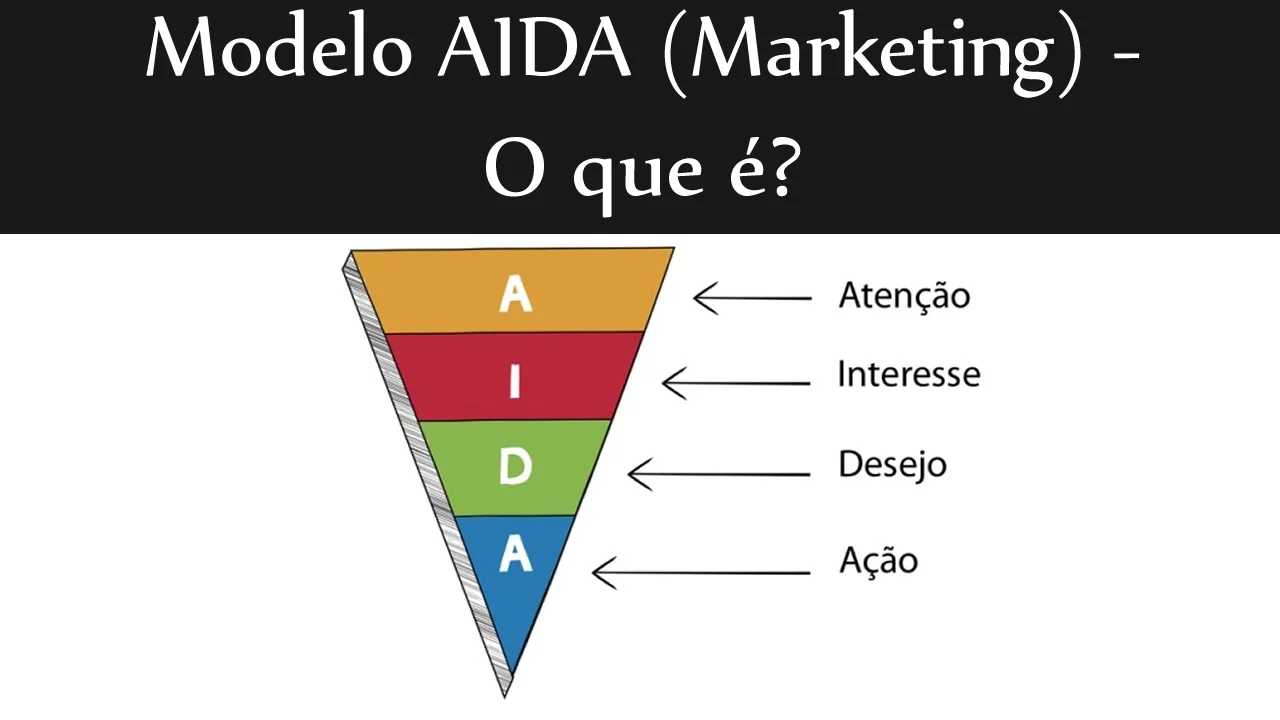
Introduction to the standard AIDA model (Attention, Interest, Desire, Action).
The concept of lead generation and how businesses capture prospect information.
Advanced funnel analytics: tracking conversion rates, Customer Acquisition Cost (CAC), and Customer Lifetime Value (CLV).
A/B testing methodologies to optimize landing pages, call-to-actions (CTAs), and email sequences.
Implementing marketing automation tools and Customer Relationship Management (CRM) systems to scale the funnel.
Integrating organic content funnels with paid retargeting and remarketing campaigns.
57.8K views1.9Klikes7:32Original Release: 2025-01-29
Here's a hard truth about marketing funnels. Most small businesses over complicate them. They try random tactics, lose money on ads, and end up with a scattered strategy instead of a system for acquiring customers. But after analyzing thousands of successful businesses, we found something interesting. The most profitable marketing funnels don't require a big ad budget or complicated system. So, in this tutorial, I'm going to show you step by step how to build a simple framework that turns strangers into customers, even if you're starting from scratch. We'll cover everything from understanding what a funnel really is, how to design one for your business, and measuring success at every stage. All right, let's start by going over what a marketing funnel actually is. Think of it like a real funnel. Wide at the top, narrow at the bottom. At the top, we have awareness. This is where a prospect first discovers your business, maybe through Google search, YouTube, or social media. They have a problem and they're looking for solutions. Moving down to interest. This is where casual browsers become engaged. You know, when you find a YouTube channel or newsletter you love and hit subscribe, that's the action we want people to take. Then we hit consideration. And ladies and gentlemen, this is where the magic happens. People aren't just consuming your content anymore. They become active buyers. They're comparing your product with alternatives. When finally, we've reached the decision stage. These aren't just readers or viewers anymore. They're qualified prospects ready to make a purchase. Now, here's what makes this framework so successful. At each of these stages, there's a specific type of content that works best. But one thing to keep in mind before you start designing your content funnel is to first understand exactly who you're trying to reach by identifying their main problems, understanding their search behavior, and then mapping their typical journey to purchase. Think about the questions they ask at each stage.
What information do they need before moving forward? You can use tools like RFS, Spark Toro, and Exploding Topics to discover exactly what your audience is searching for. This research phase reveals something crucial. Where does our ideal customer spend their time, and what are they looking for? For the sake of this tutorial, let's say the results tells our target customers spend their time on Google, Instagram, and YouTube.
And in a minute, I'll show you why this matters. But if you're already getting excited about creating your own marketing funnel, you'll definitely want to check out the ultimate marketing funnel audit checklist that we've created just for you. Think of this free resource as your step-by-step playbook for building a funnel that actually converts. Here's what's cool about this checklist. Inside, you'll find the exact metrics to track content strategies that convert and even competitor analysis frameworks that successful businesses are using right now. You can download this resource by using the link in the description below. So once you've done that, you can then confidently proceed with creating purpose-driven content which will convert the prospect into a customer. But what do I mean when I say purpose-driven content? Well, one of my favorite brands, Warby Parker, absolutely crushes their content marketing. Let me break down exactly what they're doing at each stage of their funnel to bring in new customers.
At the awareness stage, where your content should answer basic questions and introduce solutions, Warby Parker creates insightful blog posts about eye health and finding the best personalized glasses or sunglasses. These rank in Google search, bringing in people looking for the right eyeear solution and product advice. During the interest stage, where prospects become more engaged, this is where YouTube comes in.
They offer how-to guides, educational content, and videos that show their expertise or home tryon process. Now, here's where most businesses drop the ball, but Warby Parker does a fantastic job. During the consideration stage, when potential customers are actively making comparisons, they offer virtual tryon technology to preview frames on your face. Home tryon kits with five frames shipped to you for free. Detailed frame comparison guides showing face shapes and style recommendations and authentic customer reviews with photos showing how different frames look in real life. Notice how these features from Warby Parker are enticing enough for their target audience to provide their contact information. If you know another brand offering this level of appeal during their consideration stage, please let me know in the comment section. All right. So, when their target audience is ready to purchase at the decision stage, they offer a first-time buyer discount when you sign up for their email list, make prescription uploads and insurance submission straightforward, provide free shipping and returns, and offer a 30-day no questions asked return policy. Their website also streamlines the checkout process by saving your prescription information and allowing you to purchase directly after virtual or home tryons.
Pretty cool, right? Let me know what you guys think about Warby Parker's marketing funnel strategy. These strategies are great, but here's a million-dollar question. How do you know if your organic marketing funnel is actually working? Sticking with WBY Parker for our real life examples, let me show you exactly how to measure success at every stage. This is where that marketing funnel audit checklist that I mentioned earlier will play a huge role. At the awareness stage, you should be monitoring webpage views, search rankings, and social shares. At the entry stage, you should check the amount of return visitors, and newsletter signups. During the consideration stage, you should look at the number of resource downloads and email open rates. And for the decision stage, this is where you should track the conversion rate and purchase value.
If you're enjoying this video so far, please consider hitting that like button and ringing the bell so the algorithm shows it to more people. Now, let's get back to the video and talk about why organic content marketing funnels are so valuable. Unlike paid advertising, organic funnels build lasting relationships with your audience. First, they build trust through valuable content. When someone finds your helpful blog post or video tutorial, they're learning from you before you even ask for anything in return. Second, they attract people already interested in your solutions. These aren't random viewers. They're actively searching for answers to problems you can solve.
Third, they work 24/7 to nurture prospects. Your content keeps working for you long after you publish it, guiding you prospects to their shopping journey every single day. And finally, they're more cost effective long-term than paid advertising. Once you create great content, it continues driving results without ongoing ad spend. All right, so we've just gone over what to look for in a successful funnel and why they're a great investment if done right. But what about common mistakes you'll want to steer clear from? Here are the five biggest mistakes I've seen businesses make with their content marketing funnels. The first is creating content without a clear purpose. Every piece needs to guide people to the next stage. The second is focusing only on awareness content. You need content for every stage of the customer journey. The third mistake is neglecting to connect different funnel stages. Make it easy for people to move from one piece of the content to the next. The fourth is not measuring content performance. You need to know what's working and what isn't.
And the fifth mistake is forgetting to include clear next steps. Every piece of content should have a call to action.
And there you have it. Building an organic marketing funnel doesn't have to be complicated. It's about understanding your customer's journey and showing up with the right content at the right time. So here's what I want you to do after watching this video. First, map out exactly how your customers find and buy from you. Then, create content that helps them at each step of that journey, from their first question all the way to making a purchase. And finally, pick the channels where your audience actually hangs out to distribute that content.
And keep an eye on what's working. And to help you make sure your funnel actually works, make sure to download that comprehensive audit checklist with bring down exactly what to measure at each stage and the content strategies that are proven to convert. The key really is to just get started and adjust as you go. Trust me, your future self will thank you for building this foundation. Now, don't forget to like and subscribe for more marketing strategies, tips, and tools to help you grow your business. See you on the next one.
[Music]
Up Next

70:02
Copywriting Fundamentals: Email Marketing Structures & Strategies
@Tyson4D
198.8K views•2023-07-27
46:36
Retention Habits of Top DTC Ecommerce Brands Revealed
@SendItPodcast
44K views•2026-03-03
16:17
Social Media Crisis Management Plan: How to Prepare
@HubSpotMarketing
17.9K views•2020-03-24

17:30
The Planned Obsolescence of Light Bulbs and Tech
@veritasium
25.3M views•2021-03-26
Related Study Plans & Knowledge Roadmaps
Structured learning paths in Business
business
Pop-Up Retail: Strategy, Design & Execution
01Introduction to Pop-Up Retail & Strategic Goal Setting
02Budgeting, Site Selection, and Legal Essentials
03Experiential Retail Design & Visual Merchandising
+ 2 more learning modules
15h5 modules
Explore Roadmap
business
Reg CF: Startup Funding, Marketing & Launch
01Introduction to Equity Crowdfunding & Reg CF
02Platform Selection & Legal Preparation
03Crafting High-Converting Campaign Assets
+ 2 more learning modules
14h5 modules
Explore Roadmap
business
Productized Services: Scaling Solo Freelance
01Foundations of Productized Services
02Packaging and Scope Definition
03Pricing and Subscription Models
+ 2 more learning modules
15h5 modules
Explore Roadmap
business
Gov Procurement: Find, Bid & Win Contracts
01Introduction to Government Procurement & Business Setup
02Small Business Certifications & Set-Asides
03Finding and Analyzing Contract Opportunities
+ 2 more learning modules
14h5 modules
Explore Roadmap