















![Real Property: Landlord-Tenant Law (The Leasehold Estate) [LEAP Preview]](https://i.ytimg.com/vi_webp/o6hIcgfzgQQ/maxresdefault.webp)





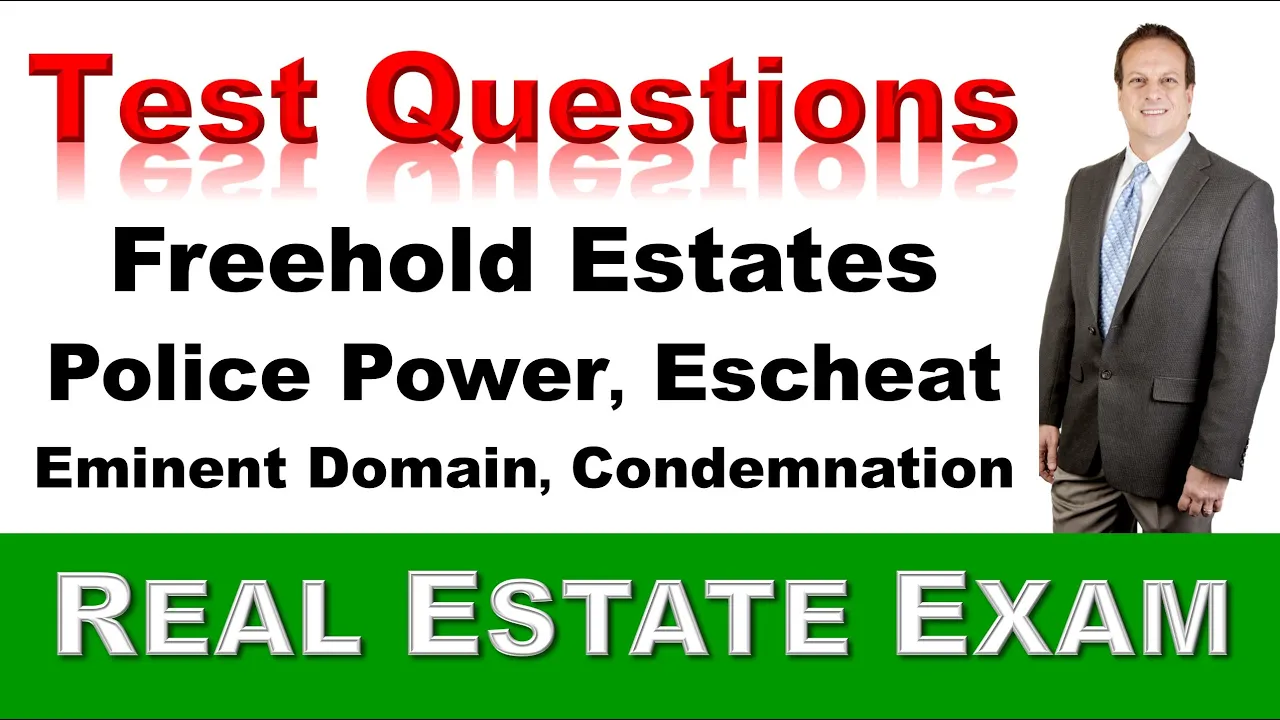
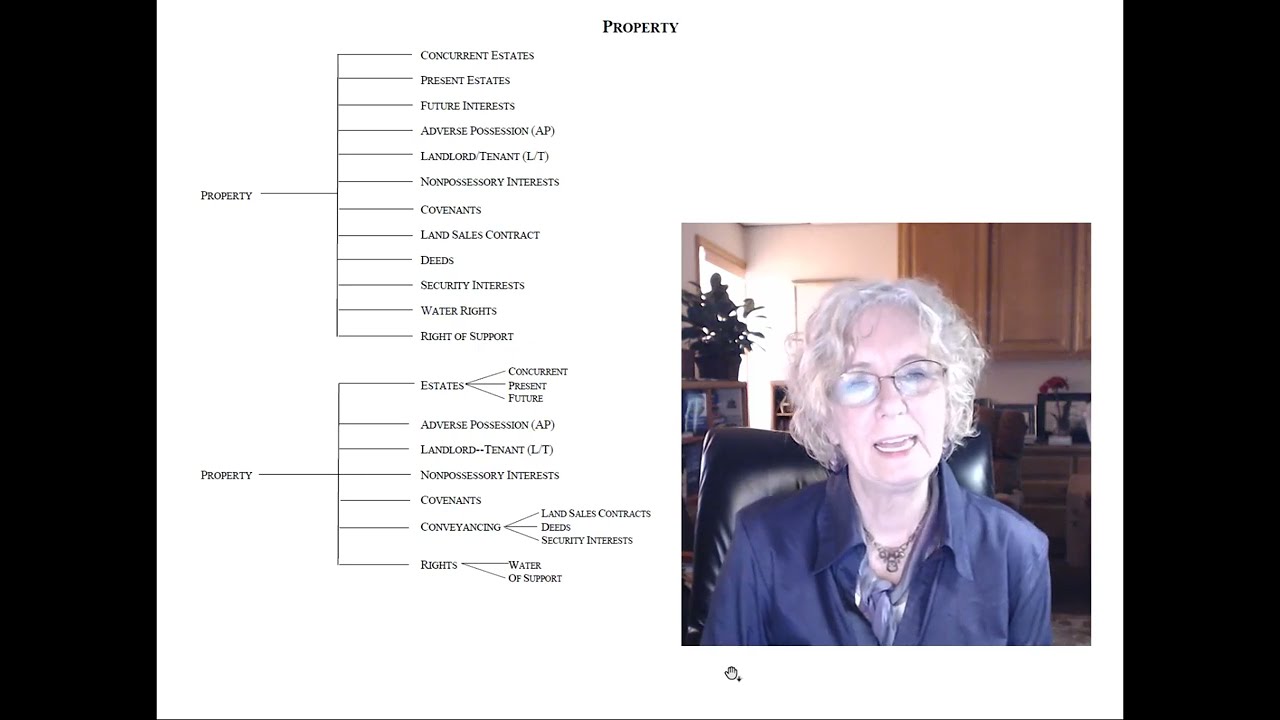
In real estate, an estate represents the degree, nature, and extent of ownership rights in property. Freehold estates involve actual ownership and include fee simple (with five bundle of rights: possession, control, exclusion, enjoyment, and disposition) and life estates (ownership for a specific lifetime). Fee simple can be held in severalty (single owner), tenancy in common (undivided interests with transferable shares), joint tenancy with right of survivorship (four unities: possession, interest, time, title), or tenancy by the entireties (married couples only, with automatic survivorship). Leasehold estates grant only possession rights without ownership and include tenancy at will (no fixed term), tenancy for years (fixed written term), and tenancy at sufferance (holdover after lease expiration).
Freehold vs Leasehold Estates Explained for Real Estate Exam
Added:free hold or lease hold it's The Showdown you've been waiting for there's no need to worry though because we've got it all broken down for you right here in this super simple chart that'll have you crushing those exam questions like a rockar let's conquer them together and level up your game let's roll in order to know the difference between a freeold estate and a lease hold estate we first have to understand what an estate even is an estate is the degree nature and extent of ownership rights in Real Property the extent or type of estate held is determined by the specific portion of the bundle of Rights possessed by the individual ownership of real property can be either undivided or divided into different types of smaller Estates we'll discuss that a little later in the video for now let's move on and meet the main players of these Estates the tenants while we often associate the term tenant with rentals in legal terms a tenant describes anyone holding rights in property whether you're the property owner or a renter in possession of another person's property both fall Under the Umbrella of being a tenant even though there are clear distinctions in the rights of owners and renters both individuals possess an estate characterized by the duration and quality of those rights whether you own or rent a property in the world of real estate you assume the role of a tenant with inherent rights and as we know the rights of an owner and a renter are as different as night and day now that we know what an estate is and who the key players or tenants are let's dive in on the differences between Freehold Estates versus non-freehold or least hold Estates let's begin with Freehold Estates the main thing I want you to remember about freeold Estates is that it refers to ownership and there are two main types fee simple and life estate every individual or tenant who possesses real property holds a freehold estate these Estates characterized by ownership do not have a specified time frame for the expiration of Rights and are the most desirable and most common type let's dive into the first main type of Freehold estate fee simple ownership in a fee simple estate often referred to as fee Fe simple or fee simple absolute the owner enjoys a comprehensive bundle of rights which is the set of legal rights associated with the ownership of real property the bundle is made up of five different rights the right of possession the right of control the right of exclusion the right of enjoyment and the right of disposition this type of estate known for its Simplicity and all-encompassing nature stands out as the most desirable and prevalent form of land ownership there are four distinct ways in which a fee simple estate can be held in severalty in common jointly and by the entireties let's break these down an estate in severalty means there is only one owner of the entire bundle of of Rights and that owner can deed will lease gift sell or do whatever they choose with that property as long as it falls within the established easements and zoning laws the way I remember this term for my exam was that the word severalty has the word sever in it so I thought of it as severed or cut off everyone from the property so a tendency and severalty it's just one person doing all the work on that particular property with no co-ownership now that we've discuss the only fee simple freeold estate that's owned by one person let's move on to the freeold fee simple Estates that provide for co-ownership first up on the list we've got tendency in common which is also known as estate in common this represents a fee estate held by two or more individuals where each participant holds an undivided interest in the entire property an undivided interest just means that two or more people have an interest in a property that's held under the same title the undivided interest encompasses the whole property and its holders have equal rights to the entire property therefore the undivided interest is not separated into parts or shares the creation of a tency and common ownership can occur through the use of similar or different Deeds at the same or different times and with ownership shares being equal or unequal despite these variations all owners enjoy equal rights of use and possession okay but what about if they want out of that and want to sell their their portion of ownership owners in a tency in common have the freedom to sell or transfer their interests without seeking consent from the other co-owners and such actions do not infringe upon the rights of the other owners so if one of the owners in a tency in common passes away without a valid will or what we call intested their interest in that property will still transfer to that particular owner's airs after possibly passing through the probate courts next up we've got joint tency with the right of survivorship in this Arrangement you and your co-owner or co-owners share the property equally and if tragedy strikes and one owner passes away their share seamlessly passes on to the surviving owner or owners no drama no legal battles tied up in probe courts it's just a smooth transition it's important to note that the manner of ownership in a joint tency determines the transfer of ownership if you're a joint tenant you can totally sell your ownership chunk while you're still alive but then the new owner will turn into a tenant in common because the four Unity of possession interest time and title were not created at the same time for a joint tency let's review the four unities that must be created at the same time to form a joint tency with right of survivorship number one Unity of possession this is where each co-owner has an equal right to possess the entire property number two Unity of Interest all co-owners will hold an equal share or interest in the property number three Unity of time this means the co-owners must acquire the property at the same time and number four Unity of title this just means that the co-owners must acquire the property through the same deed or will in Florida and some other states to make this joint tency packed official you have to clearly spell out the right of survivorship in the property deed if you forget to include this Clause the property doesn't go into chaos mode instead it'll just default to a regular tency and common setup where each owner's share doesn't automatically transfer to the others if they decide to exit the real estate deal so as you can see creating a joint tency makes it impossible to include your interest in that property in a will as you can only sell your interest in the property while you're still alive and once you pass on your interest in that property just passes on to the surviving coowner or co-owners okay let's move on to the last freeold fee simple estate that allows for co-ownership tency by the entireties tency by the entireties is an exclusive inclusive property Arrangement designed solely for a married couple within this estate the marriage itself is recognized as the technical owner of the property and both spouses enjoy equal ownership plus a right of survivorship if one spouse passes away the surviving spouse automatically inherits the property in fee simple as an individual estate or what we already learned is called in severalty due to the distinctive character of this setup any individual actions by one spouse that affect ownership must receive explicit consent from the other and unilateral decisions are not permitted this includes restrictions on incurring debts placing mortgages selling individual interests outside the marriage or making unilateral decisions in a will these precautions are in place to safeguard the marital unit from any inappropriate actions that might adversely affect either Party tency by the entities is established automatically in certain States when a married couple jointly purchases property provided both names are on the deed and no alternative ownership for form is specified unless determined otherwise by a court however in the unfortunate event of a divorce the property ownership transfers into a tency in common it's worth noting that tency by the entireties is not recognized in every state it's only recognized in 25 US states plus the District of Colombia here is a list of the 25 states that recognized tenancy by the entireties now that we've covered the fee simple forms of ownership let's move on to the second type of Freehold ownership the life estate a life estate is a type of Freehold estate when a fee simple estate owner transfers ownership to another individual but only for the duration of that recipient's lifetime the individual receiving this limmit Lim mited ownership is referred to as the life tenant throughout the life tenants existence they enjoy full rights to the property allowing them to lease mortgage or even sell the property it's crucial though that the life tenant does not transfer more rights than they possess and must maintain the property for the eventual recipient upon their death as the life tenant loses control of the property upon death any leasing mortgaging or selling activities will stop this ensures that the rights associated with the property termination are aligned with the conclusion of the life tenants LIF span the deed creating a life estate must include Provisions for the transfer of ownership upon the life tenants death the individual establishing the life estate known as The Grand Mentor May opt to reclaim property ownership either for themselves or their heirs this right to regain ownership is termed a reversion estate alternatively the grantor may prefer the property to pass on to another person or entity as designated in the original deed when someone other than the initial owner is set to inherit it is referred to as a remainder estate the distinction between a reversion estate and a remainder estate lies in determining who will ultimately receive ownership for example if the property owner Amanda grants a life estate to her son Brian in the deed Amanda must stipulate that if Brian passes away the property ownership reverts back to her in this case Amanda will hold a reversion estate think of it as being reversed back to the gror now suppose David conveys a property to Emma for her lifetime and designates that upon Emma's death the property will transfer to his grandchildren in this scenario the grandchildren hold a remainder estate that completes the Freehold section of the chart but hold on because we're going to venture into the three non-freehold Estates next the leas hold territory here tenants aren't rulers they're more like temporary VIPs with the right to use and possess a non-freehold or leasehold estate means that the tenant does not hold ownership interest in the property but holds only the right of possession and use there are three categories of non-freehold Estates tency at will tency for years and tency at sufferance let's begin with tency at will this type involves the tenant being in lawful possession without a definite time limit for termination whether oral or written it's known as a periodt period tency keep it in mind all oral leases fall under tencies at will termination can occur through the sale of the property the death of either party or at the discretion of either the landlord or tenant by providing appropriate legal notice a tendency for years is a non-freehold estate where the tenant lawfully possesses the property under an agreement with the landlord specifying a definite period this type of tendency requires a clear beginning and ending date both explicitly stated additionally a tendency for years must be in writing bearing the signature of the landlord and witnessed by two individuals termination of a tency for years can happen through mutual agreement expiration of the agreed on lease period or a breach of contract potentially leading to legal action while the tenant is in possession of the property the landlord holds an estate in reversion a tency at sufferance is a non-freehold estate that emerges when a tenant occupies a landlord's real estate without any formal agreement often occurring when a tenant holds over post lease expiration it can be terminated by either the landlord or tenant without notice in such cases the tenant is obligated to pay the landlord fair market rent for the duration of their occupancy imagine it as like a guest that has overstayed their welcome all right so now that we've covered the difference between a freeold estate and a lease hold estate I hope this video helped you understand and organize these Concepts a little more so that you could study them further for your exam if you found this video informative and helpful kindly hit that like button subscribe and share the knowledge until our next session keep those real estate aspirations thriving I'm Maggie Neo with just call Maggie thank you so much for joining us today [Music]
Up Next

Neighbor's Teen Son Breaks In: Court Ruling & Accountability
@JudgeFaith
232.2K views•2025-07-19

US Secondary Sanctions Impact on EU Businesses and Blocking Legislation
@Bureauvandijk
1.6K views•2019-03-20

Forensic Phonetics: Speaker Identification in Legal Cases
@nptel-nociitm9240
539 views•2025-03-19

Police Interrogation Tactics: False Confessions & Legal Reform
@LastWeekTonight
7M views•2022-04-18
Related Study Plans & Knowledge Roadmaps
Structured learning paths in Law