




![Ownership and Property Rights [No. 86 LECTURE]](https://i.ytimg.com/vi/Nq5lpNqOEVs/maxresdefault.jpg)

















In legal disputes, parties must provide concrete evidence to support their claims, and courts hold individuals accountable for their actions regardless of their age or relationship to the victim. The burden of proof rests on the party making the claim, and without proper documentation or evidence, claims cannot be substantiated.
Neighbor's Teen Son Breaks In: Court Ruling & Accountability
Added:Introduction to Tort Law: Understanding the core difference between civil lawsuits (seeking damages) and criminal prosecution.
The Principle of Parental Liability: Legal concepts governing when, and to what extent, parents can be held financially or legally responsible for the actions of their minor children.
Basic Property Rights and Trespass: Understanding the legal definitions of trespass, unlawful entry, and the rights of property owners.
Standards of Proof: Distinguishing between the 'preponderance of evidence' required in civil court versus 'beyond a reasonable doubt' in criminal cases.
Negligent Supervision: Analyzing the specific legal elements required to prove a parent or guardian failed to exercise reasonable control over a minor.
Insurance Law and Intentional Torts: Exploring how homeowners insurance policies handle liability claims and exclusions involving criminal acts or intentional property damage.
Juvenile Justice and Civil Remedies: Examining statutory limits on parental liability damages across different jurisdictions.
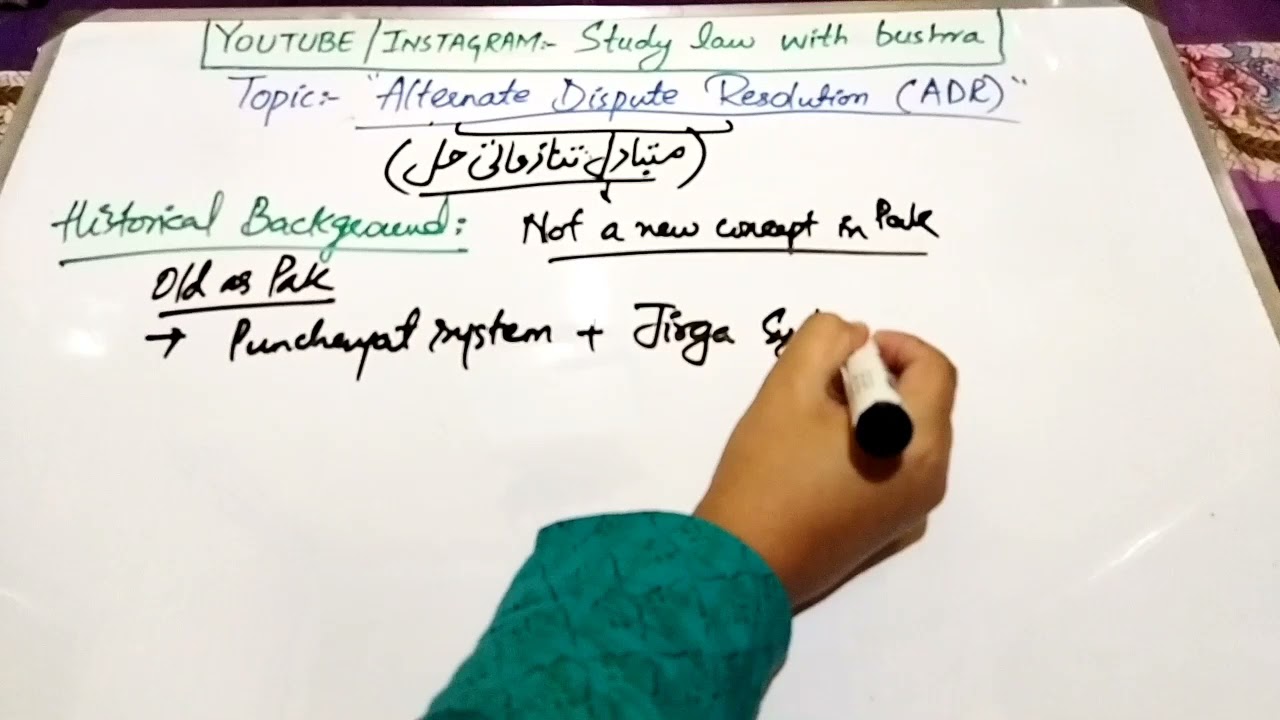
Alternative Dispute Resolution (ADR) in Neighborhood Conflicts: Studying mediation and arbitration as alternatives to courtroom litigation for property disputes.
232.2K views1.8Klikes1:16:00Original Release: 2025-07-19
[Music] [Music] It's time for accountability when a teenage boy breaks into this woman's home.
>> He says, "I'm going to confess. My brother and his friends broke into your house last night." I said, "I know. I'm going to talk to your dad right now, though."
>> I offered her money like several times.
I offer her money.
>> That's not true.
>> I offered her I offered you money two times in my li in my driveway. You told me not to give you any money.
>> You're lucky that she didn't press charges and that he's not in juvenile jail right now.
>> Pliff Erica Baker is suing her neighbor for the value of items she says his son stole from her home during a break-in.
She is accompanied by her daughter Courtney, but defendant Joe Nunley says he offered the plaintiff money and she refused to accept it.
Remain seated and come to order. Court is now in session. The honorable judge Faith Jenkins presiding.
[Music] Your honor, this case is Baker versus Nelly.
>> Thank you, Barbara.
Erica Baker.
>> Yes.
>> You are suing the defendant Joe Nunley for $600 for the amount you say his son stole from you during a home invasion robbery.
>> Yes.
>> Okay. And you also have your daughter Courtney with you here today?
>> Yes, your honor.
>> All right. So, tell me what happened.
>> On May 24th, 2014, um my home was broken into earlier in the evening. My husband and I had been out to celebrate his birthday. Our children were at a relative's house. Um, when we got home, it was about 1:30 in the morning.
>> We noticed these sofa cushions were standing up on the sofa, but didn't it didn't arise any initial suspicion. We go upstairs and there's a chest in our bedroom that the TV sits on top of. The contents of the chest were all over the bed, all over the floor. M >> um there was a um jewelry box that was open on the bed and just all kinds of stuff.
>> So that's when you knew someone had been in your home.
>> Someone had been in my home. So initially I'm scared to death because >> that has to be pretty unsettling.
>> I have no idea if the person is still there, >> right?
>> So we run downstairs to see where the point of entry could have been and the dining room window was uh broken into glass everywhere. It was standing wide open. So, um, I call the police. My husband is looking around the house to see if there's, um, anyone still there because we have no idea, right?
>> Please come. We, um, file a report with him that we've had a breakin.
>> Now, were your kids, they were still out.
>> My kids were at a relative's house. They were going to be there for the entire day.
>> And how many kids do you have?
>> Two.
>> Two. Okay.
>> So, the next day, Courtney is outside with um Joe has an 11-year-old son. He's outside and a 16-year-old. And both kids were back over the next day and playing.
At some point, the 16-year-old leaves and the >> And you have a conversation, Courtney, with the 11-year-old defendant's son.
Did you know the defendant? Is he a neighbor that you know?
>> He is a neighbor, but we did. Well, she knows the kids. I didn't know Mr. Nunley before um this incident.
>> Okay. So, Courtney, the next day, you have a conversation with the defendant's son. What happens? What does he tell you >> with the 11-year-old? He came outside asking questions about the break-in. He was asking, we have a shed in our backyard with a lot of stuff. And he asked about some dirt bikes that were inside. He asked about uh a cracked phone, my old phone that I haven't used in a long time. He wouldn't have known about that, but he asked about that cell phone.
>> What he what did he say about it?
>> He said, "I thought your phone was cracked, but that was my S3. I have a S4 right now. I >> So, he just knew things about the burglary that you found to be suspicious.
>> Yeah.
>> Okay. And what what happens after that?
>> As he's asking questions, he said, "Why why were your lights on upstairs last night?" I was like, "How'd you know my lights were on?" He said, "Well, I saw them." I said, "You can't see the lights from your house." And he said, "Well, I went down there last night when I heard the window break." And then I was like, "Okay, whatever."
>> You said he went down to your house when he heard the window break.
>> Yes. Okay. I was walking with my friend that was there while he was talking. I was walking with my friend and I was like, "That sounded really suspicious.
That couldn't have possibly all happened." So then my friend was like, "Well, yeah, the 16-year-old asked me the night before if my father was going to be home because they all knew that me and my brother weren't going to be at home." Well, he was like, "Well, I guess that means Mr. Baker isn't going to be home." And I and then Yeah. And the 16-year-old is the 11-year-old's brother. Yes.
>> Okay. So, then you call your mom and you tell her about this conversation. You say, "Something's up with these kids.
They know something about our house being broken into." What was taken from your home?
>> A couple of laptop computers, >> missing um pair uh Beats by Dre headphones, um many electronic items, couple of iPods, and missing like four cell phones from where we've upgraded from one phone to another. Um, so a lot of electronic items, stuff that they could, I guess, easily carry out of the house.
>> Okay. Do you have the police report?
>> I do have May I see it?
>> When did you have a conversation with the defendant about his sons and when did you find out that they were actually involved?
>> Um, when Courtney called me and said that she'd had a suspicious conversation with the 11-year-old, I came outside to talk to him. I asked him point blank, "Did your brother break into my home last night?" He said, "No, they were planning to, but he didn't do it." I said, "Okay." So, at that point, when he made that statement, I started in the direction of Mr. Nunley's residence to go talk to him.
>> So, as I'm walking, the 11-year-old is walking with me. He's telling me different things. He says, "Um, all of your your lights were on last night." I said, "How do you know that?" And he says, "Oh, um, when I was in my house, I heard the glass break. So, I ran over to your house to see what happened." I said, "You're standing in your house and you hear glass break." And so he says, "Oh, yeah, yeah, yeah." I said, "How old are you?" And he said he was about 11. I said, "Um, so you leave your house." I said, "What time was it? 11 12:00 at night?" And he agreed that it was I found out later it was around 10:00 10:30. I said, "Who was who were you with?" I said, "Where were your parents?" He said, "They were out." I said, "Well, who was watching you?" He said, "His 16-year-old brother." I said, "And where was he?" He said, "In the bathroom." I said, 'Okay.' So, I'm still walking. He's still running beside me.
By the time I get to his doorstep, he breaks down. He says, "Miss Baker, I'm just going to be honest with you." He says, "I'm going to confess. My brother and his friends broke into your house last night." I said, "I know. I'm going to talk to your dad right now, though."
So, I ring the doorbell. Mr. Nunley comes out. At that point, his son runs in the house. Um, I'm standing there and I'm talking to him and I'm telling him what took place last night. The 11-year-old runs back out of the house with my daughter's headphones in his hand.
>> The Beats by Dread headphones.
>> The Beats by Dre. But there were two pair missing. One of my daughters, one of my husbands. I got my daughter's back.
>> Okay. So, at this point, you know that they have property from from your home.
>> Um, so I'm standing there and Mr. Nunley's demeanor sort of changed like, "Oh my god, I can't believe he would do that.
Why would he do that? I just bought him a pair of headphones." He said, "I just got him a pair of red ones."
>> Coming up on Judge Faith. He said he'd pay to make her go away.
>> I was only giving her money to just to try to make it go away because you don't think you don't think he participated in the burglary. I mean, you should be glad she's not going to the police.
I believe she's coming to you as a parent because she doesn't want him to get arrested and have a record at 16 years old for a violent felony.
>> Pliff Erica Baker is suing her neighbor for the value of items stolen from her home.
Defendant Joe Nunley says he offered the plainif money and she refused to accept it.
>> What's going on, Mr. Nunley?
>> Um, like she said, she came to the house and um my son went in the house and got the um the earphones or whatever. So, when I talked to my 16-year-old, he admitted that they had uh planned on trying to break in, but he said he chickenened out at the last minute. He didn't go inside of the house.
>> Mhm.
>> And the property that he had uh the other young men when they came out, they couldn't I guess they couldn't take it home cuz their parents was at home. So, he kept the merchandise. And when she told me about it, I I um like she said, my 11-year-old went in the house and got it. And when he brought it back, >> 16-year-old went to the pliff's home.
>> Yes.
>> According to you, he stood outside. Yes.
while his friends broke the window in her home, went inside, stole property, come back out and give property to your 16-year-old that he knows is stolen property. Just so you know, under the law for burglary and robbery, he's as much a part of that burglary as the other individuals who went inside of her home. Has he been in trouble before?
>> Uh, he got in a fight in school.
>> Was he suspended?
>> No. Where is he now? Where is he today?
Why isn't he here?
>> He's at school.
>> You don't think it was important enough for him to come to court today?
>> Um, no, not really. I didn't just want him exposed to that because like I said, he didn't go in.
>> So, you went to the parents of these various >> What happened is that she gave us a list of stuff that was missing and everything that was on the list was returned. You know what I mean? Including the money.
Everything that was on the list was return.
>> How do you How do you know that?
>> Cuz she gave me a list and everything on the list was returned.
>> You have a copy of the list. I have a list of the things that are missing. The things that are returned. The things that are returned is a very short list from what's still missing. So, if you'd like to see a copy of that.
>> Yes, I would. So, how many teenagers do we know of that were involved in this?
>> There were three teenagers involved altogether.
>> How did you find out about the other two young men involved? And did you have conversations with their parents as well?
>> When Mr. Nunley's 16-year-old son got home, Mr. and unly um confronted him in the front yard of his home. Um so they're on the front lawn. He's confronting him. He told his father who the other two boys were that were involved. Mr. Nunley said that he knew who they were because he taken them home the night before. I found out later that the boys had stashed merchandise around the side of my house and two of the boys came back the next day. Possibly they were gathering items then. So you found out you find out that these three kids around 16 years old broke broke into your home and you go to all of their parents and ask them did you call the police and tell the police that you had discovered who broken into your home?
>> No. At the point I found out who it was because we knew the boys. We did not initially contact the police again.
>> Why?
>> Well, I wanted to talk to the parents. I wanted to get just get my items back. Um the emotions were running very high. was scared. I was very upset that someone I knew could violate me in this way, someone I thought I was friends with.
So, Mr. Nunley took us took me and my husband around to the other two parents' houses. We confronted their parents and um everyone agreed, I guess, to try to get the merchandise back. And this was the very next day, so I had high hopes.
I got a couple things back. Mr. Nunley brought me back my uh laptop computer.
He said it was stashed under his son's mattress and his wife was standing outside talking to me the entire time he's inside flipping his son's room that she'd been broken in on and how it made her feel and that his 16-year-old knew that and for him to violate someone in this manner was unacceptable.
>> Next on Judge Faith.
>> You have not offered to give me any money. You the day I >> offered to give you money twice.
>> Why would I turn your money down? I did not press charges.
>> Why you told them to turn them away? Are you kidding? You just said you turn did not press charges against the boys because I did not want them in the system.
>> Pliff Erica Baker is suing her neighbor for the value of items stolen from her home.
Defendant Joe Nunley says his son didn't participate in the breakin.
>> So, what did you decide about the items that you did not get back? You made a list. You came up with a certain price.
>> Correct. right that you wanted the boys or their parents to pay >> in order and I offered her money. I offered her money like several times I offered her money. It's not like that's not true.
>> I offered her I offered you money two times in my living in my driveway. You told me not to give you any money.
>> So what happened >> Mr. Nelly when I see him pats his pockets. I haven't seen any money yet.
He pats his pockets every time I see him as if he's going to give me money. I did tell him not to give me money on one occasion.
>> Twice she told me go I was going to give him money.
>> Why' you do that? June 24th was 30 days after the incident. All the families were supposed to have made payment by that date.
>> What payment were you asking for?
>> The entire amount.
>> What's the entire amount?
>> $600.
>> $600 each.
>> No, $600 each. Yes. $1,800 for me to replace the items that I did not get back. Um, >> and I didn't sign it.
>> You did not sign the agreement.
>> You wanted him to sign some kind of agreement saying what?
>> With the paperwork that I just gave you that has the items listed on there. Um there's a place up above for each parent to sign their write their son's name sign at the bottom and have their son sign. Um and that is to say this did happen and we do agree to pay you and it says in >> that's why I didn't sign it cuz I didn't agree that he did it. I only agreed to pay you because I understood your pain.
I wanted it to go away.
>> But you didn't pay me Joe because you never gave you a You didn't agree. You didn't agree to what? For him to sign saying that he burglarized.
>> No, I didn't. Yeah. that that he burglarized the home and I was take I was only giving her money to just to try to make it go away because you don't think he participated in the burglary. I mean, you should be glad she's not going to the police. You went into the house.
I believe she's coming to you as a parent because she doesn't want him to get arrested and have a record at 16 years old for a violent felony. Because when you break into someone's home at 16 years old, that is a violent felony.
>> I understand that. But I >> you can get up to 15 years in prison and she's coming to you as a parent because she doesn't want to go to the police to have your son arrested.
>> Correct. I >> you got a problem, sir. See, let me explain something about the law to you.
It does not matter that your son, if if he didn't go into the home, I think they all went in, but it doesn't matter that he didn't go into the home. He is still just as responsible for that burglary.
Because you know what they're going to say? He was the lookout. He was standing outside. He was the one making sure that they weren't coming back home while while his friends are inside taking her property. At 16 years old, >> all of her stuff back.
>> You're focused on the wrong thing, sir.
You need to be focused. First of all, $600. Pay the $600, but then you need to turn around and focus on your son and while he's and why he's breaking into someone's home.
>> That's what that's what I'm trying to figure out right now.
>> Because right now, because it sounds like you're trying to minimize his role there. There's no minimization here. The only thing you should be standing here today is saying, "I know my son did this. It was a horrible thing and he is there are consequences for his actions.
He should be going to school, church, and coming back home and picking up a rake. I would make him pay me every dime of that $600 you have to pay her. It shouldn't come out of your pocket. It should come out of his pocket."
Your honor, I have a apology letter from his 16-year-old son apologizing for entering my home.
>> Can we see the letter, please?
>> That he wrote.
I know I ruined our friendship and you look at me different now. I'm not asking you not to press charges because that's up to you. I violated your private environment. I just say I'm sorry. I don't have the key you were looking for.
I really don't. I'm not going to come back to your house again.
He was absolutely a part of this and inside of her home and there's no way you should try to minimize his actions.
You've got to address this because uh your son, if he keeps doing this, let me tell you, you're lucky that she didn't press charges and that he's not in juvenile jail right now. And you're also lucky that he wasn't killed because in your state when you break into someone's home under the castle doctrine, they can pull out a gun and use deadly force, shoot the person down, no questions asked. Now, I know you love your son and you care about him, but you've got to start practicing some tough parenting here. You've got to get control of this situation. If you don't stop it now, he is going to prison. He's going to be another black man in prison in this country, a part of a larger statistic.
>> Joe, I'd like to say something to you.
>> This made me feel I am still afraid all the time. I'm afraid for my children.
I'm afraid that your sons have told somebody the layout of my house. They've been in my house and touched my personal things. And it's a violation. a complete violation and I feel that you're violating me even further, taking me through this entire situation. You have not offered to give me any money. You the day I >> offered to give you money twice.
>> Both of the other families have given me money. Why would I turn your money down?
I did not press charges.
Are you kidding? You just said I did not press charges against the boys because I did not want them in the system. I wanted to give them an opportunity not to have to be an assistant.
>> And now, Judge Faith rules.
>> Does your son have a job?
>> No, ma'am.
>> Okay. So, you need to get him an after school job, sir. He needs to have his time occupied so he's not spending his time thinking about the next time he's going to burglarize someone's home. He needs to work. And you make him work for every penny and pay you back this $600.
This shouldn't be on you. This should not come out of your pocket. He's 16 years old. Hold him accountable for his actions. Get him a job when you go back to Atlanta. Judgment for the plaintiff in this case, $600.
[Applause] >> Every morning, she'd look out her kitchen window and see green. So, what did he do to make her see red?
>> Mr. Brown came out and cut my bushes like he was Edward Scissor Hang.
>> I came downstairs and Miss Armstrong was standing at the door. She said, "You had the audacity to cut down my bush."
>> Now it's up to Judge Faith to bring the peace back to their paradise.
>> Life is 10% what happens to you and 90% how you respond to it.
>> And later, Judge Faith decides which pooch must pay. The ambulance came, the animal control came, police came, and one of the neighbors goes, "I know whose dog this is." In doing taking out the trash, I advertently left the door open.
>> No, no, no. Don't tell me no. It's never happened before. It happened this time, and it's one time too many.
>> Pliff Priscilla Armstrong says her friend and neighbor of 30 years did a hack job on her hedge without her consent. She is suing for destroying her hedge and emotional damages.
Defendant Amos Brown says he's been trimming the hedges for 30 years and she's never had a problem with the work.
He's counter suing for unpaid landscaping work.
>> Remain seated and come to order. Court is now in session. The Honorable Judge Faith Jenkins presiding.
[Music] Your honor, this case is Armstrong versus Brown.
>> Thank you, Barbara.
Mr. Armstrong, you're here suing your neighbor for $2,500 for damaging your hedges and for emotional damage. Mr. Brown, you say you don't owe the plane if anything because you already replaced the bushes that you cut down and you're also counter suing for $3,274 for unpaid landscaping work. Okay, Mr. Armstrong, I'll hear from you first.
What's going on here?
>> Your honor, it pains me to have to bring Mr. Brown here to court after being neighbors for 30 years.
>> Wow, that's a long time.
>> I looked out my back door in my yard and I had this big gaping hole. I didn't know if lightning had struck it or what had happened. I walked across my yard, knock on Mr. Brown's door. Mr. Brown comes out and I asked him, "Did you know those were my bushes?" He said, "Yeah, I knew they were yours."
So, why didn't you cut down my bushes?
He said he cut down my bushes because he wanted to put a dumb looking gate there and he did not want to walk all the way around the other side of his house. So, I'm standing there like, Mr. Brown came out and cut my bushes like he was at Scissor Hand.
They're all the way down to the ground.
We've never ever had any words or problems. Mr. Brown had also looked out for me at times. I had a beehive on the top of my house. He told me I had a beehive that I did not even realize was back there. And that's what puzzles me to why he would do something like this.
This was my privacy between the two of us.
>> Okay. What's this a photo of? This is a photo of the where he actually cut it down to the ground. That's >> so there was a bush there and >> there was two bushes there.
>> Okay. And that stump that I'm seeing on the ground, that's what's left of it.
>> That's what's left of it.
>> And there's like a little hole. Okay.
Let's see the next picture. Oh, now now you can really see it. So there's a gap.
>> It's a gap.
>> And And is that picture you looking out of your door into your backyard?
>> Absolutely.
>> Okay. And what's the white building behind >> That's Mr. Brown's house. That's the gate that he replaced that he needed to cut down my two bushes so he could walk around the other side of his house.
>> And I'm assuming you didn't have a discussion with him prior.
>> We didn't have a discussion. He didn't ask for permission. I had no idea that this was going through his head of cutting down my bushes.
>> Well, Mr. Brown, why'd you do it?
>> Well, first, young, I takes pride in being a good neighbor. I try to be the very best neighbor I can be. Okay.
>> I have been trimming and cutting these bushes for 30 years without any restrictions or any complaints.
>> That's not true.
>> Have you ever cut them down completely like they have been cut all the way down to the ground?
>> That's not true.
>> And so what happened after you cut down the bushes?
>> I was actually taking a nap and I heard somebody out there ringing the doorbell.
I thought fire something was going on.
>> Why do why do you say that?
>> Because the way she was ringing the doorbell. You know, my wife had gone to Bible study. I came downstairs and Miss Armstrong was standing at the door. She didn't speak. She said, "You had the audacity to cut down my bush.
>> They belong to me."
>> All right. Can I tell you about how I tried to replace these bushes?
>> Yes. I would I would like to hear about that because you said you actually replaced the bush. What did you do?
>> When Miss Armstrong came over there, she was almost totally out of control.
>> So, she was really upset.
>> Yeah, she was really upset.
>> And did that surprise you?
>> That's true.
>> Uh, yes it did.
>> Yeah. Yes.
>> Yes. Yes. It it did it did surprise me because I have been taking care of these bushes for 30 years. So, Miss Armstrong never did anything to those bushes. When Miss Armstrong came over and I saw she was so upset, I said, "Sill, I ain't know you really care that much about the bushes cuz you never did anything to the bushes."
>> That's not true.
>> Coming up, Judge Faith gets neighborly.
>> I told Priscilla, I said, "What can I do to make this right?" Because she knew they would grow back. All right. Well, both men, you have turned to dust.
>> You've been neighbors for 30 years.
You've been friends with his family. You were friends with her husband. I'm just sad to see that it has come to this over these bushes.
>> And later, >> I feel that I don't owe that if my dog did bite her that I would >> Your dog definitely bit me.
>> I don't want I don't want to hear hypotheticals about what could have happened because you were not there.
>> Pliff Priscilla Armstrong says her neighbor destroyed her bushes. She is suing for the cost of the hedge and emotional damages.
Defendant Amos Brown says he's been cutting the bushes for 30 years and there's never been a complaint. He's counter suing for unpaid landscaping work.
>> Can I ask you a question?
>> Yes, ma'am.
>> Why Why do the these bushes seem to mean an awful lot to you? Why? Why is that?
>> We've had birthday parties back there.
My daughter got married in that backyard.
>> Is this your daughter? Why don't you step up? What's your name? Stephanie Armstrong.
>> My daughter got married in that backyard. We had baby showers. We had cookouts.
>> So these bushes had a lot of sentimental value.
>> They had a lot of sentimental.
>> Is this a part of your emotional damages?
>> It's part of my emotional damage.
>> What do you have to add briefly?
>> I knew that it bothered my mom because when it happened, my mom called every day and I was more so worried about her health. Um my mom has high blood pressure. I lost my father about a year ago. If Mr. Brown would have called and asked my mom and said, "You know what? I can't get around my property. Is it okay if I cut down your bushes?
>> Okay, Mr. Brown, go ahead and comment on on your replacement of the bushes. What happened?
>> I told Priscilla, I said, "What can I do to make this right?" Because she knew they was grow back. All right.
>> Hold on a second. Hold on a second. Miss Armstrong, let him finish.
>> Go ahead.
>> No, she she told me she didn't want to hear any of that.
>> That's what she said. I went to several places to try to find the bush. I called up from each place. I said, "Now, I'm out here uh at this nursery here. What What kind of bush do I need to get? I don't know what to get." Well, that's your problem. Get whatever kind of bush you want to get. So, she now she didn't she did not say what kind of bush to put there.
>> Okay. All right. And tell me about your counter claim. You have a counter claim.
You're saying >> uh because I have been trimming those bushes for 30 years. cuz I have been trimming and cutting those bushes and spraying.
>> But you didn't have an agreement in place with her that you would trim those bushes in exchange for her paying you for it, right?
>> Uh, no ma'am, I did not. I did not I did not have agreement with her.
>> Okay.
>> Go ahead and tell me your counter claim.
>> She have never complained about me cutting those bushes.
>> Go ahead and tell me about your why. Why Why did you counter claim? when she when she decided to sue me for cutting the bush down and claimed that they was her bushes, then I said, "Well, you know, she need to pay me for maintaining them."
>> But she didn't have an agreement in place to maintain the bushes with you.
That was something you were doing voluntarily on your own as a good neighbor, right? You know what's interesting about this case is I have people come in here all the time who uh encroach on other people's property and they have no respect for their neighbors land. I just don't think that this was something he didn't intentionally try to do something malicious. Um although you should have gotten permission because these are her bushes and they are on her property and I think you know that and you said that in your answer. Um but I don't think that there was malicious intent here and as you stand here today you seem like a really nice man and and that you really do try to be a good neighbor and I think that you guys should work this out as neighbors.
You've been neighbors for 30 years. You were friends. You've been friends with his family. You were friends with her husband. And I think that this is I I'm just sad to see that it has come to this over these bushes. I know based on everything you told me that this meant a lot to you, but I just think you should consider the fact that I really don't think that this was malicious. Most people wouldn't go out. It's just a misunderstanding. Most people wouldn't go out and spend their own money almost $300 to replace bushes um if they really didn't have some type of gut intent there. And I also, you know, I I don't want this to be something that really stresses you out. Your daughter talked about your health. You have to think about the fact that life is 10% what happens to you and 90% how you respond to it. The bushes were cut down. You can't go back and undo that act by Mr. Brown. But going forward, how are you going to address this? Is this something that's going to really impact your life every single day, or you going to try to work this out with your neighbor of 30 years? I really think you should try to do that. Okay, Miss Armstrong.
>> Yes, ma'am. I'm listening.
>> Okay. All right. Um, for your counter claim, you're not going to get anything for your counter claim because there was not an agreement in place for you to do landscaping. And Miss Armstrong, you agreed when he when Mr. Brown called you and he offered to replace the Bush with another with another Bush. You agreed and you said yes and okay to that and he actually went out and spent money to replace the Bush. I believe that the two of you came to an agreement about that Bush and so now you're suing for the Bush to be replaced, but he already replaced it. You may not like No, let me finish. You may not like the Bush that he replaced it with, but you gave him the okay to go ahead and spend his money and replace the Bush. So that's that's what you have now. So if you want to replace it on your own with another Bush, that's on you. But as far as what he was obligated to do, you guys had a conversation, came to an agreement. You asked for $2,000 in emotional damage. I have not heard of the kind of severe emotional stress that warrants an emotional damage claim in this case.
cost of a new bush, $500. I can't award that to you because he's already replaced the Bush with another Bush. It may not be one that you like, but that was your agreement with him. So, my verdict in this case is for the defendant, but you're getting zero on your counter claim. Have a good day, folks, and I hope you work it out. And by the way, make this up. Make this up.
[Applause] Pliff Kim Spencer says her neighbor's dog attacked her. She's suing for unpaid hospital bills and pain and suffering.
Defendant Emolini Secana says her neighbor is exaggerating her injuries for financial gain and is refusing to pay the bills.
>> Karen Spencer.
>> Yes.
>> You are suing the defendant Immolani Sakona Na for $1,01 for injuries you sustained during a dog attack. Correct. And you say the defendant's dog bit you and you have hospital bills and vet bills.
>> Correct.
>> Okay. Tell me about what happened.
>> Uh I go to take my dog for a walk. She's a little girl. She's only 36 pounds. And we go on the normal route we always go.
We cross the street and she stopped to pee in it and I'm just standing there. I had headphones on with music playing and stuff. And I look up and all of a sudden I see this large dog barreling down the street coming right towards me. And we were just standing still. It crosses the street and then jumps on my dog. My dog's trying to get away from the attack dog and as she's wrapping her leash around me and I reached down just in the madness trying to get my dog away and the defendant's dog bit my left hand. Uh it was just puncture wounds but I had eight puncture wounds and tearing under my thumb here. Uh my dog thankfully ended up being okay. She had a couple puncture wounds behind her neck. The ambulance came, the animal control came, police came, uh the neighbors were all stand it was a big commotion. neighbors are all standing out and one of the neighbors goes, "I know whose dog this is." So, one of the neighbors was holding the dog and the other neighbor went to her house to go say, "Uh, your dog is loose and has bit someone."
>> Next on Judge Faith, Emma claims she tried to cover the costs.
>> I said, "Okay, well, let me have the bill and and let me see." I heard nothing, >> but Kim calls her out in court.
>> You agreed to pay the bills. I called you when the bills came in, and you'd returned none of my phone calls. And Judge Faith sets them both straight.
>> There's one fact that's not in dispute here, and that's the fact that your dog got out.
>> Plaintiff Kim Spencer says her neighbor's dog attacked her, and now she wants the bills paid. Defendant Emilini Seco Nana says her neighbor is exaggerating her injuries for financial gain.
>> Okay. What kind of dog do you have?
>> I have a a bullmaster, half bullmaster, half path lab.
>> I want to know how your dog got out.
>> Okay. I was Okay. Okay. I was taking out the trash and in doing taking out the trash, I advertently left the door open.
>> Okay. So, >> so it was your fault, >> right?
>> All right. And you know that can't happen, right? Right.
>> Cuz you have a big dog and apparently your dog bites people.
>> No.
>> I mean, you're fortunate. No, no, no.
Don't tell me no. It's never happened before. It happened this time and it's one time too many.
>> But the neighbors also say that they're scared of the dog and they hear the dog going up against the fence anytime anyone walks by. So, I have pictures of my dog just to show >> What's your dog's name?
>> Harley.
>> Okay, let's see. Harley, you took Harley to the vet to get checked out and he was okay, right? I did.
>> That's good. I mean, because I have so many of these cases and it's usually far worse.
>> I got the brunt of the injuries. Thank goodness.
>> Okay, let's see the photos of your injuries.
>> This is a few days after after it's been bandaged and neosporin and everything like that.
>> Okay, but I see there's so puncture wounds on the hand. The whole leg like right here was all swollen with puncture wounds all over it. Uh it was torn around the thumbnail and then underneath here was pretty good gashes.
>> If my dog had bit her, your honor, um I you know I would have I >> I'm sorry. Were you there?
>> Yes. No, I was not there.
>> You didn't see anything? Your dog got out because you left the gate open.
>> And so you think that she's making up the fact that your dog ran down the street and and bit her?
>> No, I'm not.
>> What reason would she do that?
>> Okay.
>> Why would she do that? in the hysteria because the dog is wrapping around her.
Like she says, it could have been while she was driving.
>> You weren't there, ma'am. So, I don't want I don't want to hear hypotheticals about what could have happened because you were not there and your dog got loose. There's one fact that's not in dispute here and that's the fact that your dog got out.
>> My dog was on a leash. Your dog was not.
>> So, what's your reason for not paying?
>> Okay. Um, your honor, at the time, >> the total here is, let me just be clear, the total here for the vet bills and the hospital bills are $916.
What's your defense as to why you don't owe that?
>> Well, I feel that I don't owe that if my dog did bite her that I would pay the bill.
>> If your dog definitely bit me, dude.
>> Okay. If the like I said that you would that I would pay the bill. So, she called me 3 weeks later and says that uh the bill cost $500. Her emergency bill is $500 and her vet bill is 50. So, then I wait. I said, "Okay, well, let me have the bill and and let me see." I heard nothing until >> You never said, "Let me have the bill and let me see." You agreed to pay the bills. I called you when the bills came in and you'd returned none of my phone calls. No. Okay. So, what what's the issue? So, >> she never showed me any bills.
>> Okay. So, so >> and then the price 550 and 50 and then it turns out to be,000.
>> I never said 560.
>> So, what do you think? She's inflating the cost of her emergency room and and purpose and reason. So, do you want to see these bills today? Because you're you're going to have to pay them. So, the amount you want to see them in advance, I'll show them to you.
And now, Judge Faith rules.
>> I mean, the these are two bills from a doctor's visit the same day that your dog got loose and bit her, right?
>> And the bill from the vet. So, take a look at it.
>> When all the bills came in and I called you multiple times with the amount of the bills, I would have been happy to accept a payment plan or just to be neighborly. Like, I thought we were being neighborly to begin with. So, >> you chose this, not me. So, you have uh ma'am, you have no evidence that this incident happened any other way than what the plaintiff has described as a result of your negligence in your dog getting out because that is what it is.
That can't happen. I have these cases all the time and people suffer serious injuries from dog bites. People's dogs suffer serious injuries from dog bites from other people who don't know how to keep their dogs locked up in a secure location where they need to be or on a leash or whatever you need to do to stop your dog from biting someone else. And your excuse as to the bills being inflated, that's ridiculous. She has two bills from emergency room visits from the day she was bit by your dog and a $50 vet bill. So my judgment in this case is for the plaintiff. Judgement in this case $916.69 plus court cost to pay her the hospital bills.
[Applause] [Music] >> He says his former mechanic took his classic car and turned it into a clunker.
>> He just left it out. So with the hood up, saw this for myself. 3:00 in the morning, I'm coming from the club one night. My car out there just getting pulled down on. Went through from snow to piling to summertime rain.
>> Look at them ri like a pimp car right there. He had an old car with hard to find parts. Ma'am, >> 3 months is a lot of time for his car to still be in the shop and not be fixed properly.
>> And later they claim they got caught in a condo con.
>> It smelled like cigarettes. She was cleaning and I was like, "Screw this.
I'm leaving." I don't want to hear someone's subjective opinion about what condition the carpet was in. I want you to bring proof and evidence that I can see for myself. Faith Jenkins. Her distinguished legal career began when she graduated first in her law school class. She quickly became a tough New York City prosecutor and then a preeminent legal analyst on cable news and now she's the judge in her own courtroom. Her cases are real and her rulings are final. She is judge fate.
Plaintiff Darren Dra says he hired the defendant to restore his classic muscle car to its former glory, but instead he was left with a rusted heap of metal.
He's suing for property damage.
Defendant Roger Boyd says he's the best mechanic in town and he didn't damage the plaintiff's car while it was under his care. He's counter suing for the cost of parts and services rendered.
>> Remain seated and come to order. Court is now in session. The honorable judge Faith Jenkins presiding.
>> Your honor, this case is Drain versus Boyd.
>> Thank you, Barbara. Okay. Darren Drain.
>> Yes, your honor.
>> You are suing the defendant Roger Boyd and RCB Auto Repair. You're the owner, sir.
>> Yes, ma'am. My >> You're suing the defendant for $10,000 for property damage. You say the defendant did to a 1978 Thunderbird.
>> That's correct.
>> Okay. Okay. And you understand the statutory maximum in this court is $5,000.
>> Yes, ma'am.
>> Okay. And sir, you are counter suing for $2,800 for the cost of parts and services rendered to the plaint of Thunderbird.
>> Yes, ma'am. My >> Okay. So, I will start with you, Mr. Drain. How did you meet the defendant and how did he come to start working on your car?
>> Well, ma'am, this shop is kind of popular in the neighborhood, you know.
Um, I had let him done some work on my car before and um I had purchased the 1978 Thunderbird. Thunderbird was kind of my dream car. So, I always wanted it, you know. So, what happened? I I looked and looked. I credit list. I eBayed. I did everything I could possibly do to find this car. Finally found it. I had the whole hood proud of me. My mama, my daddy, everybody, co-workers, everybody like, "Man, that's Darren." You know that he's coming. Never been registered.
It was It was pristine. He said that word itself, y'all.
>> You own a shop in the Atlanta area?
>> Two shops, ma'am.
>> Okay. And how long have you been in the mechanic business?
>> 15 years. We have cars. It's been a ride magazine, dub magazines. We do a lot of people's cars. That's why he came.
What's your specialty? When you say when you say you do people's cars, what's your specialty?
>> Yeah. Customers. We restore older muscle cars and hot rods.
>> How long did you drive it before you took it to his shop?
>> Oh, I had had the car for years by the time I took it to this last time to him.
But me and him had did a lot of things, a lot of work together on the car. So, it's not so he should have a very good knowledge of this motor. You know, it's 351 Windsor. It was ched out. It was nice. It was pretty. When I let the hood up, everybody like, "Man, I can't believe it." You know, I called him up said, "Man, I just got a diagnosis done um car tripping since I know me and you do work together, you know. Hey, can I bring the car to your shop? I don't have any money on me right now, but um I get paid in a couple days. I'll come drop you some off." He like, "Cool. You know me. Come do it." So, he tells me, gives his word, "Hey, man. I leave your car in the shop at night. Nobody will be to steal the wheel."
>> So, you took the car to his shop in February 2014.
>> Yes, your honor.
>> All right. And so, have you worked on cars like this? This is a 1978 Ford Thunderbird. So, it's a classic car, right?
>> Uh, it's a old car. I wouldn't say a classic car. Classic car would be a Chevel, Mustang, or Corvette.
>> That's the only classic cars.
>> Put the photos up, please. Okay, so that's it.
>> Look at them rings.
>> That's pretty nice.
I got to keep driving on. Those are 30 spokes.
>> What's wrong with a 30 spoke? Don't I look like I should wear I should ride a 30 spoke?
Well, is that >> that looked like a pimp car right there?
>> Who took this photo?
>> I took the photo.
>> Okay. Now, was this before or after you took >> Oh, that was well before I gave him the car.
>> Okay. What was the issue with the car at that time?
>> The time chain.
>> Okay.
>> That was the original diagnostic from the shop previously.
>> So, you needed a new one.
>> Yeah.
>> How long does he tell you it's going to take?
>> Two weeks.
>> Okay. And did you tell him two weeks approximately?
>> Yes, ma'am. In the beginning, we told him two weeks until we found out that he had other problems. He initially came to me with a timing chain job and asked me for an estimate. So, two weeks turns into three months. Yes, ma'am. And that's why we're here today. I want you to tell me what happened. Two weeks later, you go back. What happens?
>> Two weeks later, I go back. He say, "Hey, man. Um, we're having a problem getting those heads right, adjusted right." So, what we're going to do, we're going to send him back to the machine shop.
>> So, is he telling you it's going to cost you more money? He has to order more parts. What's the deal?
>> Roger hadn't even quoted another price yet.
>> He had an old car. It was hard to find parts, ma'am. At what point do you realize that it's not going to be two or 3 weeks? That it's going to be two or three months.
>> The machine shop owner had a personal family problem. He had to go to Mississippi for a couple weeks. And I called Mr. Darren and told him, "Hey, the guy's out of town. I'm waiting to get your heads back."
>> So, what happens when you start following up? It's been now a month.
What happens next?
>> I'm just getting excuses. I'm getting the runaround. Basically, he did call me and say, "Hey, man. What What in size is it?" several times.
>> Do you go by the shop at all? This is someone I was stopping by all the time.
>> Showed him the work.
>> What were you seeing? Did you not see that the work was being done? He was saying >> no work had been done by this time. By he, mind you, he told me he was going to keep my car inside the shop the whole time. He going to roll it in and out. In and out. So, at some point after he stopped rolling it in and out. He just left it out. It's with the hood up now.
Hood up. Don't get rain. I saw this for myself. 3:00 in the morning, I'm coming from the club one night. my car out there just getting pulled down on 3:00 in the morning. So I'm like, man. So the next morning, what I do? I go pop up.
>> So it was raining. It was pouring rain >> all the time. It's piling. I went through from snow to pollen to summertime rain.
>> Let me ask you something. How long is he supposed to wait? Because 3 months that he he it's supposed to be a reasonable amount of time.
>> You're right. Coming up on Judge Faith.
Was it Darren's demands or Roger's trouble with time management that kept the car from continuing to be a classic?
>> It was short notice, man. It was short notice.
>> No, it wasn't short notice, sir. You knew you were coming to court today.
Surely you didn't think you were going to the beach?
>> And later, will the defendant's missing evidence give the plaintiffs the win they want in court?
>> You say the carpet was damaged. Did you send them a letter?
>> No, your honor. You have to prove that they actually damaged the unit.
>> Pliff Darren Dra says the defendant destroyed his most prized possession, a classic 1978 Ford Thunderbird. He's suing for property damage.
Defendant Roger Boyd says he took good care of the car while it was at his automotive shop. And the plainif is just a young guy who cares only about himself. He is counter suing for the cost of parts and services rendered.
Let's look at the photos. What What What do you want me to see from this?
>> Okay. Do you see the rust that's around there? That's cuz it's your house outside.
>> That That's blue paint that heat that they did. We painted the entire engine.
>> Rust. You see the porr tone out everywhere? That That's my brand new AC compressor. That's like $300 $400 inside the car. We don't take off the AC line.
But that rust came cuz you took it home and left it out.
>> I just, you know, I just I'm looking at a time frame here because that's the real issue. If you're doing the work, it has to be done in a reasonable amount of time. If you're going to keep someone's car for three months and they go back after three months and the work still isn't done and there are parts that need to be in the car that still aren't in the car, if there had been a clear line of communication to him telling him, okay, this is what's happening. This is why it's taken three months and this is why we're here today. three months is a lot of time for his car to still be in the shop and not be fixed properly.
>> We called him and explained to him my technician that was working on the car had a a a personal uh problem that happened to him. He was gone for about four weeks. And I explained to him what happened. The machine shop that did the work had a personal problem. Somebody in their family had an issue and they went to Mississippi. And I told him that I had to wait for the machine shop to give me the heads back. So, the technician had an issue. Somebody at the machine shop had a person issue.
>> Well, the main issue everybody had issues.
>> The main issue is we had And you know what is it was just like a perfect storm. So, >> okay, I'm going to stop there because I don't want to hear any more about the car anymore. What happened when you took the car back? What kind of condition was it in?
>> When I got the car back to my house, >> man, I had paint overspray. You can see the paint overspray in pictures is paint overspray everywhere. I had, like I said, nuts and bolts everywhere. Again, I don't have my heads, my carburetor, u my chrome cars. I don't have anything.
He's still holding those hostage.
>> And those things are in the car.
>> They were originally in the car and they aren't in the car.
>> They were on the car. No, his old stuff was on the car. We bought new stuff. No, he didn't buy in the shop.
>> Sir, my question is those old parts you took off the car.
>> On the car.
>> Okay. He does not have those parts.
Correct.
>> Pay me for those parts. Why would I have to pay those?
>> You do in 3 months to be paid. Everyone has unfortunate situations that happens, but the world does not stop. The world goes on. And you can't tell me that the work that needed to be done or if you're waiting on parts that you could not have communicated that better to him and that it took 3 months to get to that place where that car is in that condition when when he picked it up. What's your counter claim about >> the parts that were were done in the machine shop and all those, you know, all those receipts are here?
>> Okay. You gave me receipts from AutoZone. $1249.
>> Those just some of them.
>> $12.99, $7.50, $1248.
Is that it?
>> There's a lot more. I just didn't >> Okay. You You only brought me So, you brought me these. The rest of the receipts that you did not bring to court don't exist to me.
>> Okay.
>> You understand?
>> All the parts are itemized on the lefthand side. They're on his car.
>> Sir, you printed this out from your shop. I asked you for receipts showing me that you purchased parts. You gave me four receipts. Not a single one of them is over $12.99.
You have no proof that you actually purchased the parts you say you purchased for his car. You knew you were coming to court today. Surely you didn't think you were going to the beach.
>> No, it was it was short notice, ma'am.
It was short notice.
>> No, it wasn't short notice, sir. This entire case is about you saying he didn't pay you ordered all of these parts for his car. You have not one shred of evidence that you ordered the parts. You say you did. I asked for receipts and you give me $1249 from AutoZone. And even if it was short notice, you say you have it. Why didn't you bring it with you? Based on everything I've heard here today and and I'm just going to rely on logic and common sense and apply it to the law. I am very disturbed by the fact that this car was in your shop for three months and you took all of these parts out and you said that you were waiting because you ordered new parts, meaning ordered them as in purchased them and I asked you for the receipts and you have absolutely no proof and you give me four receipts from AutoZone. In addition, you're asking for $2,000 in labor in addition to the $800 you said you spent on parts. You don't have proof that you spent it on parts. So, I'm certainly not going to take your word that you spent $2,000 in labor working on this car. So, your counter claim is dismissed. But I am going to award you in order the defendant to pay you the low retail value of the 1978 Ford Thunderbird based on NADA guides which we were able to look up and pull. And that amount is $2,425 because when he took the car back, which he had to take it back after three months, you admit that you removed several parts from the car and it was missing several parts.
>> They're at the shop.
>> Well, you didn't give them back to him.
So, now we're here. So, now we're here and my ruling is what it is. $2,425.
Please pay him.
>> Thank you.
[Applause] Plaintiffs Danielle Gil Martin and Taylor Giovenado are suing for their security deposit, claiming the defendant used it to install hardwood floors in her condo.
>> Defendant Sandra Smith says the plaintiffs were tenants from hell and destroyed her condo when they vacated.
>> Taylor Giovenado.
>> Yes. You and Daniel Gil Martin are suing the defendant, Sandra Smith, for $1,700 for the return of your security deposit.
>> Tell me what happened.
>> Okay, so I found an ad on Craigslist for a condo for rent. Um, there wasn't any pictures listed, so I asked her to send me some pictures. We got it.
>> What month in year?
>> Um, December 2012.
>> Okay.
>> So, we went to the unit. It was just me walking in. It was raining, and she was standing there sweeping up this gigantic mess in the apartment. And I mean, there was like cigarette smoke like crusted onto the cabinets there. It smelled like cigarettes. She was cleaning and I was like, "Screw this. I'm leaving."
>> And then Dan and the baby had already came up. So we walked in >> and we were like, "Uh, I don't know."
But we had to move in two days.
>> We for work.
>> We work for a drug and alcohol treatment facility.
>> Where were you moving from?
>> San Diego.
>> So you're moving from San Diego to where?
>> Glendale.
>> Okay. So you decide to lease the apartment? Yeah. Only really because it was >> the lease agreement.
>> Yes.
>> May I see it?
>> Mhm.
>> What was the rent you agreed to?
>> $1,700.
>> And what was the security deposit you?
>> $1,700.
>> All right. How long did you live in the unit?
>> Um 12 months.
>> Do you have a copy of the lease agreement?
>> You do.
>> May I see please?
>> Yes.
>> Thank you.
>> So, was this a one-year lease or a month to month?
>> One year.
>> One year.
>> Okay. So, you stayed the full uh term of the lease. Yes.
>> Unfortunately.
>> Did you pay rent all 12 months?
>> Yes.
>> Yes. On time every single time. Okay. Is that true?
>> Yes.
>> All right. So, um, why did you keep their security deposit?
>> Coming up, Judge Faith gives these former tenants and their landlady a lesson in courtroom conduct.
>> You have a receipt that you purchased and put brand new carpet into the condo.
No, your honor.
>> You have photos of the damages to the carpet you say they caused that. Did you know you were coming to court today when you decided to show up here?
>> Pliff's Danielle Gil Martin and Taylor Giovanado are suing for their security deposit. Defendant Sandra Smith says the plaintiffs destroyed her condo.
>> Why did you keep their security deposit?
>> Because um the carpet that I had put in, which was brand new, um was all stained and it was just destroyed.
>> Stained. Excuse me. The carpet was brand new prior to them moving in.
>> Yes, I had put in a brand new carpet.
>> Okay. Do you have proof of receipts from you purchasing brand new carpet install?
>> I have a Home Depot on I don't have the receipt, but I have my >> Do you have pictures?
>> Excuse me. Please allow me to ask the questions.
>> Unfortunately, I don't have pictures, but I do have a copy of my bank receipt, which reflects the Home Depot payment.
Do you have a receipt that you purchased and put brand new carpet into the condo prior to them moving in?
>> No, your honor. I don't have the actual receipt, but it's reflected on my bank statement that >> I don't want to see a bank statement.
>> Okay. I don't >> You have photos of the carpet that you say you installed prior to the movie?
>> No, I didn't feel like I needed to take you have photos of the damages to the carpet you say they caused that.
>> No, your honor.
>> Okay.
Did you know you were coming to court today when you decided to show up here?
>> Yes.
>> Okay.
>> But I never took photos in the first place. Otherwise, I would have brought them with me today.
>> But that's your responsibility as a landlord. If you think there's a possibility you're going to keep someone's security deposit, you have to prove that they actually damaged the unit and the reasons for your keeping their security deposit. You say that the carpet was damaged. You say what?
>> It was not damaged.
>> That was not the carpet with hardwood floors. So, you have the burden of proof as the landlord to come into court and show me that the carpet was damaged to the tune of $1,700. By the way, that's a lot of money for carpet.
>> It wasn't $1,700, your honor.
>> How How long have you been a landlord?
>> Um, since 2007.
>> She she got the floors like redone with the new people that were moving in. So, the carpet went out anyway. He was an architect. So he got the floors for a discounted price. So she came in on the carpet and put down what?
>> Wood flooring.
>> Okay.
>> With what money?
>> Your money.
>> And you're not asking them to pay for the cost of putting in wood flooring, are you?
>> I'm not I'm only asking them to pay what I paid if I had gotten the carpet.
>> Okay. Well, there's normal Excuse me.
Sorry.
>> Don't need your help. When a person leases a unit, when they move out, they have the right to collect their security deposit. Your responsibility as a landlord is to show them, you have 21 days to send them a letter explaining to them and send them an itemized list itemizing the damages you say they caused to the unit and the cost to fix those damages. You say the carpet was damaged. Did you send them a letter within 21 days? Let me see a copy of the letter.
>> Wasn't within 21 days.
>> She got respond.
>> Okay. So, the answer to that question is no. And then in terms of proving that the carpet was damaged, you have no proof.
>> And now, Judge Faith rules.
>> You have no proof?
>> I do, your honor. I do.
>> What proof do you have?
>> I have a letter from my uh current tenant. I have a letter from my handyman. I have an invoice from my cleaning lady. Are >> they And I don't want hearsay. I want I don't want to hear someone's subjective opinion about what condition the carpet was in. I want you to bring proof and evidence that I can see for myself. You didn't do that. You owe these people their security deposit back. $1,700. Pay them back the full amount of their security deposit. You guys, [Applause] >> a legitimate car deal or bankruptcy disruption? I was scammed into signing a car agreement which they came up and said they were going through bankruptcy.
>> But the payments were late.
>> How many late fees do you say she incurred?
>> One, two, three. You're saying that you went to take back a car over three $25 late fees.
>> And later, these aranged in-laws take their family feud to court. I wanted to help him, but I asked him kind of knowing that we don't get along and knowing his history how he would pay me back.
>> She said to me, "You haven't given me any money." You know, sometimes she's got a good heart, but sometimes she's not very nice the way she talks to people.
>> Well, she gave you $1,650 of her hard-earned money.
>> Faith Jenkins. Her distinguished legal career began when she graduated first in her law school class. She quickly became a tough New York City prosecutor and then a preeminent legal analyst on cable news. And now she's the judge in her own courtroom. Her cases are real and her rulings are final. She is Judge Fate.
Pliff Latana Townel is suing her boyfriend's cousins for money she spent on a car she says they wrongfully repossessed. She is accompanied in court today by her boyfriend Damen Smith.
Defendants Joy and Unique Rembert say the plaintiff was continuously paying late and is counter suing for car payments and toll fees. Remain seated and come to order. Court is now in session. The Honorable Judge Faith Jenkins presiding.
>> Judge, we have Townsel versus Rembert and Rembert.
>> Thank you, Barbara.
>> Latana Townsel.
>> Yes. Yes, you were suing the defendants Joy and Unique Rimbert for $2,990, the amount you invested in a car you say they wrongfully repossessed. And defendants, you have a counter claim for $8,952 for fees you say the plainif incurred while she was in possession of the car and the remaining balance on the car.
>> Yes. Right. That's correct.
>> I'm going to start with the plainif and let you explain to me what this was all about. Um, basically I was scammed into signing a car agreement which they came up and said they're were going through bankruptcy and and >> Well, how do you know the defendants?
>> I know the defendant through my boyfriend cuz they're cousins. Um, >> okay. Isn't your boyfriend here with you today?
>> Okay.
>> Um, his mother and another cousin of theirs. They had um was talking about we needed a car. So, the mother the >> So, how long have you known them? um since November when I originally got in the car. So that was my first time meeting them. Actually, Joy, I never really met Unique until later down the line, >> but um my first time meeting her was in November of last year.
>> And the So you enter into a contract with them. Barbara, would you hand me a copy of the contract?
>> Is that the original?
>> Yes.
>> Okay. And what's the agreement?
>> The agreement was to take over the car payments of the car. It was >> What kind of car is it? It was a 2007 Chevy Cobalt and the agreement was to take over the car payments. It was 24 payments left over on the car and to pay car insurance on it as well. And once the payment was over, the car would be mine.
>> What amount were you supposed to pay every month on the car?
>> I was supposed to pay $300 every month.
I had >> on what date?
>> On the the end of the month.
>> Okay. And were you making those payments directly to the defendants?
>> Yeah. No, I um actually have copies as well of all the payments I made. I made it online to the finance company.
>> So, you paid the finance company directly online? Yes. Let me see copies of the payments you made. Does it have the dates that you made the payments?
Yes, it does on there.
>> Okay. So, the car is still in whose name?
>> It's in Joyy's name.
>> It's in unique name.
>> It's in my name.
>> Okay. You're unique?
>> Yes.
>> Okay. So, the car is in your name. So, you agree to take physical possession of the car? Yes.
>> Drive it.
>> Yes.
>> Make payments on it. Maintain insurance on it. But the title is still in your name.
>> Yes.
>> Okay. What's the first issue that happens with the car payments?
>> The first issue, her first three, four payments she didn't make on time per the contract.
>> You have it in a contract.
>> And right, it says 1117. That week the first payment was due. You didn't make it until 11.
>> Hold on one second. Let's just go by what's on the contract here. On the contract, it says your first payment will be due the week of November 17th, 2013. Did you make a payment the week of November 17th, 2013?
>> I didn't. Um, I asked >> Yes or no?
>> No.
>> Okay. The second payment will be due the week of November 24th, 2013.
Did you make a payment on that week?
>> No. That was >> That's two times in a row you haven't made payments when you're supposed to under this contract. Correct. Yes, it was kind of like um I didn't understand it at first. That was for October contract. How you doing?
>> Yeah, I didn't understand. Excuse me, I'm talking. I didn't quite get it. And I do have text messages that shows that I talked to her and text her and told her I didn't understand and everything and that I will be making the payments and that will be my last time making payment late.
>> This is clear. There's no ambiguity in this. Yes, I was desperate for a car >> and I gave her a second chance. I gave her a second chance.
>> We'll say that then. Don't but don't come in and say >> I wasn't trying to do anything. I was very desperate. And when we got you a chance after Come on up. Stand up, please.
>> I still gave you a second chance after that. And these are these are your cousins, right?
>> Yes.
>> Okay.
>> The whole thing with the beginning first payments, right? Me and her was speaking about it. I went over there to check the car. I look at the car, whatever. And she was saying, "Okay, I'm going to need the payment at this time and this time."
So, she was basically talking to me. She didn't have that conversation with her.
And it was a big misunderstanding because I guess I didn't tell her exactly what she said or whatever.
contract did.
>> So after all that clear, they was like, she has the text messages saying, "Okay, we going to leave Damian out of it cuz he's not really, you know, I'm not really I didn't sign anything or anything. So we going to leave Damian out and we're going to deal with each other."
>> Exactly.
>> That's how the first payments got misunderstood because it was me and her talking.
>> Coming up on Judge Faith. But was it bigger than a misunderstanding?
>> Left the car parked on the street.
There's no overnight parking. and it was parked for several days on the street.
She sent my sister text messages saying to come and get the car and she made it very clear that she wasn't going to pay that month's car note, nor was she going to pay the insurance.
>> And later, you can't squeeze blood out of Eterna.
>> I said to her, if I had the money, Ivonne, I wouldn't have needed to get that money from you.
Planer Latana Townel is suing her boyfriend's cousins for return of the money she paid for a car. Defendants Joy and Unique Rembert say they couldn't trust the planer and are counter suing for unpaid expenses.
>> I know already you missed the first two payments you were supposed to make in November. Now we're at the end of the month in November. The last day of the month you're supposed to pay $300. There was an amount paid of $295.
It's two of them. If you It should be another copy of the >> No.
>> Are you looking for my at my confirmations that I gave you?
>> I also have proof from my credit card where I had to make payments as well when the finance officer was calling.
>> Yeah. You made that $125 payment.
>> No, honey. I made a $100 payment. I made a $89 payment and I made $112 payment.
It's all in there. You did not pay the $5 payment online.
Show me where on this it tells me what dates you pay in November of 2013.
>> Okay. Where is that on there?
>> The right here. The dates for Monday.
This is when you make the payment. This is when you get it.
>> November 29, 2013 220 224. And then I had got a message after later after telling her if I had to pay a $5 online when she makes it. So how you didn't know? I even printed that out online. judge.
>> Okay. So, this is evidence I haven't seen these emails that you submitted.
So, I'm going to take a short recess and I'm going to review this.
>> We're in recess.
>> All right. So after reviewing the newly submitted evidence by the plaintiff, I have a slightly different view of the evidence in this case now because what I see here is the plainif actually made every payment for the months that she had the car and the times that she was late, it was by one day. And I also see that perhaps there was a misunderstanding about the initial $300 payment from October because I see in December she pays an extra $200 to the finance company to sort of make up for that. You have the car, right?
>> Yes.
>> Okay.
Why did you take the car back and when did you do that?
>> The reason I came and got the car back is because she left the car parked on the street. There's no overnight parking. was parked for several days on the street. She sent my sister text messages saying to come and get the car and she made it very clear that she wasn't going to pay that month's car note, nor was she going to pay the insurance. So, by the car being in my name, I don't know her. I had at this point I had never seen her.
>> Okay. So, why did you tell them to come and get the car?
>> On April 21st, I got a text message from Joyce saying, "I have good news and bad news." and to call her. And I called her and she said, "Well, my sister's doing bankruptcy and that um you have you can either pay the car off now or by July 20th the finance company wants the car."
>> Okay. You told her she could drive the car for 3 months without making payments, but you needed the car back because of the bankruptcy, right?
>> No, I didn't need it because of the bankruptcy. We wanted it because she was not making her payments on time. And my does not trust you. I got plenty texts that say you don't make your payments on time. I know you don't.
>> Yes, I know you know you don't. I got to pay. I know you don't.
>> The issue is she had a 7-day grace period. During that 7-day grace period, it was the extra $25 charge. You said she was late. How many late fees do you say she incurred?
>> One, two, three. You're saying that you went to take back a car over three. It had to do with just the judge late fees.
Also had to do with her insurance judge and also she got I've heard enough. What is your counter claim about? We're counter claiming for the toes that she ran through.
>> How much in tolls?
>> The toes come to $3,000 after the fines cuz they're still racking up right now cuz I haven't touched them cuz I toss you to paid the toes >> and hand me her proof that she paid the toes.
>> They didn't get it. You paid $3,000 worth of toes.
>> You should have called.
>> Ma'am, you paid $3,000.50.
>> If I mispaid toll, she should just like they did to get this card. that should have came over there.
>> What happened to April? We got the car from you in April. Tanya, the told you ran at >> Sit down.
>> This is ridiculous.
You had possession of the car in February, right?
>> Yes.
>> There is evidence here that there are >> over $2,495 in tolls during the months that you say you had the vehicle >> and I paid them. Coming up, Judge Faith rules.
>> First of all, I think the two of you just wanted this car back, and it's not going to happen. And I can't even believe you had the audacity to come into court and ask for that.
>> And later, >> people don't give money to people they don't like. You're going through a divorce with her sister >> because of my because of my children.
Pliff Latana Townel is suing her boyfriend's cousins for return of the money she paid for a car. Defendants Joy and Unique Rembert say they couldn't trust the plaintiff and are counter suing for unpaid expenses.
>> First of all, I think the two of you just wanted this car back. The plaintiff has pretty much been paying on time.
Maybe a day or two later. You counter sued for $5,700.
Although you took the car back and you have the car, you actually want her to pay the remaining balance due on the car over $5,700.
That's ridiculous >> and it's not going to happen. And I can't even believe you had the audacity to come into court and ask for that on the tolls. However, she owes for the tolls $2,495.
on your lawsuit, you asked for $1,845 in car payments. Those are the payments that you made while you had the car in your possession.
And I actually now, based on all the evidence, believe that they unlawfully took that car out of your possession.
So, I'm going to order them to pay you $1,845.
That means there is a net judgment in this case for the defendants in the amount of $650.
Good luck, folks.
>> Thank you, Damian.
>> Pliff Yvon Bernard is suing her brother-in-law for the return of a personal loan. Defendant Jack Brody says he was going through hard times and the money was a gift.
>> Ivon Bernard.
>> Yes.
>> You are suing the defendant, Jack Browy, for $1,650.
You say he owes you for an unpaid loan.
>> That's correct.
>> Okay. How do you know the defendant?
>> Uh Jack is my brother-in-law. He is currently separated from my younger sister and they are going through a divorce.
>> Okay. And tell me what happened here.
Um, in 2012, uh, Jack called me around Christmas time in December and asked if he could borrow some money to pay the mortgage and take care of some bills. At that time, he had custody of my niece and my nephew, and I wanted to help him, but I asked him, kind of knowing that we don't get along and knowing his history, how he would pay me back. and he said that he had an insurance check coming the second week of January and that he would give me back that money if I would just help him. So, um I loaned him the money. Um >> you said the two of you weren't getting along at that time.
>> We don't get along. We're very different and but he has my niece and nephew were with him at the time >> and so I we try to get along for them.
>> How did you give him the money? Was it cash or check? Uh my bookkeeper dep actually went and deposited the money in his account.
>> Okay. And you don't dispute getting the money, right, sir?
>> Yes, but I didn't borrow the money.
>> Okay. Tell me what happened.
>> I was going through some serious health problems and I just been diagnosed with cancer and I hadn't been able to really work and my main job was to take care of my two children because they were going through a very rough period. Their mom, it was just I was the >> How old were the kids at the time? 12 and uh seven or eight.
>> How did the conversation about money come up with the plainif? What exactly did you say?
>> I had no way of paying the mortgage. I'd already missed a payment. If I missed another one, was going to go into foreclosure.
>> So, what did you say to her?
>> I told her I needed the money or we were going to be put on the street. And I figure, you know, she is their aunt, so maybe she would help.
>> Okay. And you're saying that at no point did she say you had to pay her back?
>> No.
>> Okay. And you followed up with him, correct?
>> I did. Um when January came along, I knew they were having a hard time. I didn't pressure him a lot in the beginning, but when it got into February, I started to say, "Jack, did you get your check? I never got the money." And he said, "Well, I needed that check. I had to pay the mortgage, but I have some taxes that are going to come back."
>> What check are you referring to?
>> Oh, there was He said he was getting an insurance reimbursement in January.
>> Were you expecting an insurance check or payment? Yes. But like, >> and did you get it?
>> Yes, I did.
>> Well, how would she know that you were expecting an insurance check if you didn't tell her?
>> I explained that I would have enough money coming in from the insurance settlement to pay the mortgage that payment that I already missed and the difference between my mortgage isn't $1,650.
It's 20 20 at the time it was 22. It's now gone up.
>> Did she follow up with you, sir? Did she ever ask you to pay back the $1,650?
>> About 2 or 3 weeks after she gave me the money, she said to me, "You haven't given me any money." In her usual self, she's not very, you know, sometimes she's got a good heart, but sometimes she's not very nice the way she talks to people.
>> Well, she gave you $1,650 of her hard-earned money. So, >> I understand that. But I said to her at the time, if I had the money, Ivonne, I wouldn't have needed to get that money from you. We're talking two or 3 weeks later. I didn't know what was going on.
I was not in a good place, but I wasn't in a place where I needed to be harassed. I'm not supposed to be in a uh, you know, in stressful situations.
She's doing this in retaliation for this divorce.
And now, Judge Faith rules.
>> People don't give money to people they don't like is what I'm saying. Sir, you're saying that she gave you this money as a gift. You're going through a divorce with her sister.
>> Because of my children, >> and you're saying it was a gift. She's saying that it was a loan. There's also the fact that she knew that you had an insurance settlement coming up and I believe her testimony when she said that she knows that because you said that's when you would pay her the money back. I empathize with the fact that you've had some problems over the last few years with your health. I hope that you were doing better, but I do believe the plaintiff's testimony and I credit her testimony in this case, sir. and I'm going to order you to repay her $1,650.
Judgment for the plaintiff.
Wait here. Thank you. Gather your things and head out the same door. Thank you very much.
Up Next

11:33
Landlord Tenant Dispute: Staircase Safety and Rent Withholding
@peoplescourttv
74.6K views•2022-05-13

4:27
US Secondary Sanctions Impact on EU Businesses and Blocking Legislation
@Bureauvandijk
1.6K views•2019-03-20

5:27
Forensic Phonetics: Speaker Identification in Legal Cases
@nptel-nociitm9240
539 views•2025-03-19

24:42
Police Interrogation Tactics: False Confessions & Legal Reform
@LastWeekTonight
7M views•2022-04-18
Related Study Plans & Knowledge Roadmaps
Structured learning paths in Law
law
Self-Defense Law: Imminence & Castle Doctrine
01Foundations of Self-Defense Law
02Imminent Threat & Reasonable Belief
03The Principle of Proportionality
+ 3 more learning modules
12h6 modules
Explore Roadmap
law
Defamation Law: First Amendment & Actual Malice
01Introduction to civil torts and the First Amendment
02Elements of Defamation: Libel and Slander
03Public Figures vs. Private Individuals
+ 2 more learning modules
8h5 modules
Explore Roadmap
law
Hearsay Rule: Trial Evidence & Exceptions
01Introduction to Trial Evidence & Courtroom Basics
02Demystifying Hearsay: The Core Definition
03Non-Hearsay: Exclusions Under FRE 801(d)
+ 3 more learning modules
14h6 modules
Explore Roadmap
law
Medical Malpractice: Law, Liability & Care
01Foundations of Tort Law and Civil Liability
02The Four Elements of Medical Malpractice
03Defining and Proving the Standard of Care
+ 2 more learning modules
12h5 modules
Explore Roadmap