















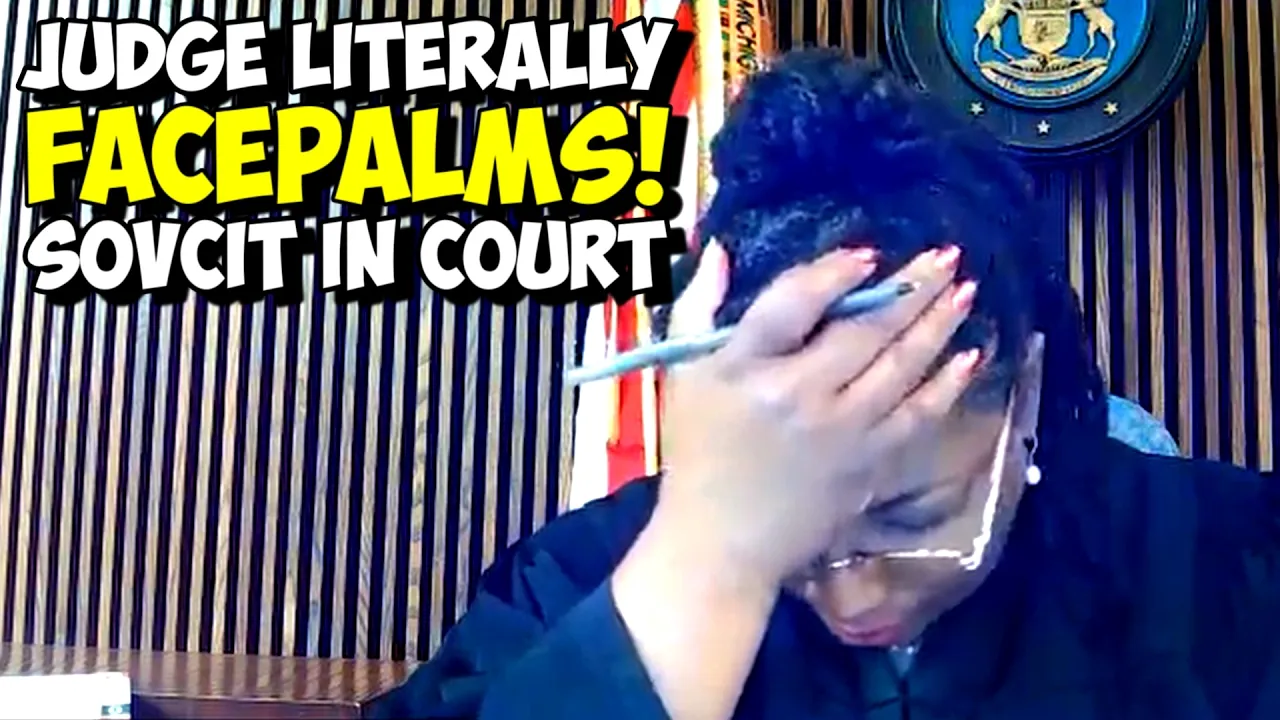










In this People's Court case, a tenant sued her landlord for $3,000 in punitive damages after her sister and friend fell down unsafe stairs, but the court ruled against her because she failed to hold the handrail and was running down the stairs, demonstrating that tenants can be found contributorily negligent for their own injuries when they fail to exercise reasonable care for their safety.
Landlord Tenant Dispute: Staircase Safety and Rent Withholding
Added:The concept of the Implied Warranty of Habitability, which legally obligates landlords to maintain safe and livable housing conditions.
Fundamentals of Tort Law, specifically the elements of negligence (duty, breach, causation, and damages) in premises liability.
The basic structure of a lease agreement as a bilateral contract detailing the mutual obligations of landlord and tenant.
The role of local housing codes and municipal ordinances in establishing property maintenance standards.
The legal doctrine of 'Constructive Eviction' and the process by which a tenant can legally terminate a lease due to uninhabitable conditions.
Procedural requirements for Rent Escrow, including how tenants must formally notify landlords and deposit rent with the court rather than withholding it directly.
The application of comparative negligence in premises liability cases, analyzing how a tenant's own actions might affect damage awards.
Retaliatory eviction laws and the legal defenses available to tenants who face landlord backlash after exercising their legal rights.
74.6K views1.1Klikes11:33Original Release: 2022-05-13
this is the plaintiff lemire cool she says she moved into the defendant's multi-family home and noticed the stairs leading up to her apartment were not leveled her sister fell down the stairs her friend also fell down the stairs the defendant won't fix them and she's suing for the three thousand dollars she's now owned [Music] this is the defendant marcia copeland she says the stairs are completely safe and intact she checked her surveillance video and watched as the girl ran down the stairs without holding on and she tripped the woman stopped paying the rent she's making all of this up in an attempt to extort money out of her and she's not gonna be had by the likes of the plaintiff she's accused of not fixing things properly the defendant has found a counter suit for three thousand dollars for unpaid rent all parties please use your right hands welcome back to the people's court next case in the daca the plaintiff says the defendant refuses to fix the dangerous staircase in the apartment building uh the plaintiff says she's actually slipped once and hurt herself and she wants to be compensated but the defendant says the video shows the plane of running down the stairs without holding on to the handrail the steps are perfectly legal and she's not about to be bamboozled by the likes of the lying plaintiff it's the case of a stairway to trouble thank you douglas you're welcome all right miss key you are suing your landlord ms copeland for three thousand dollars and punitive damage is because she won't fix a stair on the outside of your apartment you mem are counter-claiming uh rent for june september and october which she has not paid plus late fees and you say you're withholding the rent because she won't make the repair so let's see if we can get somewhere here what is the problem with the stairs um well the bot the bottom all the steps are not level the bottom three steps are more so tilted down what has happened that makes you say i want three thousand dollars in punitive damages well i had my little sister fall um i also had a friend who came over he's going down the steps he fell through the steps and the neighbor actually had the neighbor behind me had to come and like put some screws in the step to hold it back up so that i didn't continue to hurt myself then i fell down the steps when i was two months pregnant so had you noticed the problem with the steps before anybody started falling actually my my baby my youngest daughter's father came and dropped them off and he noticed the the two in the step so i'm like okay so as i'm going down the steps more and more like throughout me like just moving in i'm like oh the steps are kind of one of two so i casually just sent her a text like has anybody you know been out to check the stairs a little like at all and i got no response so i was like just totally disregarded with it okay and when did you send that text i believe it was on may 4th okay and when did you move in i moved in april 20th all right so ms copeland had she been complaining to you about the steps um no not at all um the first time she complained um about the step was uh right after i gave her notice to leave well when did you give her notice to leave august 12th and why did you give her notice to leave it was a combination of things number one she kept telling me that um she her baby daddy fell down the steps and i felt like she was setting me up for something okay so wait a second she didn't just start complaining then about the steps when you gave her notice she had been complaining about the steps which is why you gave her notice yes i'm sorry so she complained originally about her boyfriend falling down the steps and um we went and checked the steps we couldn't see why he had fallen where the step were the last few steps tilted no just to back up a second according to her this is the pitch of that stairs i don't know is that the second stair where you put that metal rod yes ma'am so i guess she's complaining about the second step and that's exactly what you acknowledge that the second step has a tilt to it why you just fix that who acknowledged i never acknowledged that there was a tilt i asked you if the two last two steps were tilted you said no just the second one no no no i i i begged to um to make some correction here i did not say that i said that's what i'm saying because i'm looking at the picture like look at the picture that means that it's tilted right nope the picture that i submitted showed that i was walking on there and i did not appreciate any tilt at all okay hold on one second is this the picture you mean yes and it showed that i examined the steps and as from my angle i don't see any tilt at all i suppose there could be someone on that other picture holding it but the truth of the matter is that there's an affidavit from her sister saying she fell in fact you've got a video okay you're in sneakers the stairs are wet you're not holding on to the guardrail and you're carrying bags this is something i used to do all the time i don't do that anymore i've and you probably will never do it again either now what i don't understand is if i've got a a a tenant who is telling me something like that and it costs nothing to fix because it doesn't cost a lot to fix why wouldn't you just fix it miss copeland does it cost a lot to fix or you just think it's so negligible that she's just trying to set you up i think she's trying to set me up but i also had people look at it and did you have a look at it well i had a friend of mine um take a look at it on multiple occasions she could have called the township to address it the township guy came out on april 6th he found no problems with it have you ever called the township on her afterwards to say this is unsafe no your honor i'm i'm still unfamiliar as to how to go about certain things i'm 26 this is like i've never had this issue before so i'm like just getting into okay knowing certain things i'm gonna be honest okay so now according to you ms copeland miss key didn't pay june rent didn't pay september and didn't pay october is that correct yes yeah and is that accurate miss key no it's not accurate so you sent me proof of paying 2300 in april miss copeland what was that 2 300 on april 20 supposed to pay for it's for a month and a half security and the first month's rent to move in and what was the first rental 950 and what was the first month's rent it was going to span from when to when from um april uh 20th to may 20th so her rent is due on the 20th yes in the middle of the month so then the 9 50 on may 24 ms key would apply to may 20th to june 20th right so if you still look at that i my rent is still paid up to date all the way up and no it's not when i look at it it's the opposite of what you're saying when i look at it it's exactly what ms copeland is saying you're right she's two months behind not three months behind why aren't you paying the rent the reason i didn't pay the rent your honor was just blatantly i just want the steps fixed why don't you just fix them yourself and withhold it from the rent because you're now um this is how far behind you are 950 is 1900 and it would cost a lot less than that to hire somebody to fix the steps in our lease it states that she's supposed to come out and fix in a timely manner now when she said she came out to check it right but of course she's responsible for repairs let's just assume she's responsible for repairs okay because that's how it is all right she's responsible for repairs if it's a 200 repair how are you going to withhold 3000 you know 2 000 something dollars in rent you get what i'm saying that you know what you have to do is right that's what what a tenant gets to do is withhold rent to cover the repair not to say i'm not gonna pay you rent till you fix it like that's not how it works i know that's what people do but that's not how it works okay um here's what's going to happen but but your honor there's no i don't see where we have we have anywhere to repair this the wrong way we're going to take care of that business in one second right now what i'm going to do is on her counter claim i'm gonna find in her favor and i'm going to order everybody's on the same page now right we went through it and it turns out it's just september and october road right miss copeland yeah her rent is due tomorrow then yeah okay so that's nineteen hundred dollars would be due today plus two late fees of ninety five because that is in the agreement that would be two thousand ninety dollars and on your claim against her you know looking at that video i can't really say that that's three thousand dollars worth of damage done to you that would be her fault i just can't because you know you're right you're going down really fast it's raining and you're not holding on to anything on your case against her verdict for the defendant on her case against you i'm finding in her favor for the amount of rent that sewed which is two thousand ninety dollars all right good luck folks tomorrow i'll be there to pick it up so she has to pay two thousand dollars what do you think about it miss copeland how about you what's your reaction to the outcome of this case um there was a tenant that lived there for three years before her and he never falled once but since she's been there there have been at least four um episodes of falling and i'm not sure why and i think it has to do because she can't pay the rent all right well let's see what ms key thinks about this ms key how do you feel about the outcome of this case am i upset at the outcome no because again there's always other routes to go so these steps will be fixed um i live here so i'm okay with paying rent that was never the issue i have her rent money i have it in the escrow account all right that'll bring this case to a close harvey let's see what you have to say so here's the thing the plaintiff is responsible for her own injuries by not holding on to the handrail that in effect is negligence and that's what knocked the plaintiff out of court [Music] i have a friend who has fraud from a family member and is trying to collect by writing a statement letter and getting it notarized what's the best way to write or type up something like that to make sure he's covered okay so i assume from the question that the other person is willing to sign it right right that seems fair a fair assumption well probably because the uh alternatives are are way worse than science that's signing the document a little bit so you would want an admission of of of guilt that they defrauded them because this is you know a question don't let them hedge on that it's like open and shut right i did it and that they owe the money uh and what the payment plan is going to be right and um and then the you know with specific dates and amounts and then if the person doesn't pay you you take them to court on the document you
Up Next
13:02
Landlord Tenant Dispute: Security Deposit Return and Wear Tear Law
@peoplescourttv
275.9K views•2021-02-13

6:55
Understanding Copyright and Fair Use in the Digital Age
@techquickie
144.1K views•2016-07-22

5:27
Forensic Phonetics: Speaker Identification in Legal Cases
@nptel-nociitm9240
539 views•2025-03-19

24:42
Police Interrogation Tactics: False Confessions & Legal Reform
@LastWeekTonight
7M views•2022-04-18
Related Study Plans & Knowledge Roadmaps
Structured learning paths in Law
law
Analyzing Mergers: Clayton Act & FTC Rules
01Introduction to Antitrust Law and Market Competition
02Corporate Mergers and Section 7 of the Clayton Act
03Defining Markets and Measuring Concentration (HHI)
+ 2 more learning modules
10h5 modules
Explore Roadmap
law
Self-Defense Law: Imminence & Castle Doctrine
01Foundations of Self-Defense Law
02Imminent Threat & Reasonable Belief
03The Principle of Proportionality
+ 3 more learning modules
12h6 modules
Explore Roadmap
law
Defamation Law: First Amendment & Actual Malice
01Introduction to civil torts and the First Amendment
02Elements of Defamation: Libel and Slander
03Public Figures vs. Private Individuals
+ 2 more learning modules
8h5 modules
Explore Roadmap
law
Hearsay Rule: Trial Evidence & Exceptions
01Introduction to Trial Evidence & Courtroom Basics
02Demystifying Hearsay: The Core Definition
03Non-Hearsay: Exclusions Under FRE 801(d)
+ 3 more learning modules
14h6 modules
Explore Roadmap