


















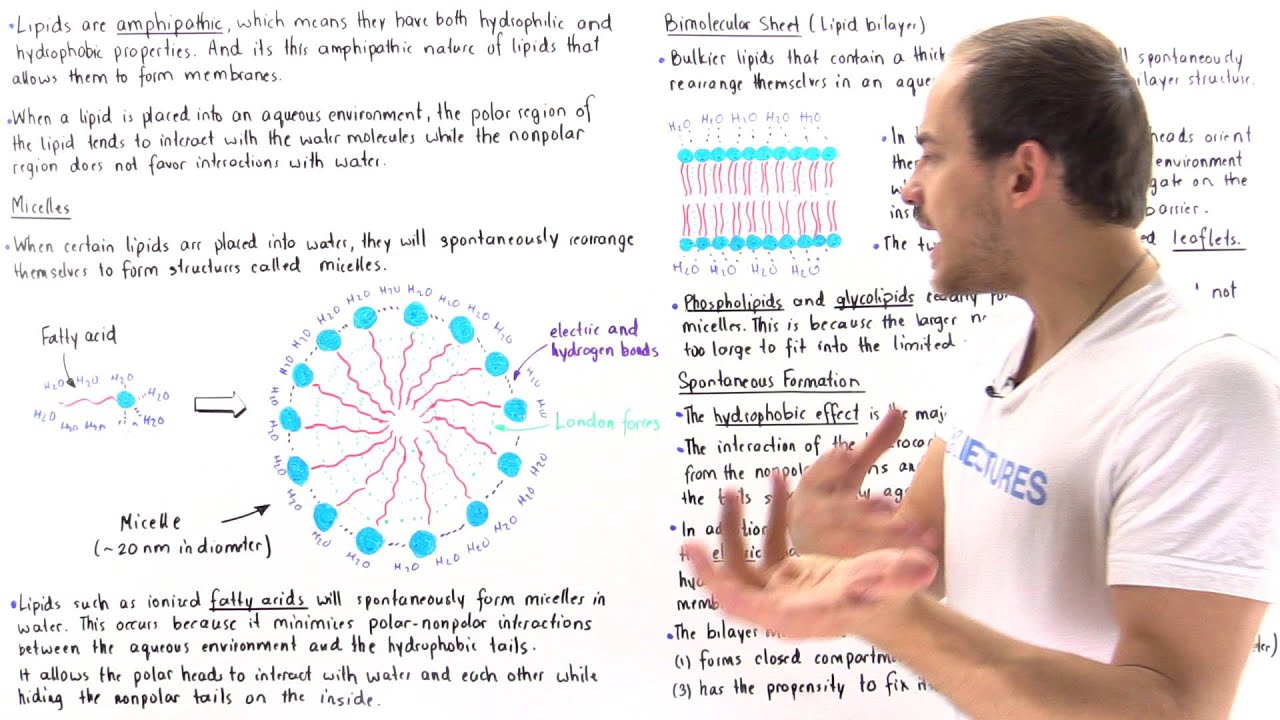

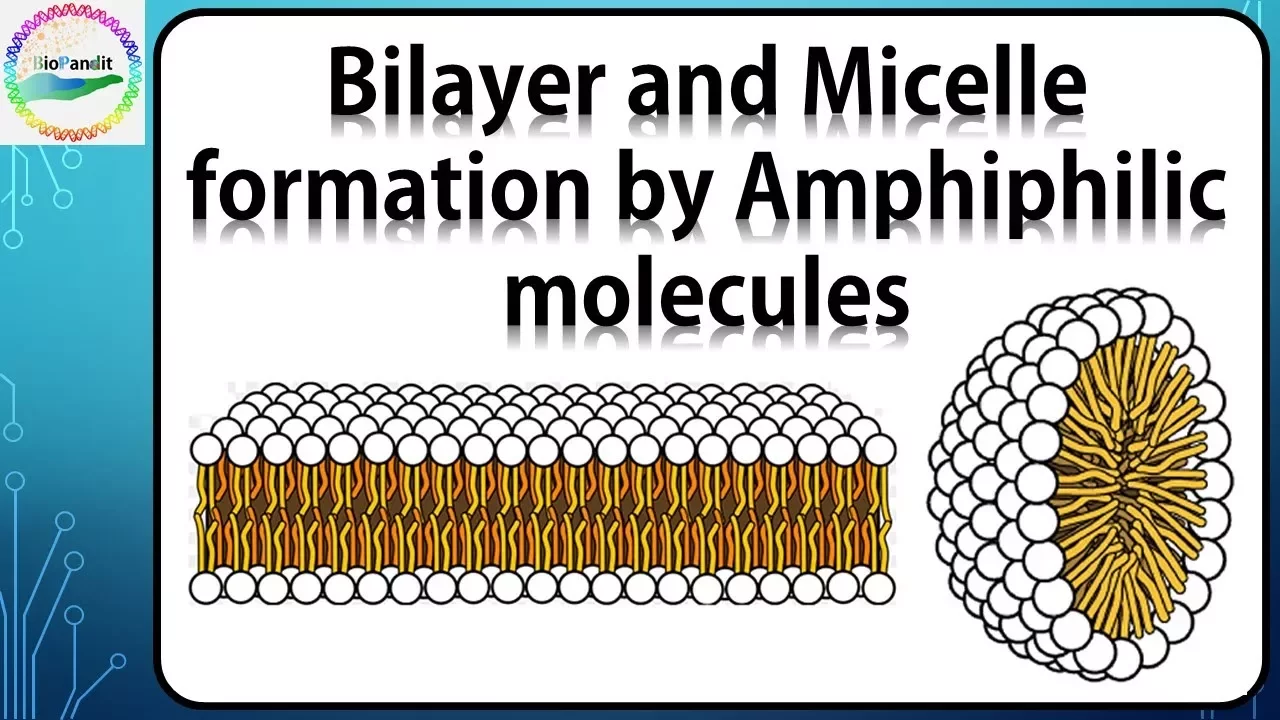



Biological molecules are built from six essential elements (H, C, N, O, P, S) through covalent bonds, where carbon forms four bonds, nitrogen forms three with a lone pair, and oxygen forms two with two lone pairs; non-covalent interactions (ionic bonds, hydrogen bonds, hydrophobic interactions) enable dynamic molecular recognition and assembly, while lipids form amphipathic molecules that self-assemble into supramolecular structures like lipid bilayers, which serve as the fundamental boundary membranes of all cells.
Chemical Bonding Lipids and Membranes | MIT 7.016 Introductory Biology
Added:Basic atomic structure, including the arrangement of electrons in valence shells.
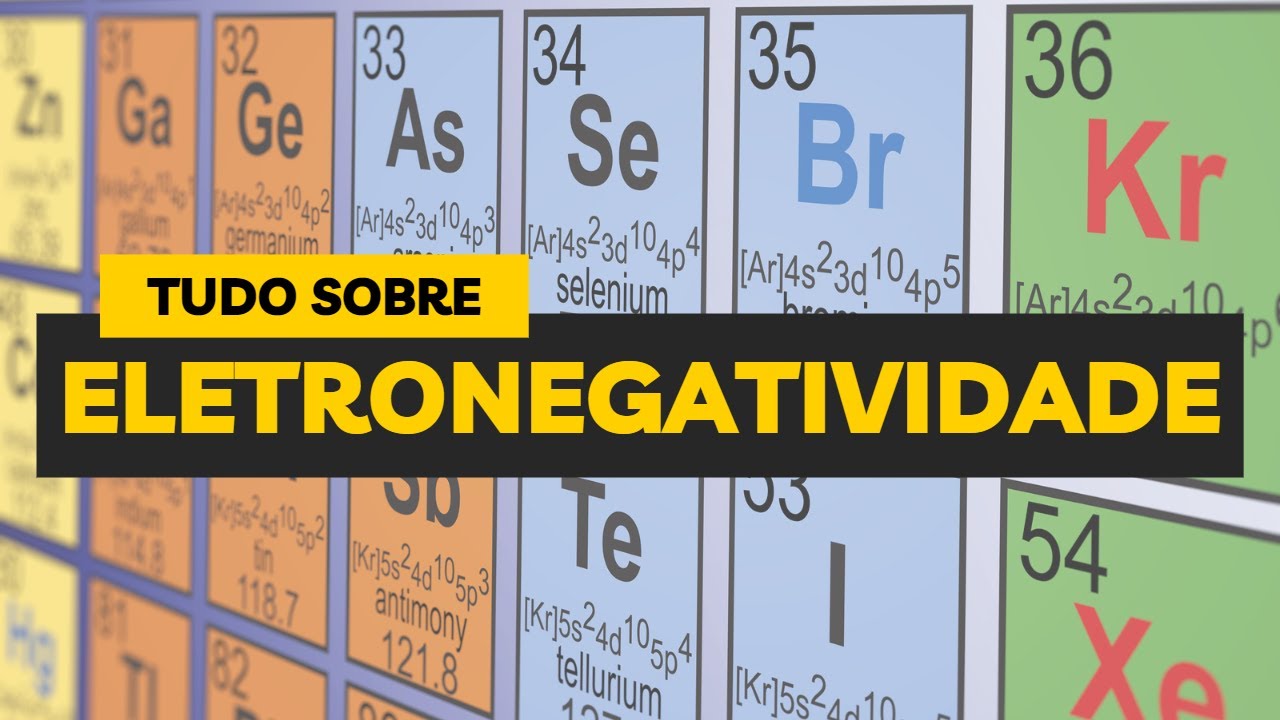
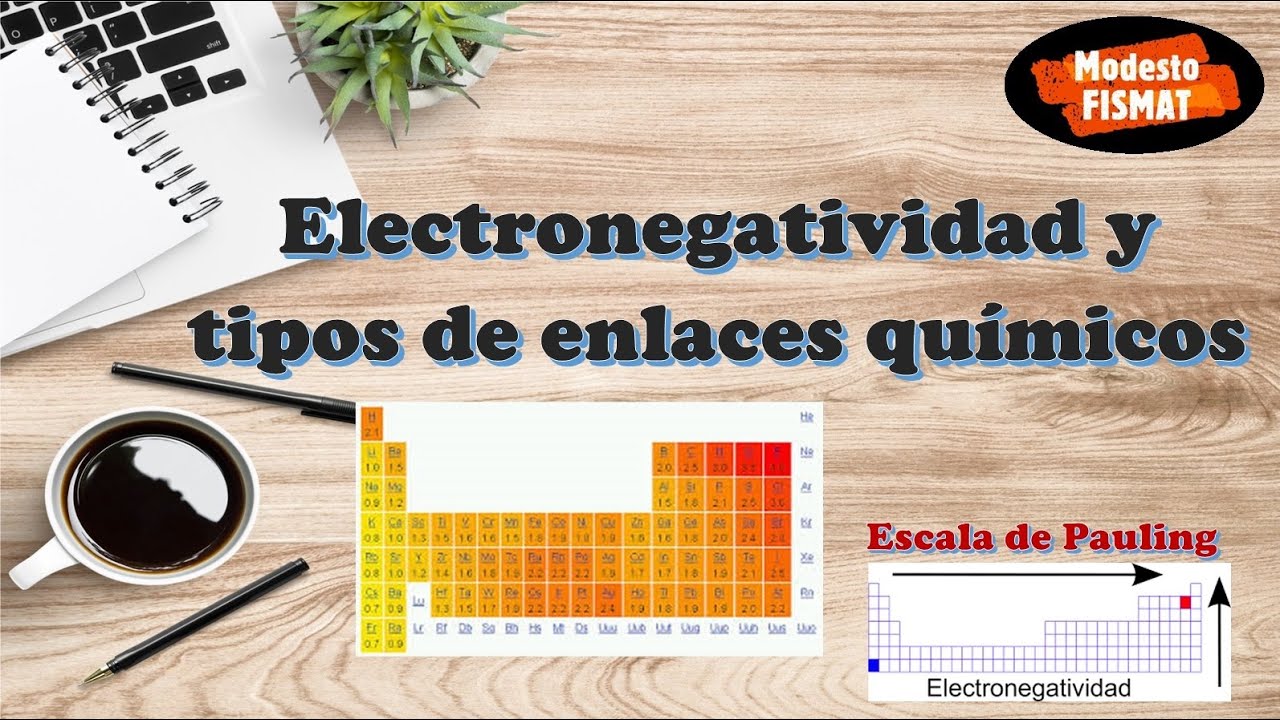
The concept of electronegativity and how it determines the nature of chemical bonds.
The difference between polar and non-polar substances, specifically the unique properties of water.
A foundational definition of macromolecules and their general roles in biological systems.
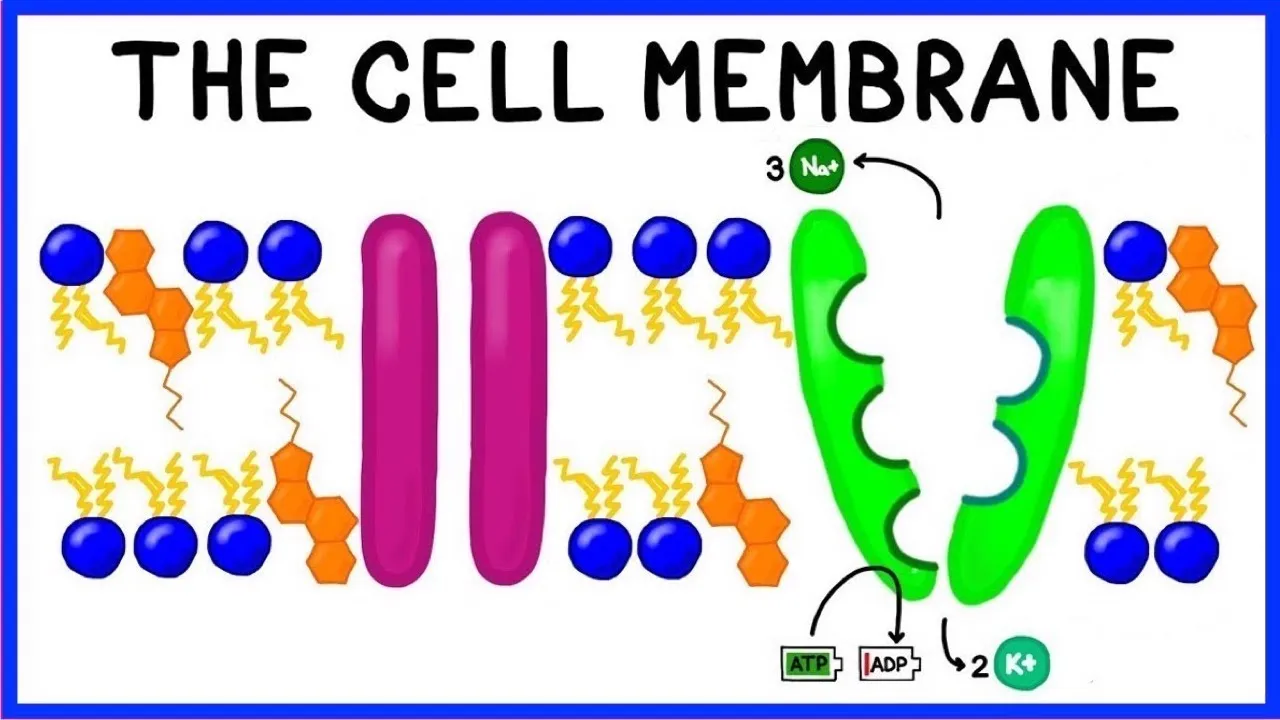
The mechanisms of membrane transport, including passive diffusion, facilitated diffusion, and active transport.
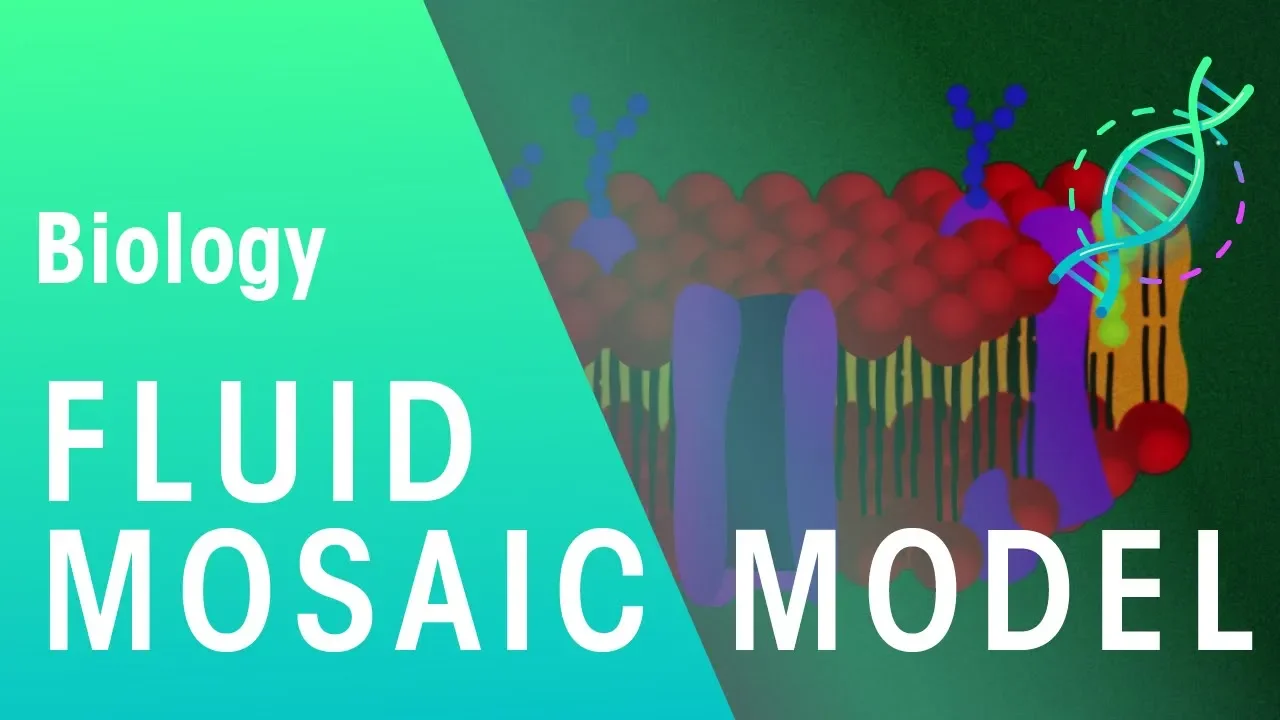
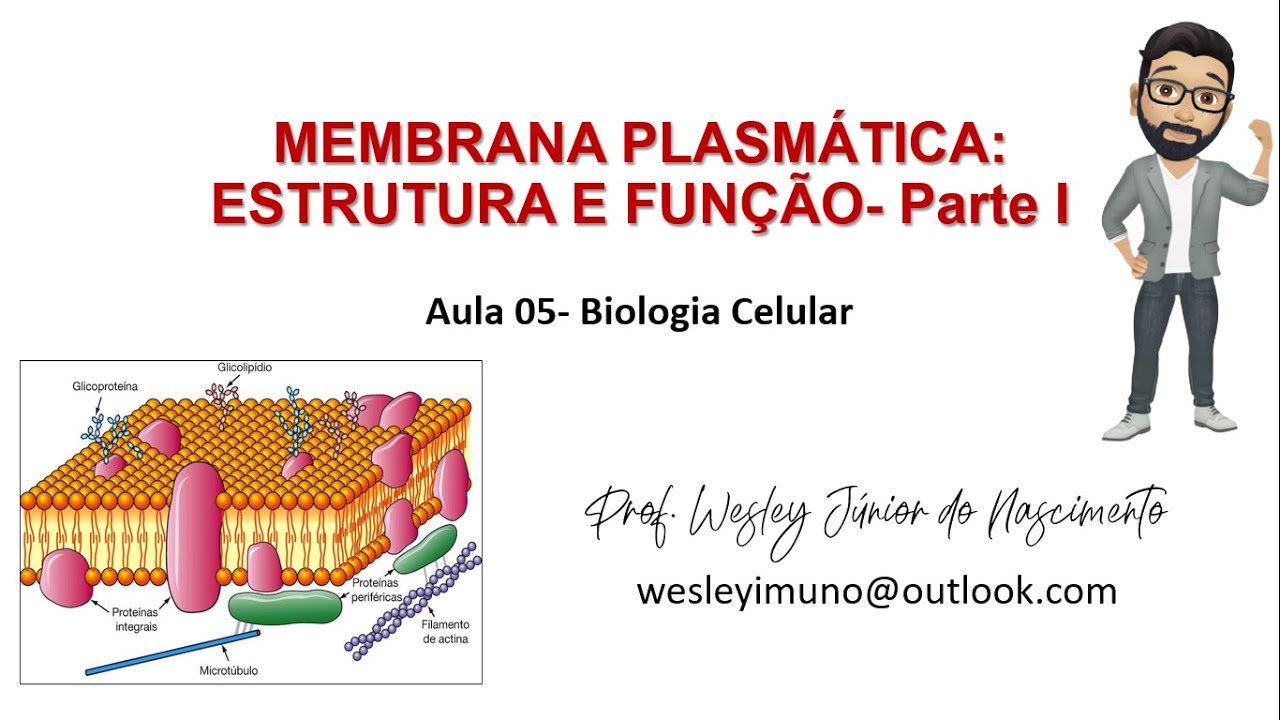
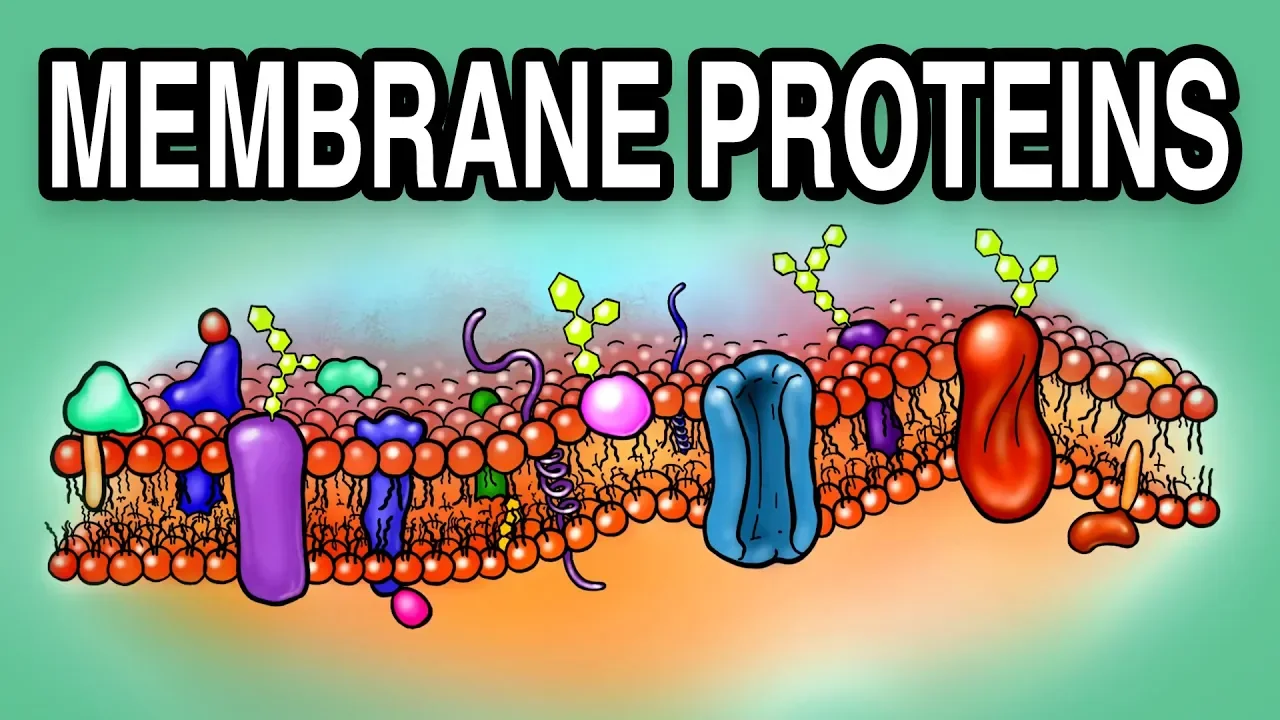
The Fluid Mosaic Model and the roles of membrane proteins, glycoproteins, and cholesterol in regulating membrane fluidity.
The thermodynamic principles behind the hydrophobic effect and how it drives the spontaneous assembly of lipid bilayers.
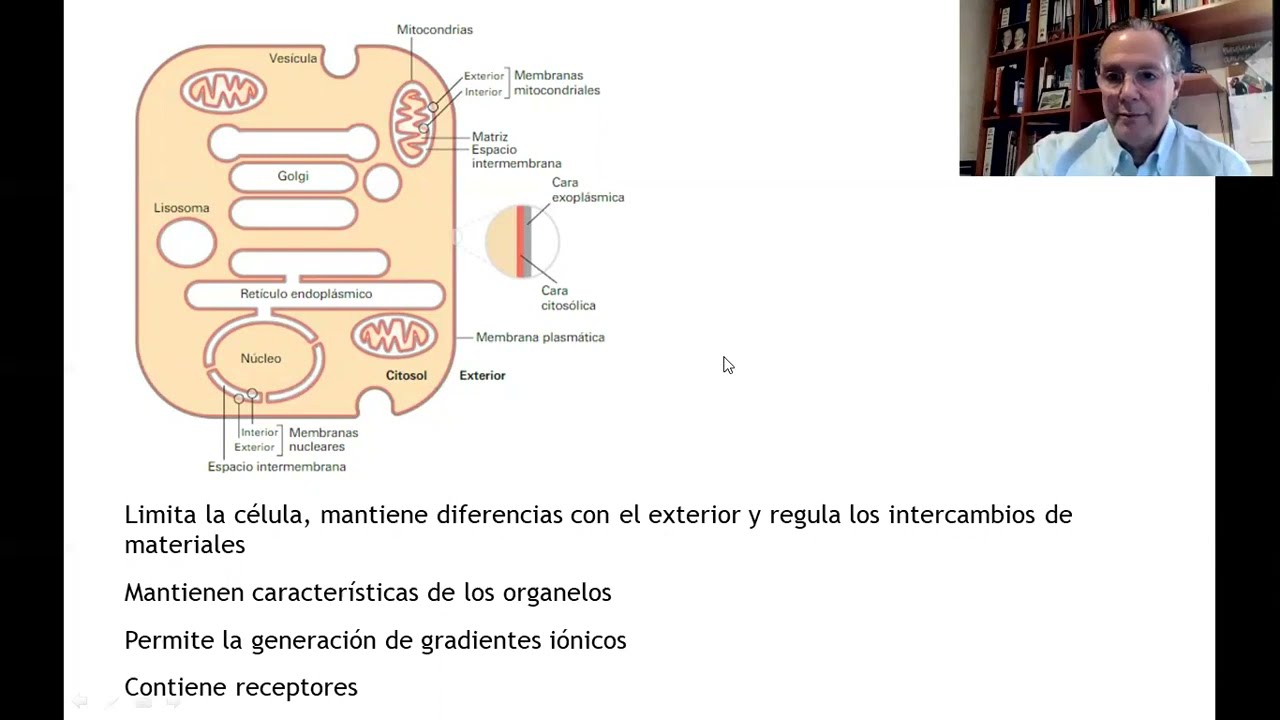
How membrane structure facilitates cellular compartmentalization and the function of eukaryotic organelles.
262.9K views4Klikes49:08Original Release: 2020-05-12
so what I want to do today is just Barry I want to introduce this to you very quickly is and I was going to show you this at the at the end of the last class if we simply go to the far end of the scale the picometer scale you see carbon I'm not gonna start you with carbon that is a little dull but over the next few weeks few classes rather because we have to do this in fast order we will go from we will cover details of carbohydrates amino acids nucleosides and phospholipids and how those building blocks are put together their properties their ability to interact and engage in non covalent interactions with other molecules and the ability to make polymers out of some of these such as the nuclear sides and the amino acids and the carbohydrates which then start to create the richness of life we will also discuss today the supramolecular chemistry of phospholipids as they make micelles and lipid bilayers which are the key boundary of cells so it's very important and then in the following week we'll go to some of the the bigger things like proteins nucleic acid polymers for example hist RNA so the course will literally do this take you from one end of the scale to the other so I want you to get a sense of these dimensions I want to mention one sort of fairly stupid thing with respect to how chemists and biochemists talk about certain metrics certain distances that are pertinent that pertinence to the by a lot to biology and biochemistry engineers tend to talk about micrometers and nanometers there is one unit that chemists and biologists use quite a lot it's the angstrom after a finish Shastra not finished I think it was a Norwegian and that is equivalent 10 angstrom equals one nanometer so when you're looking at scales we tend to talk about Armstrong because they're a convenient number the don't don't get fooled by this it's you know it can be a little bit confusing because it's 10 to 10 to the negative 10 so nanometers 10 to the negative 9 you know that quite frequently picometer 10 to the negative 12 micrometer negative 6 but the arms strum is just a funny unit we use a lot and it's 10 to the negative 10 so just to make sure there's no ambiguity about that that particular detail okay all right so today's lecture will focus on the molecules of life and in particular I'm going to through the next few classes introduce you to the various molecules of life but first of all we have to do a little bit to understand chemical bonding and in particular we want to look at both covalent and non covalent bonding because covalent bonding is important it's the structure it's the framework but non covalent bonding is what gives us dynamics these are much weaker forces that can be broken and remade very readily that are essential for things like forming the DNA duplex for folding your proteins for associating the lipid bilayer all of those are non covalent courses forces and they are dynamic because they're weak you can break one relatively easily as long as you're ready to make another one in its place so I will spend a little bit of time on that and then today we'll talk about lipids and membranes but first of all let me introduce you to some of the molecules of life in this rendition that's done by David Goodsell at Scripps so up in the top corner here you look at 2.3 is the 3-dimensional structure of a protein it's folded into a globular state through no non covalent forces I brought a little 3d model of a protein for you to look at and take a look at later that was one of the suggestions I made you could coordinate printing a 3d model as your one of your later projects we will learn about the forces that hold the polymer together the covalent forces but then the non covalent forces that make globular structures that are very important for function they're not much use as unraveled spagetti they're way more useful as they're three structure down here in the corner is a carbohydrate it really looks pretty pathetic in this rendition but carbohydrates have a lot of value particularly in energy storage but also in things like the extracellular matrix and as entities that single signal information between cells there's a lot of communication done by cell surface carbohydrates over here you see the canonical structure of double-stranded DNA we'll look at the covalent structure of those single strands but then we'll focus in on the non covalent interactions that make the double-stranded DNA and store genetic information which is also central to life and then lastly on this but we'll cover this today is a lipid bilayer it's a fascinating super molecular structure that really is at the hearts of how all your cells are held in a compartment surrounded by a lipid bilayer so by the time we start talking about those you'll understand the forces that put in place that lipid bilayer that arguably and I've read articles that say this that is the evolution of lipid bilayers is as important as the genetic code because if cells did not have a surrounding did not have an inside where you could concentrate reagents and macromolecules and do biochemistry we wouldn't exist as we a life wouldn't exist in the same way okay so let's take a look at the composition of living systems and remarkably we are about 75% water so most proteins are very hydrated there's a lot of water in cells there's a lot of water outside of cells in the matrix and really we sort of survive weird we survive in an aqueous environment and the thing that you also want to think about is when we think about non covalent forces these are forces put in place in water we don't live in a on a far distant planet where we're in sort of liquid methane or anything like that so water is critical to life the establishment of the hydrosphere when Earth earth first formed the evolutionary events that happened after that were - were really in hand-in-hand with the fact that it was an aqueous environment because forces are different whether they are in hydrophobic environments or hydrophilic environments and really you'll start to get appreciation for that as we move forward so this basically suggests that if I put one of you in a giant desiccator and pumped out all the water I could possibly pull out there'd be about sort of depending on your weight 40 pounds of things left behind of what's left behind the majority of it is going to be biological macromolecules and then the rest of it that little sliver are things like ions and small molecules calcium magnesium iron manganese those are those small inorganic ions as well as small molecule metabolites that are involved in central metabolisms let's go now look at the macromolecules and they're sort of proportions relative to each other the smallest sliver are the lipids which we'll talk about today then you have the nucleic acids that are critical for information storage you have proteins which make the largest piece of the pie and the carbohydrates which are one of the is the 25% so you can see how important carbohydrates are because of their proportion being relatively large the lipid proportion though is small but absolutely critical harking back to the membrane bilayer because if we didn't have the membrane bilayer once again we wouldn't have life in the same way that we have it now so that gives you a sense of the relative proportions of things and frankly when I discuss the macromolecules I really like to start with lipids because of the membrane bilayer but because their structures are comparatively simple relative to amino acids and nucleic acids so we can get a few of the basics of the chemical structures down and how we render them on paper so that we can do that with lipids which are a little simpler now life to a chemist you have to sort of worry about this entire mess of the periodic table but the good news for you is for biological systems we deal with very focused components of the periodic table so those biological macromolecules are made up largely of only six elements hydrogen carbon nitrogen and oxygen phosphorus and sulfur so that makes your problem your the amount of stuff you need to know about basic covalent structures way more simple than it is for the average chemist who has to worry about everything down here in the nether regions and whoops what are you doing are the things that are things that are radioactive all kinds of other things you don't have to worry about any of that so the covalent bonding we will talk about is amongst those six different elements and they make up a ninety-eight percent of the cellular mass and then the other components that are important in cells are some metal ions the alkali and alkaline earth my elements so sodium magnesium potassium calcium those were all quite important in life and then these transition metal ions that are really important in enzyme catalysis for example but we will not cover very much of that but those are what are known as trace elements that are very as transition metal elements that are very important for biochemistry and then last of all there are some rogue ones that there's even smaller amounts in physiologic systems these are things like chromium molybdenum and tungsten selenium and iodine and although certain of these elements only have found in totally bizarre organisms so for example you and I don't have much molybdenum and tungsten I don't think unless it slipped in there by accident but you and I definitely need selenium and iodine as trace elements does anyone know where iodine comes and figures most prominently yeah high right absolutely so the thyroid hormone is a small organic molecule with several iodine's in it and we need absolutely need iodine in our diets in order to build the thyroxine hormone the pro that deals with a lot of aspects of metabolism we don't need a lot and if we get too much it's bad for you but we definitely need traces of these elements now I will spend a very small amount of time just laying down the basics of organic chemistry bonding now who are view of either taken the chemistry gir or had high school chemistry quite recently is that pretty much all of you and now if you didn't put your hand out don't worry we're here to bring you up to speed if you need it frankly if you just know what's on the next two or three slides you're in great shape all the information that you need has been condensed but if it's a little bit out of nowhere you could come see me in office hours and I can just run through things too for you and we can just get you up to speed there is no need for pre knowledge I just need an idea of how much pre knowledge you have so when we talk about covalent bonding and start to think about the elements that are critical for life it's important to consider the electronic structures of these elements and why this why they happen to be the chosen elements okay the most important thing about hydrogen carbon nitrogen oxygen phosphorus and sulfur is they love to make covalent bonds a lot of metal ions form salts you know sodium chloride or many other different salts but covalent bonds are the main structure of our macromolecules strong bonds between elements such as these six in particular these six where they share electrons in covalent bonds rather than form ionic interactions where somebody gives an electron to someone else and you have a plus/minus type interaction so these shared bonds are important for life so it's good to understand why hydrogen carbon nitrogen and oxygen and then phosphorous and sulfur are so important in order to understand the covalent bonding of these elements it's useful to know the electronic configuration but you could live without that the most important thing is that covalent bonds such as the one between carbon and hydrogen here Rep reflects a pair of electrons one from the hydrogen one from the carbon to make a stable covalent bond because of its electronic configuration carbon is neutral when it has four covalent bonds nitrogen is neutral when it has three covalent bonds but there's an extra lone pair of electrons that are not forming bonds in neutral nitrogen and oxygen is neutral when it has two covalent bonds these could be with hydrogen they could be with carbon they could be with several of the other elements for carbon we don't deal with charge states of carbon because they're pretty high energy they may be high energy intermediates in an enzyme catalyzed reaction but they're not sitting there as high energy intermediates in your macromolecules the key thing you want to notice is for all of these elements surveilance shell is complete with eight electrons but these lone pairs and I or bunny is as people like to call them really feature very prominently in biochemistry and biology because they are places for hydrogen bonding interactions so we run a lot on electrostatic hydrogen bonding and hydrophobic interactions if we know where the lone pair electrons are we know one part of a hydrogen bonding interaction it turns out that in biology we're mostly at pH 7 or in that range except for a few subcellular compartments but at pH 8 nitrogen lone pair of electrons will pick up a proton to become a positively charged nitrogen and you'll mostly see that as a positively charged so the sidechain of lysine which has an NH 3 an NH 2 at the very end of a carbon chain is most commonly protonated and positively charged so it could be involved in an interaction so we can consider both the neutral and the charged positively charged state of nitrogen for oxygen that oxygen lone pair will compete our per proton to form the hydronium ion so that's positively charged o h group so it would have an extra proton using up a lone hair or and three hydrogen's or it could give our per proton to form the hydroxide iron and those are the states of oxygen that are most common so in that UV we've kind of dispatched the those first four of the six elements phosphorus and sulfur a little tricky but there is some good news [Music] sulfur copies oxygen so you don't really have to worry too much about sulfur you'll just consider it to really be sort of an older sibling of oxygen where all the chemistry is very very similar sulfur or the negatively charged sulfur anion are both important phosphorus is difference phosphorus does not tend to show up in the version that copies nitrogen it is it is capable of adopting higher oxidation states and all of the phosphorus you meet in biochemistry for the most part there's a few odd things in weird organisms is going to be in the form of an oxidized form of phosphorus which generally has one two three four five bonds to phosphorous it can take on a higher oxidation state and you will see phosphorus phosphorus in the phosphate form is absolutely essential to life but it's the place where we store a ton of reactivity for the reactions of nucleotides adenosine triphosphate adenosine diphosphate the phosphodiester backbone in nucleic acids phosphorylation of amino acids to form phosphoproteins it's always in this state with all the XD extra oxygens and that that configuration of bonds okay if you know this you've got a lot of the covalent bonds under control so any questions about this is everyone all right I know it might be it's probably a refresher for most of you the next thing I just briefly want to mention is the most typical functional groups that occur in biological molecules and you may say well what does it mean functional group usually it's a place where the action happens if you have a large molecule that's a bunch of carbon carbon and carbon hydrogen covalent bonds there's not a lot going on unless you can really rip those bonds apart but they're high energy but functional groups are often times where chemistry happens or biochemistry happens so there's the Oh H hydroxyl we as chemists and biochemists will tend to use an R where we mean something else so we don't write out a whole structure we would just put our Ohi manage us say anything so for example if R was ch3 ch2 you would have ethanol so but but I'm keeping it more generic the next functional group that is important is the carboxylate group or the carboxyl group looks like this now when we look at these molecules you always want to sort of think where the lone pair electrons are there's two on oxygen - on oxygen - on oxygen so that actually shows you where the rest of the electrons are this is the carboxyl group but in nature in physiologic systems this shows up most commonly in its anionic form that's important because when we start to think of interactions between enzymes and their substrates or the folding of proteins were thinking of something with a negative charge not a neutral so this group loses a proton to form the carboxylate group and if you want to know where the lone pairs are now that's what they look like so those are two of the key ones let's now go to nitrogen that is the neutral Ameen but as I just mentioned to you that will very commonly pick up a proton and be in the positively charged date now when I show you both of those guys in the positively charged State what you could immediately tell me is that if I have an amino acid with one of these groups and a nearby amino acid with one of these groups they could form an electrostatic interaction between themselves plus and minus complimenting each other so if you know the charged States you're much better off because you can tell where where non-covalent types of ionic or electrostatic interactions occur so these are very important then there's the phosphate group it's often ionized and the sulfhydryl group so phosphate the sulfhydryl group is also called the file group and i'm sure i've spelt that wrong because hydral they look like that and the most common state are the South hydral or not the most common can also appear as the anionic structure so that's the basic functional groups now there are two more functional group assemblies that you will see a lot in physiologic systems that are basically composites of some of these structures because when we have single building blocks we need to join them to each other through different types of chemistry's so I want to show you the types of chemistry that you get by forming a composite the height of a hydroxyl and the carboxyl group and a composite of a carboxyl group and in the mid because the polymer that's the protein polymer has building blocks that have a means and carboxyls but they're all put together into a polymeric structure where those groups have been joined in a condensation polymer so let me just show you what those look like and then we'll be done with the functional groups so there are the first one because I've drawn them in this order okay it's the amide and the other one is the esta when you do these two reactions if you do them in the lab they're called condensation reactions because as you form that bond you pick out a molecule of water these are really important new functional groups to you because your proteins are held together by a made groups in fact they're so important in proteins we often call them peptide groups you'll see more about that on Monday and the esters are really important for example in derivatives of glycerol that make fatty acids or phospholipids you'll see esters occurring again and again the other composite group that you can also see is with the phosphate plus an alcohol and what that group looks like is as follows and you're going to see this sort of endlessly in nucleic acids let's keep the charges all even here and this is what's known as the phosphate ester okay and that is yet another condensation where you kick out water alright so let's just run back to this image and we can sum it all up those are all the groups that I just described to you and if you want you can go back and put lone pairs of electrons on everything and then the composite groups that I want to mention to you in particular are the amide and the ester and they're very important in physiologic systems they are the bond that holds together the biopolymer in many cases not shown him on this picture is the phosphate ester i've added that this year because it's kind of important is a similar condensation reaction between phosphorus and an alcohol and that in particular is what the bond you'll see that holds together nucleic acids and now one sort of thing that we won't go into a lot of detail I want you to notice that this nitrogen here has a lone pair of electrons it picks up a proton very readily the amide nitrogen is not so willing to pick up a proton because it messes up the rest of its chemistry so that nitrogen in an ami tends to be observed as a neutral however that hydrogen can be involved in hydrogen bonds ok any questions about that before we move on to non covalent bonds it's everything clear now I try to put everything in one place so you have it in front of you what I've put on those two slides is what you need to know about organic covalent bonding it doesn't go beyond it this I will say there's a tiny bit of memorization but once you commit that stuff to memory you know you're in a good place with respect to understanding how the molecules of life were put together ok yeah what is more important to me once we've put those structures in place is non covalent bonding because to mean on covalent bonding is synonymous with dynamics courses that can be readily broken and reassembled broken and reassembled the energy the strength of a typical bond between two carbons or a carbon and hydrogen is on the order of 90 to 100 kilocalories per mole it takes a lot to break those bonds we can't break them at will to go and do some biological activity but the range of energies of the non covalent bonds are far more modest they range from so this is covalent but the non covalent ranged from one maybe to about 10 kilocalories per mole so when you think about those forces they're readily broken and made broken and made and what's so amazing about protein and nucleic acid structure is that you can you can gradually break a bond while you're making another non covalent bond so you can have the dynamics of the structure that define a lot of its functional properties because structures are dynamic an enzyme that's a composite of a lot of non covalent interaction combined a substrate can gradually form a set of covalent bonds with that substrate but then can start changing in the shape of that structure and that shape in order to go through a catalytic cycle to do chemistry and then to liberate products that is all driven by changes in covalent bonding non covalent bonding subtle changes that occur without big energy barriers that would be necessary to break the non covalent partner covalent bonds so shown at the top here you see the average bond energy of covalent bonds the small number is something for example between two chlorines that's a pretty weak bond but of course we have a lot of them running around so really carbon hydrogen carbon carbon they're at the higher end there about a hundred kilocalories 80 kilocalories per mole the other important interactions though that make up the non covalent interactions are as follows so the first important one is the ionic bond it is also called a salt bridge or an electrostatic interaction why we give three names for this probably comes from which which type of chemists decided to define them they are all the same things they are basically interactions between a positively charged entity a protonated amine and a negatively charged entity a deprotonated carboxylate those are about the strongest of the non covalent bonds but it's very variable because it depends a lot on their environment if those two entities are in a hydrophobic environment they're gonna charge right for each other to form a strong electrostatic interaction but if those are out in water each of those groups could be solvated by water and they'd have to give up salvation in order to form a good electrostatic interaction when we talk about protein folding we'll go into that in a little bit more detail so the reason why this says very variable is not to drive you crazy it's just they're very variable and they're but they will still range I would say from 2 to 10 kilocalories so those are important easy to pick out the strongest of the set if dr. a gives you a problem set and starts asking you to pick out non covalent interactions that's the one you you take care of straight away because it is the most obvious the next most important though is the hydrogen bond now hydrogen bonds have been known to mystified people for years because people are how do I pick these things out how do I pick things things out I'm going to give you a foolproof way of picking out hydrogen bonds so you will never be at a loss for hydrogen bonds okay well how do we recognize them they are between hydrogen's that are on electronegative elements such as oxygen of course there's other things attached here or on nitrogen or on sulfur so all of those three functional groups can serve as hydrogen bond donors they can give a proton in a hydrogen bond and share that proton between a hydrogen bond acceptor okay so these are all gonna be known as donors so you can recognize them this company is not a hydrogen bond donor carbons got his hydrogen and it's not giving it away to anybody for love or money it's hold on tight so this is not a hydrogen bond donor okay now what are the hydrogen-bond acceptors are places where that hydrogen would want to sit yes actually they just they could be double or they could be single but I was just putting them so that you see that the nitrogen has one two three bonds to it okay yeah it could alternatively also be the form of nitrogen just to confuse you it has an extra proton it could be the protonated version because that can still be a hydrogen bond donor okay now what are the hydrogen-bond acceptors they are any place where you have a lone pair so let's just think of a carbonyl group two lone pairs a hydroxyl group two lone pairs a nitrogen that is not protonated one lone pair those are the hydrogen-bond acceptors so as long as you know your structures in the Cova in the in the functional groups and you know where the lone pairs are you can figure out where there could be a hydrogen bond so these all of these types are acceptors okay so in protein biochemistry for example those kinds of hydrogen bonding is very very important to form the three-dimensional structures of proteins and the reason why is because in a protein proteins are made up of amid bonds where this h n can be a donor this Oh can be an acceptor and you can get networks of hydrogen bonding interactions to establish structures of proteins when a small molecule binds to a protein it may look to fit in a place where it can maximize electrostatic interactions and the hydrogen bonding interactions so we'll ask you to start to be able to take out hydrogen bonding so here you saw the electrostatic interaction here is a typical hydrogen bonding interaction between a hydroxyl and a carbonyl group I couldn't spot that very readily unless I remembered that there were lone pairs of electrons there okay the other two - any questions about that any questions about hydrogen bonding are you comfortable with thinking you could derive your way to figuring out where they are you'll see them used a lot so they'll become more and more familiar to you as you move forward okay good the last two types of interactions are the hydrophobic interactions and vongavel forces I never get a spelling right but I'll get the concepts over you now hydrophobic interactions are incredibly important so when you think of folding a protein driven solely by electrostatic interactions and hydrogen bonding you have a bit of a problem because all of those groups are hydrogen bonded to water so you'd have to get rid of the water before they could make interactions with each other that makes sense because we're in water we're folding in water hydrophobic interactions are really great because they want to form in water if you're making you know a batch of salad dressing oil and vinegar and you shake it up what happens it separates the oil goes to top the vinegar goes to the bottom why because of hydrophobic interactions in the oil phase so if you have a large protein that has a bunch of hydrophobic groups they will want to collapse out of the water to interact with each other and then hydrogen bonding and electrostatic will fall into place so hydrophobic interactions are a very important and vital force in nature in the non covalent bonding so that's those of 'literally interactions amongst molecules that have a lot of ch and CC bonds the final force that's shown up there is the band of ARs force and we don't worry too much about that but it is simply the interaction between very weakly polarized hydrogen carbon hydrogen or other types of bonds where there's a little bit of difference between the little bit of a dipole between the bond and they form little dipolar interactions but mostly I think you really want to focus on the electrostatic the hydrogen bond and the hydrophobic these are more minor and it's a little bit of a subtlety so let's focus on those three all right so with that said the key thing for you what do you need to be able to do is understand them and recognize them in complex systems lastly I'm just going to leave this it's going to stay in your notes we you know get in biochemistry tend to use line angle drawings it's kind of complicated to draw these sort of great big things with all the hydrogen's and oxygens and stuff spelled out so we use the line angle drawing there's some shown here for different molecules and the rules are laid out so that you can go and just figure out through a bit of practicing and just figure out the line angle drawing them what it means basically every line represents a bond every vertex represents a carbon atom but what you do show on the drawings that are non carbon atoms so for example oxygen or nitrogen and when you show you imply the hydrogen's that are bonded to carbon but you have to show the hydrogen's that are on nitrogen or oxygen for example and you have to figure out what your charge state might be so I'm gonna leave you with that alright okay so what we've learned so far is these basic forces in biology are critical for the Assembly of the building blocks of biological macromolecules what I want to talk to you about now and well probably because I've spent a little bit of time on that spill over a little more to next week but I'm going to talk to you about the first class of macromolecules which are the lipids so what makes something a lipid these are the most sort of complicated mixture of biological molecules and formally they're not really macromolecules they're small molecules but what's common to all of them is that they are very rich in carbon carbon and carbon hydrogen bonds because all of these the line angle drawings of all of these would suggest to you that the dominant feature of all these molecules is a bunch of C C and CH bonds which makes the molecules quite hydrophobic there are no functional groups there and and they behave very differently for example they would have a tough time dissolving in water in some cases and so this complicated looking set of molecules can be distilled out as being very rich in carbon hydrogen and carbon carbon bonds and we call those collectively lipids now in they have a lot of different functions so for example triglycerides such as shown here with 3 ester bonds a storage for energy things like estradiol things like steroids they have this 6 6 5 6 5 arrangement of rings all your steroid hormones kind of look like that a lot of Ch bonds there are some vitamins so for example retinol is a vitamin it's also a lipid and then there are the phospholipids shown down here I just briefly want to mention a little bit about retinol and retinol which have crucial retinol is a critical vitamin it comes actually from carotene which is a molecule that you find in a lot of orange and yellow fruits such as carrots but the oxidized products of retinol is this lipid called retinol which is central to the process of vision so retinol binds to proteins that sit in the membrane when light shines on them the shape of the retinol changes it goes from a particular configuration of the double bond to a different one the shape just changes and that sends a signal to your brain so lipids are important absolutely essential in vision and sight because they're involved in the signaling process because their shapes change and send signals other types of lipids are these things and we call them fatty acids mostly because they're greasy long-chain acids with a long hydrophobic tail and the hydrophilic end group here these molecules are also what are known as antha Pathak because they have a sort of split personality they have a hydrophobic moiety and a hydrophilic moiety whenever you see see at the beginning of a word it means in both so both hydrophilic and and and lipophilic so these are important and these are very important components you've probably heard a lot of press about some of the fatty acids and how bad trans fats are you for you and how you should be careful to make sure your diet is rich in sis fats or rather than trans fats because the trans fats are contributors to coronary heart disease so you may wonder what's the relationship between heart disease and these two types of lip affiliate components which are in the body so let me describe to you that relationship remember the cysts are rich in things like the the nut oils and fruit oils such as olive oil so coronary heart disease is associated with trans fats what's the linkage what's the biology in that so clicking it comes the story is related to cholesterol cholesterol is a critical component in our membranes the trouble is we have to be able to move cholesterol around but it's so hydrophobic it doesn't dissolve in water okay so in the body your cholesterol is moved around in the form of lipoproteins the bind to the cholesterol and take it to the different organs where it is needed all right and so the lipoproteins can either be low-density and associate with cholesterol or they can be high-density and those also associate with cholesterol the high-density lipoproteins are kind of large the in fact they're fairly agile they don't stick the arteries and vesicles vessels and they can be excreted in the liver or move around the bloodstream without any problem it's the low-density ones that are problems because they're low-density and they kind of stick to the walls of your arteries and start making build ups and then plaques which contribute to heart disease so the low-density ones have cholesterol but they're very small sticky and it's a physical interaction with your blood vessels and they start to clog your arteries what's the relationship to saturated and spats is that they increase for low-density lipoprotein in preference to the high-density so if you have a lot of trans fats you make a lot of low-density lipoproteins it's trying to carry cholesterol around but it gets stuck to your blood vessels and you start to clog your blood vessels for heart that contributes to heart disease so these lipophilic molecules are important they have places to store energy they are critical to hormones and signaling for example but there are some complications with disease because certain types of fatty acids contribute to heart disease yeah no no it's it's the the density is in the of the entire physical particle it's a nanoparticle that would be more float would show a different density respect to how it floats in water so the density is really the physical metric of the entire particle as opposed to just the molecule it might be different because of the way it compact but it that the important thing about the trans fats is that they really contribute to making the protein the forms are low density particles okay all right so I'm just going to introduce these not quickly but I'll show you some cool images in a at the beginning of the next class this is the last group of lipid ik molecules and they are actually oops esters and phospho esters of fatty acids with glycerol this is a small molecule that forms esters through its oxygens to these long chains and also to phosphate and these contribute to really important functions in the body they are also amphipathic because they have a hydrophobic component and a hydrophilic component and we often draw them in a shorthand form like this that represents this head group and these tails and I want to just leave you with this wonderful image of the sorts of supera molecular structures that these kinds of phospholipids come for so super molecular molecular it's a very important term in biology as it is in engineering super molecular it means it's a structure that's above the molecular level it's a an aggregation of different molecules to make a super molecule with different properties from the individual components phospholipids self-assemble that's another important into supra molecular structures that are very very important in living systems some of them are just useful in other sorts of engineering approaches such as lipice ohms and micelles but the most important super molecular structure of a phospholipid is the lipid bilayer that surrounds your cells and what happens is you simply put those molecules the phospholipids in water and they will sell assemble on their own into these super molecular structures whether they form micelles or lipice ohms or bilayers is dependent very much on the tails of the lipids what sorts of shapes and structures you get but in physiology and human physiology the phospholipids that we have want to form these bilayer structures that have incredibly important properties most importantly that they are semi permeable and they can wrap form the boundary to certain cells so I will continue with the final discussion of this on Monday before we move forward to the amino acids peptides and proteins and I just quickly want to move you to ask you for Monday to try to catch a read of the section 3.2 in the text if you have a chance it'll give you a nice preview you
Up Next
70:03
Chain Conformation & Structural Characteristics in Polymers
@nptel-nociitm9240
231 views•2026-04-10

50:12
Bacterial Communication: Quorum Sensing and Biofilm Formation Explained
@JHUAAP
12.6K views•2011-06-28
50:48
Ribosome Structure & Translation Overview | MIT Biological Chemistry
@mitocw
35.1K views•2019-08-01
7:08
Bacteriophages: Earth's Deadliest Killers and Future Antibiotics
@kurzgesagt
34.6M views•2018-05-13
Related Study Plans & Knowledge Roadmaps
Structured learning paths in Biology
biology
RNAi: Biogenesis, RISC & Gene Silencing
01Molecular Biology Foundations: DNA to Protein
02Introduction to RNA Interference (RNAi)
03Molecular Biogenesis of miRNA and siRNA
+ 2 more learning modules
10h5 modules
Explore Roadmap
biology
Mycorrhizae: Signaling, Biophysics & Ecology
01Foundations of Mycorrhizal Symbiosis
02Molecular Signaling and Root Colonization
03Biophysics and Bioenergetics of Nutrient Exchange
+ 1 more learning modules
11h4 modules
Explore Roadmap
biology
Circadian Clocks: TTFL, SCN & Periphery
01Foundations of Molecular Biology & Gene Expression
02Introduction to Chronobiology and Actograms
03The Core TTFL: Molecular Architecture of the Clock
+ 3 more learning modules
14h6 modules
Explore Roadmap
biology
Population Genetics: Math, Drift & Selection
01Genetic & Probability Foundations
02The Hardy-Weinberg Principle and Baseline Models
03Mathematical Modeling of Natural Selection
+ 3 more learning modules
18h6 modules
Explore Roadmap