












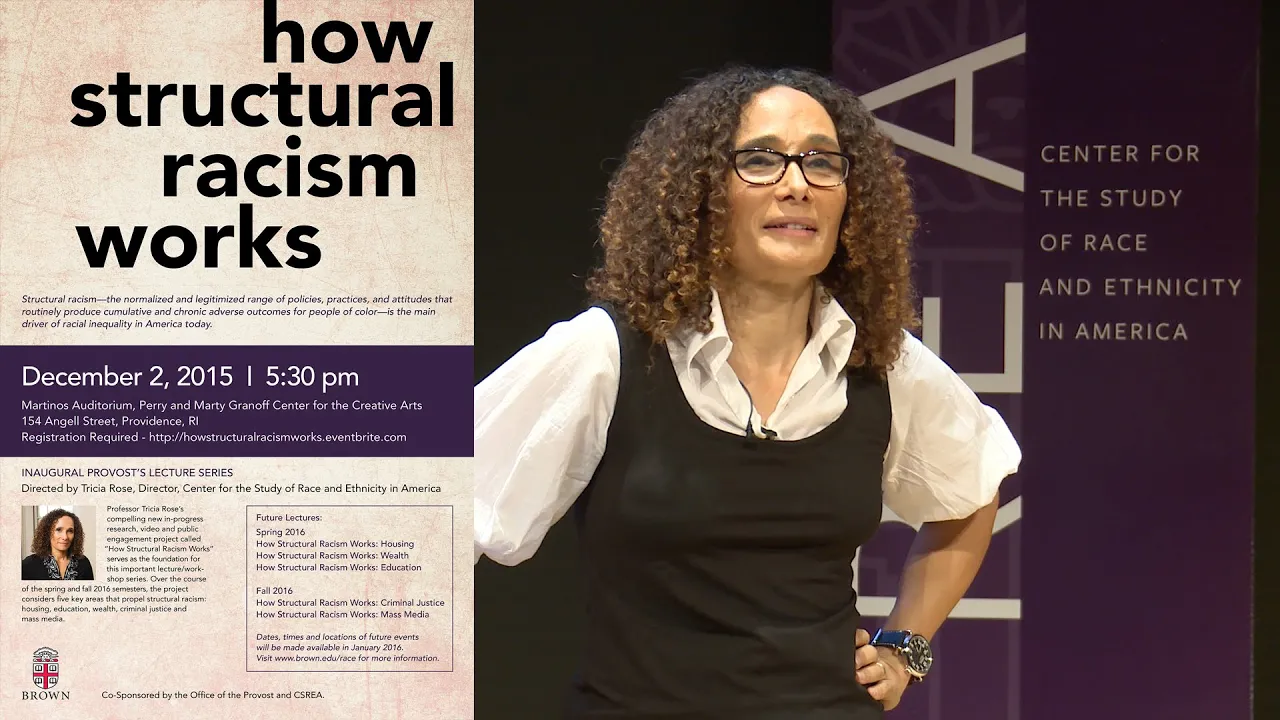






Racism significantly impacts health outcomes beyond economic factors, as evidenced by the persistent 5-year life expectancy gap between Black and White Americans at age 25, with higher discrimination levels correlating with increased risks of blood pressure, obesity, cancer, heart disease, and premature mortality; this occurs through multiple pathways including everyday discrimination, institutional racism like residential segregation, and implicit bias in healthcare, which collectively create a 'rigged system' that systematically disadvantages Black Americans regardless of their educational attainment or income level.
How Racism Harms Health: A Sociologist's Analysis
Added:Understanding the Social Determinants of Health (SDOH), specifically how non-medical factors like socioeconomic status, education, and physical environment influence overall well-being.
Distinguishing between interpersonal, institutional, and systemic/structural racism.
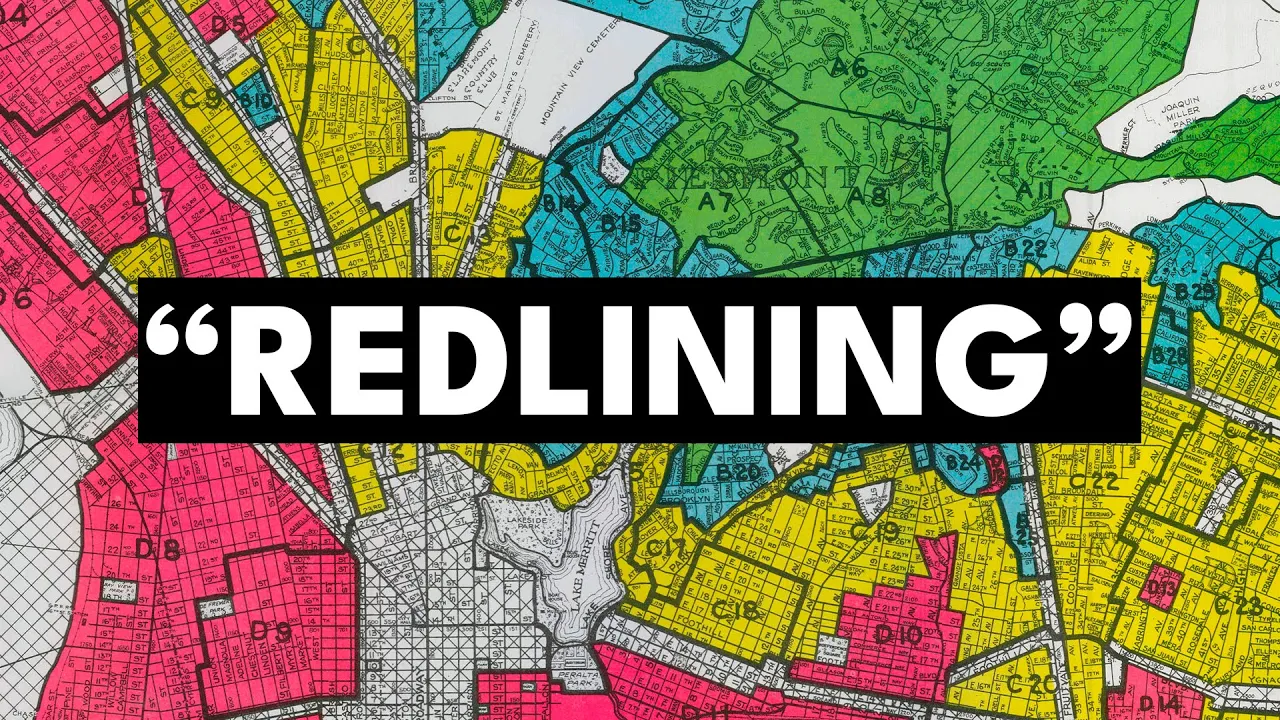
Basic knowledge of historical segregation practices in the United States, such as redlining, and their long-term socioeconomic impacts.
Familiarity with the concept of health disparities, which are preventable differences in the burden of disease and opportunities to achieve optimal health experienced by socially disadvantaged populations.
Exploring the 'weathering hypothesis' and the biological pathways through which chronic psychosocial stress (allostatic load) physically damages the human body over time.
Analyzing policy interventions and structural solutions designed to dismantle systemic racism in housing, education, and healthcare delivery.
Studying implicit bias in clinical settings and the training methods medical institutions use to mitigate racial bias in patient care.
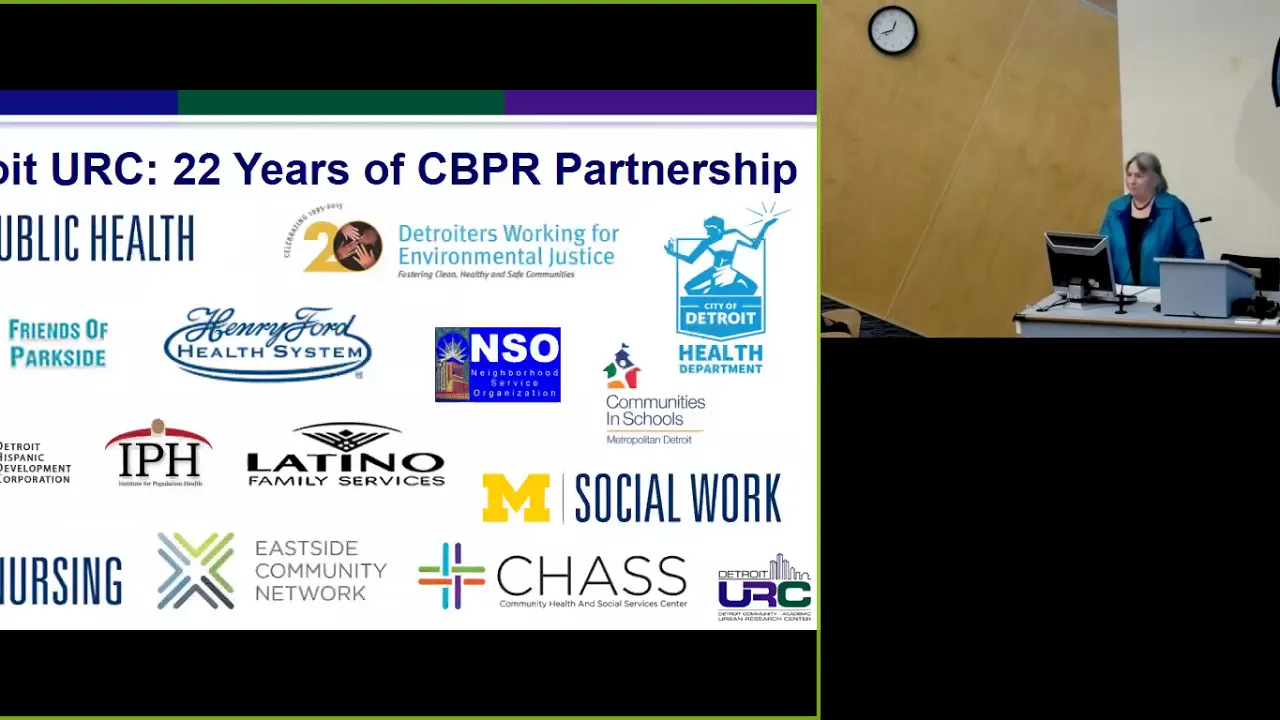
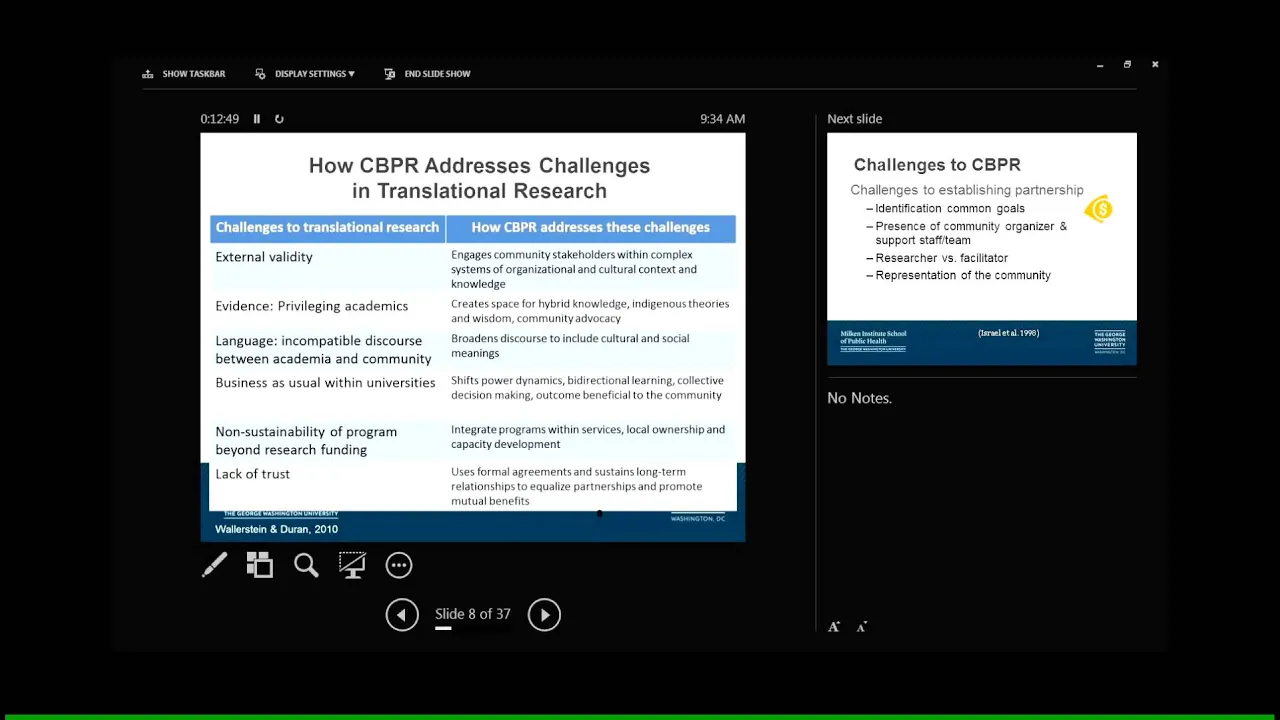
Investigating Community-Based Participatory Research (CBPR) as a collaborative methodology for designing interventions that address localized health inequities.
26.5K views373likes17:44Original Release: 2017-04-06
[Music] an article in the Yale alumni magazine told the story of Clyde Murphy a black man who was a member of the class of 1970 Clyde was a success story after Yale and a la degree from Colombia Clyde spent the next 30 years as one of America's top civil rights lawyers he was also a great husband and father but despite his success personally and professionally cly's story had a sad ending in 2010 at the age of 62 Clyde died from a blood clot in his lung Clyde experience was not unique many of his black classmates from Yale also died young in fact the magazine article indicated that 40 1 years after graduation from Yale the black members of the class of 1970 had a death rate that was three times higher than that of the average class member it's stunning America has recently awakened to a steady drum beat of unarmed black men being shot by the police what is even a bigger story is that every 7 minutes a black person dies prematurely in the United States that is over 200 black people die every single day who would not die if the health of blacks and whites were equal for the last 25 years I have been on a mission to understand why does race matter so profoundly for health when I started my career many believed that it was simply about racial differences in income and education I discovered that while economic status matters for health there is more to the story so for example if we look at life expectancy at age 25 at age 25 there's a 5-year Gap between blacks and whites and the Gap by education for both whites and blacks is even larger than the racial Gap at the same time at every level of Education whites live longer than blacks so whites who are high school dropouts live 3.4 years longer than their black counterparts and the Gap is even larger among college graduates most most surprising of all whites who have graduated from high school live longer than blacks with a college degree or more education so why does race matter so profoundly for health what else is it Beyond education and income that might matter in the early 1990s I was asked to review a new book on the health of black Black America I was struck that almost every single one of its 25 chapters said that racism was a factor that was hurting the health of blacks all of these researchers were stating that racism was a factor adversely impacting blacks but they provided no evidence for me that was not good enough a few months later I was speaking at a conference in Washington DC and I said that one of the priorities for research was to document the ways in which racism affected Health a white gentleman stood in the audience and said that while he agreed with me that racism was important we could never measure racism we measure self-esteem I said there's no reason why we can't measure racism if we put our minds to it and so I put my mind to it and developed three scales the first one captured major experiences of discrimination like being unfairly fired or being unfairly stopped by the police but discrimination also occurs in more minor and subtle experiences and so my second scale called the everyday discrimination scale captures nine items that captures experiences like you're treated with less courtesy than others you receive poorer service than others and WR or stores or people act as if they're afraid of you this scale captures ways in which the dignity and the respect of people who Society does not value is chipped away on a daily basis research has found that higher levels of discrimination are associated with the elevated risk of a broad range of diseases from blood pressure pressure to abdominal obesity to breast cancer to heart disease and even premature mortality strikingly some of the effects are observed at a very young age for example a study of black teens found that those who reported higher levels of discrimination as teenagers had higher levels of stress hormones of blood pressure and of weight at age 20 however the stress of discrimination is only one aspect discrimination and racism also matters in other profound ways for health for example there's discrimination in medical care in 1999 the National Academy of medson asked me to serve on a committee that document that found concluded based on the scientific evidence that blacks and other minorities receive poorer quality care than whites this was true for all kinds of medical treatment from the most simple to the most technologically sophisticated one explanation for this pattern was a phenomenon that's called implicit bias or unconscious discrimination researched for decades by social psychologists indicate that if you hold a negative stereotype about a group in your subconscious mind and you meet someone from that group you will discriminate against that person you will treat them differently it's an unconscious process it's an automatic process it is a subtle process but it's normal and it occurs even among the most well-intentioned individuals but the deeper that I delved into the health impact of racism the more Insidious the effects became there is institutional discrimination which refers to discrimination that exists in the processes of social institutions residential segregation by race which has led to blacks and white living in very different neighborhood contexts is a classic example of institutional racism one of America's Best Kept Secrets is how residential segregation is the secret source that creates racial inequality in the United States in America where you live determines your access to opportunities in education in employment in housing and even in access to Medical Care One study of the 171 largest cities in the United States concluded that there's not even one city where whites live under equal conditions to blacks and that the worst Urban context in which whites reside is considerably better than the average context of black communities another study found that if you could eliminate statistically residential segregation you would completely erase black white differences in income education and unemployment and reduce black white differences in single motherhood by 2/3 all of that driven by segregation I have also learned how the negative stereotypes and images of blacks in our culture literally create and sustain both institutional and individual discrimination a group of researchers have put together a database that contains the books magazines and articles that average college educated American would read over their lifetime it allows us to look within this database and see how Americans have seen words paired together as they grew up in this Society so when the word black appears in American culture what cooccurs with it poor violent religious lazy cheerful dangerous when white occurs the frequently co-occurring words are wealthy Progressive conventional stubborn successful educated so when a police officer overreacts when he sees an unarmed black male and perceives him to be violent and dangerous we are not necessarily dealing with an inherently bad cup we may be simply viewing a normal American who is reflecting what he has been exposed to as a result of being raised in this Society from my own experience I believe that your race does not have to be a determinant of your destiny I migrated to the United States from the Caribbean island of St Lucia in the late 1970s in pursuit of higher education and in the last 40 years I have done well I've had a supportive family I have worked hard I have done well but it took more for me to be successful I received a minority Fellowship from the University of Michigan yes I am an affirmative action baby without affirmative action I would not be here but in the last 40 years Black America has been less successful than I have in 1978 black households in the United St States earned 59 cents for every dollar of income whites earned in 2015 black families still earn 59 cents for every dollar of income that white families receive and the racial gaps in wealth are even more stunning for every dollar of wealth that whites have black families have six pennies and Latinos have seven pennies the fact is racism is producing a truly rigged system that is systematically disadvantaging some racial groups in the United States to paraphrase Plato there is nothing so unfair as the equal treatment of unequal people and that that's why I am committed to working to dismantling racism I deeply appreciate the fact that I am standing on the shoulders of those who have sacrificed even their lives to open the doors that I have walked through I want to ensure that those doors remain open and that everyone can walk through those doors Robert Kennedy said each time a man or woman I would add stands up for an ideal or acts to improve the lot of others or strikes out against Injustice he sends forth a tiny Ripple of Hope and those ripples can build a current that can sweep down the mightiest walls of Oppression and resistance I am optimistic today because all across America I have seen ripples of Hope the Boston Medical Center has added lawyers to the medical team so that Physicians can improve the health of their patients because the lawyers are addressing the non-medical needs their patients have lomalinda university has built a Gateway College in nearby San Bernardino so that in addition to delivering Medical Care they can provide job skills and job training to a predominantly minority lowincome community members so that they will have the skills they need to get a decent job in Chapel Hill North Carolina the abised Darian project has figured out how to ensure that they have lowered the risk for heart disease for blacks in their mid-30s by providing high quality daycare from birth to age five in after school centers across the United States winley fips and the US dream Academy is breaking the cycle of incarceration by providing highquality academic enrichment and mentoring to ensure to the children of prisoners and children who have fallen behind in school in Hansville Alabama Oakwood University a historically black institution is showing how we can improve the health of black adults by including a health evaluation as a part of freshman orientation and giving those students the tools they need to make healthy choices and providing them annually a health transcript so they can monitor their progress and in Atlanta Georgia purpose-built communities has dismantled the negative effects of segregation by transforming a crime ridden drug infested public public housing project into an oasis of mixed income housing of academic performance of of great Community wellness and of Full Employment and finally there is the Divine solution Professor Patricia Divine of the University of Wisconsin has shown us how we can attack our hidden biases headon and effectively reduce them each one of us can be a ripple of hope this work will not always be easy but former Supreme Court Justice th Good Marshall has told us we must descent we must descent from the indifference we must descent from the apathy we must descent from the hatred and the mistrust we must desent because America can do better better because America has no choice but to do better thank you
Up Next

7:34
Social Movements: Theories & Impact (MCAT Psychology/Sociology) - Khan Academy
@khanacademymedicine
389.9K views•2014-04-29
54:57
Contemporary Sociological Theory: Micro, Macro, Integrative
@NaSESYNC
45.7K views•2016-02-17
19:23
How to Analyze Conversations Scientifically | Elizabeth Stokoe | TEDx
@TEDx
1M views•2014-12-04
9:41
What is Sociology? The Sociological Perspective Explained
@crashcourse
4.6M views•2017-03-13
Related Study Plans & Knowledge Roadmaps
Structured learning paths in Sociology
sociology
Celebrity Culture: From Hollywood to TikTok
01Foundations of Celebrity Sociology
02The Rise of Micro-Celebrity & Digital Platforms
03Parasocial Relationships & Algorithmic Intimacy
+ 2 more learning modules
12h5 modules
Explore Roadmap
sociology
Hostile Architecture: Space, Power & Control
01Introduction to the Sociology of Space
02Social Control and Surveillance in the City
03Hostile Architecture and Defensive Design
+ 2 more learning modules
12h5 modules
Explore Roadmap
sociology
Loneliness Epidemic: Third Places & Isolation
01Foundations of Social Capital and Community Cohesion
02The Death of Third Places and Urban Space Erosion
03The Privatization of Leisure and Atomization
+ 2 more learning modules
12h5 modules
Explore Roadmap
sociology
Sociology of Tourism: Gaze, Power & Heritage
01Foundations of the Sociology of Travel and Leisure
02John Urry and the 'Tourist Gaze'
03Staged Authenticity and Cultural Commodification
+ 2 more learning modules
14h5 modules
Explore Roadmap