











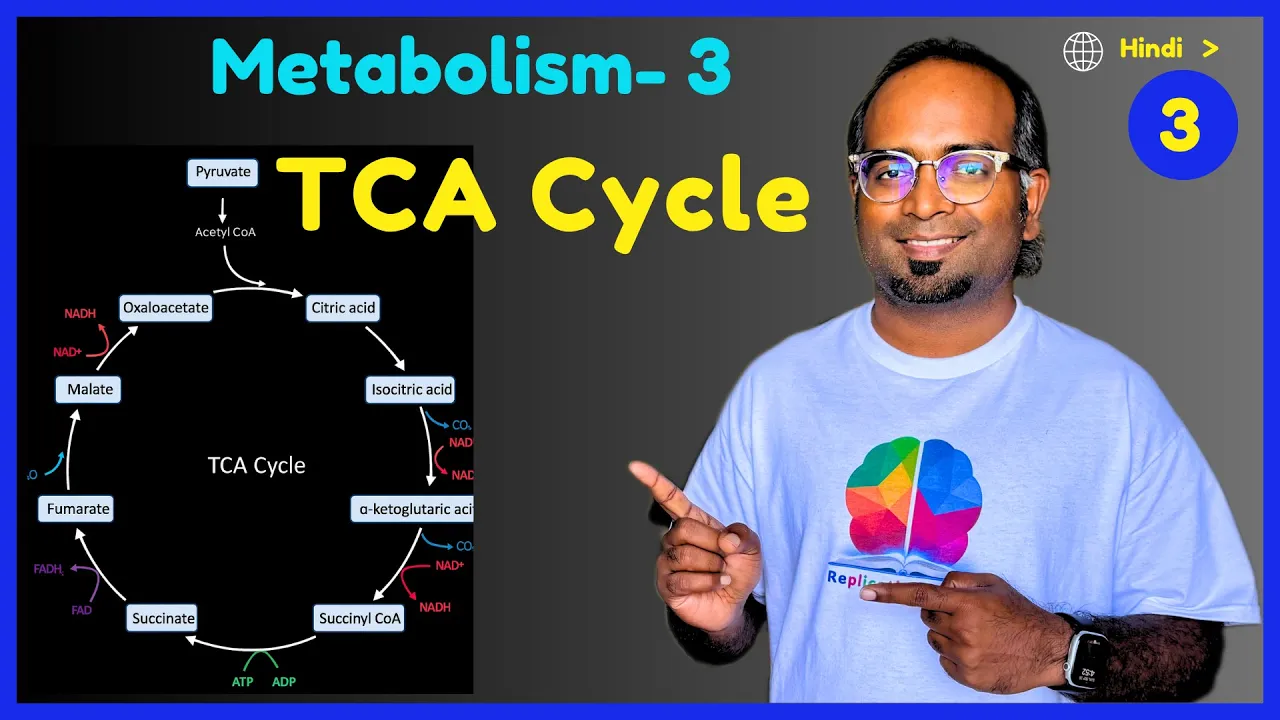


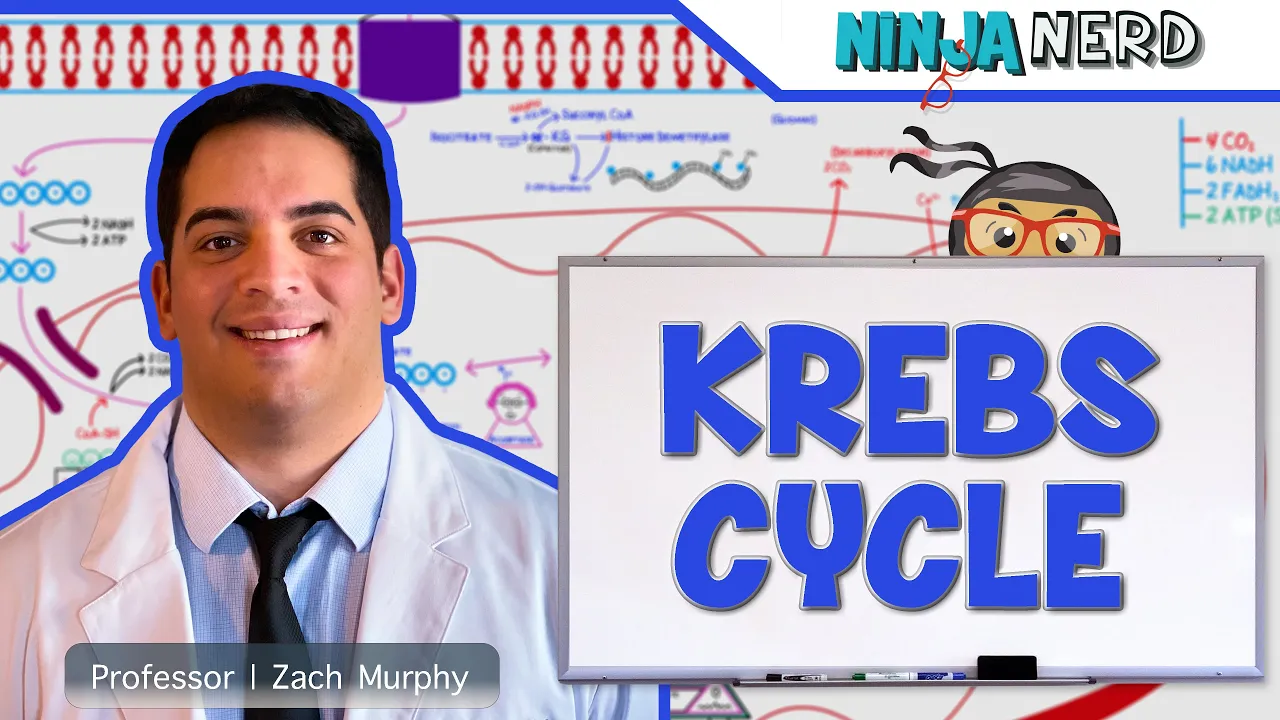
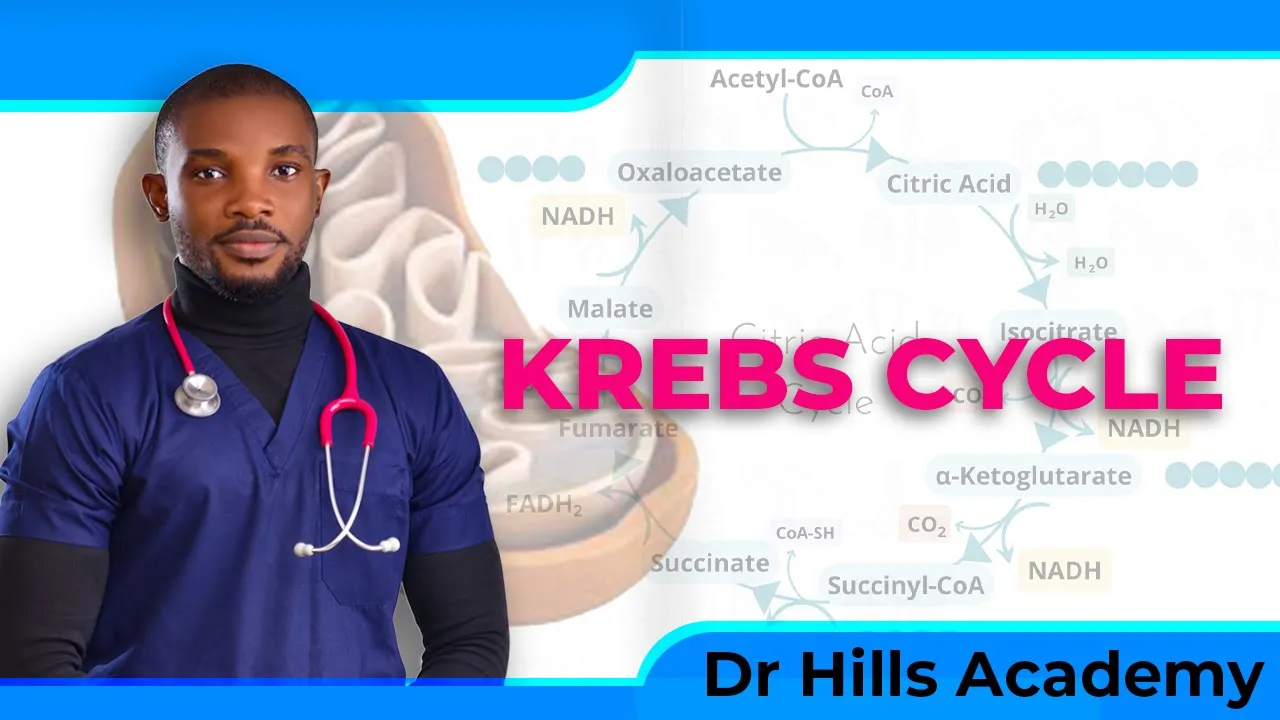


The citric acid cycle is an eight-step metabolic loop in mitochondria that breaks down acetyl-CoA from glycolysis into carbon dioxide while generating electron carriers (NADH and FADH2) for the electron transport chain, and producing GTP for ATP synthesis; the cycle begins and ends with oxaloacetate, which can also serve as a precursor for amino acid and nucleotide biosynthesis.
Citric Acid Cycle Explained: The Krebs Cycle in Mitochondria
Added:Structure and function of the mitochondria, specifically the mitochondrial matrix where the cycle takes place.
The process of glycolysis and pyruvate oxidation, which generates the starting substrate Acetyl-CoA.
The role of electron carriers such as NAD+ and FAD, and how they function in biological redox reactions.
Basic biochemical concepts of enzyme catalysis, substrates, and metabolic pathways.
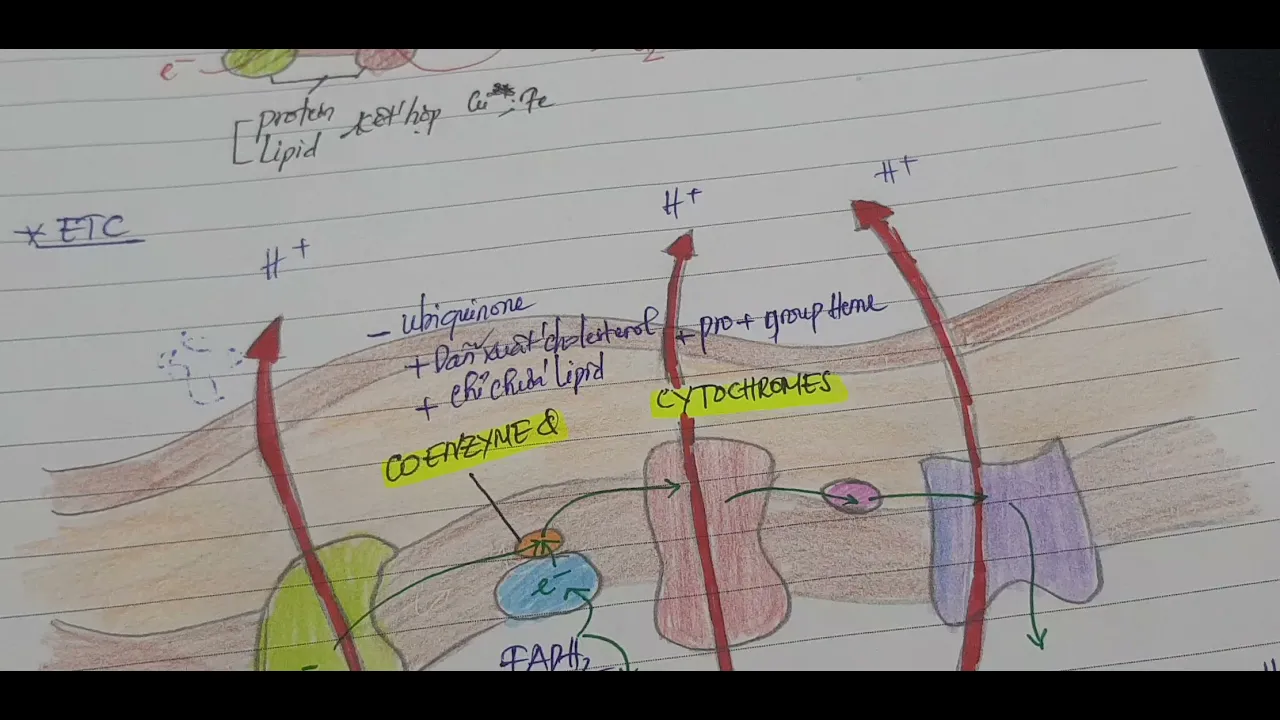
The Electron Transport Chain (ETC) and Oxidative Phosphorylation, which use the generated NADH and FADH2 to produce ATP.
Regulatory mechanisms of the Citric Acid Cycle, including allosteric feedback inhibition by ATP, NADH, and succinyl-CoA.
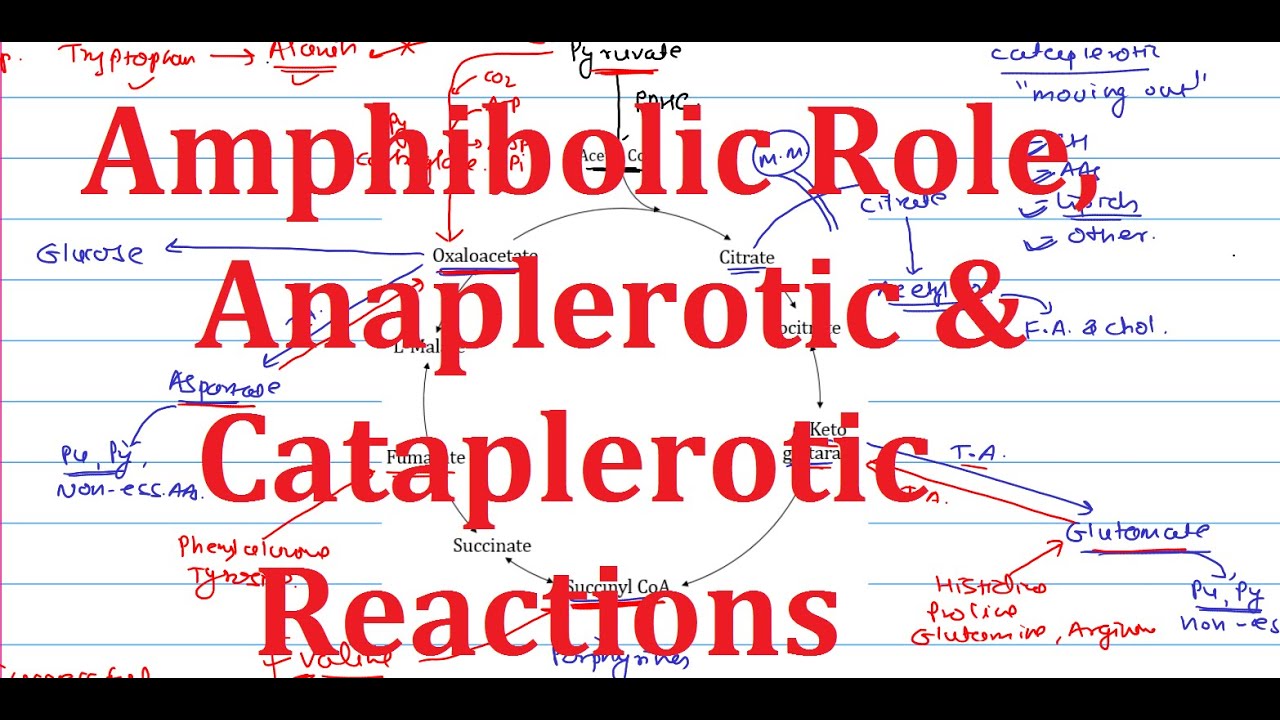
The amphibolic nature of the TCA cycle, exploring how its intermediates are used as precursors for synthesizing amino acids, lipids, and heme.
Metabolic disorders and clinical pathologies associated with genetic mutations in Krebs cycle enzymes.
140.8K views3.8Klikes6:10Original Release: 2020-11-20
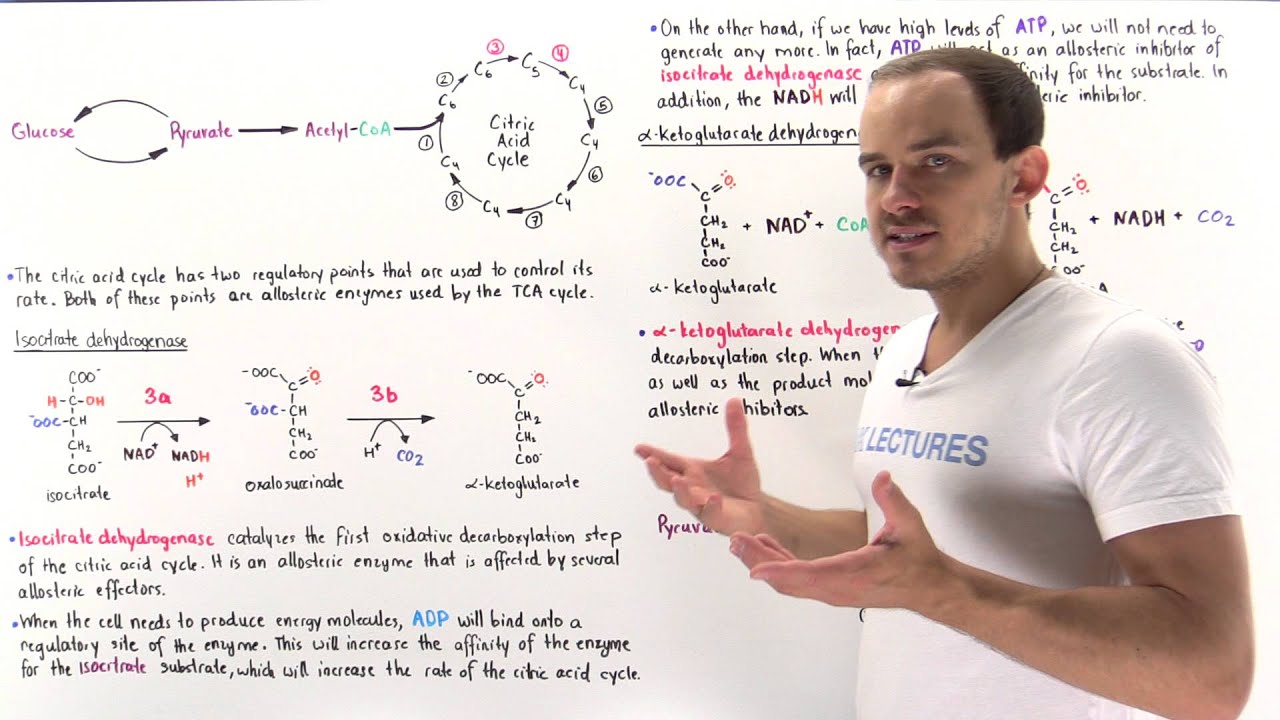
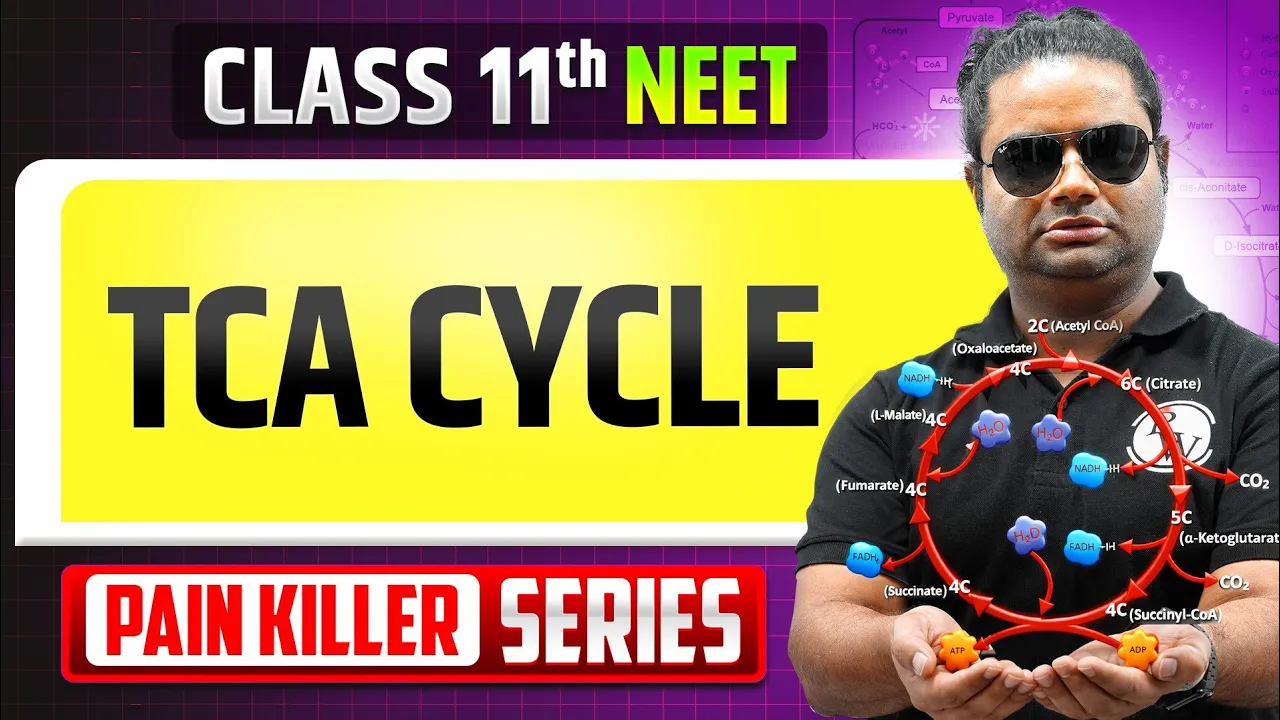
the origin of energy production and biosynthesis inside your living cells is the dynamic mitochondria organel mitochondria are filled with metabolic enzymes that catalyze a loop of chemical reactions called the citric acid cycle the eight steps of the citric acid cycle gradually break apart two carbon atoms from glyco capturing liberated electrons for the electron transport chain while generating carbon dioxide as waste the citric acid cycle starts with the end product of a previous cycle the four carbon molecule oxaloacetate new carbon enters from glycolysis in the form of acetyl COA a two-carbon acetyl group attached to co-enzyme a Step One is the catalytic transfer of a two carbon acetyl group from co-enzyme a to four carbon oxaloacetate creating six carbon citric acid the molecule that gives the cycle its name citric acid is used by your cells for the biosynthesis of fatty acids lipids and cholesterol and is also the substrate for step two of the citric acid cycle the enzyme reaction of step two makes a small change to the citric acid molecule moving the position of an oxygen atom converting citrate into isocitrate step three of the cycle removes a carbon atom forming carbon dioxide as waste while converting six carbon isocitrate to 5 carbon ketoglutarate during this process chemical energy is harvested when two electrons are transferred to co-enzyme nadh which delivers them to nearby enzymes of the electron transport chain step four of the citric acid cycle is performed by a huge multi-enzyme complex connecting multiple chemical reactions with flexible tethers efficiently moving reactants between active sights and diverting electrons between Pathways the large complex is made with a repeating unit of Three core enzymes working in sequence to remove a carbon atom from ketoglutarate generating carbon dioxide waste then attaching four carbon sucin to co-enzyme a the electron from ketoglutarate oxidation is retained by the tethered enzyme before passing it to co-enzyme nadh which delivers electrons to the electron transport chain enzymes of step five separate sual from co-enzyme a by breaking an energetic Bond providing enough energy to create GTP GTP is a building block of RNA and an energy source for protein synthesis in the most direct path to ATP from the citric acid cycle other enzymes in The Matrix can use GTP to make the chemical fuel ATP step six is performed by an enzyme embedded in the inner mitochondrial membrane this enzyme is also known as complex 2 of the electron transport chain the enzyme catalyzes the oxidation of succinate to create fumerate releasing two electrons that hop through the interior to co-enzyme Q which is reduced co-enzyme Q travels in the membrane carrying the electrons to nearby enzymes of the electron transport chain step seven takes ferine generated by step six and reacts it with water to create four carbon malate the final step of the citric acid cycle uses malate to regenerate oxaloacetate transferring electrons to co-enzyme nadh which supplies the electron trans transport chain oxelo acetate can return to step one for another loop of the cycle and is also an essential building block for making amino acids and the genetic code of DNA and RNA at the center of cellular metabolism the citric acid cycle generates both chemical energy and material for biosynthesis of the entire diversity of molecules found in inside a living cell
Up Next
50:38
Electron Transport & Oxidative Phosphorylation | Biochemistry Lecture
@KevinAhern
30.4K views•2012-01-25
50:12
Bacterial Communication: Quorum Sensing and Biofilm Formation Explained
@JHUAAP
12.6K views•2011-06-28
3:32
Proteasome Function & Protein Recycling Explained | Molecular Animation
@WEHImovies
42.5K views•2024-05-24
7:08
Bacteriophages: Earth's Deadliest Killers and Future Antibiotics
@kurzgesagt
34.6M views•2018-05-13
Related Study Plans & Knowledge Roadmaps
Structured learning paths in Biology
biology
RNAi: Biogenesis, RISC & Gene Silencing
01Molecular Biology Foundations: DNA to Protein
02Introduction to RNA Interference (RNAi)
03Molecular Biogenesis of miRNA and siRNA
+ 2 more learning modules
10h5 modules
Explore Roadmap
biology
Mycorrhizae: Signaling, Biophysics & Ecology
01Foundations of Mycorrhizal Symbiosis
02Molecular Signaling and Root Colonization
03Biophysics and Bioenergetics of Nutrient Exchange
+ 1 more learning modules
11h4 modules
Explore Roadmap
biology
Circadian Clocks: TTFL, SCN & Periphery
01Foundations of Molecular Biology & Gene Expression
02Introduction to Chronobiology and Actograms
03The Core TTFL: Molecular Architecture of the Clock
+ 3 more learning modules
14h6 modules
Explore Roadmap
biology
Population Genetics: Math, Drift & Selection
01Genetic & Probability Foundations
02The Hardy-Weinberg Principle and Baseline Models
03Mathematical Modeling of Natural Selection
+ 3 more learning modules
18h6 modules
Explore Roadmap