










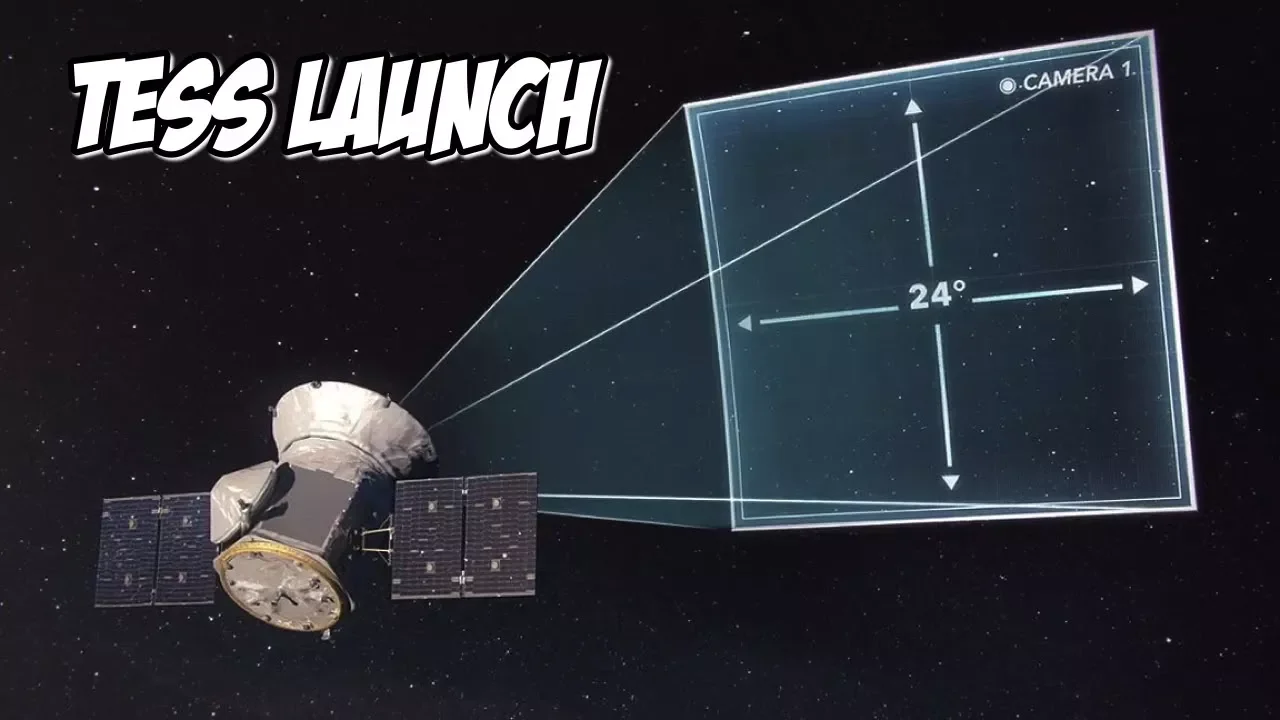



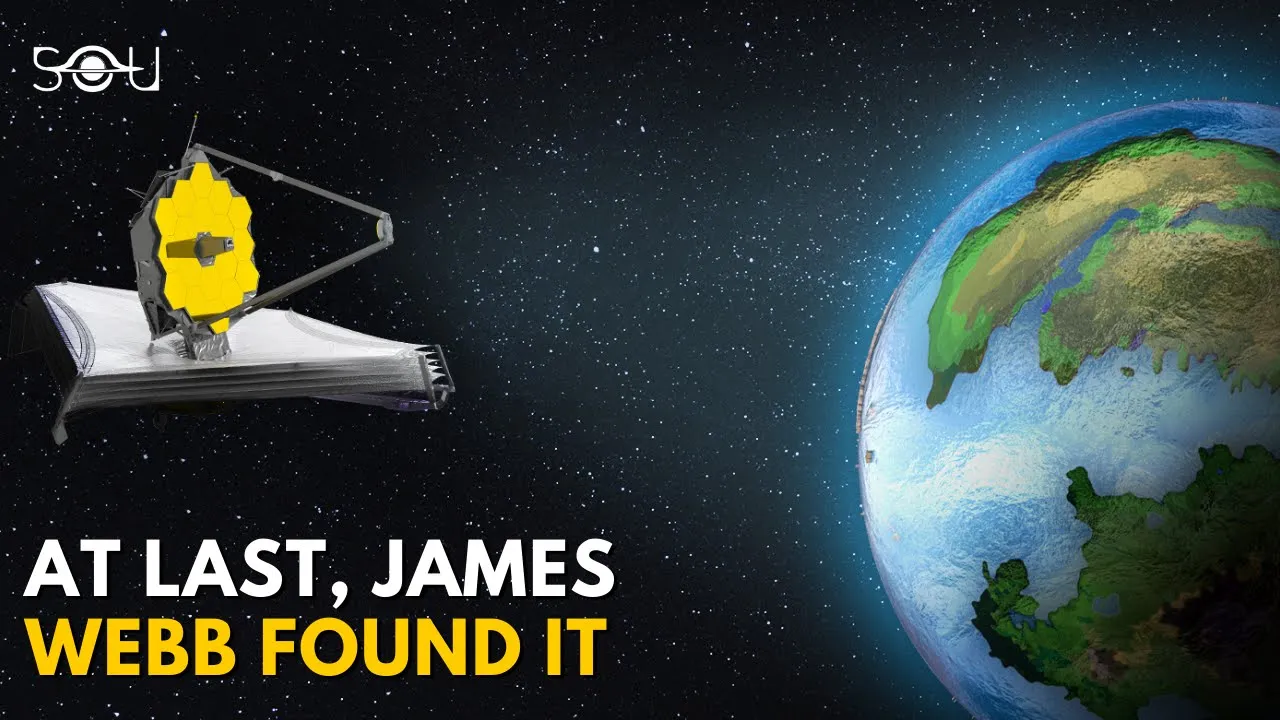
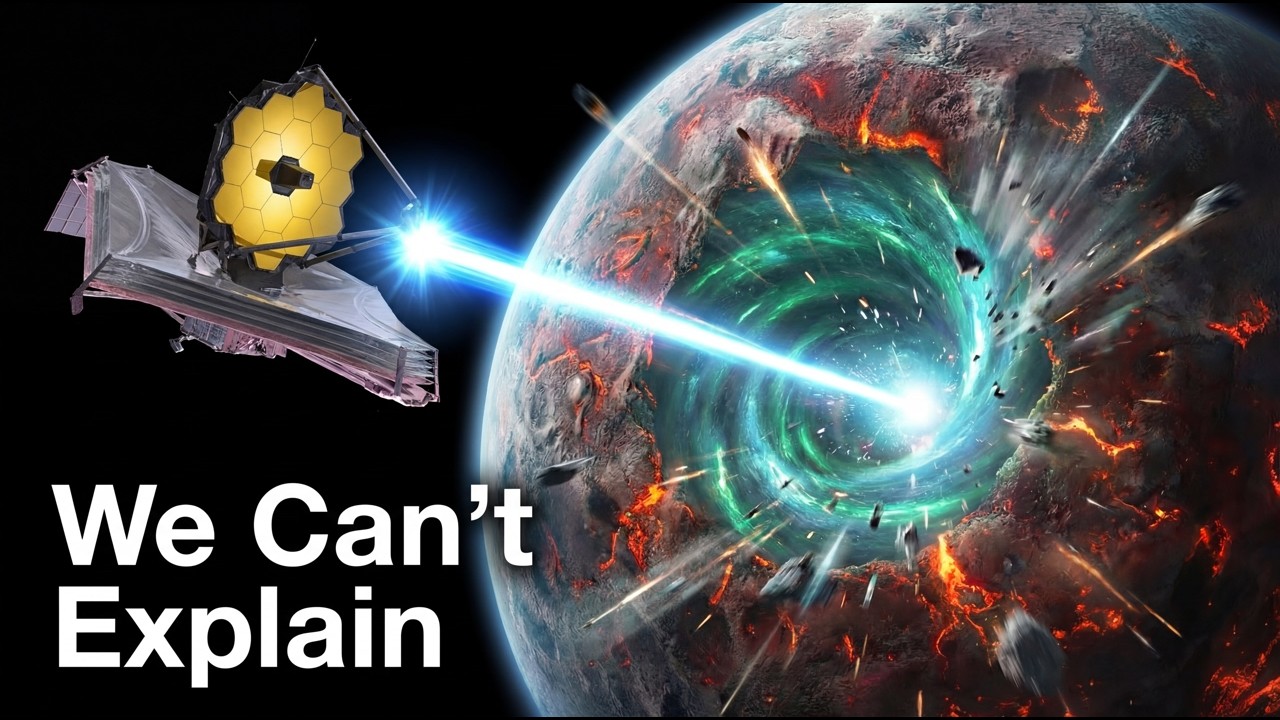


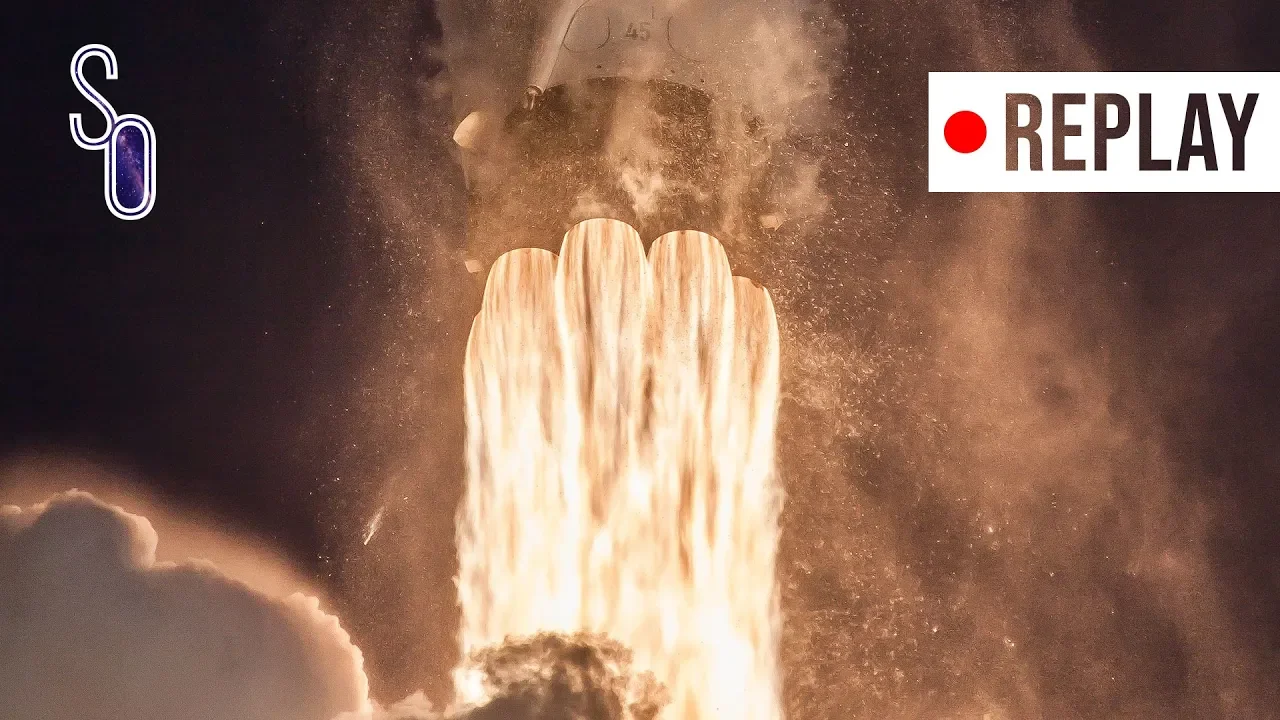
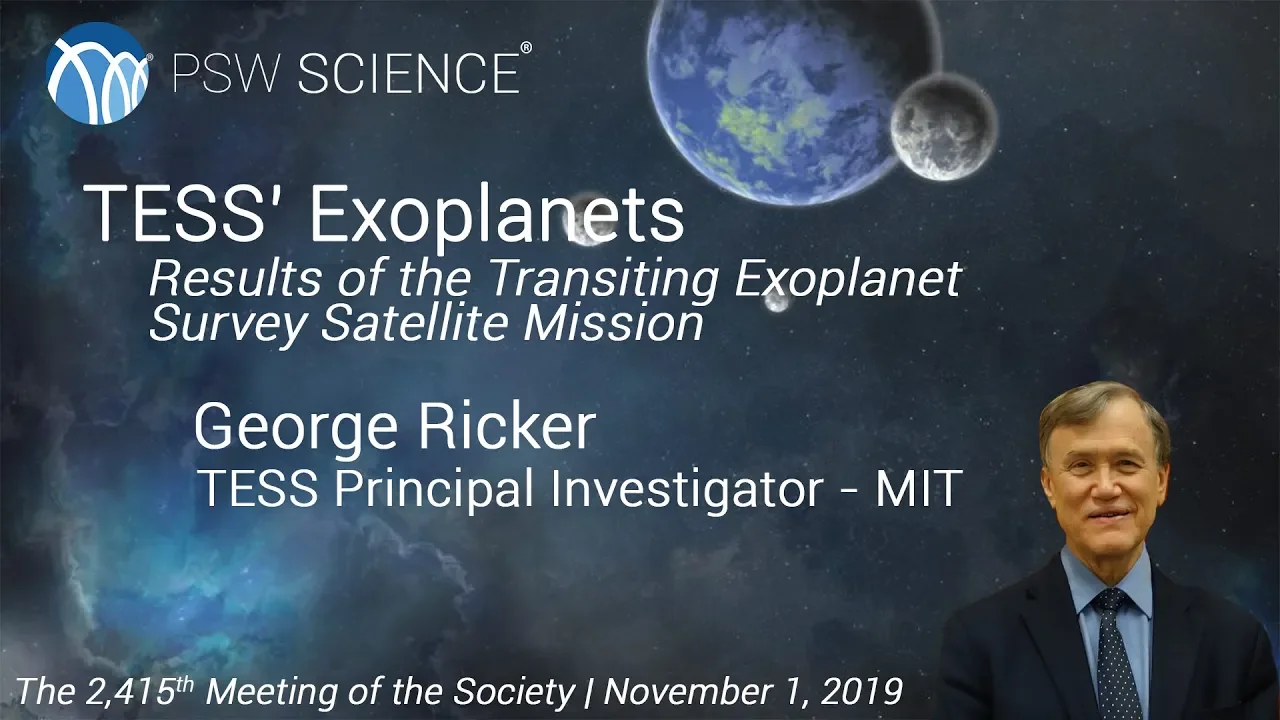

NASA's Transiting Exoplanet Survey Satellite (TESS) is a planet-hunting mission launched by SpaceX aboard a Falcon 9 rocket on April 18, 2018, designed to discover thousands of exoplanets by monitoring over 200,000 stars for periodic brightness dips caused by planets transiting in front of their host stars; the mission uses four wide-field cameras to identify potentially habitable planets in the habitable zone where liquid water could exist, and the spacecraft will spend two years surveying the entire sky before being deployed into a highly elliptical orbit reaching 273,000 kilometers to enable continuous observation of exoplanets for future study by telescopes like the James Webb Space Telescope.
TESS Launch: SpaceX Falcon 9 Deploys NASA Exoplanet Hunter
Added:Fundamental orbital mechanics, including how launch vehicles overcome Earth's gravity to insert payloads into specific orbits.
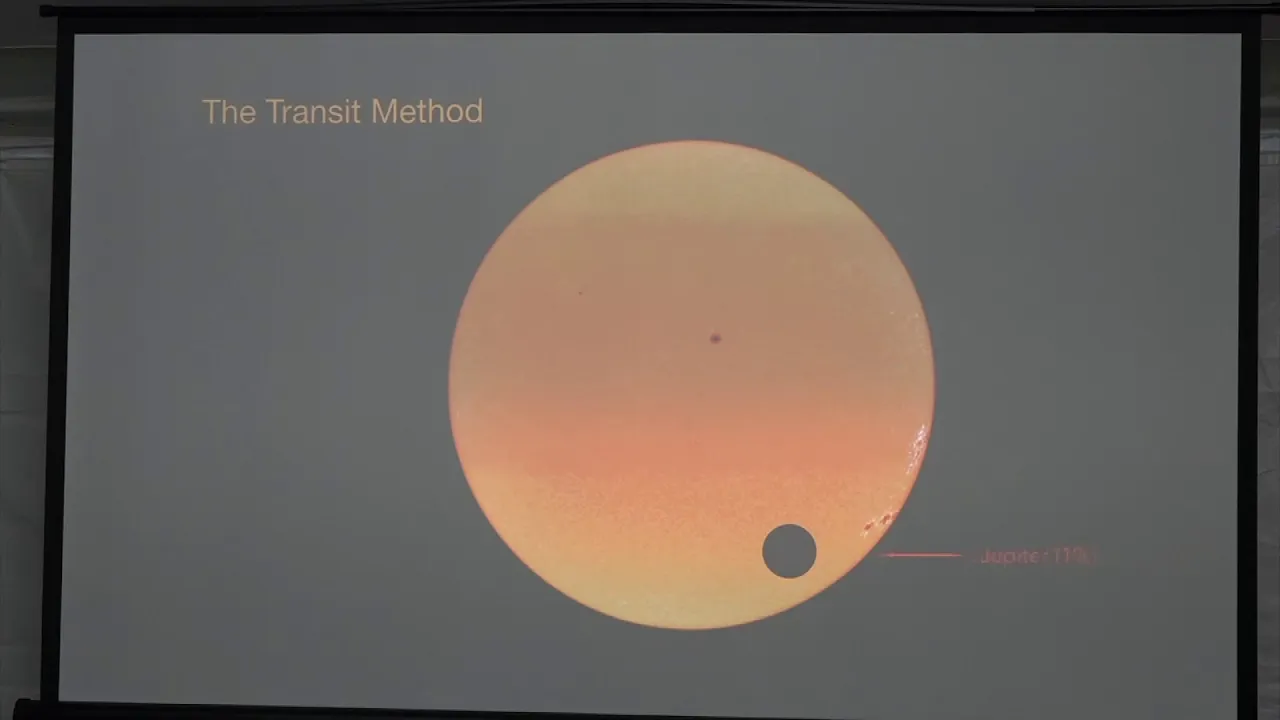
The definition of an exoplanet and the basic concept of the Transit Method (detecting planets by measuring the dimming of a star as a planet passes in front of it).
The concept of reusable rocket technology, specifically the engineering principles behind SpaceX's Falcon 9 first-stage vertical landing.
Different types of Earth orbits, specifically the differences between Low Earth Orbit (LEO) and High Earth Orbit (HEO).
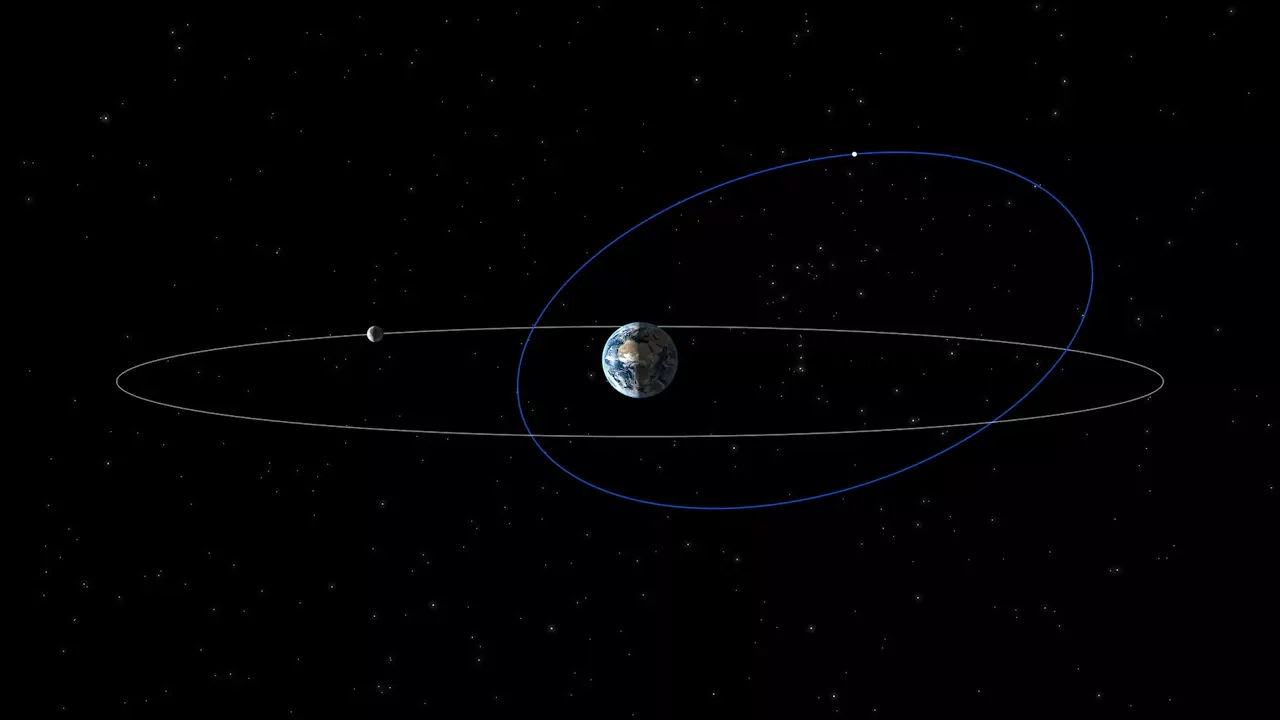
The unique highly elliptical 'resonance orbit' of TESS (2:1 orbital resonance with the Moon) and its gravitational stability benefits.
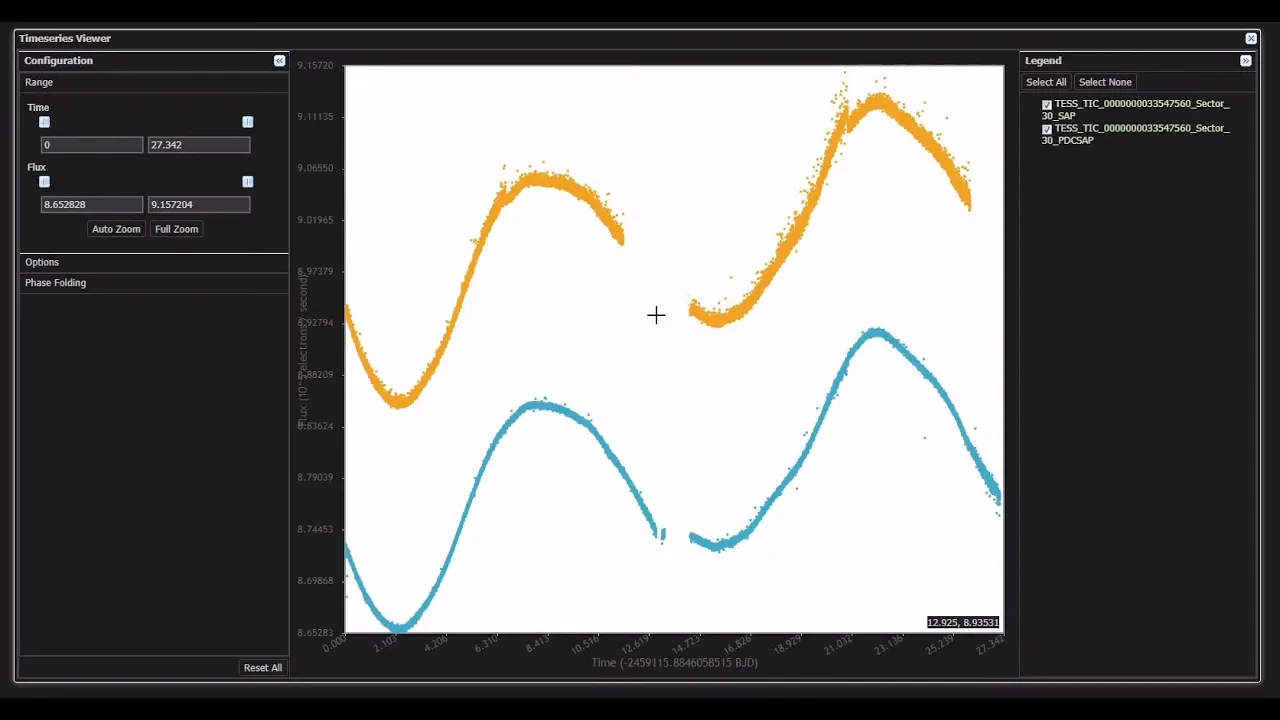
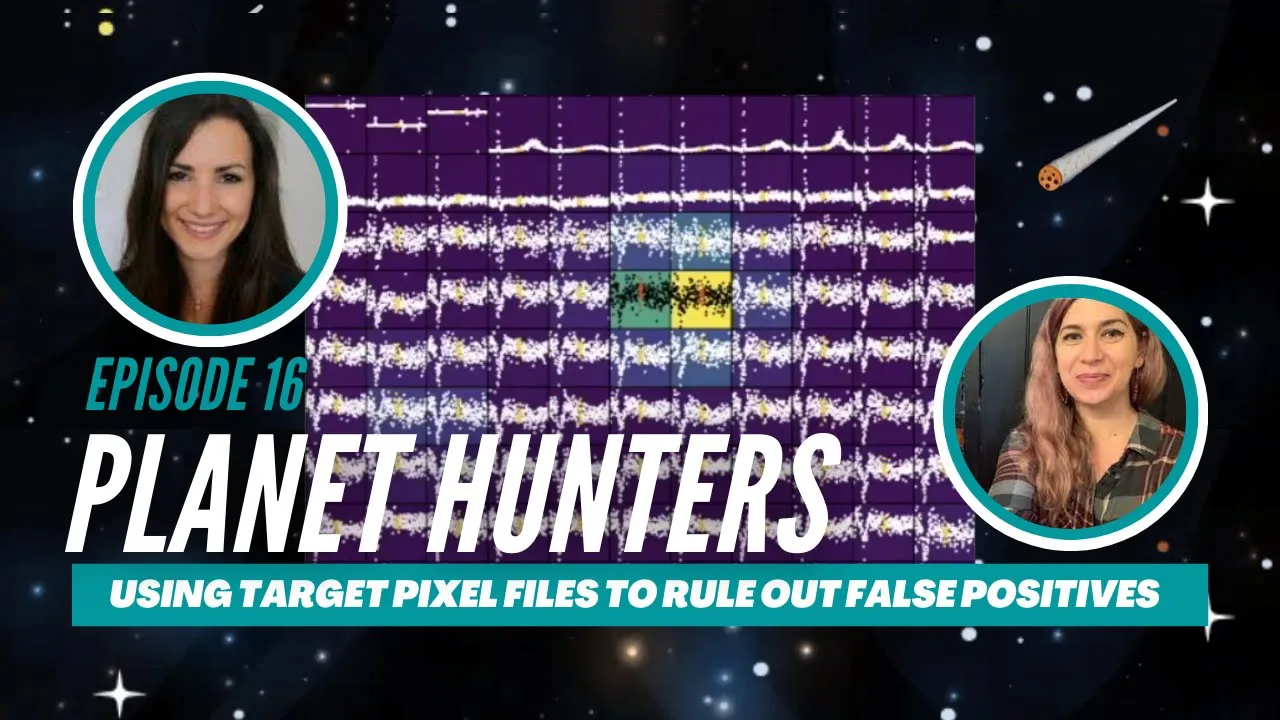
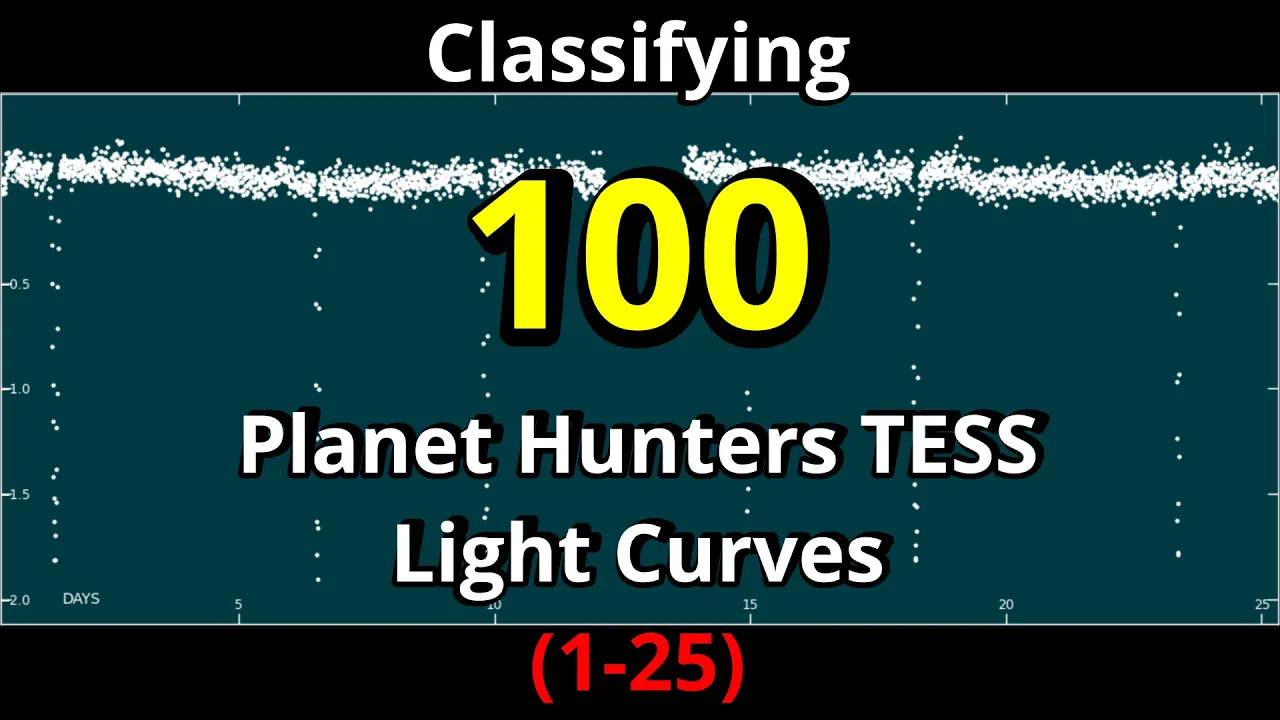
Analyzing TESS light curves and stellar data to differentiate between actual exoplanet transits and astronomical false positives.
How the James Webb Space Telescope (JWST) and ground-based observatories perform follow-up atmospheric characterization of TESS-discovered exoplanets.
A comparative study of the TESS sky-survey strategy (all-sky transit search of bright, nearby stars) versus its predecessor, the Kepler Space Telescope.
1.1M views24.3Klikes1:11:20Original Release: 2018-04-20
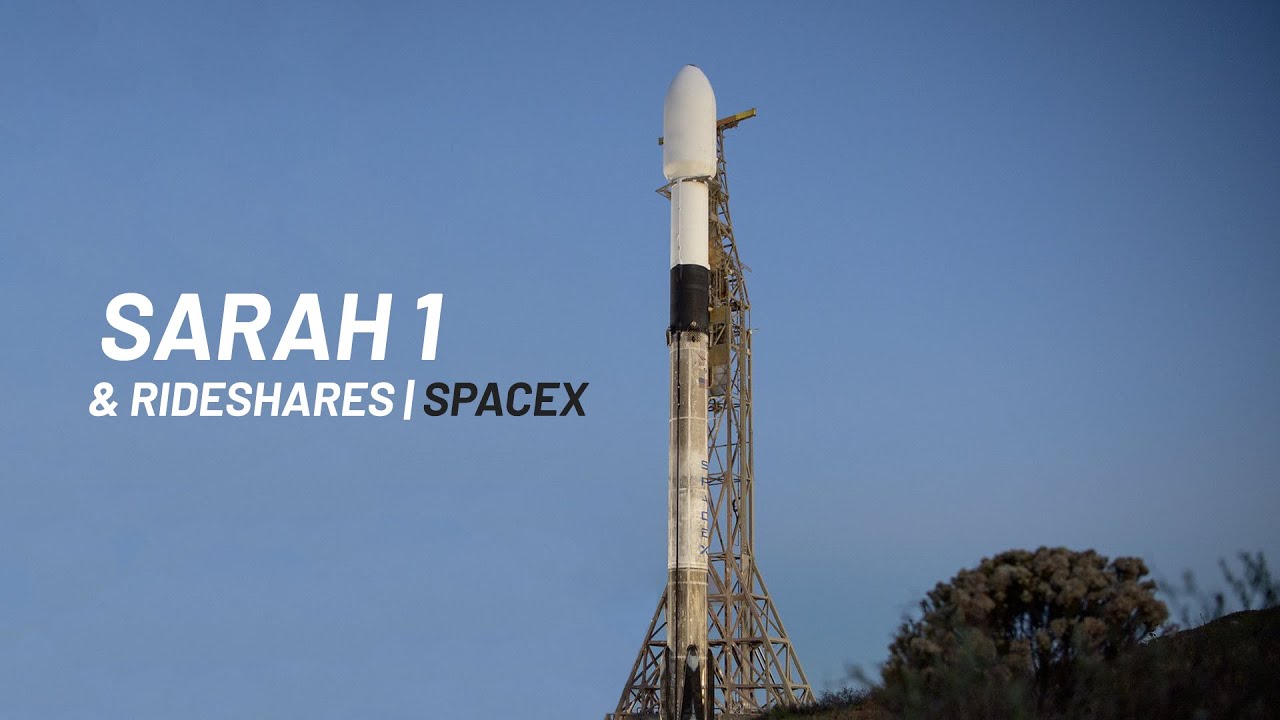
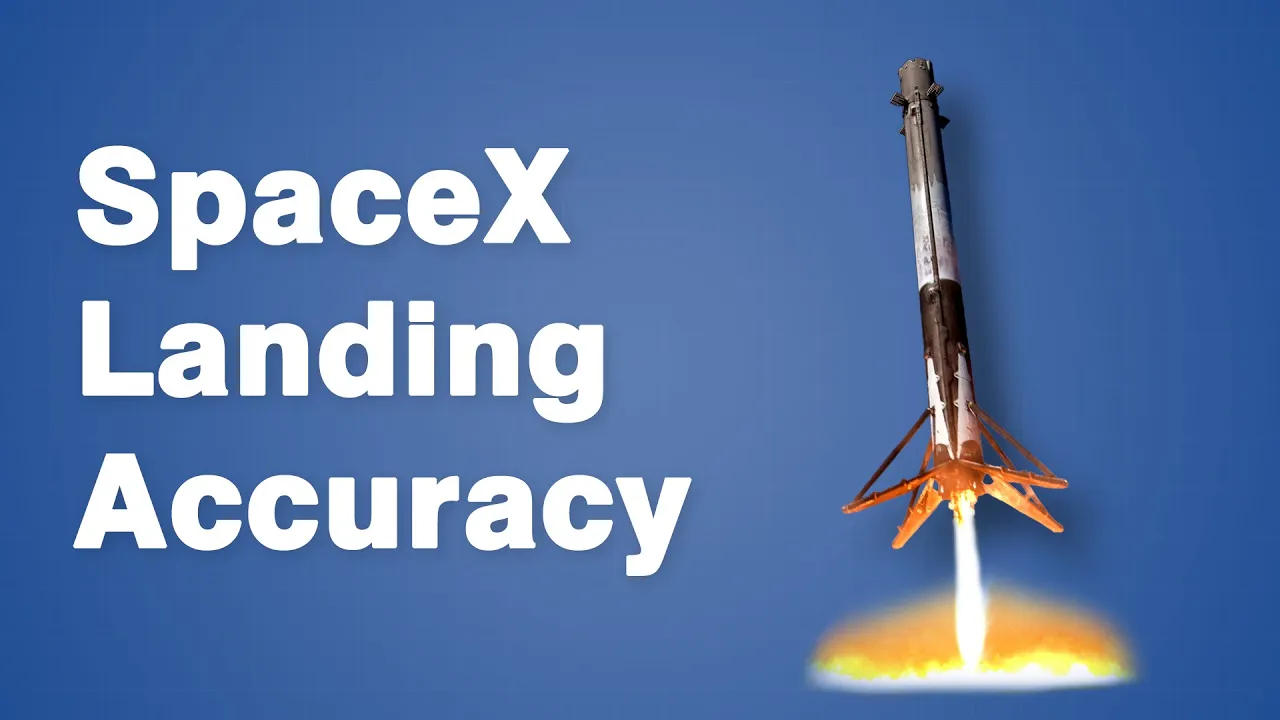
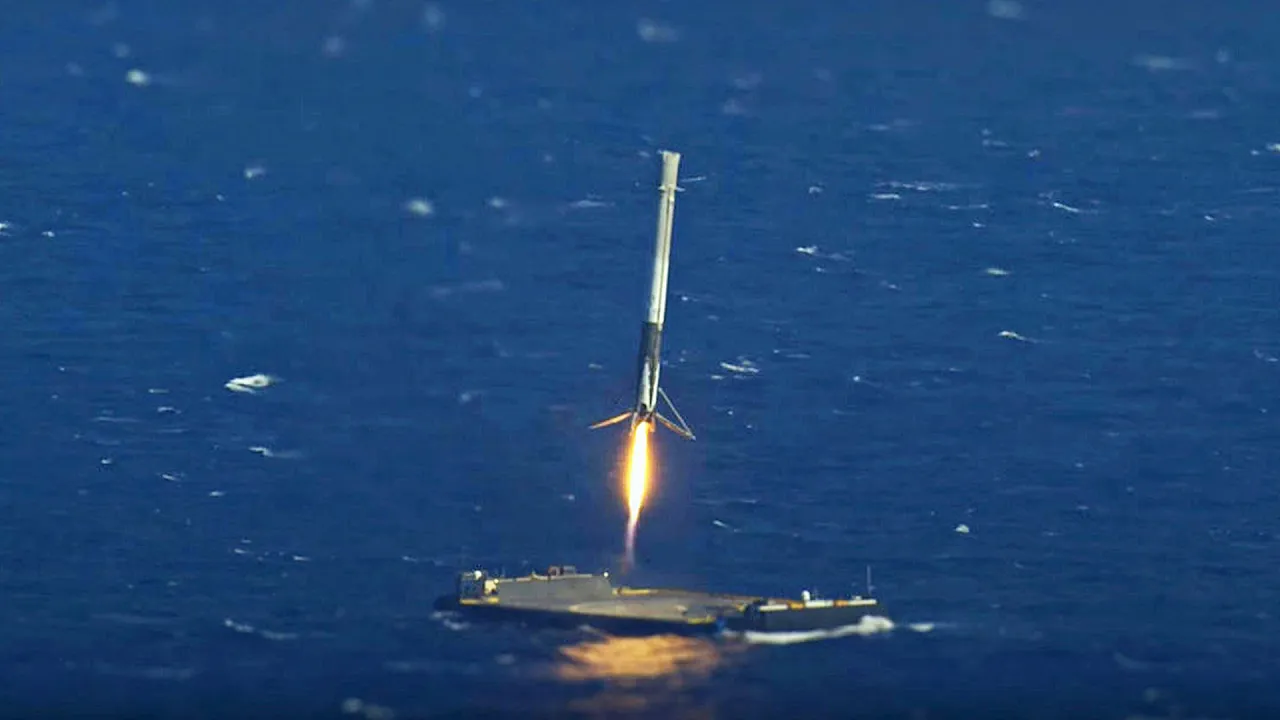
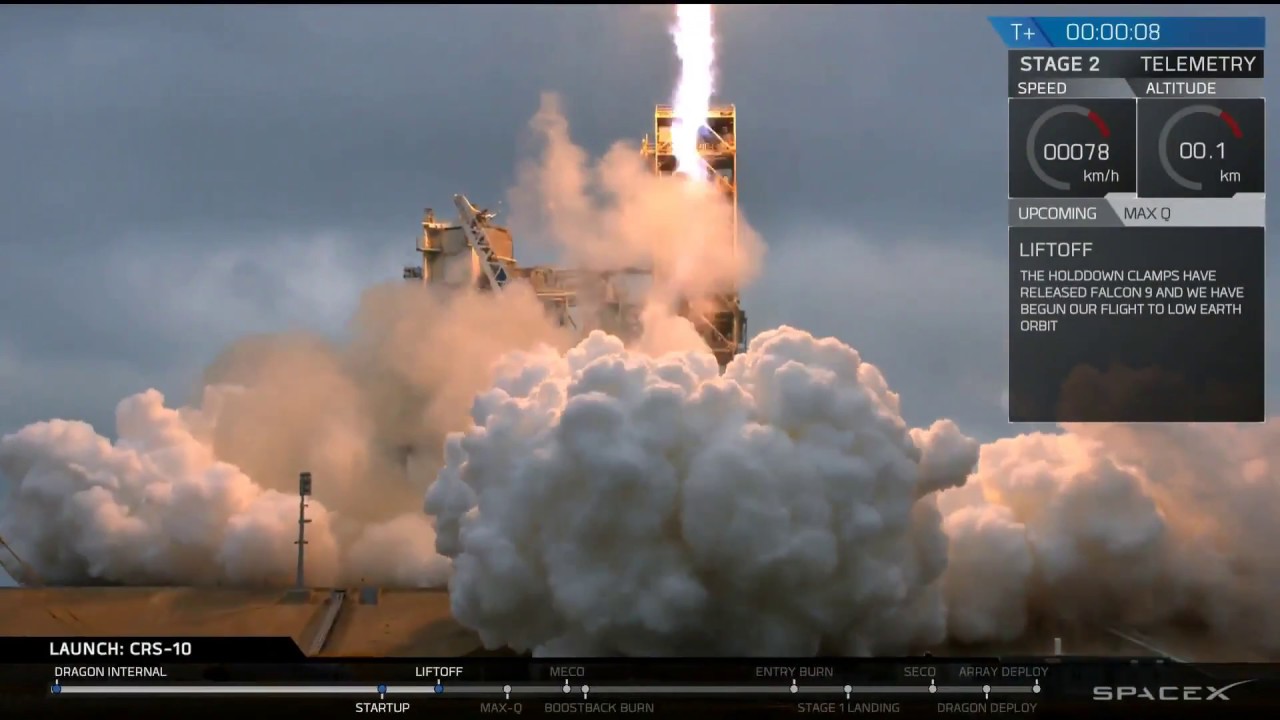
[Music] [Music] [Music] [Music] [Music] [Music] [Music] [Applause] [Music] [Music] [Music] [Applause] [Music] [Music] [Music] [Music] [Music] it is April 18th 2018 just after 6:30 7:00 p.m. Eastern Daylight Time and you are looking at a live view of the Falcon 9 rocket with NASA's test spacecraft on top awaiting its 6:51 p.m. local time launch good afternoon from SpaceX s quarters here in Hawthorne California my name is Lauren Lyons and I'm engineer and our flight reliability Department and I'll be your host for today's webcast today we are launching NASA's transiting exoplanet survey satellite or test for short after Falcon 9 drops it off in a high Earth orbit it will be on its way to go hunt for potentially habitable planets outside of our solar system and SpaceX is super excited to be playing a role in such a cool mission today throughout the webcast we're going to tell you more about tests how falcon 9 will get it to orbit and bring you video of our attempt to land the first stage on the east coast drone ship of course I still love you now today we're launching out of Space Launch Complex 40 at Cape Canaveral which is one of SpaceX is two East Coast launch sites on the pad you can see here that two-stage Falcon 9 vehicle which sense seventy meters tall and that's taller than a 20-story building the first stage which is the bottom two-thirds of the rocket is our booster stage and that along with the nine Merlin engines is what does the bulk of the work to get Falcon 9 from the ground and up into the thinner parts of the Earth's atmosphere to the edge of space and we're going to attempt to land this stage today on the drone ship after it separates from the upper stage now that upper stage our stage 2 as we call it that's right on top of stage 1 and has a single M vac engine on it that's Merlin vacuum engine that's the engine that ignites after stage 1 separates and begins its journey back to earth the second stage it's what's going to carry tests from the edge of space and accelerated it to orbital speeds of just over seven and a half kilometers per second now Tess is currently sitting on the very top of that stack inside of our 17 foot diameter payload fairing that's that nose cone structure you see on your screen up top the fairing is what protects the spacecraft from Aero thermal heating and as we launch it into space once we reach vacuum we're gonna separate the two halves of that nose cone of that fairing and have them come back to earth because we don't need them anymore now the trust structure that you see on your screen there that is referred to as our transporter erector this is what we use not only to roll the rocket out of the hangar into the pad and then to lift it up and support it in its vertical position but is also what routes Falcon 9's fluids power and telemetry umbilicals from the ground systems all the way to the vehicle itself and does so until Falcon 9 goes on internal power and launches and clears the pad at that point the vehicles internal flight computer and automation and radio frequency communication is what's going to take over now following some Plex successful deployment of the test spacecraft this is going to be the 52nd Falcon 9 launch the 24th Falcon 9 landing if we're successful today and SpaceX is 8th launched this year operators began loading propellants on the Falcon nine at t-minus 70 minutes and father 9 is powered by by propellant engines that is they consume a fuel which is our p1 and an oxidizer which is liquid oxygen fuel is about 90% are so loaded on the rocket and stage sorry on stage 1 and 75% loaded on stage 2 oh I'm sorry actually our p1 the fuel is fully loaded on stage 1 in 2 and it's LOX that's about 90% loaded on stage 1 and 75% loaded on stage 2 now liquid oxygen is that super chilled oxidizer that we use inside of our ops tank and coming up next what we're going to hear on the call out is engine chill this is where we flow a small amount of that liquid oxygen through to the engines in order to cool them down to their operating temperature so that when we start feeding them their full flow of liquid oxygen in flight that locks face nice and cold and doesn't heat up and start to boil off and cause bubbles and other performance issues on the engines listening in on the weather Nets it's sounding like we are looking good for an on-time launch today I'm not hearing about any issues with upper-level clouds our ground level winds are looking within limits as are those upper-level winds and we're within our lightning rules spacecraft is currently healthy on internal power and the range is currently go for an on-time launch today so today's mission is really really cool we're launching nasa's transiting exoplanet survey satellite or Tess this is a mission that's operated by MIT managed by NASA's Goddard Space Flight Center and it's the second launch the SpaceX has conducted for NASA's launch services program and adjust 365 kilograms and just under five feet tall the test may be small but it is doing the big things this planet hunter is an orbital Observatory that will discover thousands of planets by monitoring over 200 thousand stars in nearby planet systems or star systems its science instrument is comprised of four high-tech wide field-of-view cameras designed and manufactured by mi t--'s Lincoln Laboratory these cameras will allow tests to detect exoplanets which are planets that are outside of our solar system it does this by looking for a phenomenon known as a transit this is where a planet passes in front of the tost star causing a periodic dip in that star's brightness this allows scientists to assess the size mass atmospheric composition and structure of those planets and this is particularly exciting to astrophysicist and astrobiologists because some of those planets may fall into what is referred to as the habitable zone that means it might have the right conditions to sustain liquid water and potentially support life falcon 9 will be ingesting test injecting tests into an elliptical high Earth orbit that at its highest point reaches 270 3,000 kilometers that's over two-thirds of the way to our Moon after test separates from Falcon 9 over the next 60 days the spacecraft will use its onboard thrusters to perform a series of maneuvers which includes a flyby of the moon in order to slingshot it into its final high earth science orbit this orbit is what's going to give test an unobstructed view of the night sky allowing the spacecraft to absorb and observe and catalog thousands of exoplanets for future studies by the James Webb Space Telescope the Hubble Space Telescope and large ground-based observatories internal sequences have started all right we are about four minutes and 45 seconds away from liftoff so let's check in on the rocket one more time before stepping into the terminal count fuel is fully loaded on both stages and liquid oxygen is being topped off right now as we speak the rocket is also now pressurizing itself with helium gas we use that gas in order to maintain the structural strength of the rocket while on the ground and in flight and very soon what you're going to see is those cradle arms that are holding the rocket they're going to open up and the transporter erector is going to lean back slightly it's going to retract you also might see some fencing coming from the side of TV from the te that's totally normal it's just liquid oxygen that's boiling off eating up and being released from the tanks at t-minus one minute the Rockets internal flight computers are going to take over which are here on the countdown net as Falcon 9 is in start-up the range is currently looking good for an on-time launch today the payload is healthy on internal power and it's go and weather is go we are looking awesome for a 651 p.m. t0 now our launch window today is only 30 seconds long but that's pretty much an instantaneous window if for some reason we can't get off today we'll come back again tomorrow at 7 o 9 p.m. Eastern time to give it another go so with that let's listen into the last three-and-a-half minutes of terminal count does every chart angle 8.30 degrees I'll go bleep verification stage mode locks are complete Stage two not manifold secured Stage two luck so complete 9 is on internal power vehicles in sup line Gragas closeouts is starting dfts is ready for launch Falcon nines and startup grand gasps close as it's complete Stage two pressing for flight LD go for launch Stage one exists are the pressures do you rise 15 seconds is configured for life and nine eight seven six launching flight operations boundary as you just saw Falcon 9 has successfully cleared the pad and is now on its ascent with the test spacecraft and it's bearing now coming up in about 15 minutes you're gonna hear the call-out that Falcon 9 would have hit max Q that James bird maximum aerodynamic pressure that's the point at which the rocket is seeing its highest stresses on its ascent vehicle has passed maximum aerodynamic pressure good call by the cheers what you heard on that call out we have gotten through max Q coming up next you're gonna hear the falconer impact control has begun and that was it that is where we chill in that Merlin vacuum engine down to operating temperature now coming up here shortly you're going to hear three big events happening in rapid succession the first is Miko that stands for main engine cutoff that is where all nine of the first agencies are going to shut down that's in preparation for the next step which is stage set or stage separation where stage one will separate from stage to stage one will make its way back down to the drone ship stage two will continue on with tests to its orbit and then you're going to hear second engine start that is the ignition of the second stage engine let's check it out here we go [Applause] hey and as you just saw we had a successful stage separation and in successful ignition of that second stage engine the fairing should be deploying at any moment there we go and you can see that tiny but strong test spacecraft inside of that on top of stage two no stage one is making its way back down to earth what we're gonna see coming up pretty shortly is a boost back burn Grit fins have deployed both stages following nominal trajectories acquisition of signal Bermuda right now stage two is going to continue to burn until t+ eight minutes and 20 seconds while stage 1 makes its way back down to earth now there are two more burns coming up for stage 1 the next one's going to be the entry burn that's where we're going to reignite three of the stage 1 engines and that burn is intended to slow down stage ones descent as it makes its way through that thick upper atmosphere you'll be seeing that at 6 minutes and 29 seconds or so so in about 2 minutes we're hearing that stage choose burn is still performing nominally okay stage 2 is going to continue to burn for about another three minutes and one minute until we see that reentry burn now after that reentry burn stage one is going to continue on making its way down to the drone ship and coming up thereafter will be the landing burn that'll be the third of the three burns and at that point we're going to reignite that Center engine nine and that'll bring us down to zero velocity hopefully standing up tall on the drone ship continuing to hear that impact D is looking good turbo performance is good everything is before me nominally on stage two which is great news today's stage new continues to follow burn has begun that entry burn this Murray's gonna go for about another 10 seconds or so before it shuts down and the entry burn is completed [Music] Stage two continues to burn we are getting the tests into a nice circular orbit where a test will then will stage two with tests on top well Coast for about 35 minutes as you heard stage one is transonic we're about ten seconds away from that landing landing burn note that the drone ship is situated approximately 300 kilometers off the coast of Florida and should see that Lenny when started let's see if we can catch it [Applause] right there on your screen the first stage has successfully landed on of course I still love you this marks the 24th successful landing of a falcon 9 first stage and meanwhile we've reached seco which is second engine cutoff stage two has shut down its first burn now stage two should be in a parking orbit of about 250 by 250 kilometers stay Chu is now going to coast for 35 minutes or so so why don't you come back here at t-plus 39 minutes where we're gonna bring you back to the webcast where we're going to resume it and we will be relighting the second stage engine for a second time in order to raise the apogee of our orbit to two hundred and seventy three thousand kilometers that gets us into test as highly elliptical orbit where we will then deployed a spacecraft so we're gonna get to you showing you some live views of space and of tests and of stage two and we'll be back to commentate the webcast in t plus at t plus 42 minutes [Music] also signal Cape Canaveral as expected [Music] [Music] [Music] [Music] [Music] [Music] [Music] [Music] [Music] [Music] as expected [Music] [Music] [Music] [Music] [Music] [Music] [Music] [Music] [Music] [Music] [Music] [Music] [Music] [Music] [Music] [Music] [Music] [Music] [Music] [Music] [Music] [Music] [Music] [Music] [Music] [Music] [Music] [Music] [Music] [Music] [Music] [Music] [Music] [Music] [Music] [Music] [Music] [Music] [Music] [Music] [Music] [Music] [Music] [Music] [Music] [Music] [Applause] [Music] [Applause] [Music] [Music] [Music] [Music] [Applause] [Music] [Music] [Music] [Music] [Music] [Music] [Music] [Music] [Music] [Music] [Music] [Applause] [Music] [Music] [Music] [Music] [Music] [Music] [Music] [Music] [Music] [Music] [Music] [Music] [Music] [Music] [Music] [Music] [Music] [Music] [Music] [Music] [Music] [Music] [Music] [Music] [Music] [Music] [Music] [Music] [Music] [Music] [Music] [Music] vaso signal Malindi has expected acquisition of signal process [Music] I'm at Coachella starting [Music] [Music] [Music] [Music] [Music] [Music] welcome back everybody we are coming up on the end of our 35 minute coast and the second engine is about to reignite just heard on the Nets that impact chillin has begun and pretty soon the second stage will be reigniting to take tests to its deployment orbit it's in about 30 seconds we're gonna see that engine reignite from there the burn is going to last for about one minute before the engine shuts down again and a few minutes after that this test spacecraft will deploy Mattress other we have reignited the second stage and this burns going to last for about them in it this is raising the apogee of our orbit so that we can drop tests off at a place where it can then properly begin to perform its own or berate orbit raising manoeuvres to get it to that point where it can perform its lunar flyby we are beginning to throttle everything down hearing that everything is looking totally normal and this on this burn which is really good news and the internet shut down that cut off so for about five minutes the stage is going to coast with tests on top over in which point the payload is going to deploy now the way that that works is there is what is referred to as a payload adapter that is sitting on the top of our second stage and tests is attached to that it's attached via a clamp band which is basically like a bandit spring will send a separation signal to Falcon 9 which will then open up that clamp band and there will be four Springs inside of that payload adapter for compression springs that will give test a little gentle push to push it away from stage two and after a while a few minutes after that test is going to turn on its transmitters on its receivers deploy its solar arrays and begin its mission so let's watch these live views for the next four minutes or so and we'll come back for a live view of pelota boy [Music] [Music] [Music] [Music] [Music] also signal emerges as expected [Music] [Music] [Music] welcome back everybody we are now gearing up for spacecraft deploy that'll happen in about a minute this is where we're gonna separate the test spacecraft from Falcon 9 and Tesla gonna is going to go in about its own journey or it's gonna be using its own onboard propulsion systems to raise its altitude and get it into its mission orbit will be getting acquisition of signal as we pass over a ground station here shortly and ideally we're on the screen and there we go and just under a minute here we'll be seeing the spacecraft separate from Falcon 9 that beautiful image of the earth behind us there it's one of the planets test is going to look at in its lifetime and as you can see there we have had successful separation of the test spacecraft and it's going on on its beautiful mission to look at thousands of planets outside of our solar system and with that that brings us to an end of our webcast this Falcon 9 pal canines job is done for today so whoo this was a pretty successful mission Ryo he had a successful stage one ascent and landing stage two has properly deployed to test spacecraft into its intended orbit and Tess is now on its way and hopefully we'll hear soon about the health of the payload I want to give a big thank you to the NASA launch services program for their faith in us to Goddard Space Flight Center to MIT and to the 45th Space Wing for their range support for today's mission you can follow SpaceX on social media via our Twitter feed as well as our Instagram you can also check us out on SpaceX comm and if you want to learn more about the test mission visit nasa.gov thank you all so much for joining today and we'll catch you at the next launch [Music] [Music]
Up Next

12:10
Teen Privacy Strategies in Networked Publics | danah boyd
@BKCHarvard
12K views•2011-06-21

12:54
Triumph of Orthodoxy Icon: Byzantine Art & History Explained
@BenCallan
2.1K views•2024-08-06

9:49
FastAPI vs Flask vs Django: Choosing the Right Python Web Framework
@TechWithTim
302.5K views•2024-05-26

1:42
Game of Thrones Opening Credits: A Cinematic Analysis
@gameofthrones
46.3M views•2011-04-18
Related Study Plans & Knowledge Roadmaps
Structured learning paths in General & Interdisciplinary Studies
general-studies
Elevator Engineering: History, Physics & Cities
01From Hoists to Safety Brakes: The Dawn of Vertical Lift
02Hydraulic vs. Traction: The Engineering Physics of Elevators
03Modern Speed, Safety, and Algorithms
+ 2 more learning modules
12h5 modules
Explore Roadmap
general-studies
Rubber: Material Science, History & Geopolitics
01Origins of Natural Rubber & Mesoamerican History
02The Chemistry of Natural Rubber & Vulcanization
03The Geopolitics of the Rubber Boom & Colonization
+ 2 more learning modules
12h5 modules
Explore Roadmap
general-studies
Containerization: Evolution, Logistics & Trade
01Ancient Trade & Bulk Cargo: Amphorae to Barrels
02The Industrial Revolution & Cardboard Packaging
03The Containerization Revolution: Malcom McLean
+ 2 more learning modules
12h5 modules
Explore Roadmap
general-studies
Textile Tech: Evolution, Labor & Global Impact
01Pre-Industrial Textiles: Handloom & Cottage Industry
02Mechanization: The Spinning Jenny to the Power Loom
03The Factory System & Global Labor Transformation
+ 2 more learning modules
10h5 modules
Explore Roadmap