






















Plant disease is an abnormal condition that alters a plant's appearance or function, caused by pathogens (fungi, bacteria, viruses, nematodes) interacting with susceptible hosts under favorable environmental conditions; symptoms are visible changes in plant appearance, while signs are physical evidence of pathogens; disease development requires the simultaneous presence of a susceptible host, a pathogen, and favorable environmental conditions, forming the disease triangle.
Plant Pathology: Causes, Symptoms, and Disease Triangle
Added:Basic plant anatomy and physiology, including how healthy plants transport water, nutrients, and photosynthates.
An introductory understanding of microbiology, specifically the distinctions between fungi, bacteria, viruses, and nematodes.
The concept of biotic vs. abiotic factors in ecosystems and how environmental conditions affect living organisms.
Fundamental concepts of cell biology, particularly the structure of plant cell walls and how they function as physical barriers.
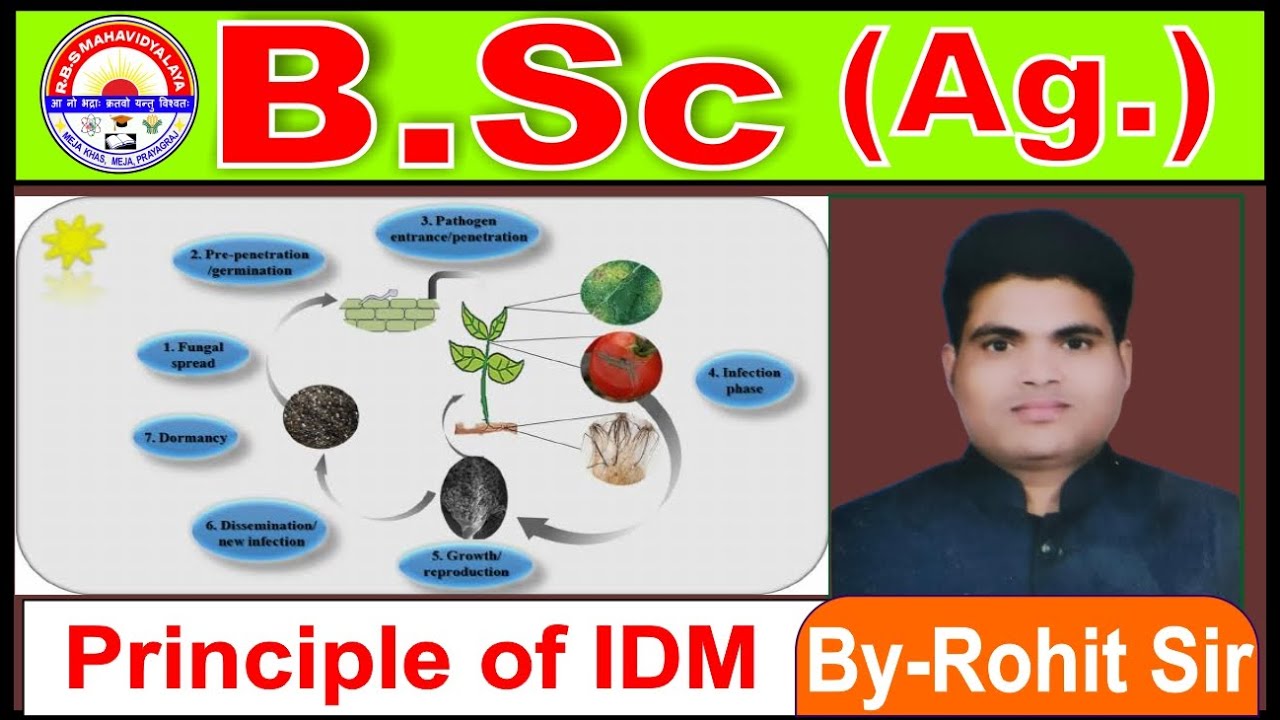
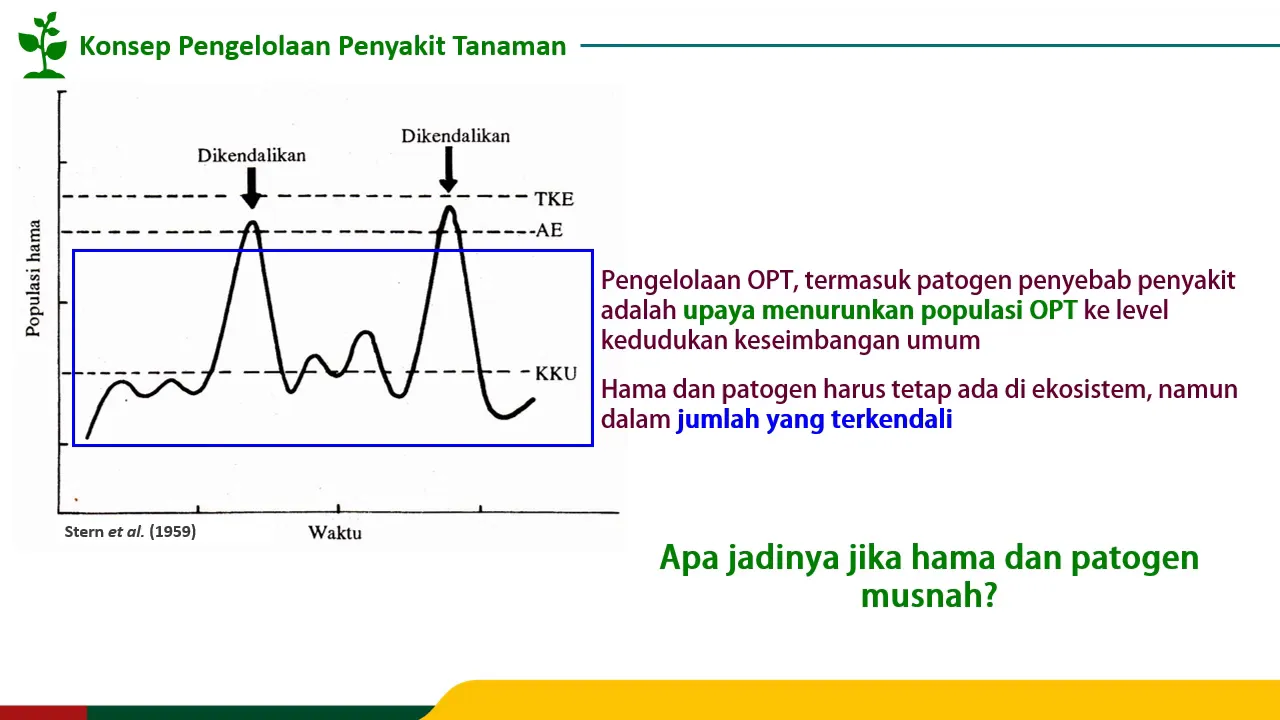
Integrated Disease Management (IDM) principles, focusing on how to manipulate the disease triangle to control plant pathogens.
The molecular mechanisms of plant immunity, including systemic acquired resistance (SAR) and pathogen-associated molecular pattern (PAMP)-triggered immunity.
Plant disease epidemiology, studying how diseases spread through crop populations over time and space.
Advanced diagnostic techniques in plant pathology, such as PCR, ELISA, and genomic sequencing to identify specific pathogens.
3.3K views95likes25:35Original Release: 2021-01-07
symptoms causes and development of plant diseases disease is defined as the study of the organism and environmental condition that cause disease in plants organisms organisms spread the mechanism by which this occur mechanism be the interaction between these coil agents and the plants effect a plant disease is any abnormal condition that alters the appearance or function of a plant a plant disease is any abnormal condition that alters the appearance or function of a plot it is a physiological process that affects some or all plant function with the passage of time it does not occur instantly like injury accidentally yesterday a process effects of disease on a plant are called symptoms any detectable changes in color shape and or function of the plants in response to pathogen or disease causing agents in symptoms disease or physical evidence of pathogen for example fungal fruiting bodies bacteria ooze or nematode cysts sign also can help with plant disease identification as a physical evidence or infectious plant disease are caused by living organisms that attack and obtain their nutrition from the plant they infect those living the parasitic organisms that by the pathogen and serving as its food source is referred to as a host food source disease a favorable environment is critically important for disease development even most susceptible plant exposed to huge amount of a pathogen will not develop disease unless environmental condition are favorable environment environment environment environment [Music] groups of plant pathogens disease because most cannot be seen without a microscope lack chlorophyll japanese composed of growing structures of delicate thread like filaments called hyphae reproduced extremely small organisms requiring microscope to be seen bacteria population can increase in number in short time periods most familiar because they cause human and animal diseases such as influenza polio rabies smallpox and warts and coronaviruses cause some destructive plant diseases to a human or animal plant [Applause] field like worms some are parasites on animals insects fungi other nematodes and plants plant parasitic nematodes have a stylet most live in the soil and feed in our disease foreign disease or tools agricultural equipment carried by wind or water carried by insects vectors insect cathode carried by animals birds a first step plant plant placed in soil that contains a pathogen inoculum moves from its source to horse host plants pathogen successfully enters a plant and grows reproduce and spread within the plant cell penetrate reproduce wound on a plant surface or by penetrating directly into the plants mechanism foreign some diseases have only one cycle during the repeating cycle during the growing season often fourier diseases your fourier disease just like this disease structures number of cycles depends on pathogen susceptibility of the host and environmental condition repeating cycles during growing seasons survived understanding the difference between a sign and symptoms is key in identifying a plant disease difference or symptoms diseases the second point is lecture key a plant disease can not develop if a susceptible host pathogen and favorable environment do not occur simultaneously interaction just a disease triangle video
Up Next
12:12
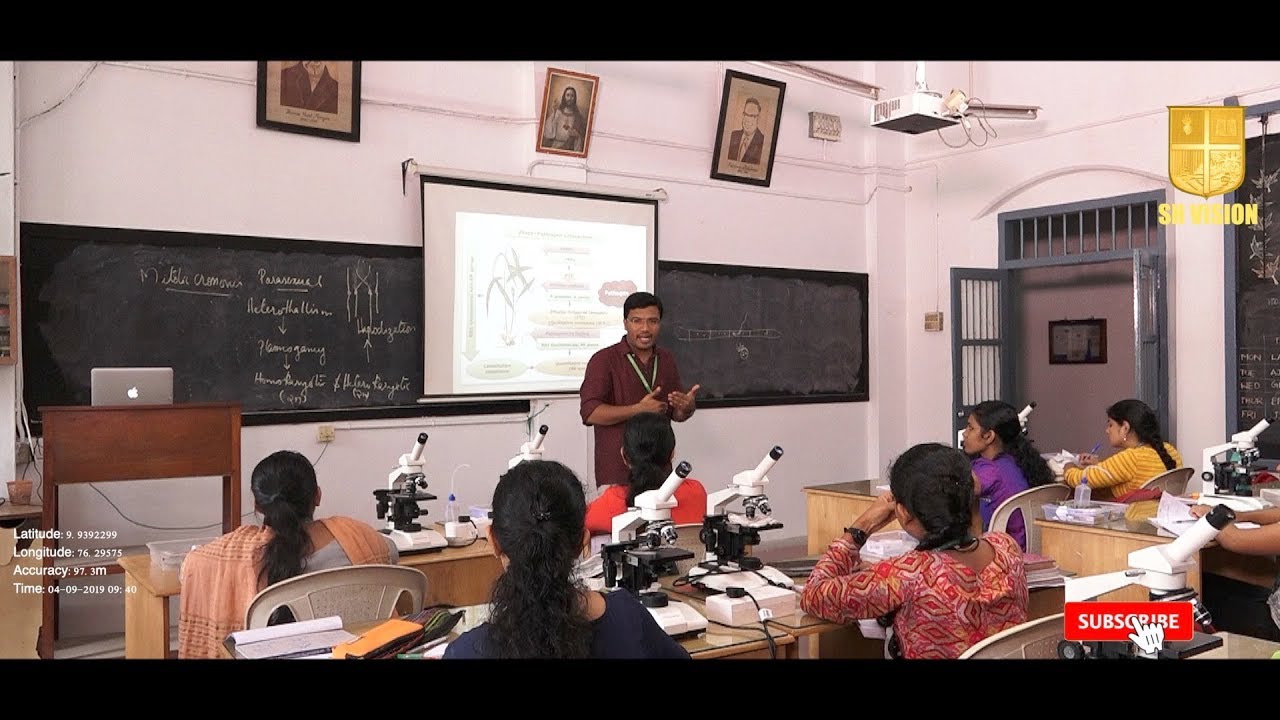
Plant-Pathogen Interaction: Innate Immunity & Resistance Mechanisms
@SHVision
3.9K views•2019-10-10

50:12
Bacterial Communication: Quorum Sensing and Biofilm Formation Explained
@JHUAAP
12.6K views•2011-06-28

5:35
Enteric Nervous System Explained: The Gut's Brain | Neurobiology Lecture
@alumniu6029
438 views•2018-09-12
7:08
Bacteriophages: Earth's Deadliest Killers and Future Antibiotics
@kurzgesagt
34.6M views•2018-05-13
Related Study Plans & Knowledge Roadmaps
Structured learning paths in Biology
biology
RNAi: Biogenesis, RISC & Gene Silencing
01Molecular Biology Foundations: DNA to Protein
02Introduction to RNA Interference (RNAi)
03Molecular Biogenesis of miRNA and siRNA
+ 2 more learning modules
10h5 modules
Explore Roadmap
biology
Mycorrhizae: Signaling, Biophysics & Ecology
01Foundations of Mycorrhizal Symbiosis
02Molecular Signaling and Root Colonization
03Biophysics and Bioenergetics of Nutrient Exchange
+ 1 more learning modules
11h4 modules
Explore Roadmap
biology
Circadian Clocks: TTFL, SCN & Periphery
01Foundations of Molecular Biology & Gene Expression
02Introduction to Chronobiology and Actograms
03The Core TTFL: Molecular Architecture of the Clock
+ 3 more learning modules
14h6 modules
Explore Roadmap
biology
Population Genetics: Math, Drift & Selection
01Genetic & Probability Foundations
02The Hardy-Weinberg Principle and Baseline Models
03Mathematical Modeling of Natural Selection
+ 3 more learning modules
18h6 modules
Explore Roadmap